10 Airport Mistakes That Slow You Down Every Time
Airports can be stressful, even when trips are well planned. Small mistakes add up fast and can turn a smooth travel day into a rushed and frustrating one.
We help couples move through airports with more confidence and less hassle. Knowing what slows travelers down makes a real difference, especially when time is tight or connections are involved. Many common missteps happen before you even reach the gate.
From packing choices to timing and awareness, simple changes can save valuable minutes and reduce stress. A smoother airport experience sets the tone for the entire trip.
Here are 10 airport mistakes that slow you down every time, and how couples can avoid them and travel better together.

Arriving Without a Time Buffer
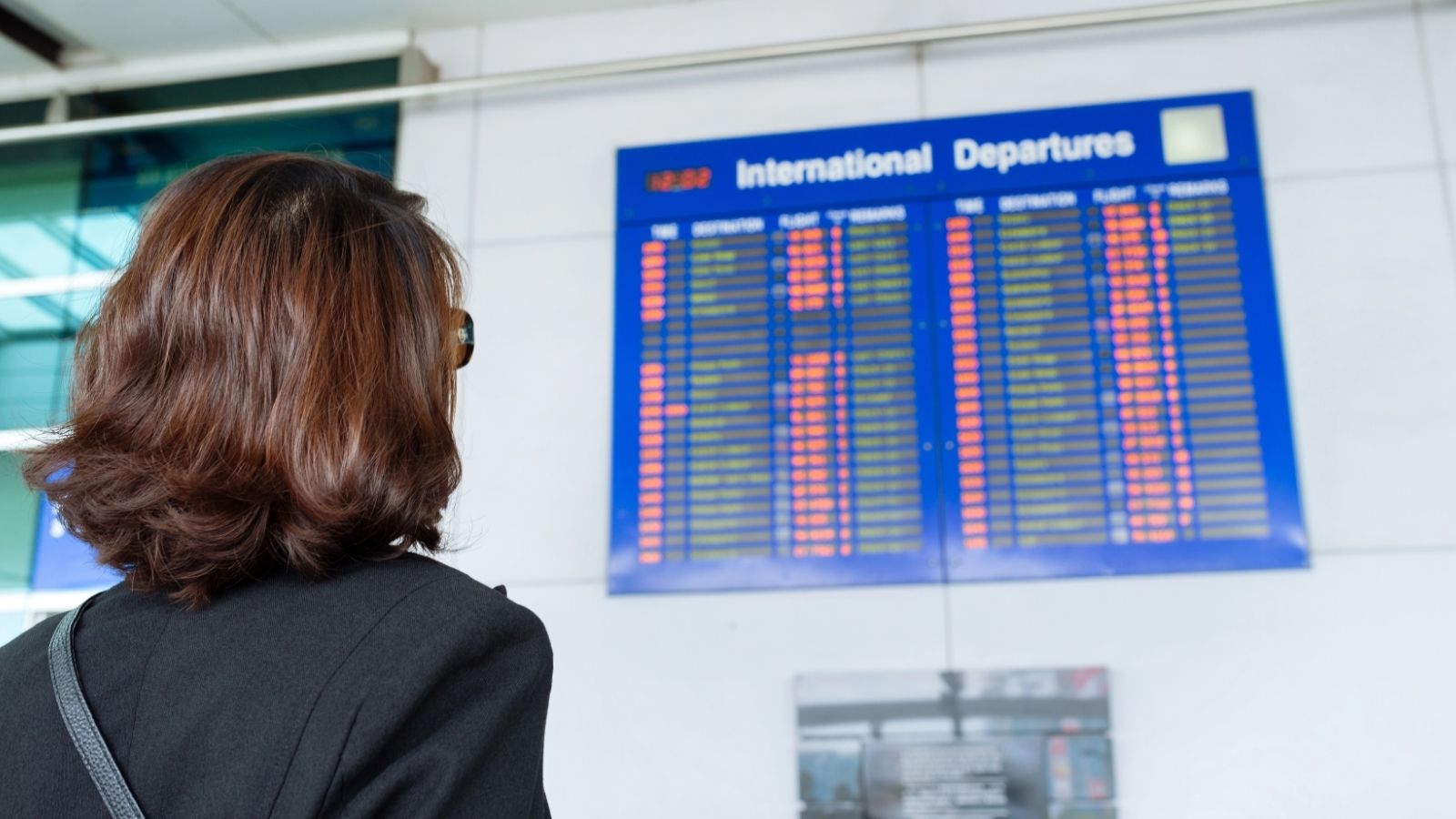
We see travelers plan arrival times that leave no room for error. Traffic delays, long check-in lines, or slower-than-expected security screening quickly turn into stress when there is no buffer. Even experienced travelers get caught off guard by airport size or terminal changes. Couples feel this pressure more because one delay affects both people. A small cushion allows time to adjust without rushing. It also makes the airport experience calmer from the start. Buffer time is not wasted time when it protects the rest of the trip.
Why it slows you down: Rushing causes mistakes, backtracking, and missed steps.
Ignoring TSA or Security Rules
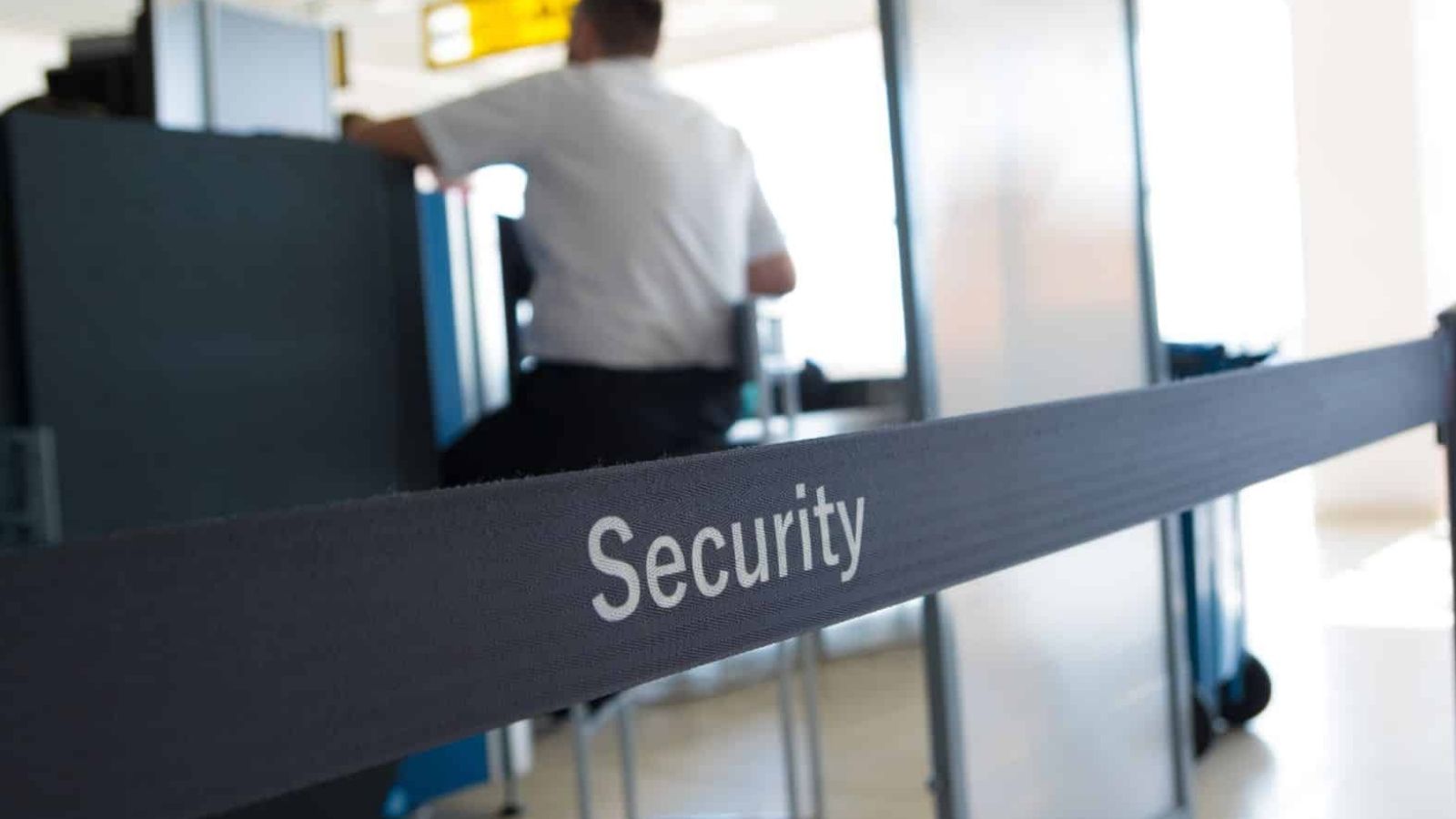
We find many delays happen because travelers forget or ignore security requirements. Liquids left in bags, electronics not separated, or prohibited items trigger secondary screening. This slows the line for everyone and creates unnecessary stress. Couples often get split up during bag checks, adding confusion. Reviewing security rules before packing and wearing simple clothing helps keep things moving. Prepared travelers pass through faster and with less friction.
Why it slows you down: Extra screening adds minutes that compound quickly.
Wearing Complicated Shoes or Accessories

We see boots, belts, layered jewelry, and bulky outerwear slow travelers at security. Removing and putting items back on takes time, especially when bins are limited. Travelers who dress simply move through screening faster and repack more easily. Couples benefit when both people are ready at the same pace instead of waiting on one another. Choosing easy-on shoes and minimal accessories keeps momentum steady.
Why it slows you down: Extra removal and repacking break your flow.
Overpacking Carry-Ons

We find overpacked carry-ons difficult to scan and slow to reorganize after screening. Items spill out, zippers jam, and repacking takes longer than expected. Heavy bags also slow down walking through terminals and boarding. Couples who coordinate packing reduce duplication and lighten the load. Smaller, organized bags move faster at every step.
Why it slows you down: Bulky bags add friction at security and beyond.
Not Having Documents Ready
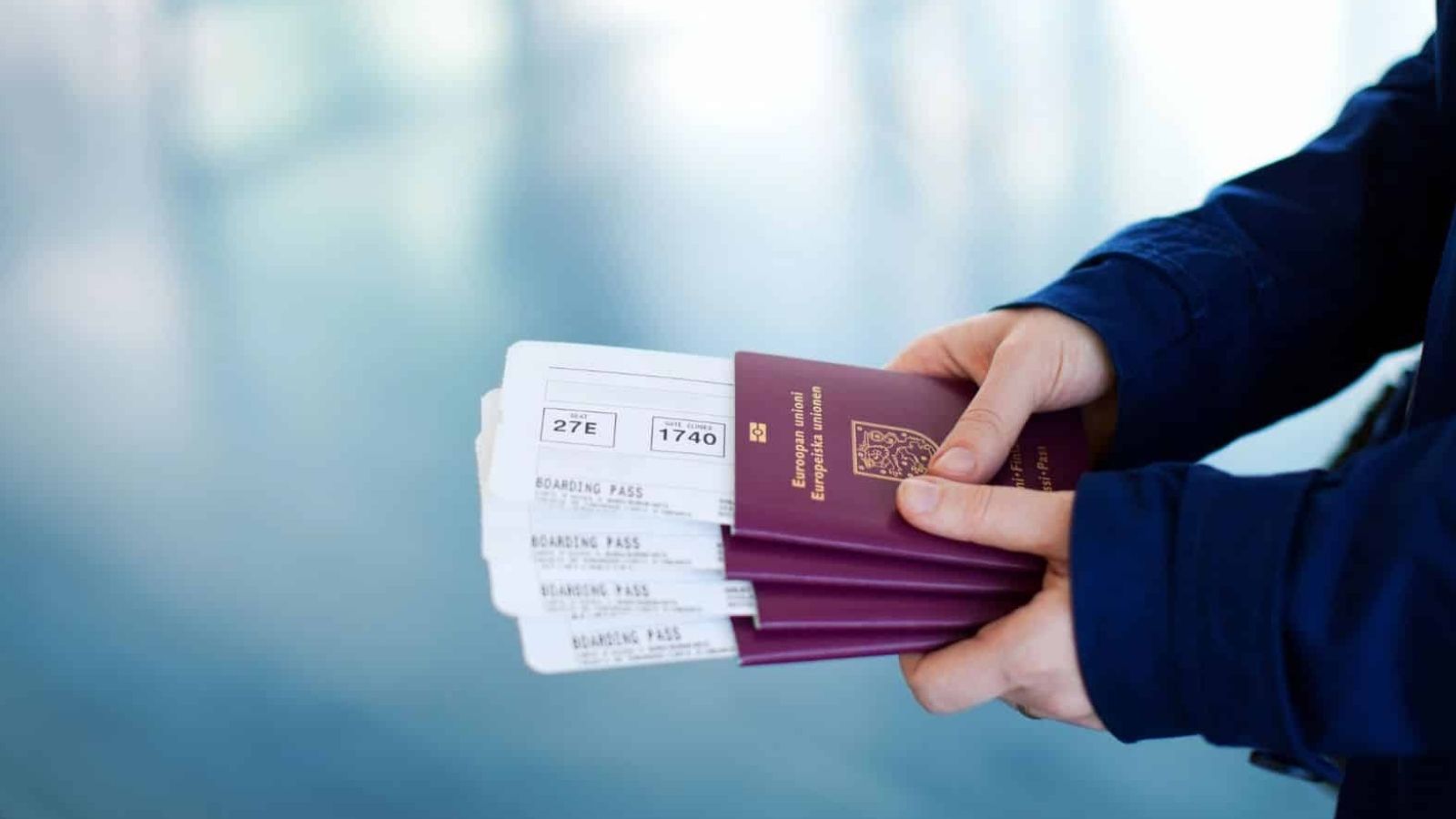
We see travelers lose time searching for IDs, passports, or boarding passes right at the checkpoint. This creates backups and adds pressure when lines are moving. Phones with low battery or spotty connectivity make the problem worse. Couples benefit when both travelers have documents easily accessible instead of relying on one person. Preparation keeps the line moving and stress low.
Why it slows you down: Searching at checkpoints stops your forward progress.
Waiting to Fill Water Bottles After Security

We find travelers often underestimate how crowded water fountains and bottle-fill stations get after security. During peak travel times, lines form quickly, especially near popular gates. Waiting until the last minute can eat into boarding time and add unnecessary pressure. Couples feel this most when one person holds a place at the gate while the other searches for water. Filling bottles earlier in quieter areas or allowing extra time helps keep things smooth. Hydration matters, but timing matters just as much.
Why it slows you down: Crowded stations create bottlenecks right before boarding.
Standing in the Boarding Lane Too Early
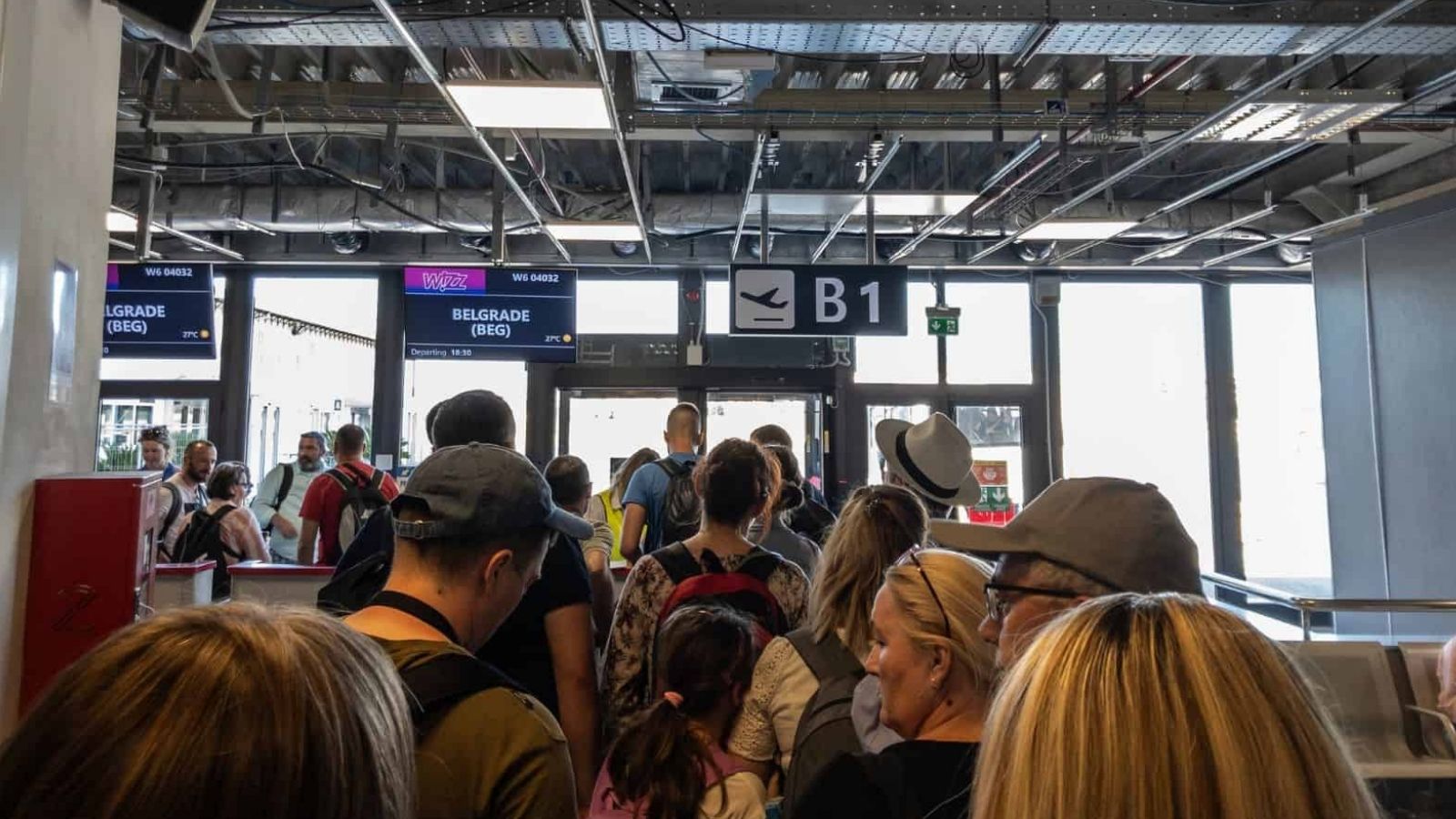
We see travelers line up long before their group is called, thinking it will speed things up. Instead, it blocks walkways, slows movement, and creates confusion. Standing early rarely changes boarding order and often leads to fatigue before the flight even begins. Couples benefit from staying seated nearby until their group is announced, keeping energy and awareness high.
Why it slows you down: Early crowding creates congestion without saving time.
Ignoring Airport Maps
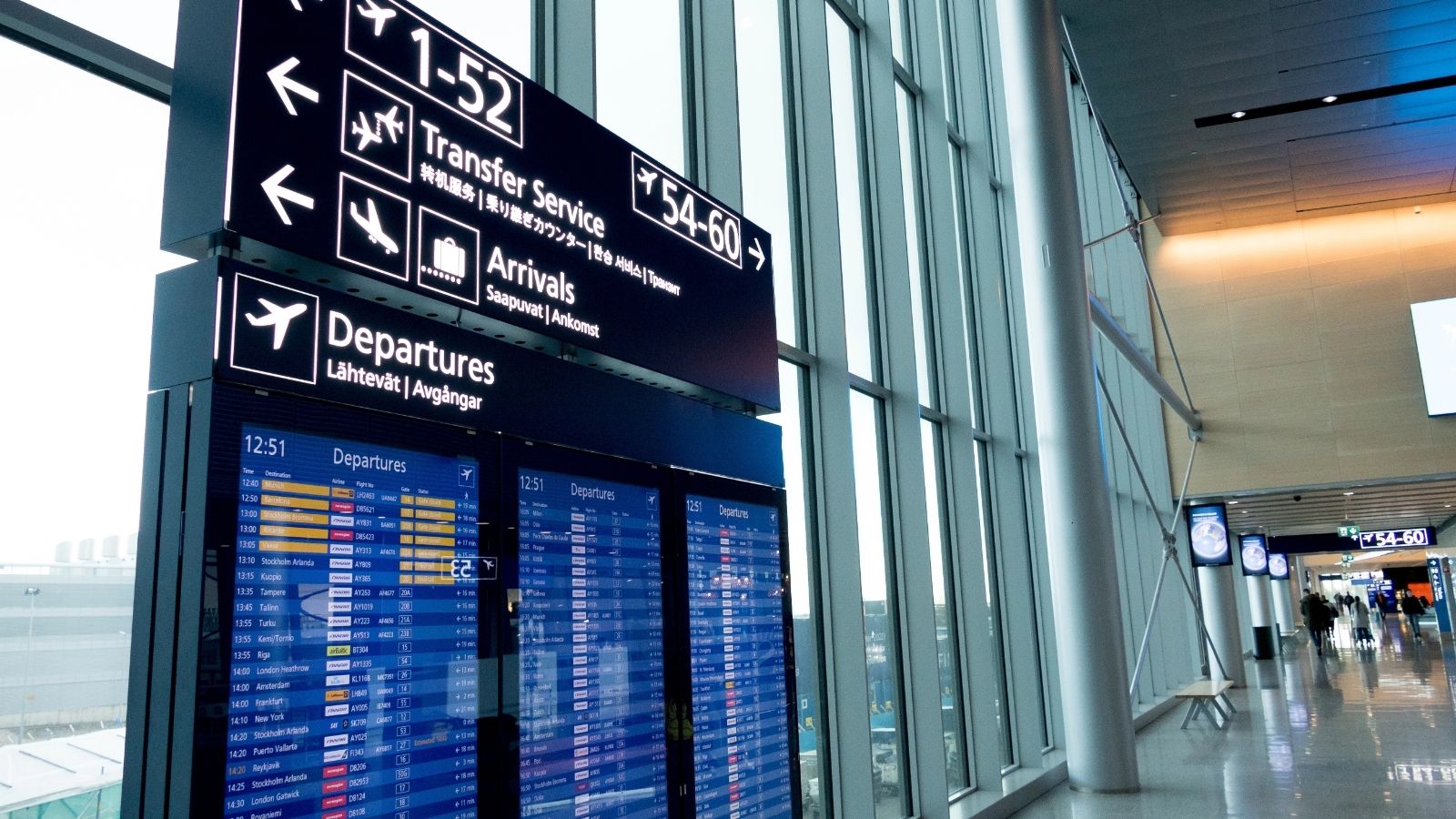
We find travelers waste time backtracking because they assume gates are close together. Large airports often require long walks, trains, or terminal changes. Ignoring maps leads to rushed pacing and missed shortcuts. Couples moving together feel this delay more because one wrong turn affects both people. Checking the airport map early helps plan routes, rest stops, and food timing.
Why it slows you down: Wrong turns add unnecessary distance and stress.
Relying on Airport Wi-Fi Only
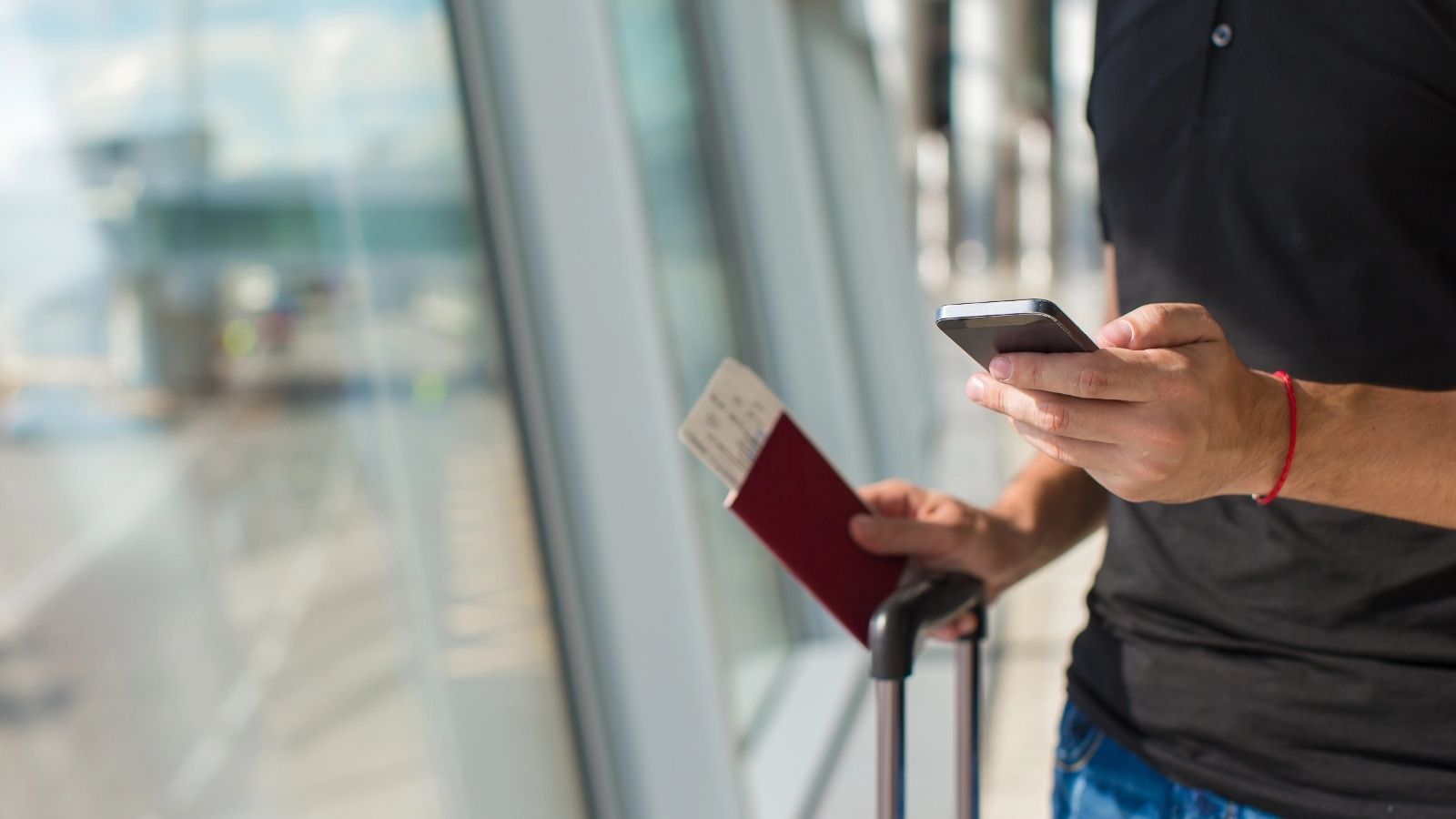
We see airport Wi-Fi fail at the worst moments. Slow connections make it hard to load boarding passes, check updates, or access apps. Travelers then scramble for help or screenshots. Couples benefit when both people download passes and key information ahead of time. Offline access keeps movement steady.
Why it slows you down: Connectivity issues interrupt progress unexpectedly.
Not Checking Gate Assignments Regularly
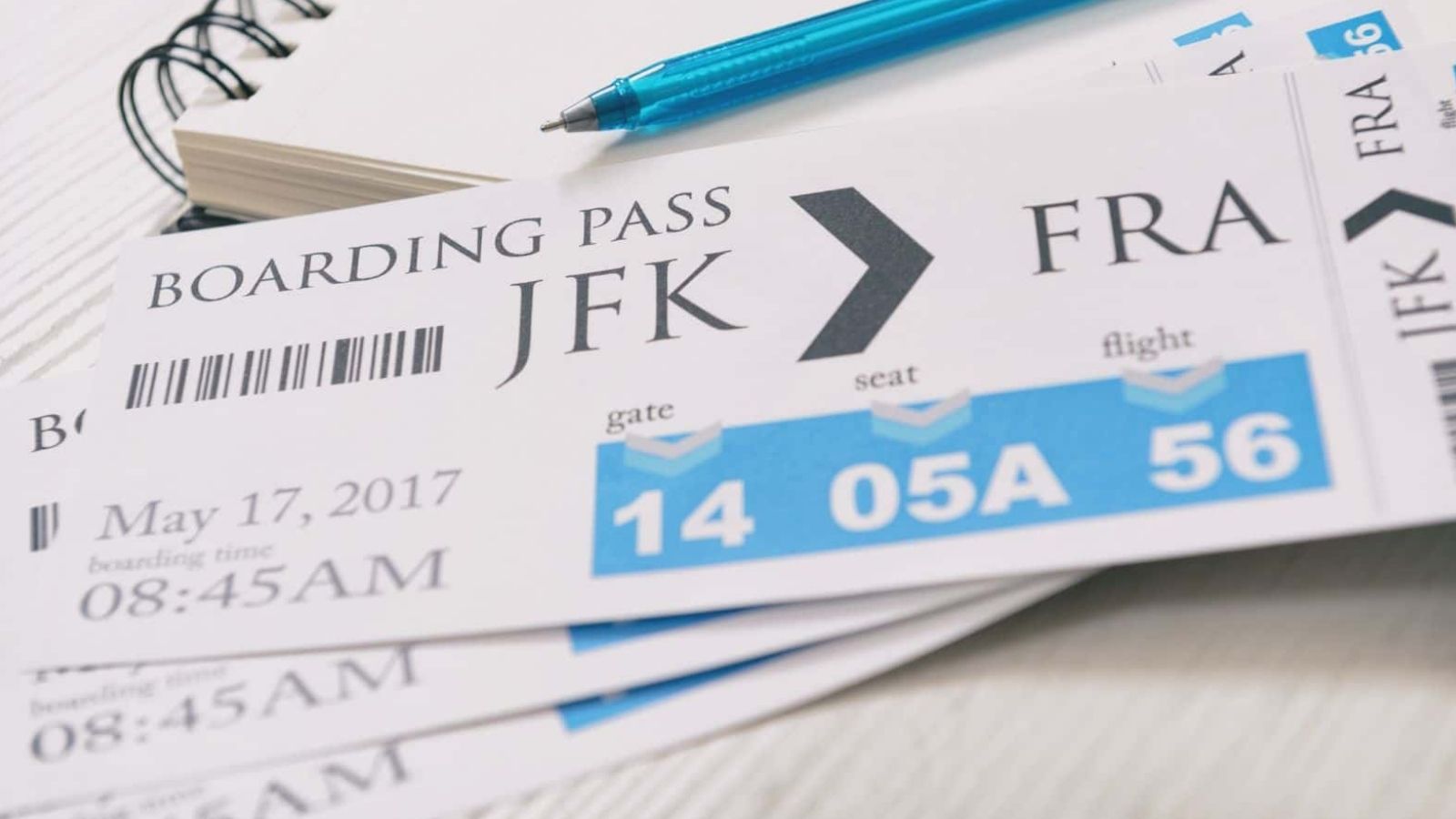
We find gate changes happen frequently and are not always obvious. Travelers who assume the original gate stays the same often realize too late and rush across terminals. Couples feel this stress more when coordinating bags and pacing together. Checking gate assignments periodically keeps plans aligned and prevents last-minute sprints.
Why it slows you down: Missed gate changes force rushed corrections.
10 Couple Vacation Spots Travelers Say Are Overrated

Some vacation spots are constantly praised as perfect for couples. They fill social feeds and travel lists year after year. But popularity does not always equal a great experience. We help couples plan trips that feel relaxing, meaningful, and worth the effort. Many well-known couple destinations come with crowds, high prices, and experiences that fall short of expectations. What sounds dreamy on paper can feel disappointing in reality.
Learn more here: 10 Couple Vacation Spots Travelers Say Are Overrated
9 ‘Romantic’ Destinations That Lost Their Charm

Some destinations are known for romance. They show up on honeymoon lists and anniversary plans again and again. But not all of them feel as magical once you arrive. We help couples plan trips that live up to their expectations. Over time, some once romantic places have changed. Crowds grew. Prices climbed. The atmosphere shifted. What felt intimate years ago can now feel rushed or overdone.
Learn more here: 9 ‘Romantic’ Destinations That Lost Their Charm
