10 Cities Where Travel Can Feel More Overwhelming Than Expected
Some cities capture attention long before travelers arrive. They appear in films, guidebooks, and social media feeds as places full of energy and opportunity. For many couples, visiting them feels like an essential part of seeing the world.
Once on the ground, however, the experience can feel more intense than expected. Large populations, dense transit systems, language barriers, and constant movement can quickly create sensory overload. Crowds, noise, and long travel times between neighborhoods may make simple plans take far longer than anticipated.
This does not mean these cities are not worth visiting. Many remain extraordinary destinations with deep culture, food scenes, and historic significance. The challenge is understanding the pace they demand so couples can plan accordingly and avoid unnecessary stress.
We have identified 10 cities where travel can feel more overwhelming than expected. These are places where preparation matters most and where adjusting expectations helps couples navigate the experience with more confidence and patience.

Jakarta, Indonesia
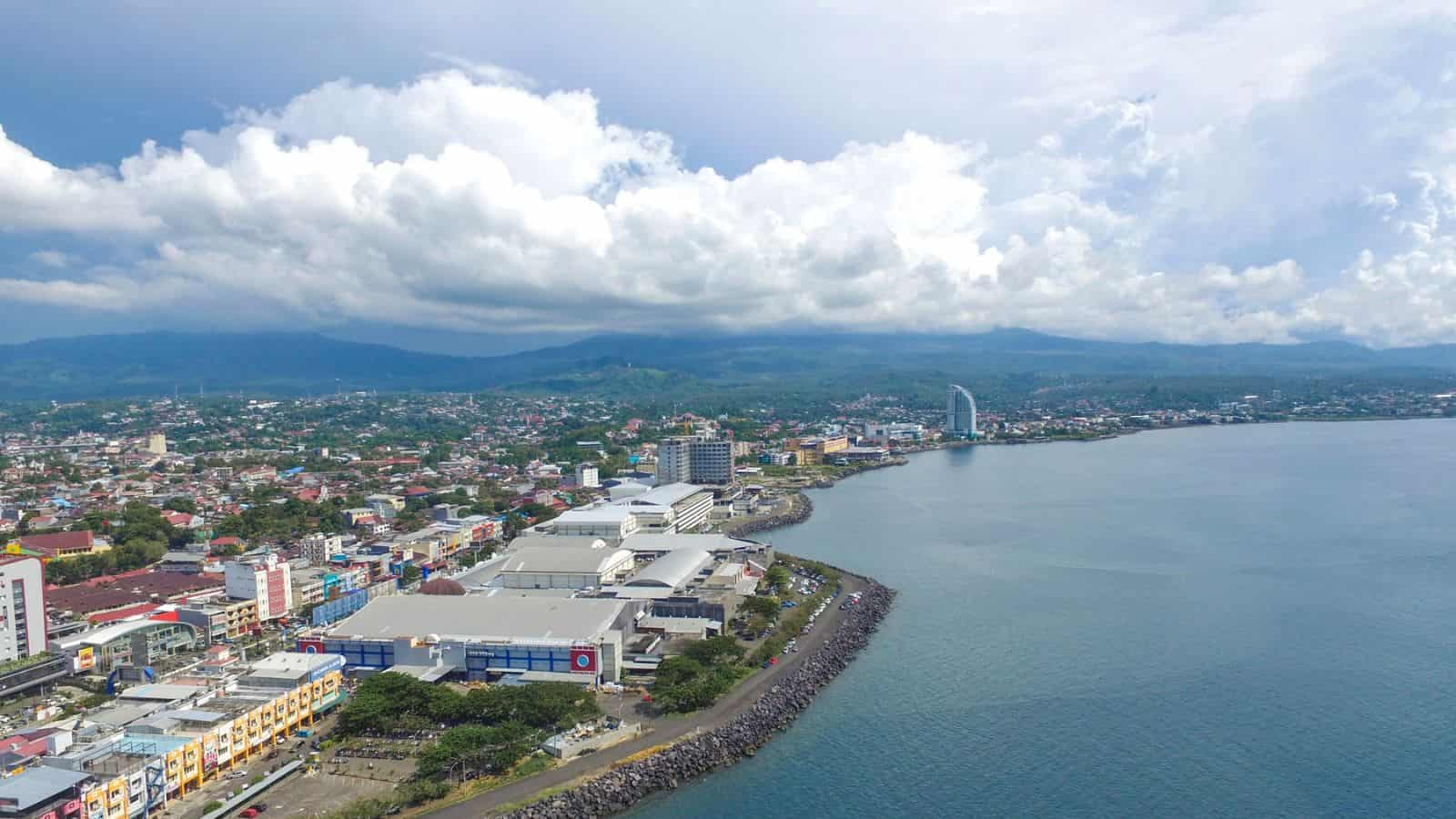
Jakarta often surprises travelers with how much time daily movement can take. Distances that appear short on a map may stretch into long rides once traffic builds. Congestion shapes the rhythm of the city, and even routine trips require extra planning. Public transportation continues to improve, yet many areas still depend on road travel. Heat and humidity also influence how long visitors stay outdoors at a time. Markets, historic districts, and food neighborhoods offer rewarding experiences, but the scale of the city means transitions between them can take patience.
Takeaway: Limit plans to one district per day to reduce time spent navigating traffic.
Mumbai, India
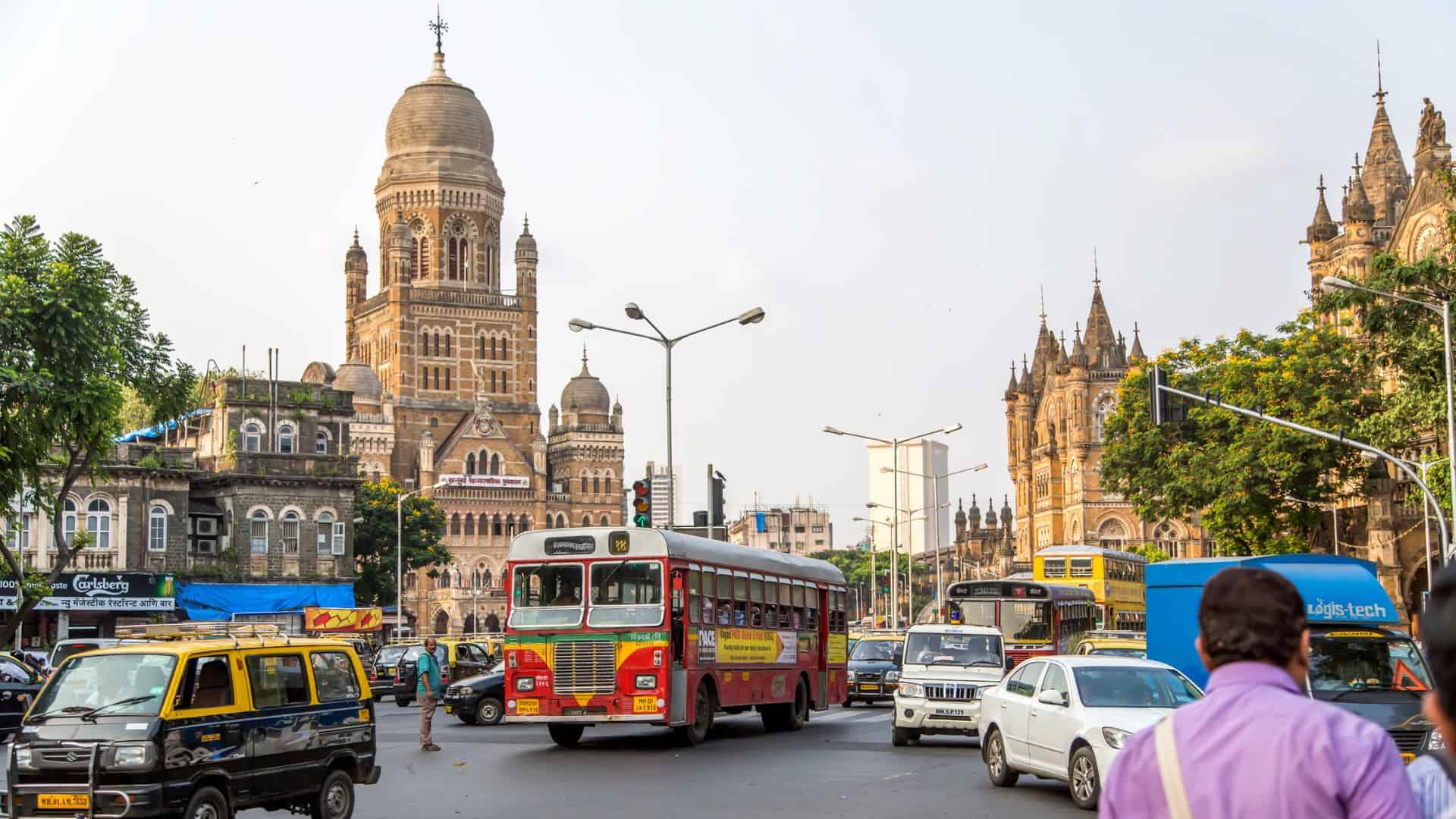
Mumbai moves with constant momentum, and first-time visitors often notice the pace immediately. Streets stay active throughout the day as commuters, buses, and auto-rickshaws share limited space. The city’s rail network moves millions of people daily, but trains can feel crowded during peak hours. Walking also requires attention because sidewalks and traffic patterns change frequently. Humidity and dense neighborhoods add to the intensity during long days outside. Mumbai’s culture, architecture, and food traditions remain strong draws, yet navigating the city comfortably usually requires adjusting expectations about pace.
Takeaway: Plan shorter daily routes and avoid peak commuting hours whenever possible.
Manila, Philippines
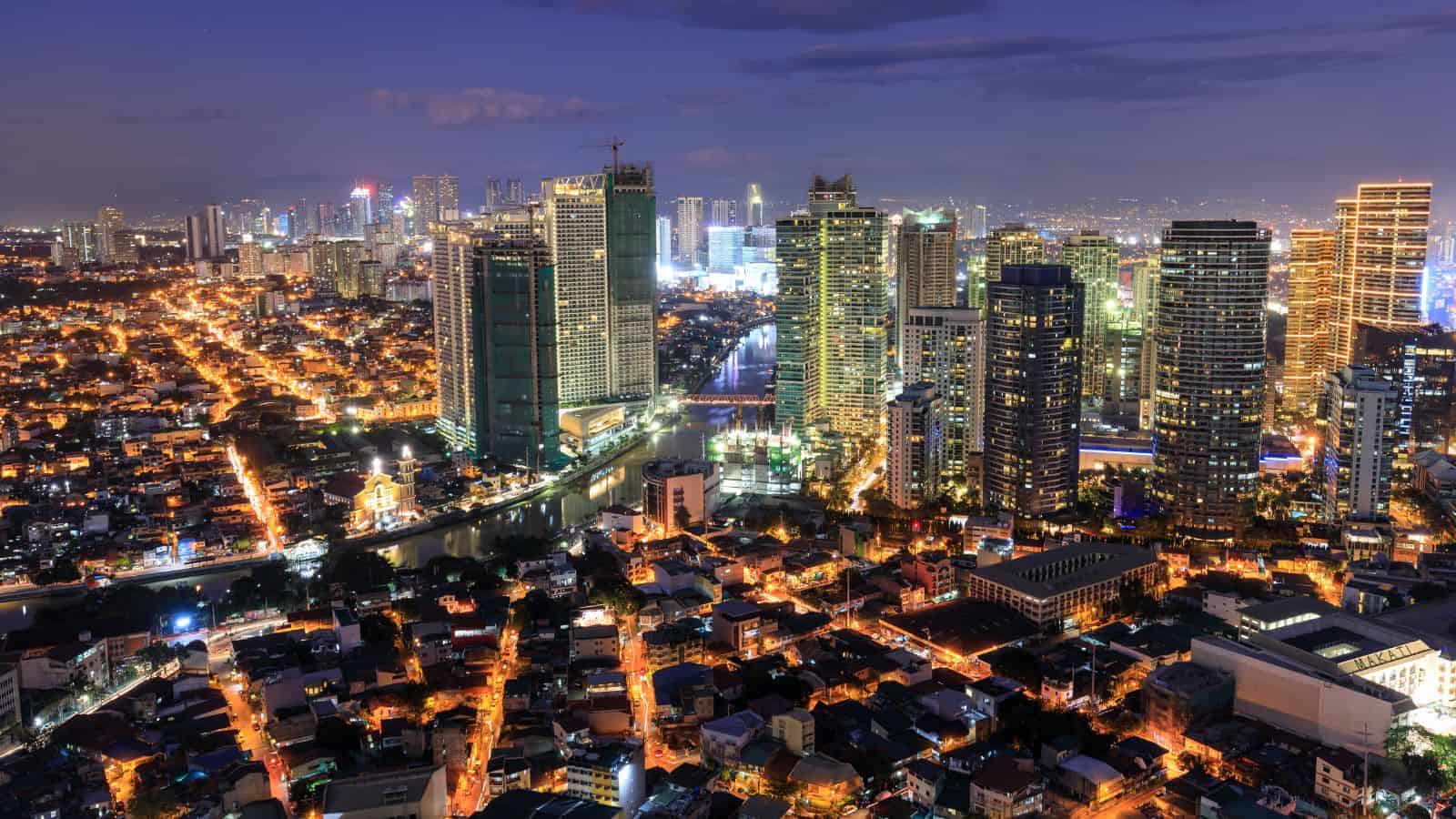
Manila blends historic districts, large shopping complexes, and dense neighborhoods across a wide urban area. Travel between those areas can take longer than expected because road congestion shapes daily movement. Jeepneys, buses, and trains connect many districts, though they often become crowded during busy hours. Heat and humidity also influence how long visitors spend outdoors. Despite these challenges, Manila offers strong food culture and historic landmarks that reward slower exploration.
Takeaway: Focus on one neighborhood at a time rather than crossing the city multiple times in one day.
Cairo, Egypt
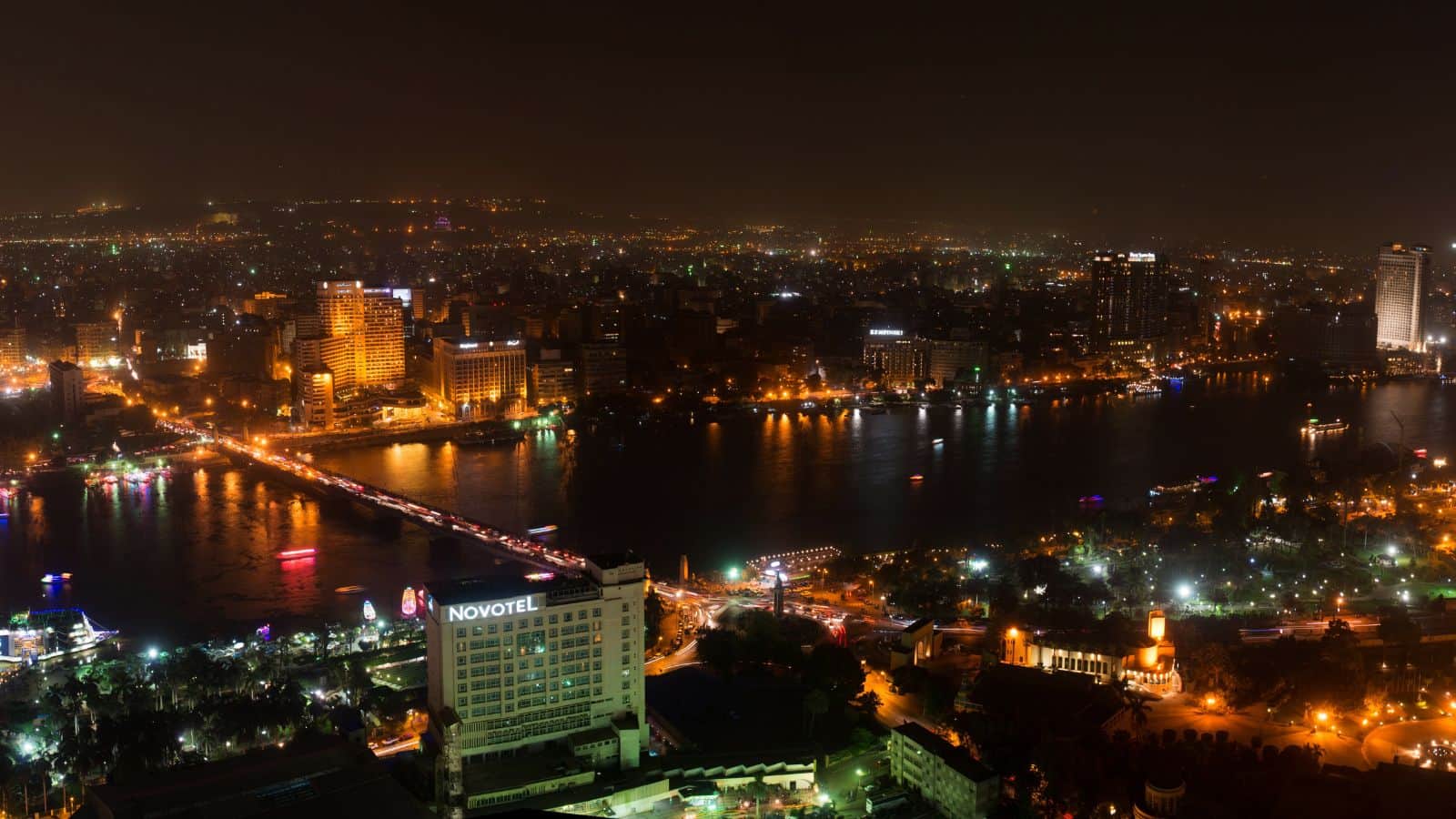
Cairo’s streets carry a constant flow of activity. Cars, buses, and pedestrians move together through busy intersections, which can feel intense for first-time visitors. Crossing the street requires attention and patience because traffic rarely pauses completely. Dust and heat can also make long walking days tiring, especially during summer. Historic sites such as the pyramids and older districts attract large crowds, adding to the sense of scale. Once travelers adjust to the rhythm, daily movement becomes easier to interpret.
Takeaway: Schedule major sightseeing early in the morning before traffic and heat increase.
Bangkok, Thailand

Bangkok’s energy shows up immediately in its markets, street food areas, and busy roads. Traffic congestion can slow movement between districts, particularly during rush hours. The Skytrain and subway help reduce travel time in central areas, but many neighborhoods still require navigating crowded streets. Heat and humidity make long walks challenging during midday. Night markets and evening street life add to the sensory intensity once the sun sets. Despite the pace, many travelers settle into the city once they learn how to combine transit options.
Takeaway: Use the Skytrain whenever possible to avoid the slowest road traffic.
Lagos, Nigeria
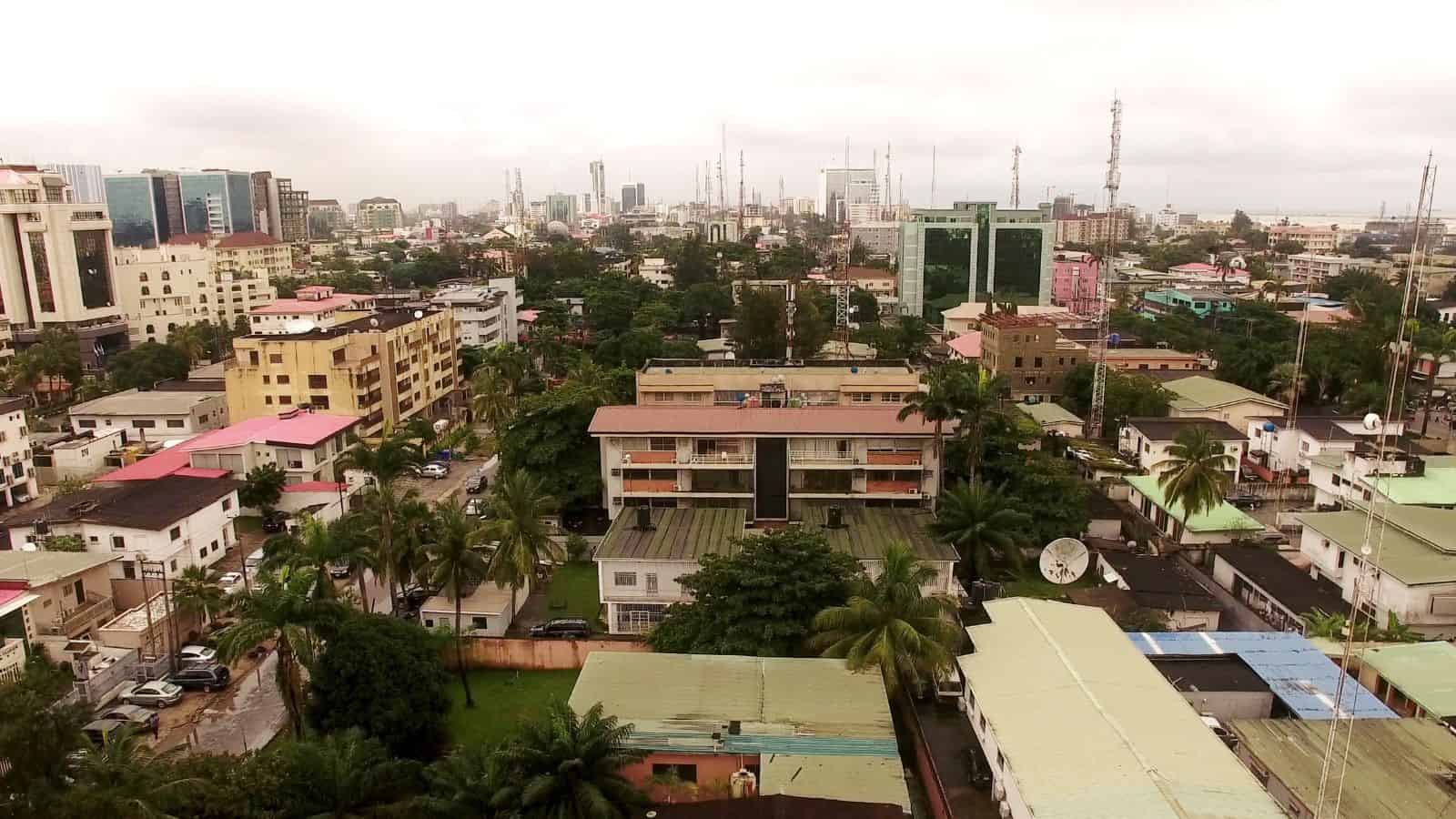
Lagos moves with constant activity across its roads and markets. Traffic congestion shapes daily routines, and short trips may take longer than expected. Street vendors, buses, and motorcycles share the same lanes, creating a busy environment that requires patience. Public transportation options exist but can feel confusing for visitors unfamiliar with local systems. Noise and street activity remain high throughout the day. Lagos also has a strong cultural and business presence that attracts travelers who are prepared for its pace.
Takeaway: Allow extra travel time between neighborhoods to reduce stress.
São Paulo, Brazil

São Paulo’s size alone can surprise visitors. The city stretches across a vast urban area, and travel between districts may take longer than expected. Traffic congestion remains common even outside peak hours. Public transportation reaches many parts of the city but often becomes crowded during commuting periods. Because of the distance between neighborhoods, daily planning helps prevent spending too much time in transit. São Paulo’s restaurants, museums, and cultural events attract travelers from around the world, yet exploring them comfortably requires pacing visits carefully.
Takeaway: Cluster activities within the same neighborhood to minimize travel time.
Mexico City, Mexico

Mexico City combines historic plazas, museums, and residential neighborhoods across a very large metropolitan area. Traffic congestion is common, and the scale of the city means moving between districts requires planning. The metro system connects many areas efficiently, though trains can become crowded during peak hours. Altitude and air quality may also take adjustment for some visitors. Despite these challenges, the city rewards travelers who slow down and explore individual neighborhoods in depth.
Takeaway: Base your itinerary around one or two districts per day.
New Delhi, India
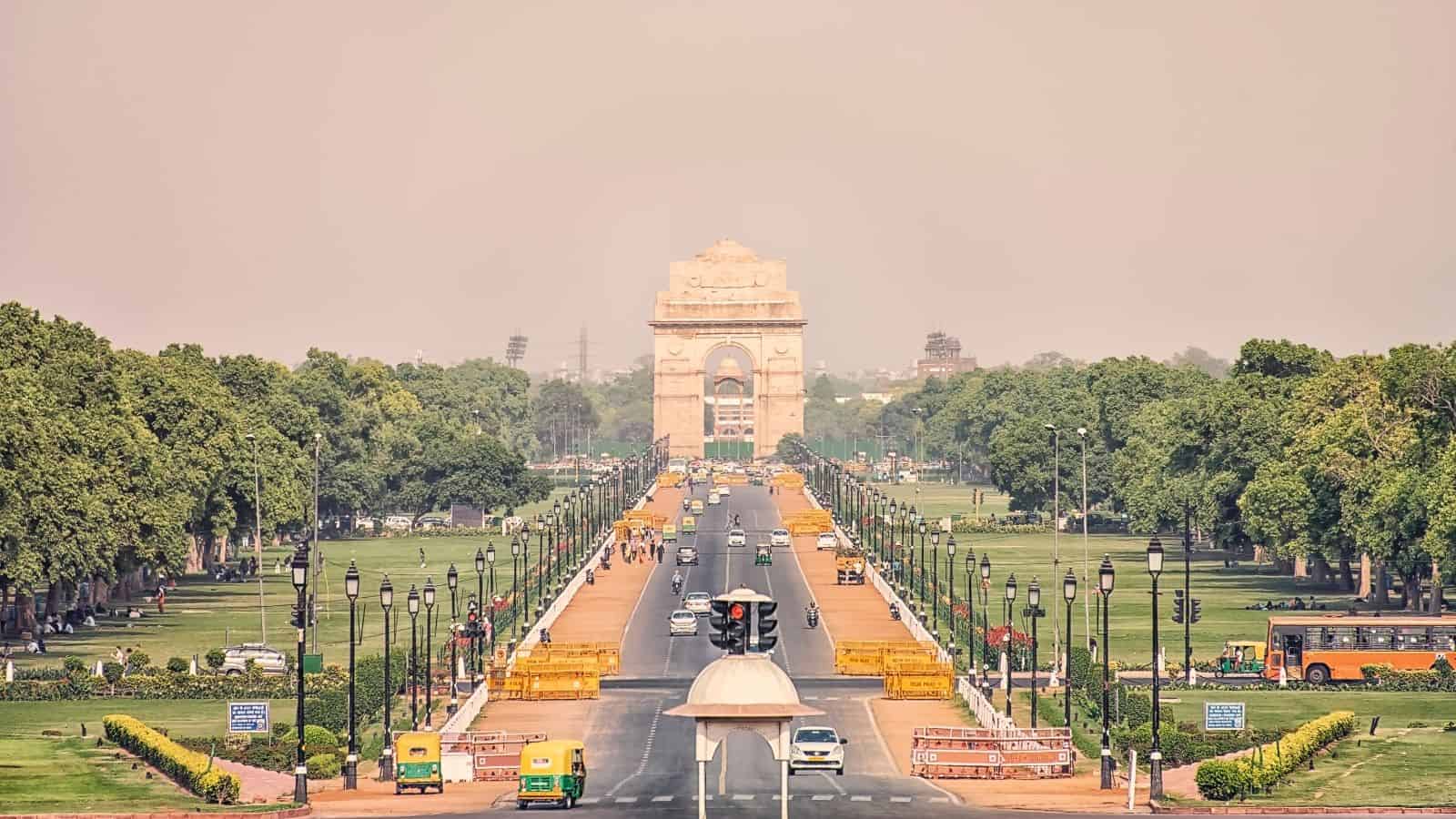
New Delhi blends historic monuments with rapidly expanding modern districts. Streets remain busy throughout the day with cars, auto-rickshaws, and pedestrians sharing space. Air quality can fluctuate depending on season, and traffic patterns shift quickly in crowded areas. The metro system helps simplify travel, though stations can become busy during commuting hours. Markets and historic landmarks draw large numbers of visitors, which adds to the sense of movement across the city.
Takeaway: Use the metro for longer distances and keep walking routes short.
Ho Chi Minh City, Vietnam
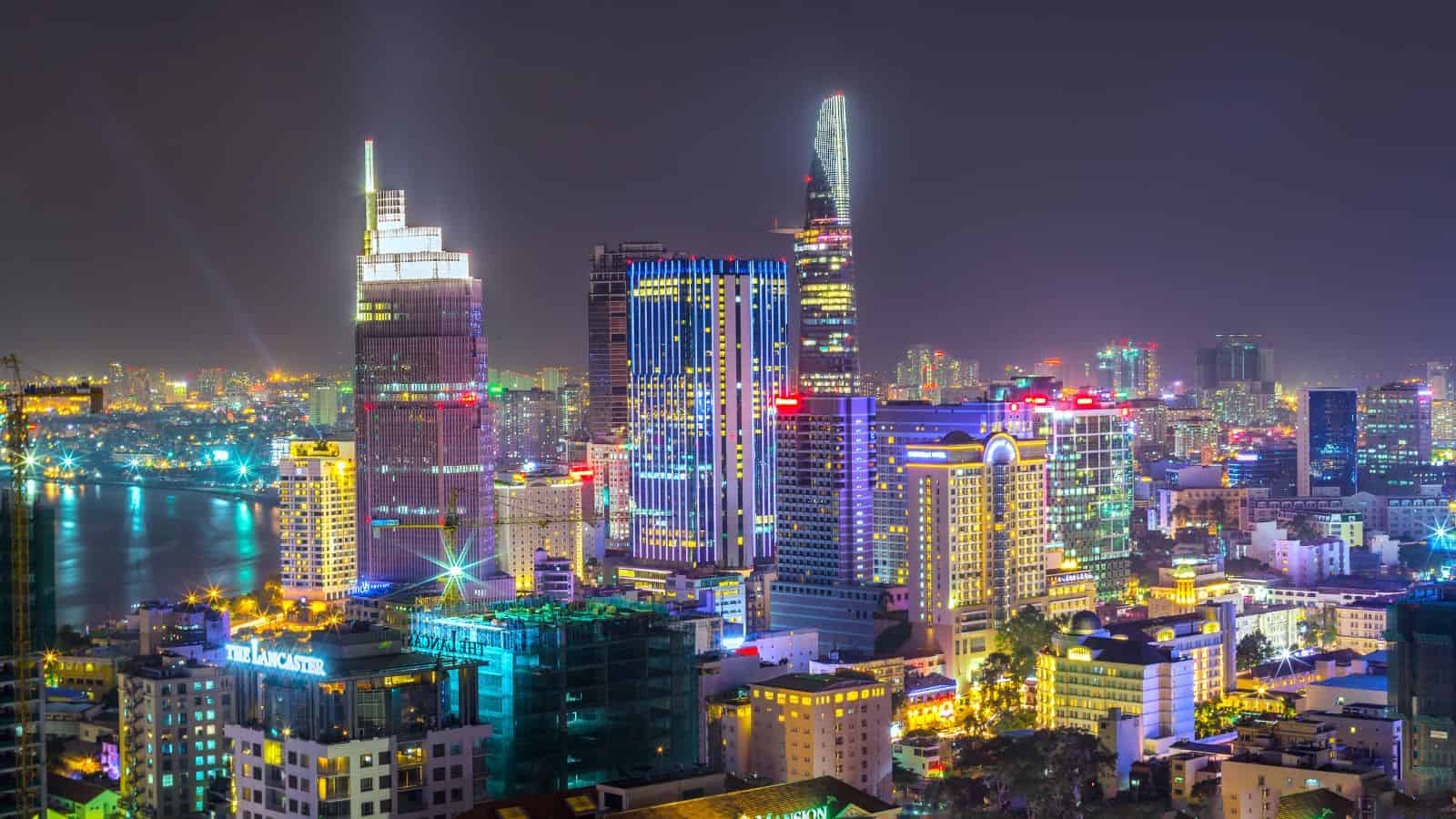
Ho Chi Minh City stands out for its steady flow of motorbikes weaving through streets at nearly every hour. Crossing the road can feel intimidating at first because traffic rarely stops completely. Once travelers adjust, the movement reveals its own predictable rhythm. Sidewalks often double as café seating or storefront space, which shifts walking patterns. Markets and street food areas stay active throughout the day and evening.
Takeaway: Walk at a steady pace when crossing streets and allow traffic to move around you.
11 Lake Towns Perfect for a Quiet Getaway Together

Lake towns have a way of shifting the tone of a trip the moment you arrive. Water softens the pace. Even busy days feel more measured when mornings start with a shoreline walk and evenings end with sunset views. For many couples, that rhythm is the reason lake destinations keep resurfacing in future travel plans.
Learn more here: 11 Lake Towns Perfect for a Quiet Getaway Together
9 American Towns Couples Choose When They Want Fewer Distractions

Not every trip needs packed schedules and constant activity. Many couples reach for quieter towns when they want space to think, reconnect, or simply step away from daily noise. The right setting can shift the focus from checking off attractions to actually spending time together.
Learn more here: 9 American Towns Couples Choose When They Want Fewer Distractions
