10 Countries That Get Work-Life Balance Right
Work life balance means different things to different couples. For some, it is shorter workweeks and generous vacation time. For others, it is reliable public services, manageable commutes, and a culture that respects time away from work. In certain countries, that balance is built into daily life rather than treated as a luxury.
National policies play a role, but culture matters just as much. Expectations around overtime, parental leave, and paid holidays shape how people actually live. When evenings and weekends are protected, social life, family time, and travel become easier to prioritize. That rhythm influences everything from stress levels to long term planning.
For couples considering relocation or extended stays, work life balance is not just a statistic. It affects housing choices, healthcare access, and how connected people feel to their communities. Understanding how balance functions in practice helps set realistic expectations.
We have identified 10 countries that get work life balance right. These are places where policy and culture align in ways that support sustainable routines and give couples more space to build the lives they want beyond work.

Denmark
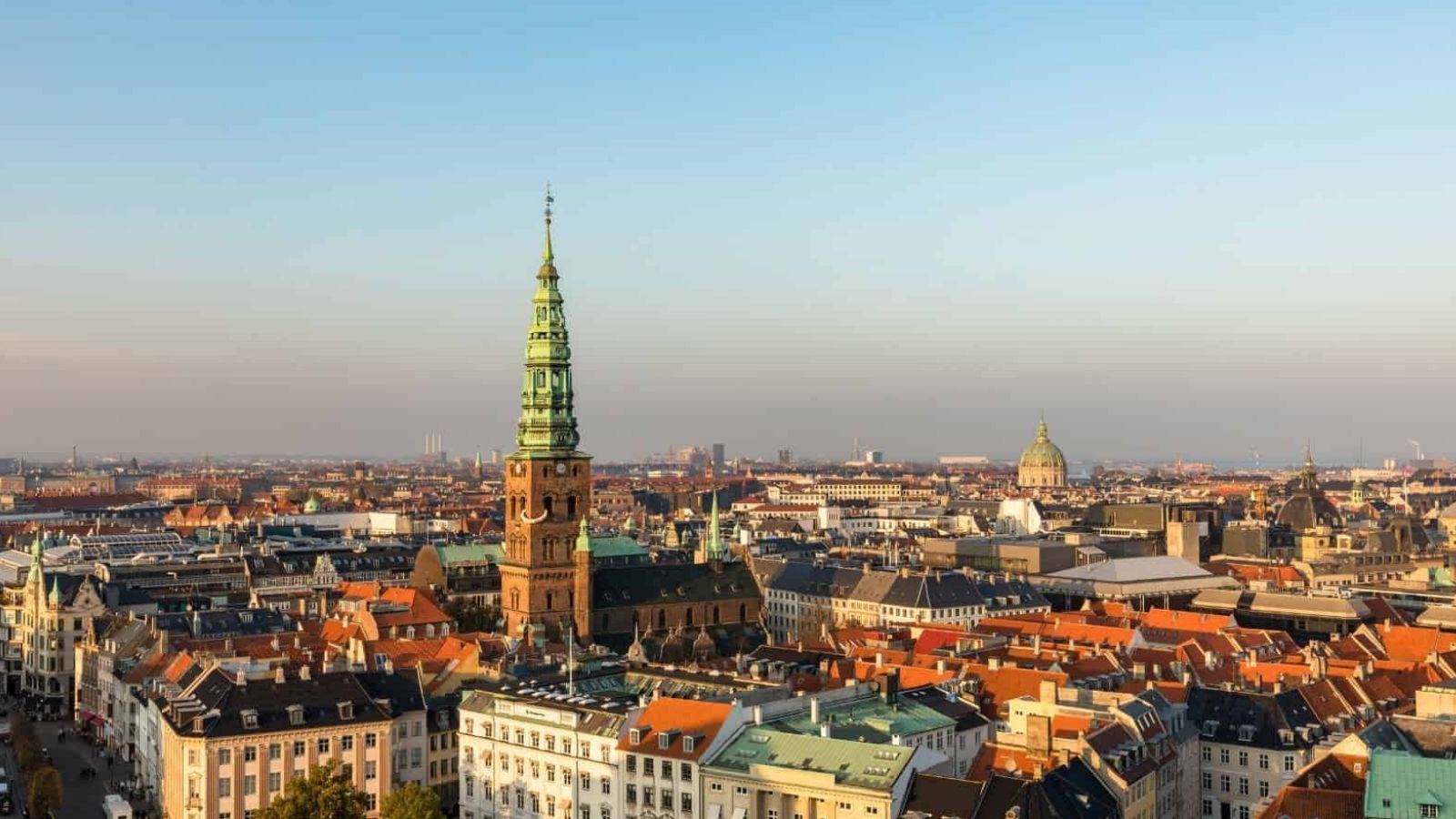
Denmark consistently ranks high for work life balance because shorter average workweeks and strong labor protections are built into daily life. Paid vacation is standard, parental leave is generous, and flexible schedules are common across sectors. In cities like Copenhagen, commuting by bike reduces stress and supports outdoor time. Evenings are typically reserved for family, friends, or personal interests. Workplace culture tends to value efficiency over long hours. The expectation is that productivity happens within set hours, not beyond them.
Why it works: Clear boundaries between work time and personal time are socially reinforced.
Netherlands
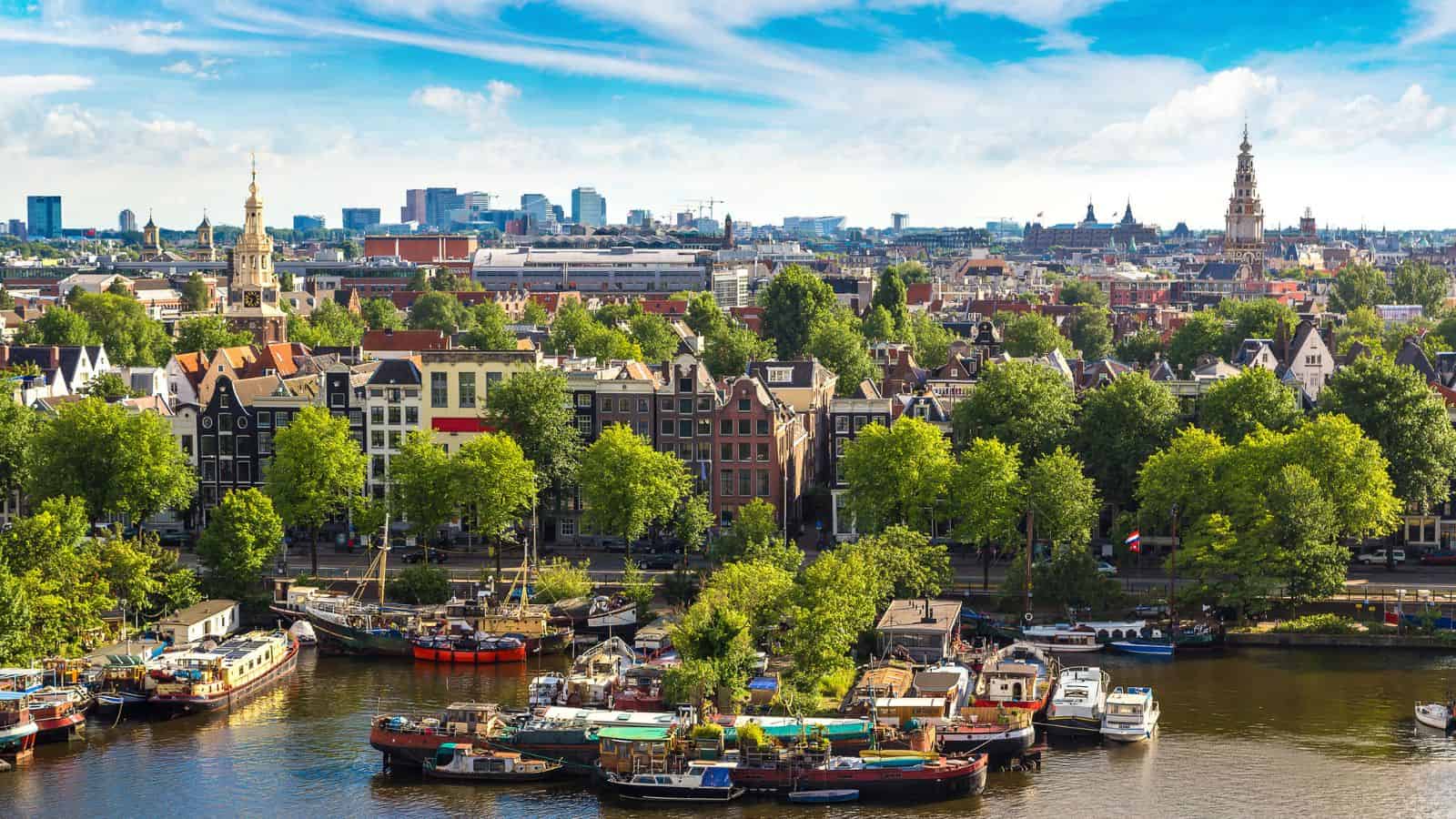
The Netherlands supports balance through part-time work flexibility and strong social policies. Many employees, including professionals, choose reduced hours without career penalty. Paid leave allowances are reliable, and cycling infrastructure makes commuting practical and low stress. Urban planning keeps daily errands close to home, which reduces time lost to travel. Dutch workplace culture prioritizes output over visibility, meaning long office hours are not a badge of honor.
Why it works: Flexible schedules and compact cities reduce daily pressure.
Norway
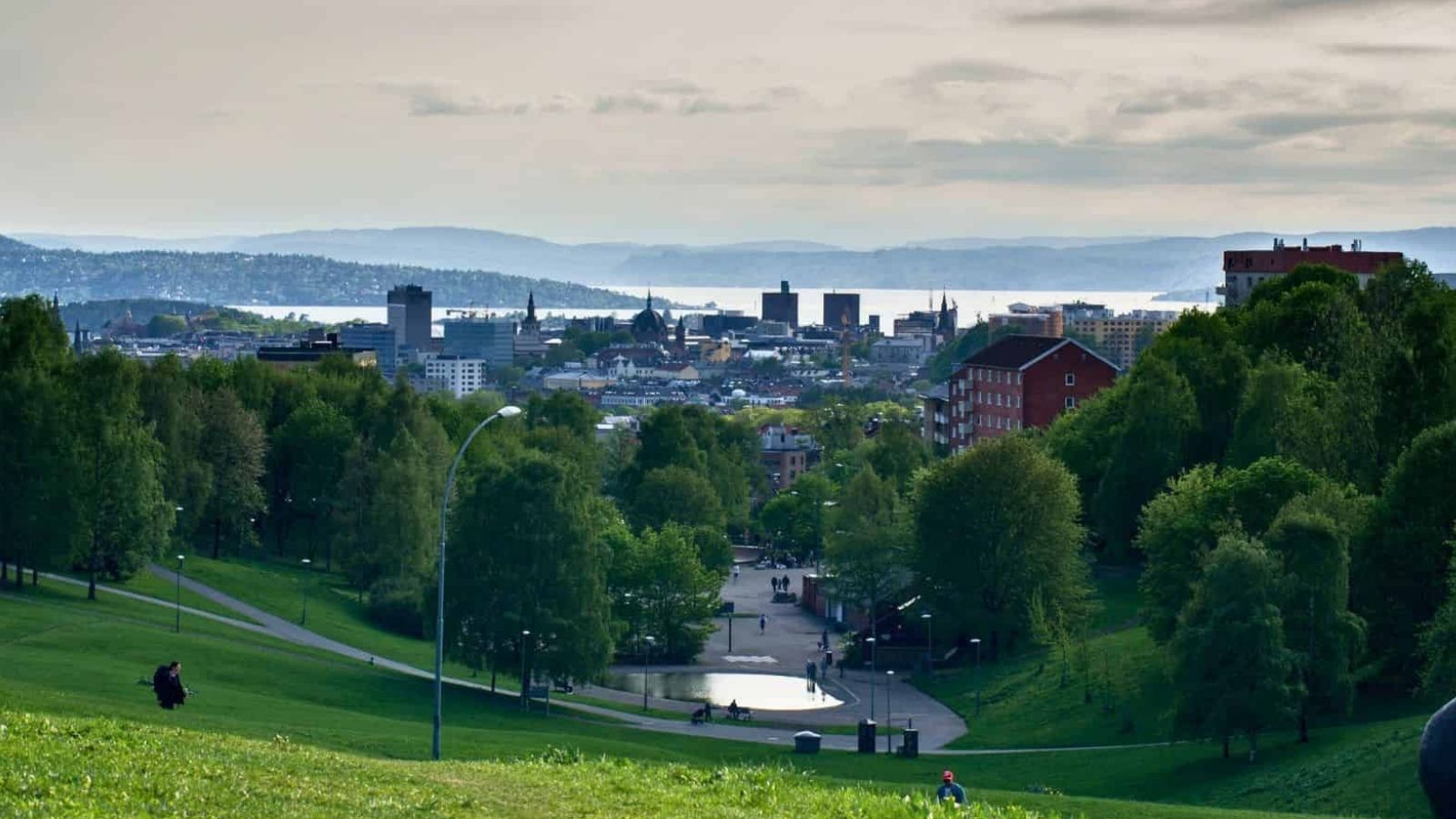
Norway’s balance stems from strong labor standards and cultural norms that discourage overwork. Paid vacation is generous, and parental leave policies are among the most supportive globally. Outdoor access plays a major role. Proximity to nature makes weekend resets realistic rather than aspirational. Workdays typically end on time, and after-hours communication expectations remain limited. The emphasis is on sustainability, both environmentally and personally.
Why it works: Time off is protected, and outdoor access supports real recovery.
Sweden
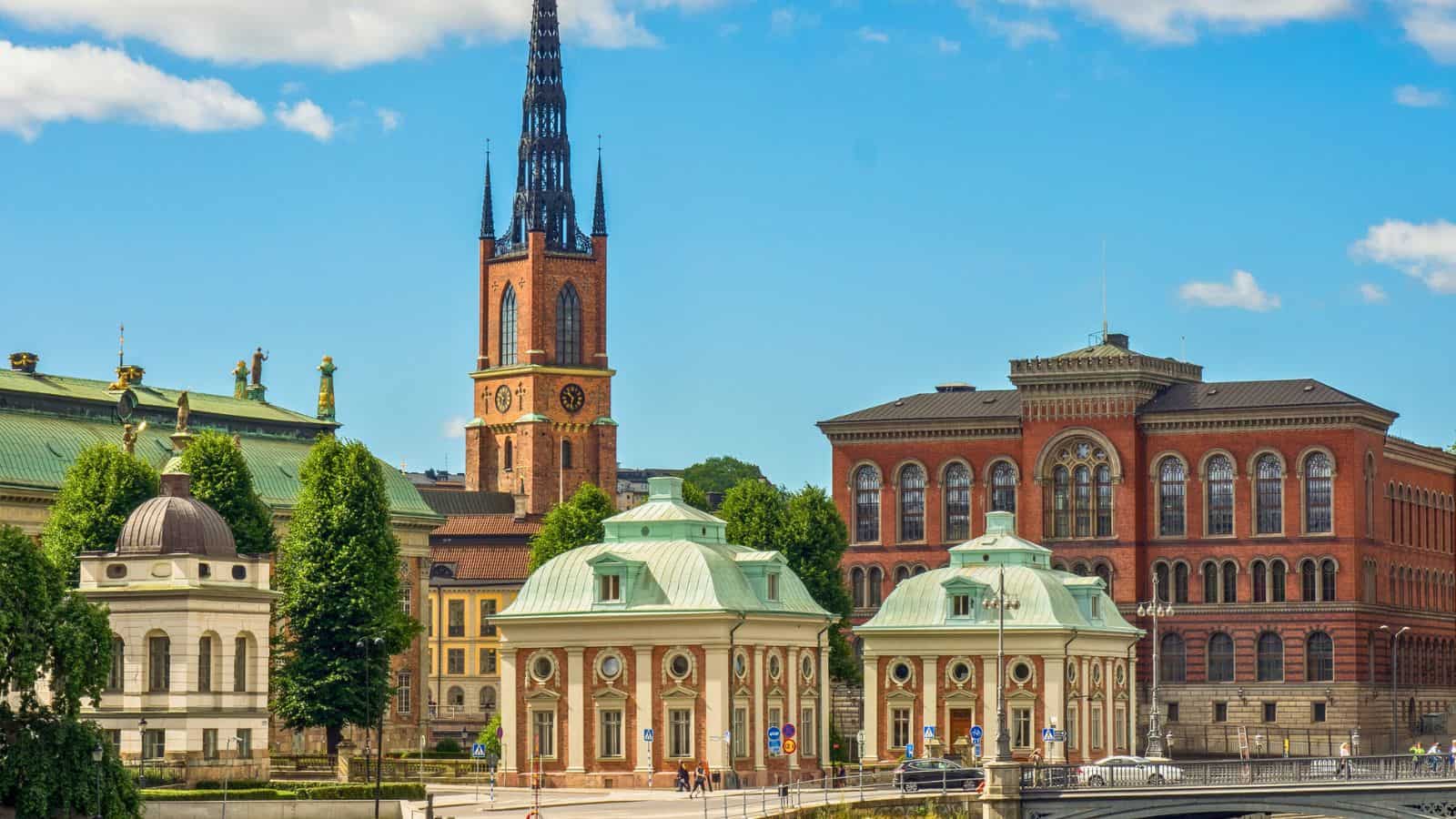
Sweden structures work life balance around predictability and shared responsibility. Standard workweeks leave space for personal time, and parental leave policies encourage equal participation between parents. Concepts like “lagom,” meaning moderation, shape workplace expectations. Meetings are concise, and overtime is not routinely expected. Public transportation and walkable neighborhoods reduce commute strain. Employers commonly support remote or flexible arrangements when possible.
Why it works: Cultural norms reinforce moderation rather than overextension.
Finland
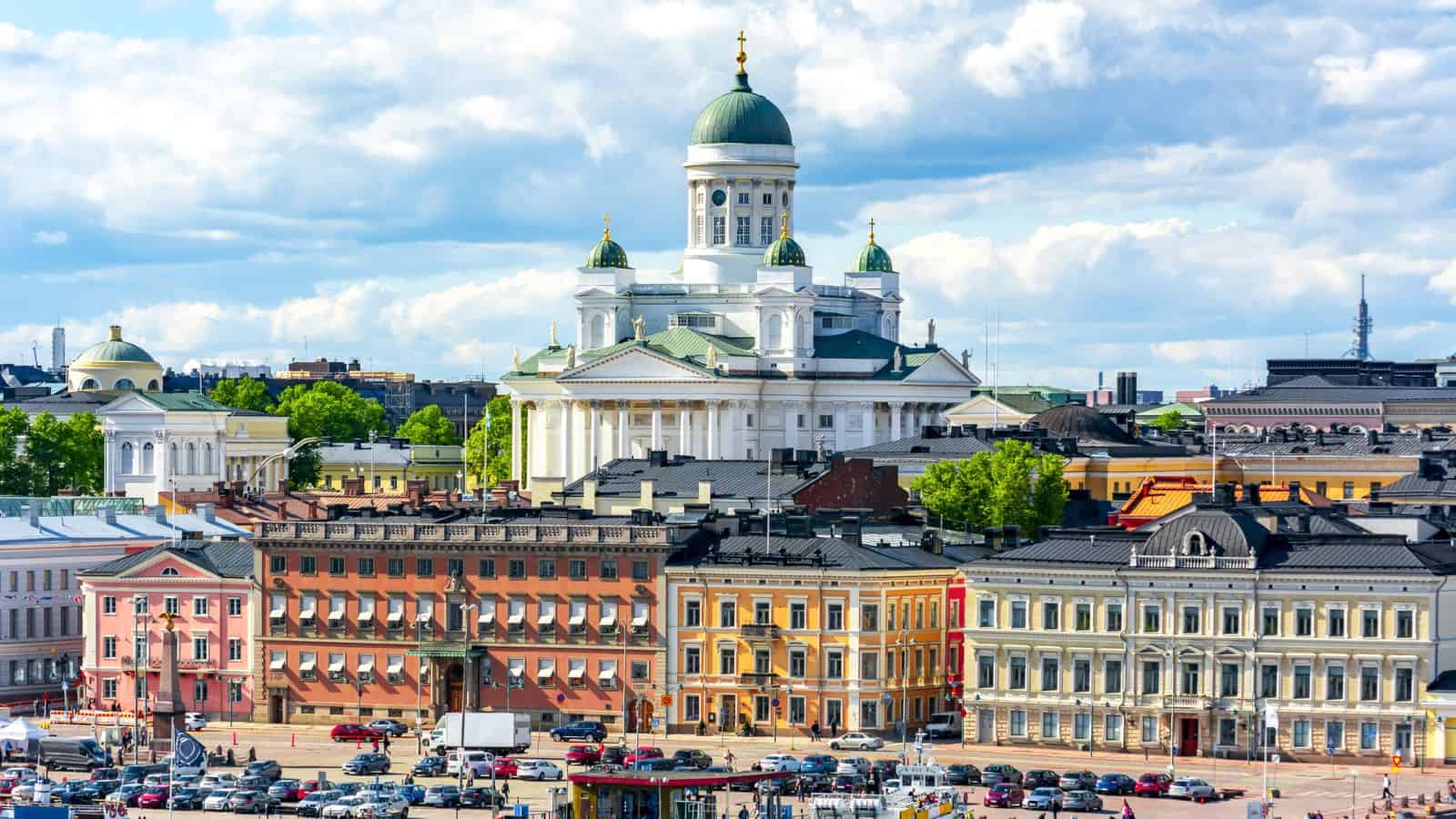
Finland pairs efficient work structures with strong social support systems. Employees receive reliable paid leave, and flexible scheduling is common in many industries. Education, healthcare, and childcare access reduce external stressors that often strain work life balance. Nature access is widespread, even near cities, encouraging regular downtime. Workplace culture tends to favor direct communication and focused hours rather than extended office presence.
Why it works: Social systems reduce daily stress, allowing work hours to remain contained.
Switzerland
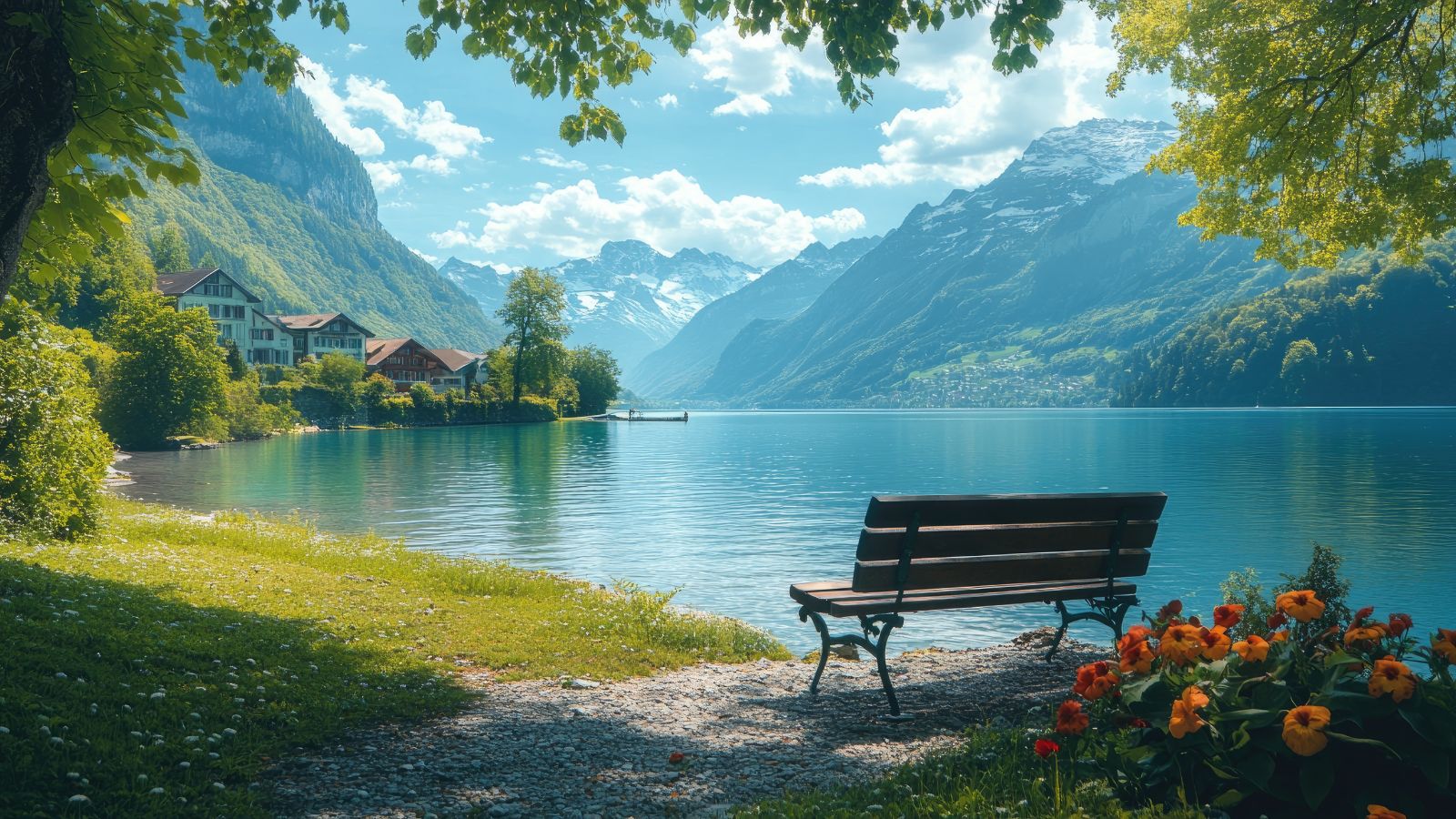
Switzerland balances long-term stability with predictable work structures. While full-time hours are standard, paid vacation is protected and widely used. Public transportation reduces commute stress, and infrastructure supports efficient daily routines. Outdoor access remains central, with lakes, trails, and mountains reachable without extended travel. Workplace culture tends to respect defined hours, and after-hours communication is limited in many sectors. Though living costs are high, income levels and public services offset pressure.
Why it works: Reliable systems and clear schedules keep work contained within working hours.
Austria
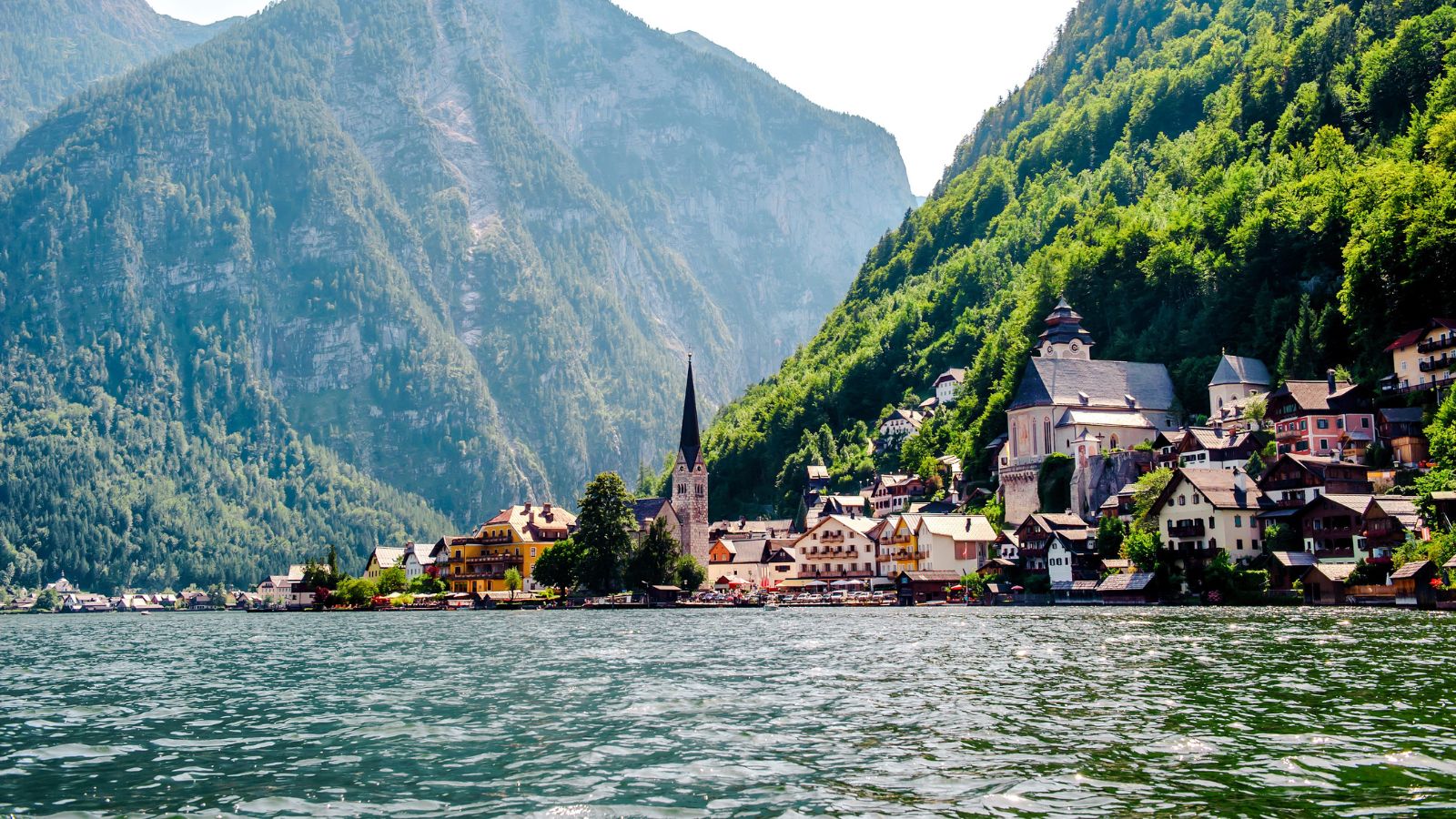
Austria supports balance through strong labor protections and consistent paid leave. Standard workweeks remain structured, and vacation time is commonly used without stigma. Cities like Vienna combine cultural life with manageable commuting distances. Public transportation is efficient, and green space remains integrated into urban planning. Workplace expectations prioritize performance during set hours rather than extended overtime. Social policies, including family support and healthcare access, reduce background stress.
Why it works: Predictable schedules and accessible public services support steady pacing.
New Zealand

New Zealand integrates outdoor culture with workplace expectations. Paid annual leave is standard, and employers often encourage employees to use it. Flexible scheduling and remote work arrangements are common in many industries. Access to coastlines, hiking trails, and parks supports regular downtime. Commutes in most cities remain manageable compared to larger global hubs. Cultural norms discourage excessive overtime and value personal time.
Why it works: Outdoor access and flexible policies reinforce time away from work.
Canada

Canada blends structured workweeks with strong labor standards and accessible nature. Paid vacation policies are protected at the provincial level, and many employers expand on the minimum requirements. Urban planning in cities like Vancouver and Montreal supports public transit and walkable neighborhoods. Outdoor recreation remains part of everyday life, even for city residents. Workplace culture generally favors steady productivity over extended hours.
Why it works: Defined leave policies and easy nature access support recovery.
Spain

Spain’s balance reflects cultural rhythms alongside labor policy. Standard paid leave is generous, and long lunch breaks or later evening schedules shift the structure of the day. Family and social time remain central priorities. Remote and flexible arrangements have expanded in recent years. While productivity standards remain clear, extended overtime is less culturally emphasized than in some countries. Public plazas and pedestrian zones shape daily life outside work hours.
Why it works: Social norms prioritize personal time alongside structured leave.
11 Countries Couples Keep Recommending to Friends

Travel recommendations carry more weight when they come from people who have already tested a place as a couple. These are not destinations praised for one standout moment or a single highlight. They are countries couples return from feeling relaxed, connected, and confident enough to suggest them to friends without hesitation.
Learn more here: 11 Countries Couples Keep Recommending to Friends
9 Places Where Travel Fees Catch Americans Off Guard

Travel budgets often look solid until the extra charges start piling up. Many Americans plan carefully for flights and hotels, then get caught off guard by fees that appear only after arrival. These costs are rarely hidden. They are simply easy to overlook when focusing on the basics.
Learn more here: 9 Places Where Travel Fees Catch Americans Off Guard
