10 Countries Where Prices Stay Consistent Across Cities
Pricing can vary widely within a single country. In some places, costs shift dramatically from one city to another, making it harder for couples to plan a realistic budget. In others, prices remain relatively consistent across regions, creating a more predictable travel experience.
Countries with steady pricing tend to have balanced economies and widely available infrastructure. Accommodation, transportation, and dining costs do not spike as sharply between major cities and smaller towns. That consistency allows couples to move between destinations without constantly recalculating their budget.
For travelers building multi-city itineraries, this matters. It becomes easier to plan routes, extend stays, or adjust plans along the way without worrying about sudden cost increases at the next stop.
We have identified 10 countries where prices stay consistent across cities. These are destinations where cost expectations remain stable, helping couples travel more confidently and manage their budget from start to finish.
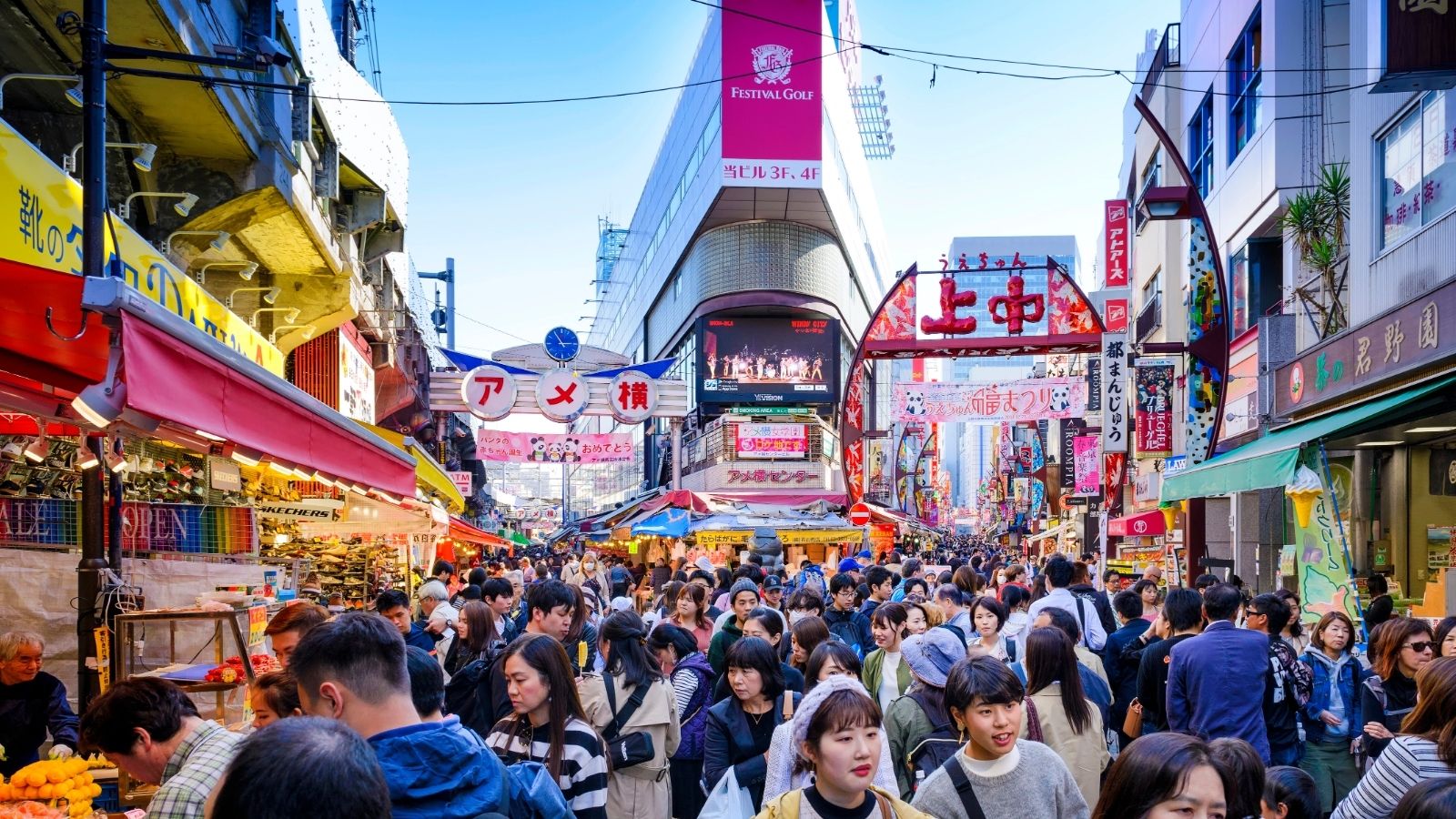
Japan

Japan is known for its consistency, and that extends to pricing. While Tokyo is still one of the more expensive cities, the gap between it and places like Osaka, Kyoto, or Fukuoka is smaller than expected. Chain restaurants, convenience stores, and transportation systems keep prices relatively predictable across the country.
Takeaway: Japan makes it easier to plan your budget since costs don’t shift dramatically from one city to another.
Germany

Germany maintains fairly stable pricing across major cities like Berlin, Munich, and Hamburg. While Munich trends higher, everyday costs such as groceries, public transport, and casual dining don’t vary as widely as in other European countries. Regional differences exist, but they’re usually manageable.
Takeaway: Germany offers a more even cost experience, even when moving between its biggest cities.
Spain
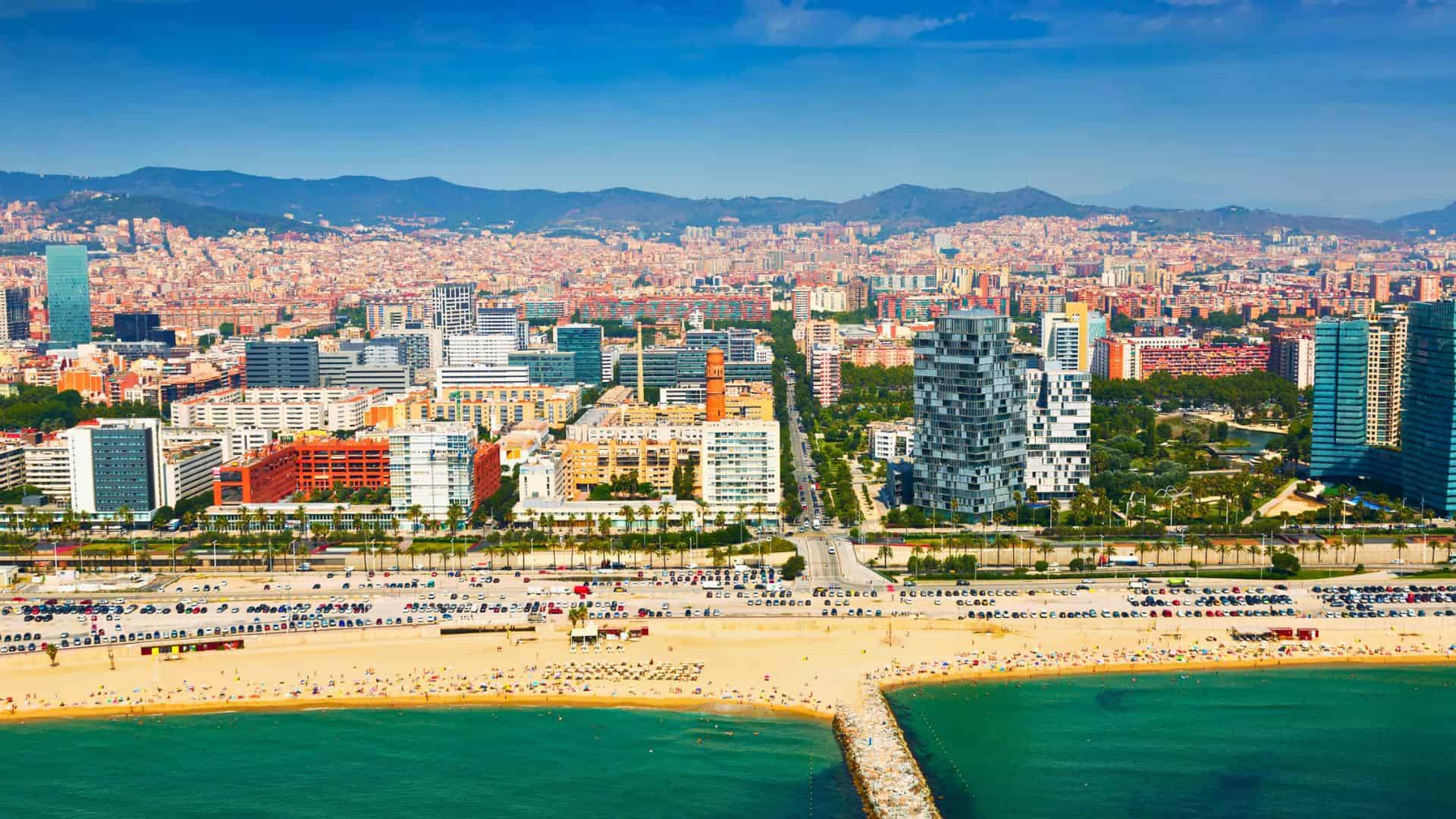
Spain has some variation between cities, but overall, prices stay relatively steady compared to other Western European countries. Madrid and Barcelona may be slightly higher, but smaller cities like Valencia or Seville don’t feel drastically cheaper or more expensive in daily spending categories.
Takeaway: Spain keeps costs fairly balanced, so switching cities doesn’t require a full budget reset.
South Korea

South Korea’s pricing structure remains consistent between Seoul and other major cities like Busan or Incheon. Food, public transportation, and convenience store pricing stay similar across regions, making it easier to estimate daily costs regardless of where you go.
Takeaway: South Korea keeps everyday expenses predictable, even when traveling between major cities.
Poland
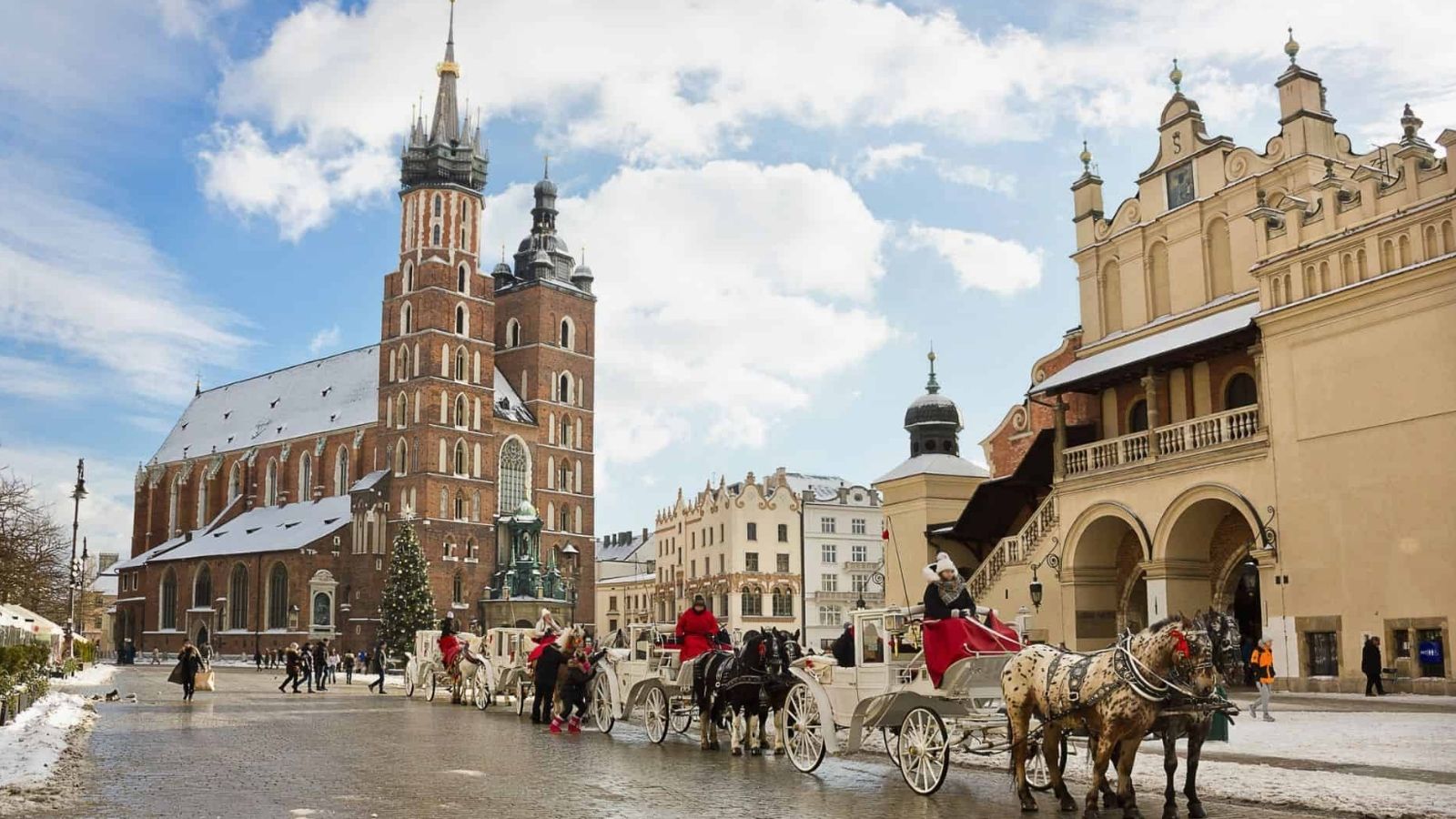
Poland is not only affordable but also consistent. Cities like Warsaw, Kraków, and Gdańsk have similar pricing for food, transportation, and accommodations, with only slight differences in tourist-heavy areas.
Takeaway: Poland keeps both affordability and consistency, making it easier to manage travel costs across multiple stops.
Portugal

Portugal’s pricing doesn’t shift as sharply between cities as it does in many other Western European countries. Lisbon is slightly more expensive, but Porto and smaller cities remain close enough in cost that the difference isn’t dramatic for most travelers.
Takeaway: Portugal allows you to move around without seeing major price jumps from one destination to another.
Vietnam

Vietnam’s affordability is consistent across cities like Hanoi, Ho Chi Minh City, and Da Nang. While there are small differences in accommodation pricing, food and transportation costs remain steady throughout the country.
Takeaway: Vietnam keeps costs stable across regions, making it easier to plan a multi-city trip.
Turkey

Turkey’s pricing stays relatively balanced between Istanbul and other cities like Izmir or Ankara. While tourist areas can be slightly higher, everyday expenses such as meals and transportation remain within a similar range across the country.
Takeaway: Turkey offers a more uniform cost experience than many travelers expect.
Mexico
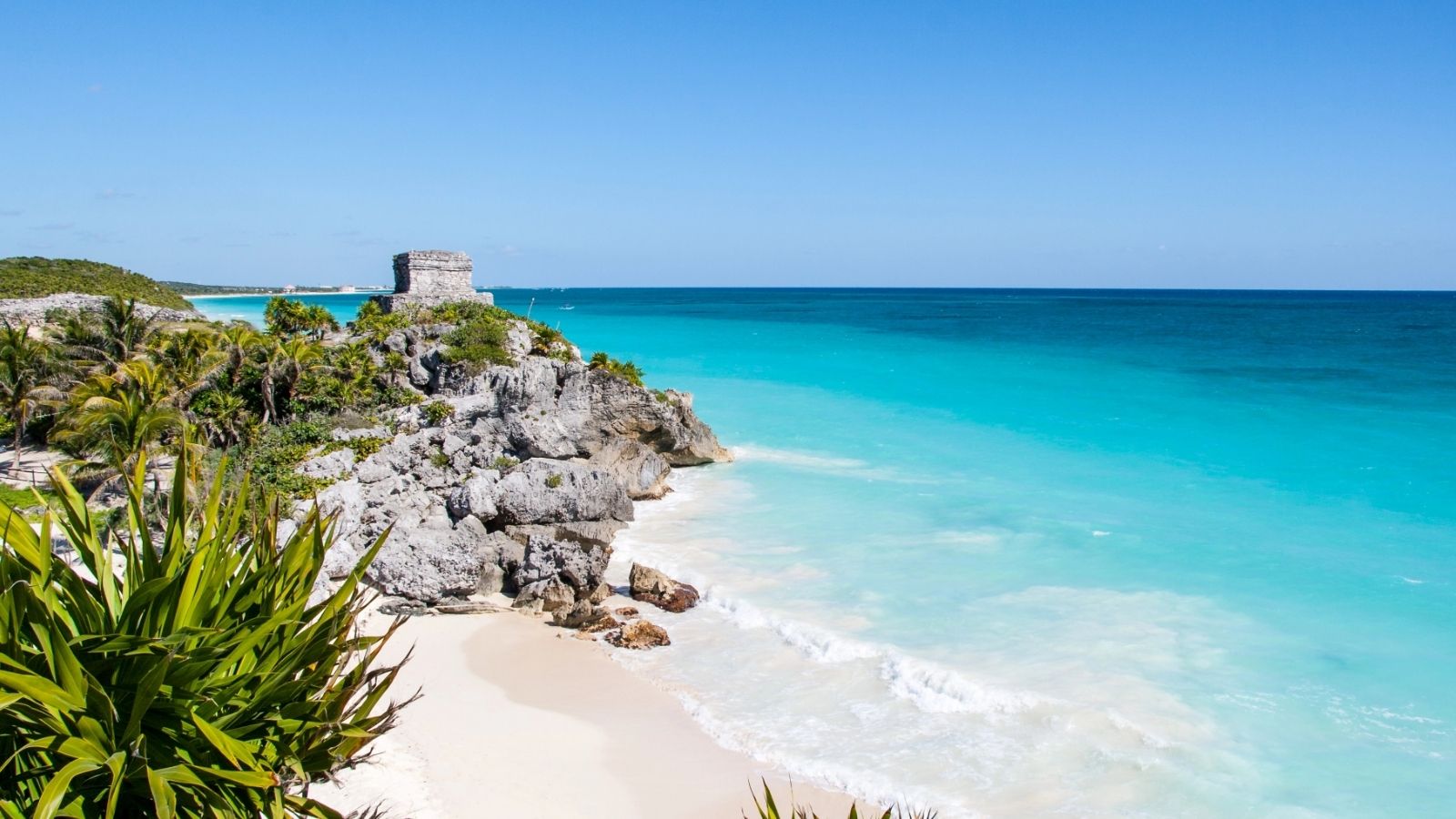
Mexico has some variation, especially in resort areas, but across many cities like Mexico City, Guadalajara, and Puebla, everyday costs remain relatively consistent. Food, local transport, and basic accommodations don’t fluctuate dramatically.
Takeaway: Mexico can feel financially steady across cities if you stay outside major resort zones.
Thailand

Thailand maintains relatively consistent pricing across cities such as Bangkok, Chiang Mai, and Phuket. While tourist-heavy islands can cost more, everyday items like street food and local transport stay within a predictable range.
Takeaway: Thailand keeps daily expenses fairly stable, even if certain hotspots trend higher.
10 Countries That Get Work-Life Balance Right

Work life balance means different things to different couples. For some, it is shorter workweeks and generous vacation time. For others, it is reliable public services, manageable commutes, and a culture that respects time away from work. In certain countries, that balance is built into daily life rather than treated as a luxury.
Learn more here: 10 Countries That Get Work-Life Balance Right
9 Most Expensive Places to Live In Around the World

Cost of living varies widely across the world, and in some cities, expenses rise far beyond what many couples expect. Housing, transportation, healthcare, and everyday essentials can combine to create financial pressure even for high earners. Understanding where costs are highest helps put global living comparisons into perspective.
Learn more here: 9 Most Expensive Places to Live In Around the World
