10 Countries Where Tourist Traps Catch More Travelers Than They Expect
Tourist traps rarely look like mistakes when couples are planning a trip. They often appear as must-see landmarks, popular neighborhoods, or experiences that promise easy fun. The problem is that many of them cost more, take longer, and deliver far less than expected once you are actually there.
We see this happen most often in countries that attract first-time visitors in large numbers. Busy capitals, famous coastlines, and historic centers can quickly turn into places where crowds overwhelm the experience and prices rise without adding value. What looks convenient on paper can become exhausting on the ground.
This is not about avoiding popular countries altogether. It is about knowing where common traps tend to appear so you can plan around them. With a little awareness, couples can save money, protect their time, and focus on experiences that feel meaningful rather than rushed or overpriced.
We have identified 10 countries where tourist traps catch more travelers than they expect. These are places where smart planning matters most, and where understanding what to skip can be just as important as knowing what to see.

Italy
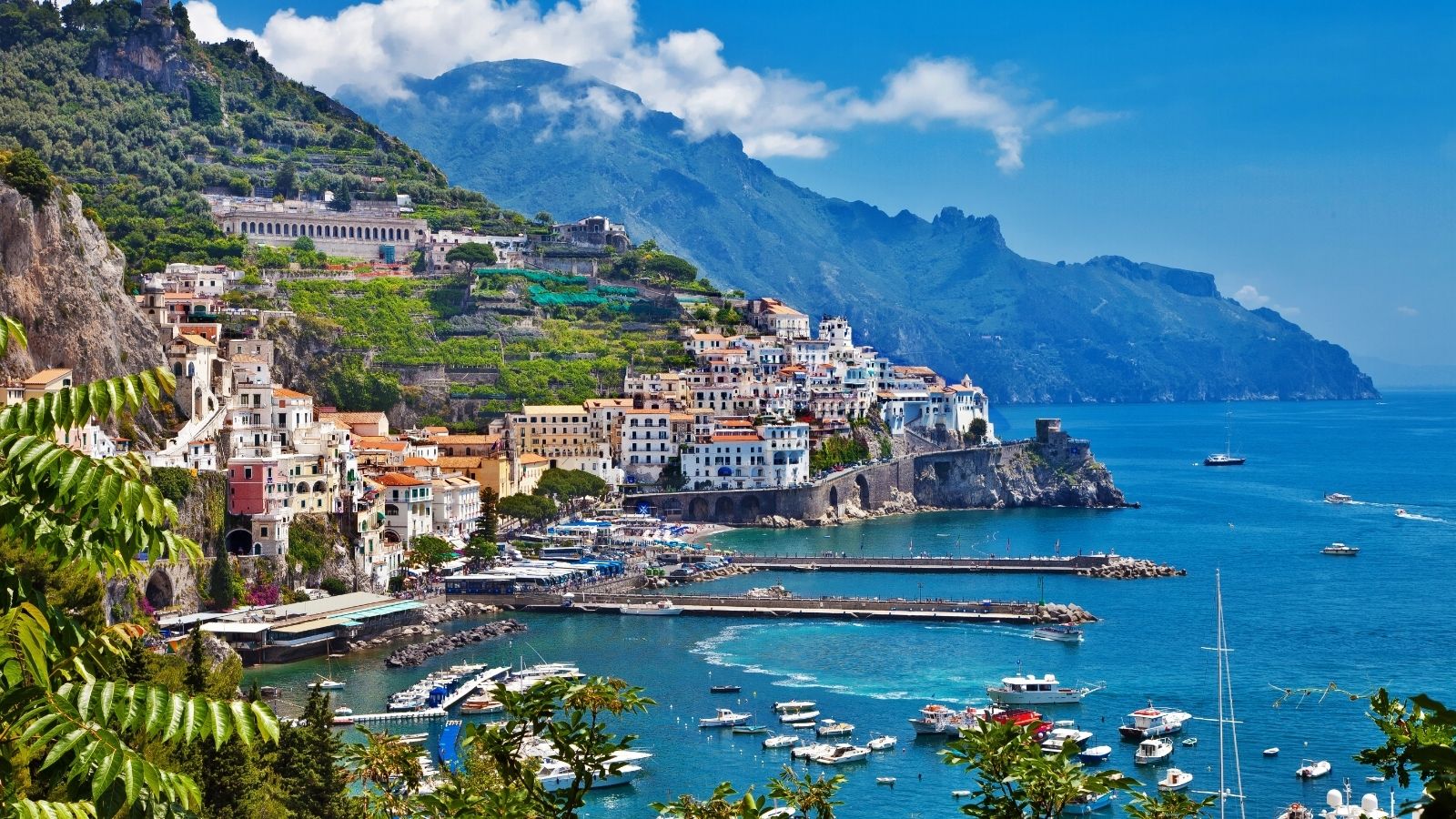
Italy’s most famous destinations concentrate visitors into small, high-pressure zones where time, space, and pricing work against relaxed travel. Historic centers are packed with restaurants designed for quick turnover, souvenir shops with inflated prices, and ticket lines that dominate the day. Many travelers expect wandering meals and slow mornings but instead face tight schedules and crowded streets. The disconnect often comes from staying too close to headline landmarks.
Takeaway: Sleeping and eating outside historic cores restores flexibility, lowers costs, and allows Italy’s slower rhythms to surface.
France

France’s tourist traps appear most often where convenience replaces care. Around major sights, menus simplify, prices rise, and service becomes transactional. First-time visitors often assume this reflects everyday French life, when it does not. Residential neighborhoods follow a calmer pace, with consistent pricing and fewer time pressures. The gap between expectation and reality is largely geographic.
Takeaway: Choosing accommodations in lived-in districts leads to better meals, quieter mornings, and a more predictable daily routine.
Thailand
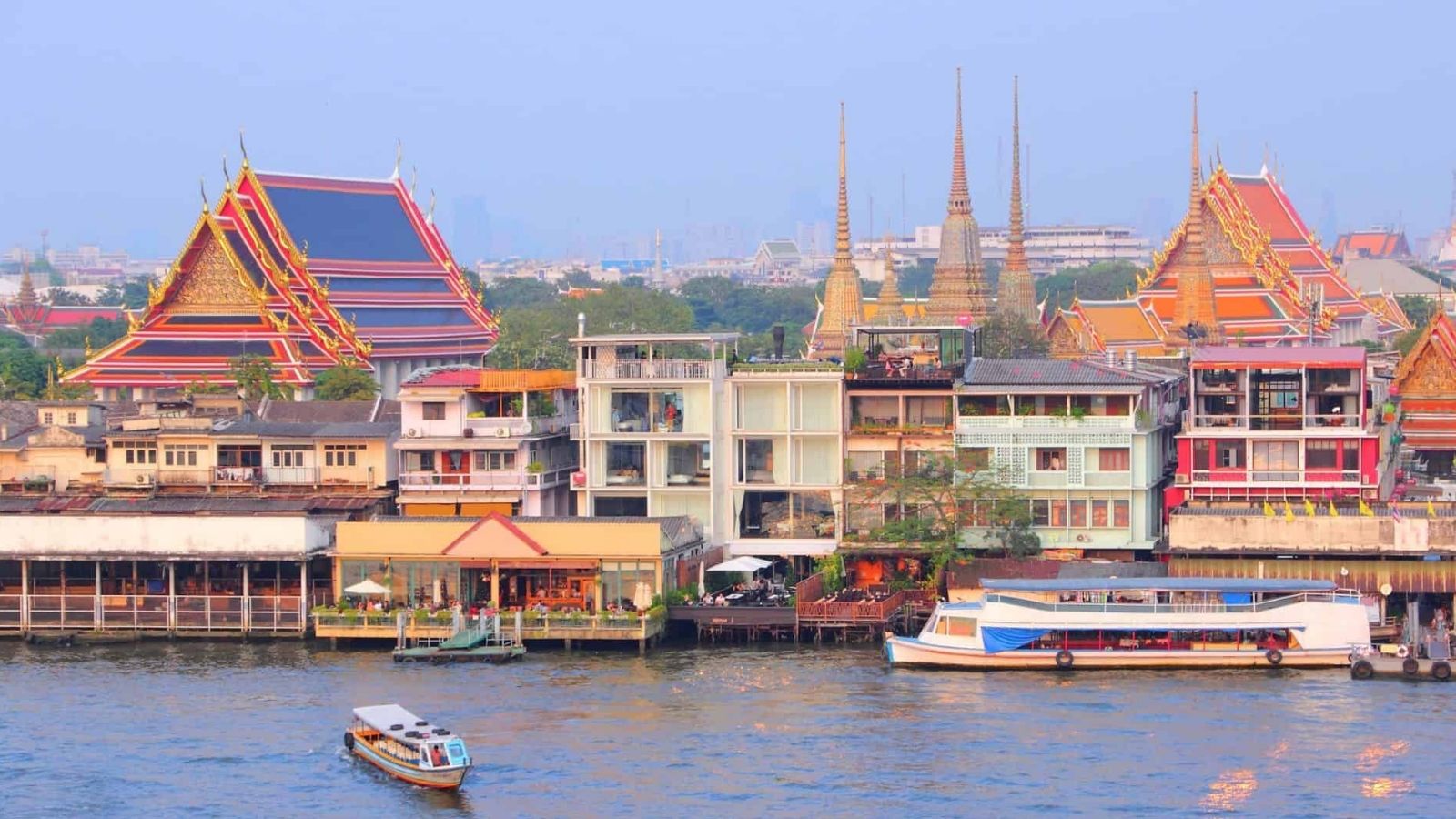
Thailand’s popularity has reshaped certain experiences into tightly packaged products. Floating markets, island tours, and nightlife zones often operate on volume, with rushed schedules and unclear pricing. Travelers expecting spontaneous interaction can feel managed instead. These traps tend to cluster where transportation funnels visitors together.
Takeaway: Smaller cities and locally run excursions offer clearer pricing, steadier pacing, and more room to engage without pressure.
Indonesia
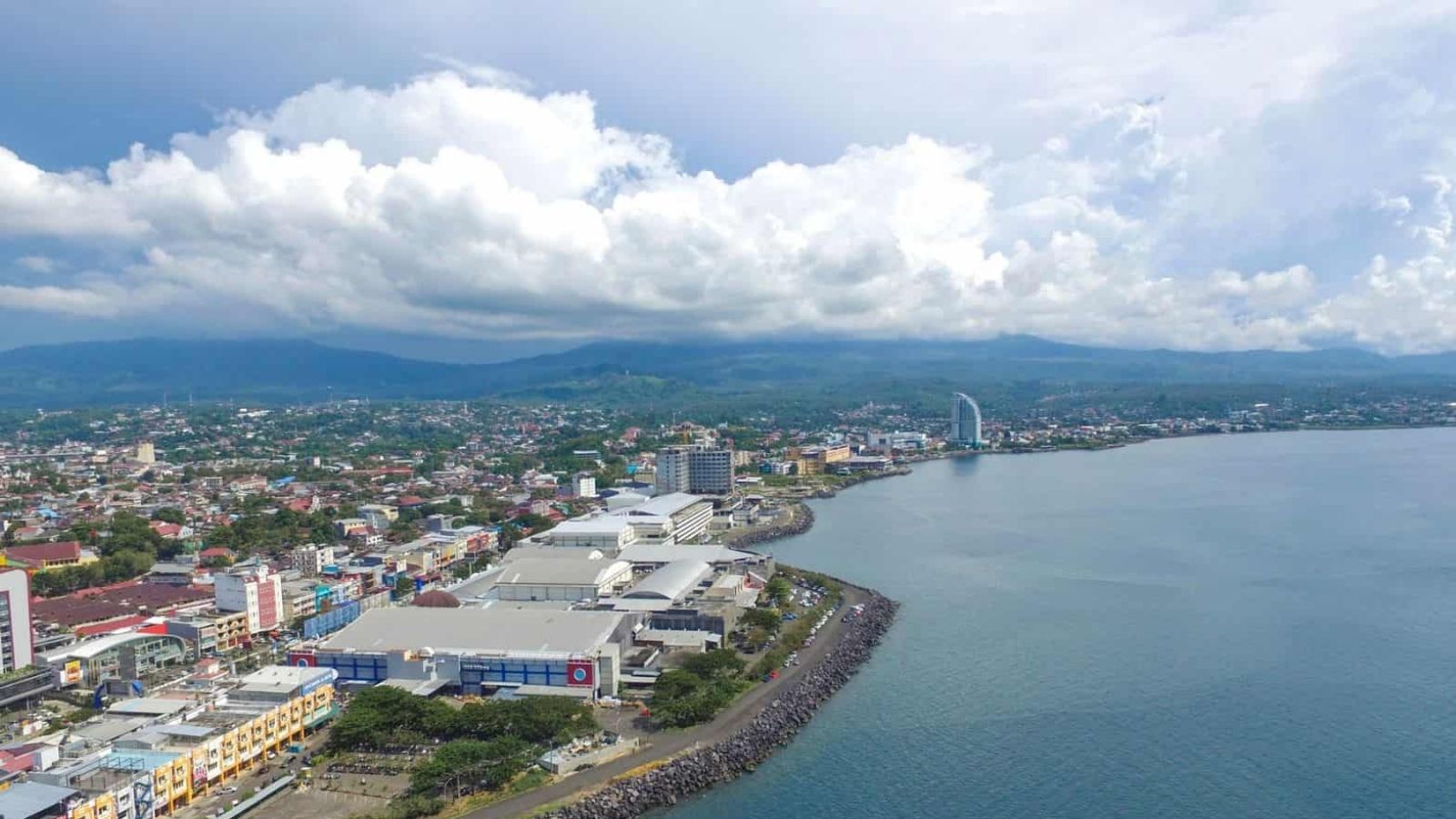
In Indonesia, Bali draws visitors seeking balance and calm, yet its most promoted areas are heavily commercialized. Streets near major beaches and resorts are dense with souvenir shops, standardized tours, and upsold experiences. The result can feel repetitive rather than restorative. Moving even short distances changes the experience dramatically.
Takeaway: Staying outside resort-heavy zones reduces crowd exposure and brings daily costs back in line with expectations.
Mexico

Mexico’s resort corridors are designed for ease but often limit choice. Travelers encounter bundled pricing, controlled transportation, and shopping aimed at visitors rather than residents. Many assume these zones represent the country as a whole. They do not. Nearby towns often operate at a slower pace with clearer pricing and stronger local character.
Takeaway: Independent planning unlocks quieter destinations and avoids stacked fees common in high-traffic resort areas.
United Arab Emirates
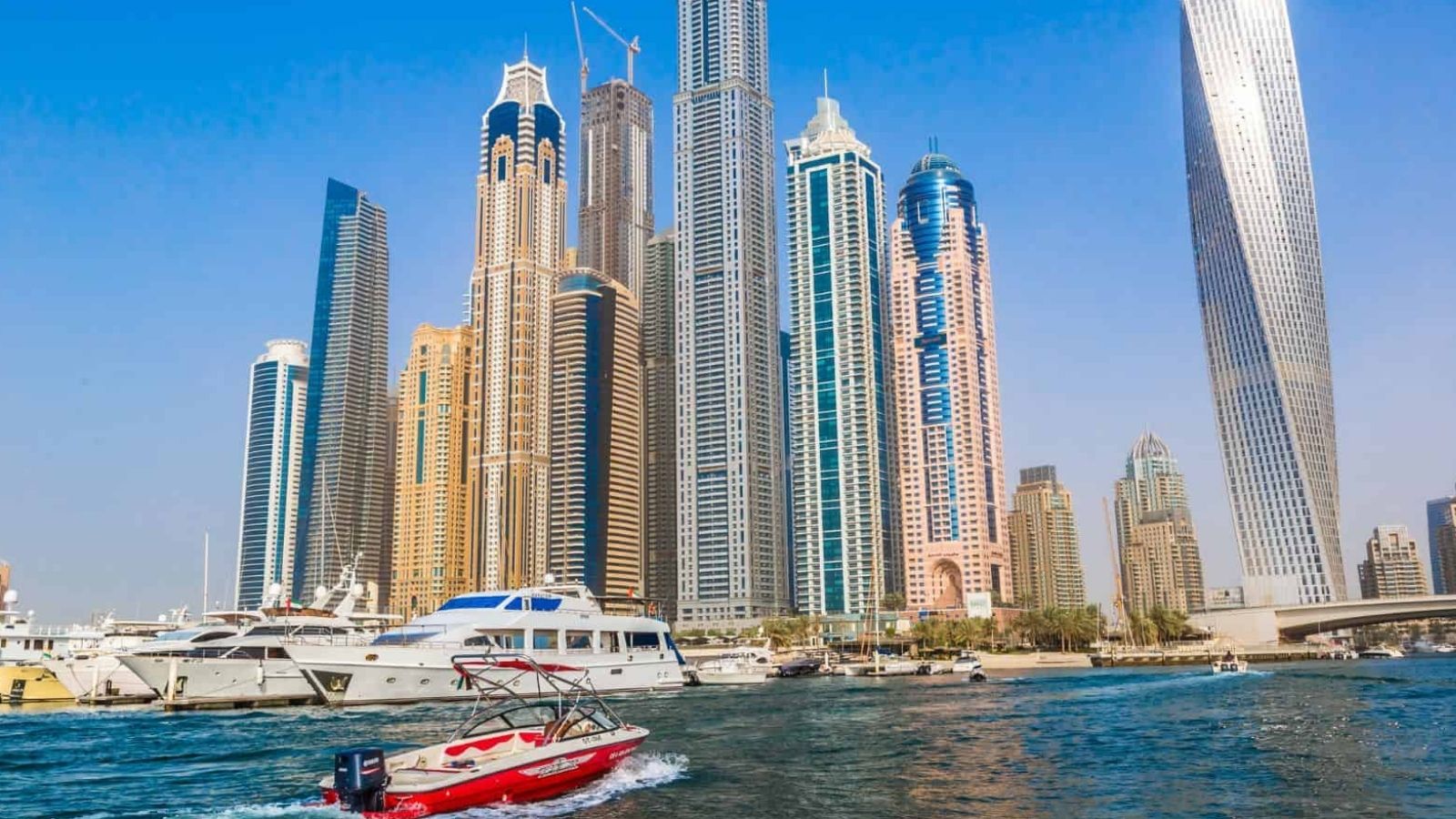
In the United Arab Emirates, especially Dubai, many experiences are built around polished presentation and tiered pricing. Attractions often begin with a base entry, then add upgrades that change access, views, or timing. Visitors who expect simplicity can feel caught off guard as costs accumulate quickly. The environment is controlled and efficient, but spontaneity is limited in high-traffic areas. Planning gaps tend to show up mid-day, when choices narrow and prices rise.
Takeaway: Setting a firm daily spend and pre-booking essentials prevents impulse upgrades from shaping the trip.
Iceland
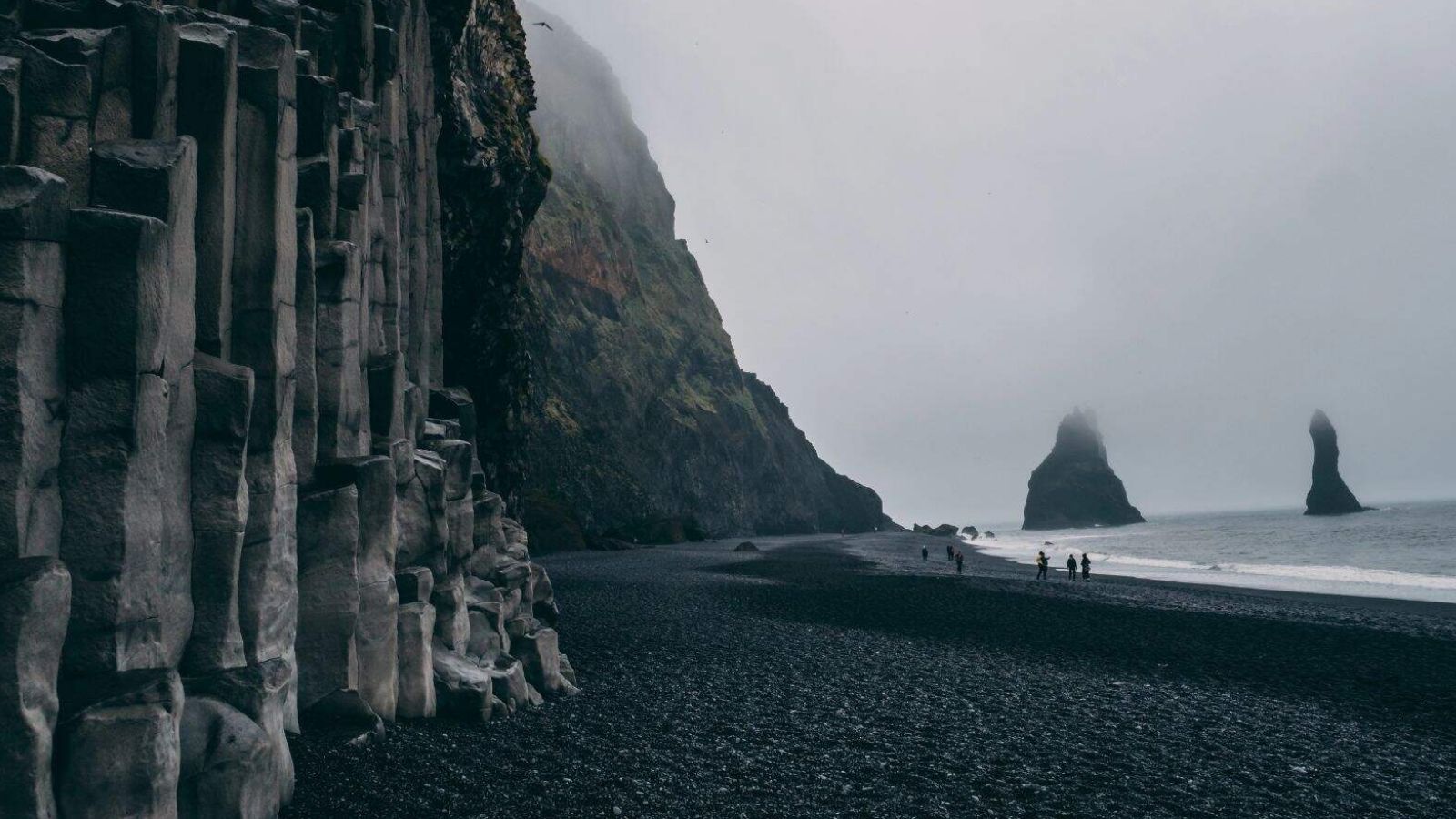
Iceland’s natural appeal draws travelers to the same short list of stops, especially along the Golden Circle and South Coast. These routes concentrate buses, queues, and premium pricing into narrow windows of the day. Visitors expecting open space can feel rushed by schedules and crowds. Costs climb quickly for meals, lodging, and guided tours near popular sites.
Takeaway: Driving independently and staying overnight away from main routes spreads crowds out and restores control over timing.
Czech Republic
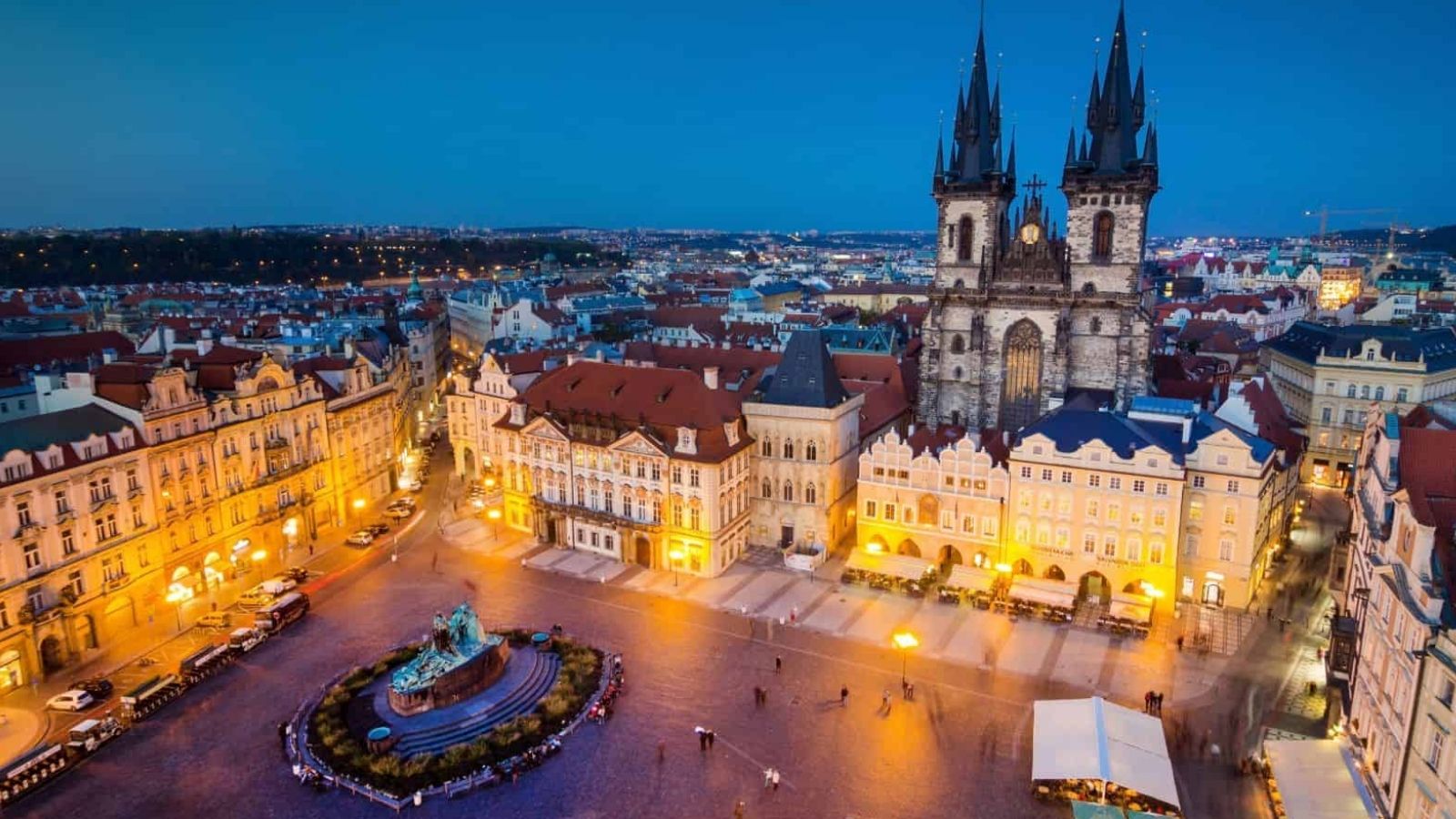
In the Czech Republic, Prague’s historic center absorbs most visitors. Exchange offices, souvenir shops, and simplified menus cluster tightly, creating a loop many travelers never leave. Prices rise while quality levels off. Just outside the core, neighborhoods follow a quieter rhythm with consistent pricing and fewer sales tactics.
Takeaway: Crossing into residential districts delivers better value and a calmer pace without sacrificing access to the city.
Morocco
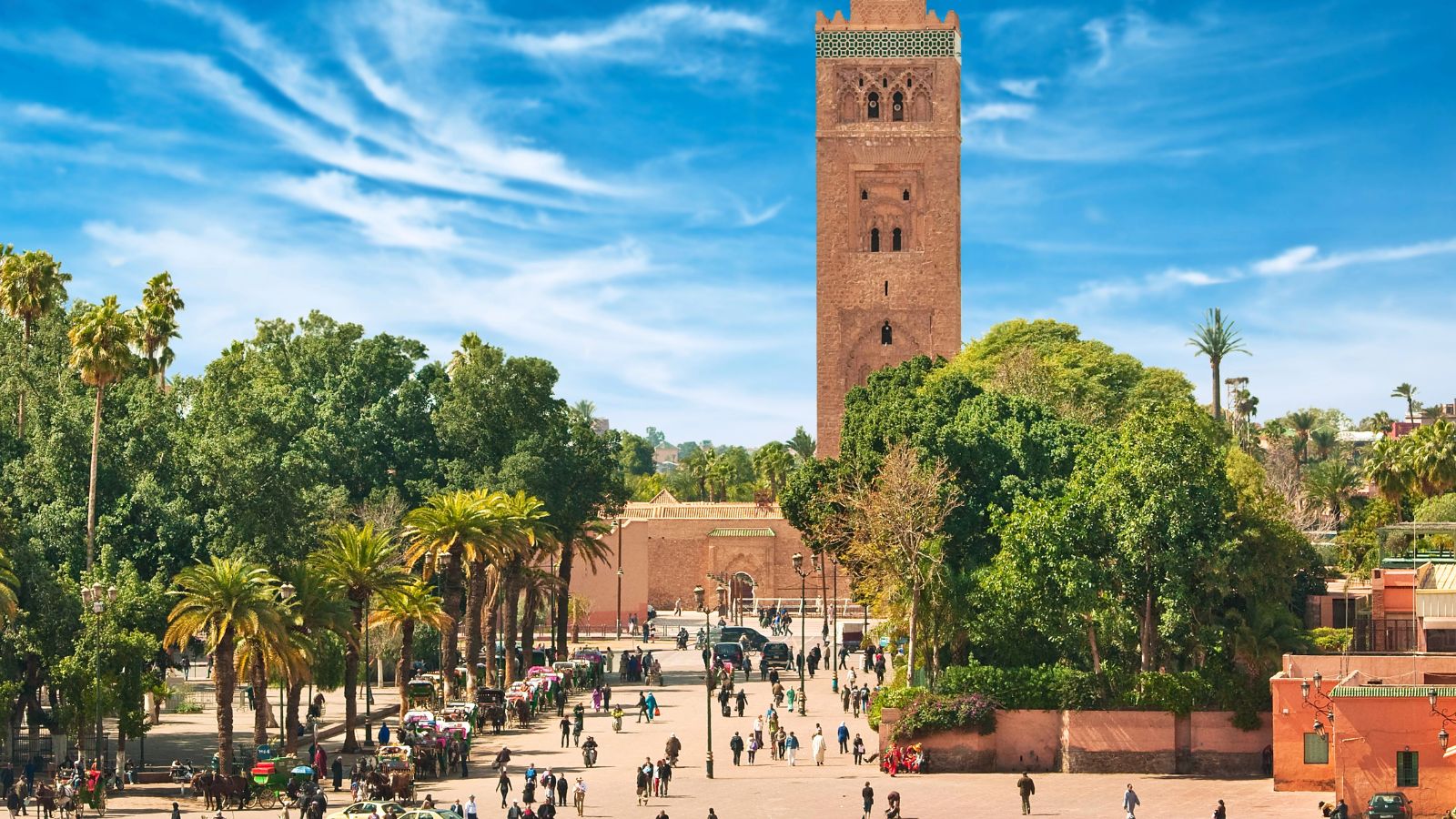
Morocco’s busiest medinas are intense by design. Narrow streets, constant selling, and frequent offers for guidance can overwhelm first-time visitors. Prices vary widely depending on confidence and familiarity, which leads many travelers to overpay early. Outside the busiest corridors, daily routines feel steadier and more navigable.
Takeaway: Booking a trusted local guide at the start reduces pressure, clarifies pricing, and smooths the rest of the stay.
Egypt
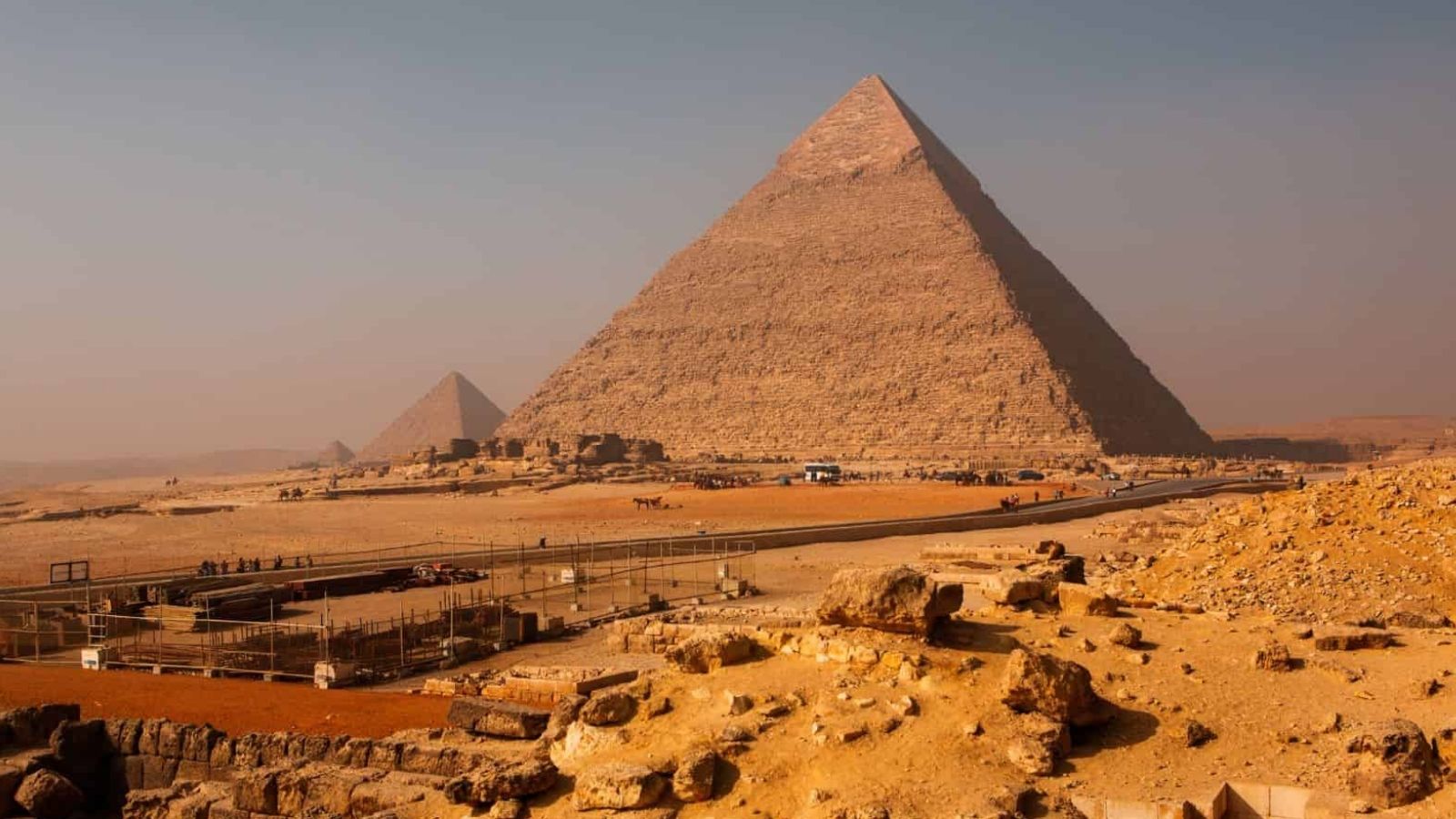
Egypt’s most famous sites attract dense crowds and persistent upselling, especially near entrances and transport hubs. Visitors often underestimate how much planning affects comfort. Without arrangements in place, small decisions stack up and drain energy quickly. Experiences improve when logistics are handled before arrival.
Takeaway: Pre-arranged tickets and transportation simplify movement and protect time at major landmarks.
11 Surprising Things That Get You Pulled for Additional Screening

Airport security is meant to keep everyone safe. But sometimes, getting pulled aside for additional screening feels completely unexpected. A simple mistake or overlooked detail can quickly slow down your travel day. We help couples travel smarter and with less stress. Knowing what can trigger extra screening saves time and frustration, especially when you are trying to stay relaxed and on schedule. Many of these triggers are not obvious and catch travelers off guard every day.
Learn more here: 11 Surprising Things That Get You Pulled for Additional Screening
11 Hidden Fees Travelers Often Miss Until It’s Too Late

Hidden fees can quietly inflate the cost of a trip. What looks like a great deal at first can become frustrating once the final charges appear. We help couples plan trips with fewer surprises and more control over their budget. Many extra fees are easy to miss and show up after booking or at checkout. Knowing what to watch for helps you avoid overspending and unnecessary stress.
Learn more here: 11 Hidden Fees Travelers Often Miss Until It’s Too Late
