10 Countries Where Tourists Often Pay More Than Locals
Price differences between locals and visitors are common in many parts of the world, but they are not always obvious at first. For couples planning a trip, these gaps can affect everything from meals and transportation to attractions and guided experiences.
In some countries, dual pricing is formal and built into the system, with separate rates for residents and tourists. In others, it happens more informally through negotiation, location based pricing, or assumptions about what visitors are willing to pay. Without context, it can be difficult to tell when a price is standard or inflated.
These differences do not make a destination less worthwhile, but they do shape how a trip feels day to day. Unexpected costs can add up quickly, especially when they occur across multiple parts of an itinerary.
We have identified 10 countries where tourists often pay more than locals. These are places where understanding pricing patterns helps couples budget more accurately, make informed choices, and avoid overpaying for everyday experiences while traveling.
Thailand

Thailand is known for its dual pricing system at certain attractions, where foreigners pay higher entrance fees than Thai citizens. This is especially common at national parks, temples, and cultural sites. While everyday costs like food and transport stay accessible, these added fees can increase overall spending.
Takeaway: Thailand remains affordable overall, but entry fees can quietly add up for visitors.
Egypt
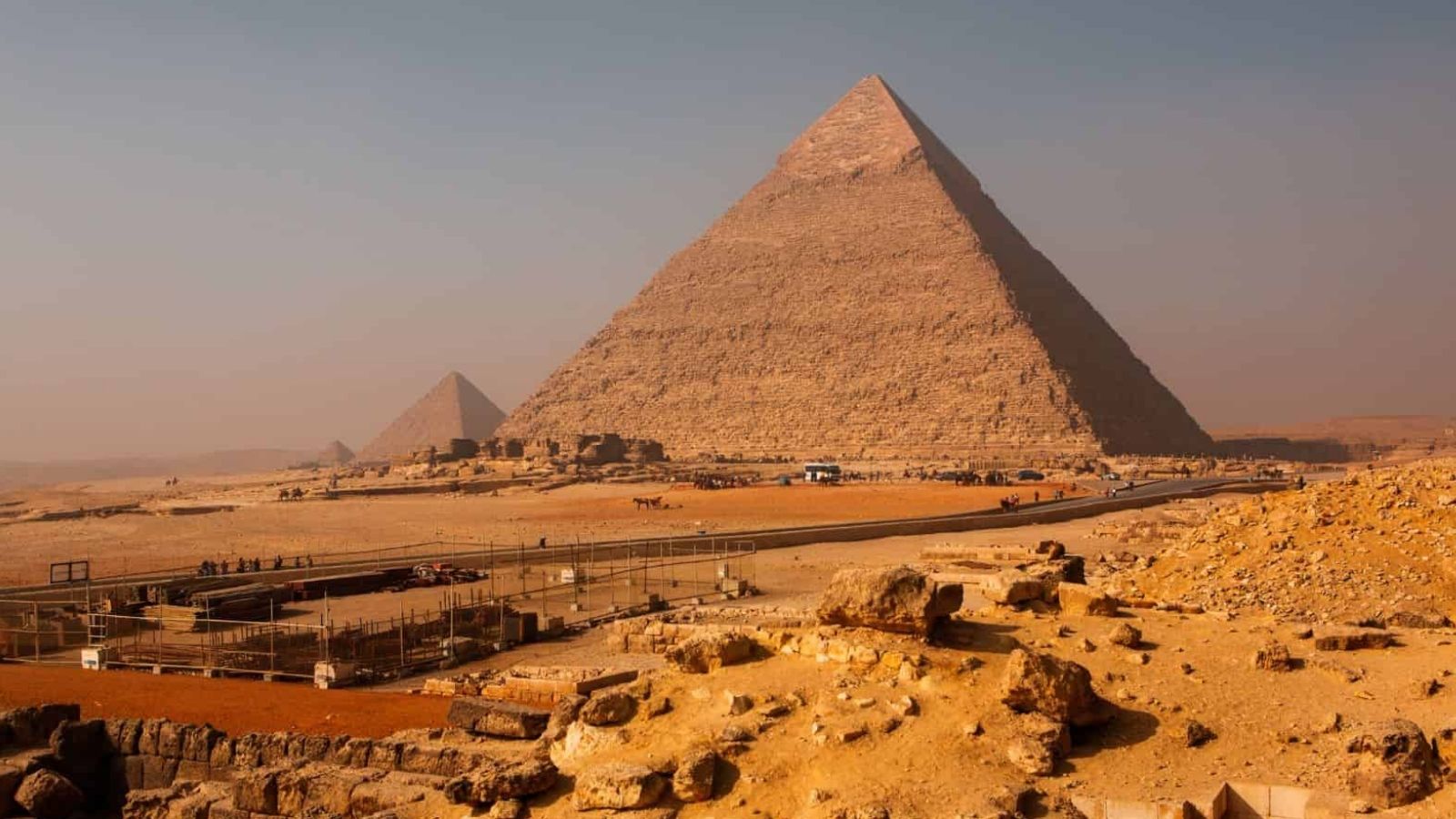
Egypt applies different pricing tiers at many historical sites, with tourists paying significantly more than locals. Attractions like the pyramids and major temples have higher foreigner rates, reflecting tourism as a key part of the economy. Guides and vendors may also quote higher prices upfront.
Takeaway: Egypt’s major sights often come with a clear tourist premium.
India
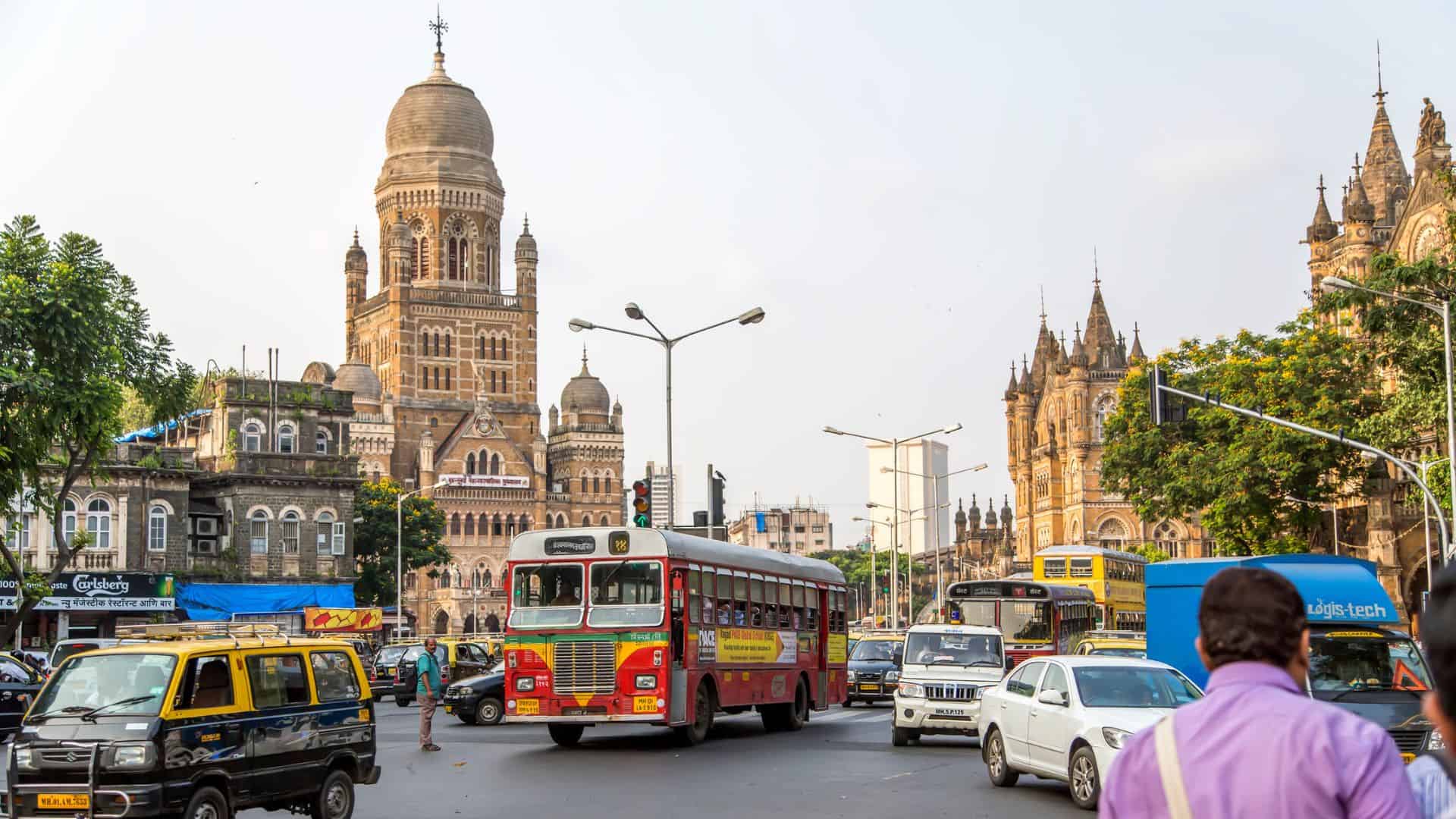
India commonly uses separate pricing for locals and international visitors at monuments and heritage sites. Tourists can pay several times more for entry to places like the Taj Mahal. However, everyday expenses like food and transport remain low.
Takeaway: Sightseeing costs can differ widely, even if daily travel expenses stay low.
Morocco
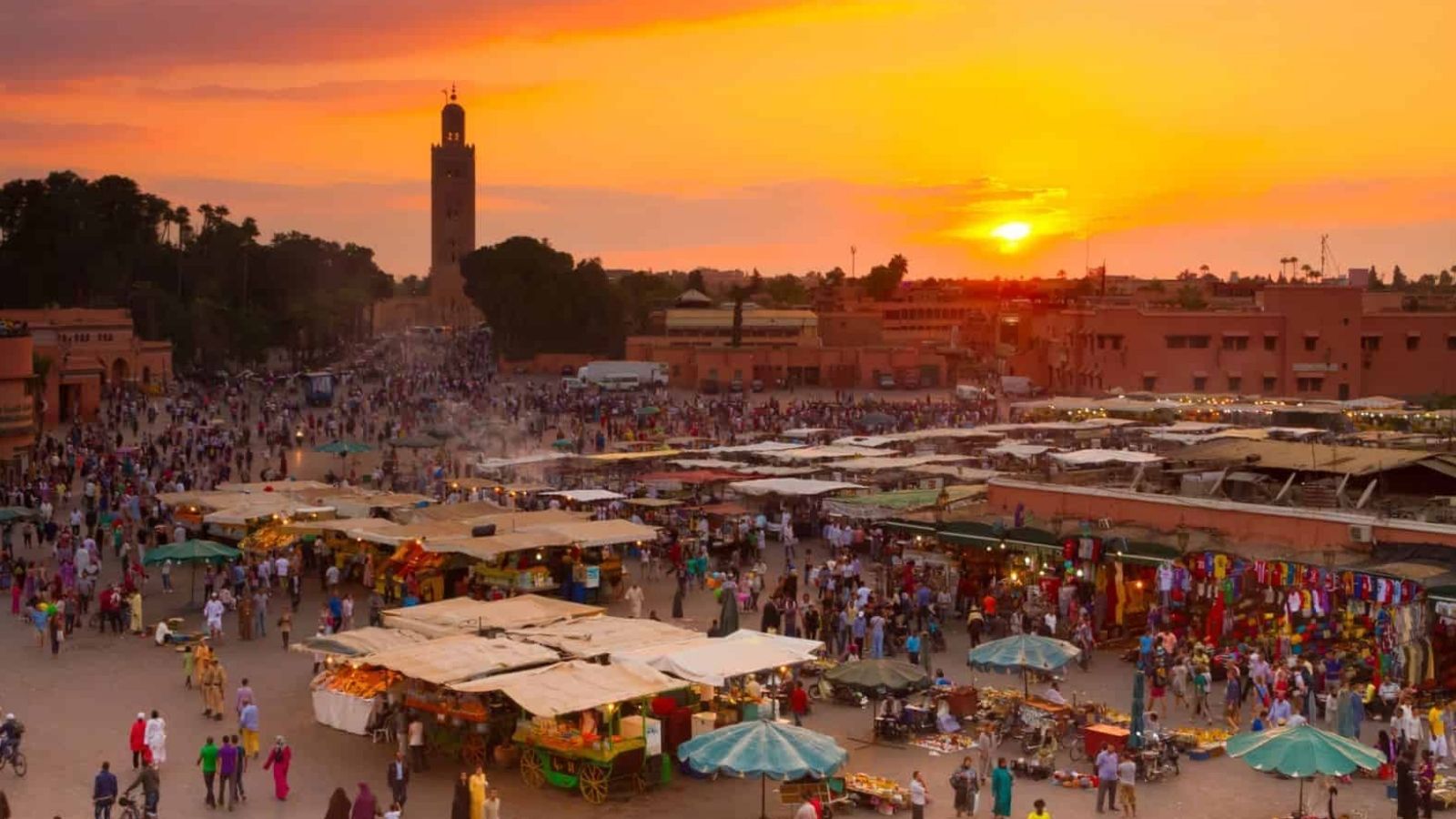
In Morocco, bargaining is part of the shopping culture, but tourists are often quoted higher starting prices in markets. Without negotiation, it’s easy to pay more than locals for goods and even some services. Restaurants and taxis in tourist areas may also adjust prices accordingly.
Takeaway: Morocco rewards travelers who are comfortable negotiating prices.
Indonesia
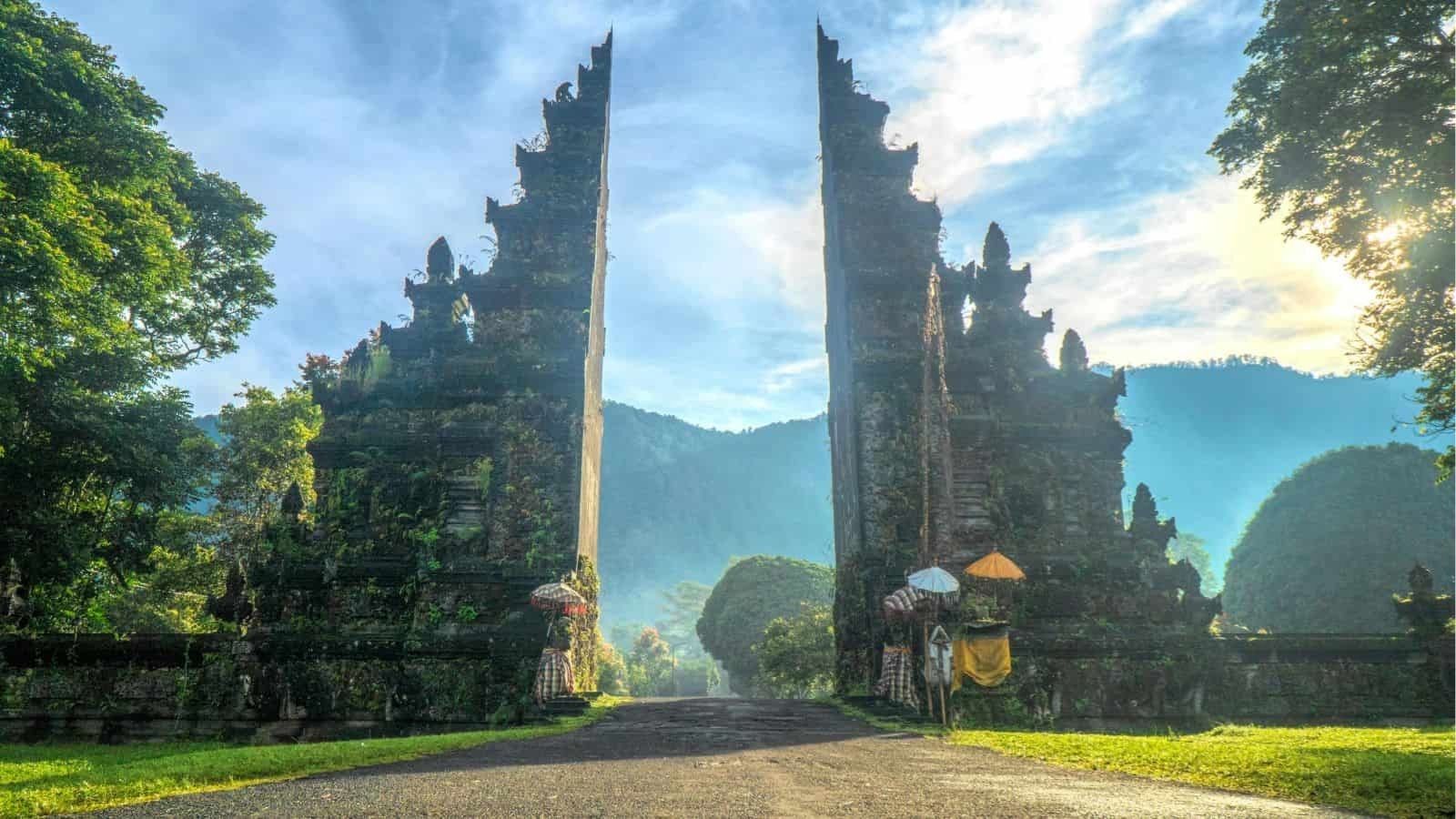
Indonesia, including Bali, often has different pricing for locals and foreigners at attractions and parks. Tourists may also encounter higher prices in markets or for transportation if rates aren’t clearly set. This is more noticeable in heavily visited areas.
Takeaway: Prices in Indonesia can vary depending on how and where you book or buy.
Vietnam
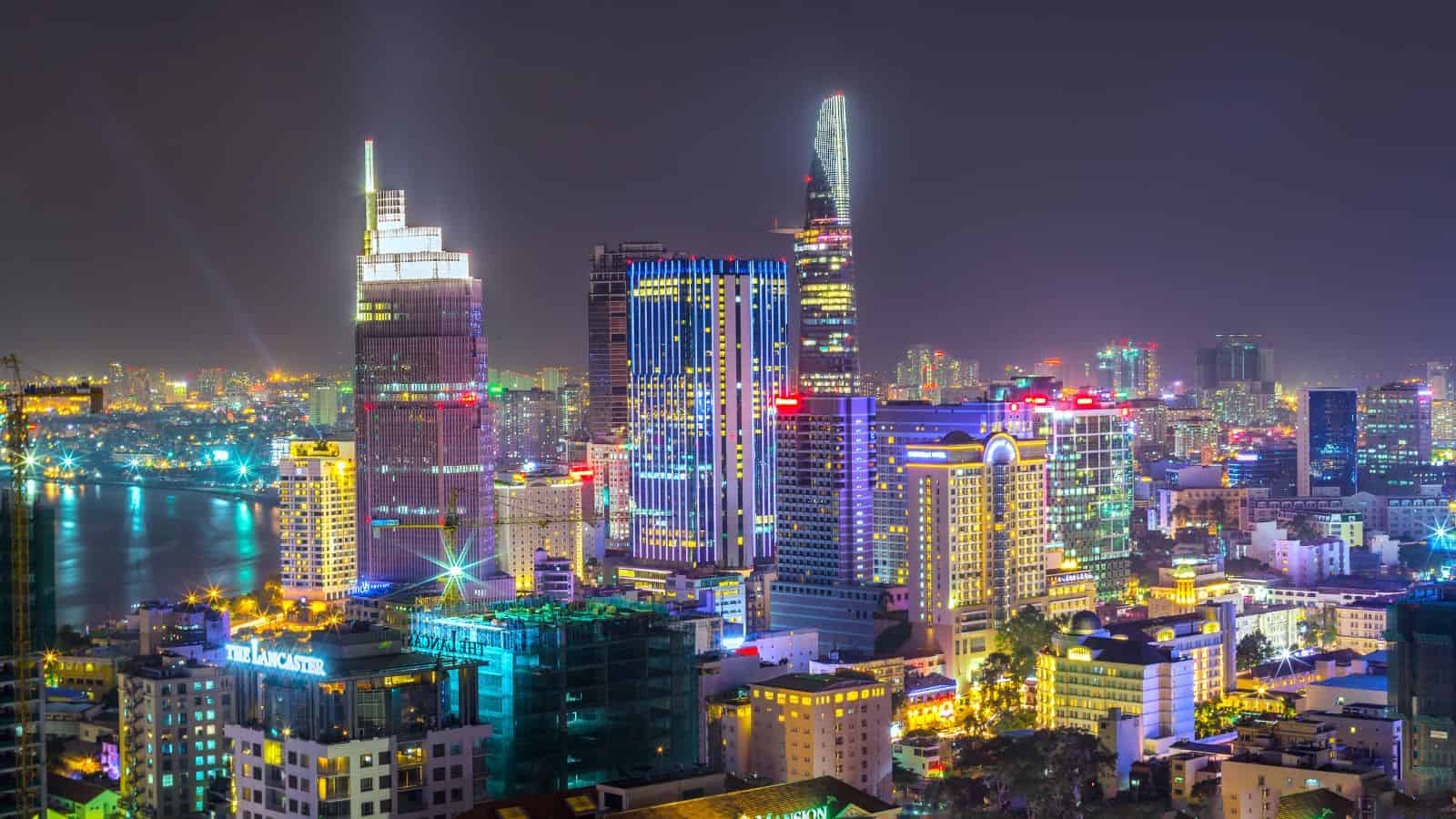
Vietnam generally stays affordable, but tourists may face slightly higher prices in markets, taxis, or informal services. While not always official policy, the difference can come from negotiation or assumptions about visitor budgets. Fixed-price businesses tend to be more consistent.
Takeaway: Vietnam remains budget-friendly, though pricing can depend on where and how you spend.
Turkey
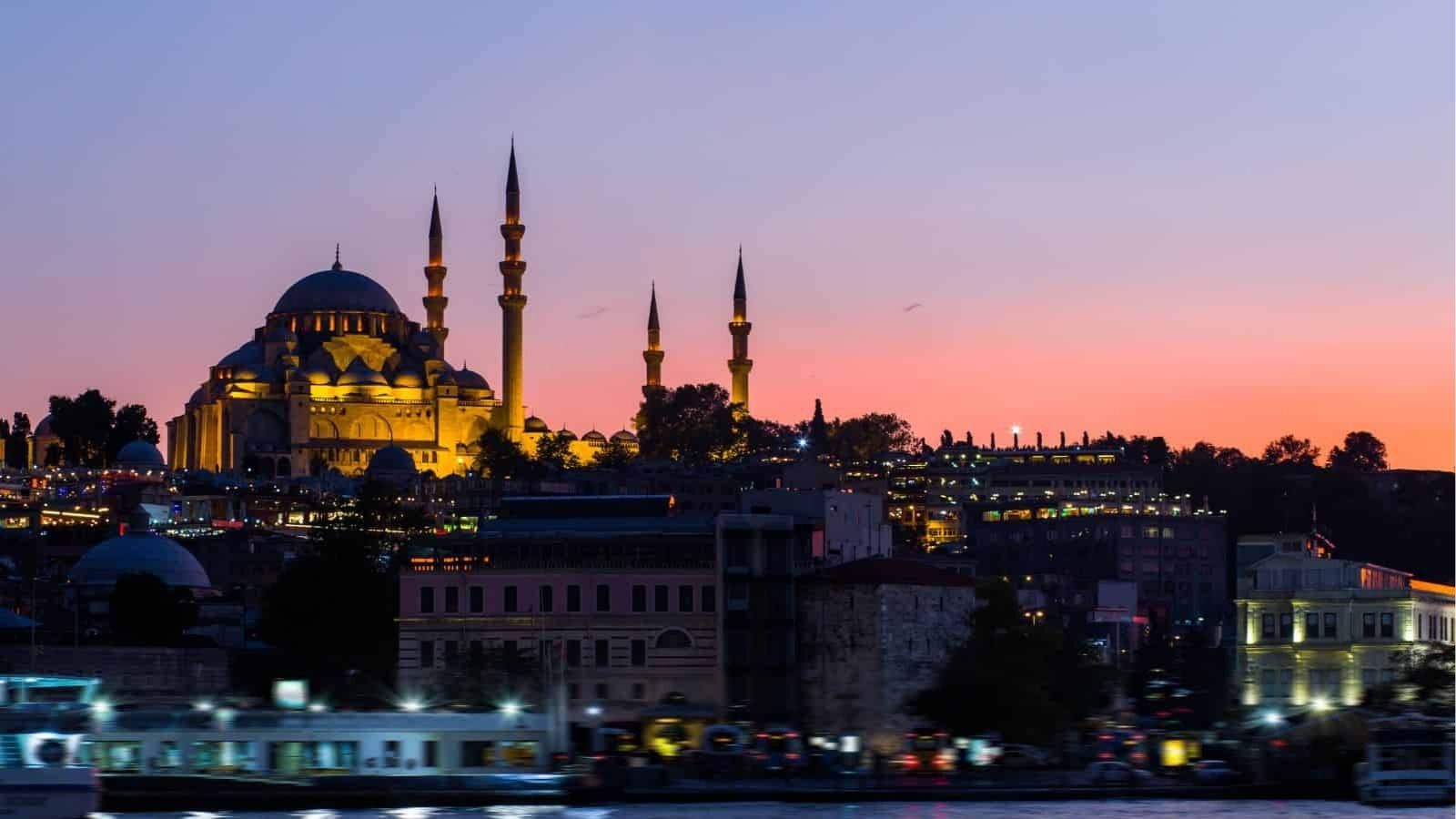
Turkey sometimes applies different pricing at museums and historical sites, with foreign visitors paying more than locals. In markets and tourist-heavy areas, prices may also be adjusted higher for visitors, especially without bargaining.
Takeaway: Turkey mixes official and informal price differences depending on the setting.
Peru
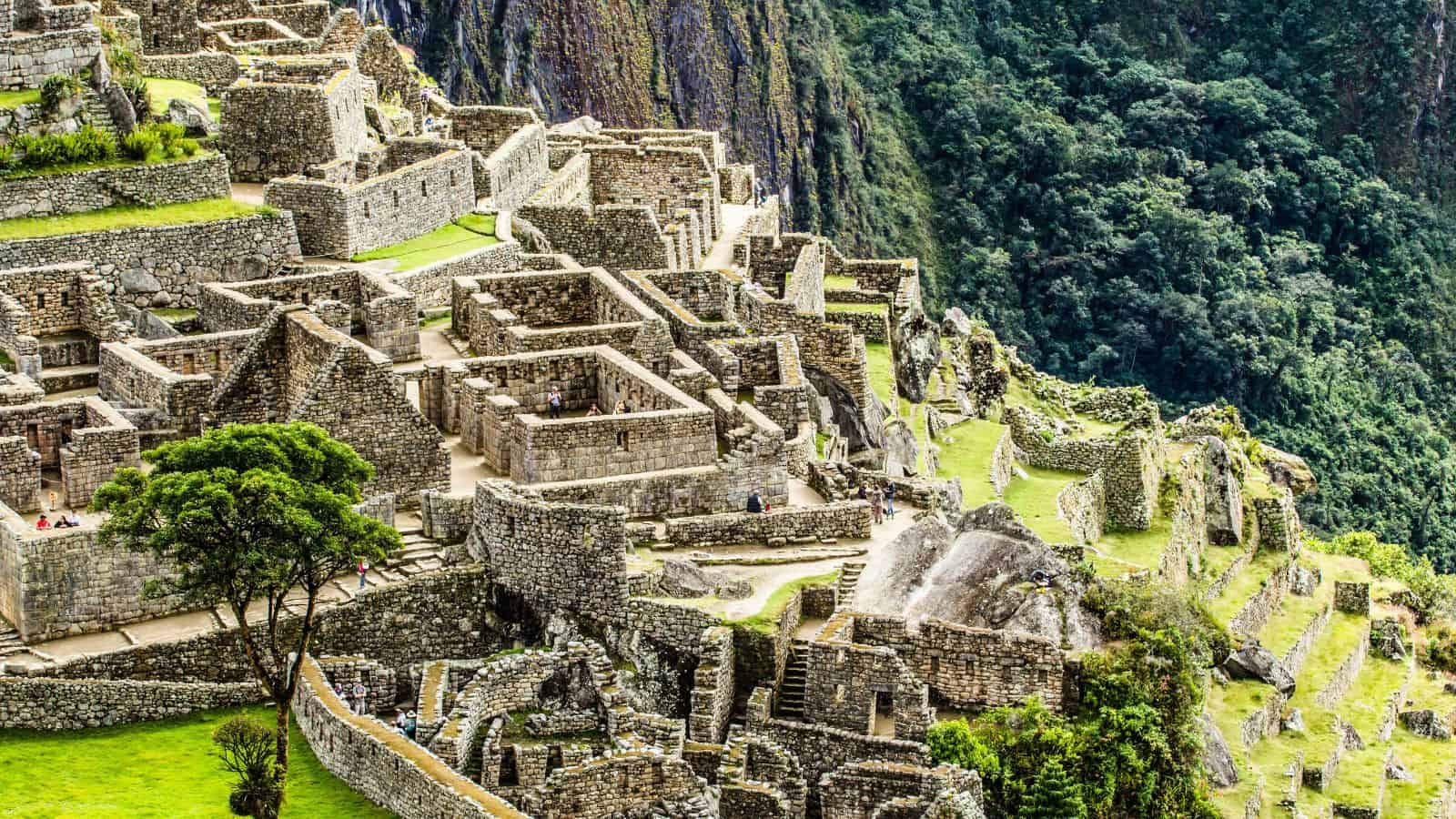
Peru often charges higher entrance fees for international visitors at major attractions like Machu Picchu. Guided tours, transportation, and services in tourist areas can also reflect higher pricing. Outside those zones, costs tend to normalize.
Takeaway: Peru’s biggest highlights often come with higher visitor pricing built in.
China
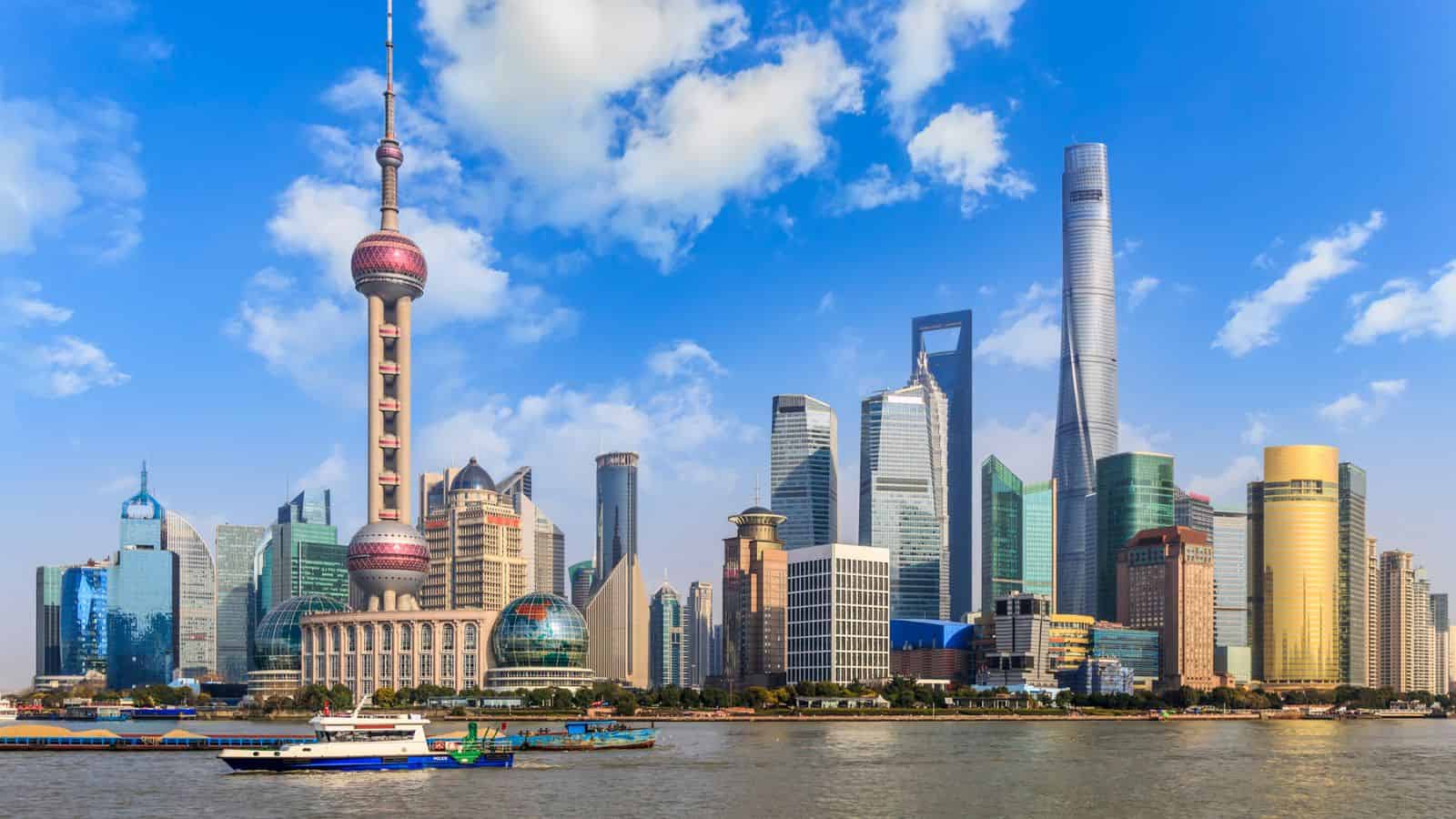
In China, some attractions and parks have different pricing structures for locals and foreigners, though the gap is not always as wide as in other countries. Tourists may also encounter higher prices in markets or informal settings.
Takeaway: China’s pricing differences are present but usually less extreme than in other destinations.
Mexico

Mexico occasionally applies higher fees for foreigners at archaeological sites and certain attractions. In tourist-heavy areas, services and goods may also be priced higher than in local neighborhoods. Venturing beyond those zones often brings costs down.
Takeaway: Mexico’s pricing can shift depending on how close you are to major tourist areas.
10 Countries That Get Work-Life Balance Right

Work life balance means different things to different couples. For some, it is shorter workweeks and generous vacation time. For others, it is reliable public services, manageable commutes, and a culture that respects time away from work. In certain countries, that balance is built into daily life rather than treated as a luxury.
Learn more here: 10 Countries That Get Work-Life Balance Right
10 U.S. States for People Who Love Walkable Cities
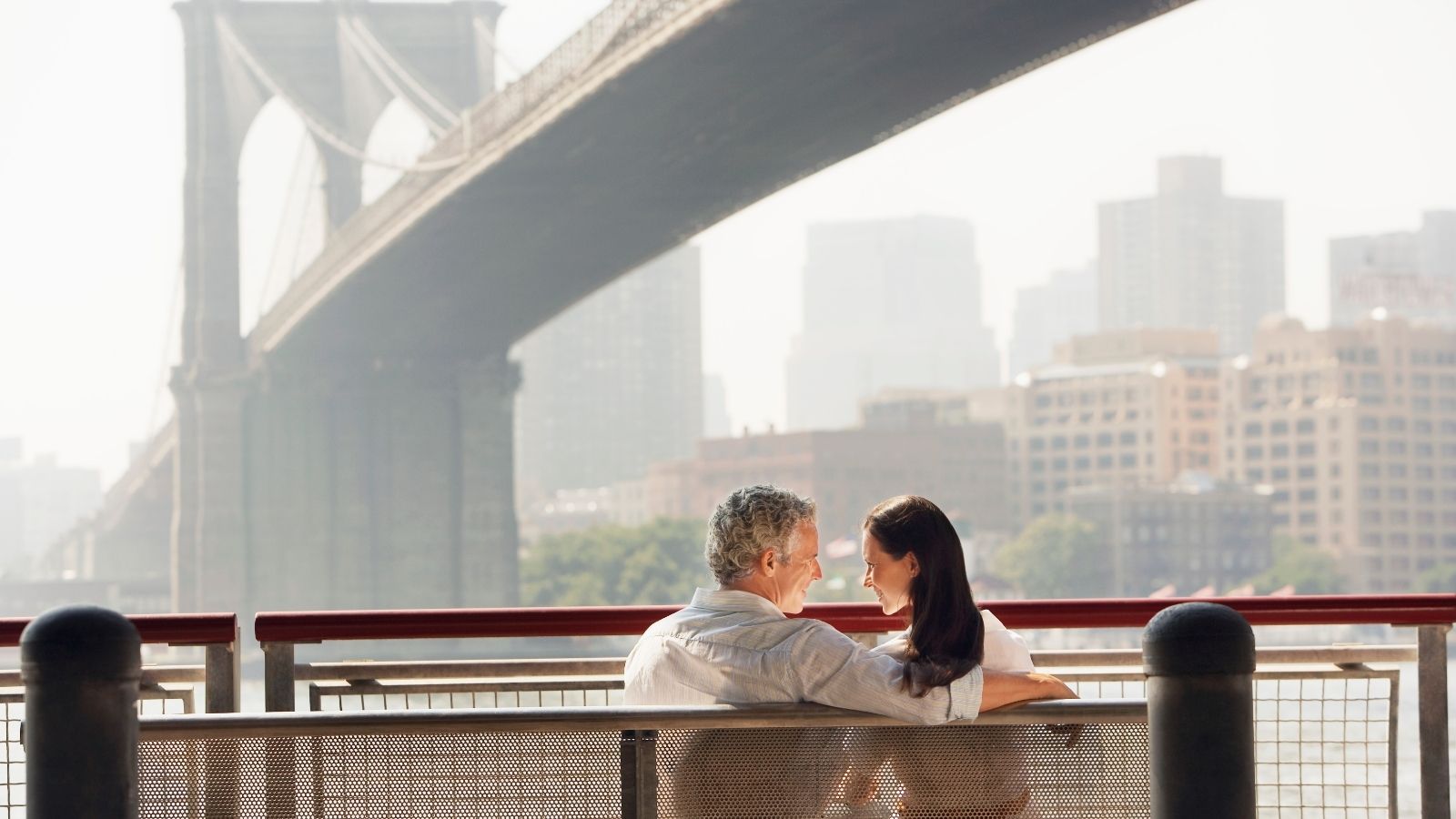
Walkability shapes how a trip or relocation feels day to day. For many couples, being able to step outside and reach restaurants, parks, shops, and transit without getting in a car changes everything. It affects pace, connection to a place, and even how much planning is required.
Learn more here: 10 U.S. States for People Who Love Walkable Cities
