10 Enormous Airports So Large You Could Get Lost Inside
Airports are meant to move you efficiently from one place to another. But some are so massive they feel more like cities than travel hubs. Multiple terminals. Long walks. Trains and corridors that seem to stretch forever.
These oversized airports serve millions of travelers each year and offer plenty of dining, shopping, and lounges. They also come with confusing layouts, long transfer times, and gates that feel impossibly far apart. Even well planned trips can feel stressful when you are racing a connection or navigating an unfamiliar terminal.
For couples, a smooth airport experience matters. Starting a trip calm and organized makes everything that follows more enjoyable. Knowing which airports are truly enormous helps you plan better connections and avoid unnecessary stress.
Here are 10 enormous airports so large you could get lost inside, and what travelers should know before flying through them.

Hartsfield–Jackson Atlanta International Airport (ATL)

We see ATL feel overwhelming because of its sheer length and underground complexity. The airport has multiple concourses lined up in a straight sequence, connected by an automated train system that runs constantly. While efficient, the distance between farthest gates is substantial. Travelers often underestimate how long transfers take, especially during peak hours. The underground layout adds to the disorientation, making it easy to feel turned around. ATL functions more like a transit city than a single terminal.
Why it feels easy to get lost: Long concourses and reliance on trains create scale shock.
Beijing Capital International Airport (PEK)
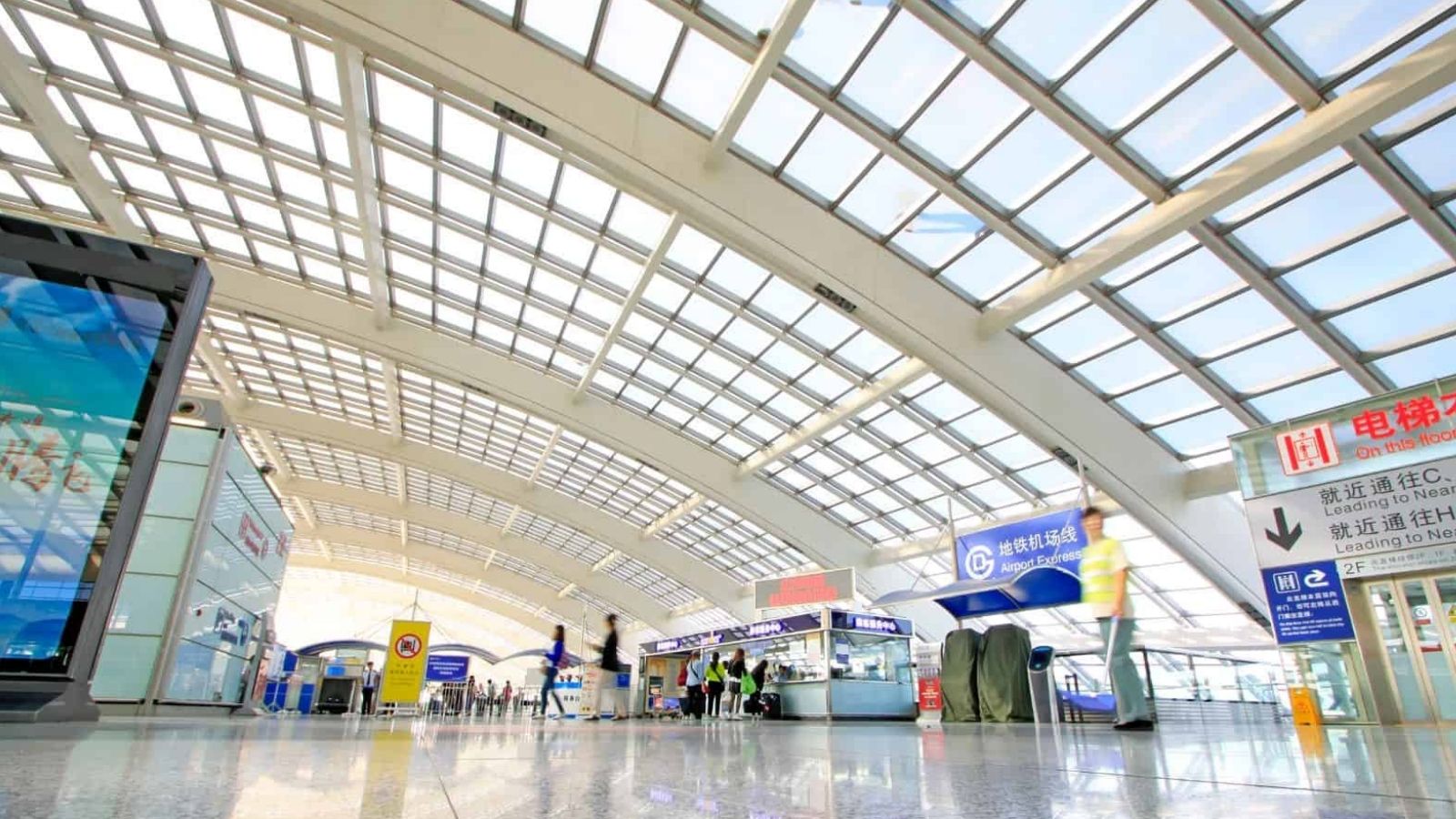
We find PEK feel massive due to its wide-open terminals and long walking distances. Terminal 3 alone is one of the largest airport buildings in the world. Moving between gates can take significant time, even with people movers. Signage is clear, but the physical scale makes navigation tiring. Travelers often feel they are walking endlessly through open spaces.
Why it feels easy to get lost: Enormous terminals stretch distances beyond expectations.
Dubai International Airport (DXB)
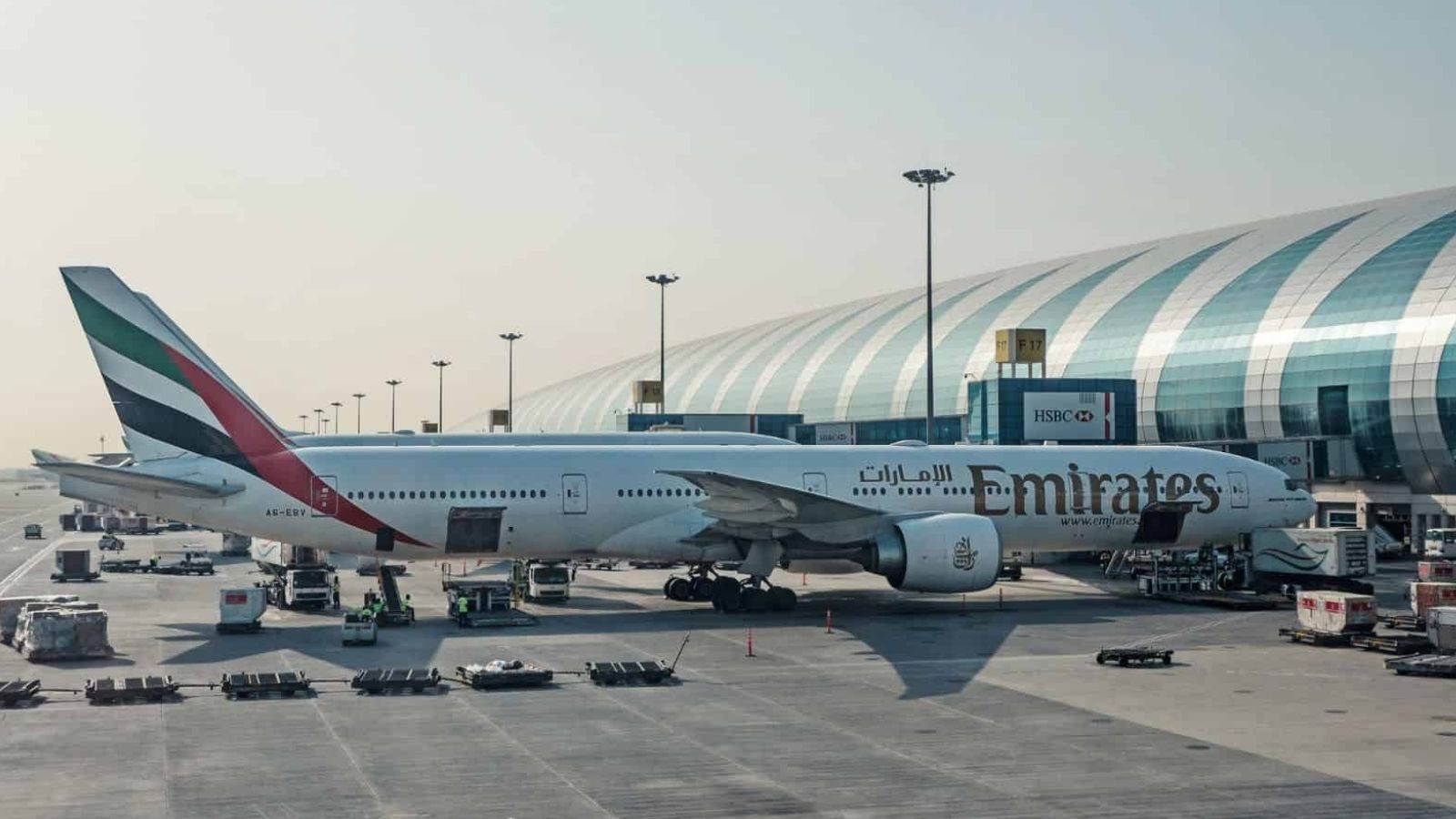
We see DXB overwhelm travelers with constant motion and size. Multiple terminals handle nonstop international traffic, and transfers often involve long walks, trains, or buses. The airport never truly quiets down, which adds to sensory overload. Even experienced travelers can feel disoriented moving between concourses packed with shops and lounges.
Why it feels easy to get lost: Heavy traffic combined with large terminals and constant movement.
Dallas/Fort Worth International Airport (DFW)
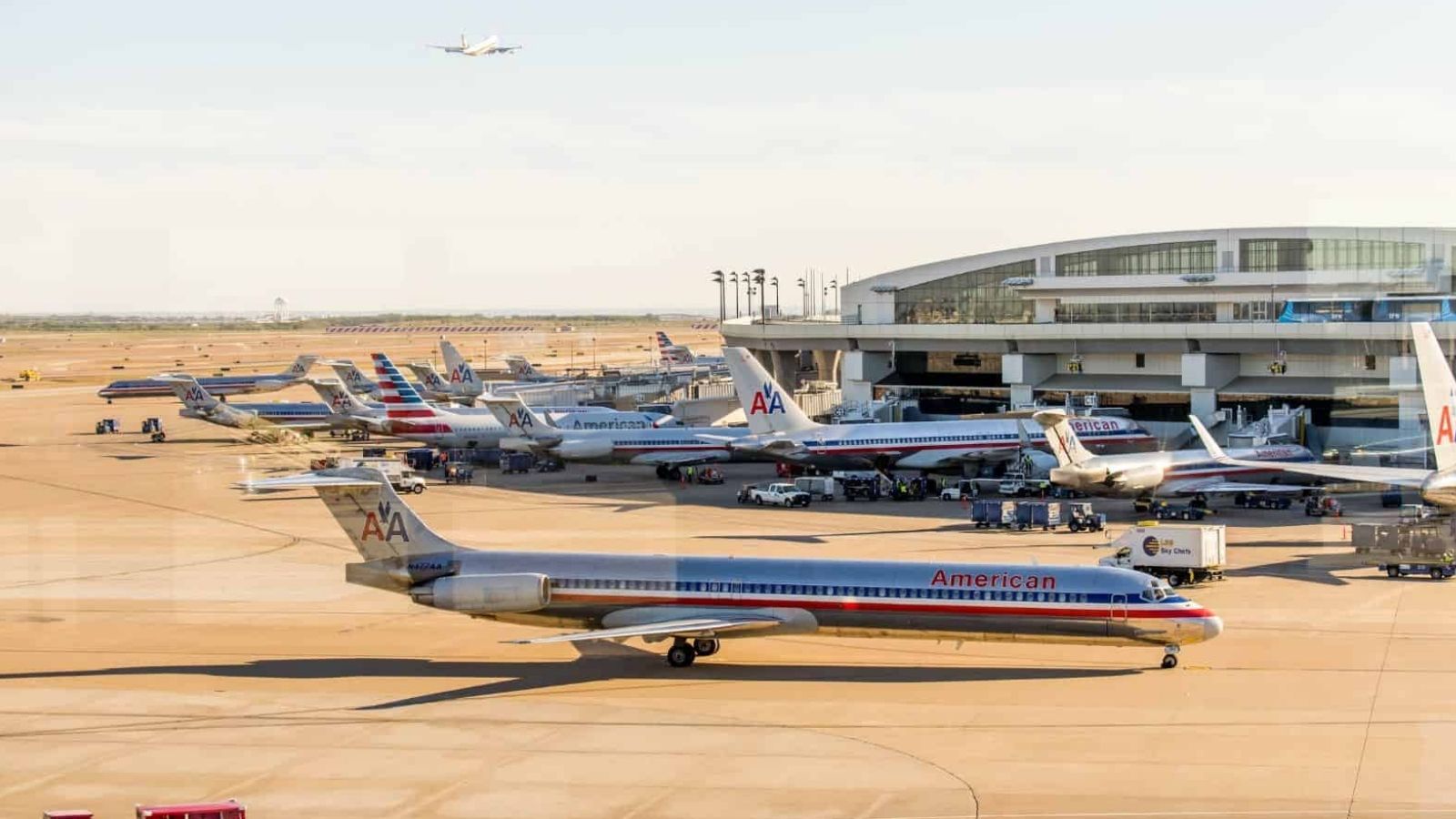
We find DFW so large it operates like a small metro system. Terminals are spread across a wide area and connected by an internal train. Driving between terminals involves highways and multiple exits. Inside, each terminal is sizable on its own. Travelers unfamiliar with the layout often underestimate transfer times.
Why it feels easy to get lost: Terminal sprawl and highway-scale distances.
London Heathrow Airport (LHR)
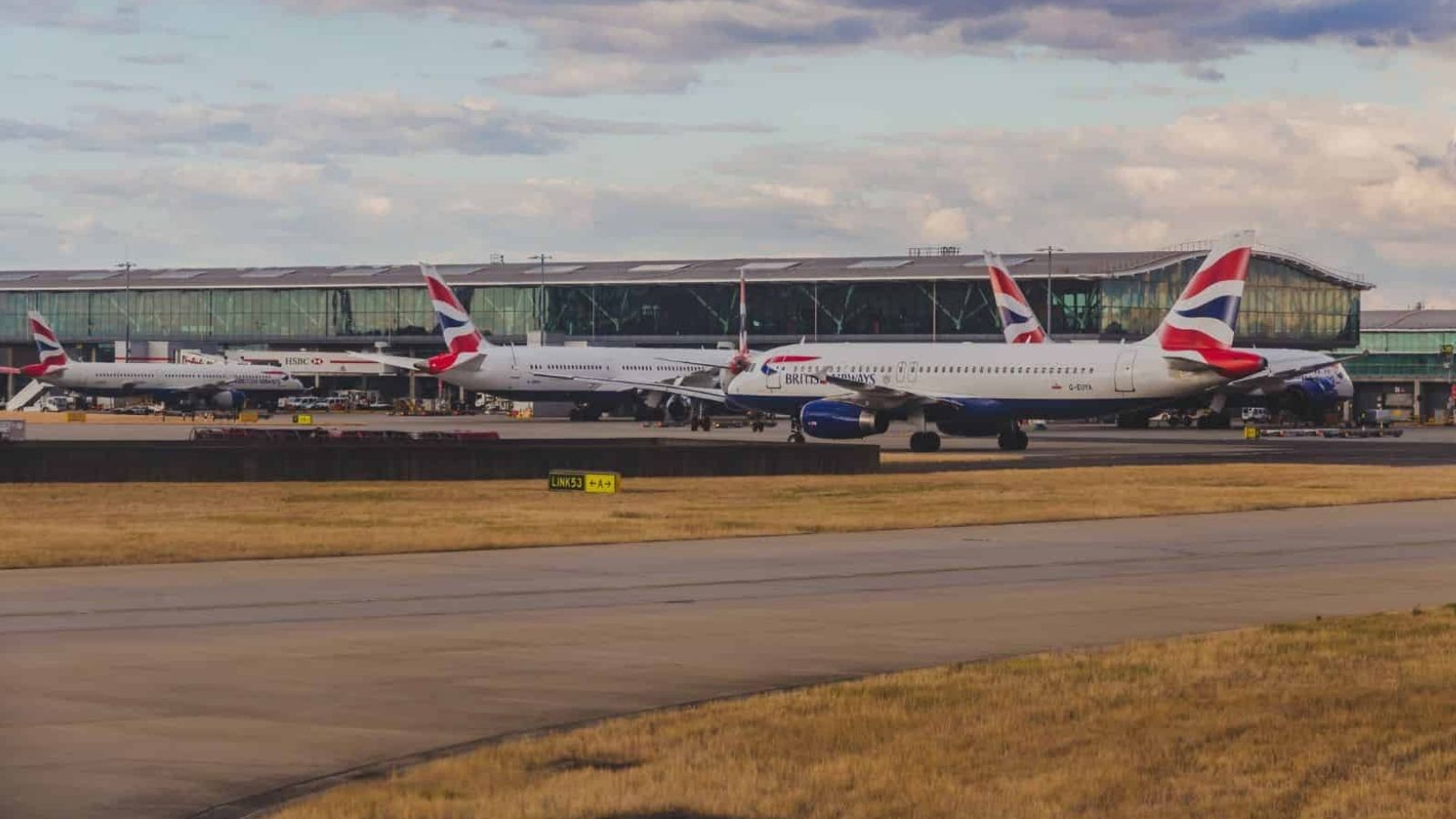
We see Heathrow confuse travelers through its terminal separation rather than sheer footprint. Each terminal functions almost like a separate airport, with long transfer times and security rechecks. Signage helps, but the process can feel fragmented. Travelers often misjudge how much time they need to move between terminals.
Why it feels easy to get lost: Complex transfers between semi-independent terminals.
Los Angeles International Airport (LAX)
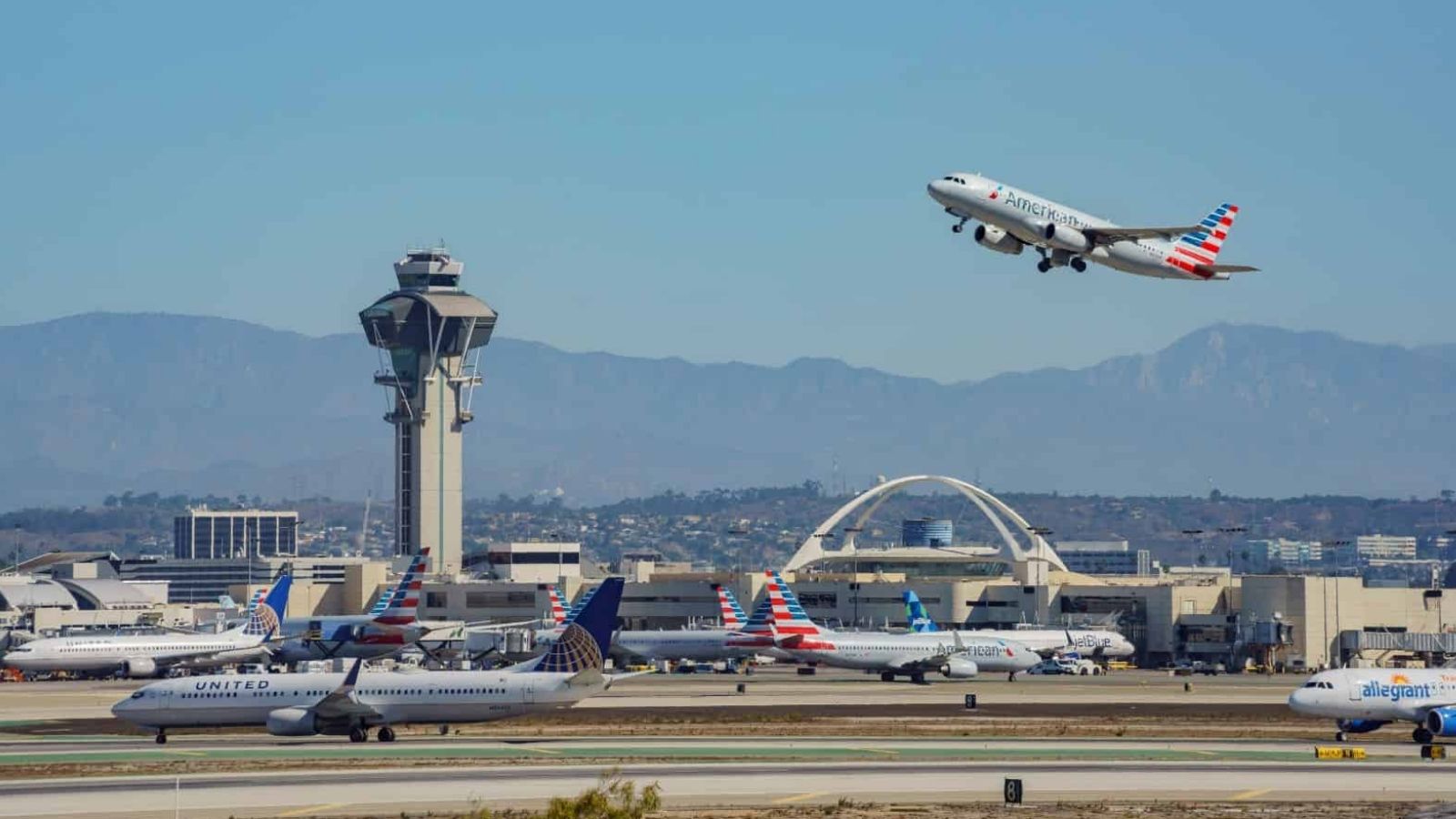
We find LAX confusing because of its horizontal sprawl and constant traffic flow. Terminals sit close together on maps, but moving between them often requires long walks, shuttle buses, or navigating crowded sidewalks. Road congestion adds another layer of stress, especially for connections or pickups. Inside, terminals vary widely in layout and clarity. Travelers often underestimate how much time it takes to move from one airline to another.
Why it feels easy to get lost: Terminal-to-terminal movement is slower and more complex than expected.
Istanbul Airport (IST)
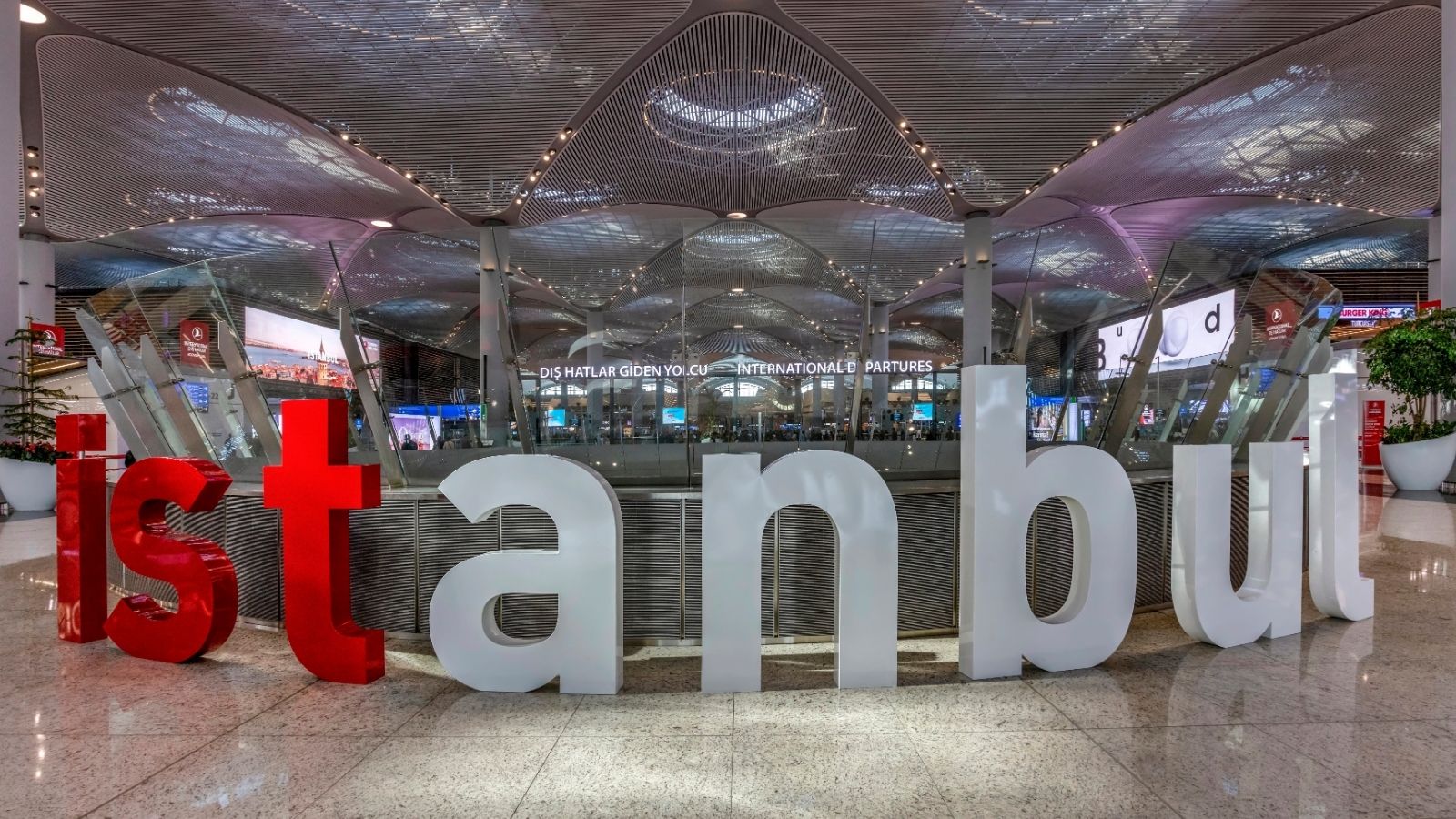
We see Istanbul Airport feel enormous due to its vast, open design and long walking distances. The terminal is modern and visually impressive, but gates can be far apart. Even with moving walkways, reaching connections takes time. Signage is clear, yet the scale can feel disorienting, especially during tight layovers.
Why it feels easy to get lost: Massive open spaces stretch walking distances significantly.
Chicago O’Hare International Airport (ORD)

We find O’Hare challenging because of its size and evolving layout. Multiple terminals, underground tunnels, and frequent construction create a maze-like feel. Walking between concourses can take longer than expected, and signage changes as renovations continue. Travelers unfamiliar with the airport often feel rushed and turned around.
Why it feels easy to get lost: Complex terminal layout paired with ongoing construction.
Tokyo Haneda Airport (HND)
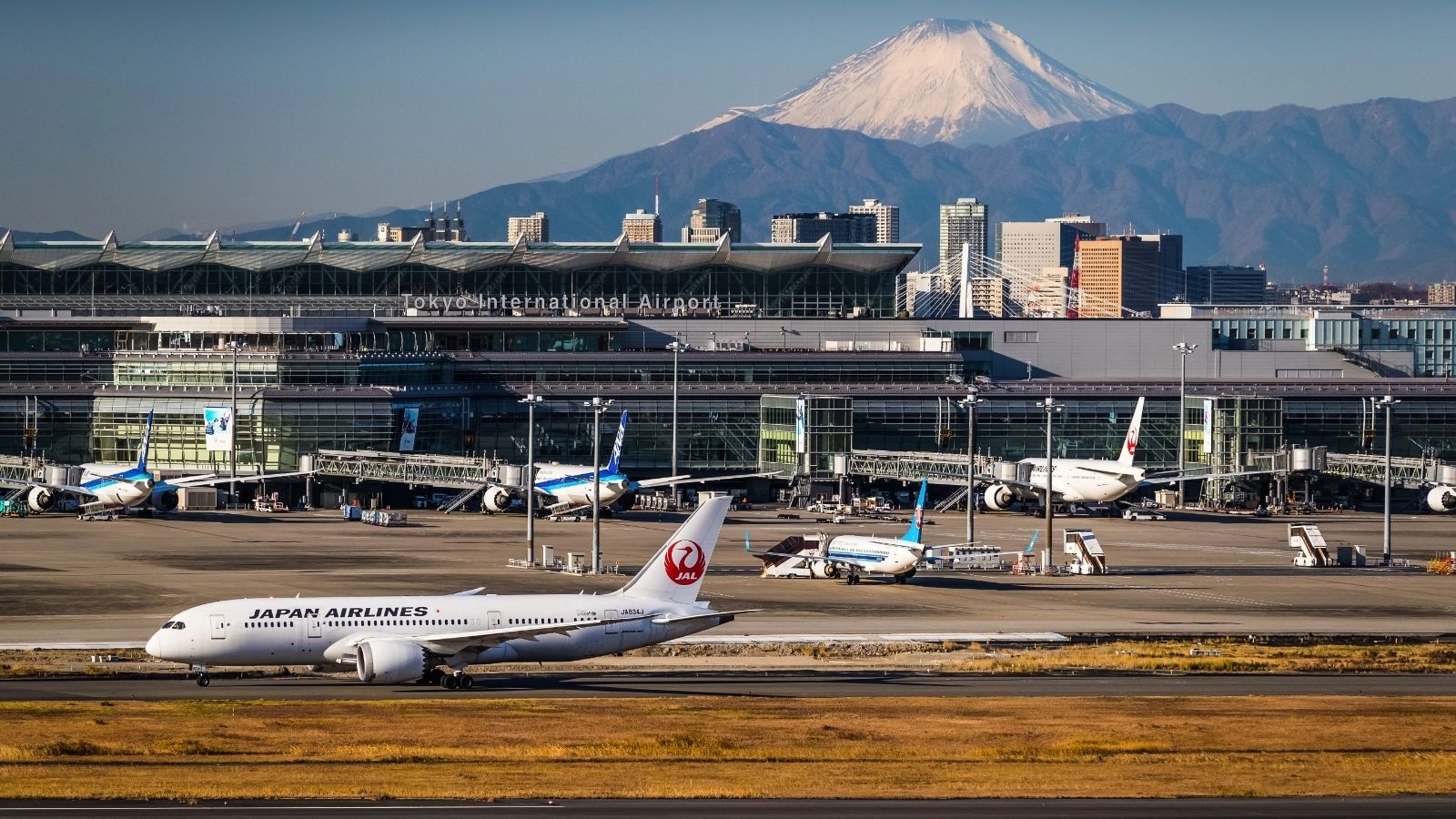
We see Haneda feel deceptively large, especially when transferring between domestic and international areas. While efficient, the airport spans multiple terminals with long corridors and layered levels. Signage is excellent, but transfers can still take time. Travelers often assume quick movement because of Japan’s efficiency, then feel surprised by distances.
Why it feels easy to get lost: Size hides behind smooth design and multiple terminal zones.
Paris Charles de Gaulle Airport (CDG)
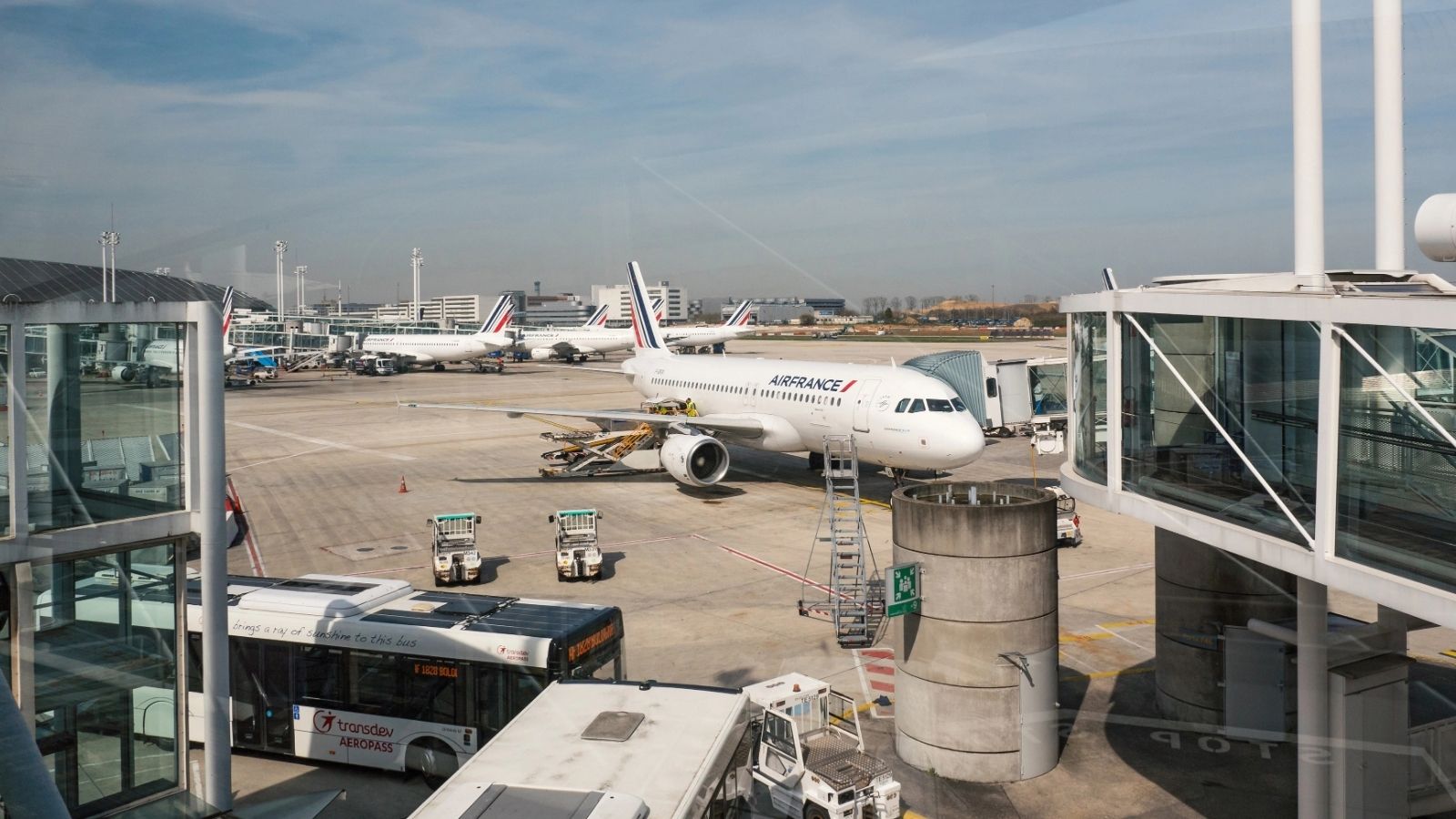
We find CDG notorious for confusing transfers and separated terminals. Some buildings are far apart and require trains, buses, or long walks. Terminal layouts vary widely, and signage can feel inconsistent. Even frequent travelers report disorientation here. Connection times need generous buffers to avoid stress. Why it feels easy to get lost: Fragmented terminals and complicated transfer routes.
10 U.S. Landmarks Your Teachers Somehow Never Mentioned

Some of the most interesting places in the U.S. never make it into textbooks or classroom lessons. While we all learned about the big-name landmarks, there are many sites with rich stories that somehow slipped through the cracks. These places are just as fascinating, and in some cases even more memorable, once you see them in person.
Learn more here: 10 U.S. Landmarks Your Teachers Somehow Never Mentioned
11 Travel Scams You Should Watch Out For as a Romantic Couple

Nothing kills the romance of a couples getaway faster than getting scammed. Trust us, we’ve seen it happen, and it’s heartbreaking watching lovebirds lose money, time, and peace of mind to preventable cons. Here’s the truth: romantic couples are prime targets for travel scams. Scammers know you’re distracted by each other, riding high on vacation vibes, and more likely to let your guard down. They also know you’re probably splurging on special experiences, which means bigger paydays for them.
Learn more here: 11 Travel Scams You Should Watch Out For as a Romantic Couple
