10 Least-Visited Countries That Might Be the Trip of Your Life
Tired of fighting crowds at the Eiffel Tower or elbowing through Santorini’s sunset chaos? We get it. Sometimes the world’s most famous destinations feel more exhausting than enchanting. Here’s the thing: some of the most extraordinary places on Earth are the ones almost nobody visits. We’re talking about countries where you’ll have ancient ruins practically to yourself, where locals are genuinely thrilled to meet you, and where your travel stories will actually be original.
Why do we love least-visited countries? Because they offer something mass tourism has stripped from popular spots: authenticity, adventure, and that electric feeling of true discovery. Plus, your photos won’t look like everyone else’s Instagram feed. These aren’t off-limits or dangerous. They’re just wonderfully, gloriously overlooked.
From surreal desert landscapes to lush mountain kingdoms, these ten under-the-radar destinations punch way above their weight in beauty, culture, and unforgettable experiences. Some you’ve probably never heard of. Others you’ve vaguely heard of but never seriously considered.
Ready to go where almost nobody else does? Here are ten least-visited countries that might just be the trip of your life.

Bhutan
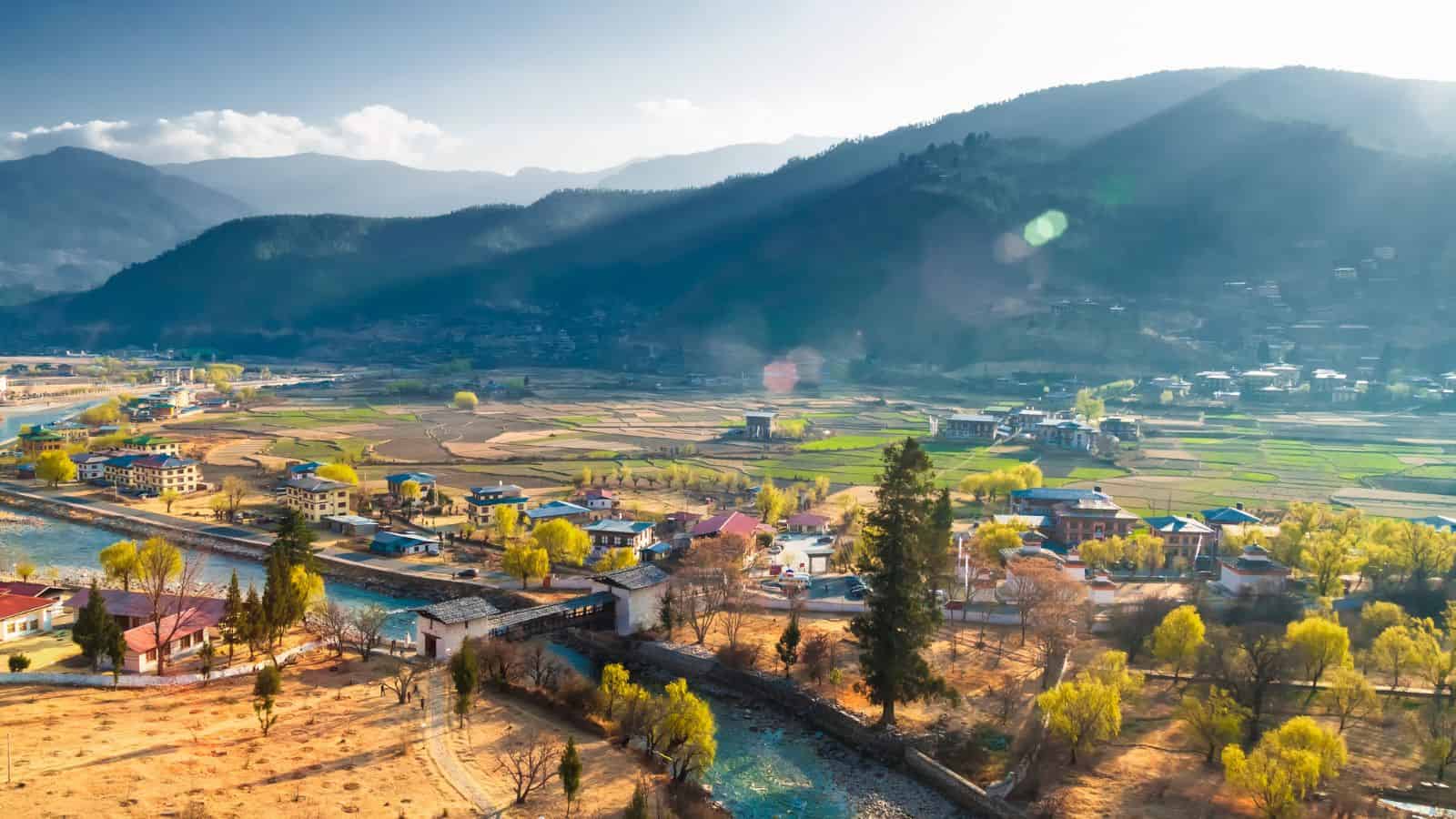
We see Bhutan stand apart because travel there is intentionally limited. The country controls visitor numbers to protect culture, land, and daily life. That approach shapes the entire experience. Couples move through mountain towns, monasteries, and valleys without heavy crowds or rushed schedules. The pace stays steady, which makes conversations last longer and days feel complete without packing in activities. Traditions remain visible in everyday life, not staged for visitors. Roads wind through high terrain, creating long stretches of quiet between stops. Bhutan works best for travelers who want meaning over movement and depth over checklists.
Plan fewer stops and stay longer in each place.
Moldova
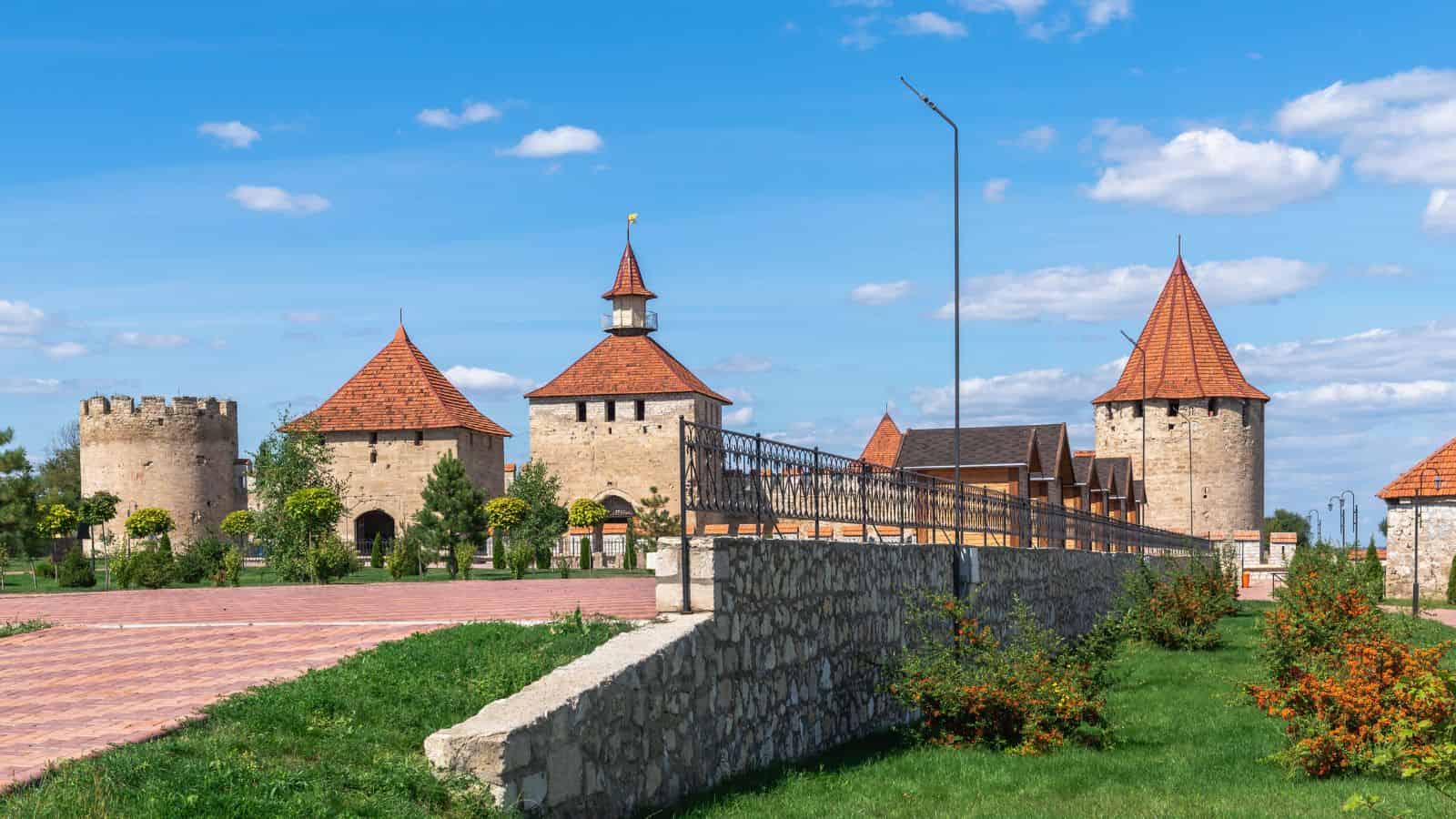
We find Moldova surprise travelers who expect very little and leave with a lot to think about. Vineyards stretch across rolling countryside, and small towns move at an unhurried pace. Couples can spend days walking, tasting local food, and learning how history shaped daily routines. Tourism remains low, which keeps interactions direct and unfiltered. Cities like Chișinău feel lived-in rather than polished. Moldova suits travelers who value conversation, time at the table, and simple movement through places that do not feel designed for outsiders.
Base yourselves near wine regions for slower days.
Suriname
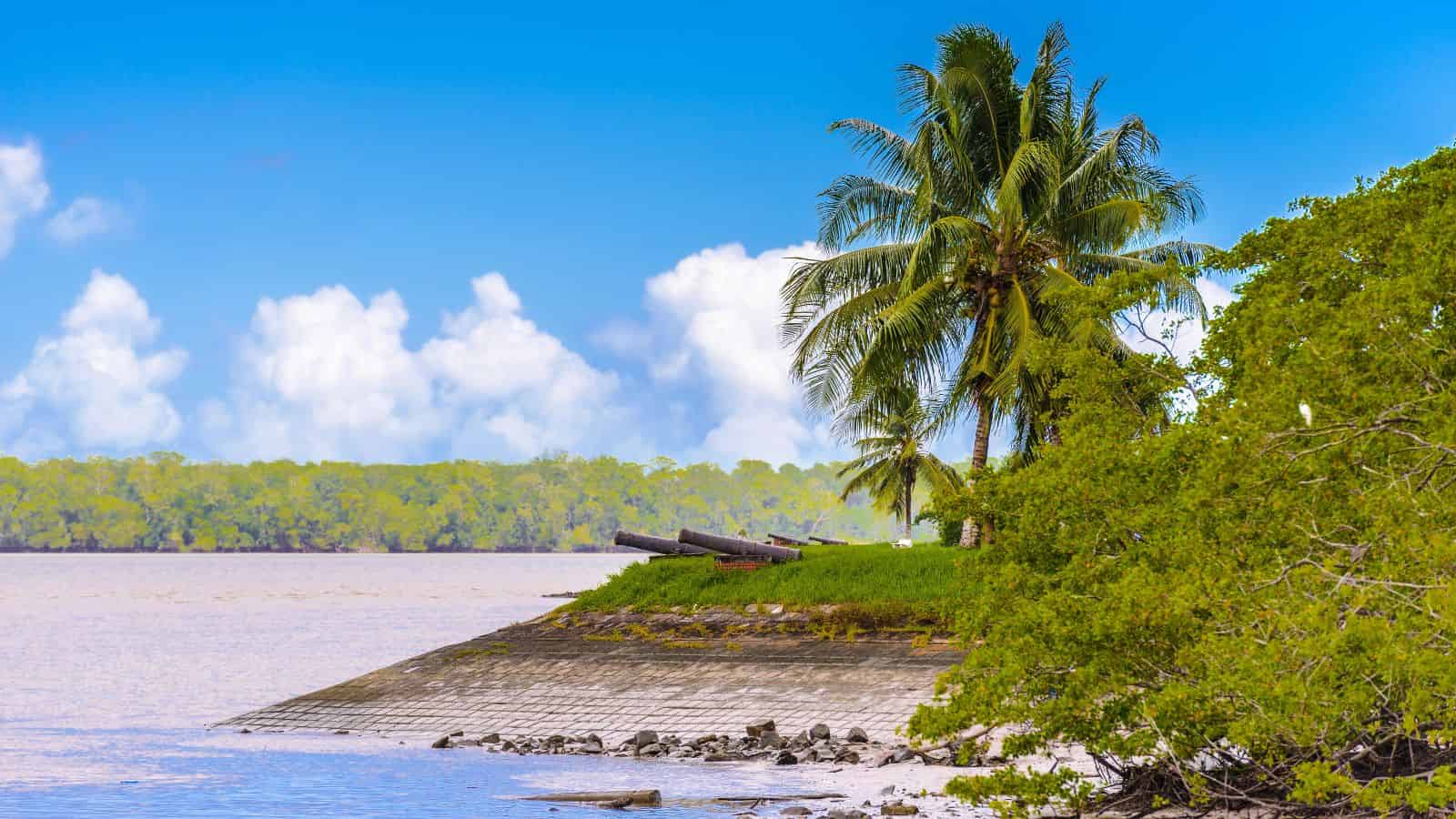
We see Suriname appeal to couples who want nature and culture without heavy tourism. Much of the country remains covered in rainforest, with rivers acting as main routes between communities. Travel often involves boats rather than roads, which slows everything down. That pace creates space for observation and quiet moments. The cultural mix shapes food, language, and daily life in ways that feel natural rather than curated. Suriname works well for travelers who enjoy listening, learning, and spending time outdoors without constant activity.
Allow extra days for river travel and weather shifts.
Timor-Leste
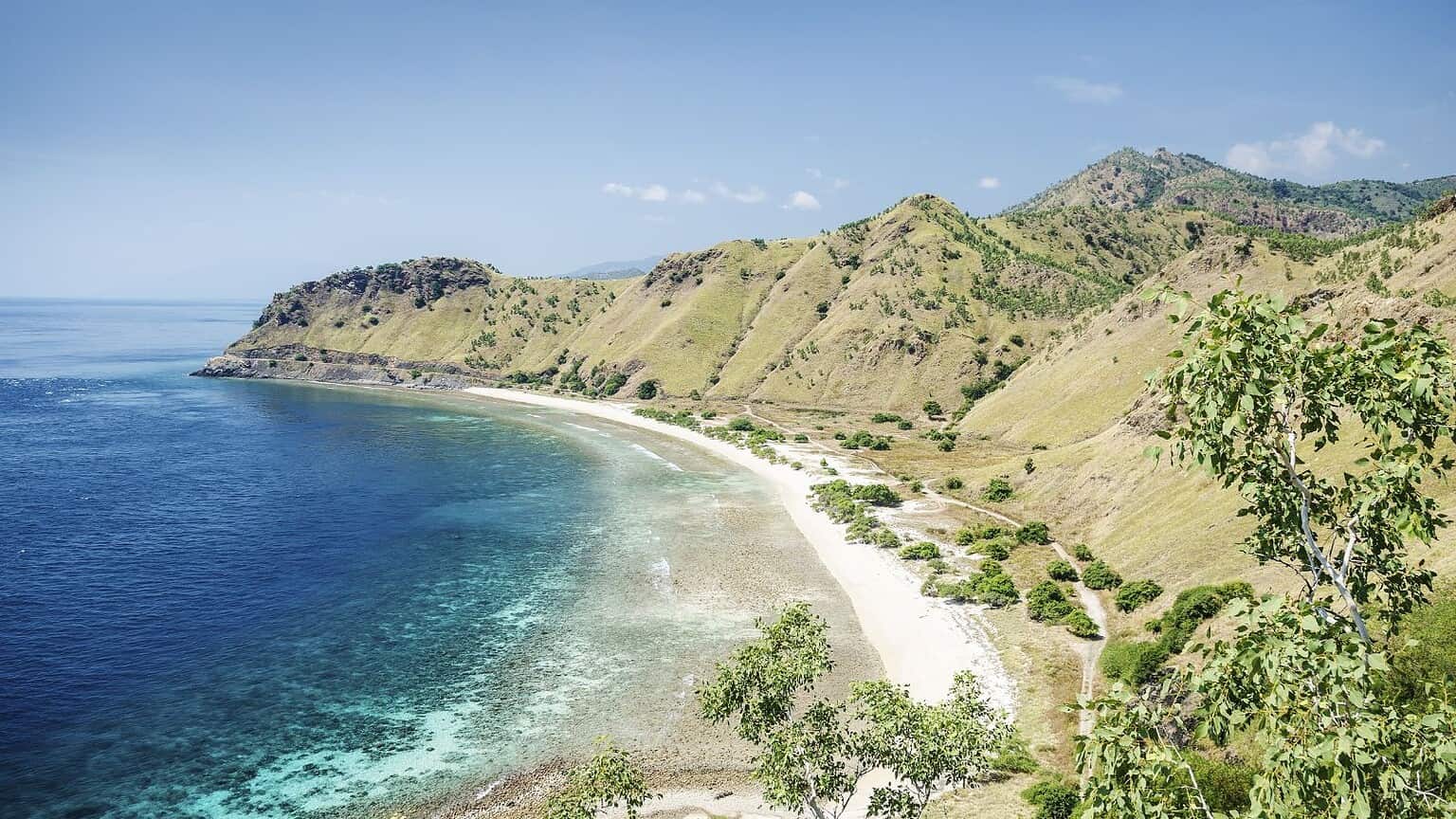
We find Timor-Leste fit couples who want coastal scenery without crowds or resort culture. Clear water and quiet shorelines shape most days. Fishing villages and small towns reflect recent history and strong local ties. Travel infrastructure remains simple, which keeps expectations grounded. Days often revolve around swimming, walking, and talking rather than moving from site to site. The country rewards patience and curiosity more than fast planning. Timor-Leste feels personal because visitors remain rare.
Stay near the coast and plan light daily goals.
Comoros
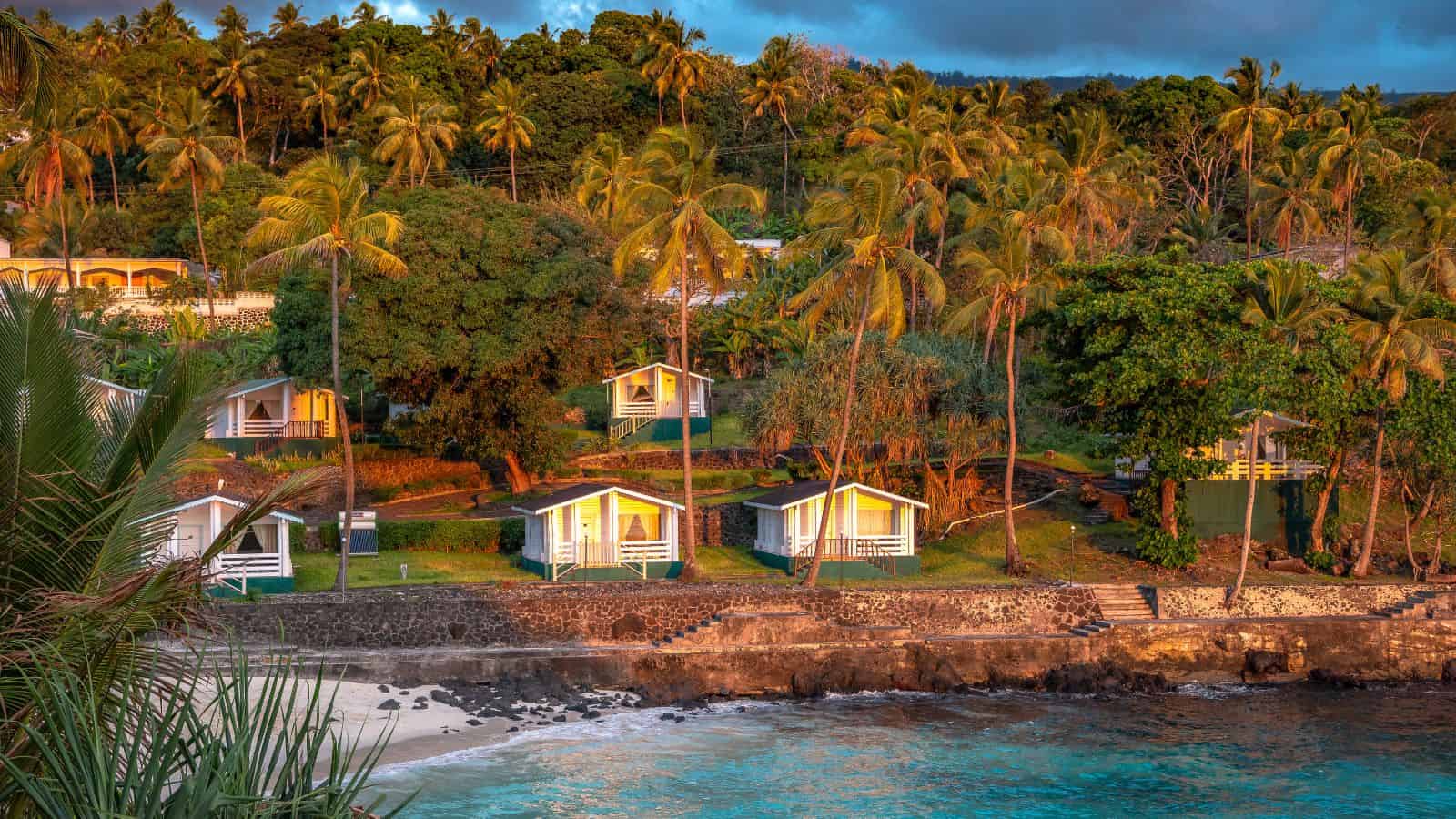
We see Comoros work for travelers who want island life without packaged experiences. The islands remain shaped by daily routines rather than tourism schedules. Volcanic landscapes rise behind quiet beaches, and towns move at a measured pace. Couples often spend long stretches walking, resting, and watching daily life unfold. Infrastructure stays basic, which keeps days focused on place rather than logistics. Comoros suits travelers who value presence over activity and are comfortable adapting plans as needed.
Visit with flexible timing and simple expectations.
Sao Tome and Principe
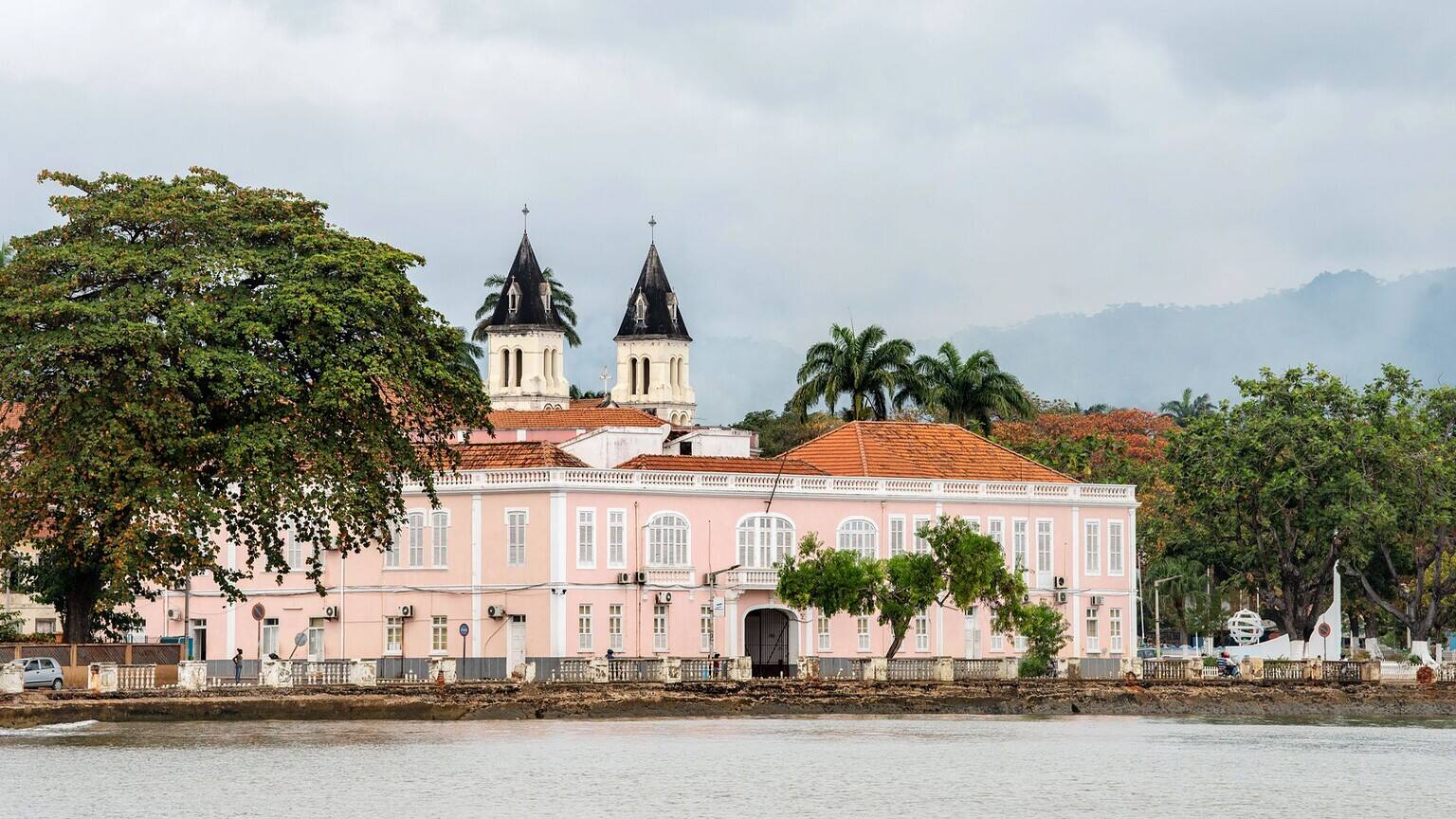
We see Sao Tome and Principe appeal to couples who want distance from crowds without giving up variety. These small islands sit off the coast of Central Africa, shaped by rainforest interiors and quiet shorelines. Travel feels slow by design. Roads are limited, and many days revolve around walking, swimming, and resting rather than covering ground. Small communities move at an even pace, which makes it easy to settle into daily rhythms. Wildlife, plantations, and coastal paths create gentle structure without pressure. Sao Tome and Principe works best for travelers who want space to talk, observe, and stay present instead of chasing highlights.
Stay in one area longer rather than moving between islands quickly.
Kyrgyzstan
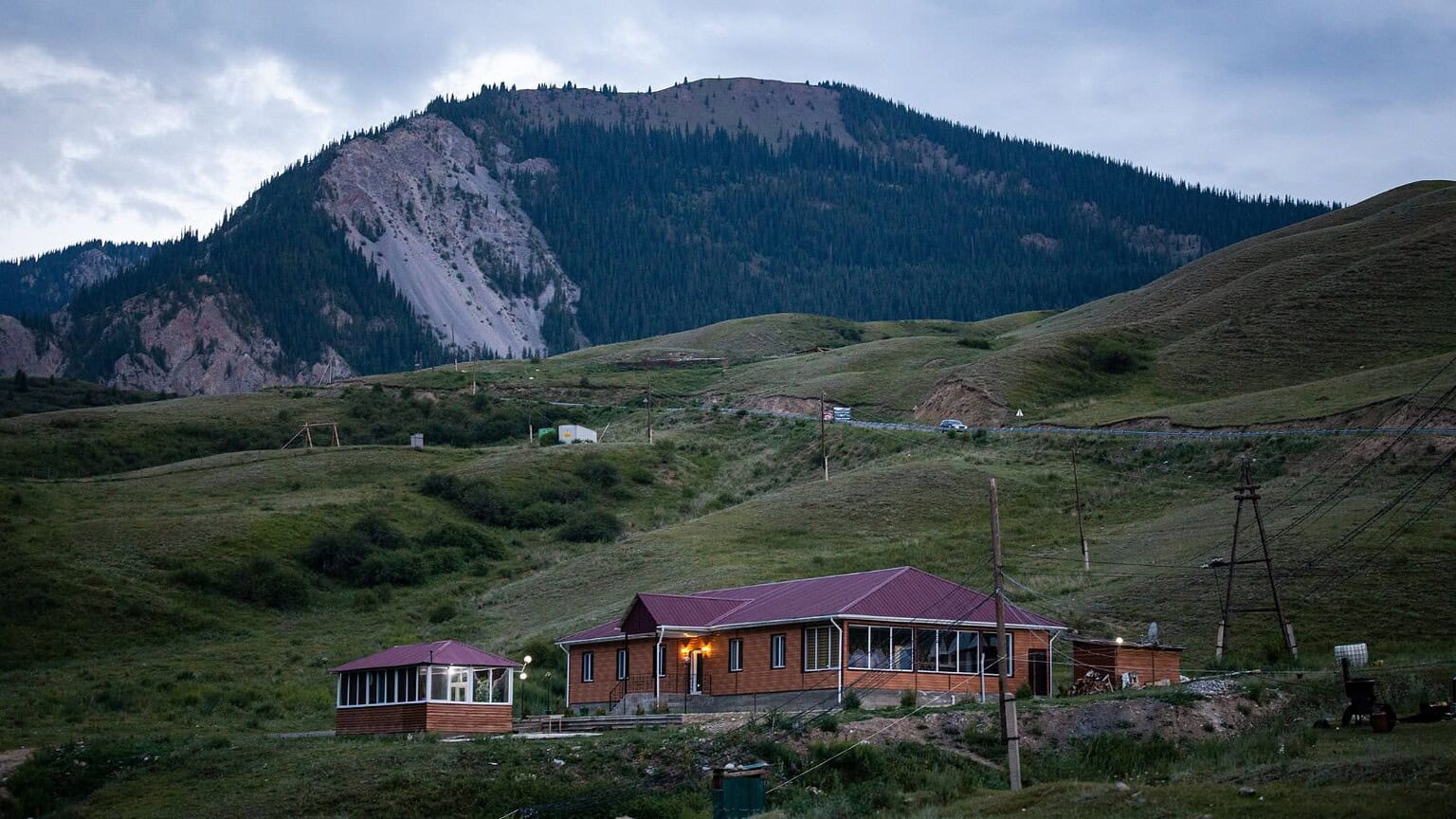
We find Kyrgyzstan stand out for its wide-open landscapes and strong connection to nomadic life. Valleys, lakes, and mountain passes shape travel days, often with long stretches of quiet between towns. Couples can stay in simple lodgings, walk near alpine lakes, and watch daily life unfold without interruption. Tourism remains light, which keeps interactions direct and unfiltered. Movement feels purposeful rather than rushed. Kyrgyzstan suits travelers who enjoy scenery, shared stillness, and conversations shaped by long days outdoors.
Build extra time into travel days to match the pace of the land.
Guyana
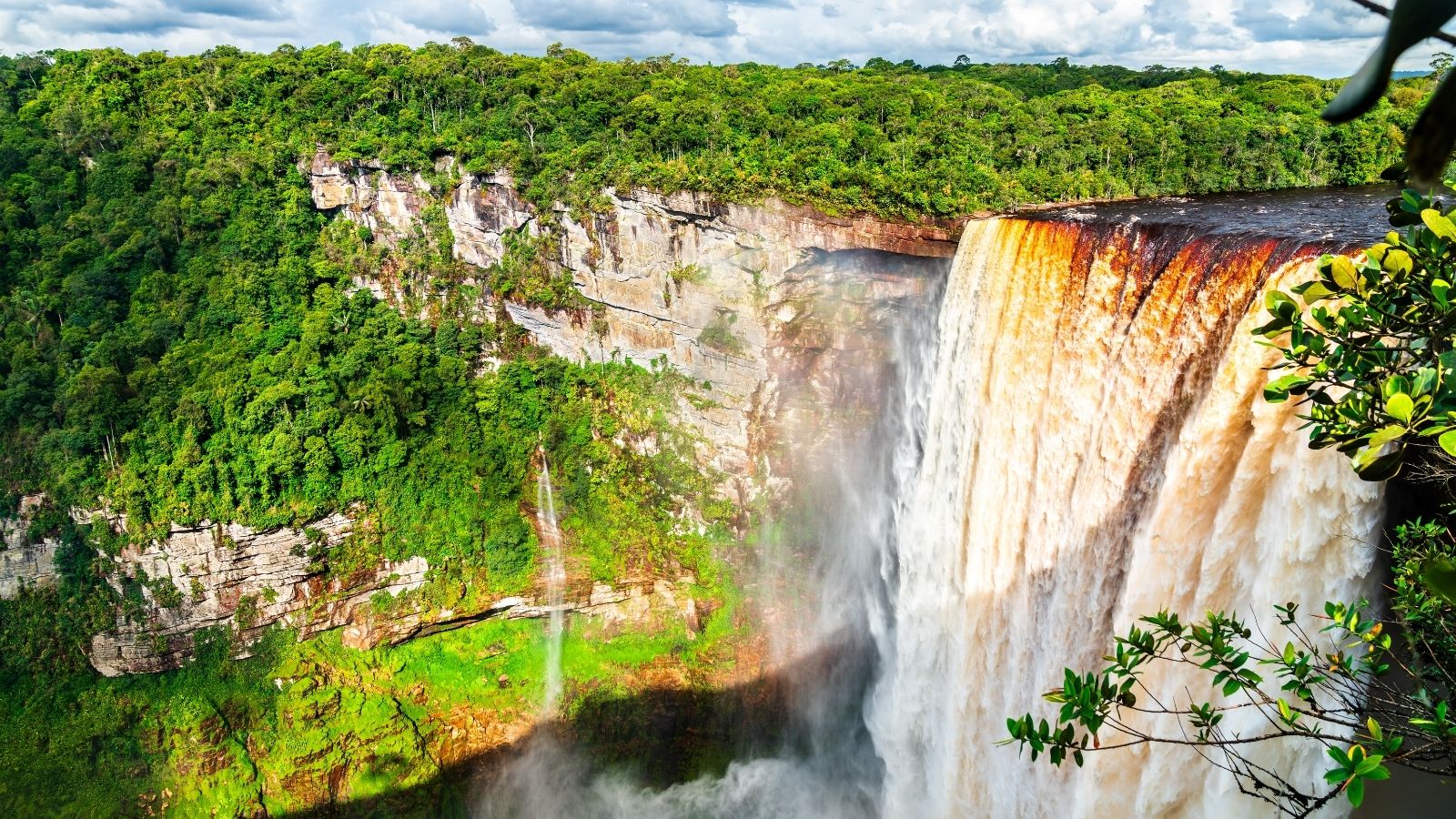
We see Guyana work for couples who want nature without crowds or heavy infrastructure. Much of the country is covered in rainforest, and rivers act as main travel routes. Days often involve boats, short walks, and long pauses rather than constant motion. Wildlife encounters feel natural rather than staged. Tourism stays minimal, which keeps experiences grounded. Guyana rewards patience and curiosity, especially for travelers who prefer listening and observing over checking off sites.
Plan fewer destinations and allow time for river travel.
Tajikistan
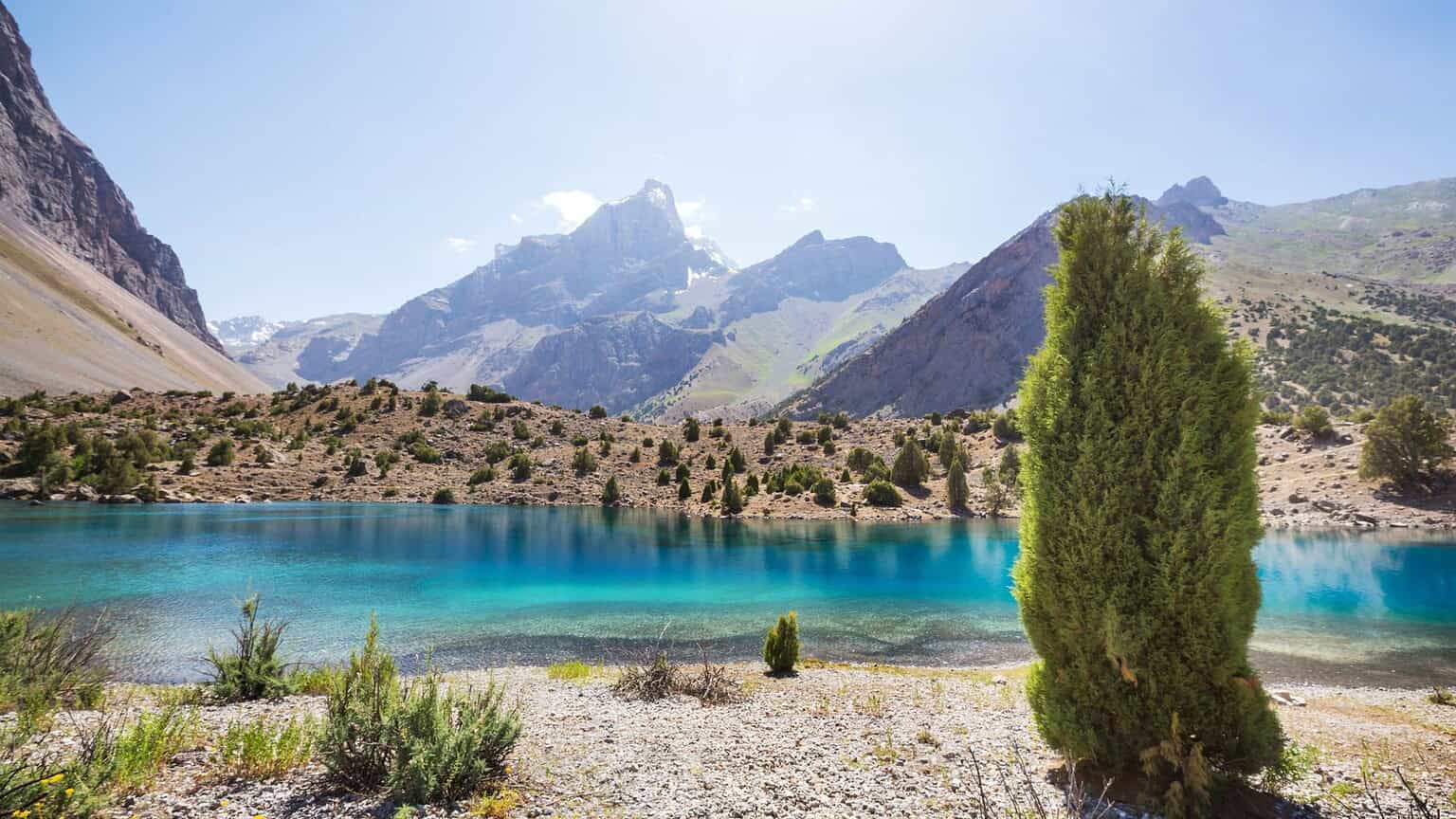
We find Tajikistan suit couples drawn to mountain landscapes and long, quiet journeys. The Pamir region shapes much of the experience, with roads that wind through high passes and remote villages. Travel takes time, but the pace encourages reflection rather than frustration. Stops often feel personal, shaped by local hospitality instead of schedules. The scenery stays constant and grounding. Tajikistan works well for travelers who value depth, resilience, and shared problem-solving on the road.
Expect slower routes and plan days with flexibility.
Equatorial Guinea
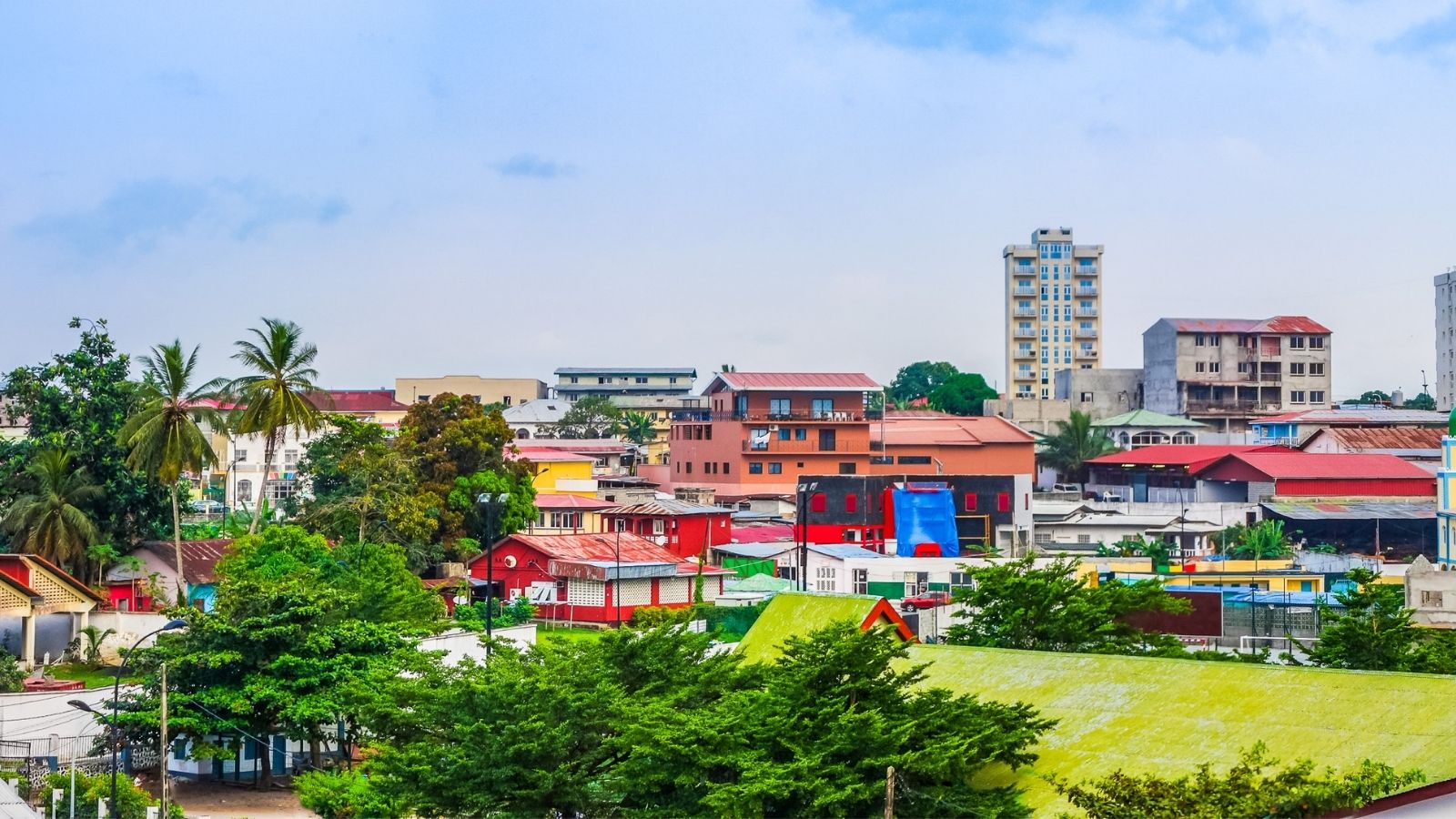
We see Equatorial Guinea attract travelers who want a place few others reach. Cities reflect Spanish influence, while forests and islands remain largely untouched by tourism. Travel logistics require patience, which naturally limits crowds. Couples often spend time walking neighborhoods, resting near the coast, and adjusting plans as conditions change. The experience feels raw and direct rather than curated. Equatorial Guinea suits travelers comfortable with uncertainty and focused on presence over polish.
Research entry requirements carefully and plan light daily agendas.
Quiet Places Worth the Journey

Some of the most memorable trips happen far from crowded routes and familiar itineraries. These least-visited countries offer space to explore without constant lines, packed viewpoints, or rushed schedules. Travel here often feels more personal, with time to connect to landscapes, local customs, and everyday life in a way that busier destinations rarely allow. Fewer visitors does not mean fewer experiences. It often means slower travel, deeper conversations, and moments that feel genuinely unexpected.
Choosing a less-visited country can require a bit more planning, but the reward is a trip shaped by curiosity rather than crowds. These destinations remind travelers that remarkable experiences are not limited to famous landmarks. Sometimes the places you have not heard much about are the ones that stay with you the longest, long after the trip ends.
12 Winter City Breaks That Won’t Break the Bank

Winter travel does not have to drain your savings, and many couples still want a getaway that feels exciting without the high-season price tag. We know the struggle of finding a city break that feels fresh, fun, and affordable at the same time. The good news is that plenty of cities across the U.S. and Canada stay lively during the colder months, and many of them offer fair prices once the holiday rush settles down.
Learn more here: 12 Winter City Breaks That Won’t Break the Bank
