10 Small Towns Around the World Built for Big Adventures
Big adventures do not always start in big cities. For many couples, the most memorable trips happen in small towns that place outdoor experiences, culture, and access to nature right outside the front door. These are places where planning feels simpler and days revolve around doing, not commuting.
Small adventure towns often strike a balance that larger destinations struggle to maintain. They offer easy access to trails, water, mountains, or wildlife without the crowds, long lines, or constant logistics. Everything tends to be closer, calmer, and easier to navigate together.
Choosing the right town matters. Some places market adventure but require long drives or complicated planning. Others are designed around it, with walkable centers, local guides, and infrastructure that supports active days followed by relaxed evenings.
We have identified 10 small towns around the world that are built for big adventures. These destinations make it easier for couples to focus on the experience itself, whether that means hiking, cycling, paddling, or simply spending more time outdoors without the stress of a larger travel hub.
Queenstown
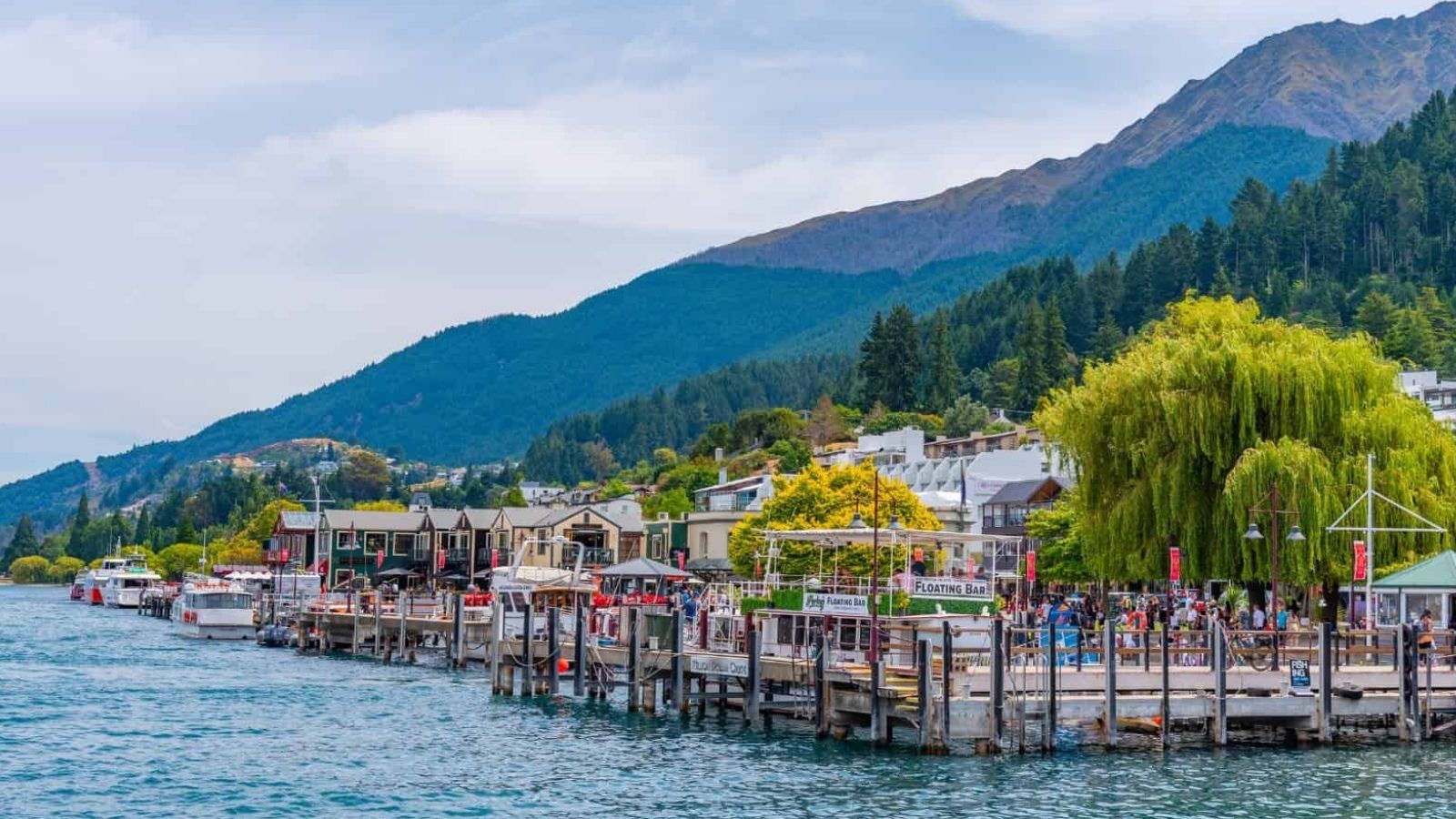
Queenstown is compact, walkable, and tightly connected to its landscape. Lake Wakatipu anchors the town, while mountains rise immediately behind it, shaping daily routines around movement and outdoor time. Hiking trails, ski fields, and water activities are reached quickly, often without a car. The town supports early starts and relaxed evenings, making it easy to plan full days without logistical strain. Seasonal shifts change the type of adventure, not the accessibility.
Takeaway: Queenstown works best for travelers who want constant outdoor access without complex planning or long transfers.
Interlaken
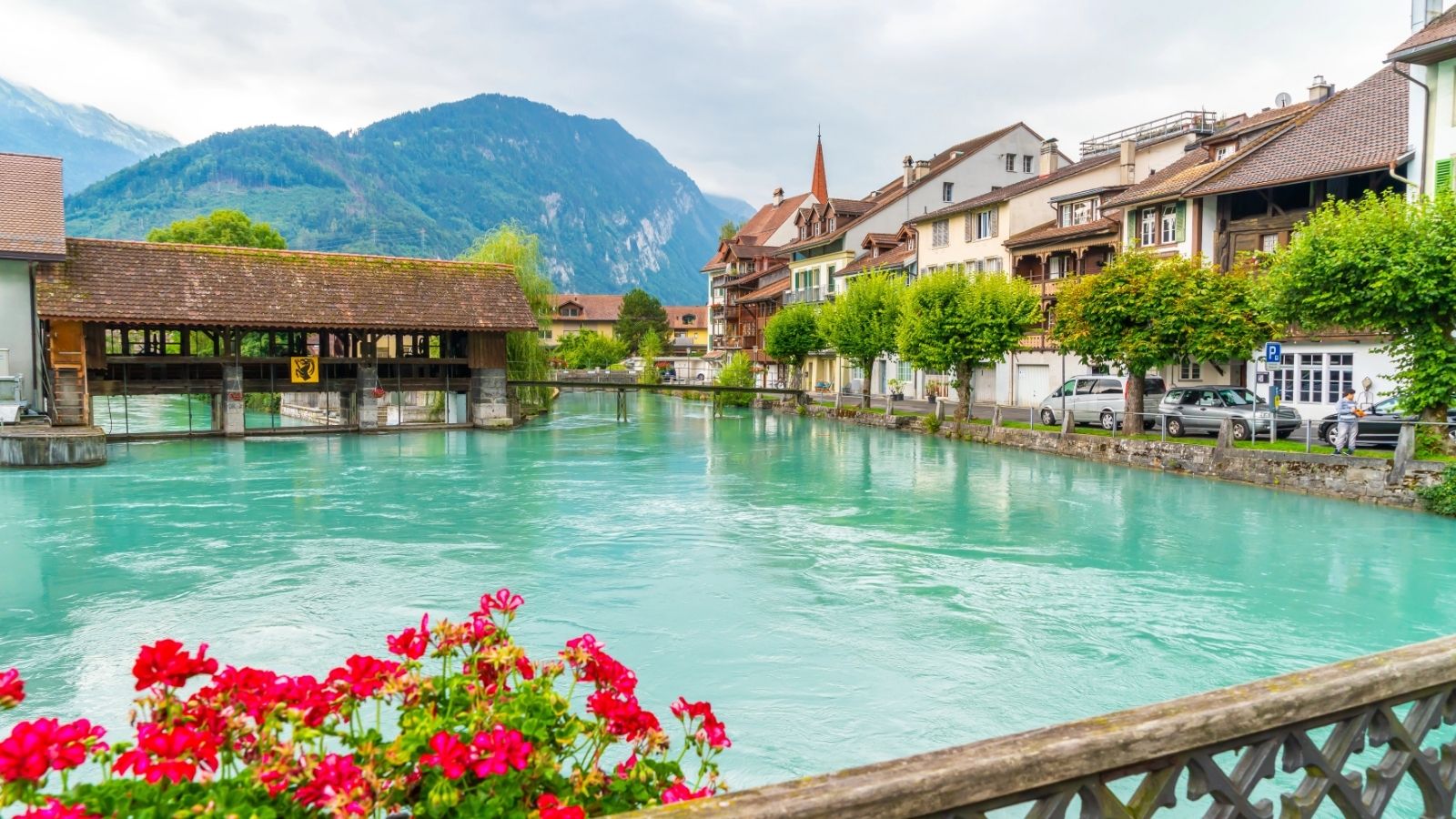
Interlaken sits between two lakes with the Alps forming a dramatic backdrop, yet the town itself remains orderly and manageable. Its biggest advantage is connectivity. Trains, cable cars, and ferries link directly to high-altitude trails, ski areas, and alpine viewpoints. You can structure days around weather and energy rather than transportation limits. Even ambitious adventures fit neatly into a calm daily rhythm.
Takeaway: Interlaken is built for travelers who want big alpine access without needing a car or constant relocation.
Chamonix
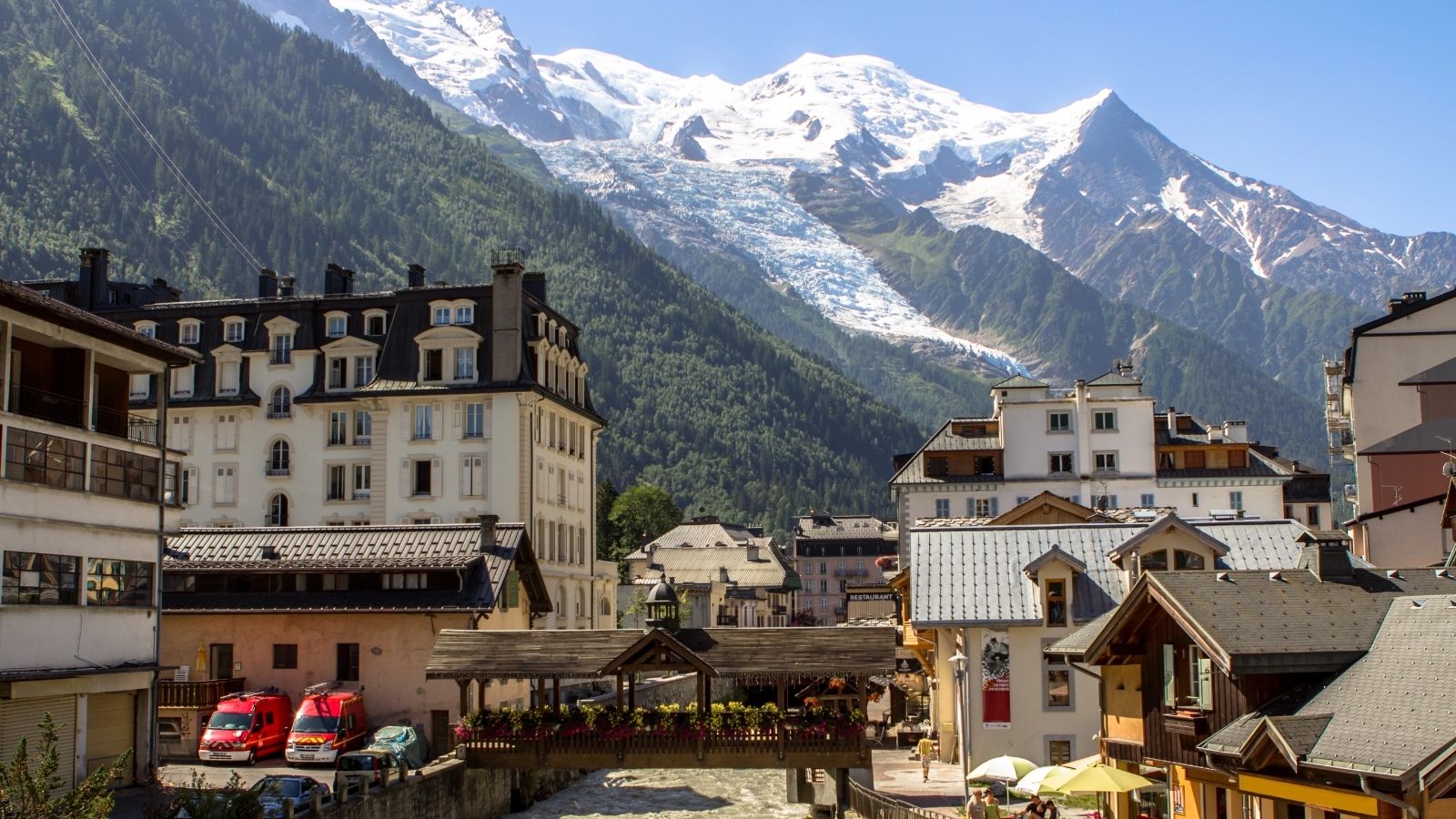
Chamonix is a working mountain town where adventure defines everyday life. Mont Blanc dominates the skyline, and lifts, trails, and climbing routes start within town limits. The infrastructure supports serious activity while still allowing slow mornings and structured routines. Cafés, shops, and transit are woven around movement rather than tourism alone. Weather dictates plans, not availability.
Takeaway: Chamonix suits travelers who want immediate access to high-level alpine terrain while staying grounded in a real town setting.
Moab
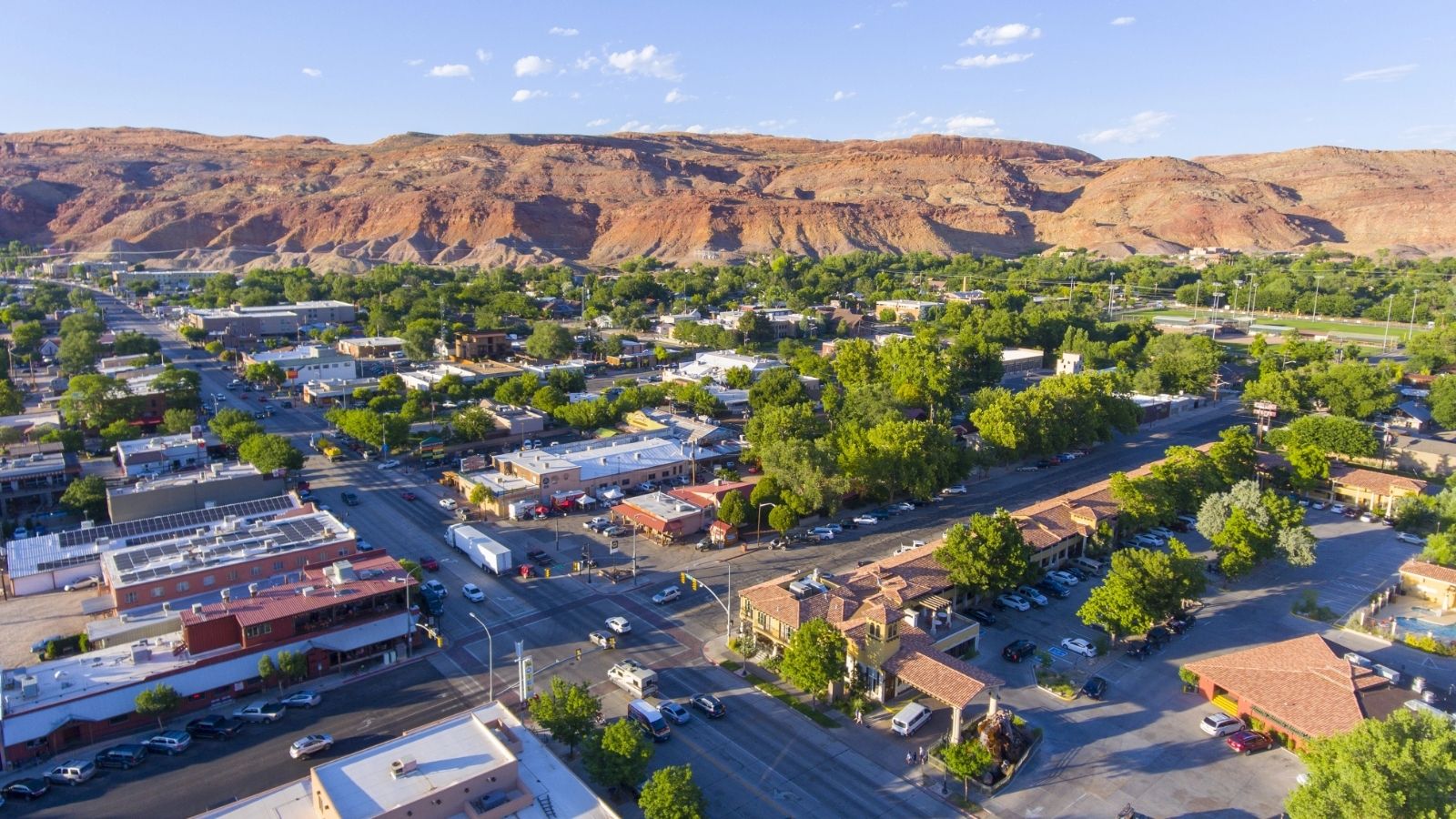
Moab is surrounded by red rock landscapes that begin almost immediately outside town. National parks, river access, and trail systems are close enough to allow flexible starts and short drives. The town itself is straightforward and practical, designed to support outdoor days rather than nightlife or spectacle. Early mornings matter here, but logistics remain simple.
Takeaway: Moab works best for travelers who want desert-scale adventure without long-distance travel between sites.
Banff
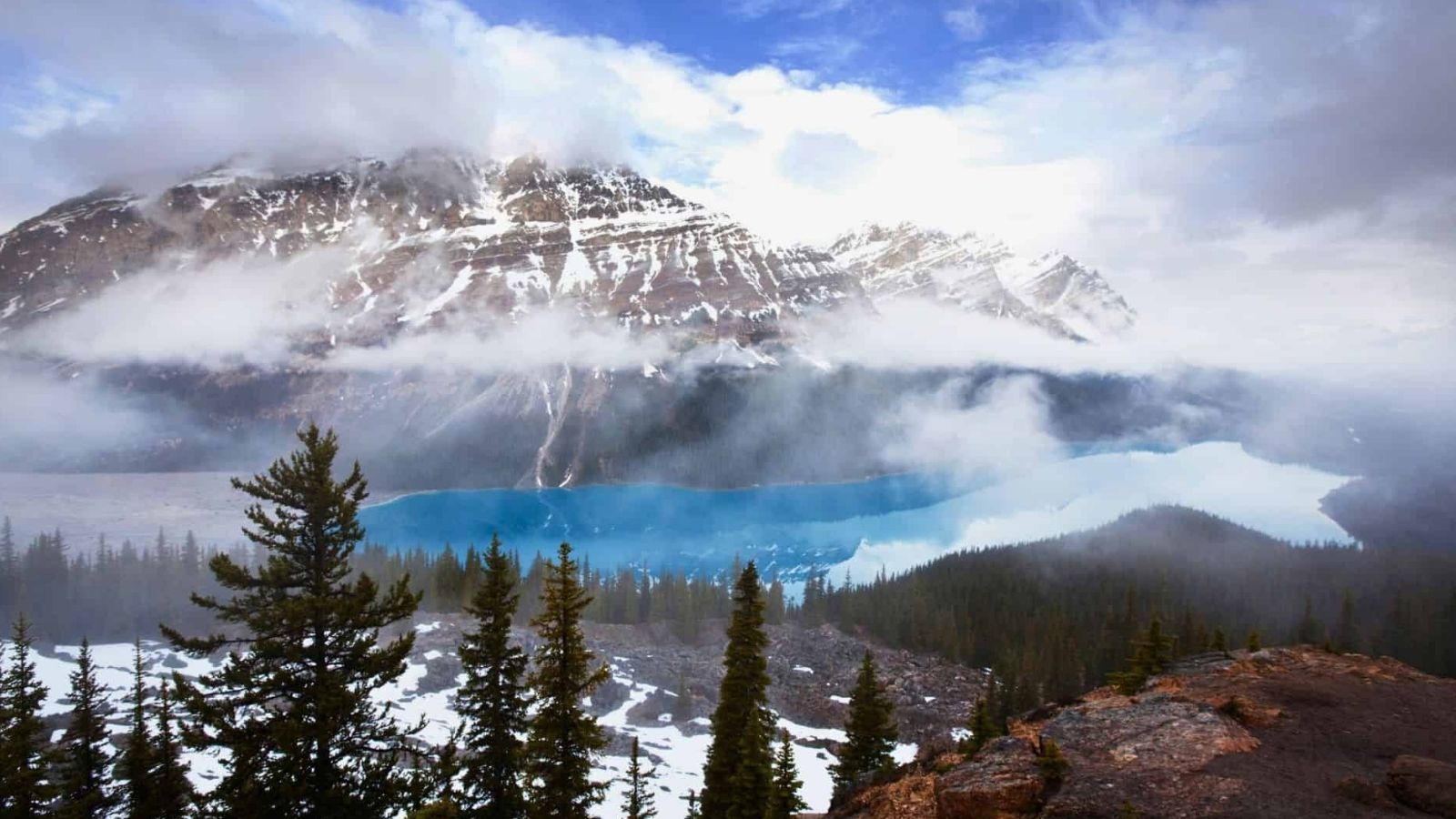
Banff is small but strategically placed inside a national park, with mountains, lakes, and wildlife shaping daily movement. Trails, scenic drives, and viewpoints are minutes away, allowing full days outdoors without packing up or relocating. The town supports a steady rhythm focused on early starts and quiet evenings. Seasonal changes shift access, but not proximity.
Takeaway: Banff suits travelers who want dramatic mountain settings paired with predictable routines and close-in access.
El Chaltén
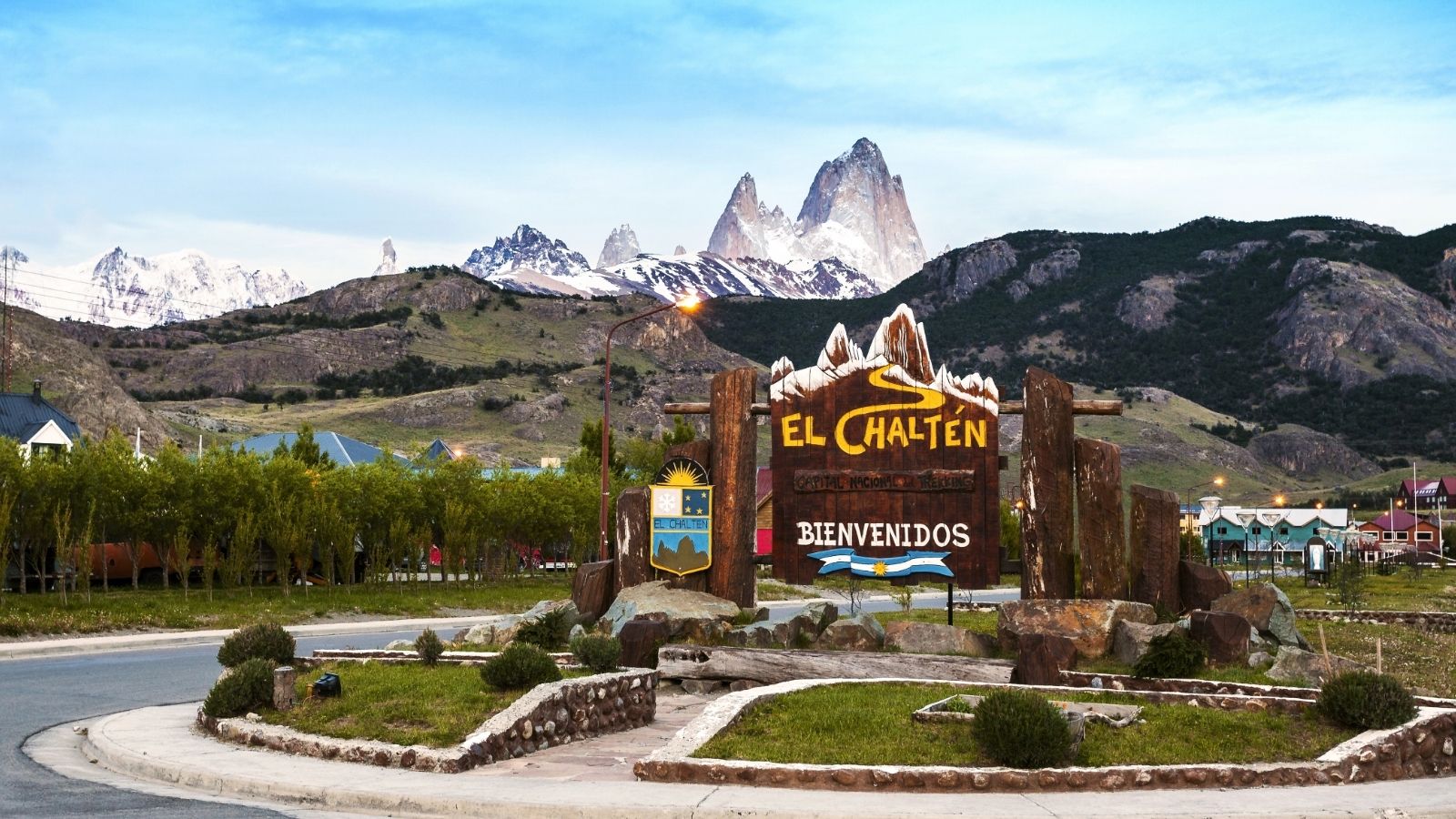
El Chaltén is purpose-built for hiking, with trailheads starting directly from the edge of town. There is no need for transport, tours, or timed entry. Days revolve around weather windows and personal pacing rather than logistics. The town itself is small and functional, supporting early starts, midday returns, and quiet evenings. Multi-day routes and shorter hikes are equally accessible, making it easy to adjust plans without relocating.
Takeaway: El Chaltén is ideal for travelers who want complete hiking access without planning transportation or committing to fixed schedules.
Huaraz
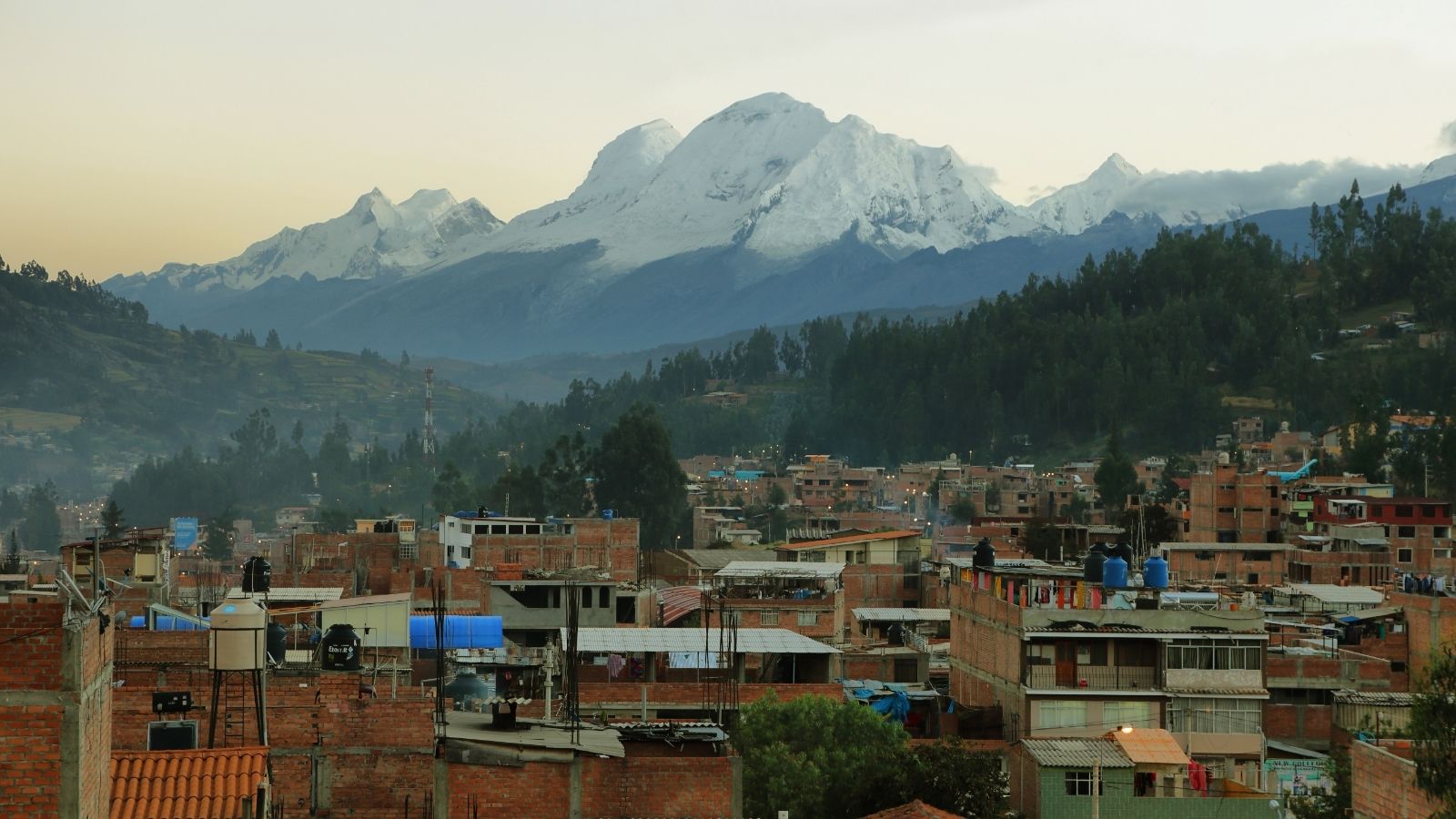
Huaraz sits at high altitude beneath the Cordillera Blanca, serving as a steady base for serious mountain exploration. Glacial lakes, multi-day treks, and climbing routes are reached through short transfers arranged locally. The town balances activity with routine, allowing recovery days between outings. Services are geared toward long stays rather than quick visits, which supports a measured pace.
Takeaway: Huaraz works best for travelers planning multiple high-altitude adventures who need a stable base between demanding days.
Niseko
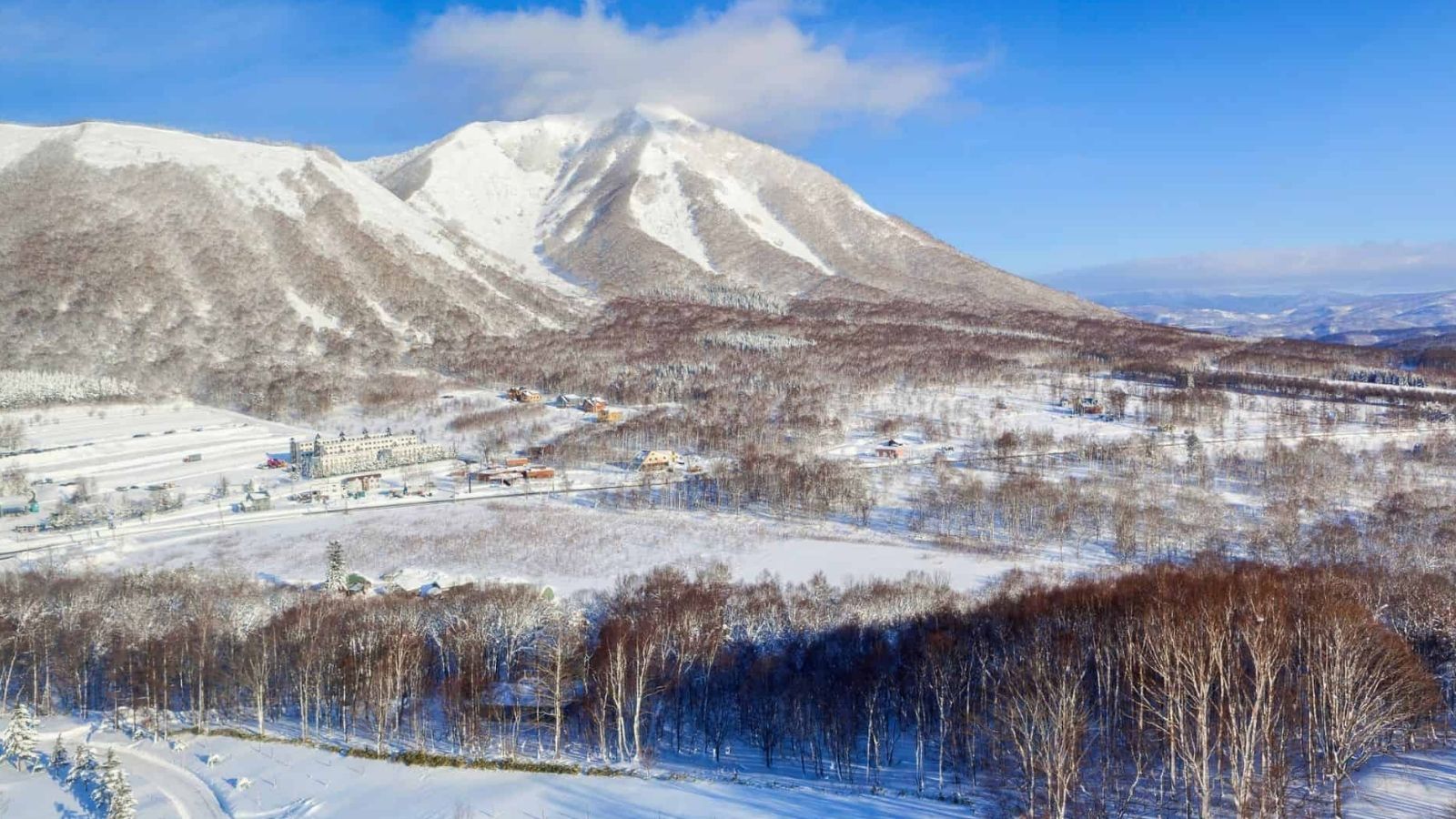
Niseko is shaped almost entirely by winter movement. Deep snowfall defines daily life, with lifts, transit, and lodging organized around easy mountain access. The town remains compact, allowing skiers and riders to move efficiently between accommodations and slopes. Outside winter, the pace slows, but the infrastructure remains intact.
Takeaway: Niseko suits travelers who want reliable, terrain-driven routines where conditions guide each day’s plans.
Pokhara
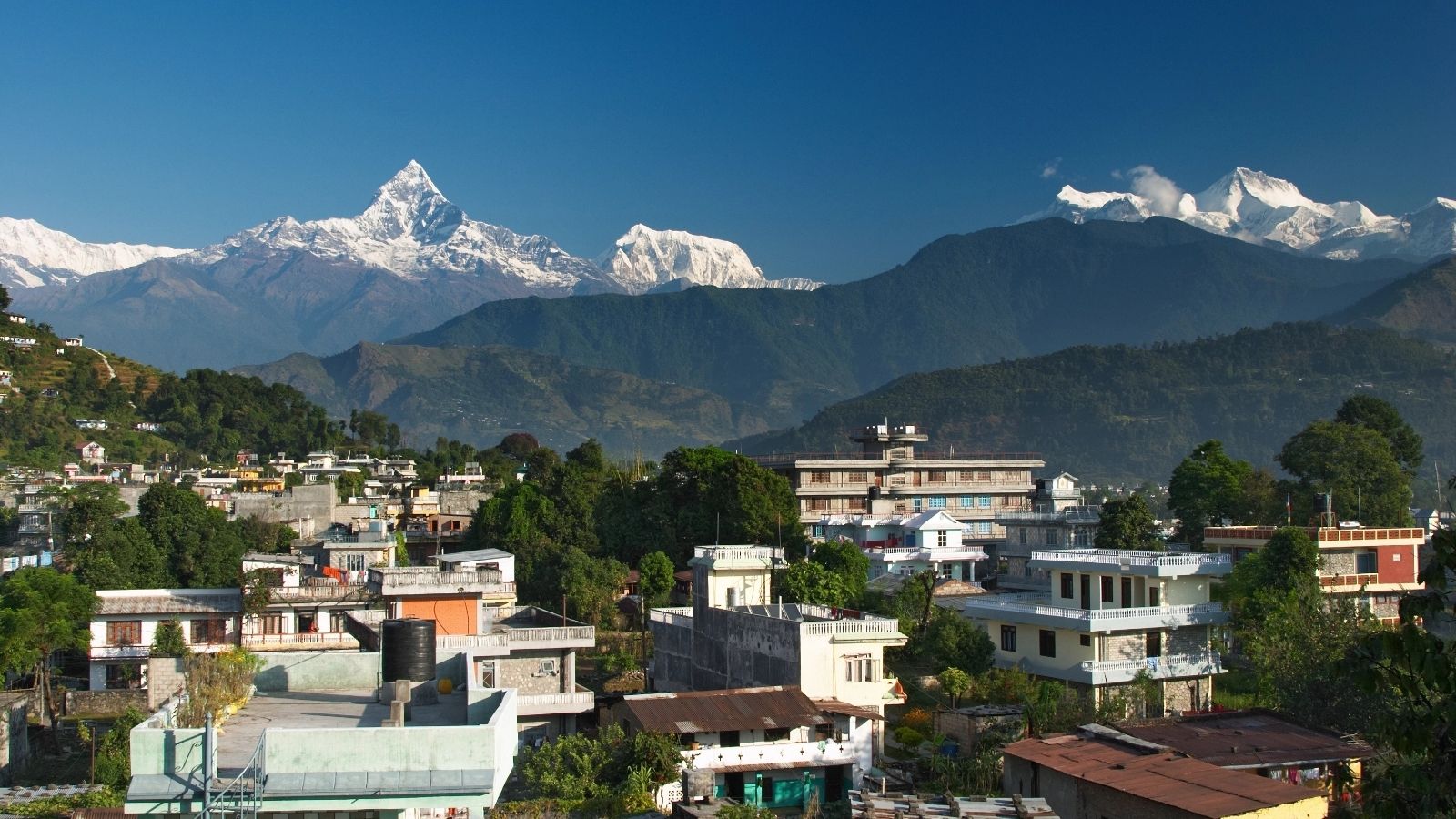
Pokhara offers a calm setting that contrasts with the scale of the adventures it supports. Lakeside paths and quiet neighborhoods provide space to prepare before long treks into the Annapurna region. Transportation, permits, and guides are handled locally, reducing planning pressure. Many travelers spend days here before and after routes, using the town to reset.
Takeaway: Pokhara works well for travelers who want a composed, organized base before and after extended mountain journeys.
Svolvær
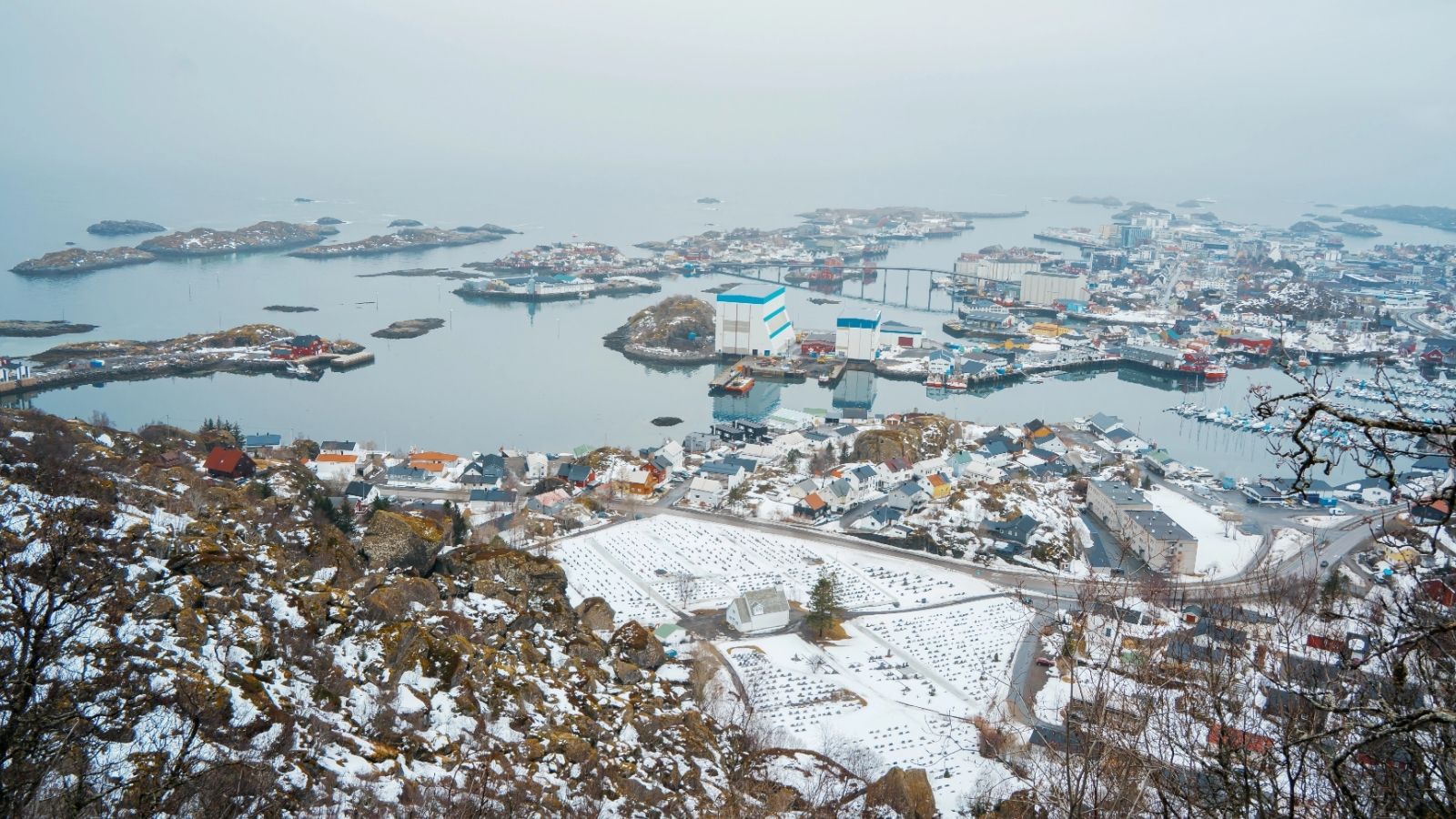
Svolvær blends working harbor life with immediate access to sharp peaks and open water. Hiking routes, climbing walls, and kayaking launches sit close to town, allowing flexible planning around light and weather. The town supports early starts and quiet evenings, shaped by natural cycles rather than schedules.
Takeaway: Svolvær suits travelers who want varied outdoor access in a compact setting where conditions, not crowds, set the pace.
10 Least-Visited Countries That Might Be the Trip of Your Life

Tired of fighting crowds at the Eiffel Tower or elbowing through Santorini’s sunset chaos? We get it. Sometimes the world’s most famous destinations feel more exhausting than enchanting. Here’s the thing: some of the most extraordinary places on Earth are the ones almost nobody visits. We’re talking about countries where you’ll have ancient ruins practically to yourself, where locals are genuinely thrilled to meet you, and where your travel stories will actually be original.
Learn more here: 10 Least-Visited Countries That Might Be the Trip of Your Life
11 Cheap Countries Popular With Backpackers

Backpacking isn’t just for solo travelers and twenty-somethings anymore. More and more couples are discovering that backpacking together is one of the most romantic and adventurous ways to travel. And the best part? It doesn’t have to drain your savings. Want amazing experiences, cultural immersion, and unforgettable memories without the luxury resort price tag? You’re in the right place.
Learn more here: 11 Cheap Countries Popular With Backpackers
