10 U.S. Landmarks Your Teachers Somehow Never Mentioned
Some of the most interesting places in the U.S. never make it into textbooks or classroom lessons. While we all learned about the big-name landmarks, there are many sites with rich stories that somehow slipped through the cracks. These places are just as fascinating, and in some cases even more memorable, once you see them in person.
We’ve found landmarks that surprise travelers with their history, setting, and sheer presence. Some sit quietly outside major cities. Others are tucked into small towns or wide-open landscapes you might otherwise drive right past. What they share is a story worth knowing and a visit that feels rewarding without the crowds.
These landmarks work well for couples who enjoy learning while they travel, especially when it comes with scenic views and easy exploring. You can take your time, ask questions, and walk away feeling like you discovered something new together.
If you enjoy trips that spark curiosity and conversation, these stops belong on your list. Here are 10 U.S. landmarks your teachers somehow never mentioned, but you’ll be glad you know about now.

Cahokia Mounds, Illinois
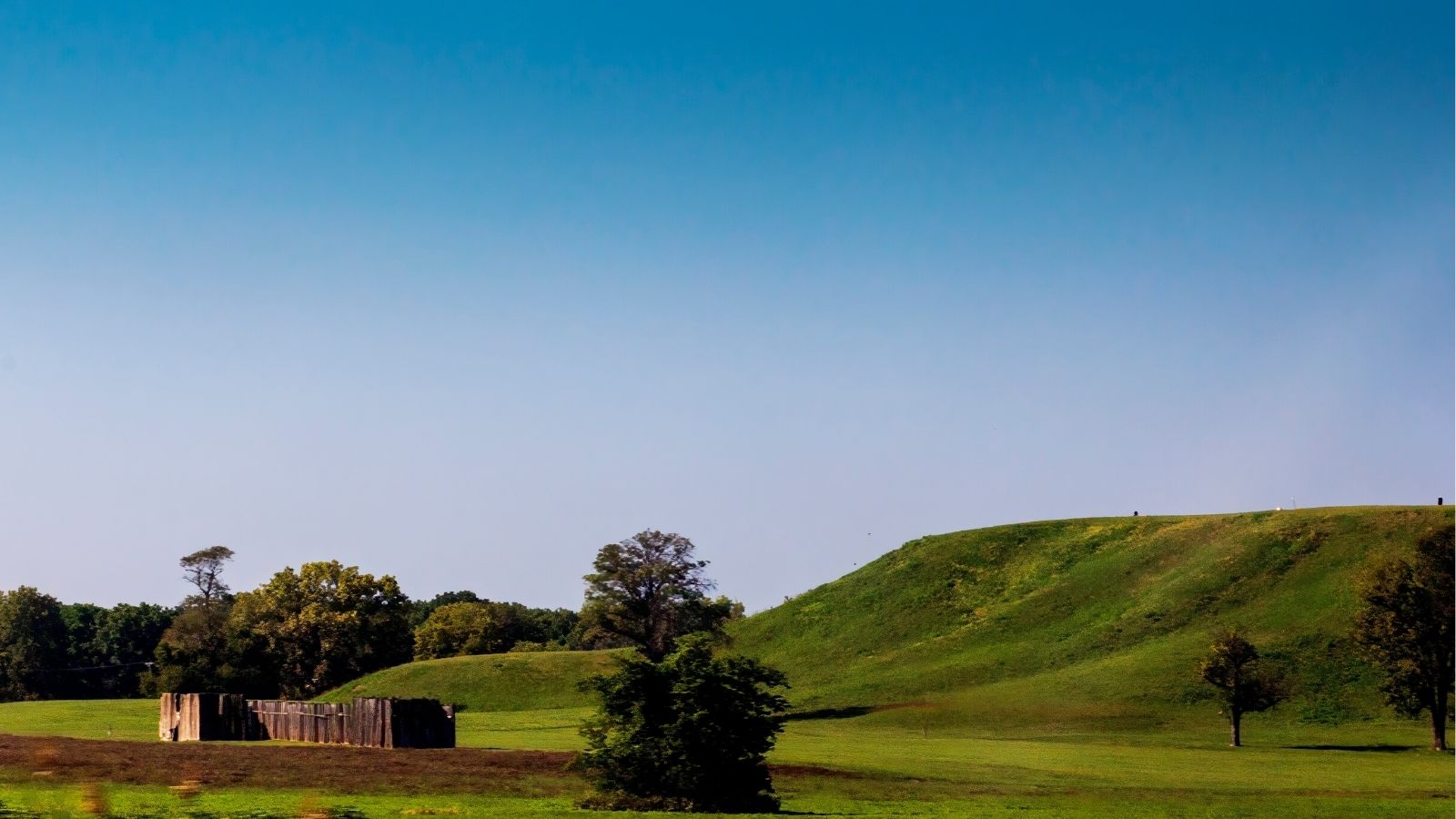
We often overlook Cahokia Mounds, even though it was once the largest city in North America north of Mexico. At its peak, it supported tens of thousands of people, with planned neighborhoods, trade networks, and ceremonial spaces. The scale surprises most visitors. Massive earthen mounds still rise from the landscape, including Monk’s Mound, which dominates the site. Walking the grounds helps couples grasp how complex early societies were long before European settlement. The site feels open and quiet, giving space to reflect rather than rush. Cahokia challenges what many of us were taught about early American history.
Visit early in the day to walk the grounds without crowds.
Bandelier National Monument, New Mexico
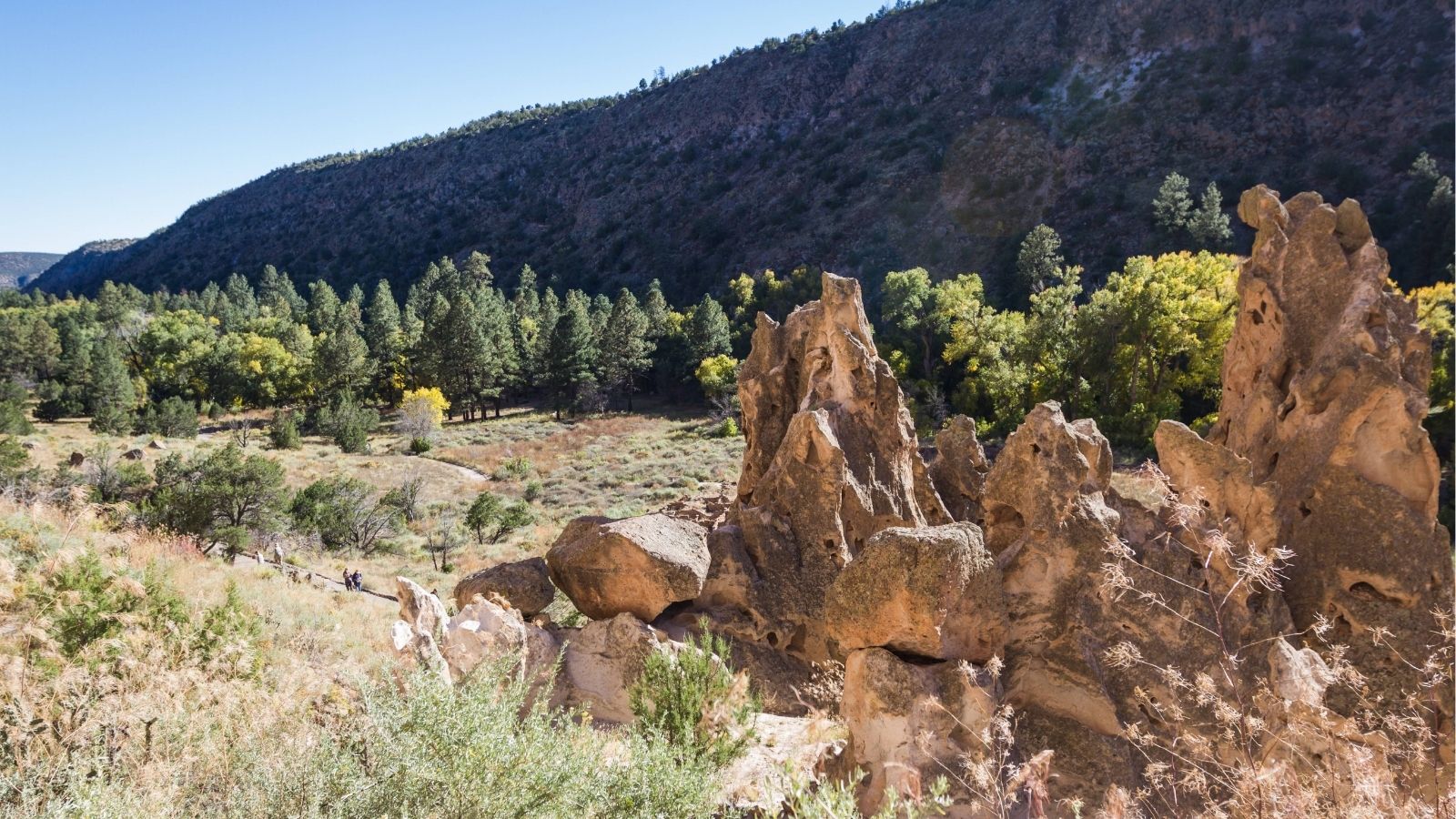
We see Bandelier stand out because history is built directly into the landscape. Ancient Pueblo homes were carved into volcanic rock, with ladders and pathways still visible today. Couples can walk through canyons, climb short ladders, and step into preserved dwellings that feel close and personal. The setting blends natural scenery with human history in a way that feels immediate. Trails are clearly marked and manageable, making the visit accessible without feeling structured. Bandelier gives a clearer picture of how people lived with the land rather than against it.
Allow time for both the main loop and a quiet canyon walk.
Hovenweep National Monument, Utah and Colorado
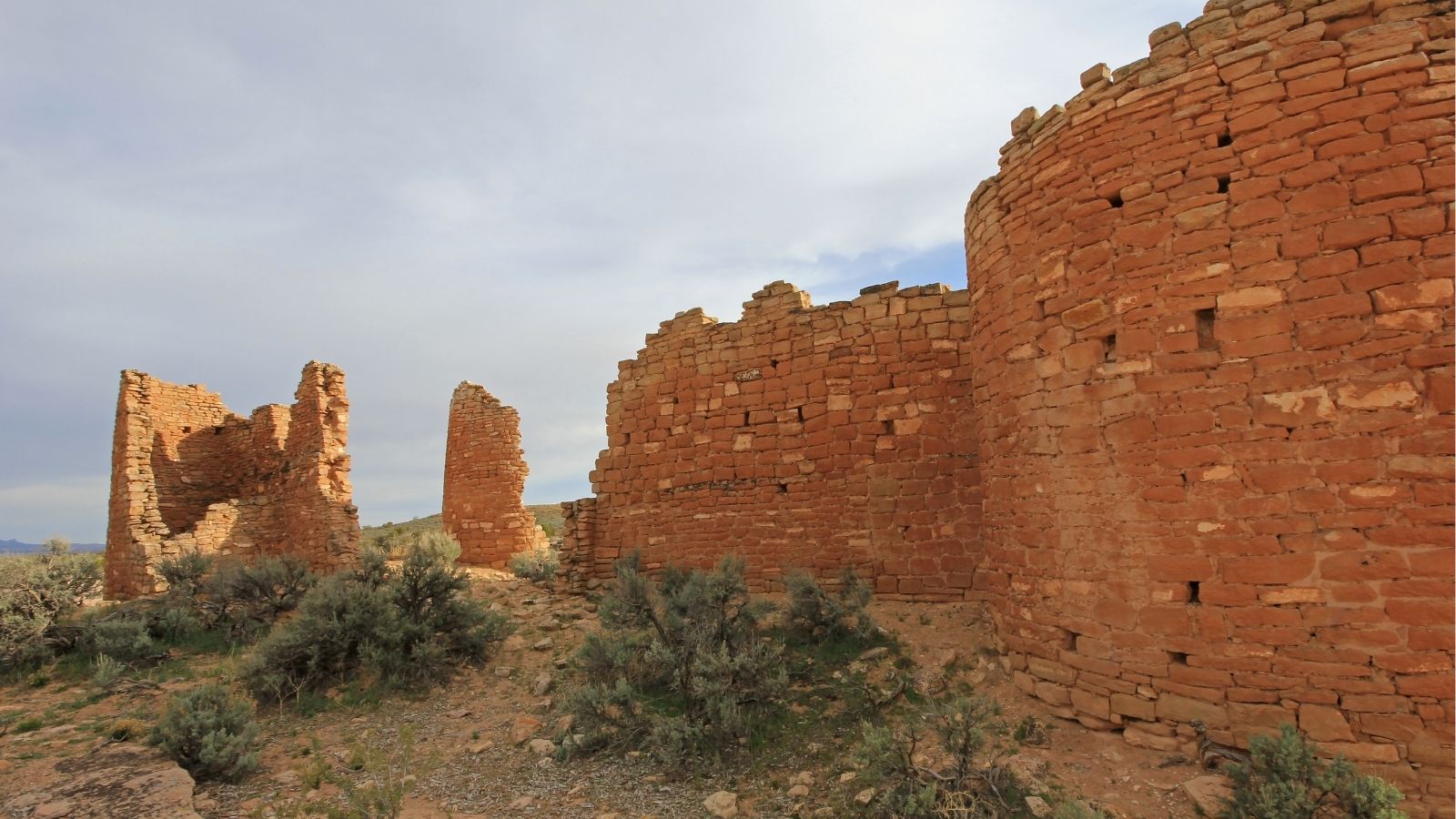
We find Hovenweep fascinating because many questions remain unanswered. Stone towers sit near canyon edges, placed with care but without clear explanation of their exact purpose. Couples can walk between sites on short trails, stopping often to look closely at construction details. The isolation adds to the experience. There are no large visitor centers or busy roads nearby. That quiet helps the site feel more reflective. Hovenweep shows how much early cultures understood about building, placement, and environment, even if we still debate the meaning behind it.
Visit near sunset for softer light and fewer visitors.
Poverty Point, Louisiana
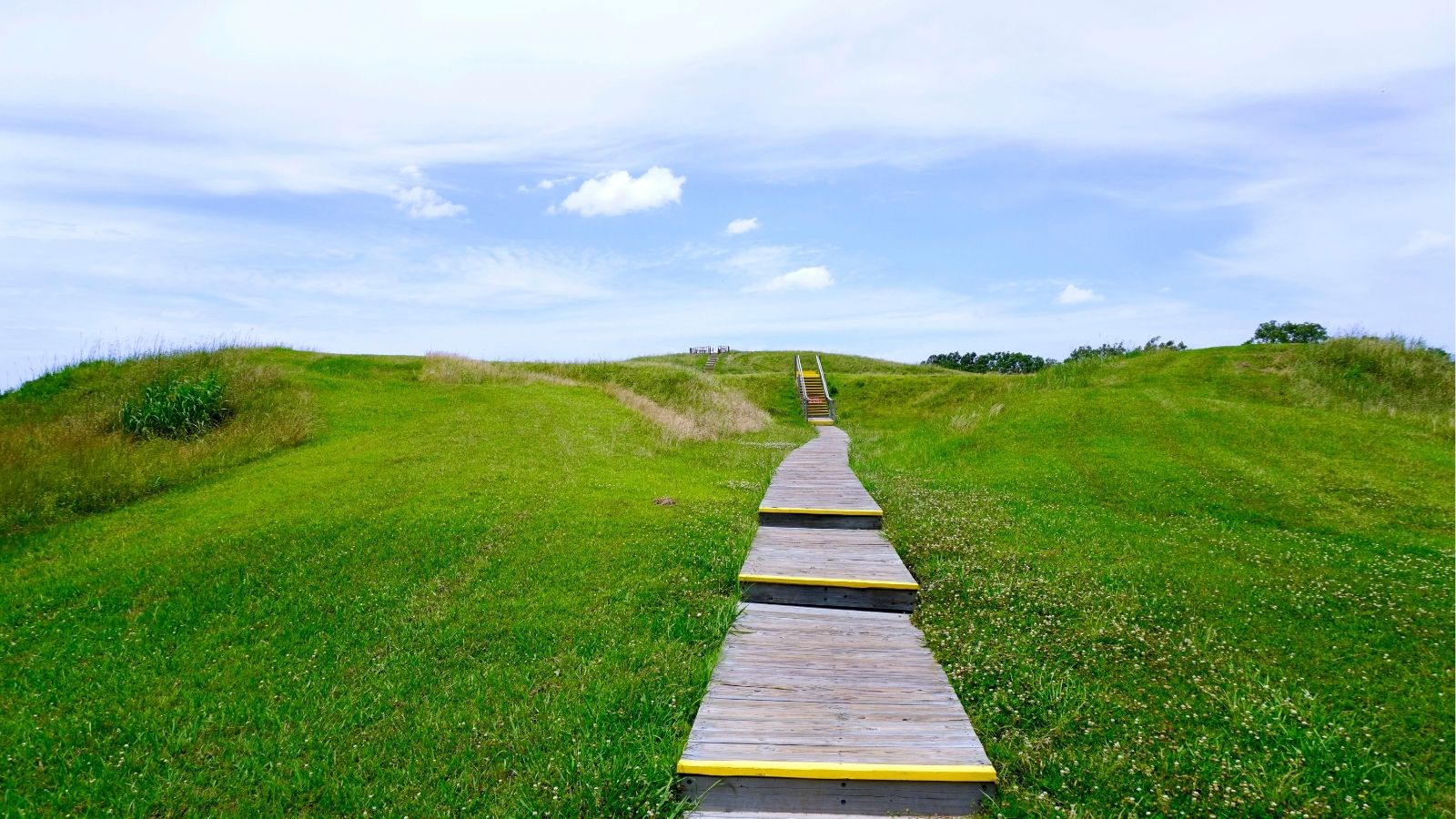
We’re often surprised by how little attention Poverty Point receives, given its scale and precision. Built thousands of years ago, the earthworks form large ridges and mounds arranged in careful patterns. Couples can walk the site and see how intentional the layout was, even without modern tools. The flat surroundings make the geometry easier to understand. Interpretive signs help explain how people gathered, traded, and organized here long before written records. Poverty Point changes the way many visitors think about early North American engineering and social life.
Walk the ridges to fully grasp the site’s design.
Effigy Mounds National Monument, Iowa
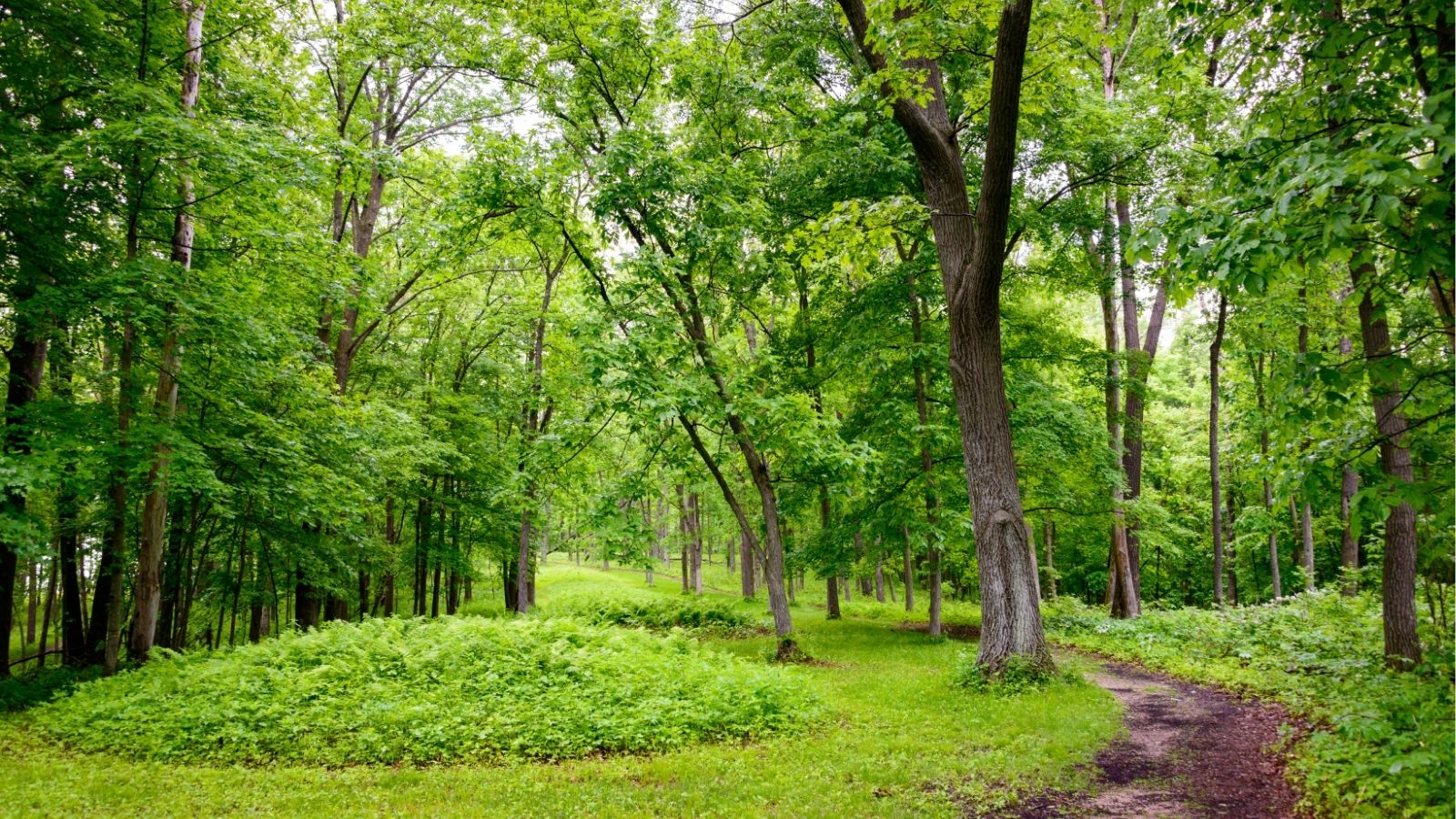
We see Effigy Mounds offer a quiet but powerful experience. The mounds are shaped like animals and placed along high ground overlooking the Mississippi River. Trails wind through forests and along ridges, giving couples time to move slowly and talk. The setting feels respectful and calm rather than dramatic. Each mound reflects cultural beliefs tied to the land and the natural world. Effigy Mounds doesn’t overwhelm with size, but it leaves a lasting impression through placement and meaning.
Choose a ridge trail for river views and context.
Chaco Culture National Historical Park, New Mexico

We see Chaco Canyon shift how people understand early North American planning. This was not an isolated settlement. It was a regional center connected by wide, engineered roads that stretched for miles. Massive stone buildings were aligned with solar and lunar cycles, showing careful observation of the sky. Couples walking the site can feel how intentional every structure was, from the placement of doors to the size of ceremonial spaces. The desert setting adds clarity rather than distraction. There is little noise and very little development nearby. Chaco helps visitors understand how advanced coordination and shared knowledge shaped life long before modern infrastructure.
Visit mid-morning for good light and manageable walking conditions.
Casa Grande Ruins National Monument, Arizona
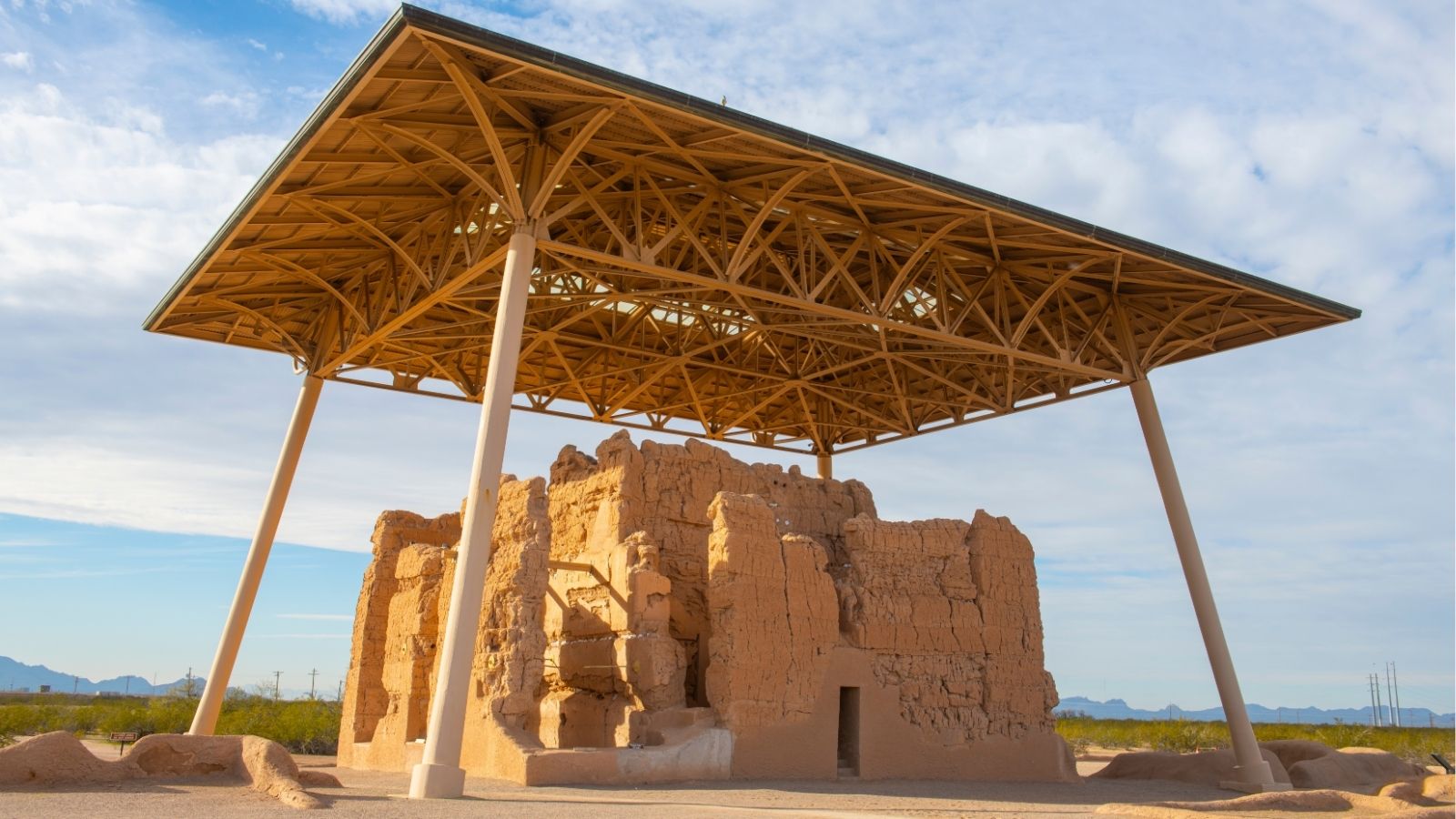
We find Casa Grande striking because of how it stands alone against the desert. The four-story structure was built centuries ago using caliche, yet it still holds its shape. Couples can walk the perimeter and learn how the Hohokam people managed water, farming, and seasonal movement in a harsh environment. Interpretive displays explain how the building may have served as a gathering or observation point. The site is compact, which allows visitors to take their time without fatigue. Casa Grande quietly challenges the idea that early desert cultures lacked architectural planning.
Visit during cooler hours to walk comfortably around the site.
Great Serpent Mound, Ohio
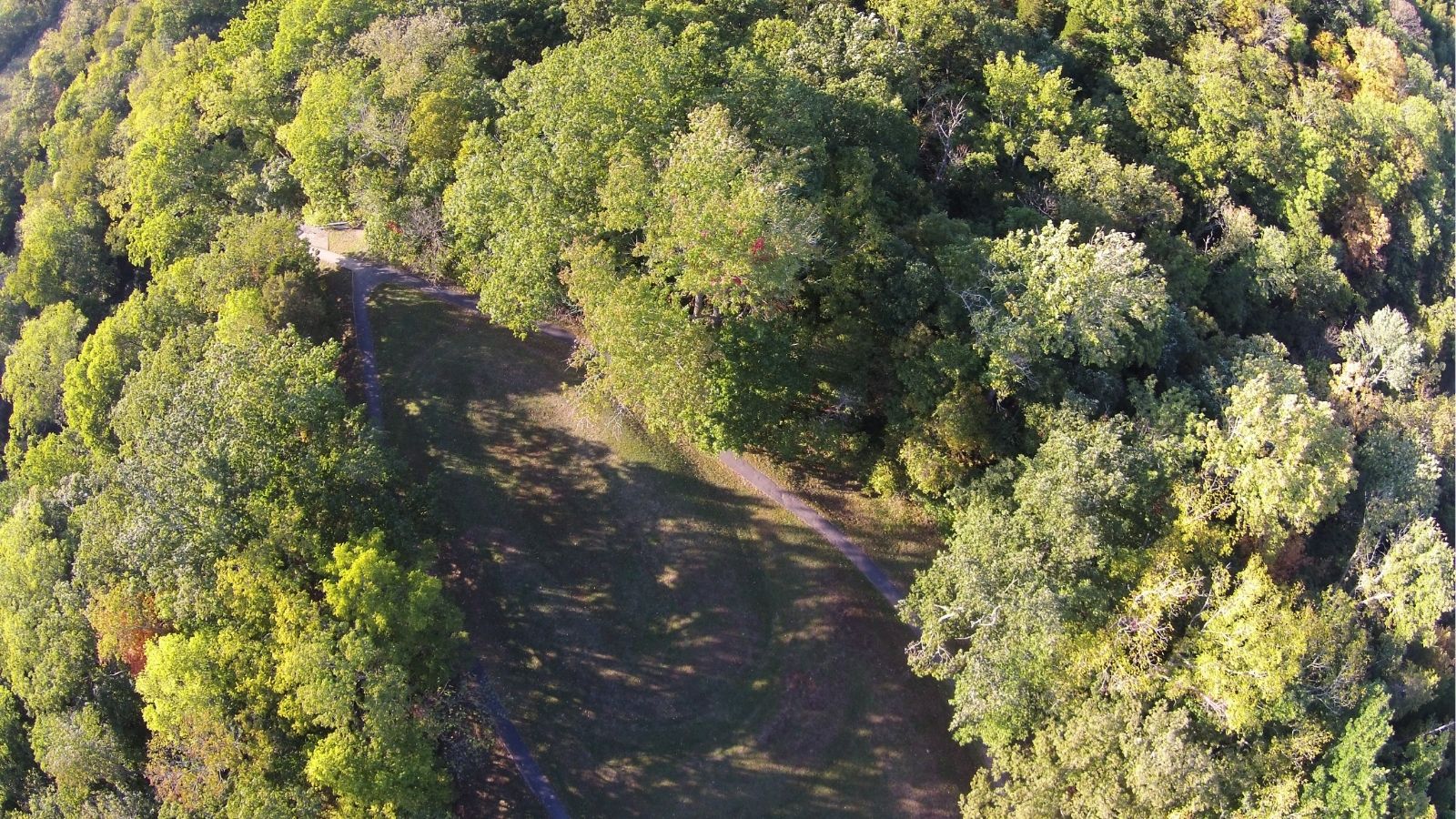
We see Great Serpent Mound leave a strong impression because it is best understood slowly. The earthwork stretches across a ridge in the shape of a snake, following the natural contours of the land. Couples walking the trail can view it from different angles, which changes how the shape appears. The mound aligns with solar events, suggesting careful timing and observation. The surrounding forest keeps the experience calm and focused. There are no large structures competing for attention. The site invites reflection on symbolism, land use, and meaning rather than providing clear answers.
Walk the full loop to understand the mound’s scale.
Montezuma Castle, Arizona
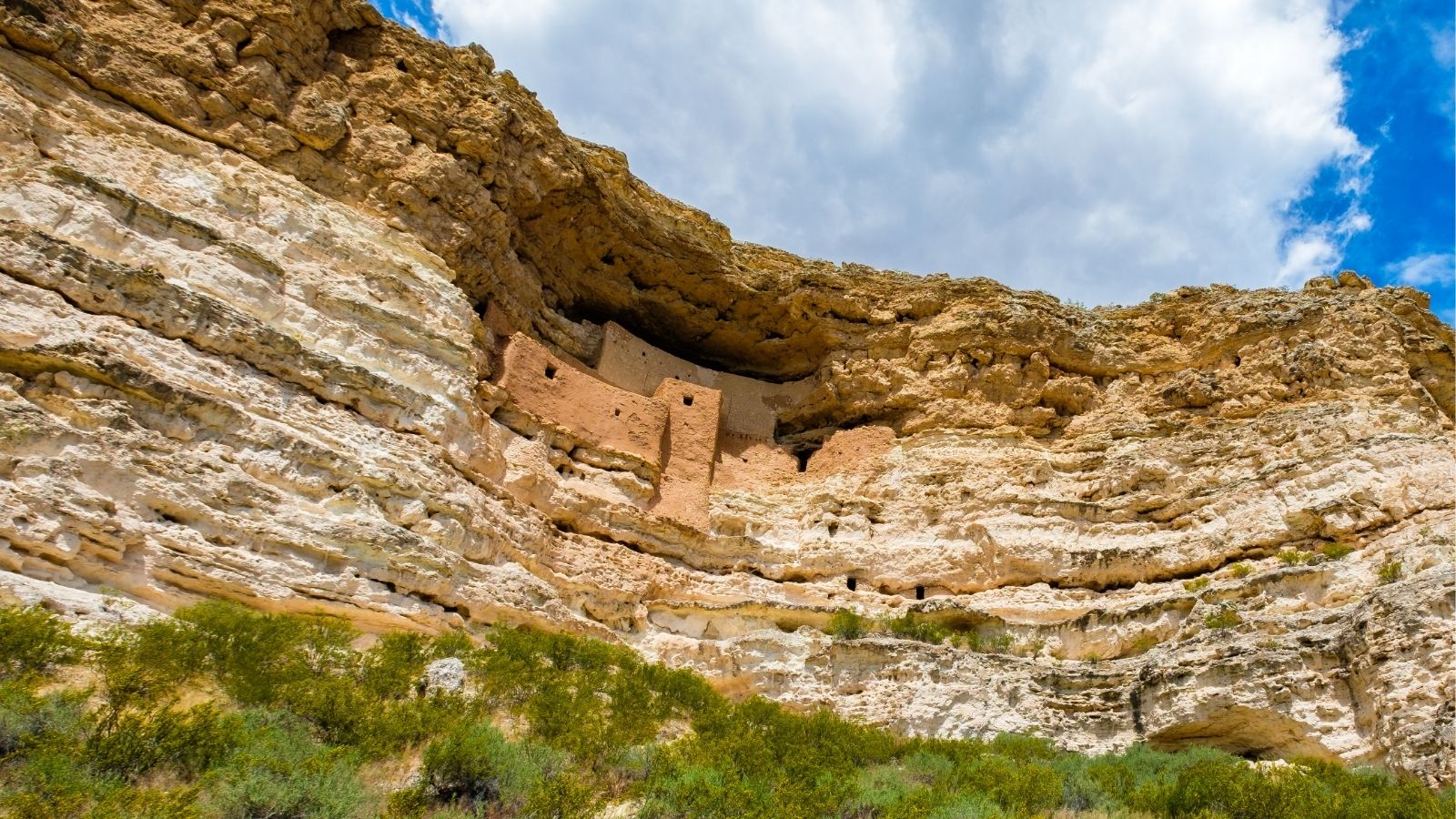
We find Montezuma Castle surprising because of how well it has lasted. Built into a limestone cliff, the dwelling remains largely intact after centuries of exposure. Couples can view the structure from below and see how families once lived high above the valley floor. The placement protected residents from flooding and conflict while keeping them close to water sources. Interpretive signs explain daily life without overwhelming detail. The short walking paths make the site easy to explore without rushing. Montezuma Castle shows how practical decisions shaped long-term survival.
Pair the visit with nearby sites for added context.
Taos Pueblo, New Mexico
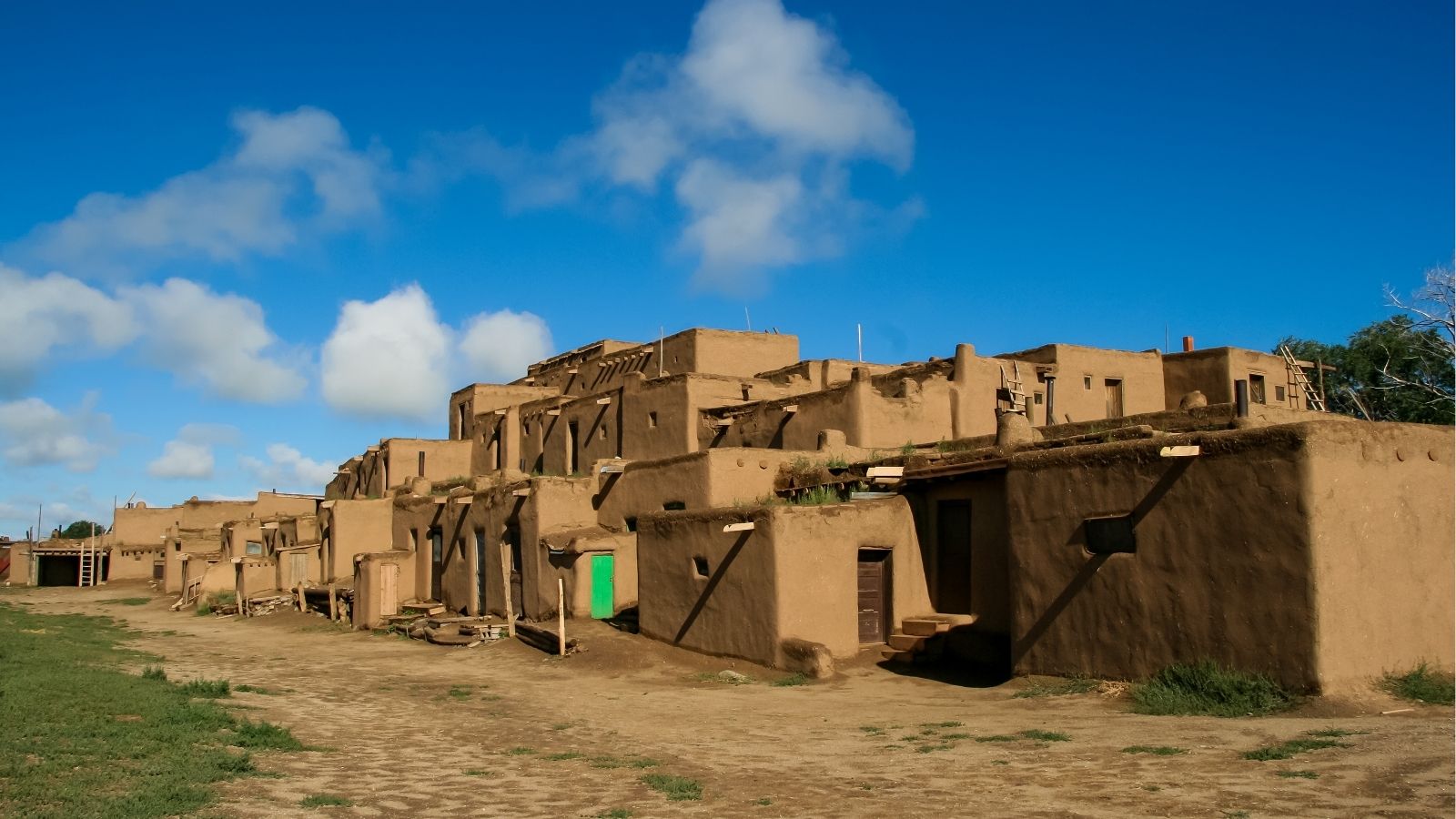
We see Taos Pueblo stand apart because it is still lived in today. The multi-story adobe buildings have been continuously occupied for more than a thousand years. Couples walking through the pueblo experience history as part of daily life, not a preserved exhibit. The setting reflects long-held traditions tied to land, community, and continuity. Visiting requires respect and awareness, which slows the pace naturally. Taos Pueblo reframes American history by showing how much has endured beyond modern timelines.
Check visiting guidelines in advance to plan respectfully.
8 Best Christmas Vacations for Couples

The holiday season is fast approaching, and it’s a special time for making memories. So, why not celebrate the most wonderful time of the year with a romantic getaway for two? But here comes the hard part: choosing where to go Whether you’re looking for a cozy romantic winter getaway with cold weather or prefer to escape to a sunny spot with warm weather, there are plenty of options across the United States. But honestly, some are way too hyped, and others are totally slept on. We’ll show you the spots that are actually great for couples and guarantee some epic memories.
Learn more here: 8 Best Christmas Vacations for Couples
