11 Countries Couples Say Are Worth the Long Flight
Long-haul travel requires more than curiosity. For couples, it means committing time, energy, and budget to reach a destination that sits far from home. When a flight stretches into double digits, expectations rise accordingly.
The countries couples say are worth that effort tend to offer depth that justifies the distance. Varied landscapes, distinct regional culture, and experiences that cannot be replicated closer to home all play a role. These are places where staying longer feels natural because there is enough to explore without rushing.
Logistics matter as well. Smooth transportation, clear infrastructure, and reliable accommodations help offset travel fatigue. When arrival feels organized and manageable, the strain of a long journey fades more quickly. That first impression shapes how the entire trip unfolds.
We have looked at destinations couples consistently describe as worth the long flight. This list highlights 11 countries where the payoff matches the effort, offering enough substance, scenery, and shared experiences to make the journey itself feel justified from start to finish.
Maldives

The Maldives often marks milestone trips because the setting feels intentionally removed from routine. Overwater villas, calm lagoons, and limited daily logistics allow couples to focus on time together rather than movement between cities. Resorts handle transfers and meals, reducing planning pressure after a long flight. Days naturally fall into a simple rhythm of swimming, reading, and shared dinners. The distance makes short trips impractical, which encourages staying longer and settling in.
Takeaway: Plan at least four to five nights to make the long journey feel worthwhile.
New Zealand
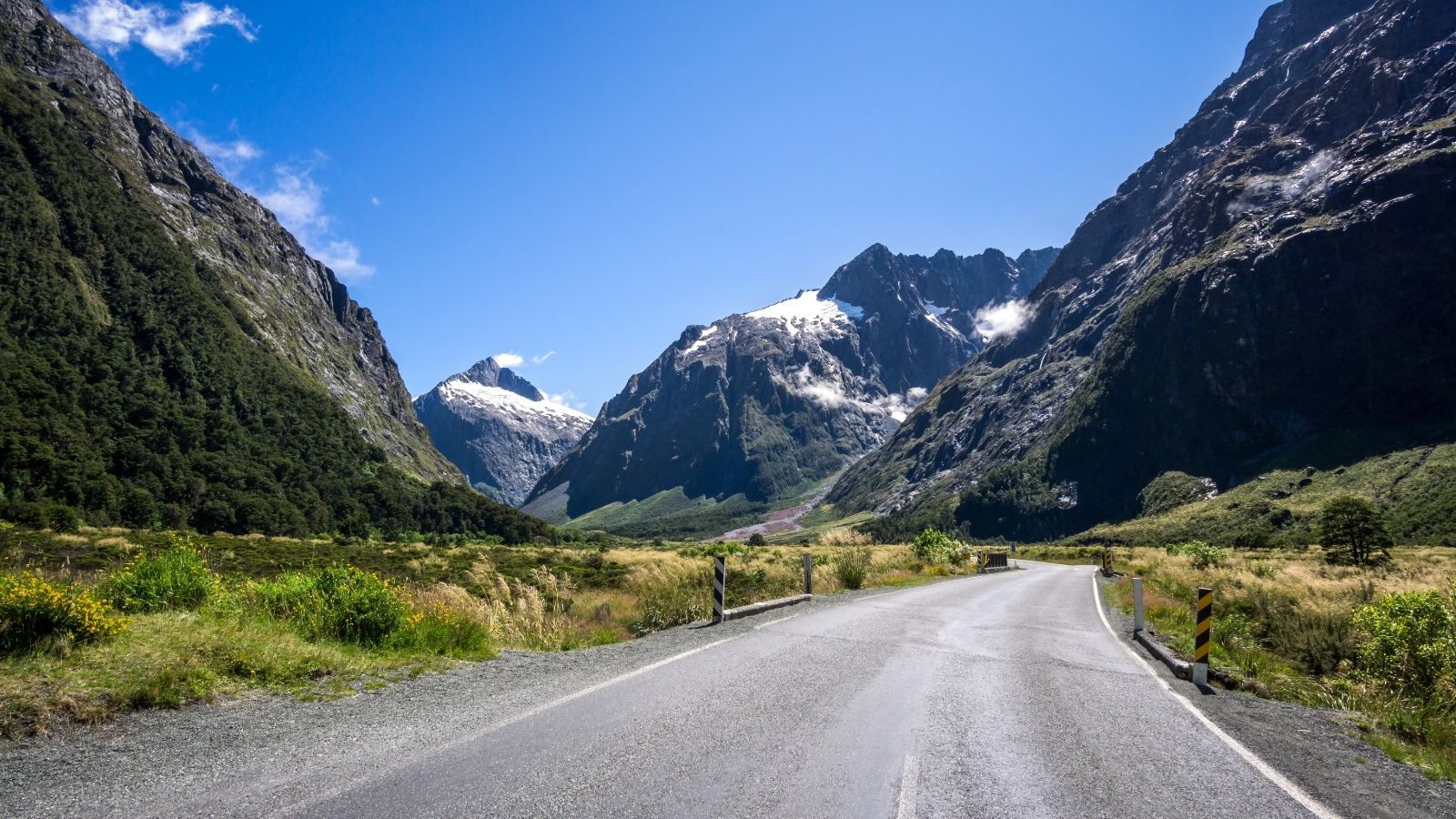
New Zealand rewards couples who commit the travel time with varied landscapes that shift quickly between mountains, lakes, and coastline. Self-drive itineraries give flexibility while still following clear, well-marked routes. Small towns and scenic lodges create natural overnight stops without rushed transitions. Because flights are long, most couples plan extended stays, which helps the experience feel balanced rather than packed. Outdoor access shapes each day without requiring complex coordination.
Takeaway: Allow at least ten days to move slowly between regions and avoid constant repositioning.
Japan

Japan feels worth the distance because it pairs structured ease with cultural depth. Couples can combine Tokyo’s energy with Kyoto’s quieter temple districts, then add a smaller town for contrast. Transportation is precise and reliable, reducing stress despite language differences. Seasonal travel adds another layer, especially in spring and autumn. Even after a long flight, the country’s organization helps travelers settle quickly.
Takeaway: Split time between one major city and one smaller destination to balance pace.
South Africa
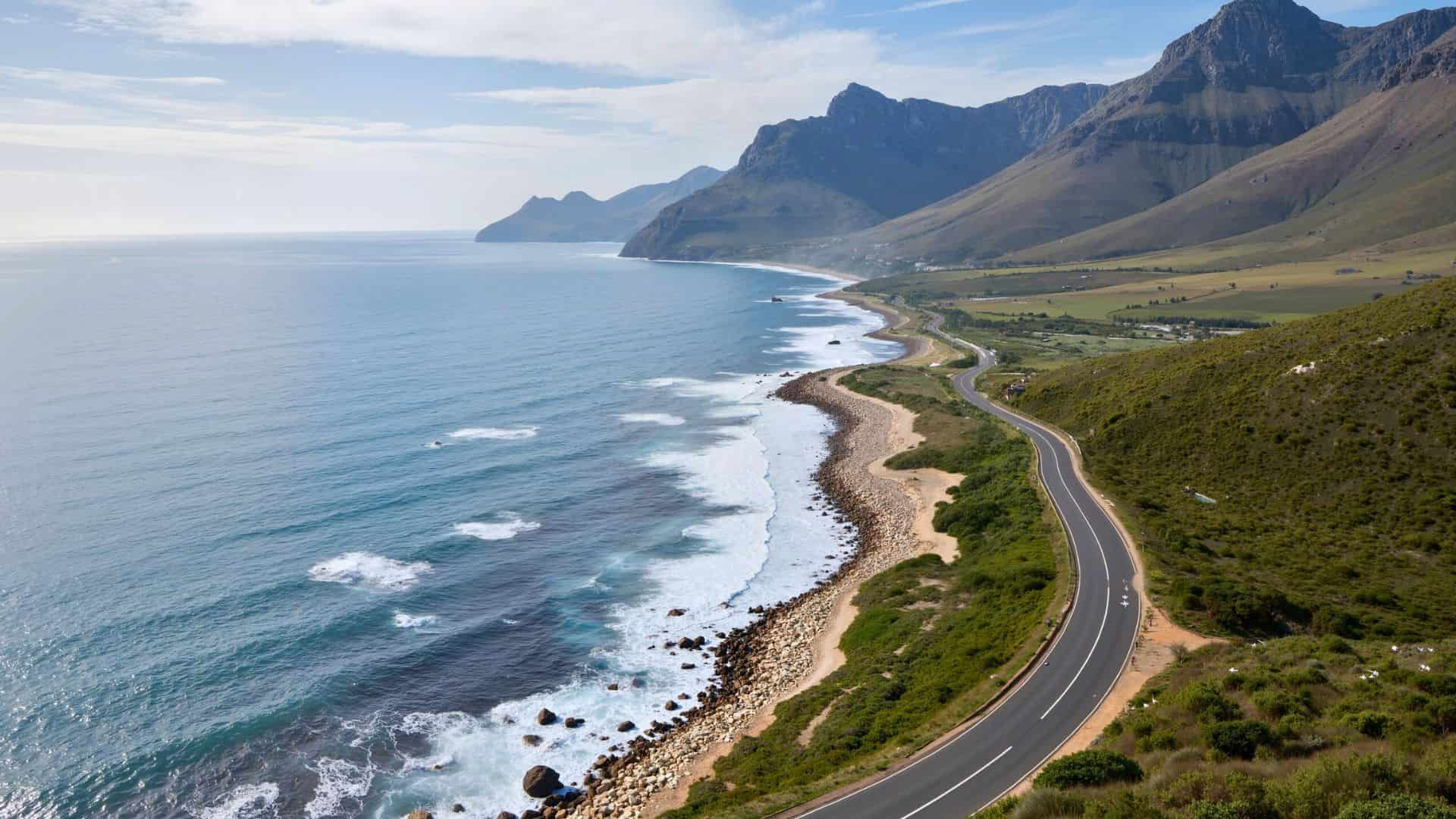
South Africa stands out for couples who want both scenery and wildlife in one itinerary. A safari experience pairs naturally with coastal drives or time in Cape Town. Internal flights shorten long distances, making multi-region travel realistic within two weeks. Lodges often structure days around guided outings, which simplifies planning. The contrast between urban and rural settings adds depth without overcomplicating logistics.
Takeaway: Combine one safari stay with one coastal or city base for a balanced trip.
Thailand
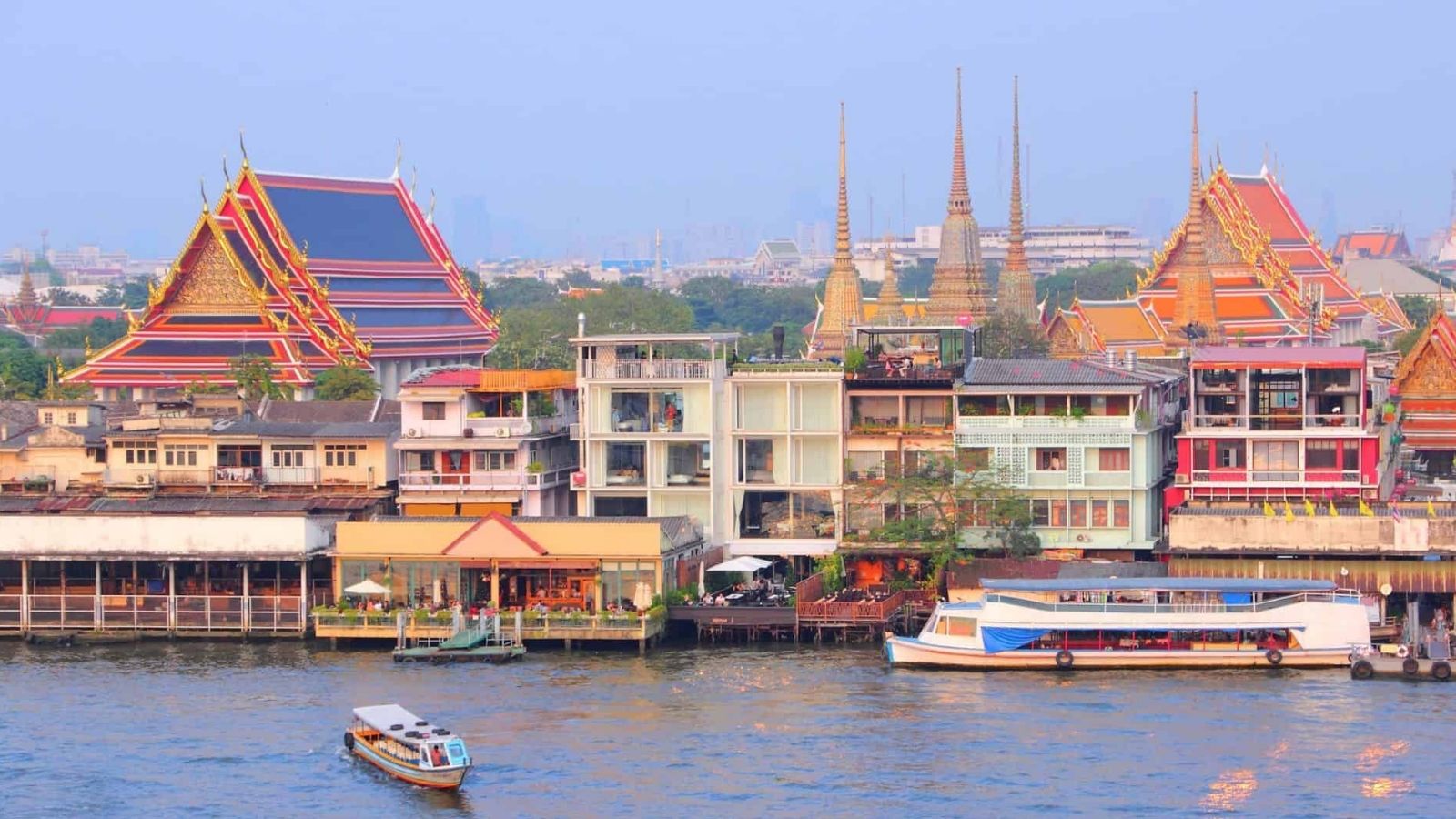
Thailand makes the long journey feel manageable through affordability and flexibility once you arrive. Beach destinations, mountain towns, and major cities connect through accessible transport. Accommodations span wide price ranges without sacrificing comfort, allowing couples to extend their stay. Street food and local markets reduce the need for rigid dining reservations. The distance encourages longer itineraries, which supports slower pacing.
Takeaway: Choose two regions rather than several short stops to keep the experience steady.
Italy
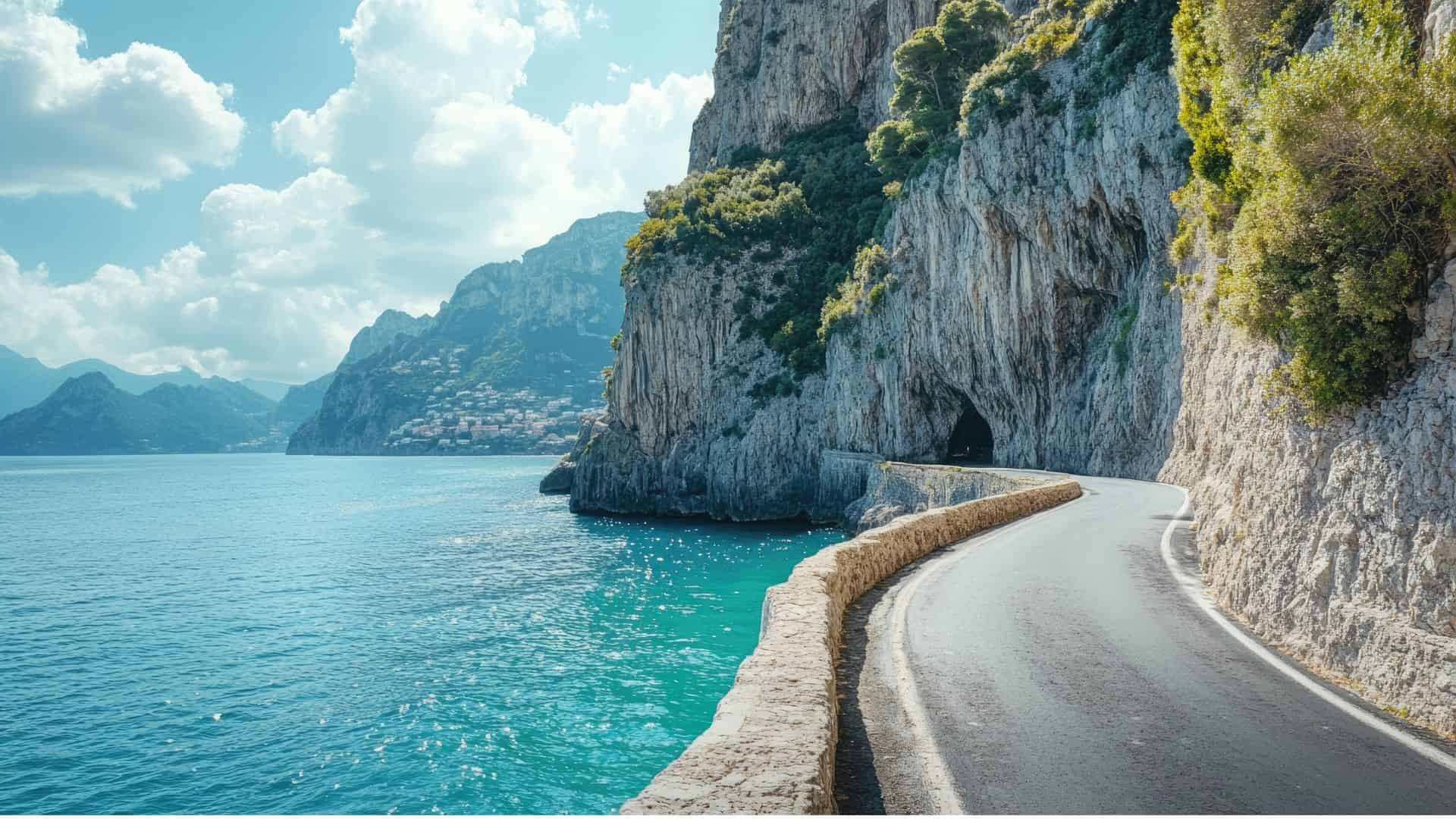
Italy justifies a long flight because it allows couples to layer experiences without changing countries. Time in Rome or Florence can shift naturally to slower days along the Amalfi Coast, Lake Como, or in smaller hill towns. Rail connections reduce the stress of internal travel, and daily life revolves around shared meals and evening walks. The setting supports both milestone celebrations and first international trips together.
Takeaway: Pair one cultural city with one slower regional base to balance movement and rest.
Australia

Australia’s distance encourages longer stays, which allows couples to experience both city life and open landscapes. Sydney provides urban structure, while coastal drives or reef trips shift the tone quickly. Domestic flights make cross-country movement manageable despite scale. Outdoor access shapes daily plans without requiring complex coordination. Because travel time is significant, most couples plan extended itineraries that avoid rushing between regions.
Takeaway: Focus on one region per week rather than attempting to cover the entire country.
Greece

Greece feels worth the journey when couples limit transitions and settle into one island or mainland base. Sea views, village evenings, and long outdoor meals shape each day without needing structured activities. Ferry schedules require attention, but once established, the rhythm remains steady. Visiting outside peak months helps preserve a calmer atmosphere.
Takeaway: Choose one island or coastal town and stay several nights to maintain pace.
Iceland
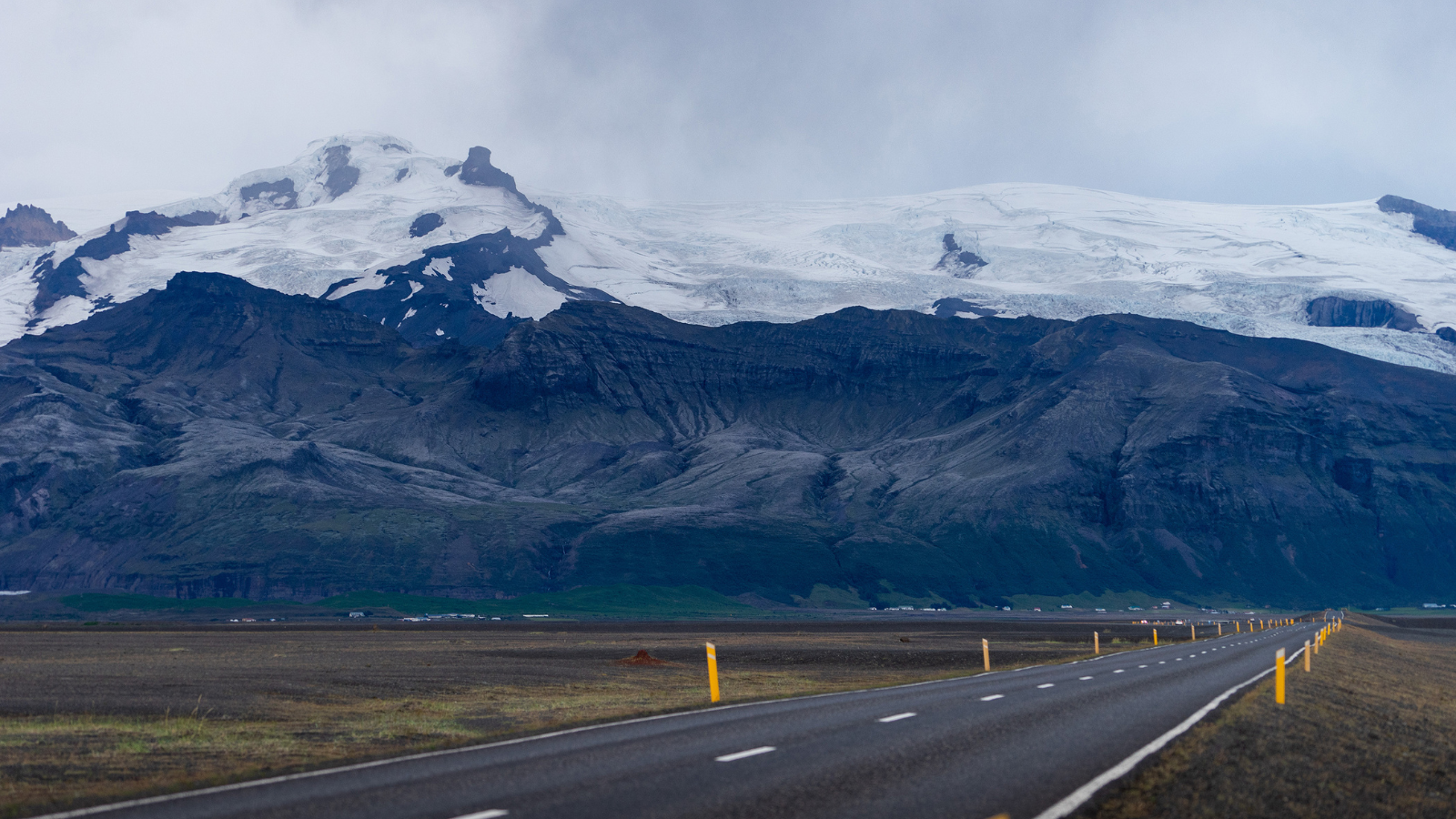
Iceland rewards couples with dramatic scenery that shifts within short driving distances. Waterfalls, glaciers, and coastal cliffs shape the itinerary more than cities do. Self-drive routes are clearly marked, though weather requires flexibility. Because flights are long for many travelers, planning at least a week allows for slower daily distances and weather adjustments.
Takeaway: Build buffer days into the itinerary to account for changing conditions.
French Polynesia

French Polynesia appeals to couples seeking distance from routine. Lagoons, overwater bungalows, and limited daily logistics create space for uninterrupted time together. Inter-island flights connect key destinations, but many couples choose to remain in one place to avoid frequent transfers. The scale of the journey encourages longer stays rather than brief visits.
Takeaway: Select one island and stay long enough to settle into the environment.
Peru

Peru combines high-altitude history with coastal and mountain contrast. Visiting Machu Picchu often anchors the trip, but cities like Cusco and the Sacred Valley encourage slower pacing before and after. Internal flights shorten distances between regions. Acclimatization requires thoughtful scheduling, especially at elevation. The variety of landscapes supports a structured but not rushed itinerary.
Takeaway: Allow time to adjust to altitude and build rest days into the schedule.
10 Countries That Get Work-Life Balance Right

Work life balance means different things to different couples. For some, it is shorter workweeks and generous vacation time. For others, it is reliable public services, manageable commutes, and a culture that respects time away from work. In certain countries, that balance is built into daily life rather than treated as a luxury.
Learn more here: 10 Countries That Get Work-Life Balance Right
9 Most Expensive Places to Live In Around the World

Cost of living varies widely across the world, and in some cities, expenses rise far beyond what many couples expect. Housing, transportation, healthcare, and everyday essentials can combine to create financial pressure even for high earners. Understanding where costs are highest helps put global living comparisons into perspective.
Learn more here: 9 Most Expensive Places to Live In Around the World
