11 Countries Older Travelers Say Feel Comfortable to Visit
Comfort can shape a trip as much as the destination itself. For many older travelers, feeling at ease with transportation, healthcare access, and day to day navigation matters more than chasing a long list of attractions. For couples, that sense of ease often determines how enjoyable and sustainable a trip feels from start to finish.
Certain countries stand out for supporting this kind of travel. Clear signage, reliable public transportation, and accessible infrastructure reduce the need for constant problem solving. Healthcare systems, safety, and predictable services also play a role in building confidence while abroad.
Pace matters as well. Destinations that allow for unhurried days, manageable distances, and comfortable accommodations tend to be favored. These places make it easier to adjust plans, take breaks, and focus on the experience rather than logistics.
We have identified 11 countries older travelers say feel comfortable to visit. These are destinations where ease, accessibility, and consistent services come together, helping couples plan trips that feel relaxed, well supported, and enjoyable at every stage

Japan
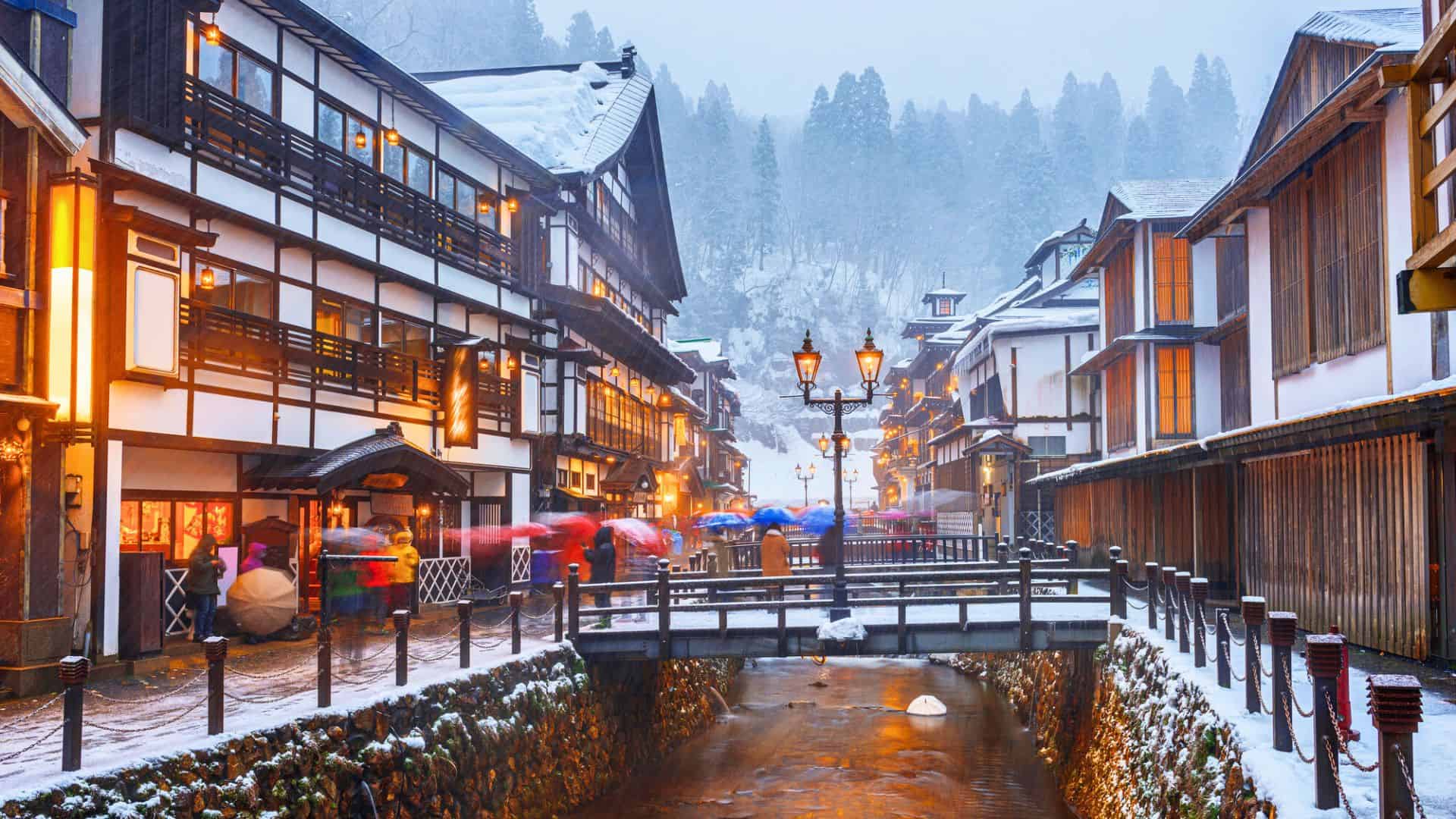
Japan is often described as easy to navigate and well-organized, which helps older travelers feel more at ease. Public transportation is reliable, signage is clear, and cities are clean and structured. Services tend to run on time, and daily routines feel predictable once you get used to them.
Takeaway: Japan feels comfortable because it removes much of the uncertainty from getting around.
Canada

Canada offers a familiar and accessible travel experience, especially for those used to North American systems. Cities are clean, healthcare is reliable, and public services are easy to understand. English is widely spoken, and the pace in many areas feels manageable rather than rushed.
Takeaway: Canada feels straightforward, which makes it easier to travel without added stress.
Portugal

Portugal is often seen as approachable due to its relaxed pace and manageable city layouts. Public transportation connects major areas well, and smaller towns are easy to explore. Costs can be more reasonable than in other parts of Western Europe, which adds to its appeal.
Takeaway: Portugal feels comfortable because it balances accessibility with a slower pace.
New Zealand

New Zealand is known for its calm environment and clear infrastructure. Roads are well maintained, towns are easy to navigate, and services are consistent across regions. The slower pace and emphasis on outdoor experiences make it easier to travel without feeling rushed.
Takeaway: New Zealand supports a steady, comfortable style of travel.
Ireland

Ireland combines straightforward travel with a welcoming atmosphere. English-speaking environments, manageable distances, and smaller cities make it easier to plan trips. Public transportation and guided tours are widely available, which can simplify logistics.
Takeaway: Ireland feels approachable, especially for those looking for a familiar setting.
Germany

Germany’s efficiency helps create a smooth travel experience. Trains run on structured schedules, cities are well connected, and services are consistent. Visitors often find it easier to plan ahead and stick to schedules, which reduces uncertainty.
Takeaway: Germany feels comfortable because systems work in a predictable way.
Australia

Australia offers a mix of modern infrastructure and a relaxed pace. Cities are easy to navigate, English is the primary language, and healthcare and services are widely available. Distances can be large, but transportation options make it manageable.
Takeaway: Australia feels accessible once you account for its scale.
Netherlands
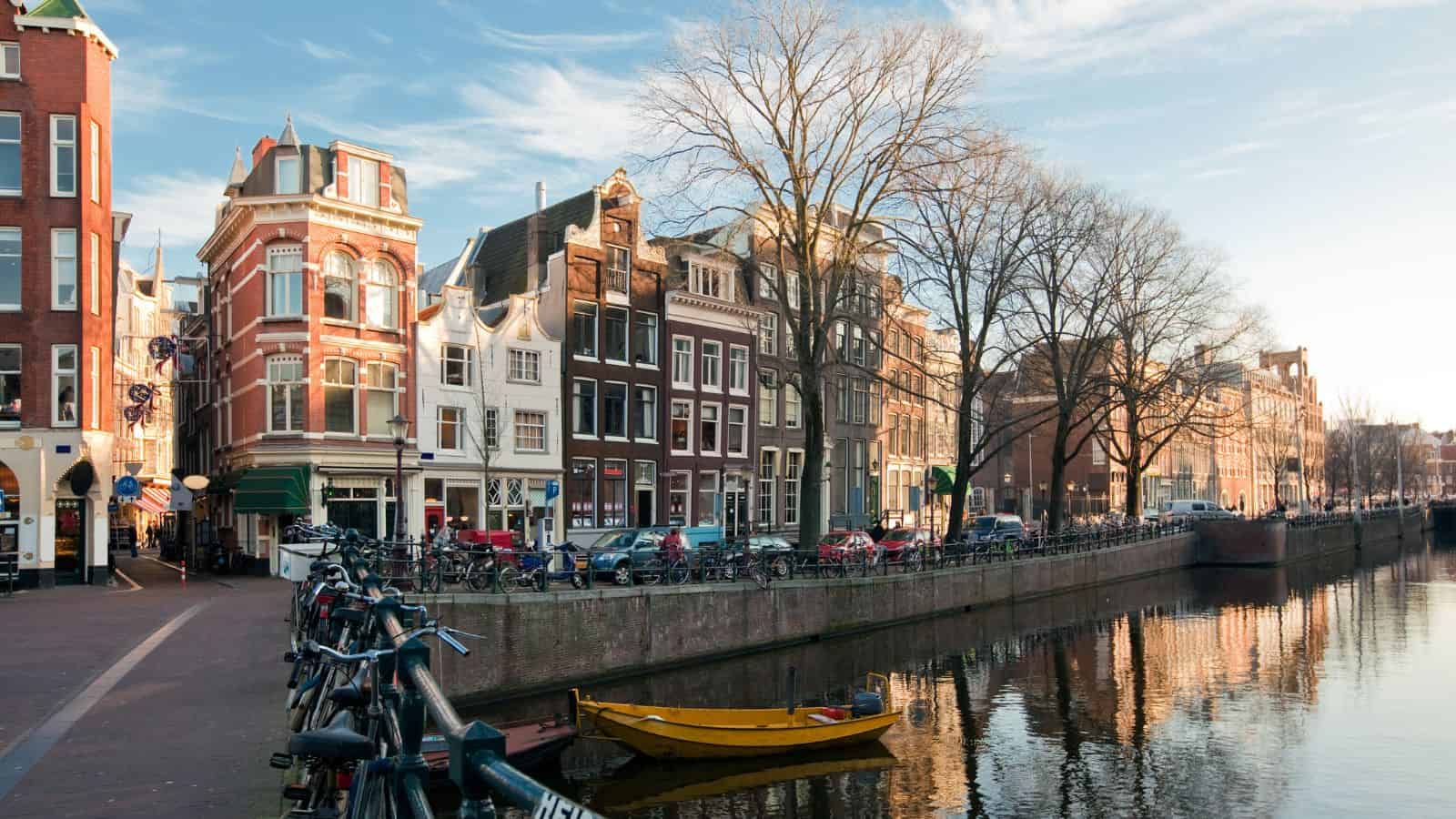
The Netherlands is compact and easy to move through, with reliable trains and walkable cities. English is widely spoken, and daily interactions tend to be straightforward. The country’s size makes it possible to see multiple places without complicated planning.
Takeaway: The Netherlands feels manageable because everything is close and connected.
Spain

Spain offers a balance between structure and a relaxed way of life. Public transportation is widely available, and cities are designed for walking. Meals and daily routines follow a predictable rhythm, which helps visitors adjust quickly.
Takeaway: Spain feels comfortable once you settle into its daily schedule.
Switzerland
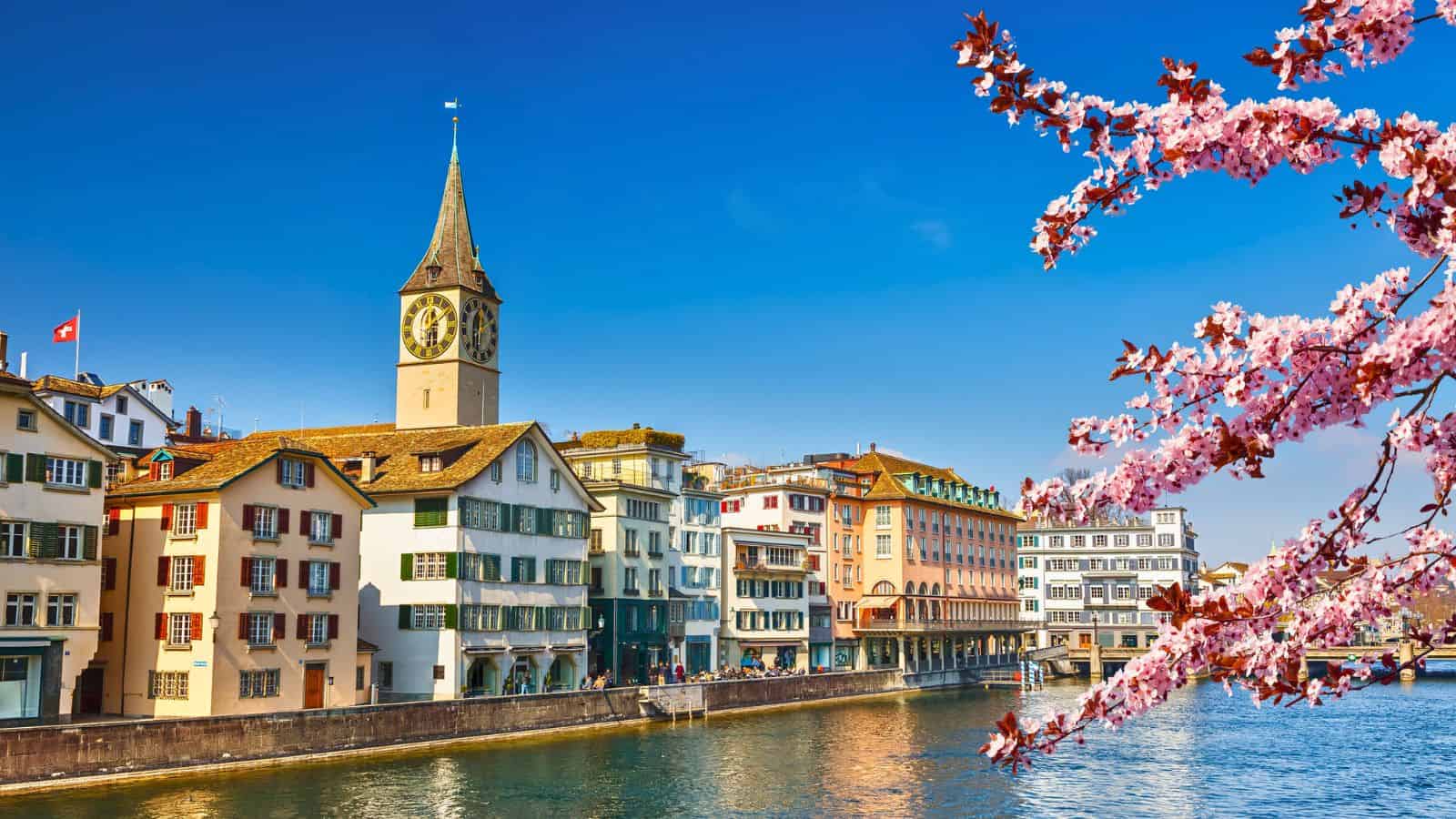
Switzerland is known for its organization and high level of service. Transportation runs on precise schedules, and cities are clean and easy to navigate. While costs can be higher, the consistency and reliability help create a smooth travel experience.
Takeaway: Switzerland feels comfortable because everything is well coordinated.
Austria

Austria offers a combination of walkable cities, reliable public transportation, and a steady pace. Cultural sites are easy to access, and services tend to be consistent across regions. Visitors often find it simple to move between cities and plan their days.
Takeaway: Austria feels easy to navigate without needing constant adjustments.
11 Destinations Where Tourist Taxes Add Up Fast

Tourist taxes are easy to underestimate when planning a trip. They often appear as small nightly charges or add-ons that feel insignificant at first glance. The reality is that in some destinations, these fees accumulate quickly, especially for couples staying multiple nights or moving between cities.
Learn more here: 11 Destinations Where Tourist Taxes Add Up Fast
9 Places Where Travel Fees Catch Americans Off Guard

Travel budgets often look solid until the extra charges start piling up. Many Americans plan carefully for flights and hotels, then get caught off guard by fees that appear only after arrival. These costs are rarely hidden. They are simply easy to overlook when focusing on the basics.
Learn more here: 9 Places Where Travel Fees Catch Americans Off Guard
