11 Countries That Feel Better Without a Schedule
Some trips benefit from tight planning. Others fall apart when every hour is accounted for. For many couples, the most memorable travel experiences happen in places where structure gives way to rhythm and curiosity guides the day.
Certain countries naturally reward flexibility. Transportation runs frequently enough to adjust plans on the fly. Neighborhoods are compact and walkable. Meals stretch longer than expected. Instead of rushing between reservations and timed entries, couples can let the day unfold based on mood and weather.
Traveling without a strict schedule does not mean being unprepared. It means choosing destinations where spontaneity works in your favor. Reliable infrastructure, clear signage, and accessible public spaces make it easier to change direction without creating stress.
We have identified 11 countries that feel better without a schedule. These are places where overplanning can actually limit the experience, and where couples often find that leaving space between activities leads to a more relaxed, connected, and rewarding trip.

Italy
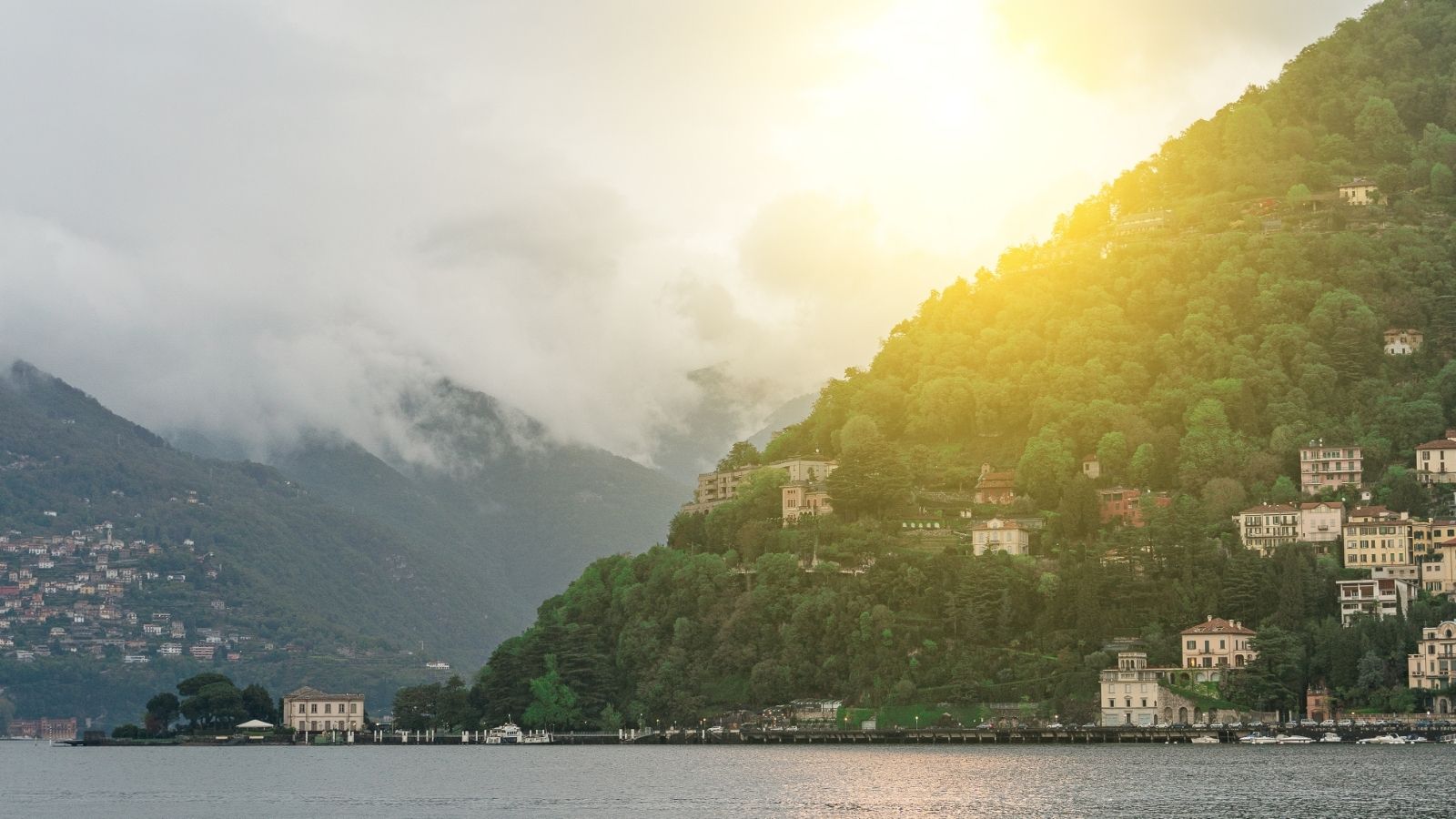
Italy feels strongest when days are shaped by appetite and atmosphere rather than fixed reservations. A morning coffee can stretch into a late start. An unplanned detour through a hill town often replaces a museum stop. Trains connect cities easily, which reduces the need to over-structure movement. Meals naturally anchor the day, and evening walks through piazzas create rhythm without planning. Even in larger cities, neighborhoods reward slow wandering.
Takeaway: Plan one anchor activity per day and leave space between meals for unstructured time.
Thailand
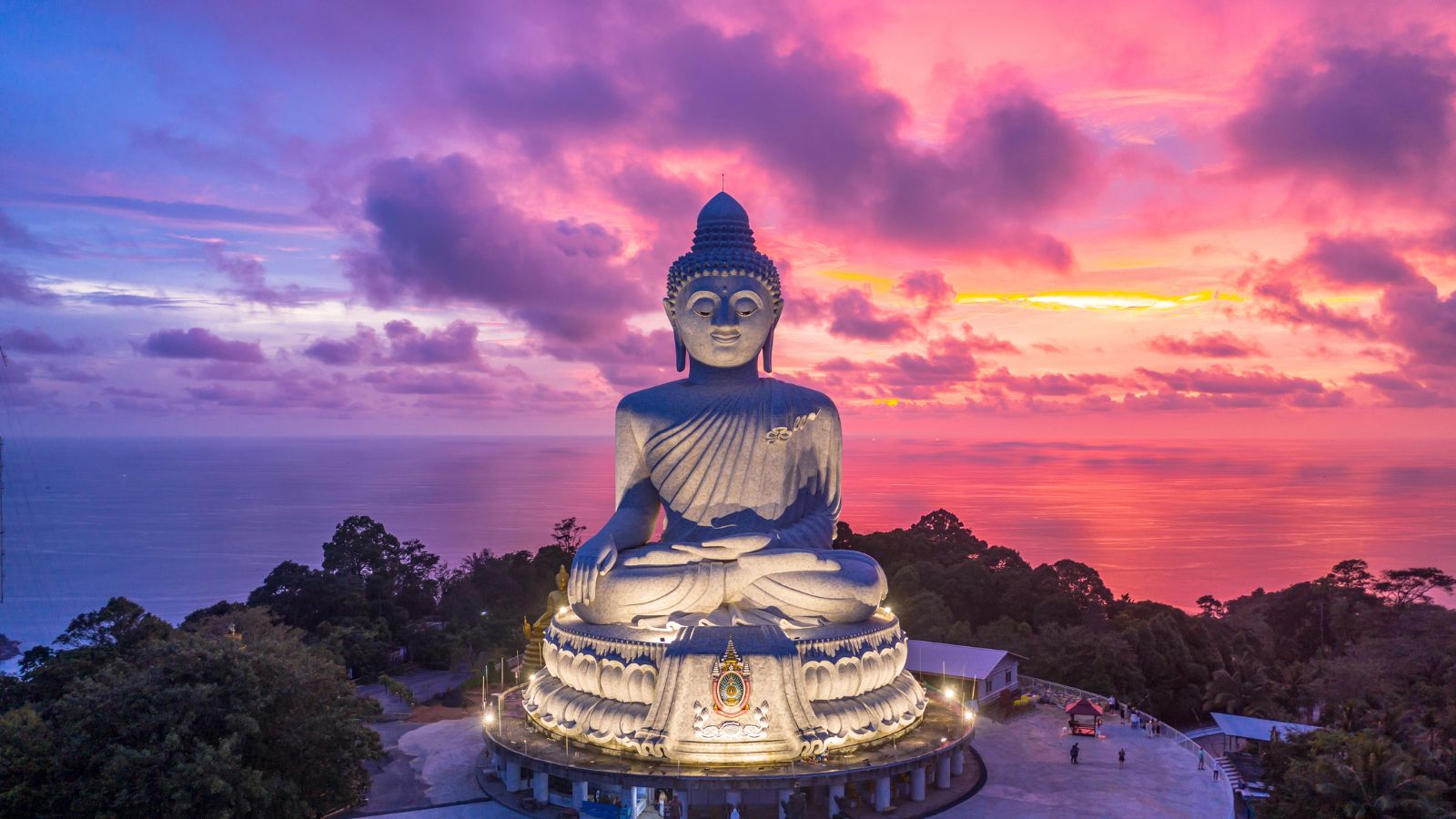
Thailand supports flexible travel. Beach towns, night markets, and temple visits can shift depending on weather or mood. Transportation is accessible, and accommodations are widely available across budget levels, which reduces pressure to finalize every detail in advance. Street food makes spontaneous dining easy. Islands and smaller cities often move at a slower pace than expected.
Takeaway: Choose a base for a few nights and explore outward rather than moving daily.
Greece
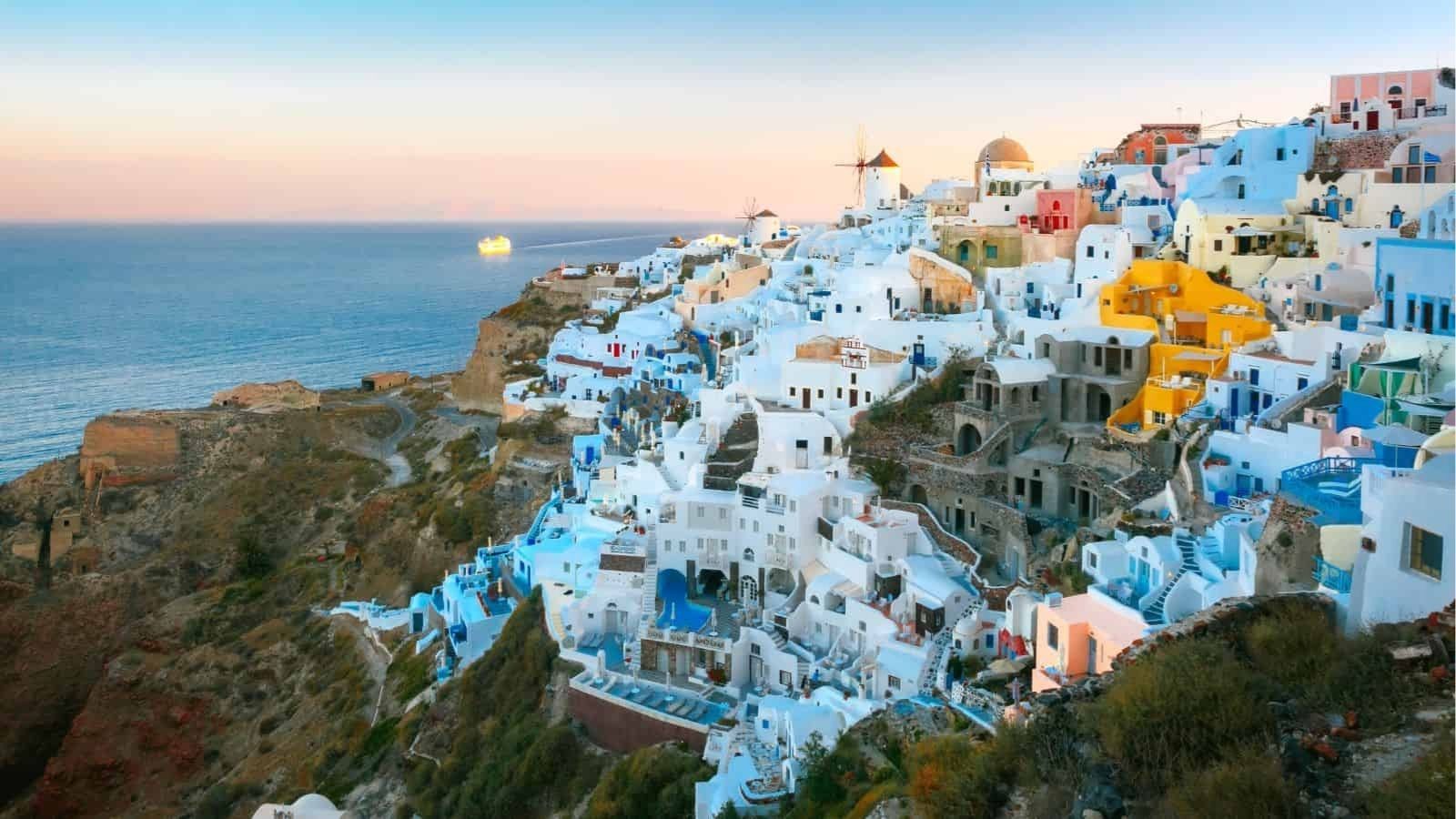
Greece feels better when mornings begin slowly and evenings stretch long. Island life, especially beyond the busiest destinations, moves at a steady rhythm. Ferry schedules require attention, but once settled, daily plans can remain loose. Coastal villages reward lingering over meals and late walks. Mainland towns provide similar pacing without island transfers.
Takeaway: Limit island hopping and spend multiple nights in one location to settle into the rhythm.
Mexico
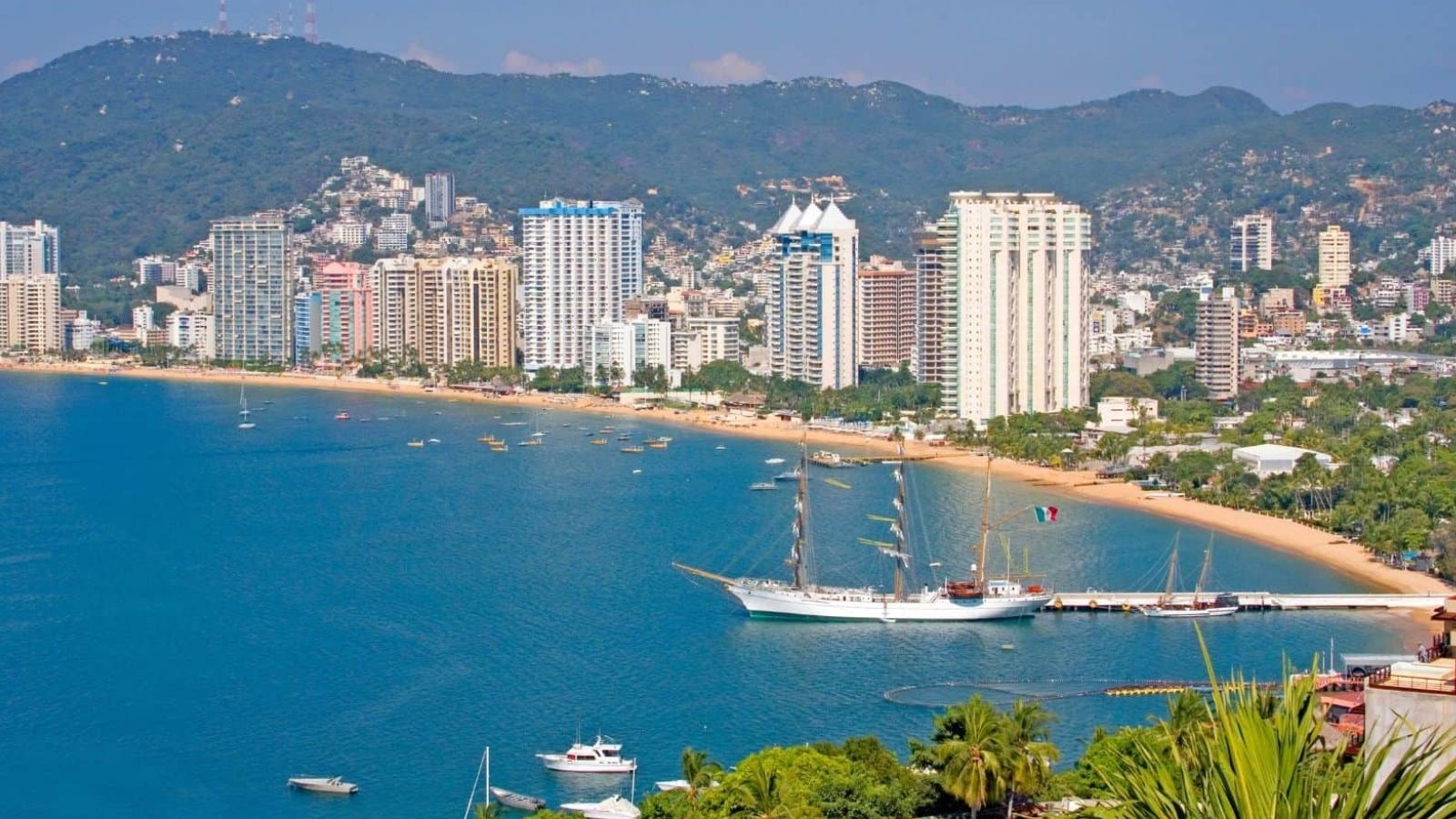
Mexico’s strongest moments often happen outside structured tours. Markets open early, plazas fill in the evening, and regional food traditions shape daily movement. Colonial cities and beach towns alike reward wandering rather than rushing between attractions. Infrastructure in major destinations supports flexible planning.
Takeaway: Pick a walkable neighborhood and allow the day to unfold around meals and local events.
Portugal
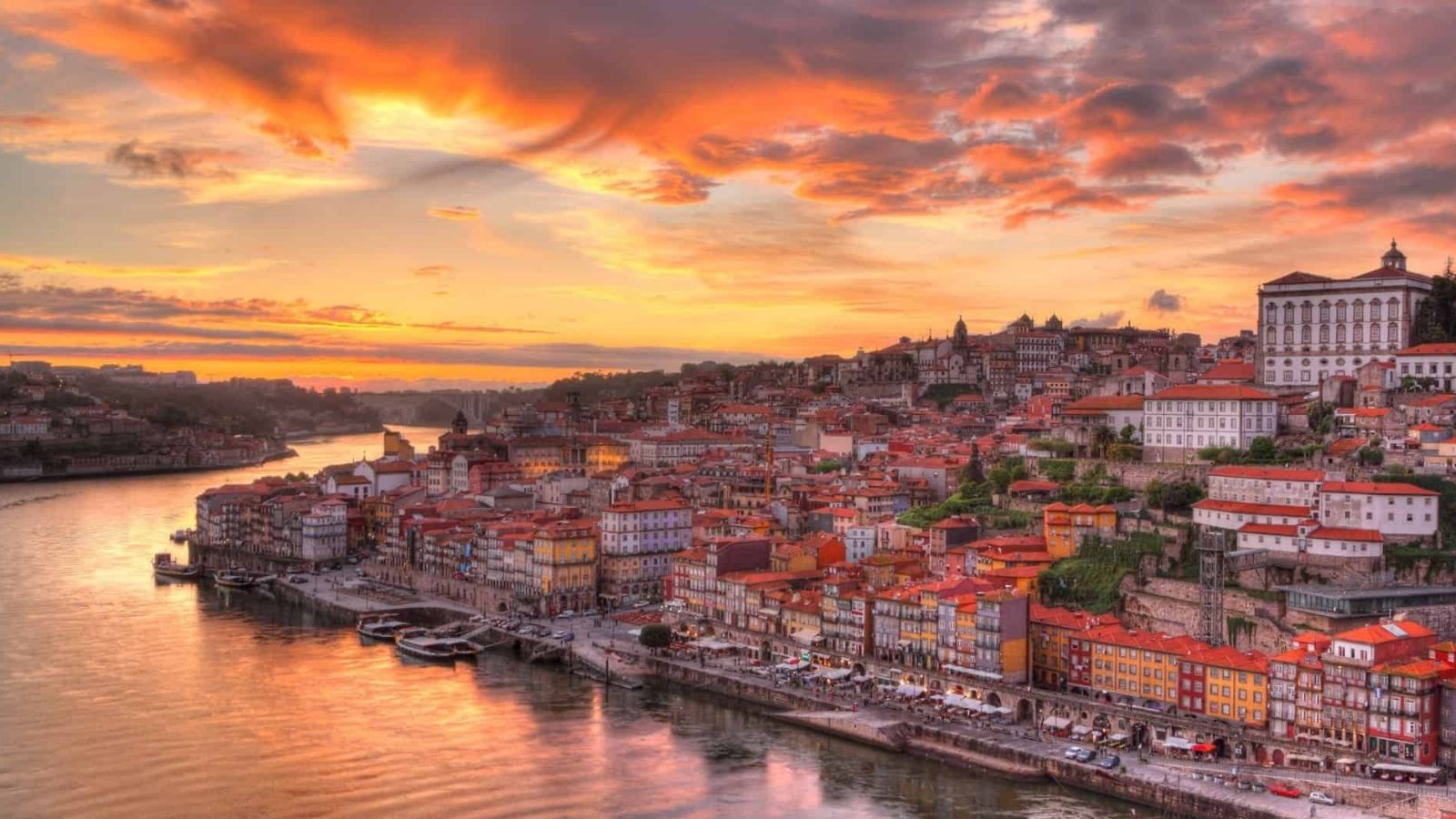
Portugal works well without tight scheduling because distances remain manageable and cities stay compact. Lisbon and Porto reward neighborhood exploration more than strict sightseeing lists. Coastal towns in the Algarve move at a measured pace outside peak season. Trains and buses simplify regional travel without requiring complex coordination.
Takeaway: Base yourself in one city and add short day trips rather than constant relocation.
Indonesia
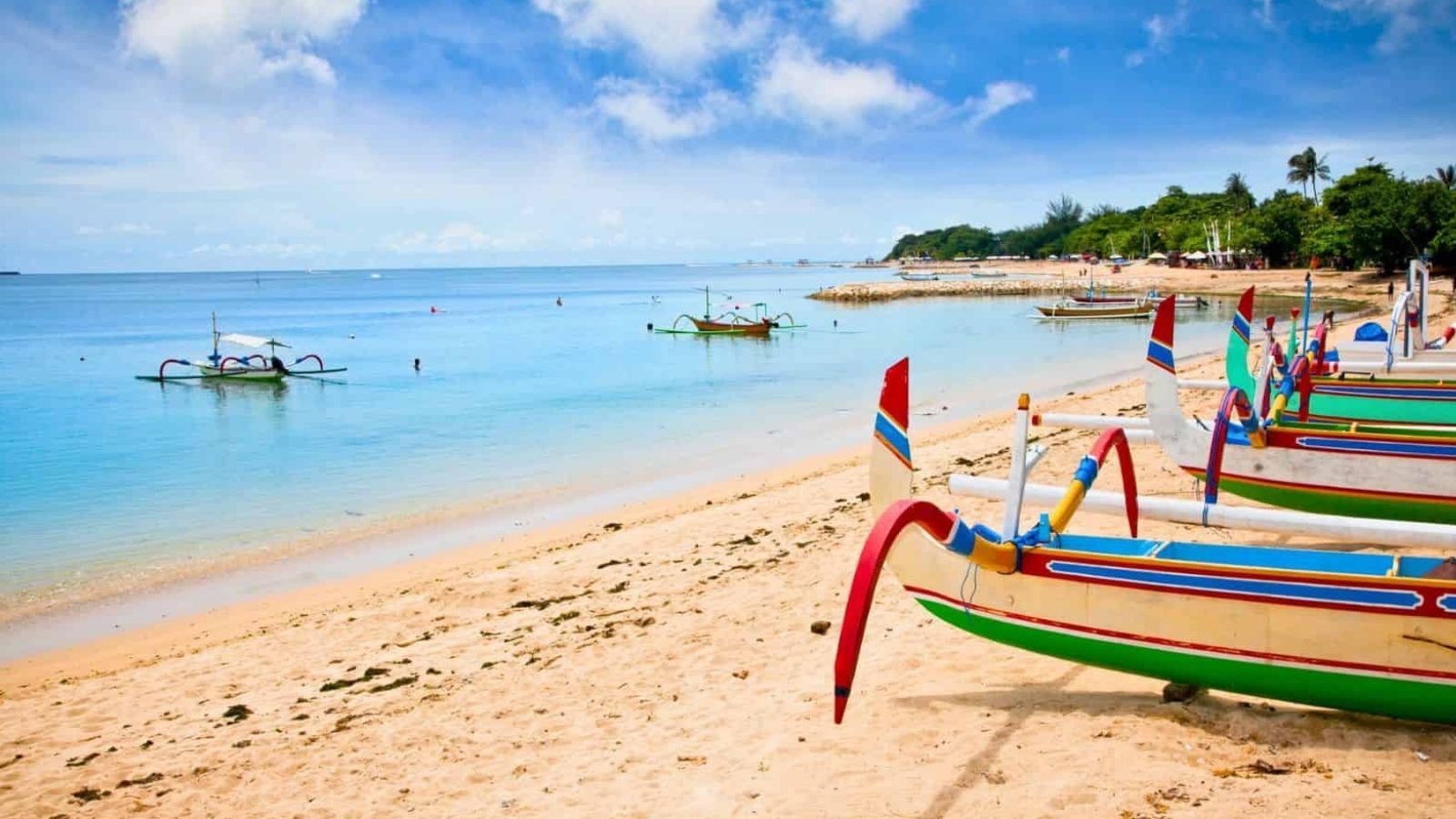
Indonesia feels more manageable when travel slows down. Moving quickly between islands can create unnecessary stress, but staying in one region allows daily life to set the pace. In places like Ubud or Lombok, mornings often begin quietly, with afternoons shaped by weather and local recommendations. Transportation between islands requires coordination, yet once settled, days unfold easily. Markets, temples, and coastal areas reward unplanned time.
Takeaway: Choose one island or region and allow several days without firm daily agendas.
Morocco
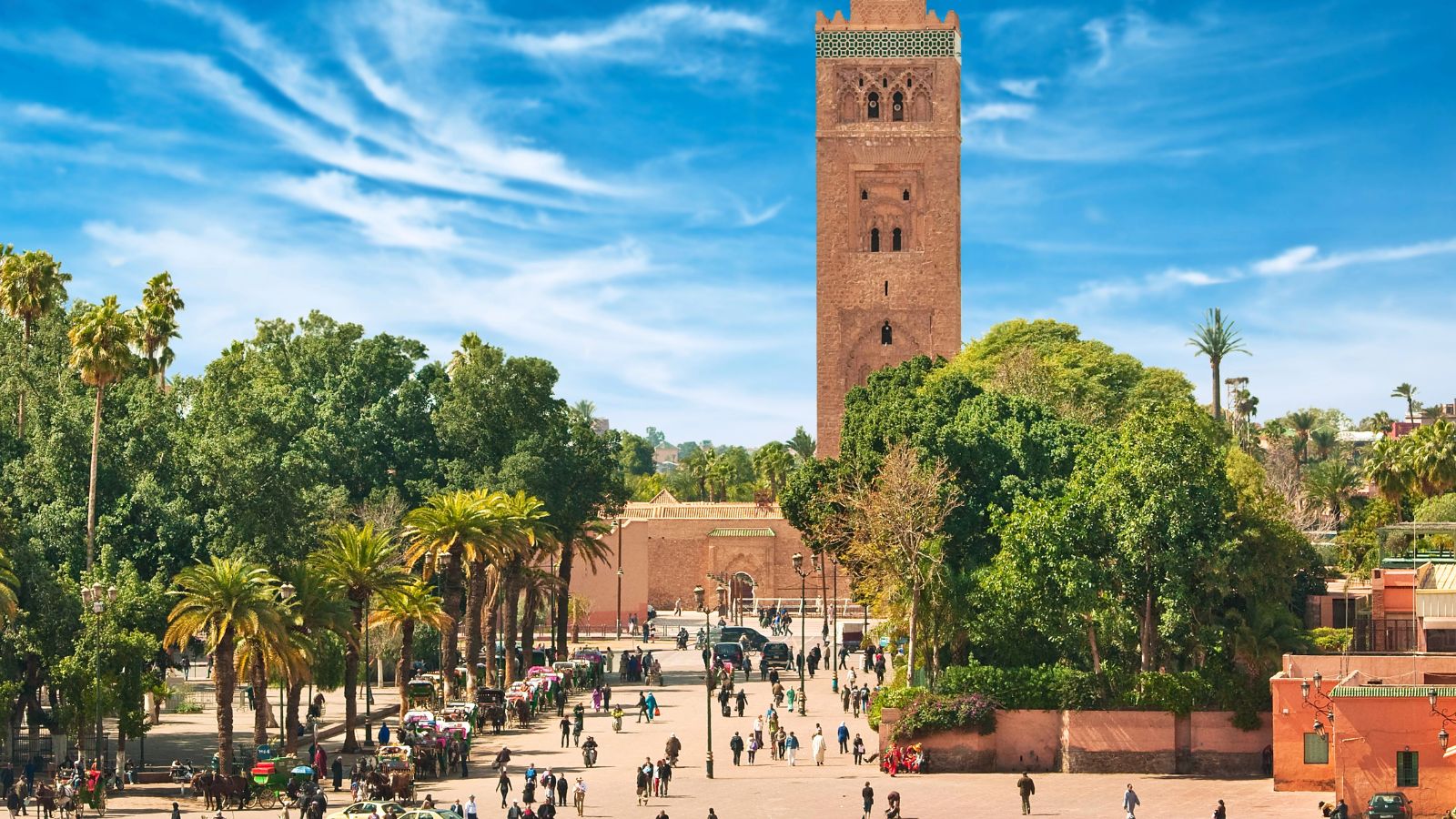
Morocco’s medinas are best explored without strict timelines. Narrow alleys, artisan workshops, and neighborhood cafes reveal more when travelers move slowly. Guided tours help with orientation, but unscheduled wandering creates deeper understanding. Outside major cities, desert and mountain regions also benefit from flexible pacing. Travel between destinations can take longer than expected, making fewer stops more effective.
Takeaway: Limit city changes and leave space for slow exploration inside historic districts.
Spain
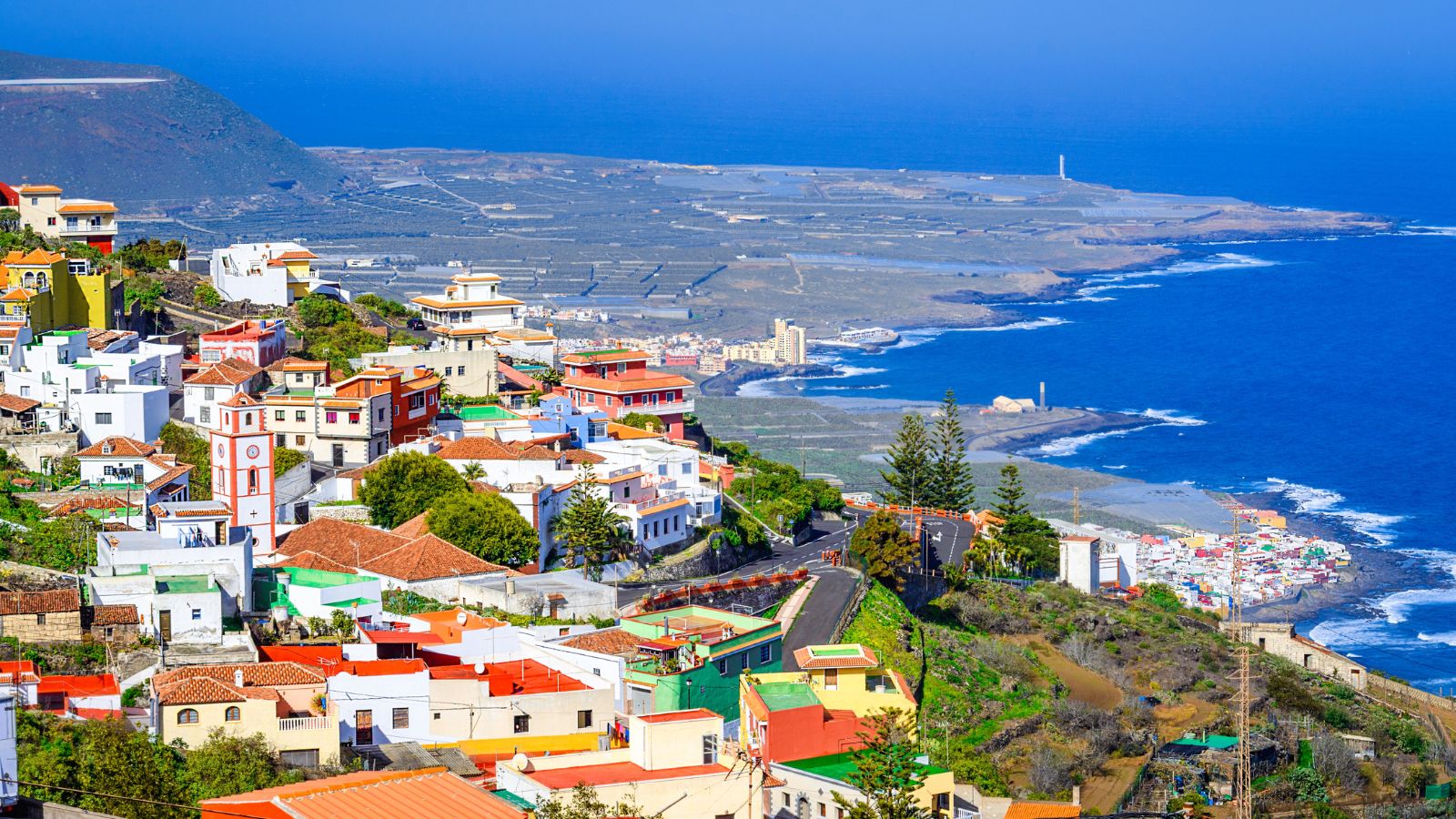
Spain’s social rhythm encourages open evenings and relaxed afternoons. Late dining hours shift daily structure naturally, and public plazas remain active long after sunset. Cities like Seville, Valencia, and San Sebastián feel more rewarding when sightseeing lists are shortened. High-speed trains simplify movement between regions, but once in place, walking neighborhoods reveals more than rigid scheduling.
Takeaway: Plan around one cultural highlight per day and allow evenings to remain open.
Vietnam
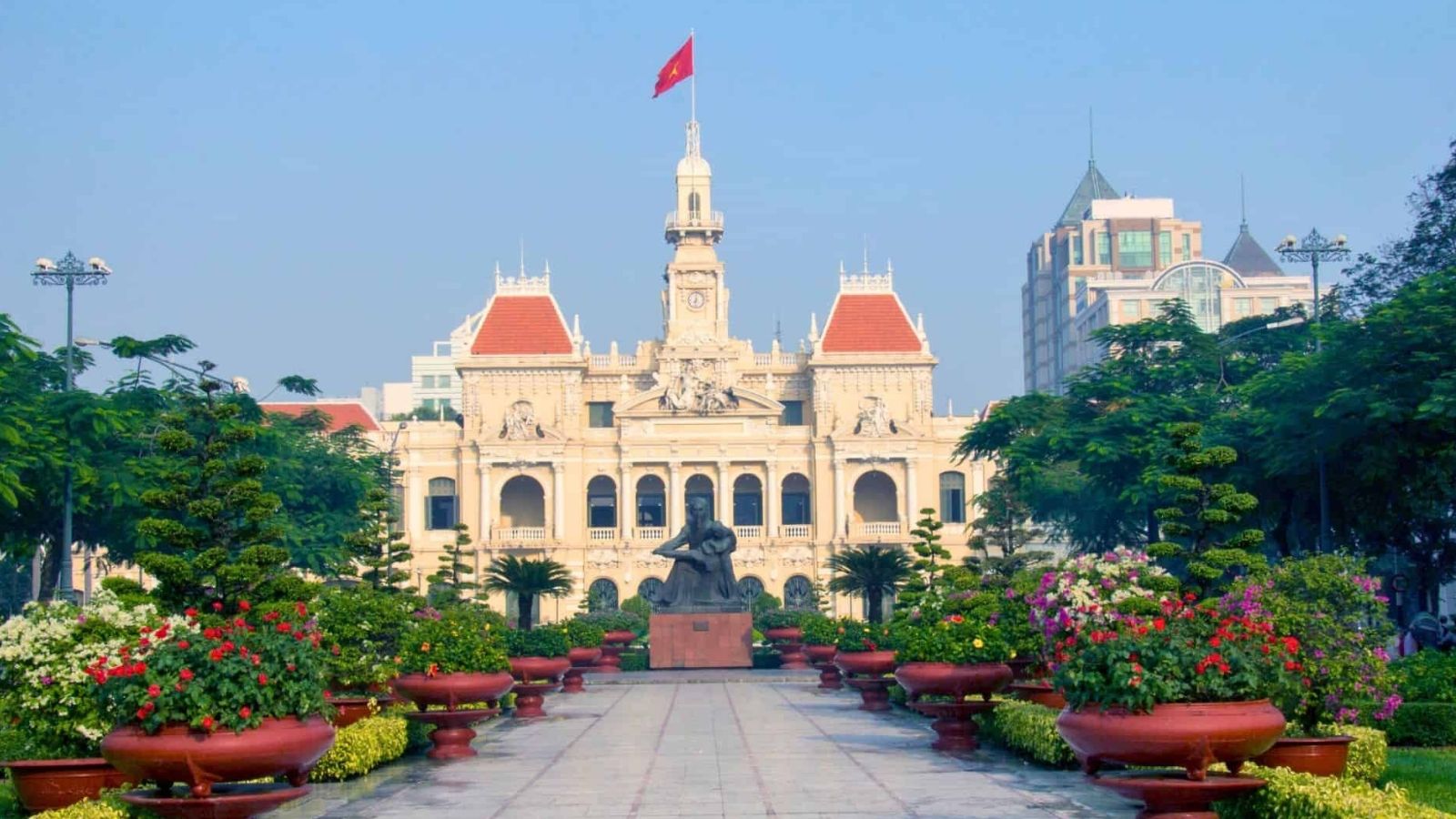
Vietnam balances energy with slower regional pockets. In Hoi An or smaller towns, mornings begin calmly before markets fill. Transportation between major hubs is reliable, but internal flights and trains benefit from buffer time. Street food culture supports spontaneous stops rather than fixed reservations. Coastal and rural areas move at a steadier pace than large cities.
Takeaway: Build extra time between transport days and let meals guide daily movement.
Turkey
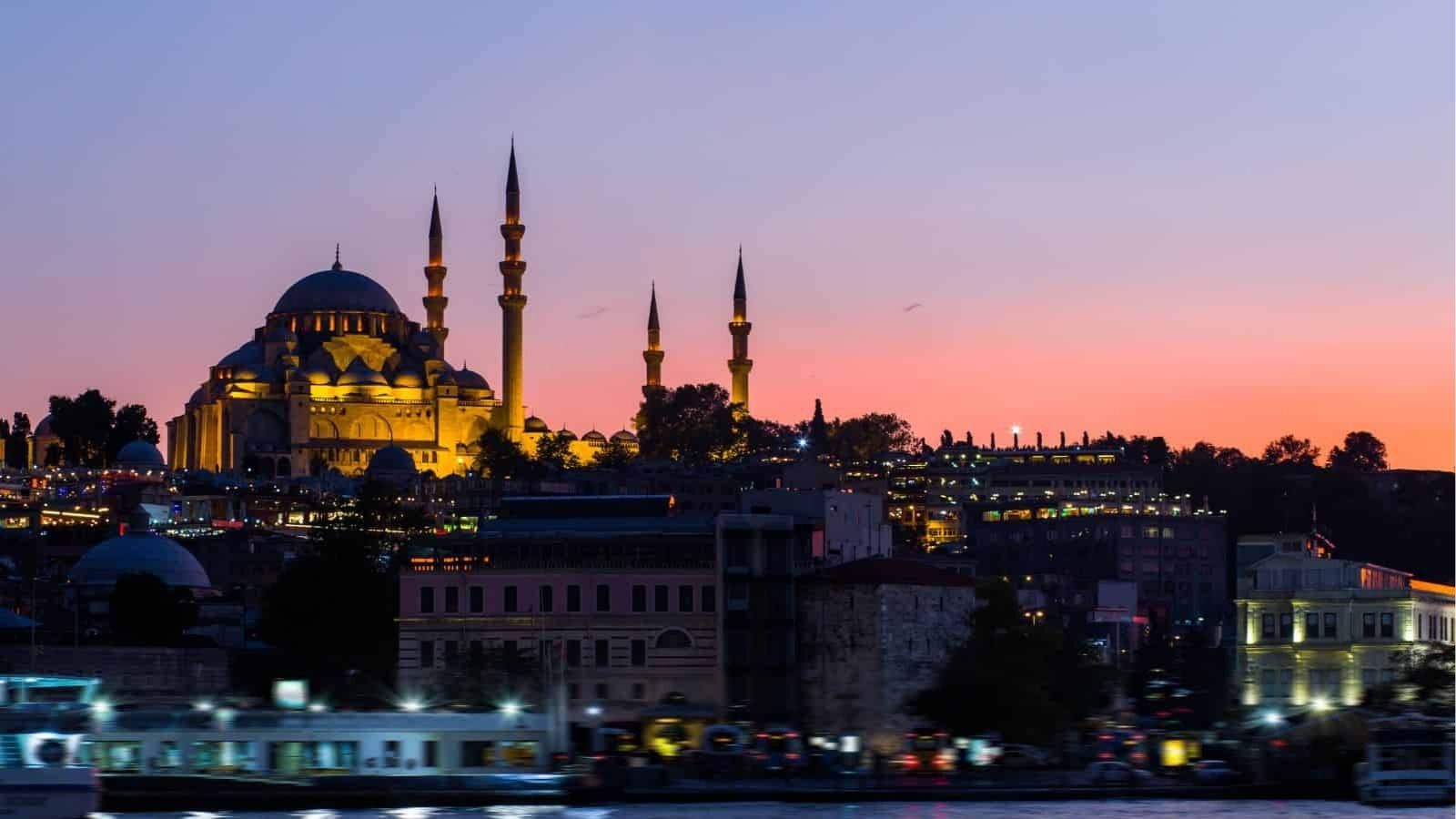
Turkey rewards flexible travel once logistics are settled. Istanbul alone can fill several unstructured days, with neighborhoods shifting in tone by district. Coastal towns and inland regions like Cappadocia move at a slower pace than the capital. Domestic flights and buses connect regions efficiently, reducing the need for rigid plans.
Takeaway: Stay multiple nights in each region rather than attempting fast cross-country routes.
Costa Rica
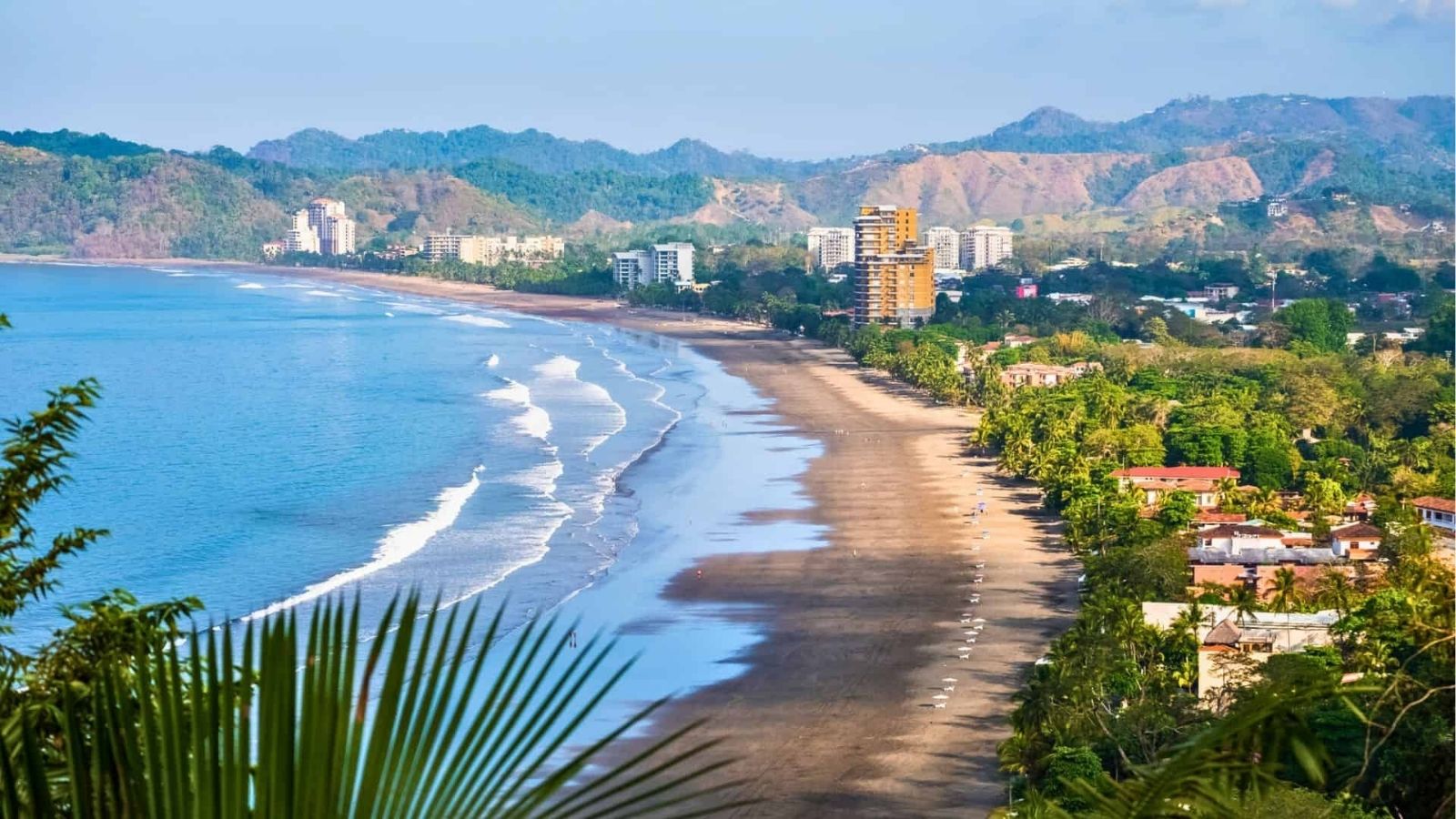
Costa Rica works best when nature sets the schedule. Rainforest weather patterns and wildlife sightings shift daily plans naturally. Travel distances are short, but roads can require patience. Once in place, beach towns and jungle lodges encourage downtime between guided excursions. English is widely understood in tourism areas, which reduces stress.
Takeaway: Choose two regions at most and leave open days between activities.
10 U.S. States for People Who Love Walkable Cities

Walkability shapes how a trip or relocation feels day to day. For many couples, being able to step outside and reach restaurants, parks, shops, and transit without getting in a car changes everything. It affects pace, connection to a place, and even how much planning is required.
Learn more here: 10 U.S. States for People Who Love Walkable Cities
11 Spring Destinations That Feel Better Before Summer Crowds Arrive

Spring creates a brief window when many destinations feel more balanced. The weather improves, outdoor spaces reopen, and daylight stretches longer, yet peak season has not fully arrived. For couples who prefer a calmer pace, that timing can shape an entire trip.
Learn more here: 11 Spring Destinations That Feel Better Before Summer Crowds Arrive
