11 Hidden Natural Wonders Across America Worth the Drive
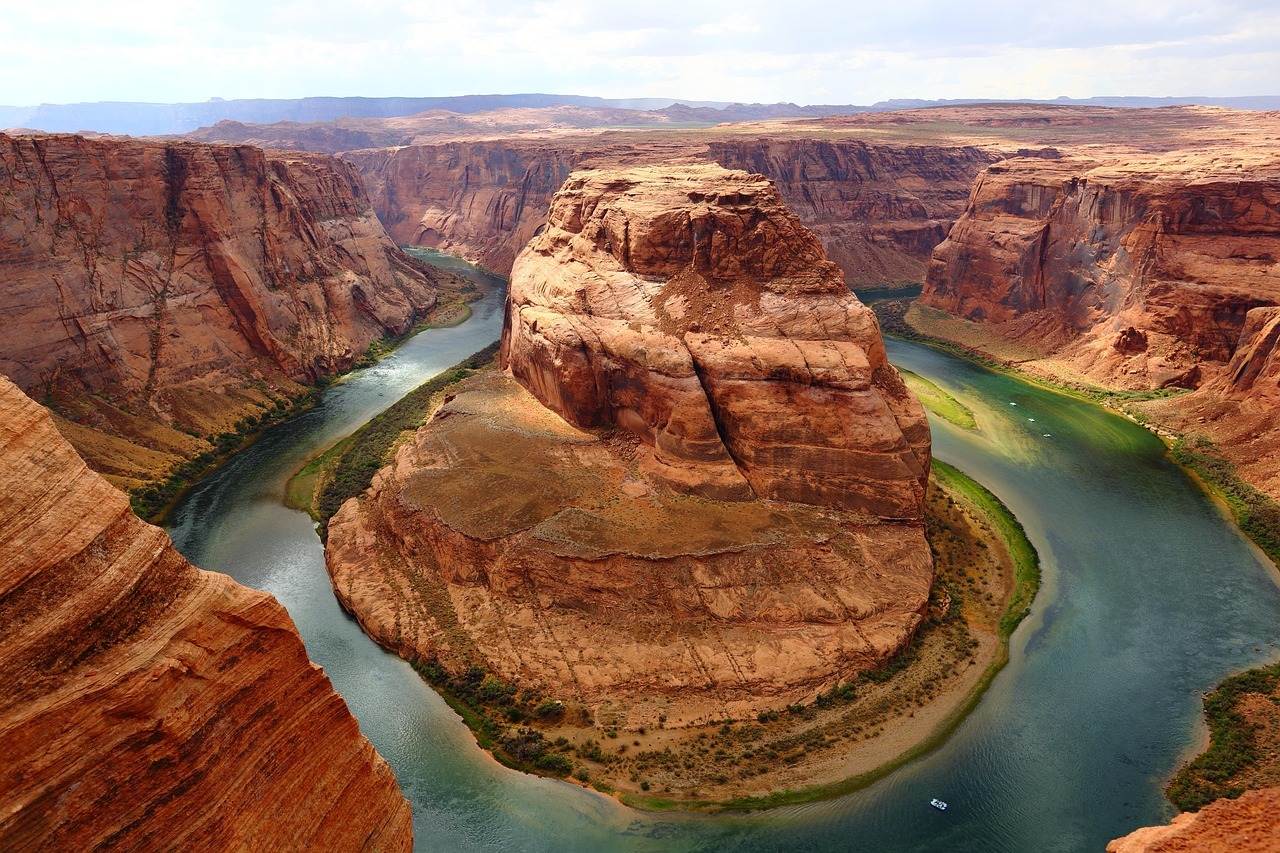
Some landscapes don’t shout, they whisper. Hidden across the U.S. are places that feel almost unreal, shaped by fire, water, ice, and time. They’re not the spots you’ll find on every travel blog or postcard rack. These are the tucked-away natural wonders where caves glow, rocks ripple, and sand dunes tower like mountains. Whether you’re in the mood to kayak through glowing waters, wander a frozen cave, or stand in silence beneath ancient chalk cliffs, this list is your invitation to explore nature’s quieter, stranger side.
1. Shifting Sands at Great Sand Dunes National Park, Colorado
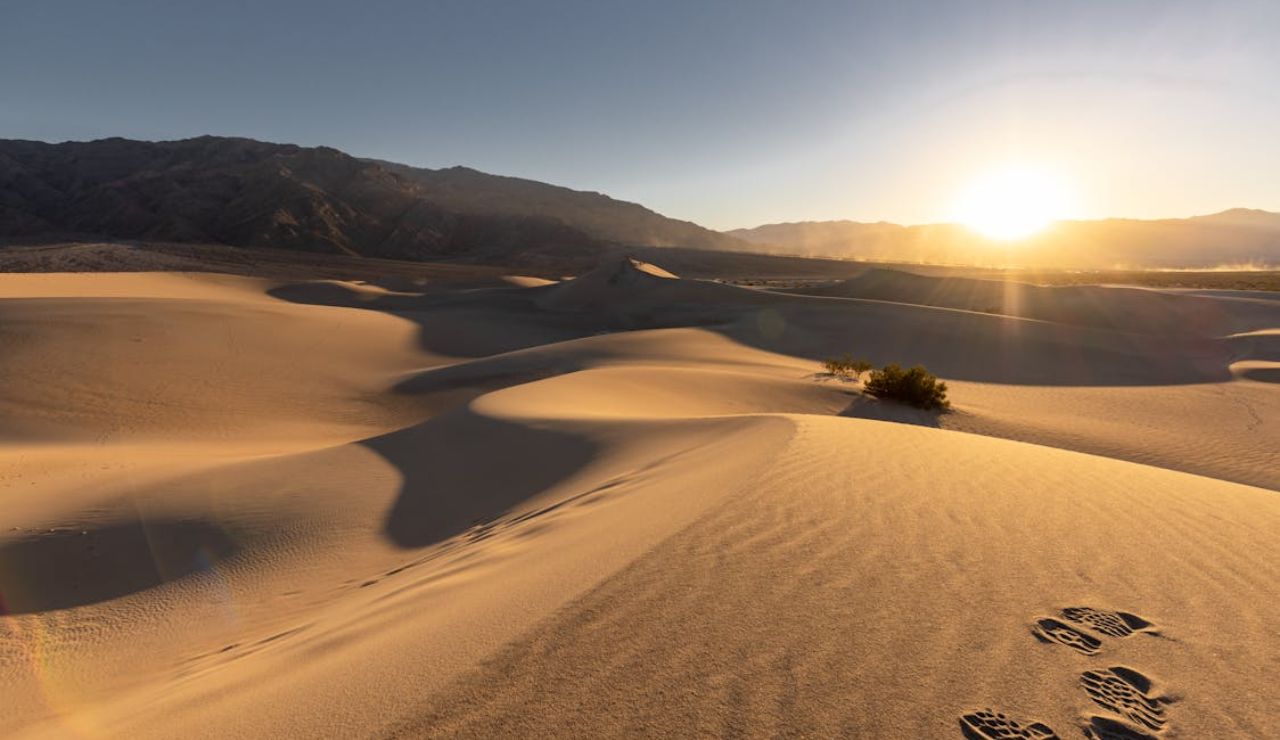
Imagine towering dunes rippling under a mountain backdrop. That’s Great Sand Dunes, where winds funnel down from the Sangre de Cristo Range, piling up dunes that reach over 750 feet high. Unlike desert dunes, these lie cradled by alpine peaks and fed by seasonal streams that create temporary “surfing” waves of water. The cold winters dust these sands with snow, making an otherworldly landscape that shifts daily. Whether you hike the steep slopes or sled them in winter, you’re walking atop an active system that moves acre by acre every year.
2. Bioluminescent Bays of Vieques, Puerto Rico
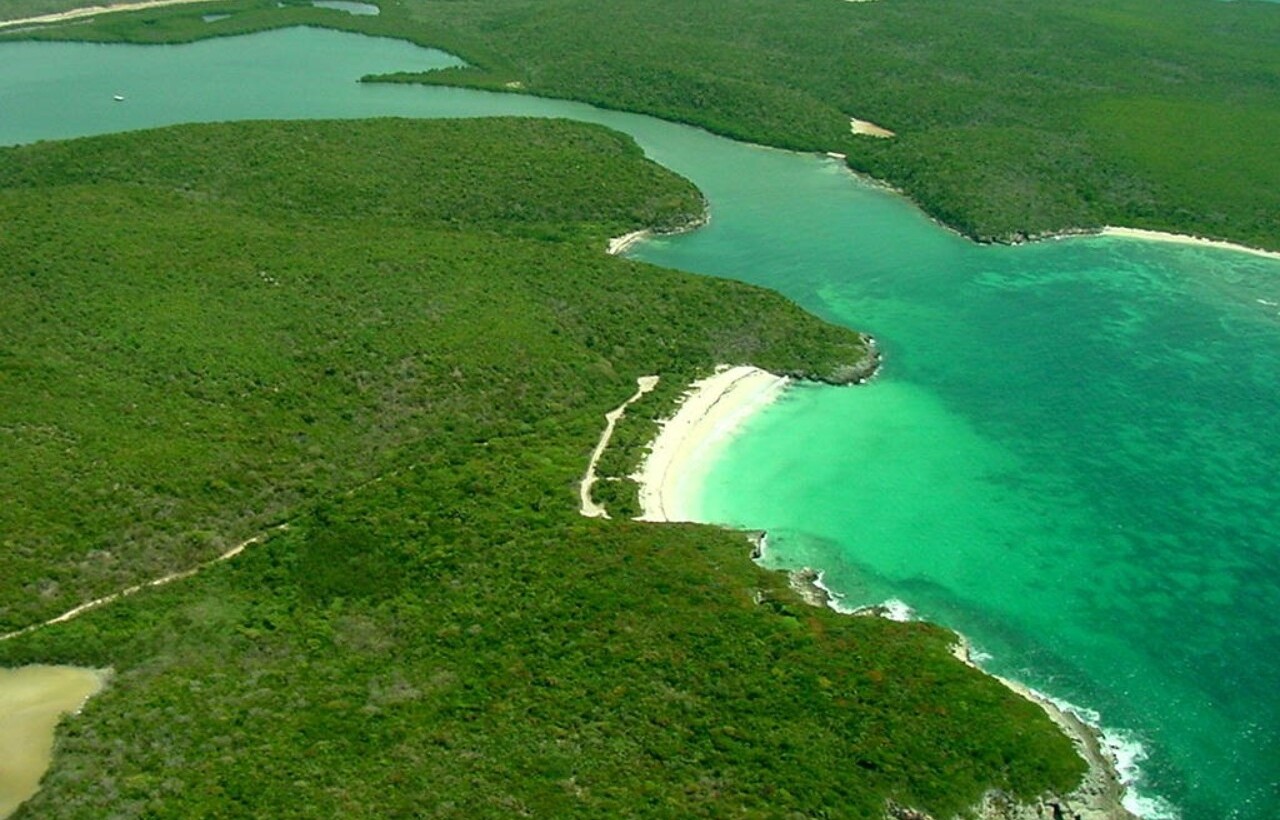
When night falls on Vieques, the water lights up with millions of microscopic organisms. Mosquito Bay glows neon-green, earning its reputation as the world’s brightest bioluminescent bay. The effect comes from tiny dinoflagellates that emit light when disturbed, so every paddle stroke or splash becomes part of a living star show. Surrounded by mangroves and dark skies, the bay feels like a secret galaxy. Access is carefully managed to protect the fragile ecosystem, but guided nighttime kayak tours let you drift through this natural light display with minimal impact.
3. Subterranean Streams at Lost River Cave, Kentucky
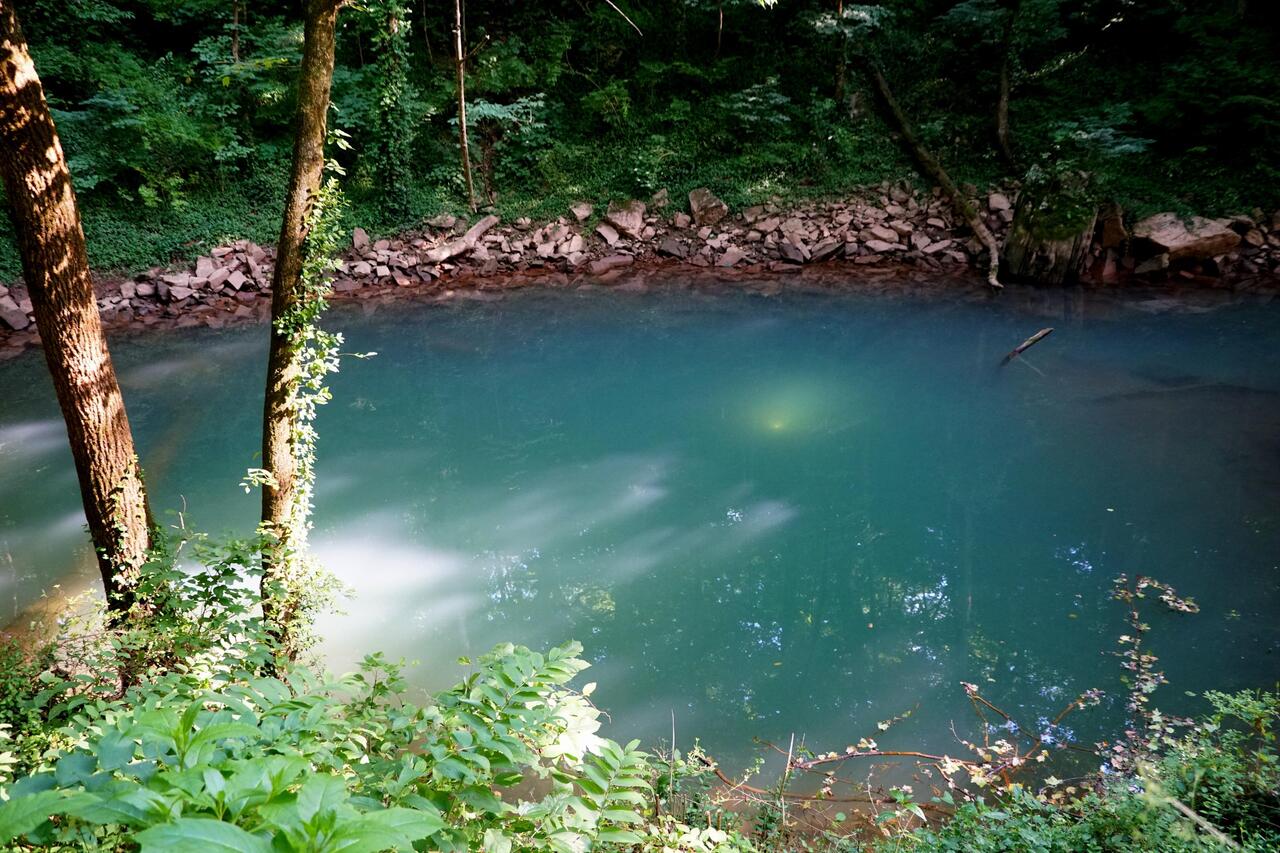
Hidden beneath a pastoral landscape, Lost River Cave channels the only underground river in Kentucky. It slips beneath a former art studio, emerges to power mill wheels, then disappears again into bedrock. Boat tours glide you through pitch-black tunnels carved over eons, revealing limestone walls etched with fossils and ancient flow lines. Aboveground, walking trails weave through karst springs and sinkholes that hint at the hidden network below. The cave’s name comes from the way its water vanishes and reappears, offering a rare glimpse into subterranean hydrology.
4. Underwater Tapestry of the Florida Barrier Reef
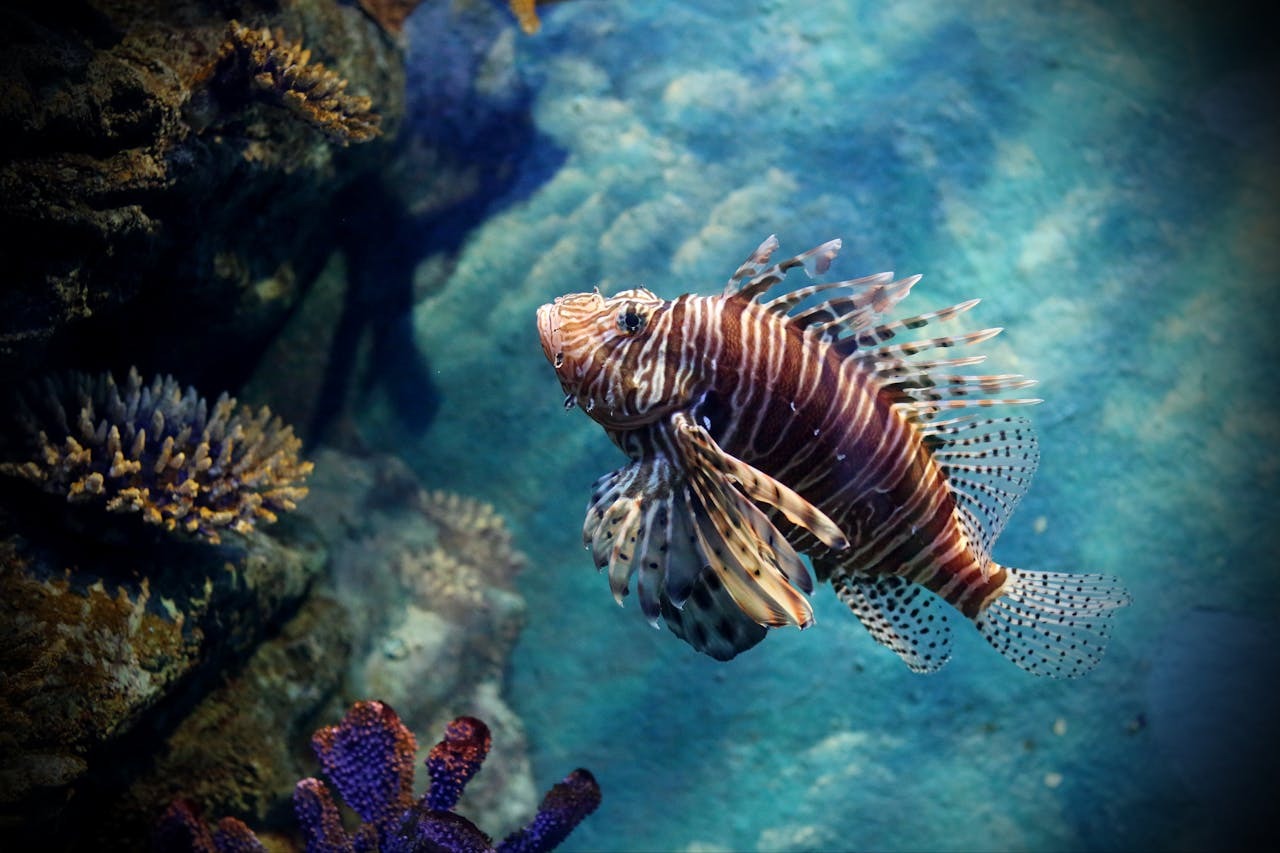
Stretching from the Dry Tortugas to the St. Lucie Inlet, the Florida Barrier Reef is North America’s only living coral barrier reef. Though parts are popular snorkeling spots, much of it lies beyond easy reach, teeming with brain coral gardens, elkhorn thickets, and colorful fish communities. Patches of staghorn coral rise like forest canopies beneath the waves, while nurse sharks rest on sandy bottoms. Regulations limit anchoring and fishing, keeping the reef healthier than many Caribbean counterparts. A drive-boat-snorkel trip can lead you to untouched ledges brimming with marine life.
5. Prehistoric Spring at Devil’s Den, Florida
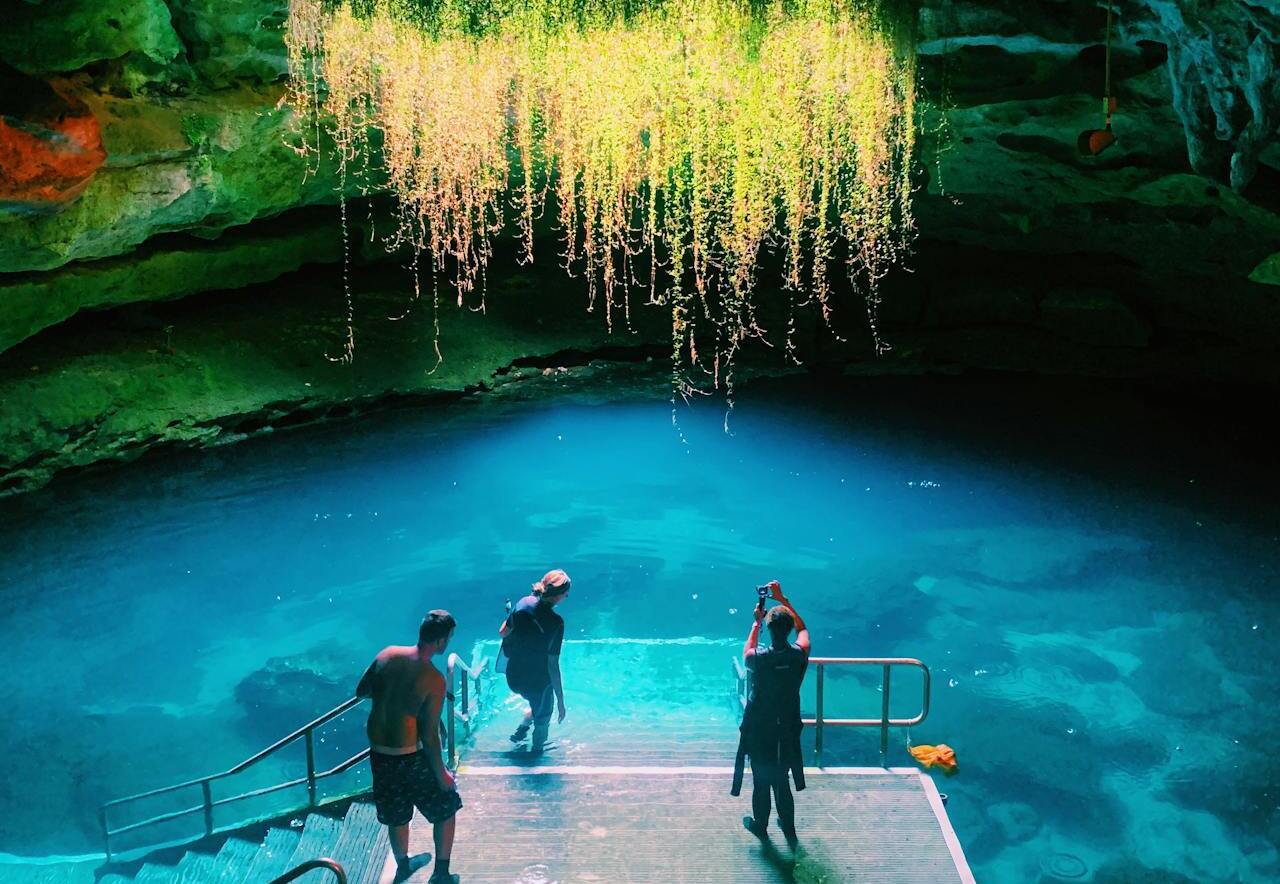
Sunlight streams through a collapsed limestone roof onto an underground spring that formed during the last ice age. Devil’s Den feels like diving into a hidden cathedral of stone, where ancient fossils line the walls. The water stays a consistent 72°F year-round, offering clear views of submerged rock formations. It’s one of the few places in the U.S. where open-water divers can explore a dry cave that’s been flooded. The site’s prehistoric origins and easy access make it popular, but its crystalline depths still carry the mystery of millennia past.
6. Painted Cliffs of Wheeler Geologic Area, Colorado
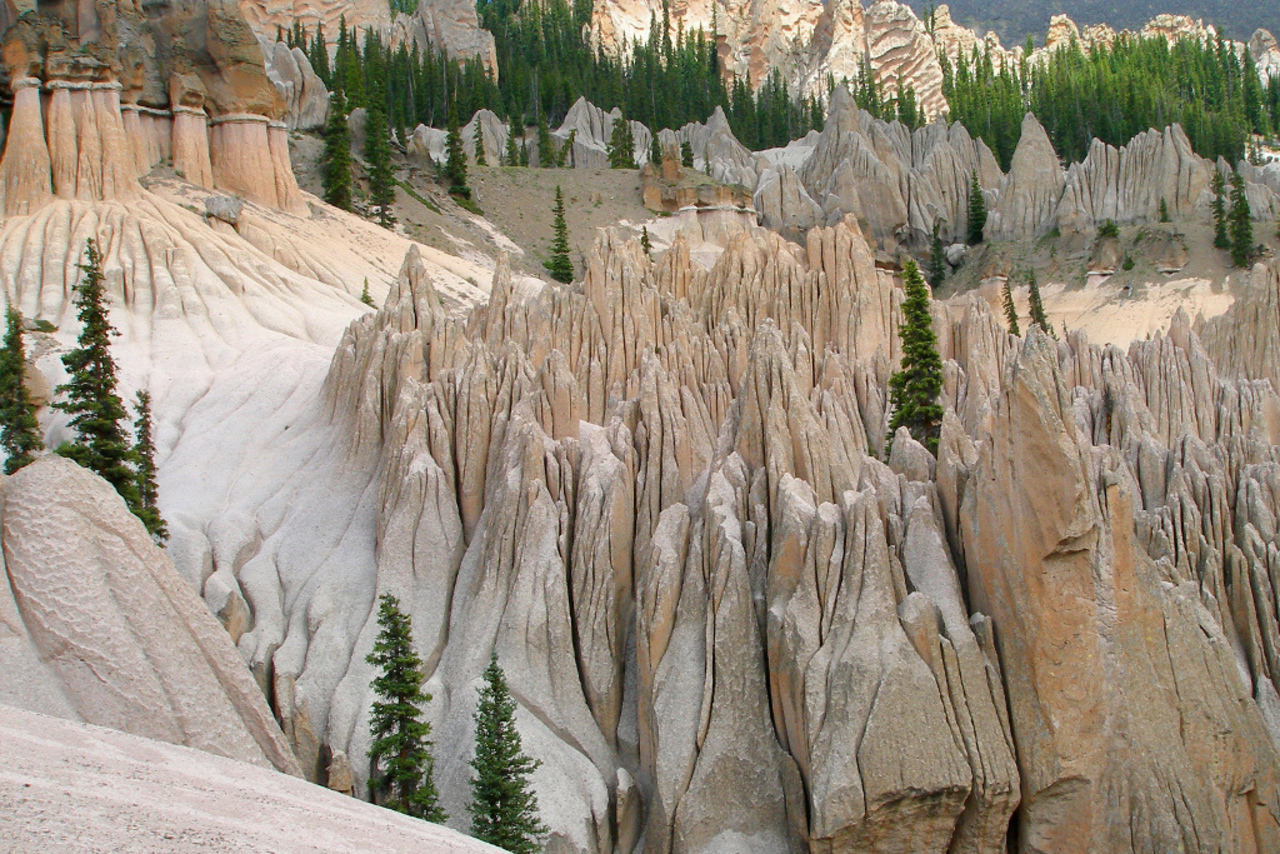
Tucked away in the Rio Grande National Forest, Wheeler Geologic Area showcases volcanic eruptions from over 20 million years ago. Acidic ash flows left behind cylinders of tuff that eroded into hoodoos, spires, and walls in shades of red, orange, and gray. A rough forest road leads you through spruce and aspen groves until these alien cliffs suddenly appear. Hiking braids through narrow canyons and open amphitheaters of stone. Few visitors make the trek, so you can often have the swirling colors all to yourself under vast Colorado skies.
7. Ice-Forged Chambers of Apostle Islands Sea Caves, Wisconsin
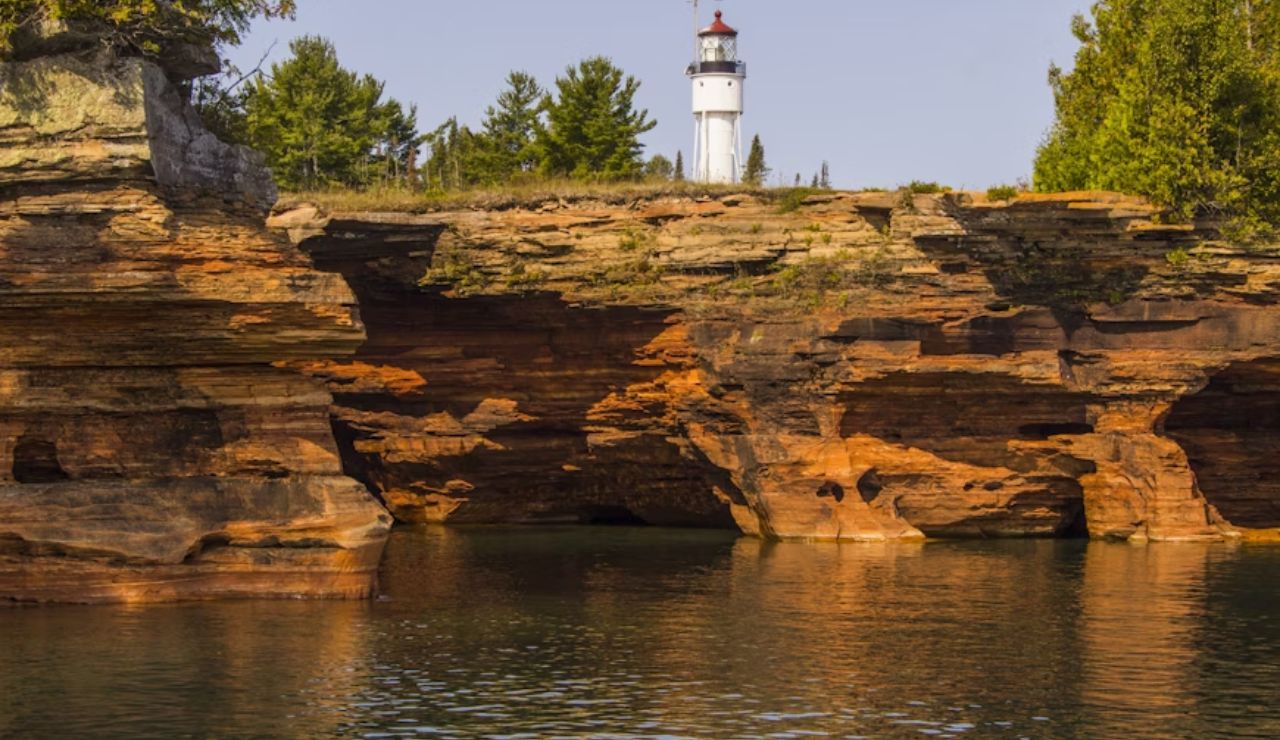
In winter, Lake Superior freezes enough to let you walk across ice to these sandstone sea caves. Wind, waves, and frigid temperatures carve delicate arches, grottos, and windows in red sandstone cliffs that line Madeline Island’s north shore. When the ice is safe, you can roam beneath ice chandeliers and peer through fissures that reveal the deep blue water below. Even in summer, kayaks slip into hidden chambers, but winter’s frozen pathways turn the caves into a translucent wonderland. Safety checks are vital: temperatures and lake levels change the ice daily.
8. Enchanted Grotto of Hamilton Pool Preserve, Texas
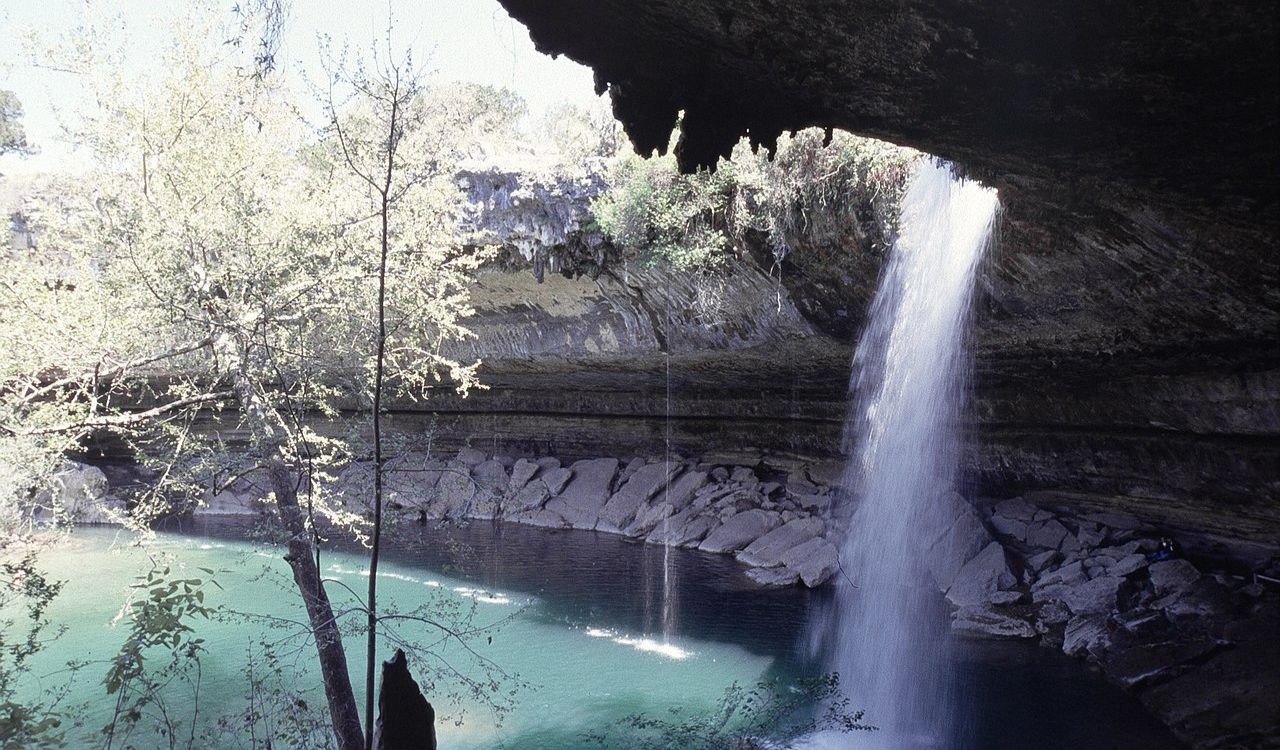
Hamilton Pool feels like a movie set for a fairy tale. Acidic springs once flooded this collapsed grotto, leaving a jade-green pool ringed by cliffs draped in ferns. A 50-foot waterfall spills into still water that reflects the surrounding limestone overhang. The pool’s shape shifts with silt and rainfall, but its secluded canyon remains the same. Access is limited via reservation to protect the karst ecosystem and nesting cliff swallows. Even at peak season, the hush under the vault of rock makes it easy to forget you’re only an hour from Austin.
9. Rippled Canvas of The Wave, Arizona-Utah Border
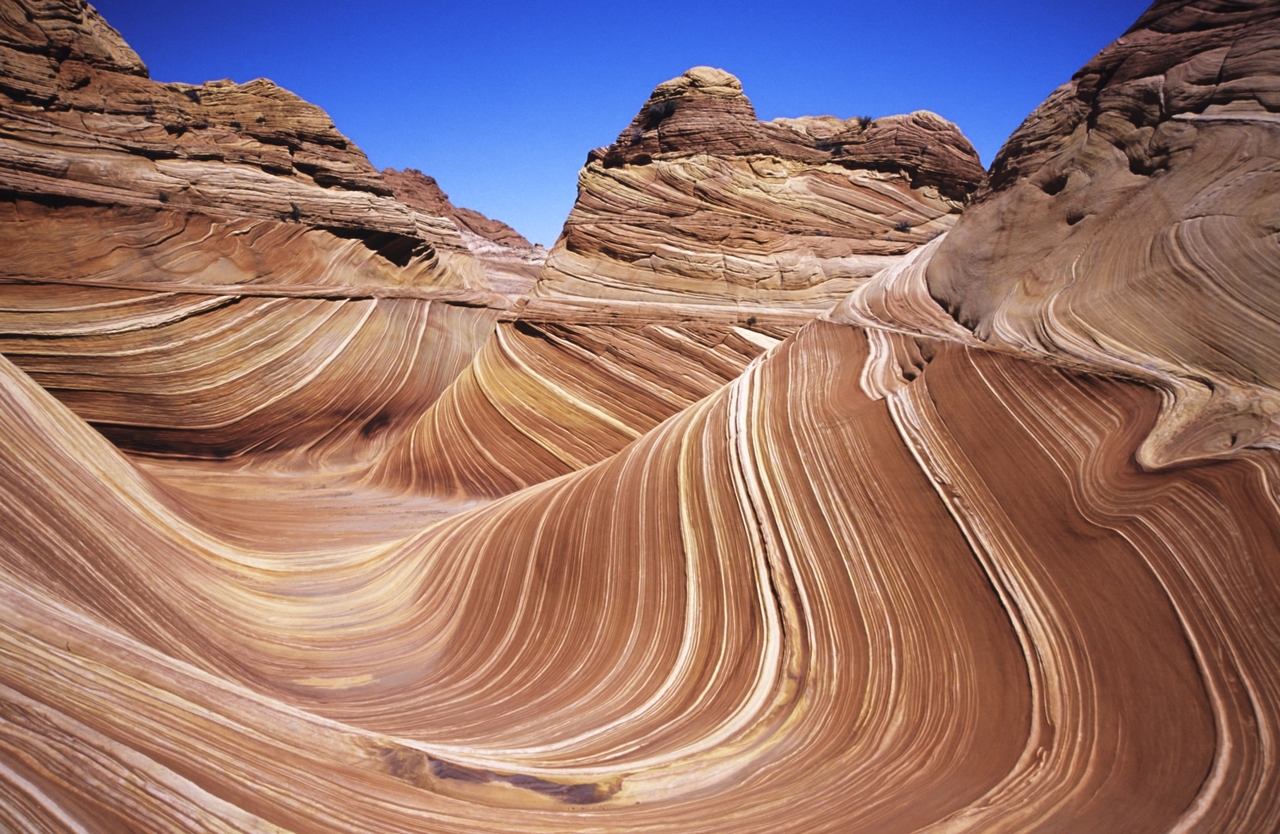
The Wave is a testament to time and water, carved in Navajo Sandstone near the Arizona-Utah border. Continuous layers of orange, red, and cream swirl into undulating ridges and bowls. Because geology and erosion don’t adhere to trails, only a handful of permits are issued each day for the five-mile hike through slickrock and desert scrub. Arriving at dawn often means solitude as the light exaggerates every curve. Walking across this rippled sandstone feels like stepping into a living watercolor painting shaped over 190 million years.
10. Hoodoo Forest of Goblin Valley State Park, Utah
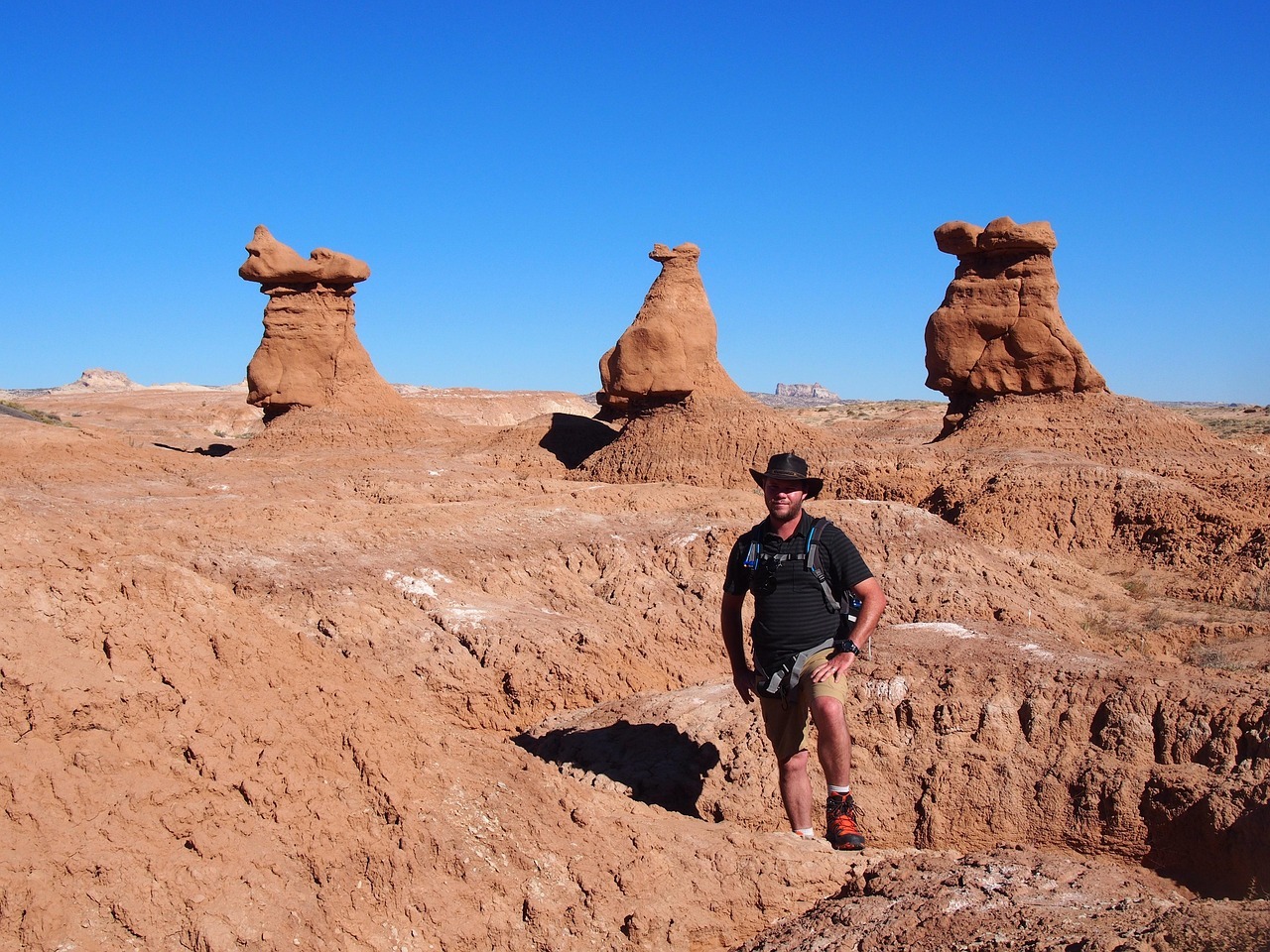
Goblin Valley’s otherworldly landscape is dotted with thousands of mushroom-shaped hoodoos known as “goblins.” These soft Entrada Sandstone formations eroded into squat pillars that look ready to walk away. The valley sits above a deep cave network, and wind and rain continue to sculpt the goblins year-round. Trails lead you through alcoves and fins, but the best experience is simply wandering off the path among the orange-brown clusters. As evening light softens, the goblins cast long shadows, turning the valley into a silent, surreal sculpture garden.
11. Chalk Castles of Monument Rocks, Kansas
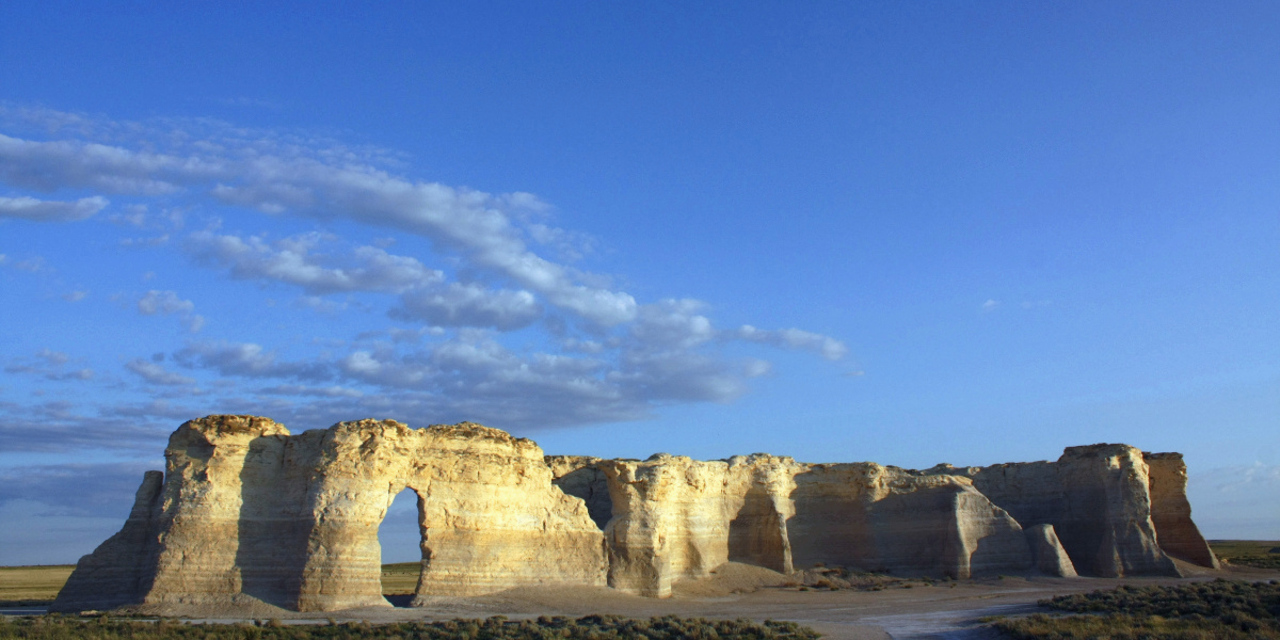
In western Kansas, 70-million-year-old Niobrara Chalk formations rise from the prairie like cathedral spires. Monument Rocks includes natural arches, domes, and buttresses carved from ancient seabed sediments. These chalk buttes stand up to 70 feet tall, housing fossils of mosasaurs and ancient fish embedded within. The remote location and lack of crowds let you explore each formation undisturbed. Sunrise and sunset light up the chalk in pastel hues, transforming the plains into a gallery of chalky cathedrals whispered into being by a prehistoric sea.
