11 In-Flight Habits That Make Travel Uncomfortable
Flying should be the easy part of a trip. But we all know that’s not always how it goes. Long lines. Tight seats. Packed cabins. One small habit can quickly turn a smooth flight into an uncomfortable experience for you and everyone around you. When you’re traveling as a couple, those little missteps feel even bigger. No one wants to start a getaway stressed, cramped, or annoyed before wheels even touch down.
We’ve logged plenty of flight hours planning romantic trips near and far. Along the way, we’ve noticed the same patterns repeat themselves in the air. Some habits seem harmless. Others are surprisingly disruptive. All of them can affect how comfortable, rested, and relaxed you feel when you arrive.
The good news is that most of these issues are easy to avoid once you know what to look for. A few small adjustments can make flying calmer, kinder, and far more comfortable, especially when you’re sharing the journey with someone you love.
Here are 11 in-flight habits that make travel uncomfortable, plus simple ways couples can fly better together and arrive ready to enjoy the trip ahead.

Reclining Without Checking Behind You
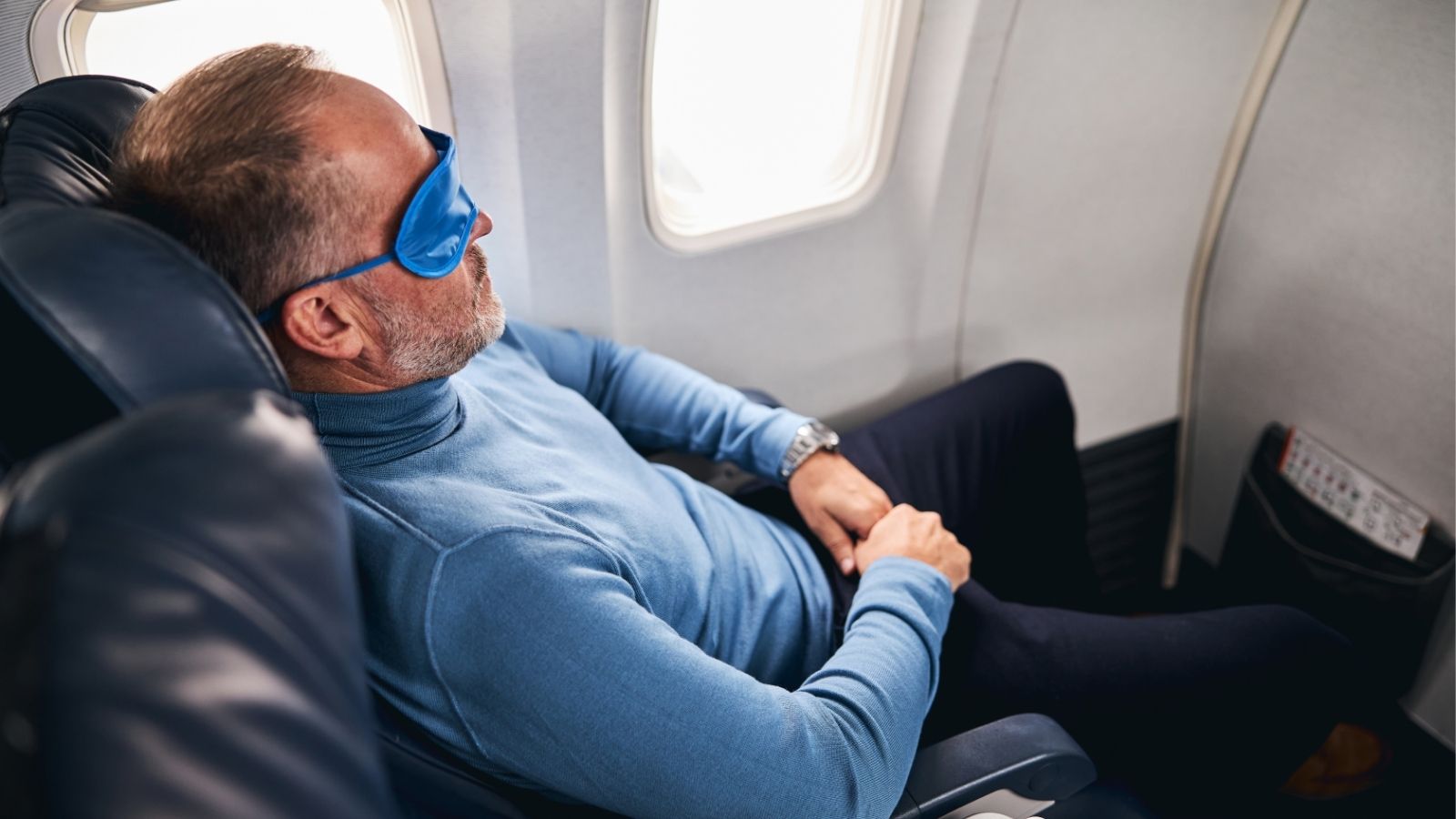
We see sudden seat reclining as one of the fastest ways to make a flight uncomfortable. Knees get pinned, tray tables jolt forward, and drinks can spill with no warning. In tight economy rows, even a few inches matter. A quick glance or brief pause gives the person behind you time to adjust and avoids unnecessary tension. Couples often notice this more because they are already trying to stay relaxed and comfortable together. Reclining is not wrong, but how you do it matters. Small awareness goes a long way in a shared space. Check first and recline slowly.
Using Both Armrests in a Shared Row
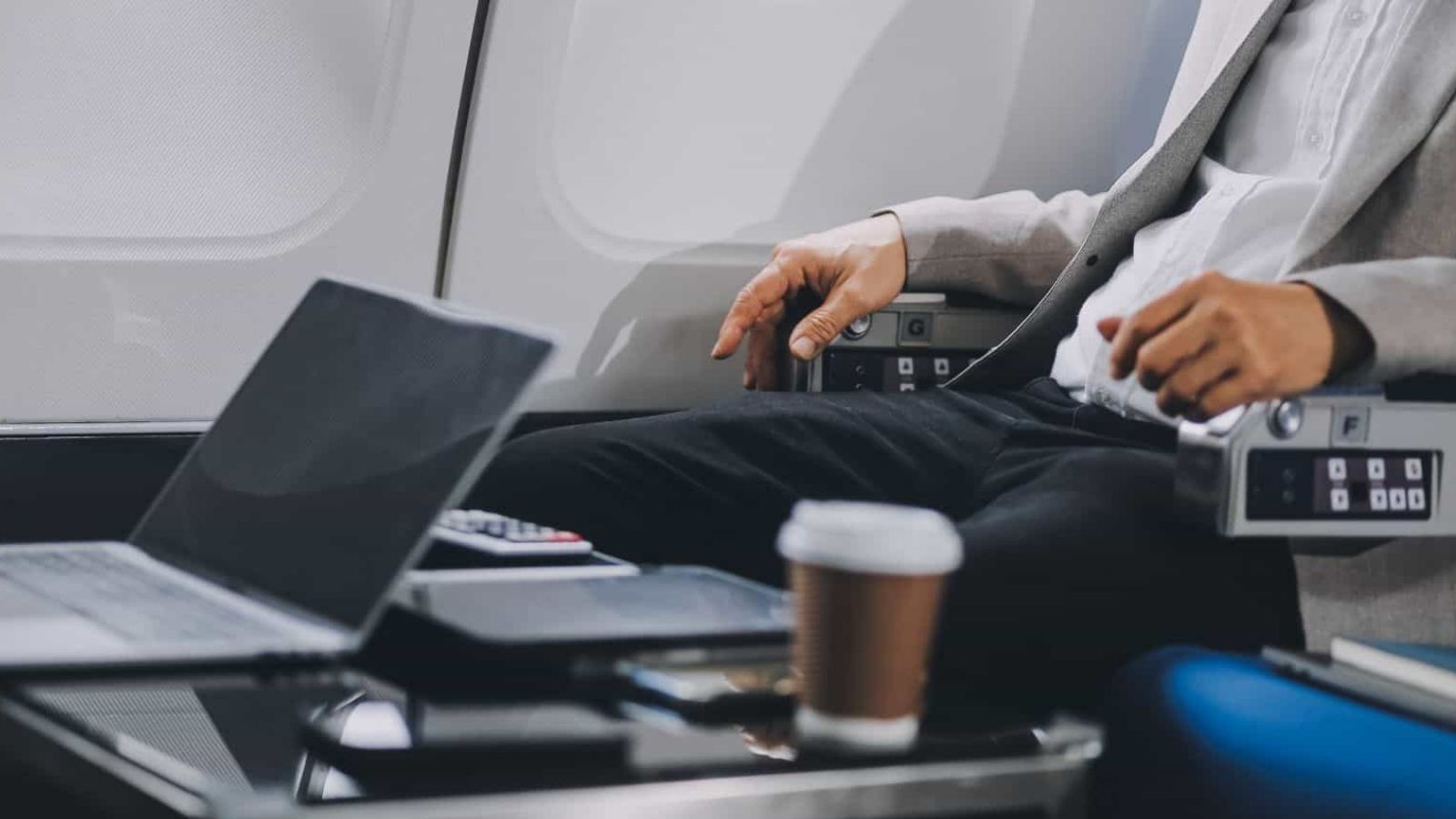
We find armrest etiquette becomes especially important on full flights. In middle rows, space is already limited, and using both armrests leaves the middle-seat passenger with nowhere to rest. This creates discomfort that lasts for hours, not minutes. Couples flying together often see this clearly because one person usually ends up boxed in. The general rule is simple and keeps things fair. Window seats get one armrest and the wall. Aisle seats get one armrest and aisle access. The middle seat gets both shared armrests.
Share armrests so everyone has space.
Constantly Getting Up Without a Clear Reason
We see frequent aisle trips disrupt more than people expect. Each time someone gets up, others have to move, stand, or wake up. This breaks rest, interrupts meals, and creates repeated friction in a small space. Planning ahead helps. Visit the restroom before boarding finishes. Keep essentials like chargers, snacks, and books within reach. Couples benefit from coordinating movement so only one person gets up when needed. Fewer interruptions make the cabin calmer and the flight feel shorter for everyone involved.
Settle in before the seatbelt sign stays on.
Playing Audio Without Headphones
We find open audio one of the quickest ways to break cabin comfort. Even low-volume videos or games travel farther than expected in a quiet plane. What sounds harmless to one person becomes background noise for dozens of others trying to rest. Headphones are not optional in shared airspace. Couples often appreciate this rule because it keeps the environment calmer and makes conversation easier when they want it. If headphones fail or run out of battery, it is better to pause entertainment altogether.
Always use headphones or mute audio.
Strong Perfume or Cologne

We see strong fragrance cause discomfort faster in the air than almost anywhere else. Cabins recycle air, and scent intensity increases at altitude. What feels subtle on the ground can trigger headaches, nausea, or breathing irritation once airborne. Fellow passengers cannot step away, which makes this habit especially disruptive. Couples planning comfortable travel should skip fragrance entirely on flight days. Clean, neutral scents are safest. This small choice protects both your comfort and everyone else’s experience nearby.
Avoid perfume or cologne before flying.
Spreading Into Shared Space
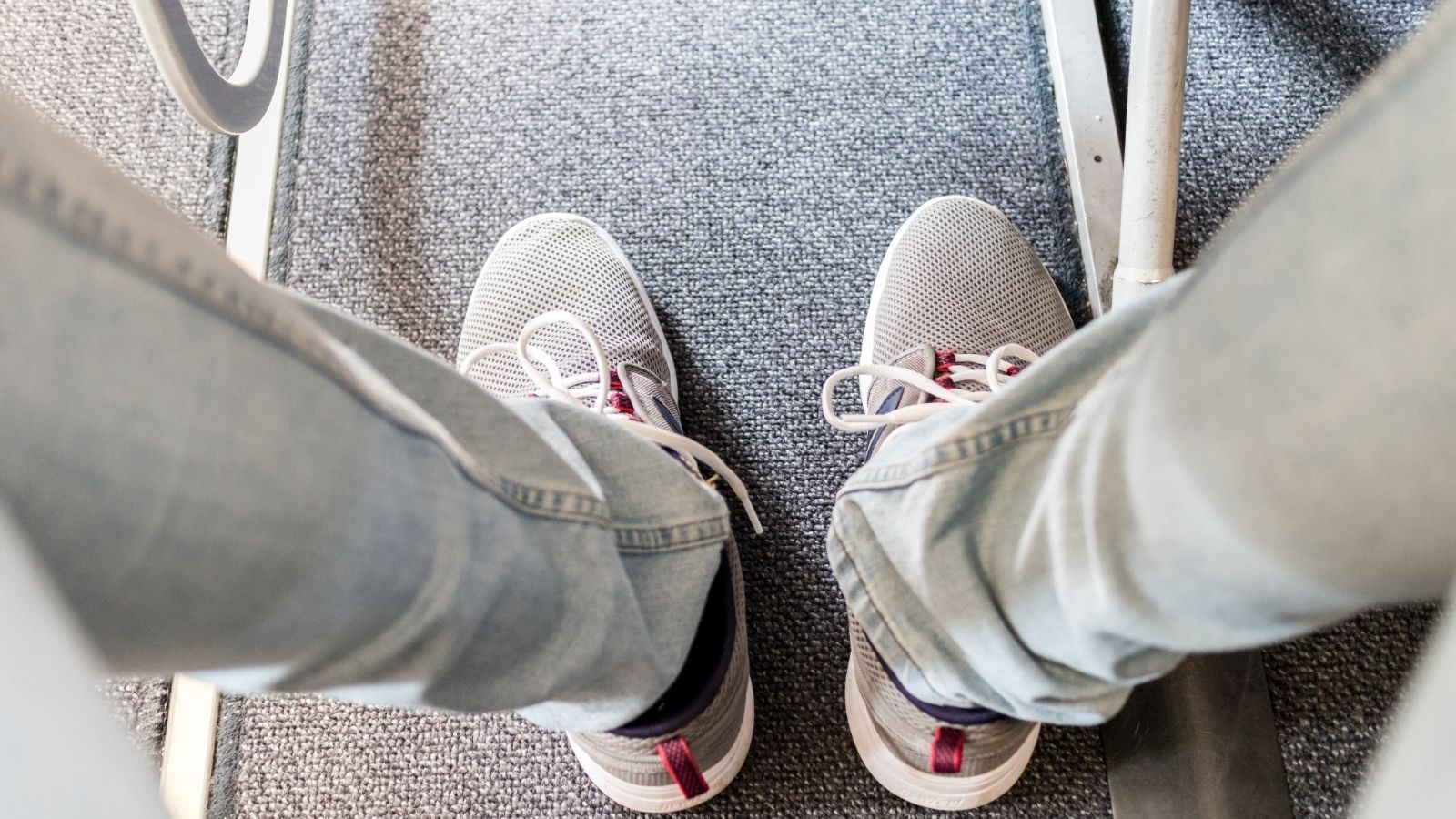
We see shared space disappear quickly when elbows, knees, or bags drift into neighboring seats. On a plane, even small movements add up over time. Leaning outward, stretching legs into aisles, or storing items at your feet can press into someone else’s limited room. Couples often notice this because one person may end up absorbing the spillover. Keeping your body and belongings contained helps everyone relax. Adjusting posture, storing items overhead, and staying aware prevent low-level discomfort from turning into frustration.
Keep your body and belongings within your seat area.
Ignoring Seatback Screen Etiquette
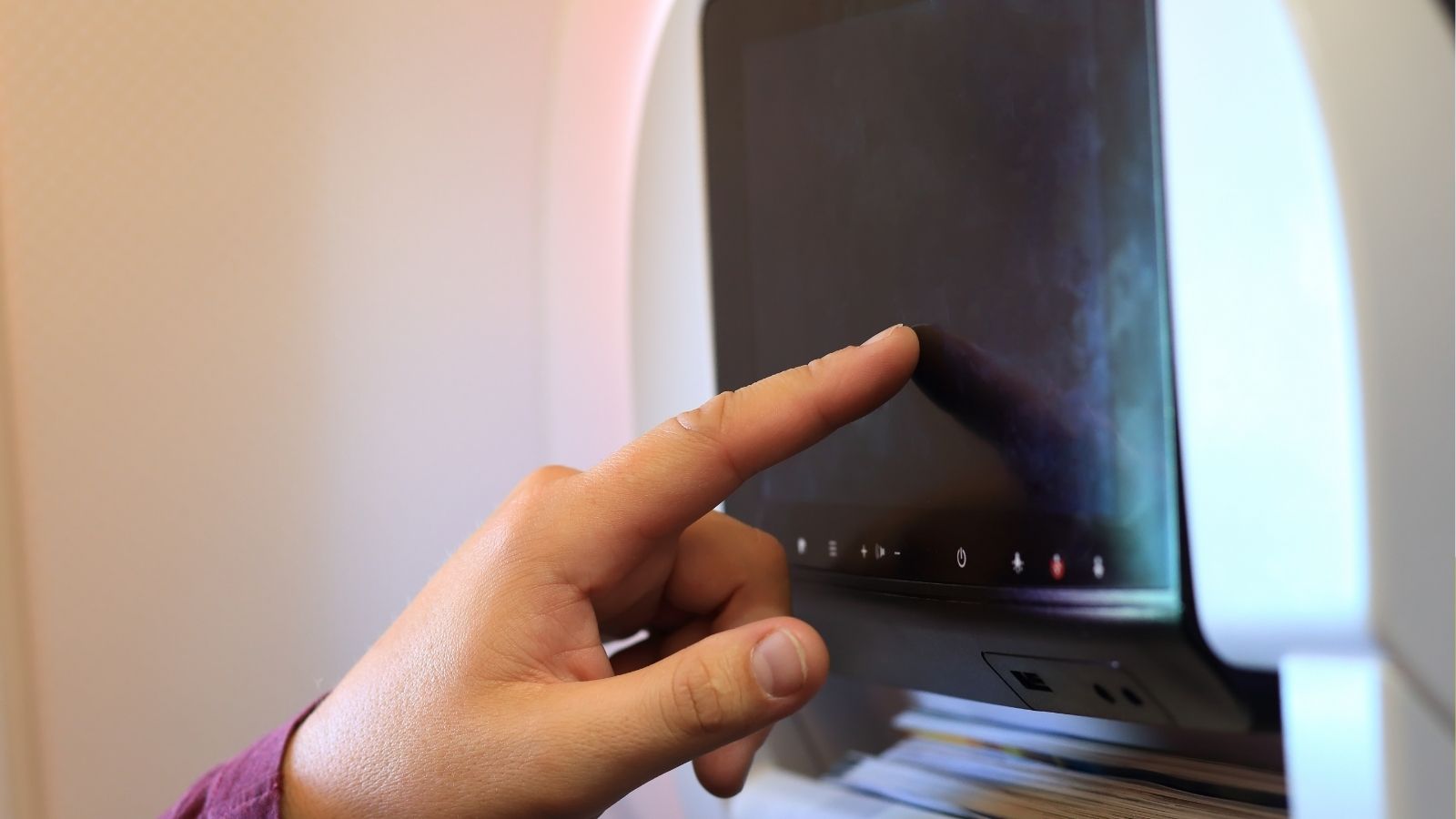
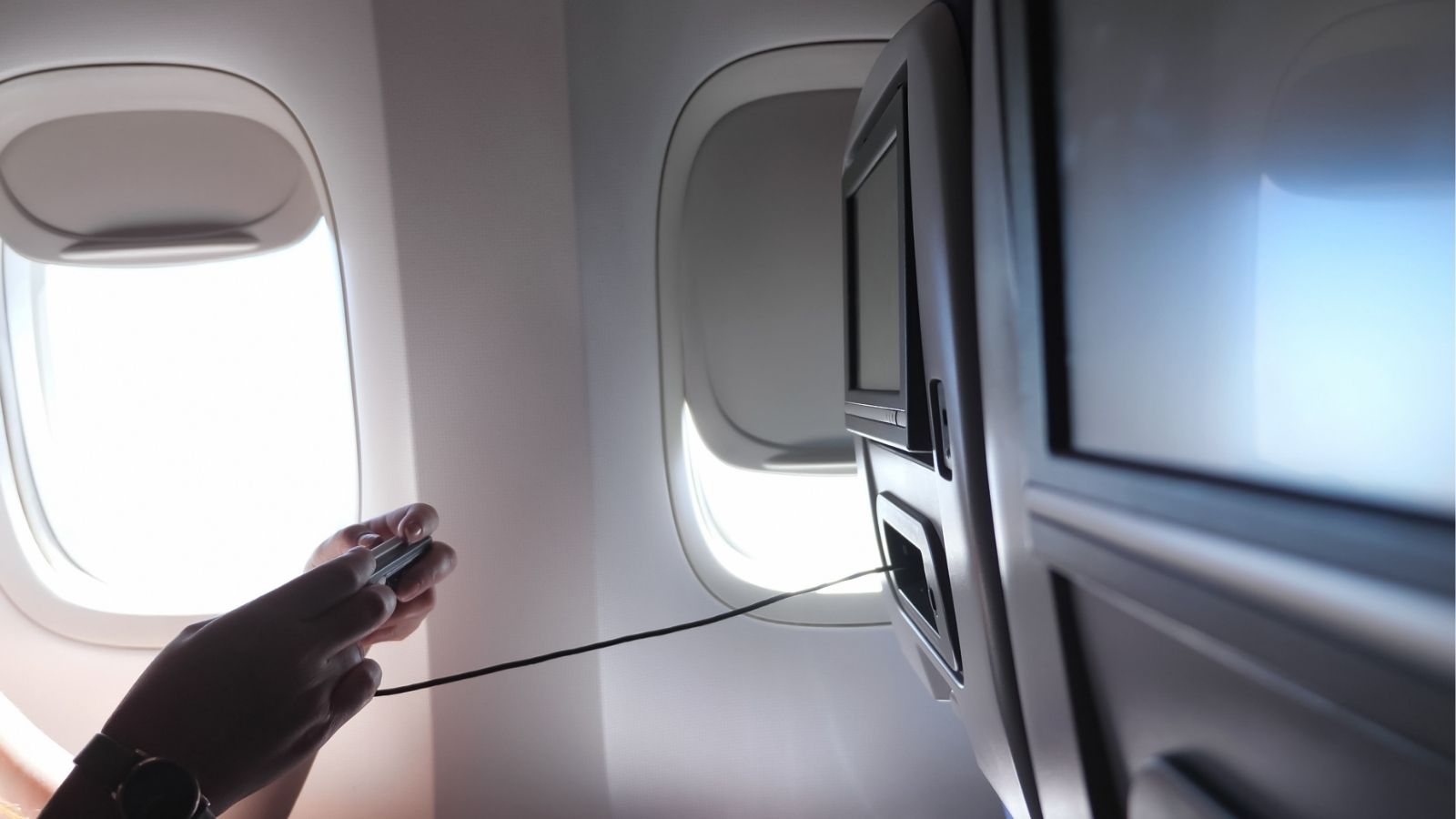
We find seatback screens become a problem when they are pulled, tapped, or leaned on aggressively. Every movement transfers directly to the seat in front. What feels minor to one person can feel constant and invasive to another. This often disrupts rest, reading, or meals. Couples tend to notice it more when trying to relax together. Using a light touch and steady movements keeps the cabin calmer. If a screen is unresponsive, ask a flight attendant rather than forcing it.
Use seatback screens gently and with awareness.
Lining Up Early for the Aisle After Landing
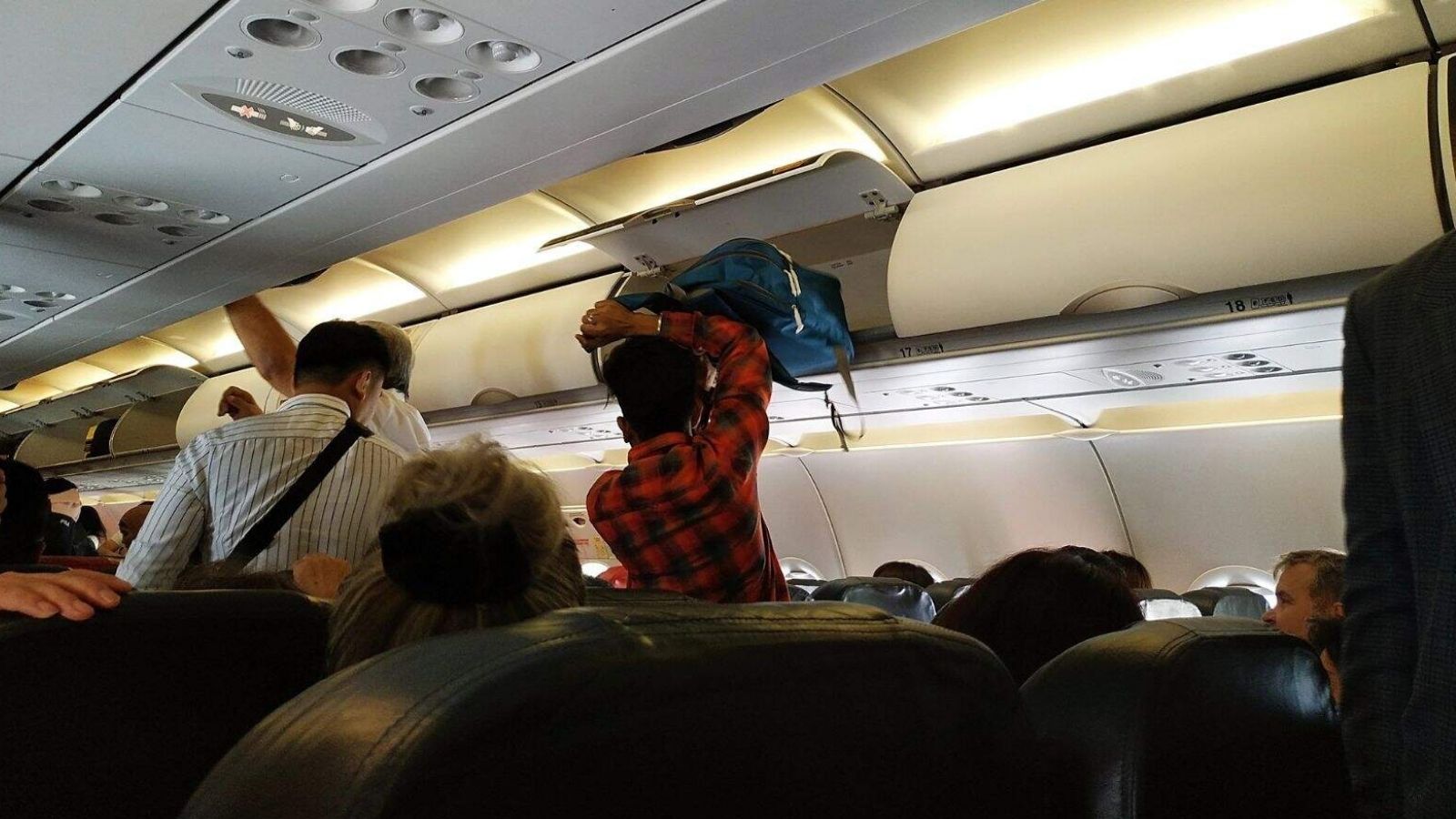
We see aisle crowding slow deplaning more than help it. Standing early blocks movement and compresses space, especially for passengers still seated. It also adds pressure without saving meaningful time. The process works best when rows exit in order. Couples traveling together benefit from staying seated until their row is called naturally. This keeps bags easier to reach and reduces stress in a tight cabin. Patience makes the final minutes smoother for everyone.
Stay seated until your row is ready to exit.
Overusing Overhead Bin Space
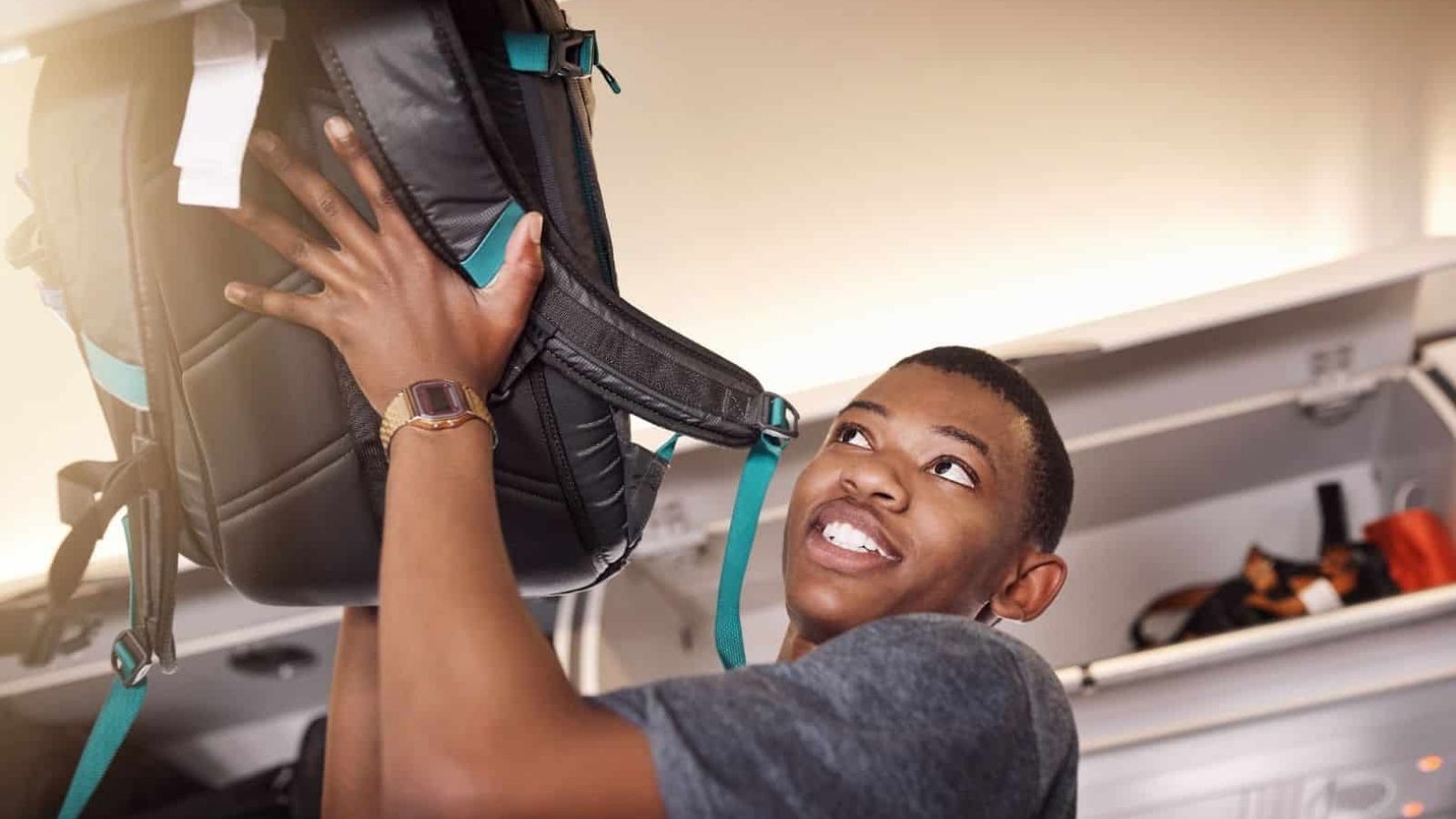
We find that overhead bin misuse causes boarding tension fast. Large bags placed sideways or multiple items from one passenger can block space others need. This leads to delays and last-minute bag checks. Planning ahead helps. Store only what fits overhead and keep smaller items under the seat. Couples can coordinate by sharing bin space when possible. Efficient use speeds boarding and keeps the cabin calmer from the start.
Use only the space you need.
Talking Loudly for the Entire Flight
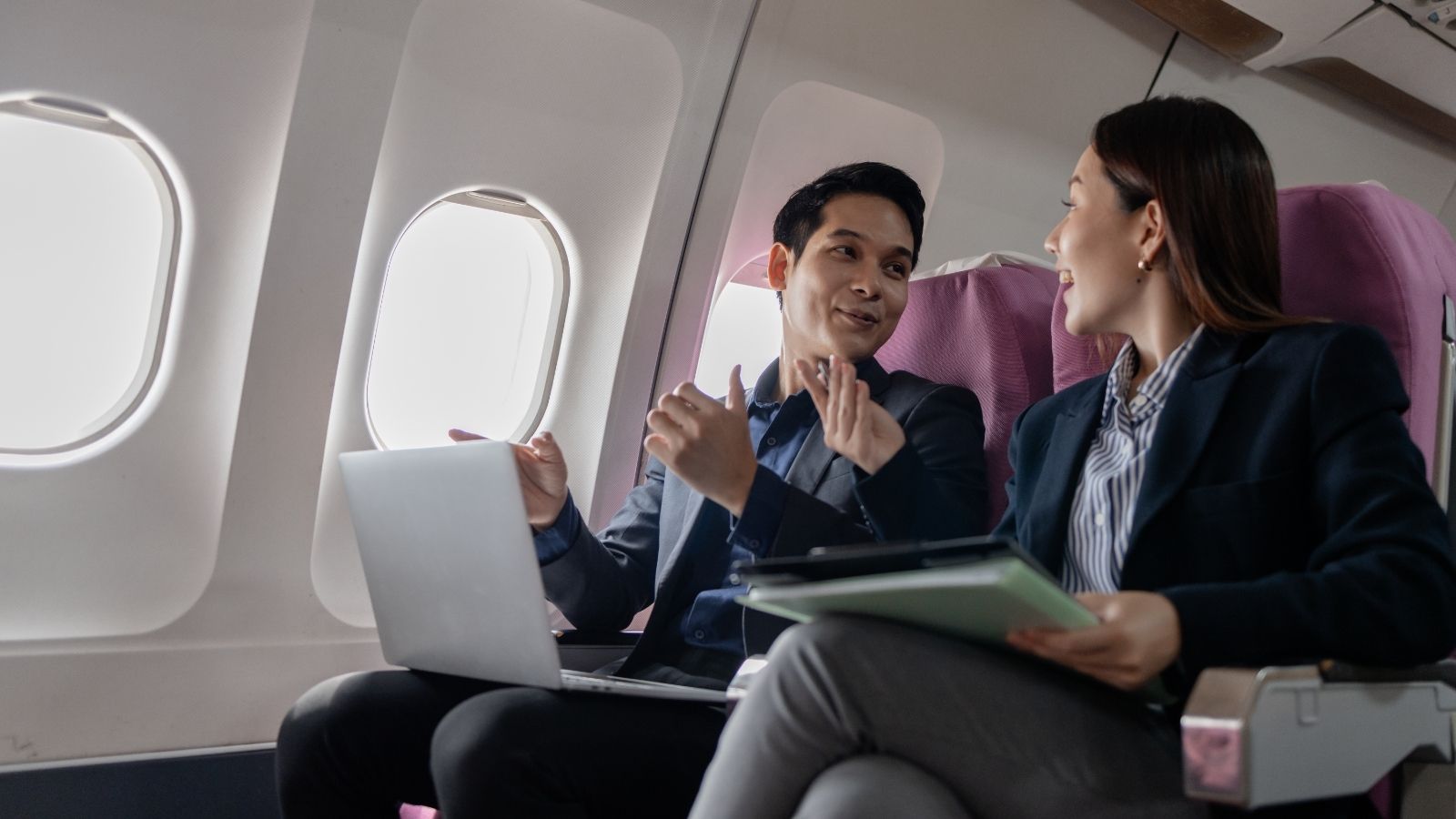
We see sustained loud conversation affects cabin comfort more than brief noise. Sound carries easily in enclosed spaces, making it hard for others to sleep, read, or focus. This is especially noticeable on early morning or late-night flights. Couples often want to talk, but volume control matters. Leaning in and speaking quietly keeps the conversation private and respectful. Lower voices help the flight feel calmer overall.
Keep conversations low and brief.
Removing Shoes Without Awareness
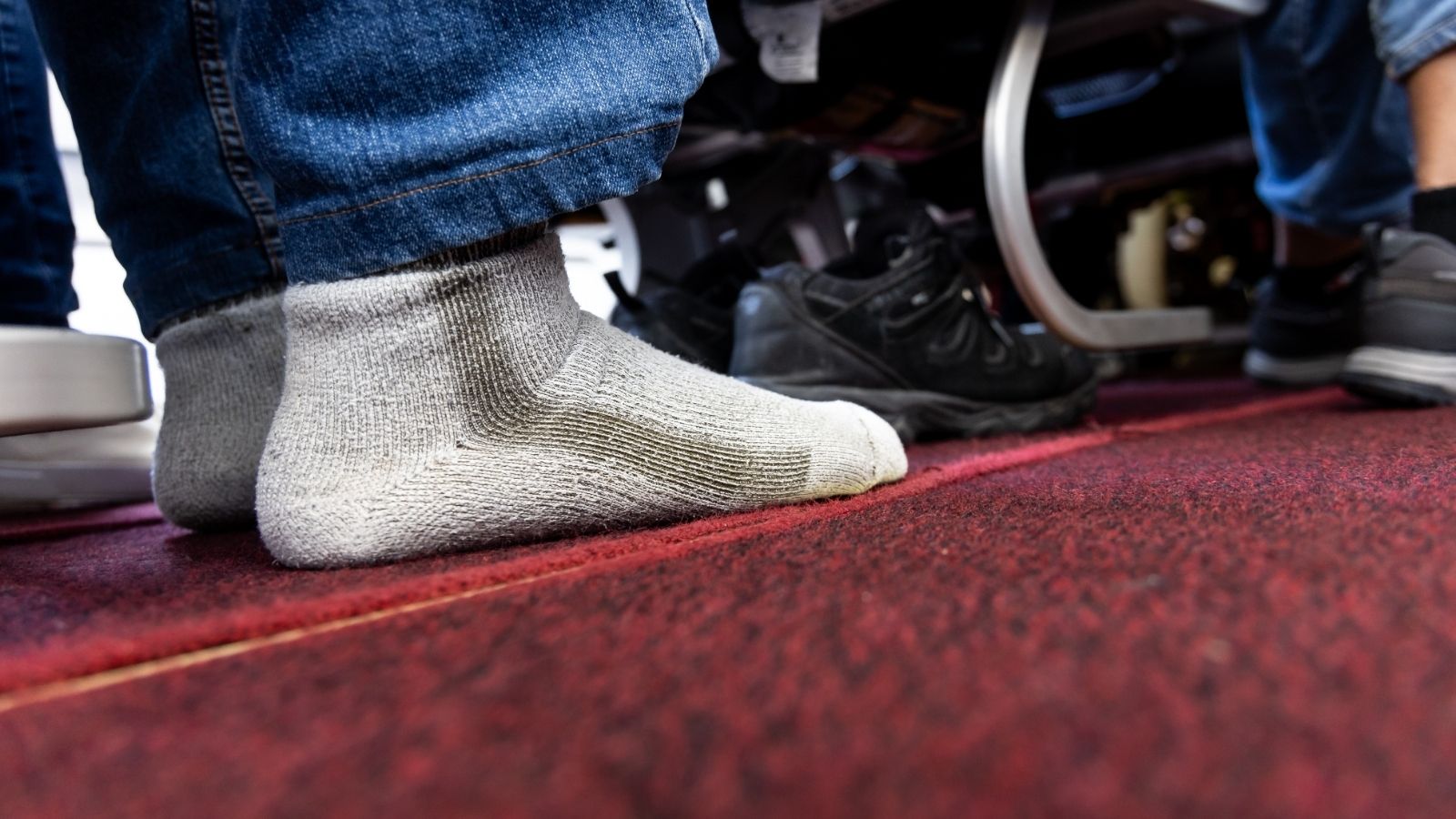
We find shoe removal becomes uncomfortable when cleanliness or odor is ignored. Cabins are enclosed, and smells linger. Bare feet can also feel intrusive in shared space. Comfort is reasonable, but awareness matters. Clean socks or travel slippers keep things respectful. Couples who plan ahead often pack lightweight footwear just for flights. This simple step balances comfort with courtesy.
Keep feet covered and clean.
9 Tourist Spots Americans Say They Wish They Skipped

Not every famous attraction lives up to the hype. While some tourist spots look impressive in photos, the real experience can feel crowded, overpriced, or simply underwhelming. We’ve heard from travelers across the U.S. who walked away wishing they had spent their time and money elsewhere. These are the places that often sound exciting on paper but fall short once you arrive. Long lines, limited access, inflated prices, and rushed experiences tend to leave couples feeling more frustrated than inspired. In some cases, the surrounding area lacks the charm or depth travelers expect. In others, the attraction itself feels disconnected from the destination around it.
Learn more here: 9 Tourist Spots Americans Say They Wish They Skipped
10 Least-Visited Countries That Might Be the Trip of Your Life

Tired of fighting crowds at the Eiffel Tower or elbowing through Santorini’s sunset chaos? We get it. Sometimes the world’s most famous destinations feel more exhausting than enchanting. Here’s the thing: some of the most extraordinary places on Earth are the ones almost nobody visits. We’re talking about countries where you’ll have ancient ruins practically to yourself, where locals are genuinely thrilled to meet you, and where your travel stories will actually be original.
Learn more here: 10 Least-Visited Countries That Might Be the Trip of Your Life
