11 Places Where Driving Rules Surprise American Travelers
Driving abroad often feels familiar at first. The road signs look recognizable. The rental car feels routine. For many American couples, that sense of familiarity fades quickly once local rules come into play.
Driving laws vary more than people expect. Speed limits may be enforced differently. Right of way rules can change by region. Some countries rely heavily on cameras rather than traffic stops, while others issue fines long after a trip has ended. What feels like a minor mistake at home can carry real consequences elsewhere.
These surprises tend to surface once travelers are already on the road. Confusing signage, unexpected toll systems, and rules that assume local knowledge can turn simple drives into stressful experiences. For couples sharing navigation and decision making, that stress can affect the tone of an entire day.
We have identified 11 places where driving rules surprise American travelers. These are destinations where understanding local laws ahead of time makes driving safer, calmer, and more predictable, helping couples decide when renting a car makes sense and when other transportation options may be the better choice.
United Kingdom
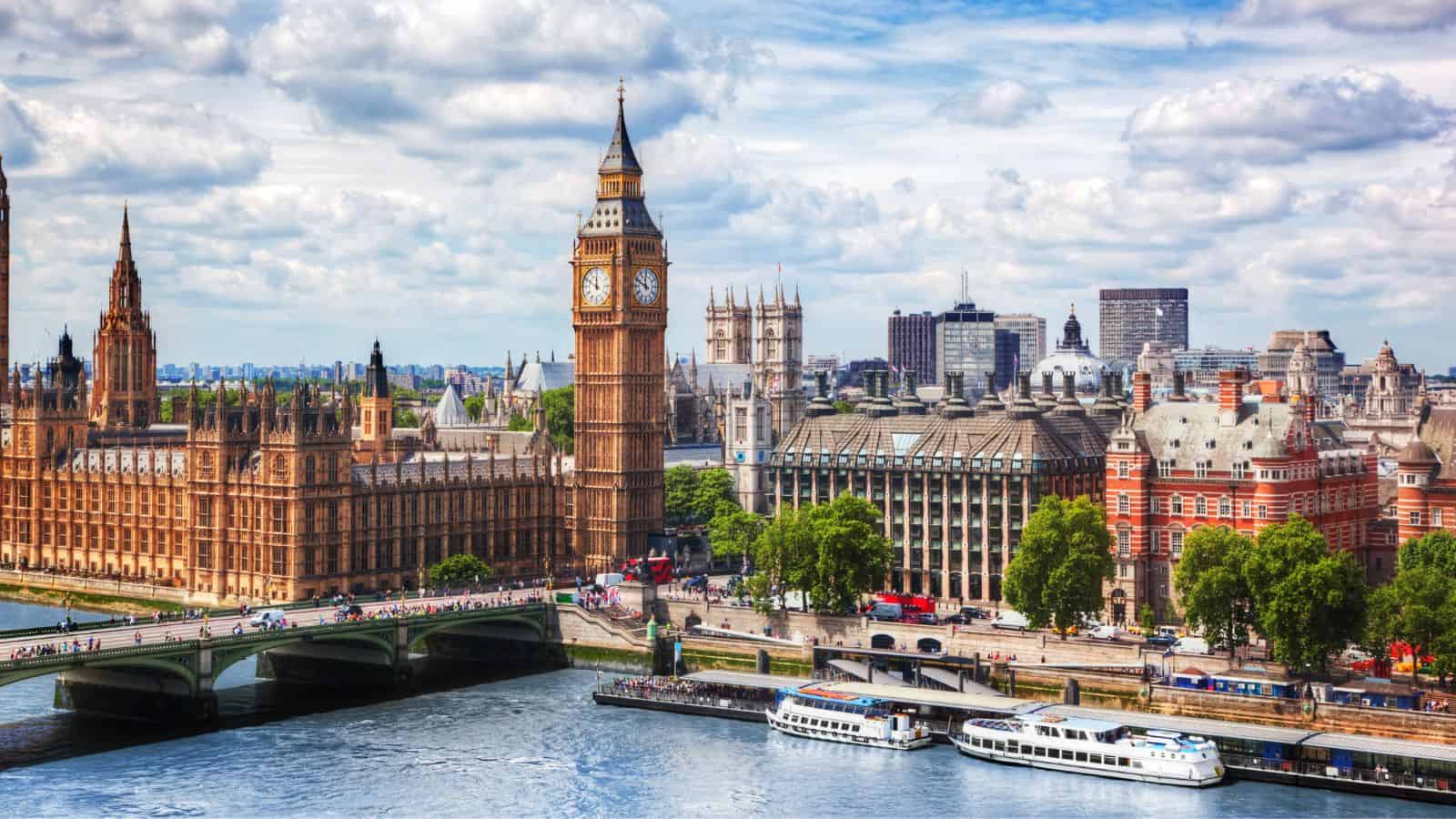
Driving in the United Kingdom requires adjusting to the left side of the road, but that is only part of the challenge. Roundabouts are everywhere, lane markings can be subtle, and right turns often cross oncoming traffic in ways that feel counterintuitive to Americans. Speed cameras are widespread and enforce limits automatically, including average-speed zones. Rural roads are narrow and bordered by stone walls or hedges, leaving little room for error.
Takeaway: UK driving is easiest when travelers stay alert on roundabouts and assume speed limits are enforced even without visible police.
Japan
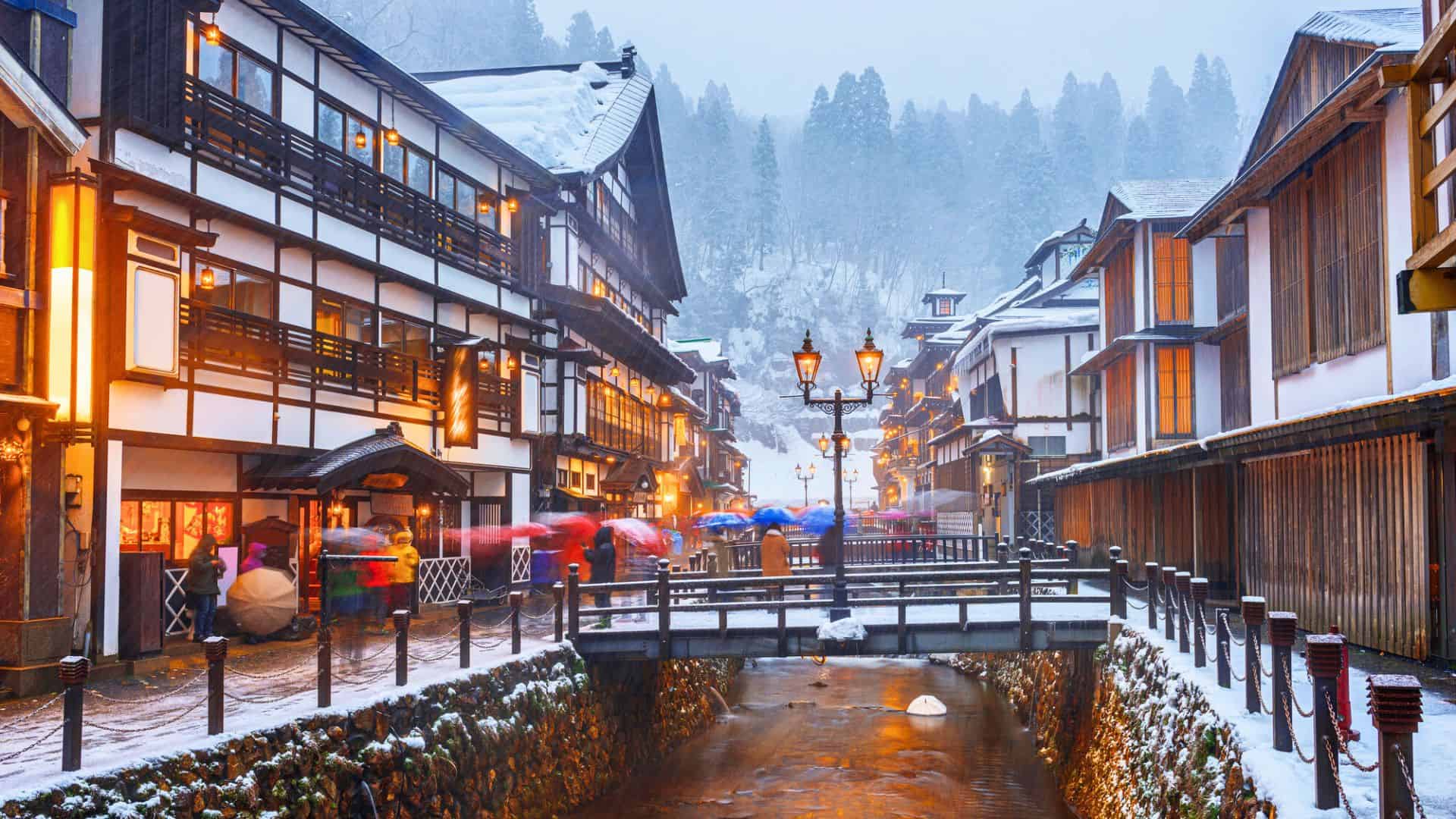
Japan also drives on the left, but the bigger surprise is how rule-driven the system is. Speed limits are low, signage is frequent, and violations are taken seriously. Urban driving includes tight streets, frequent stop requirements, and strict parking enforcement. Toll roads are common, and navigation relies heavily on understanding local signage rather than road size.
Takeaway: Japan driving works best when travelers follow posted rules precisely and do not rely on instinct or road flow.
Italy

Italy surprises drivers with restricted traffic zones known as ZTLs. These areas are monitored by cameras, and entering without authorization results in fines mailed weeks later. Signage can be easy to miss, especially in historic centers. Driving styles also vary widely, with assertive merging and tight spacing common.
Takeaway: Italy driving is smoother when travelers avoid city centers entirely and confirm ZTL boundaries before starting the engine.
Germany

Germany’s Autobahn is famous for sections without posted speed limits, which can mislead visitors. Not all stretches are unrestricted, and speed changes quickly. Lane discipline is strict, with the left lane reserved only for passing. Speed cameras operate even on high-speed roads, and fines apply for improper lane use.
Takeaway: Germany driving feels predictable when travelers respect lane rules and watch closely for changing speed limits.
France

France surprises travelers with “priority to the right” rules, especially in smaller towns. Vehicles entering from the right may have legal right-of-way even without signs. Automated speed enforcement is widespread, and speed limits change with weather conditions. Roundabouts operate differently than in the U.S., with entering traffic yielding.
Takeaway: France driving is easier when travelers slow down in towns and never assume right-of-way without signage.
Ireland

Ireland drives on the left, but the bigger surprise is road width and design. Rural roads are often one lane in each direction with no shoulder, bordered by hedges or stone walls. Speed limits may look high for the conditions, and local drivers move confidently through tight spaces. Roundabouts are common, and hesitation can disrupt traffic flow.
Takeaway: Ireland driving is safest when travelers slow down on rural roads and let confident local drivers set the pace.
Thailand

Thailand’s road rules surprise travelers because enforcement and traffic behavior do not always align. Motorbikes dominate city streets, lane markings are often treated as flexible, and right-of-way norms differ from U.S. expectations. Helmets, turn signals, and lane discipline are inconsistent, especially outside major cities.
Takeaway: Thailand driving works best for experienced drivers who stay defensive and avoid assuming predictable traffic behavior.
Australia

Australia drives on the left, but surprises come from strict enforcement and heavy penalties. Speed limits are enforced aggressively with cameras, and fines can be significant. Mobile phone use, even at stoplights, is prohibited. Roundabouts are frequent, and lane discipline is closely monitored.
Takeaway: Australia driving is smoother when travelers treat speed limits as firm caps and follow enforcement rules exactly.
Spain

Spain enforces speed limits with extensive camera systems, including mobile units. Speed limits change frequently, especially near towns and construction zones. Roundabouts give priority to traffic already inside, which can confuse drivers used to different rules.
Takeaway: Spain driving is easier when travelers watch speed changes closely and expect enforcement even on quiet roads.
Iceland
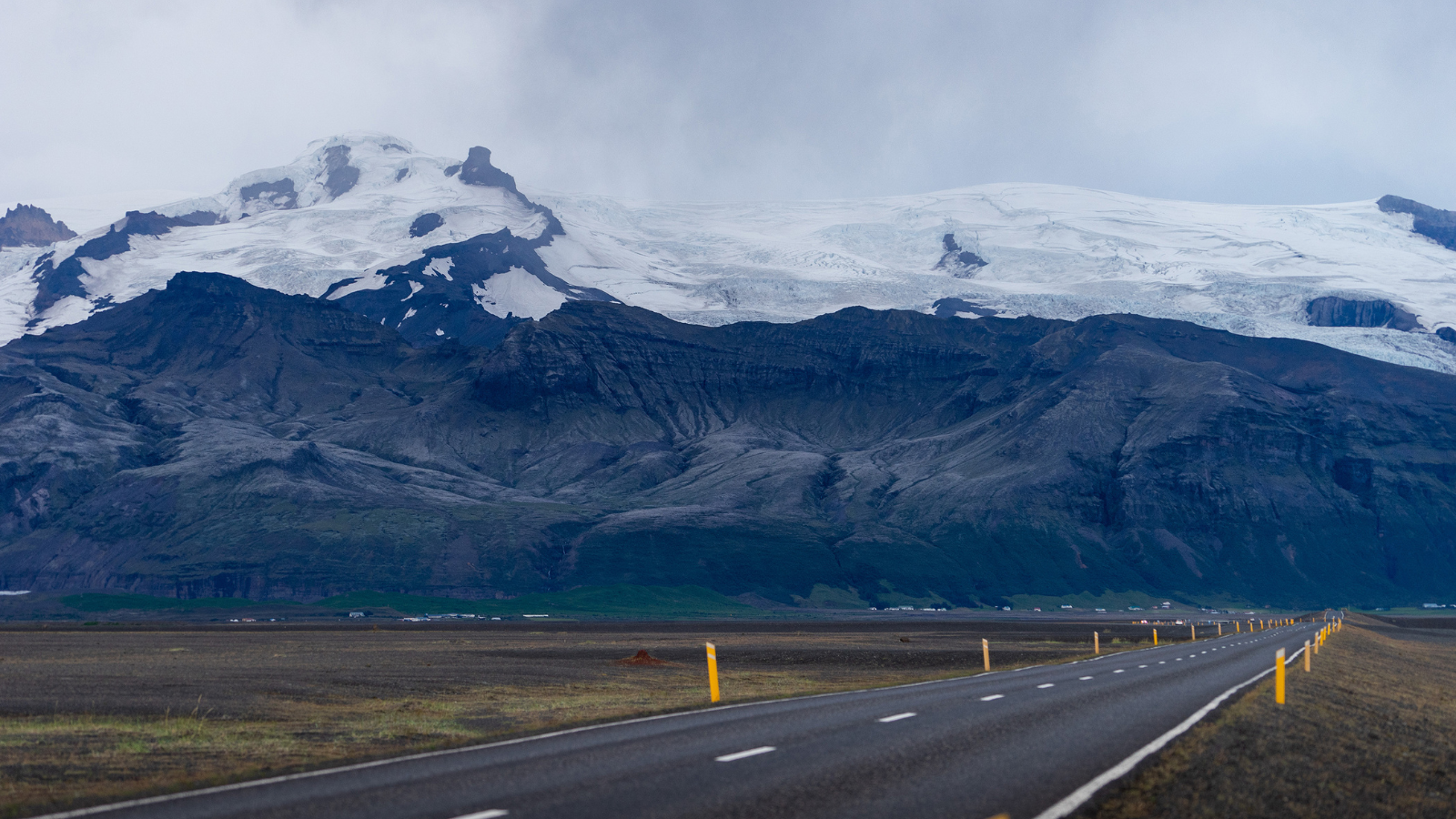
Iceland surprises drivers with road surface changes rather than traffic volume. Gravel roads are common, even on major routes, and require slower speeds. Off-road driving is illegal and heavily fined. Single-lane bridges require yielding to oncoming traffic based on arrival order.
Takeaway: Iceland driving is safest when travelers respect surface changes and never assume paved roads continue uninterrupted.
New Zealand

New Zealand combines left-side driving with narrow roads, sharp curves, and frequent one-lane bridges. Rural highways can feel remote, and speed limits may not reflect road difficulty. Fatigue is a major risk for visitors unused to long, winding drives.
Takeaway: New Zealand driving works best when travelers plan shorter driving days and slow down on rural routes.
9 Tourist Spots Americans Say They Wish They Skipped

Not every famous attraction lives up to the hype. While some tourist spots look impressive in photos, the real experience can feel crowded, overpriced, or simply underwhelming. We’ve heard from travelers across the U.S. who walked away wishing they had spent their time and money elsewhere. These are the places that often sound exciting on paper but fall short once you arrive. Long lines, limited access, inflated prices, and rushed experiences tend to leave couples feeling more frustrated than inspired. In some cases, the surrounding area lacks the charm or depth travelers expect. In others, the attraction itself feels disconnected from the destination around it.
Learn more here: 9 Tourist Spots Americans Say They Wish They Skipped
10 Least-Visited Countries That Might Be the Trip of Your Life

Tired of fighting crowds at the Eiffel Tower or elbowing through Santorini’s sunset chaos? We get it. Sometimes the world’s most famous destinations feel more exhausting than enchanting. Here’s the thing: some of the most extraordinary places on Earth are the ones almost nobody visits. We’re talking about countries where you’ll have ancient ruins practically to yourself, where locals are genuinely thrilled to meet you, and where your travel stories will actually be original.
Learn more here: 10 Least-Visited Countries That Might Be the Trip of Your Life
