11 Surprising Things That Get You Pulled for Additional Screening
Airport security is meant to keep everyone safe. But sometimes, getting pulled aside for additional screening feels completely unexpected. A simple mistake or overlooked detail can quickly slow down your travel day.
We help couples travel smarter and with less stress. Knowing what can trigger extra screening saves time and frustration, especially when you are trying to stay relaxed and on schedule. Many of these triggers are not obvious and catch travelers off guard every day.
From what you pack to how you move through security, small choices can make a big difference. Avoiding delays helps you start your trip calm and collected instead of rushed and flustered.
Here are 11 surprising things that get you pulled for additional screening, so you can pass through security with confidence and focus on enjoying the journey together.
Wearing Oversized or Layered Clothing

We see oversized jackets, hoodies, scarves, and layered outfits trigger additional screening more often than travelers expect. Bulky clothing can obscure body outlines in scanners, which leads to manual checks or extra questioning. Removing layers at security takes time and can feel disruptive when lines are moving quickly. Couples often notice delays when one person needs extra screening while the other waits. Wearing simple, streamlined clothing makes screening faster and less stressful. Layers are fine, but choosing ones that are easy to remove helps avoid unnecessary attention.
Why it happens: Bulky clothing interferes with scanner clarity.
Carrying Large Amounts of Cash

We find carrying noticeable amounts of cash can prompt additional questions or screening. While it is not illegal, large sums raise flags because they are harder to trace than electronic payments. Security agents may ask about the source or purpose of the cash. Couples traveling together may feel singled out when one bag is pulled aside. Using cards when possible and splitting small amounts of cash between wallets reduces scrutiny.
Why it happens: Cash transactions draw closer review for security reasons.
Packing Dense or Unusual Items

We see dense items like books, food blocks, souvenirs, or heavy toiletries confuse X-ray scans. These objects can block views of what lies beneath them, prompting manual bag checks. Travelers often get pulled aside simply because scanners cannot clearly identify shapes. Couples may experience delays when one bag needs full inspection. Spreading dense items out or placing them on top of bags helps reduce confusion.
Why it happens: Dense objects block clear imaging on scanners.
Having Electronics Packed Incorrectly

We find laptops, tablets, and larger electronics buried under clothing often trigger secondary screening. Many checkpoints require electronics to be placed in separate bins, and packing them deep in bags slows the process. Agents may pull bags aside to verify items manually. Couples benefit when both travelers pack electronics for easy access. Preparing bags before reaching security keeps screening moving smoothly.
Why it happens: Electronics interfere with scans when not properly separated.
Traveling With Medical Equipment
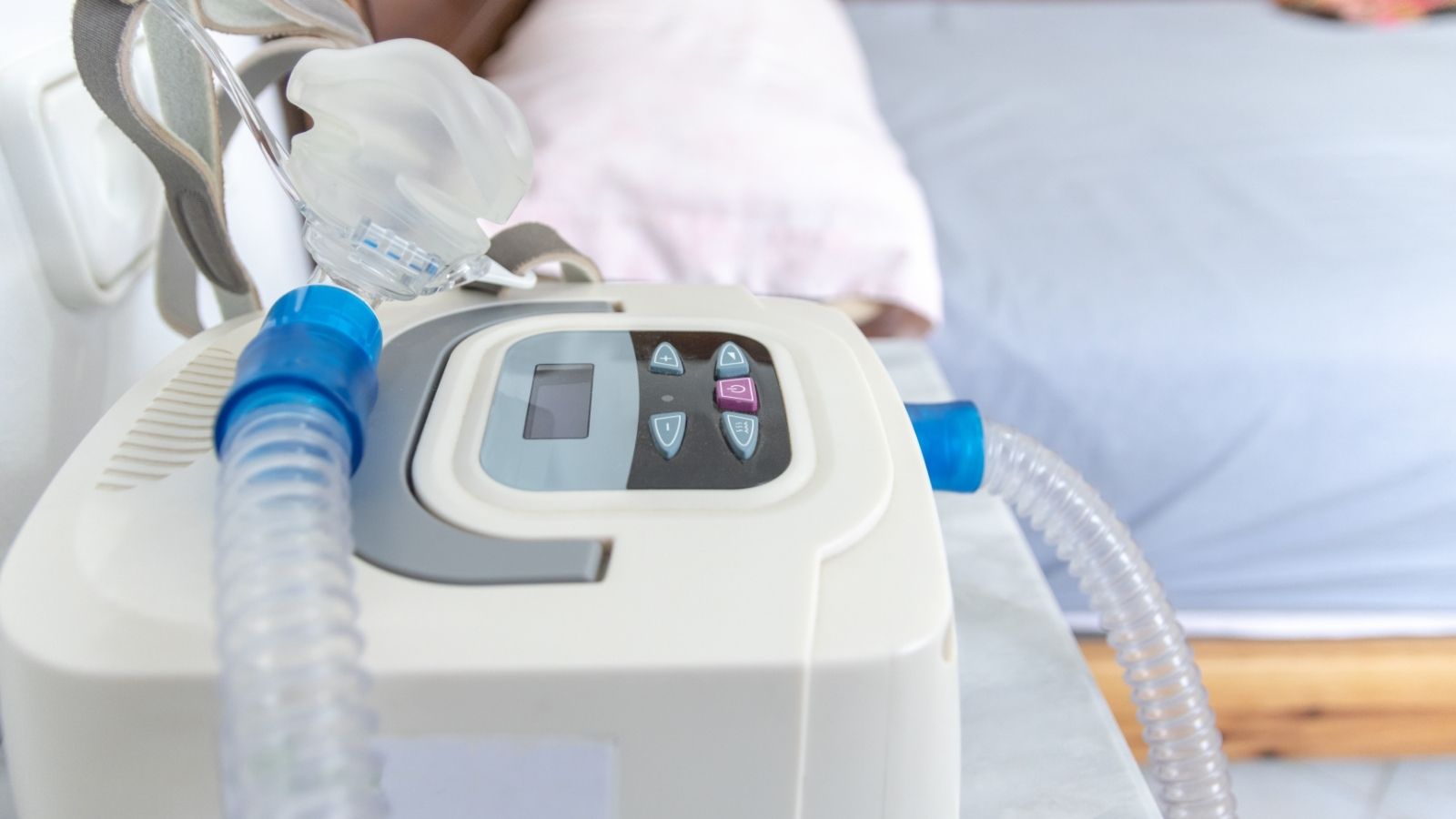
We see medical devices like CPAP machines, insulin pumps, braces, or mobility aids require additional inspection. This is standard procedure, not suspicion. Equipment may need to be swabbed or visually checked, which adds time. Couples traveling with medical needs often experience longer screening but are not doing anything wrong. Informing agents early and allowing extra time helps reduce stress.
Why it happens: Medical equipment must be screened separately for safety.
Using a One-Way or Last-Minute Ticket

We find one-way or very last-minute tickets often trigger extra screening, especially on certain routes. These bookings can resemble travel patterns associated with higher-risk profiles, even when the reason is simple. Security staff may ask additional questions to confirm travel plans. Couples sometimes feel caught off guard when one person is pulled aside due to how the ticket was booked. Booking round-trip tickets when possible and carrying clear travel details helps reduce scrutiny.
Why it happens: Certain booking patterns receive closer review.
Wearing Metal Accessories or Jewelry

We see belts, jewelry, watches, and even some hair accessories set off detectors more often than travelers expect. This leads to rescans, wand checks, or pat-downs. Removing metal items in advance keeps screening smoother. Couples benefit when both travelers prepare equally instead of waiting while one is rechecked.
Why it happens: Metal interferes with detection systems.
Traveling With Powders or Liquids Near Limits
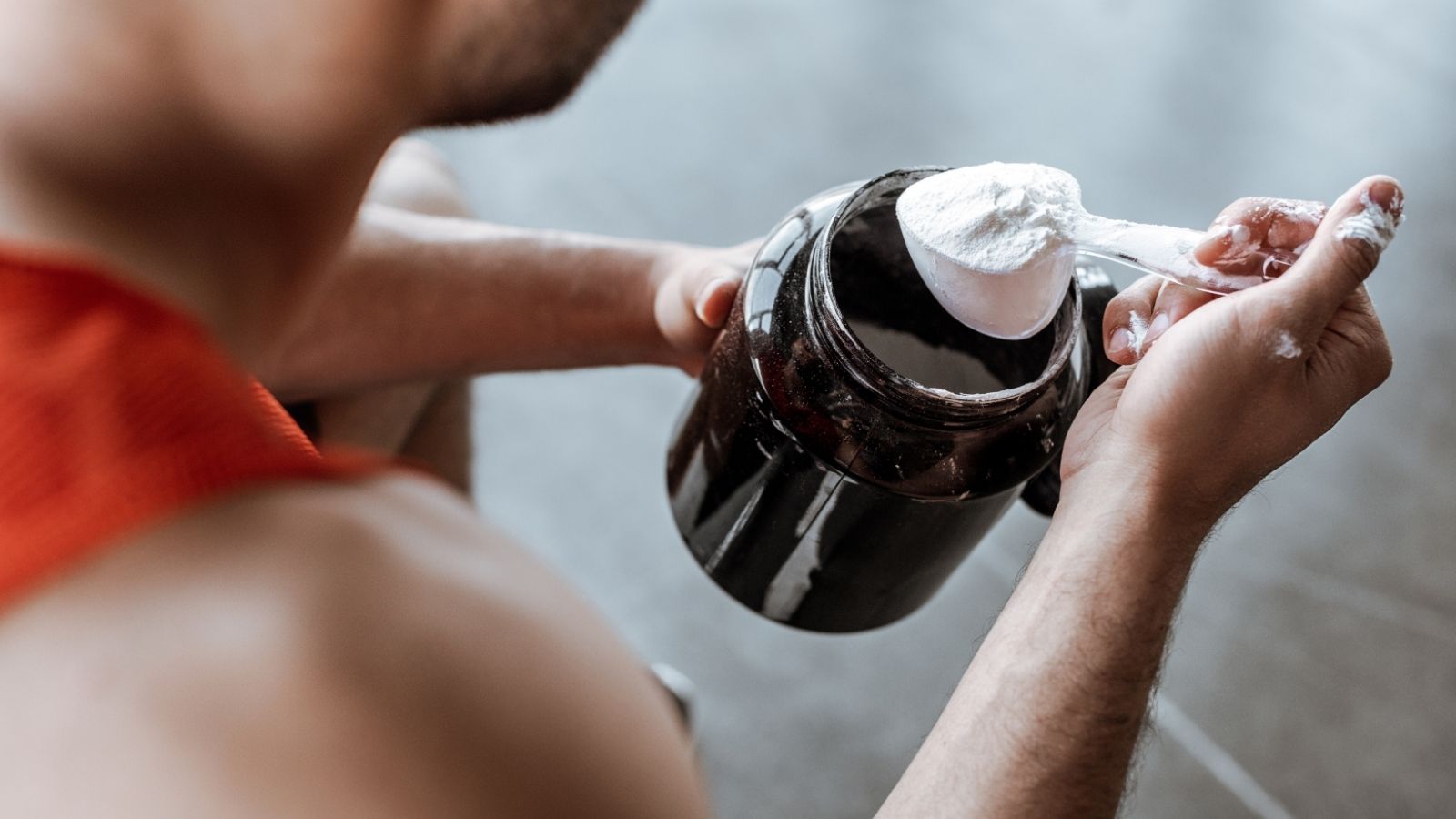
We find powders like protein supplements, cosmetics, or large liquid containers often require additional inspection. Items near allowed limits raise questions about contents and safety. Security may swab containers or open bags for closer review. Couples packing shared toiletries sometimes experience delays if quantities are unclear.
Why it happens: Powders and liquids need verification for safety.
Name Similarities to Watchlist Entries
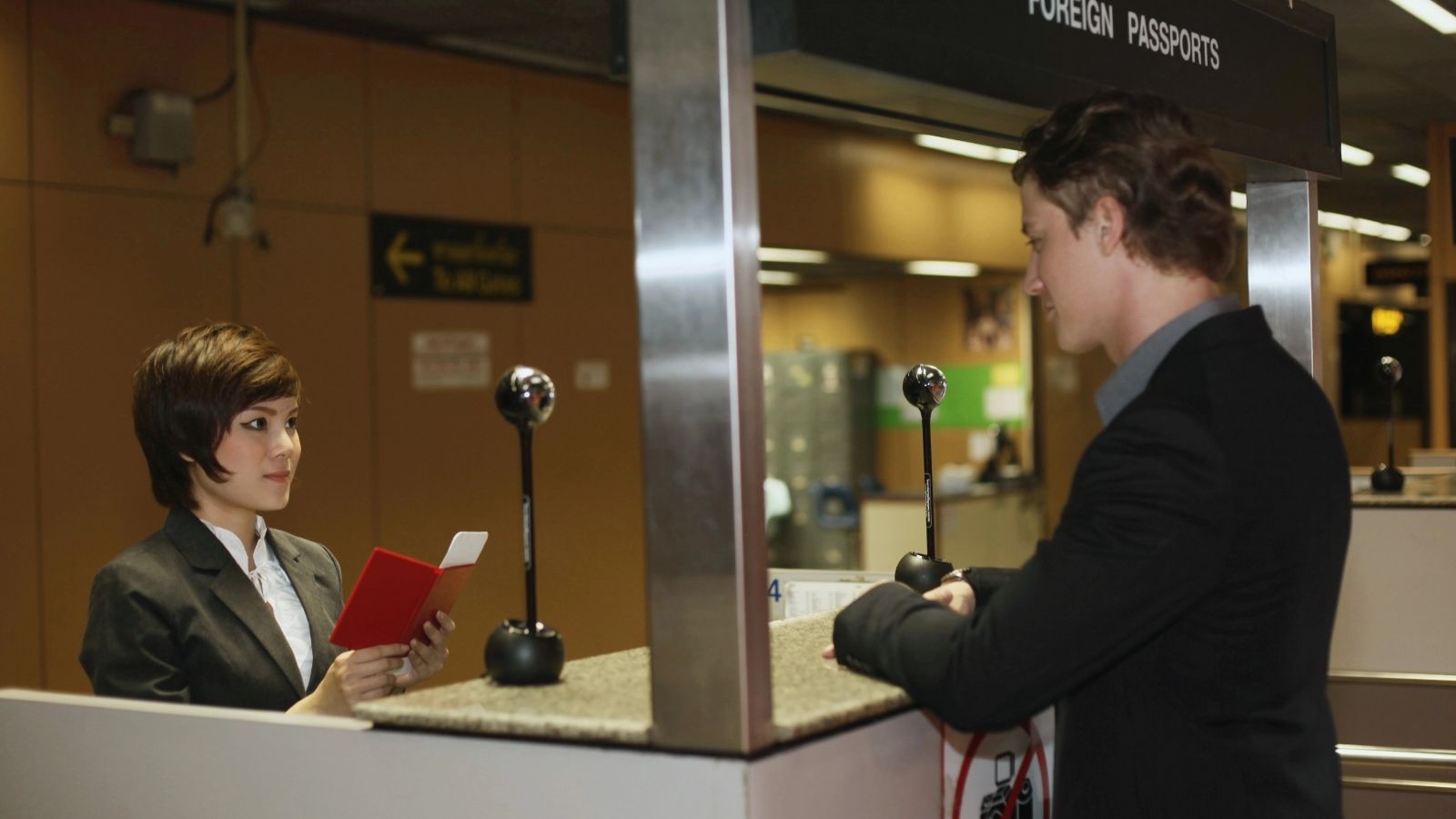
We see travelers pulled aside simply because their name matches or resembles one on a security list. This has nothing to do with behavior or intent. Extra checks may happen repeatedly for the same traveler. Couples often feel confused when this happens without explanation. Allowing extra time helps manage the inconvenience.
Why it happens: Automated systems flag similar names.
Frequent International Travel
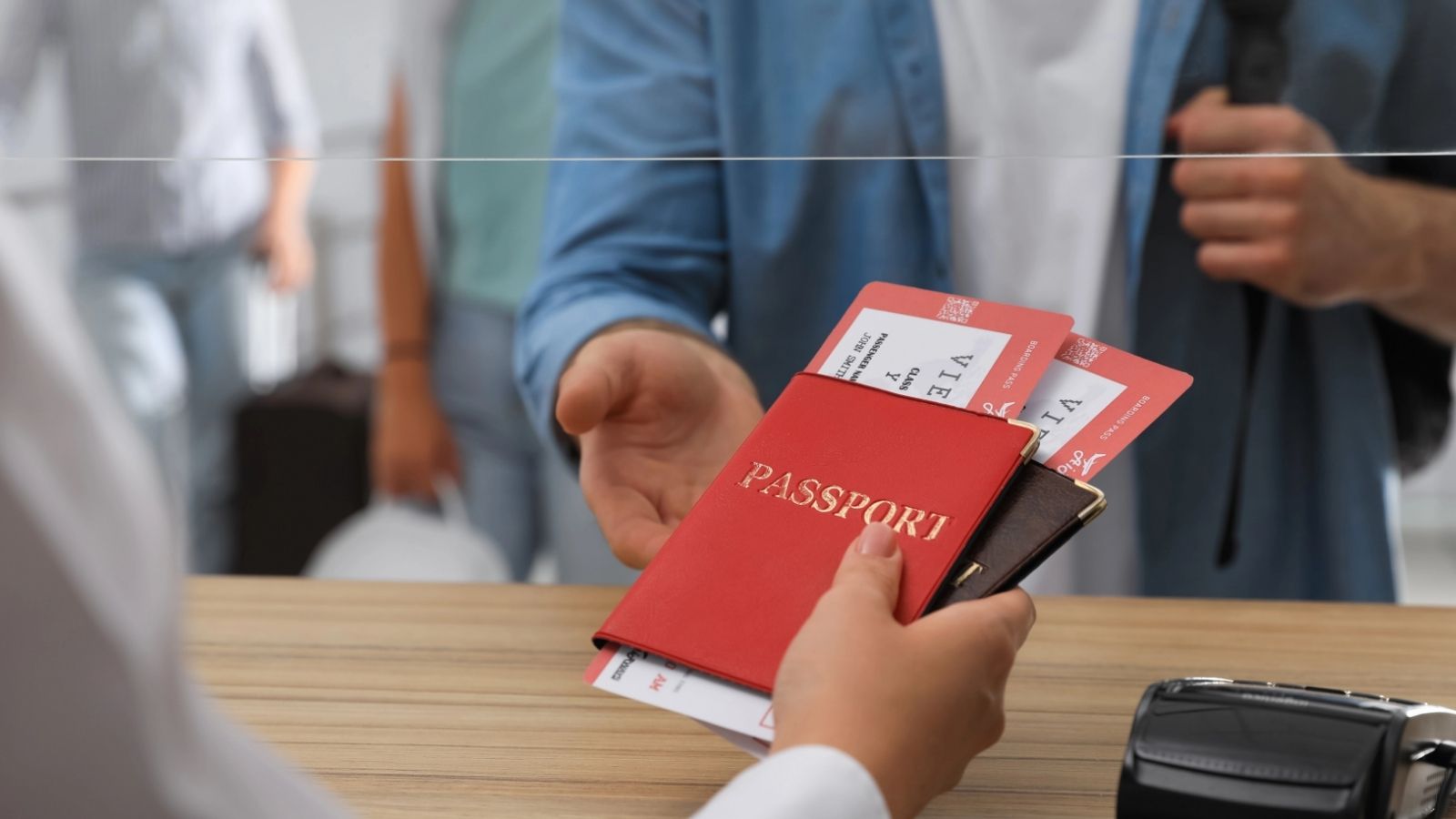
We find frequent border crossings sometimes prompt closer review, especially when travel patterns look irregular. This does not mean anything is wrong. Security may simply verify travel history. Couples who travel often may notice one partner flagged more consistently.
Why it happens: Repeated international movement can trigger routine checks.
Random Selection

We see some additional screenings happen with no clear reason at all. Random selection is built into security systems to maintain unpredictability. It affects all types of travelers equally. Couples should know this is not personal or avoidable. Allowing extra time reduces frustration when it happens.
Why it happens: Random checks are part of standard security protocols.
10 Ways People Waste Time Before Boarding
Boarding often takes longer than expected. Small delays and poor timing can quickly add unnecessary stress to your travel day. We help couples move through airports more efficiently and with less frustration. Many travelers waste time before boarding without realizing it. These moments add up and can leave you feeling rushed or flustered before the flight even begins.
Learn more here: 10 Ways People Waste Time Before Boarding
11 Tourist Traps Couples Should Skip in Europe
Europe is filled with iconic sights and romantic cities. But not every popular stop delivers a meaningful experience for couples. We help couples travel through Europe with intention and confidence. Some attractions are overcrowded, overpriced, and designed more for quick visits than lasting memories. These tourist traps can drain time, energy, and travel budgets.
Learn more here: 11 Tourist Traps Couples Should Skip in Europe
