11 Things People Do on Planes That Make Travel Worse
Flying has become routine for many travelers, yet small behaviors can quickly change the tone of an entire flight. When space is limited and everyone is working with the same constraints, courtesy matters more than people realize. For couples starting a trip together, a tense flight can shape the mood before arrival.
Many in flight frustrations are not caused by airlines or delays. They come from habits passengers barely notice. Seat etiquette, shared armrests, overhead bin use, and how people move through the cabin all affect comfort. What feels minor to one traveler can feel disruptive to another.
Understanding common pressure points helps couples manage their own expectations and avoid contributing to the problem. A few simple adjustments can make a crowded cabin feel more cooperative and less stressful. It also helps travelers decide when to board, how to pack, and how to settle in once seated.
We have identified 11 things people do on planes that make travel worse. Knowing these patterns makes it easier to move through flights with more awareness, protect your own comfort, and start your trip on steadier ground.
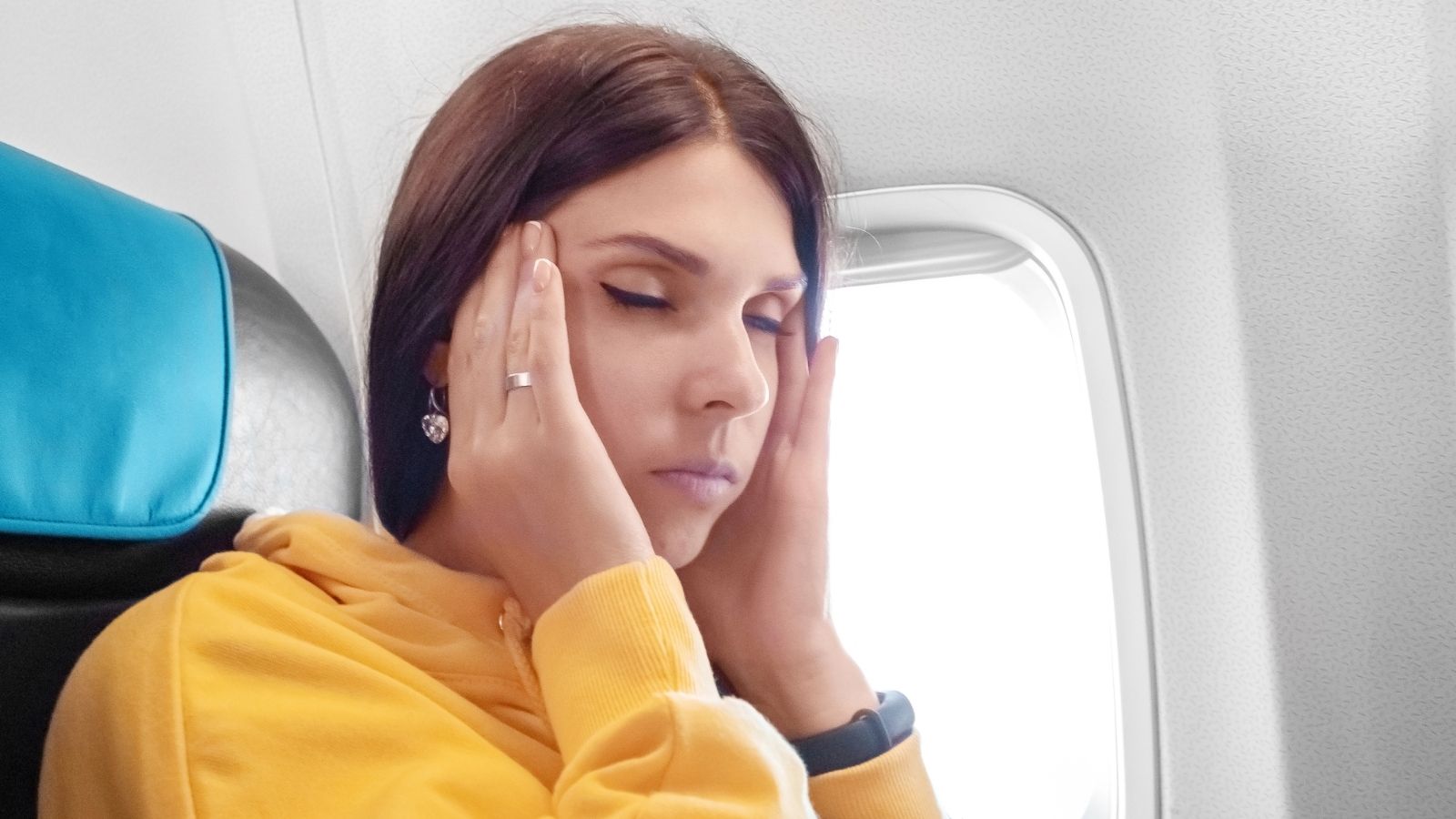
Strong Perfume or Cologne

Fragrance intensifies at altitude. What feels subtle on the ground can become overwhelming in recycled cabin air. Fellow passengers cannot move away, which makes scent choices more noticeable. Clean and neutral is safest for flight days.
Takeaway: Skip perfume or cologne before flying.
Spreading Into Shared Space
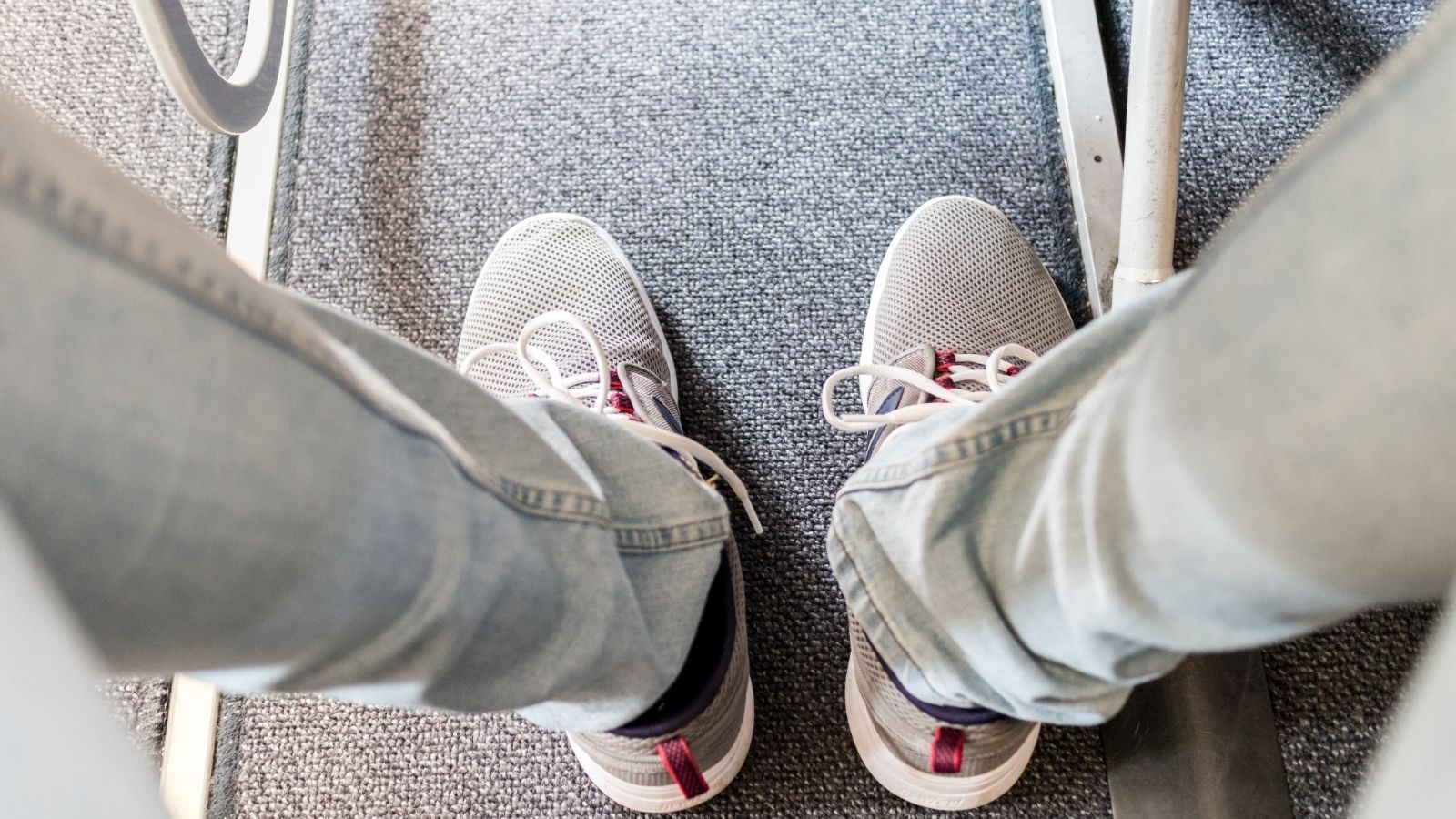
Elbows, knees, and bags expand quickly in tight rows. Small shifts add up over several hours. Keeping your body and belongings contained reduces low-level tension. Store items overhead when possible and adjust posture rather than leaning outward.
Takeaway: Keep your body and belongings within your seat area.
Ignoring Seatback Screen Etiquette
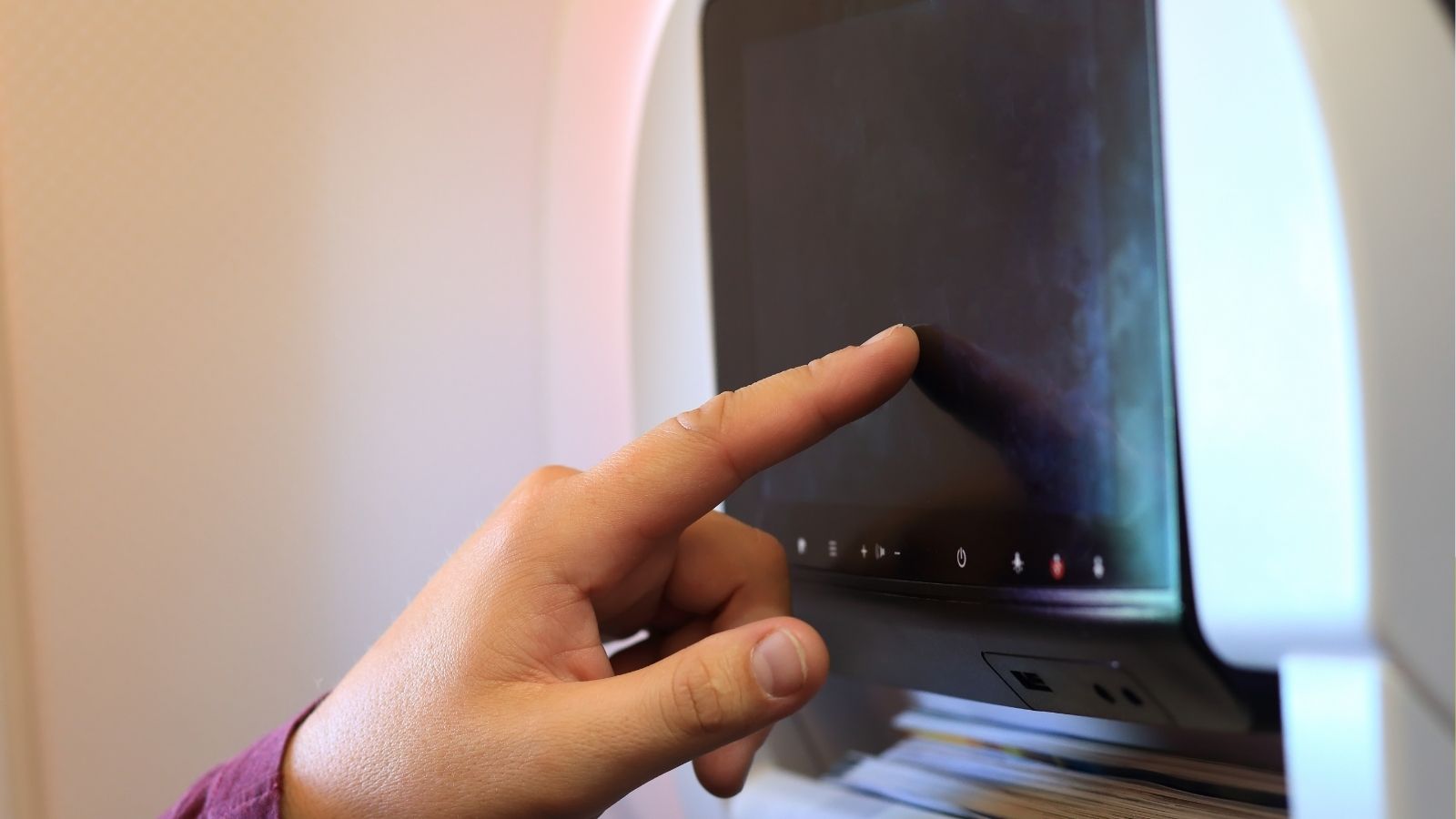
Pulling or tapping a seatback screen transfers directly to the passenger in front. Repeated movement feels disruptive even if unintentional. Use a light touch and steady pressure. If the screen is not working, ask a flight attendant instead of forcing it.
Takeaway: Use seatback screens gently.
Lining Up Early for the Aisle After Landing
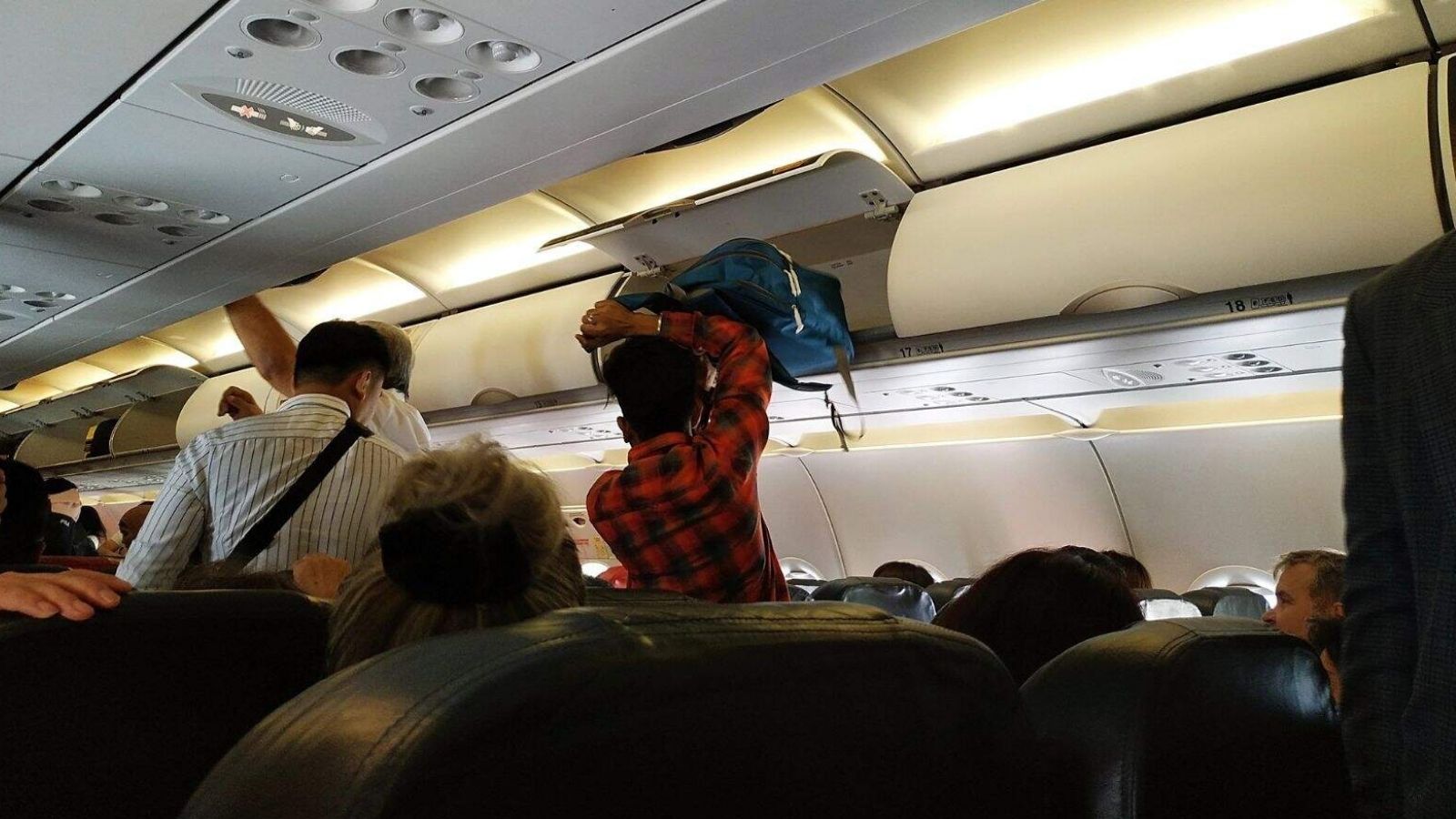
Standing immediately after landing rarely saves time. It compresses space and blocks others from accessing overhead bins. Deplaning works best when rows exit in order. Remaining seated keeps the final minutes calmer.
Takeaway: Stay seated until your row moves.
Overusing Overhead Bin Space
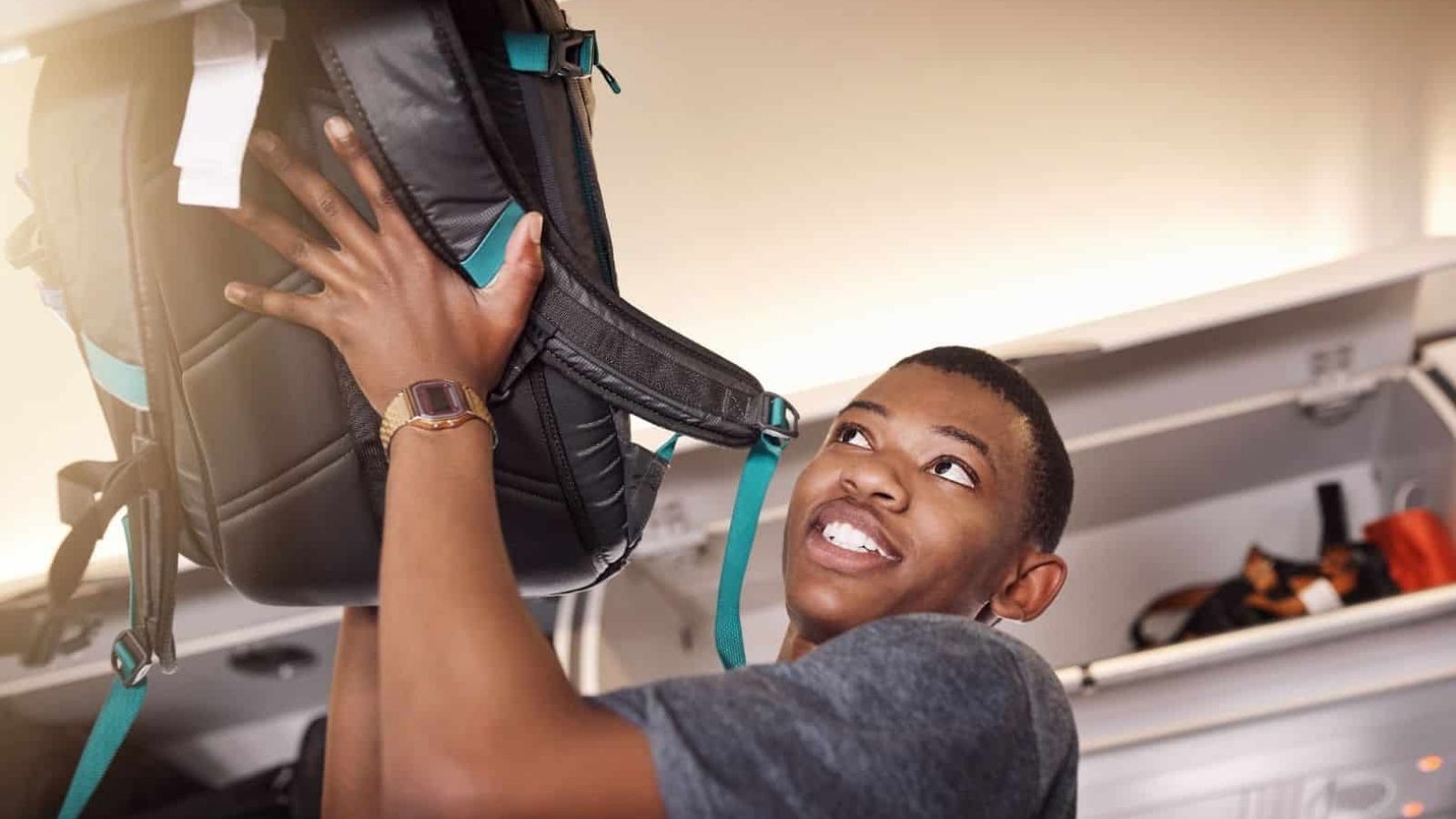
Overhead bins fill quickly. Large bags placed inefficiently or multiple items from one traveler limit space for others. This leads to delays and last-minute gate checks. Keep only what belongs overhead and store smaller items under the seat.
Takeaway: Use only the space you need.
Talking Loudly for the Entire Flight
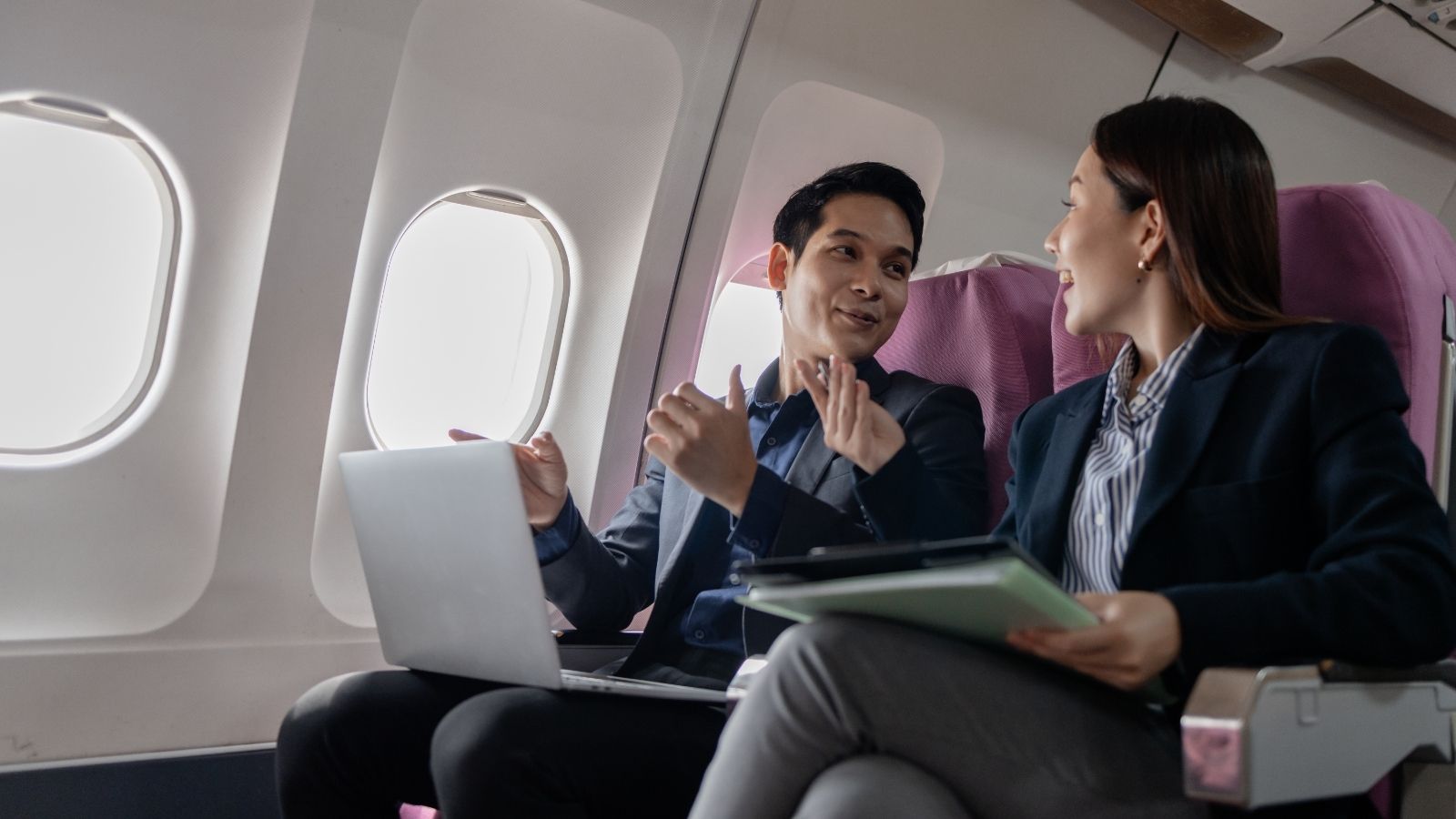
Sustained loud conversation travels across rows. Early morning and overnight flights make this especially noticeable. Lower voices maintain privacy and help others rest. Short conversations at a controlled volume keep the cabin balanced.
Takeaway: Keep conversations low.
Removing Shoes Without Awareness
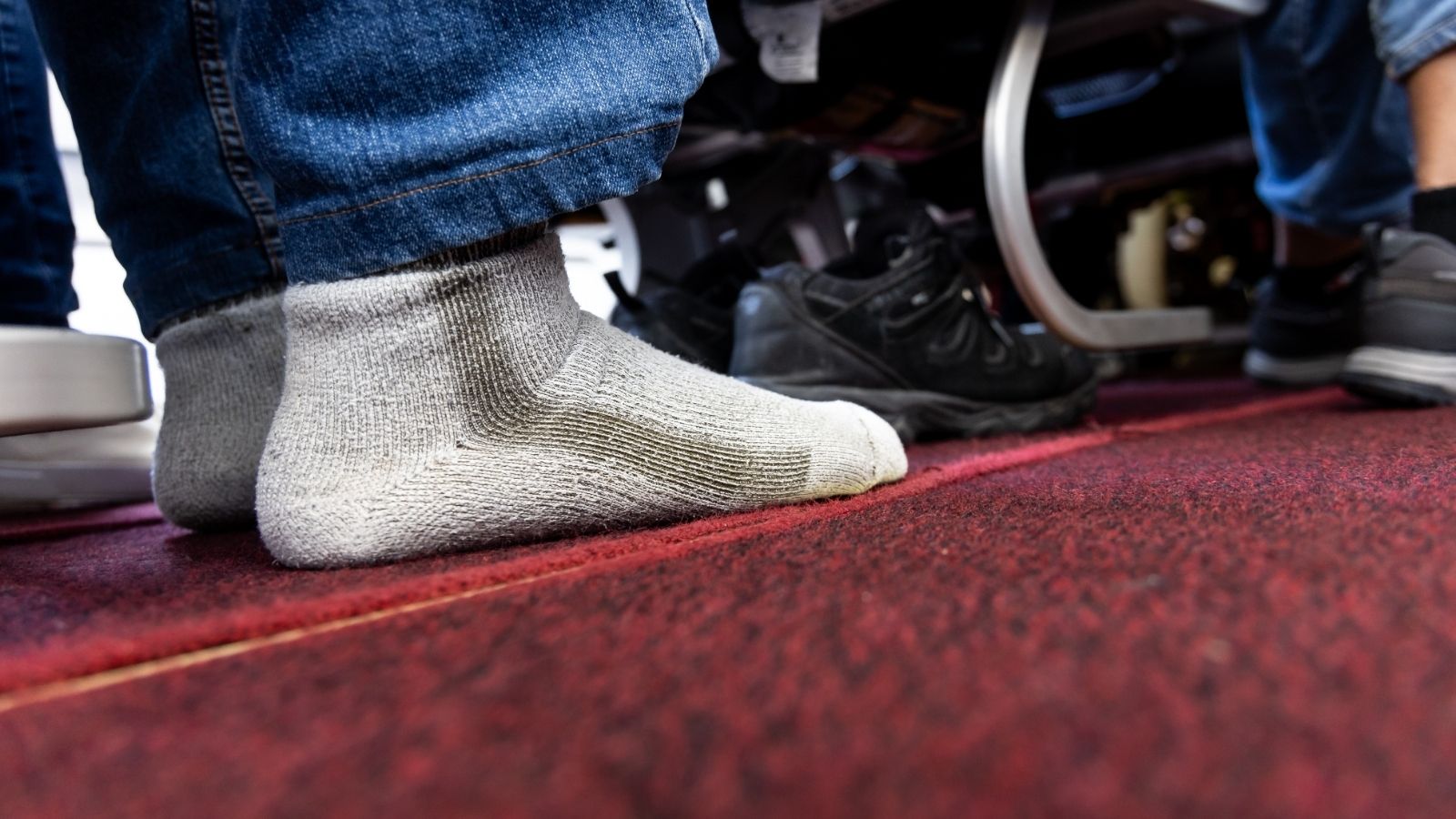
Shoe removal becomes uncomfortable when cleanliness is overlooked. Cabins are enclosed, and smells linger. Covered feet are more considerate in shared space. Travel slippers or clean socks keep comfort and courtesy aligned.
Takeaway: Keep feet covered and clean.
Reclining Without Checking Behind You
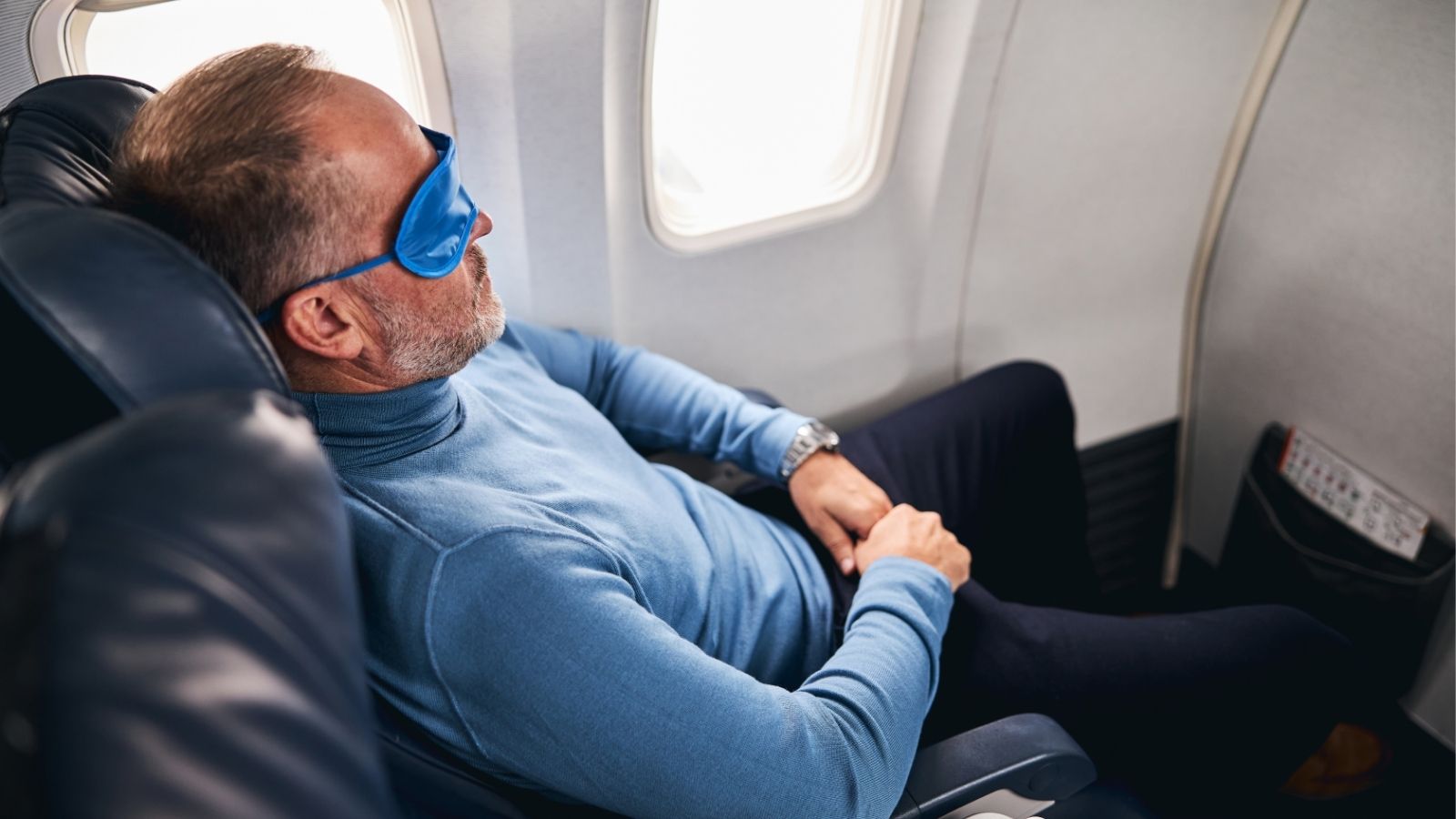
Sudden seat reclining changes the space instantly. Knees get pinned, tray tables shift, and drinks can move without warning. In economy rows, even a small tilt affects the person behind you. A brief pause or quick glance gives them time to adjust. Reclining is allowed, but the approach matters. Shared space requires small signals of awareness.
Takeaway: Check behind you and recline slowly.
Using Both Armrests in a Shared Row
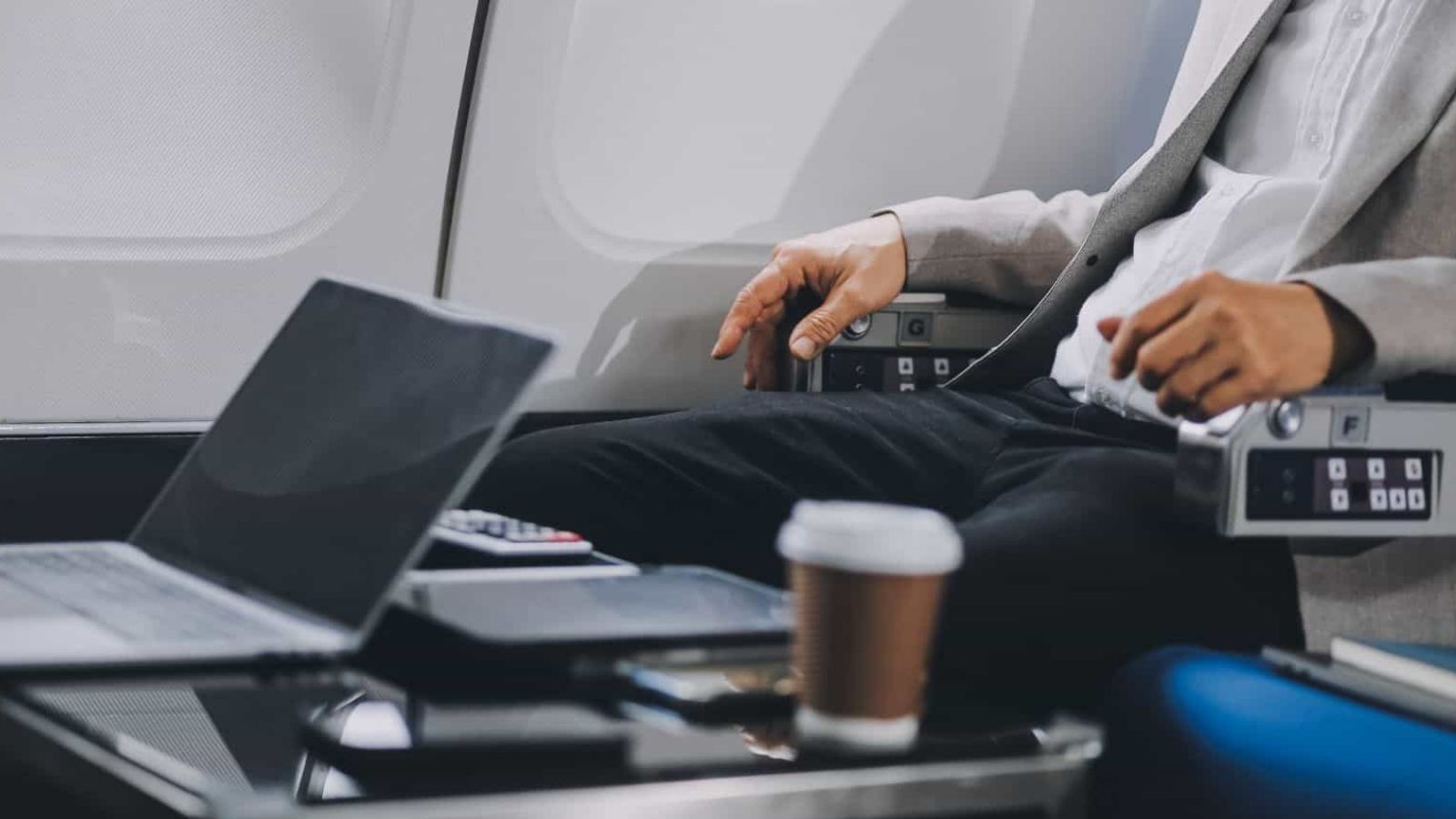
Armrest balance becomes important on full flights. When one passenger takes both shared armrests, the middle seat loses its only buffer. That discomfort lasts for hours. The general guideline keeps things fair. Window seats get the wall and one armrest. Aisle seats get aisle access and one armrest. The middle seat gets the shared pair.
Takeaway: Share armrests so everyone has space.
Constantly Getting Up Without a Clear Reason
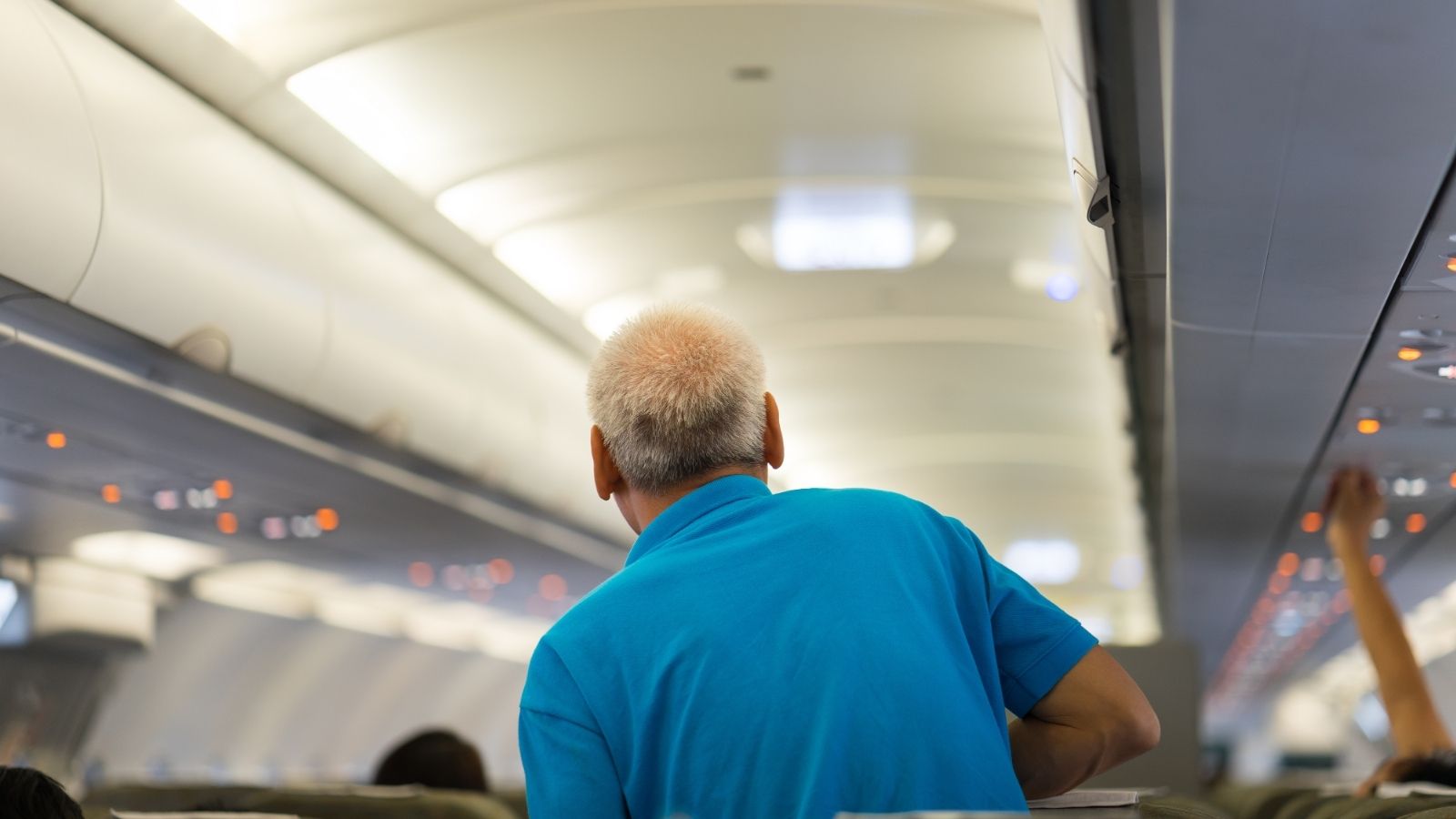
Frequent aisle trips interrupt more than expected. Each movement requires others to stand or shift, breaking rest and disrupting meals. Planning ahead helps. Use the restroom before boarding finishes and keep essentials within reach. Fewer interruptions create a calmer cabin for everyone nearby.
Takeaway: Settle in before the seatbelt sign stays on.
Playing Audio Without Headphones
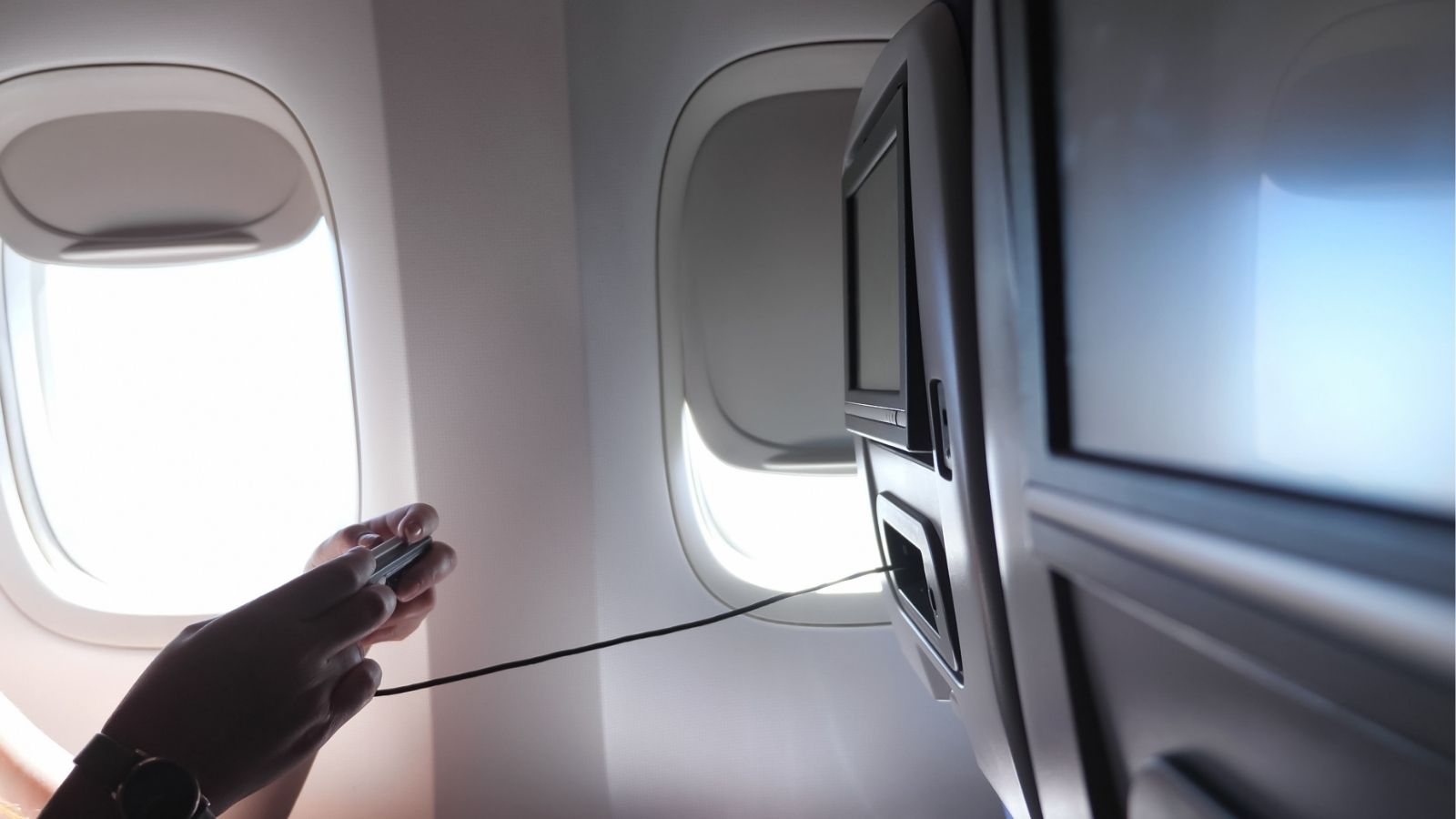
Open audio carries farther than most realize. Even low volume videos or games become background noise for passengers trying to rest. Headphones are not optional in shared space. If they fail or run out of battery, it is better to pause entertainment. Quiet keeps the cabin stable.
Takeaway: Always use headphones or mute audio.
10 Ways People Waste Time Before Boarding
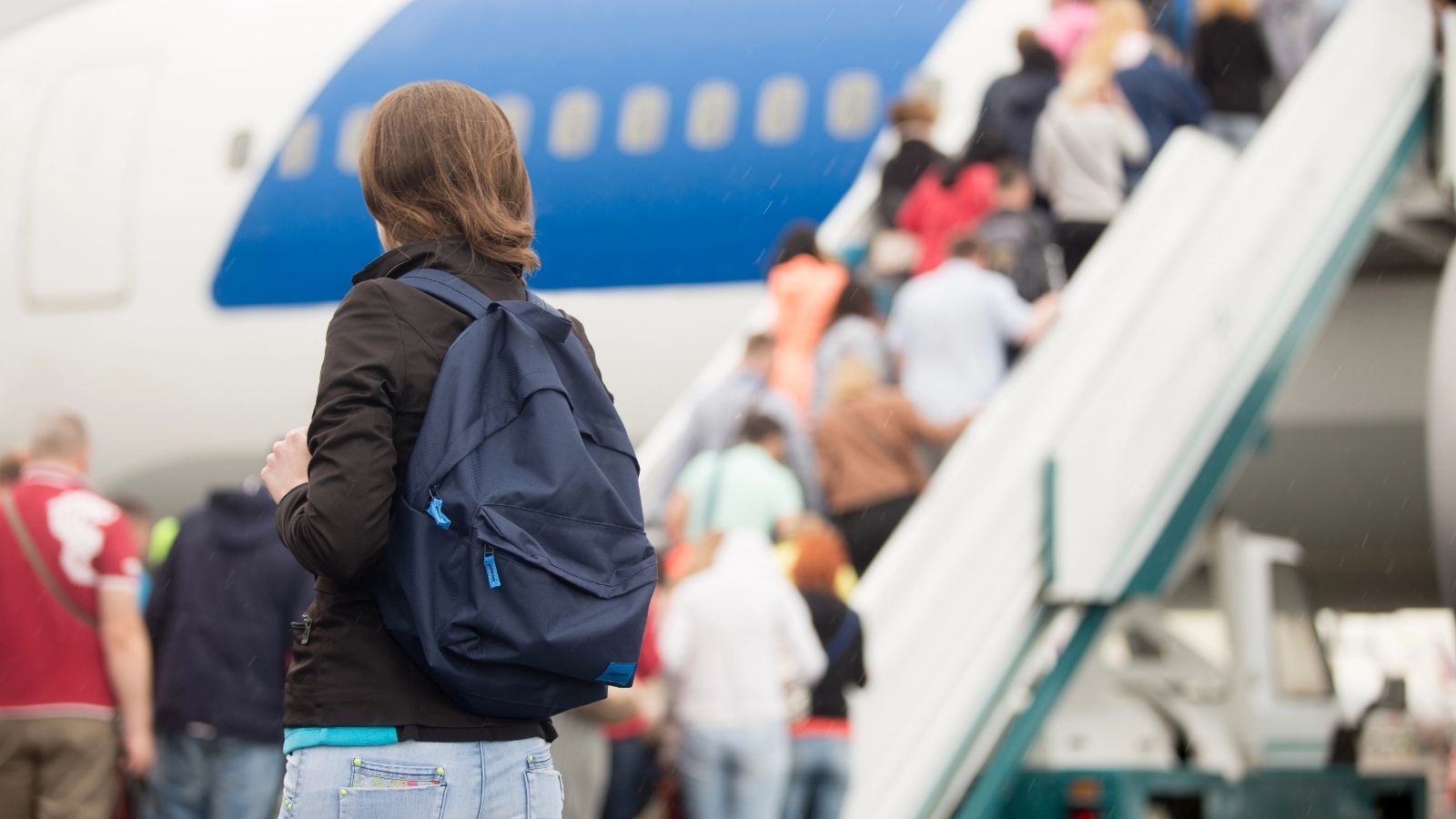
Boarding often takes longer than expected. Small delays and poor timing can quickly add unnecessary stress to your travel day. We help couples move through airports more efficiently and with less frustration. Many travelers waste time before boarding without realizing it. These moments add up and can leave you feeling rushed or flustered before the flight even begins.
Learn more here: 10 Ways People Waste Time Before Boarding
11 Tourist Traps Couples Should Skip in Europe

Europe is filled with iconic sights and romantic cities. But not every popular stop delivers a meaningful experience for couples. We help couples travel through Europe with intention and confidence. Some attractions are overcrowded, overpriced, and designed more for quick visits than lasting memories. These tourist traps can drain time, energy, and travel budgets.
Learn more here: 11 Tourist Traps Couples Should Skip in Europe
