11 Ways Experienced Travelers Make Economy Flights Far More Comfortable
Economy class is where most trips begin, yet comfort often depends more on preparation than seat size. Experienced travelers know that small choices before and during a flight can shape how the entire journey feels. For couples, starting a trip rested and calm makes a noticeable difference once you land.
Comfort in economy is rarely about luxury. It is about strategy. Seat selection, boarding timing, packing choices, and simple in flight routines all influence space, noise, and rest. Travelers who think ahead tend to reduce friction without spending significantly more.
Shared travel adds another layer. Coordinating carry ons, planning meal timing, and managing expectations together can prevent small annoyances from escalating mid flight. The goal is not perfection. It is reducing unnecessary stress in a confined environment.
We have gathered 11 ways experienced travelers make economy flights far more comfortable. These practical adjustments focus on preparation, awareness, and smart habits that help couples arrive with more energy and fewer travel day frustrations.
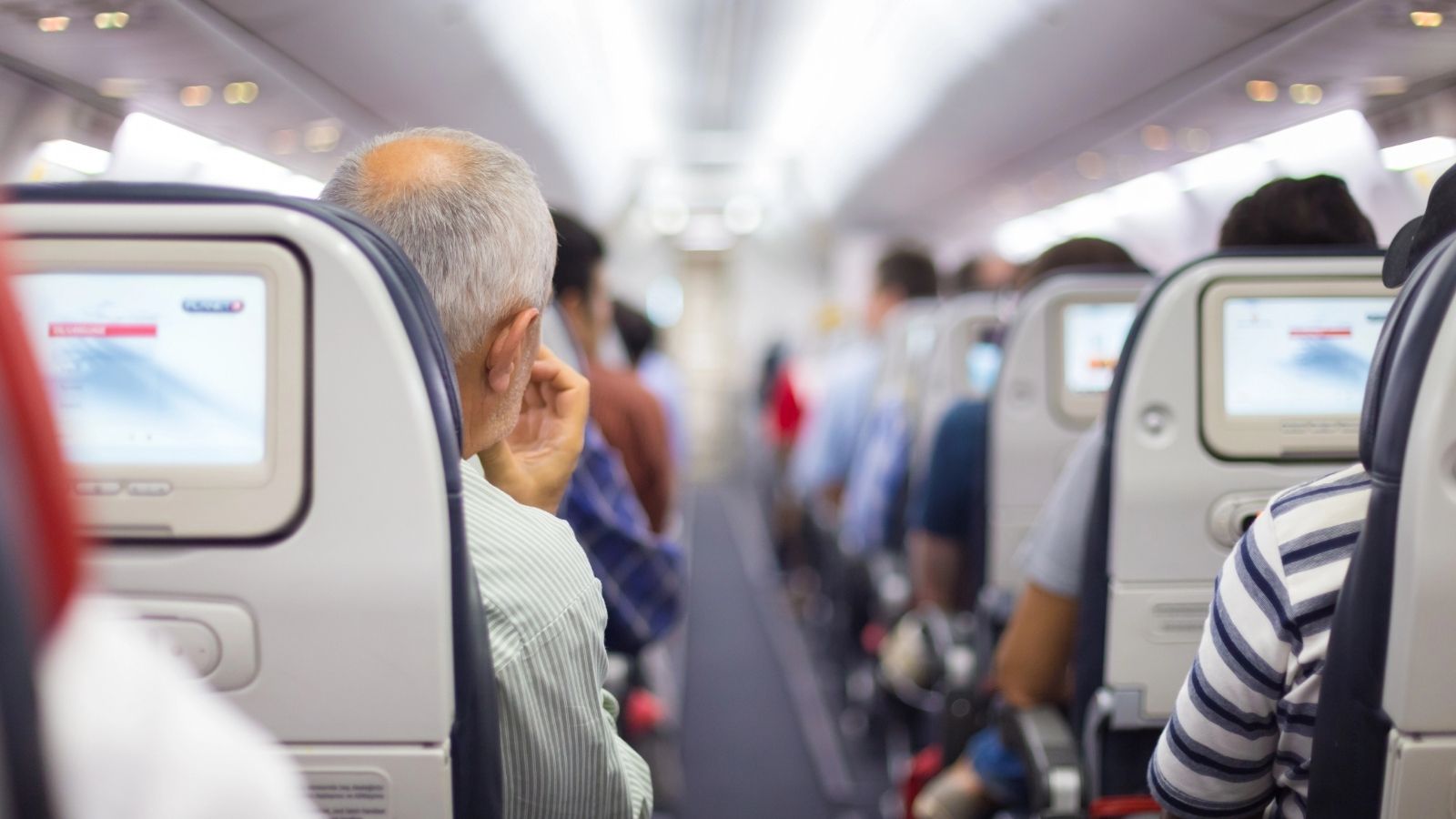
Choose Seats Strategically
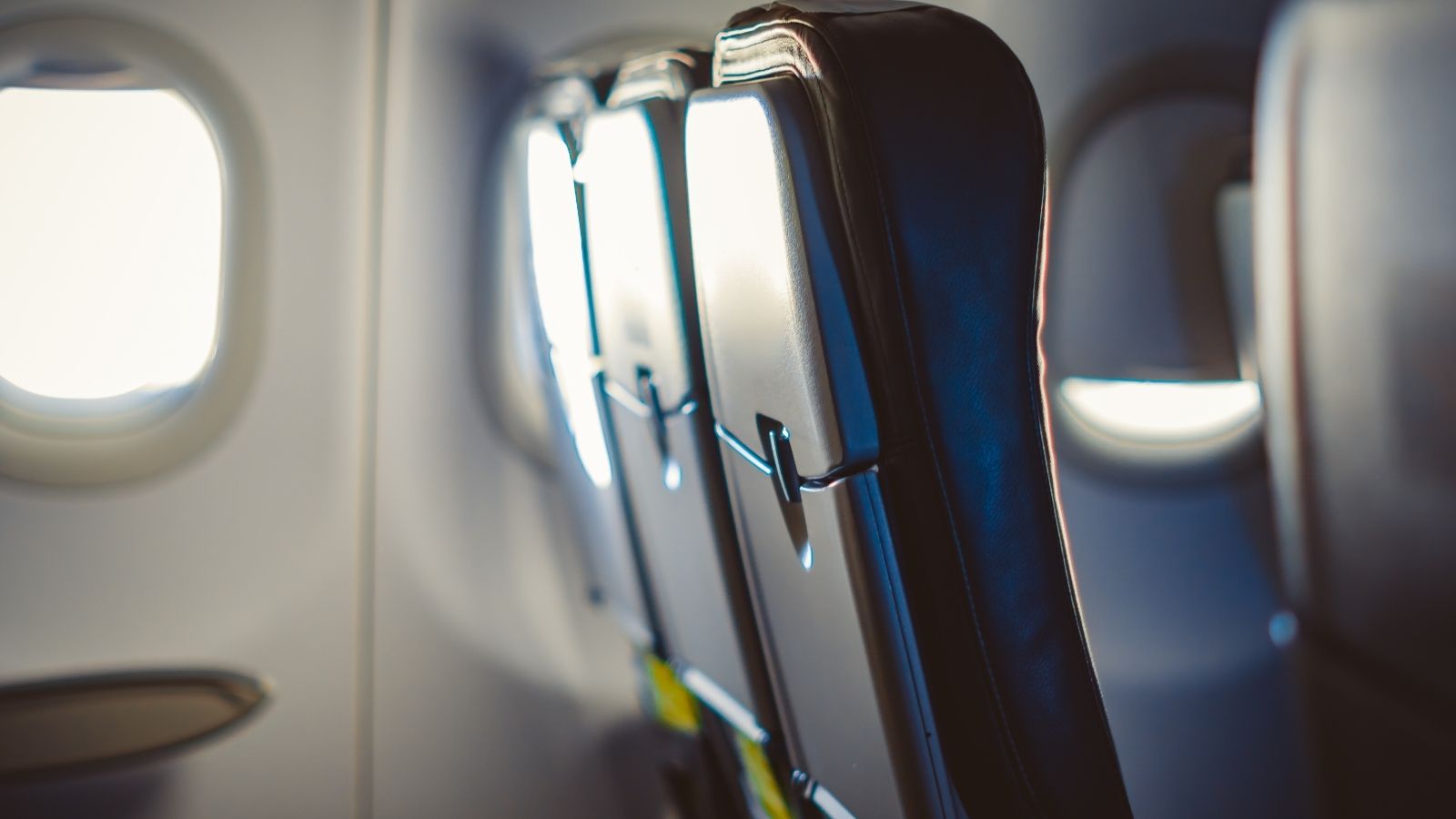
Experienced travelers rarely leave seat selection to chance. Window seats provide a stable surface to lean against and reduce disruptions from neighbors needing to stand. Aisle seats offer flexibility for stretching and restroom access, especially on long flights. Proximity to lavatories, galleys, or bulkheads can affect noise levels and foot traffic. Checking seat maps before check-in helps avoid tight rows or limited recline sections.
Takeaway: Match your seat choice to your flight length and personal habits rather than convenience alone.
Board with a Clear Sleep Plan
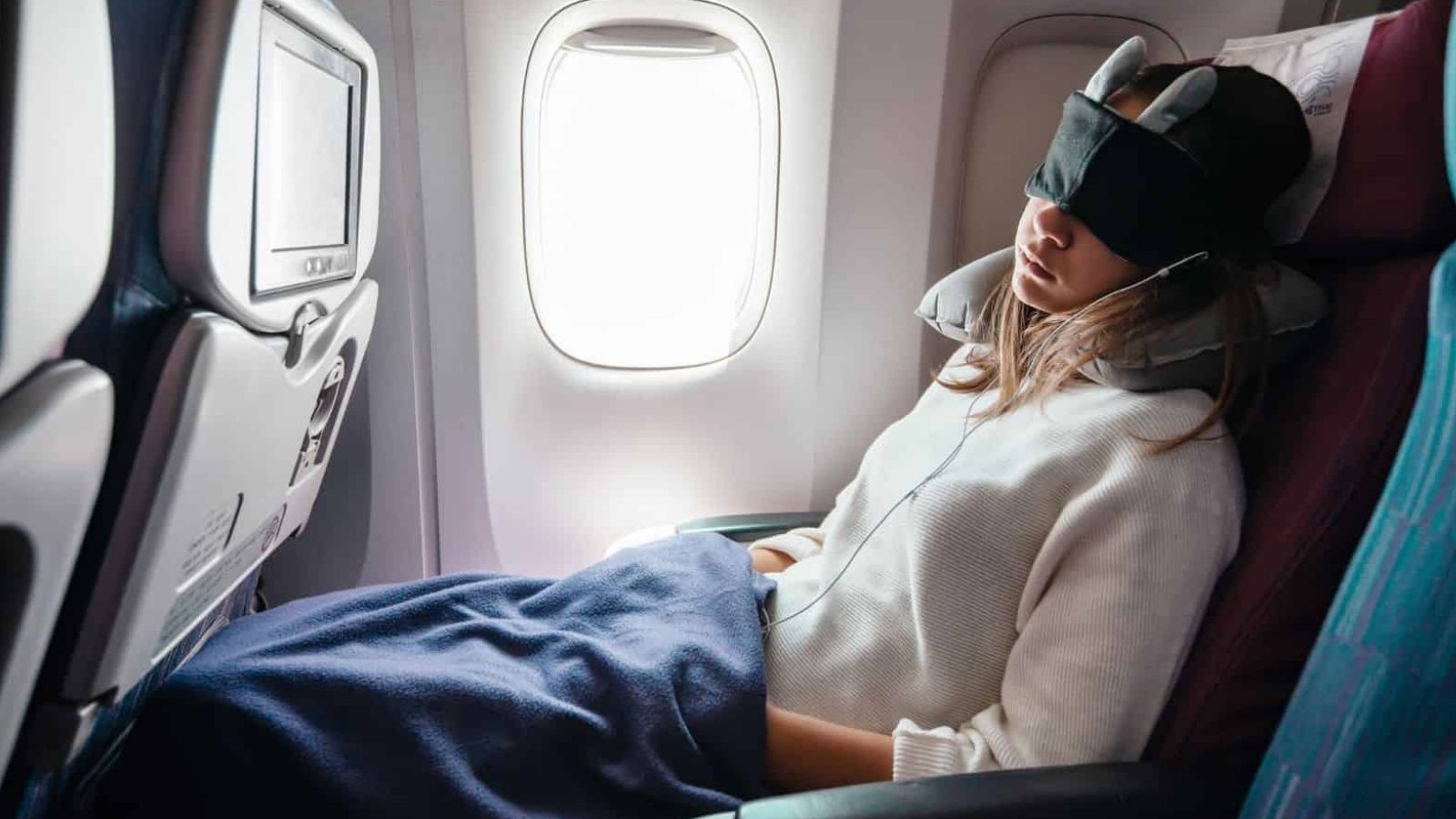
Long flights feel shorter when sleep is intentional. Experienced travelers adjust bedtime slightly before departure, reduce caffeine intake, and prepare a small rest kit with an eye mask, earplugs, or a neck pillow. Limiting screen exposure during the flight also helps signal rest. Rather than waiting to feel tired, they settle in early and create a consistent routine.
Takeaway: Prepare for sleep before boarding and commit to a defined rest window once airborne.
Wear Compression Socks
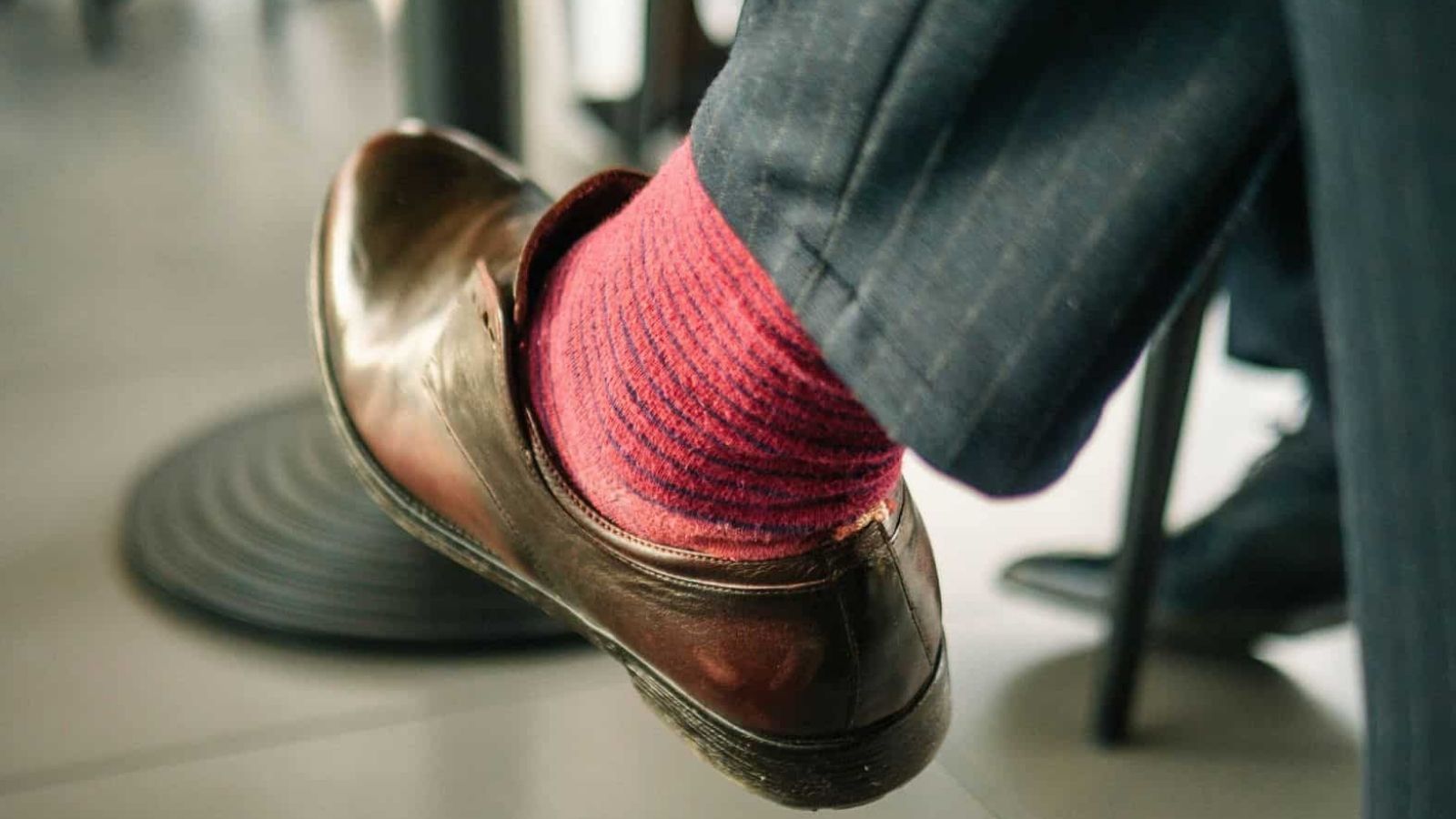
Economy seating limits circulation for hours at a time. Compression socks support blood flow and reduce swelling, particularly on overnight or transcontinental flights. Many experienced travelers wear them even on medium-length routes to prevent stiffness after landing. They are lightweight, easy to pack, and make a noticeable difference when sitting for extended periods.
Takeaway: Wear compression socks on flights over four hours to reduce leg fatigue and discomfort.
Pack a Lightweight Layer
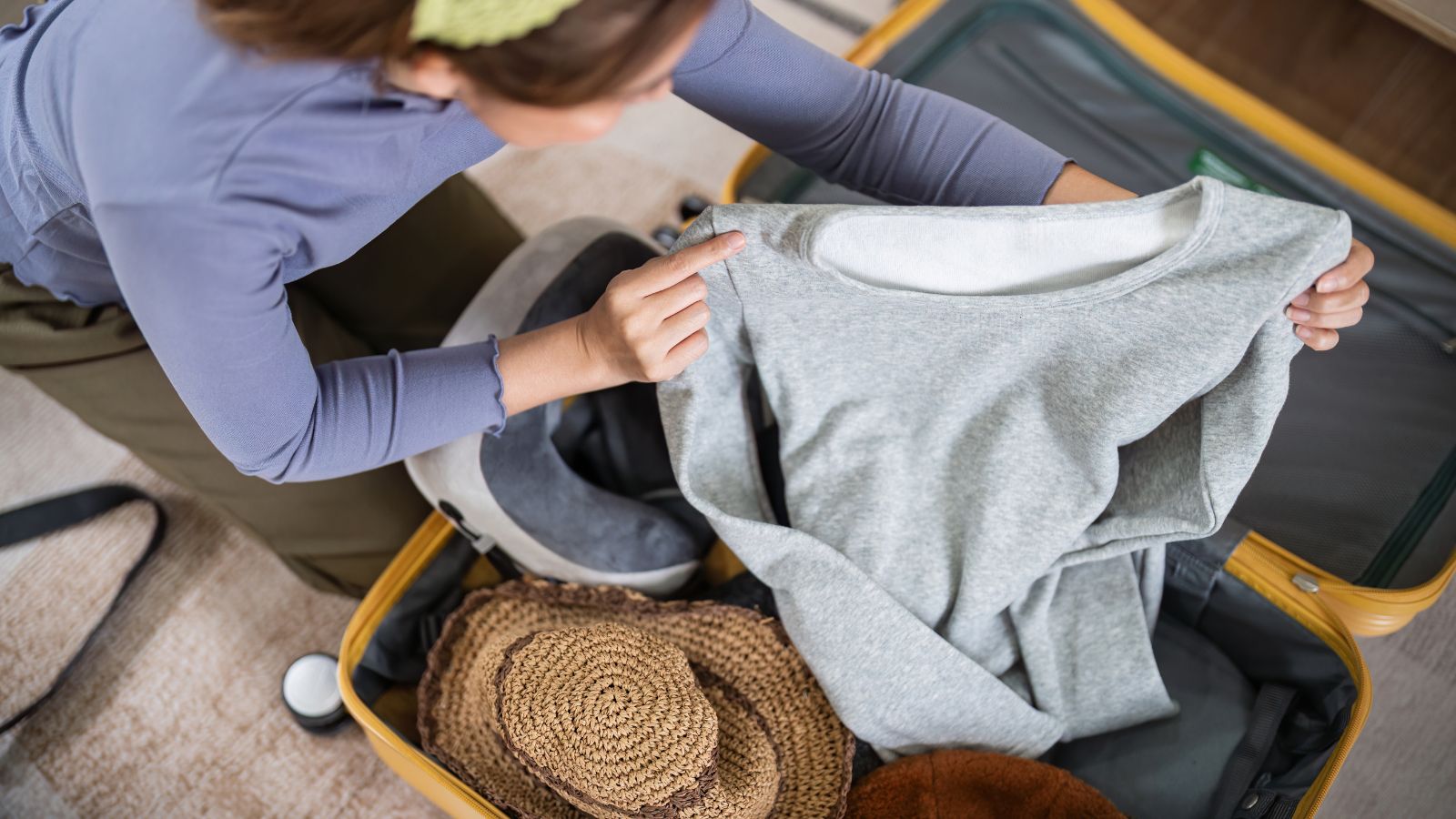
Cabin temperatures vary widely between boarding and cruising altitude. A thin sweater, travel wrap, or lightweight jacket allows travelers to adjust without relying on limited airline blankets. Layers also help regulate comfort during long periods of sitting still. Experienced travelers choose items that double as a pillow or added lumbar support when needed.
Takeaway: Bring one versatile layer that adds warmth without taking up valuable carry-on space.
Bring a Reusable Water Bottle

Dehydration increases fatigue and headaches during flights. Experienced travelers carry an empty reusable bottle through security and fill it before boarding. Having water within reach reduces reliance on beverage service timing and encourages consistent hydration. Avoiding sugary drinks and alcohol also helps maintain steady energy levels.
Takeaway: Fill a reusable bottle after security and sip regularly throughout the flight.
Use Noise-Canceling Headphones
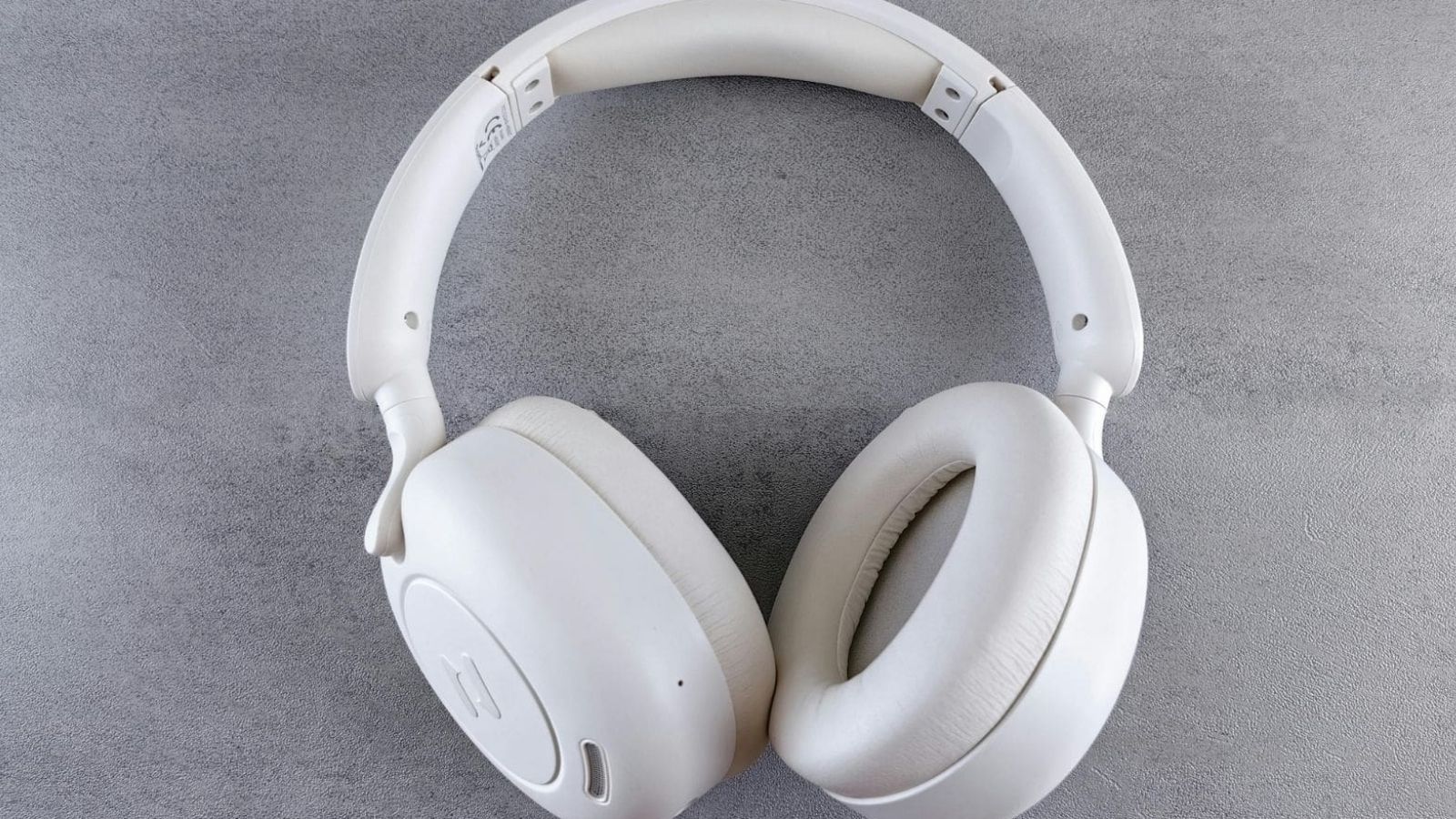
Cabin noise stays constant, even when the lights dim. Experienced travelers rely on noise-canceling headphones to reduce engine hum and surrounding conversation. Lower background noise makes it easier to sleep, read, or simply rest without strain. Even without music playing, the reduction in ambient sound improves overall comfort. For shorter flights, compact versions still provide noticeable benefit.
Takeaway: Wear noise-canceling headphones early in the flight to create a quieter personal space.
Organize Essentials in a Small Pouch
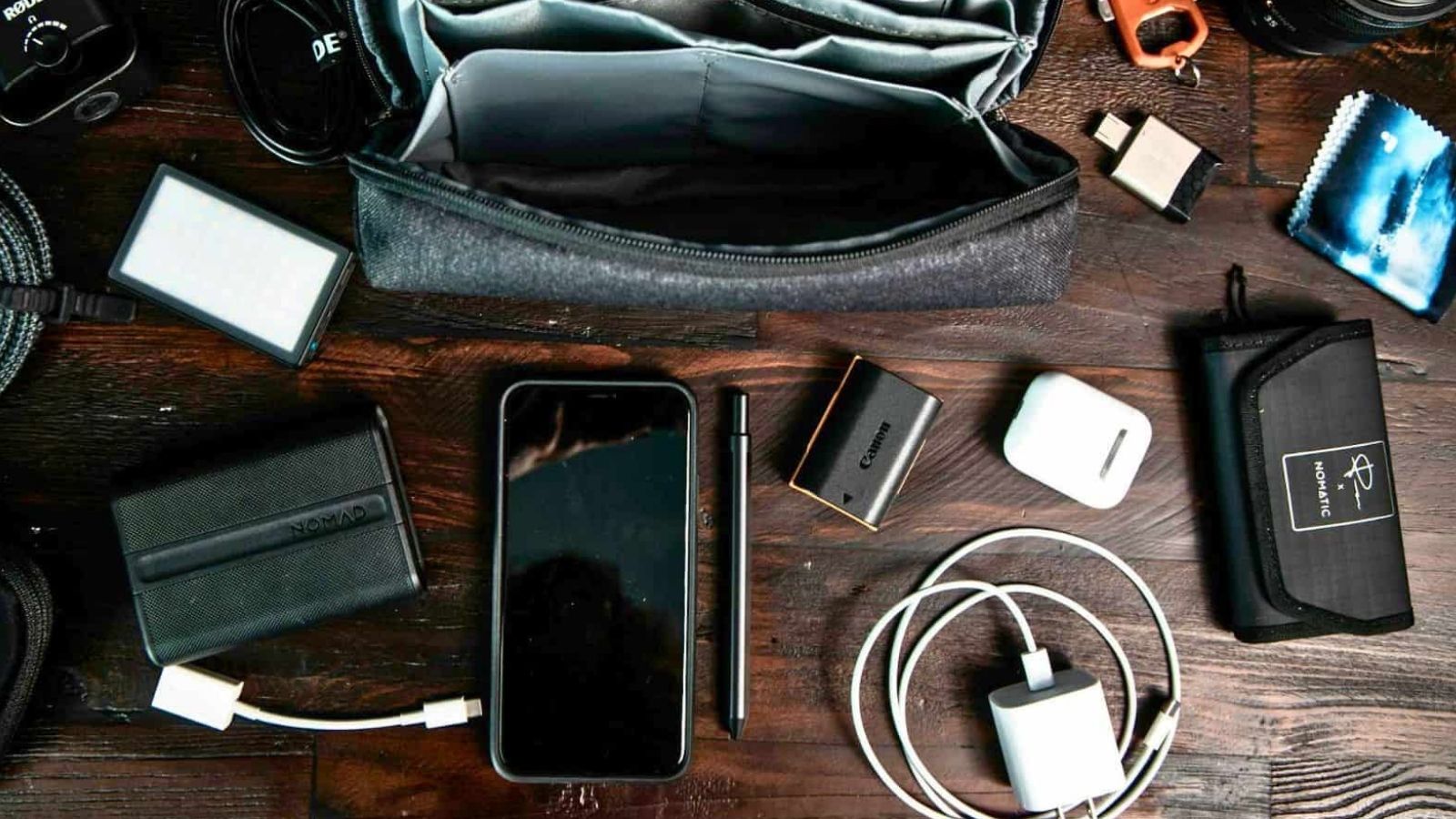
Repeatedly opening overhead bins disrupts both you and your seatmates. Seasoned travelers pack chargers, medication, lip balm, snacks, and travel documents into one compact pouch stored under the seat. This prevents unnecessary standing and keeps key items within reach. Organization also reduces stress during boarding and landing transitions.
Takeaway: Keep one small kit of essentials accessible at your feet for the entire flight.
Stretch During the Flight
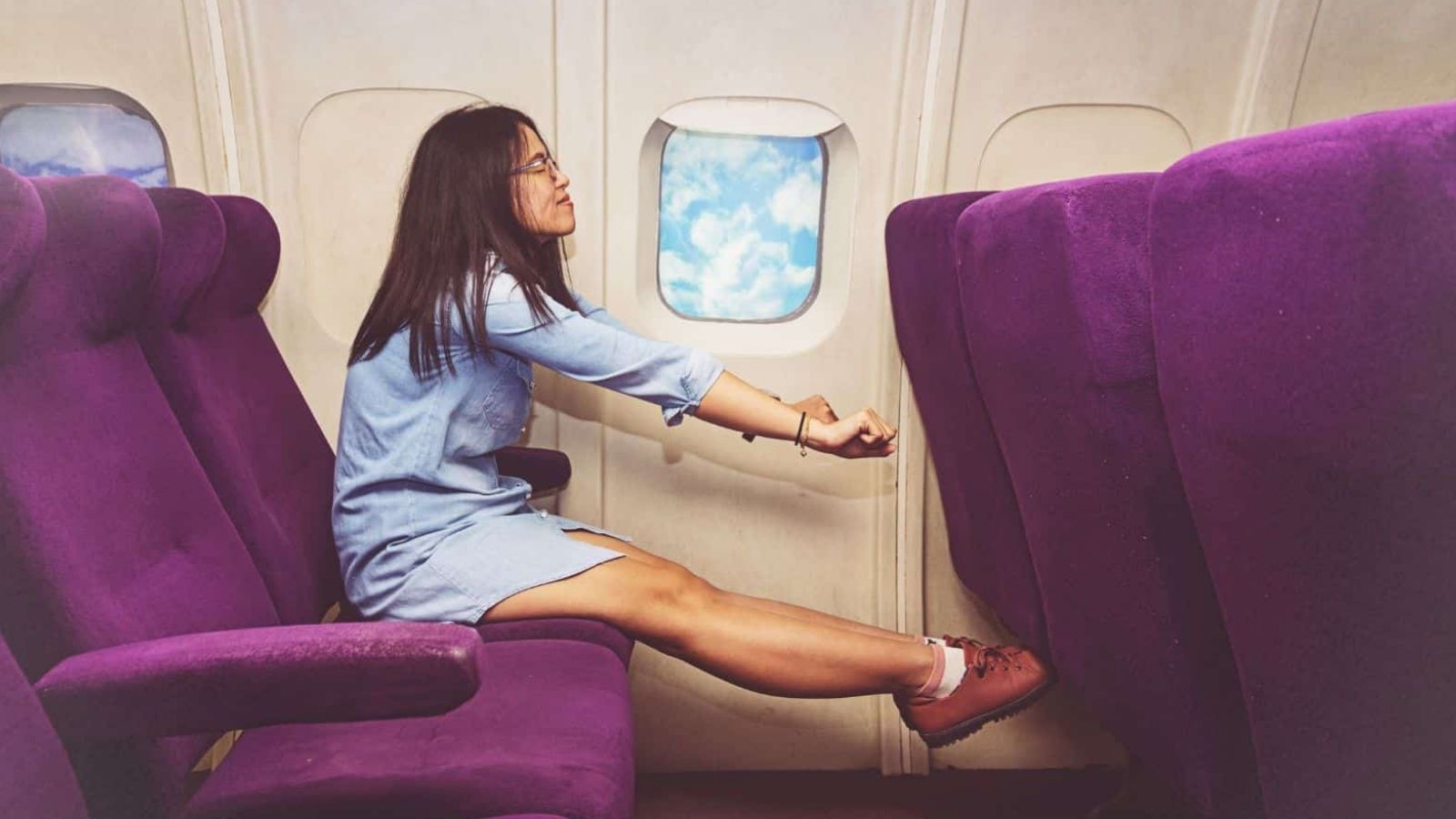
Remaining seated for long periods increases stiffness and fatigue. Experienced travelers stand periodically when the aisle clears, even if only for a short walk. Simple in-seat stretches for ankles, shoulders, and neck also help maintain circulation. Timing movement around meal service avoids congestion.
Takeaway: Move briefly every few hours to reduce soreness upon landing.
Limit Overhead Bin Dependence
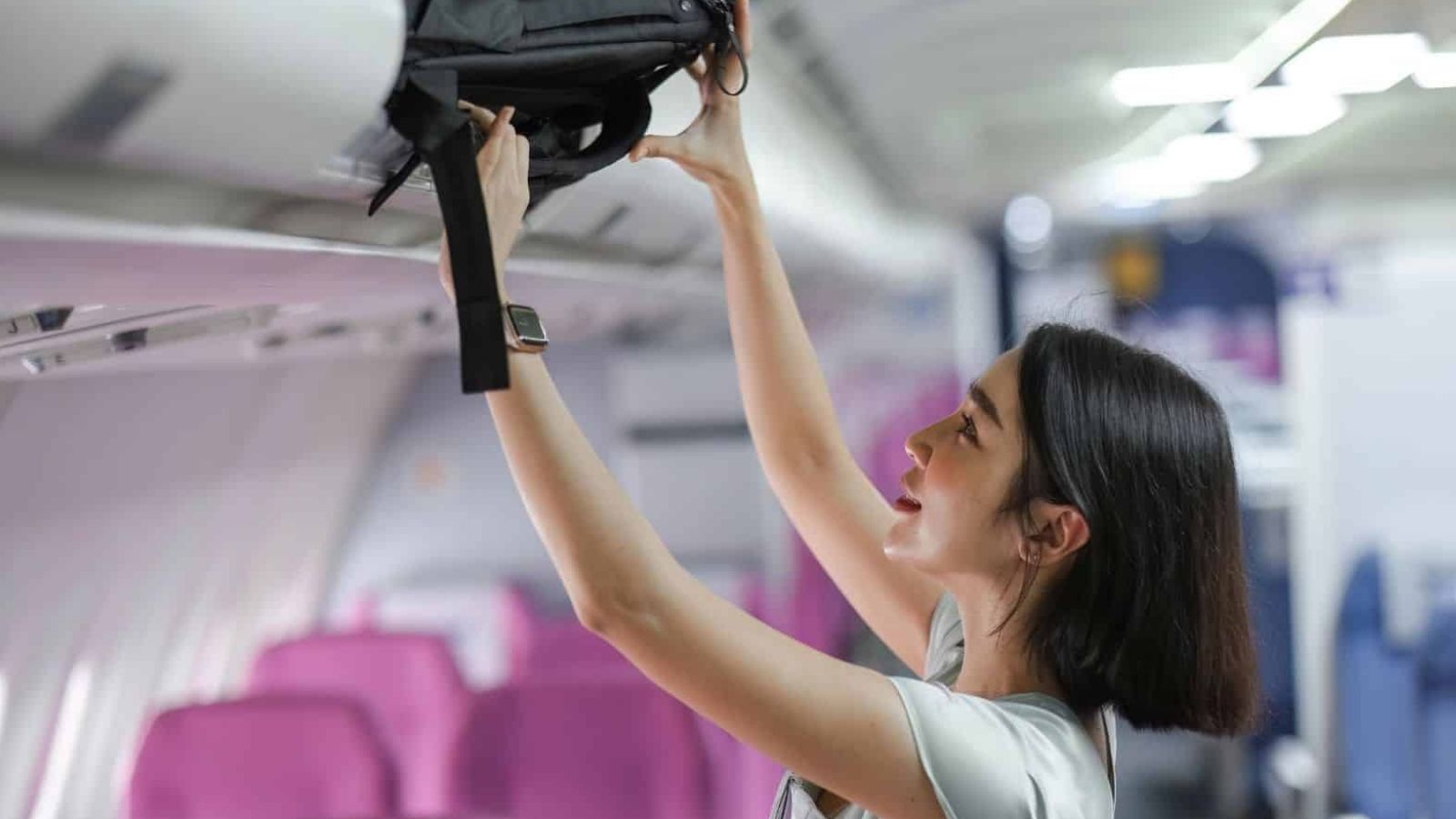
Accessing overhead bins mid-flight creates unnecessary disruption. Experienced travelers pack critical items such as headphones, water, and snacks in their personal item rather than larger carry-ons. This approach reduces stress during turbulence and prevents repeated interruptions to neighbors.
Takeaway: Pack so you can remain seated comfortably without reaching overhead.
Control Screen and Light Exposure
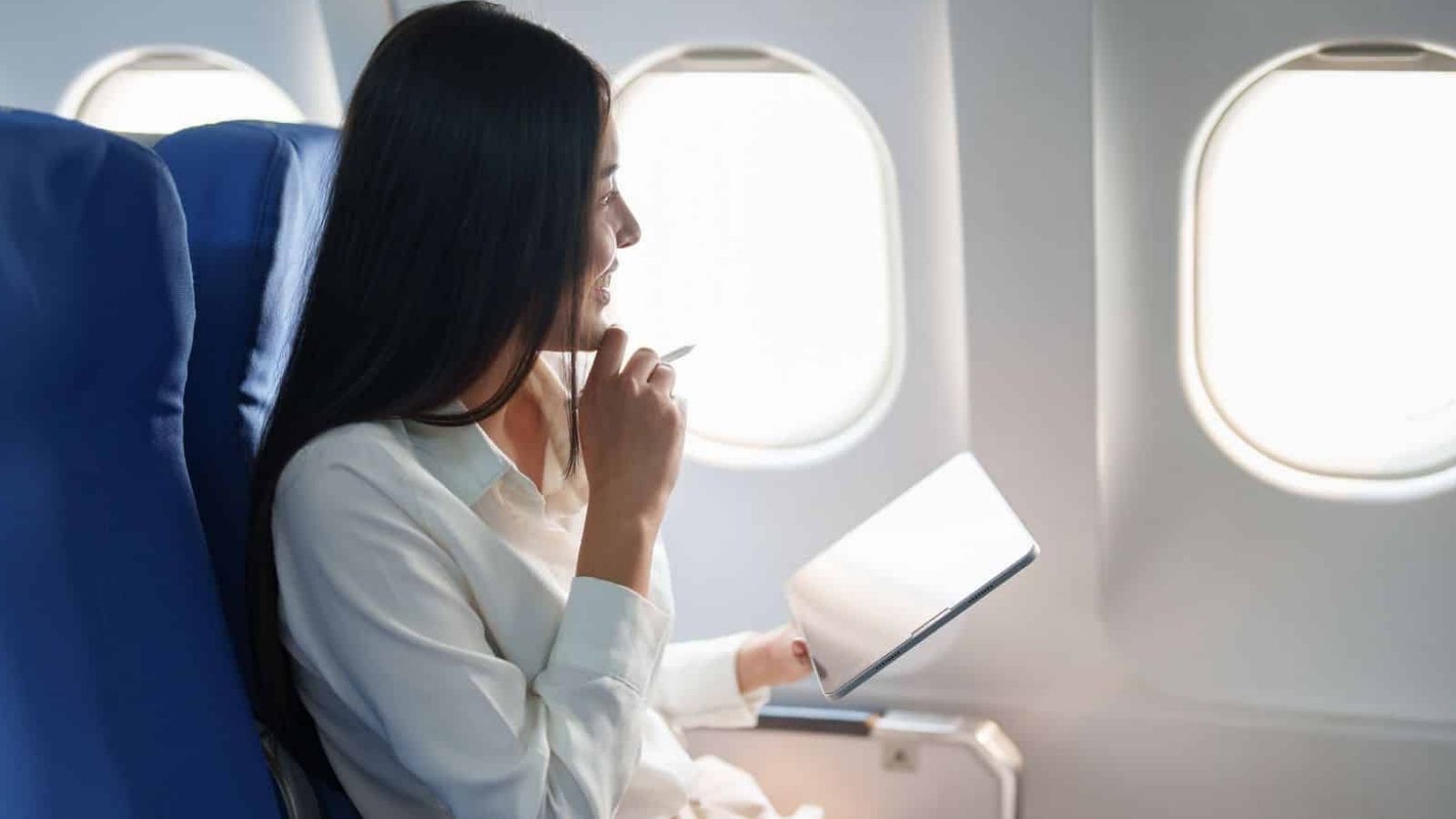
Bright screens and overhead lights interfere with rest and time-zone adjustment. Experienced travelers dim seatback screens, use night mode when available, and close window shades when preparing to sleep. Eye masks add consistency in variable cabin lighting. Reducing blue light exposure before intended rest supports smoother arrival transitions.
Takeaway: Lower light exposure at least an hour before you plan to sleep.
Keep Meals Light and Simple
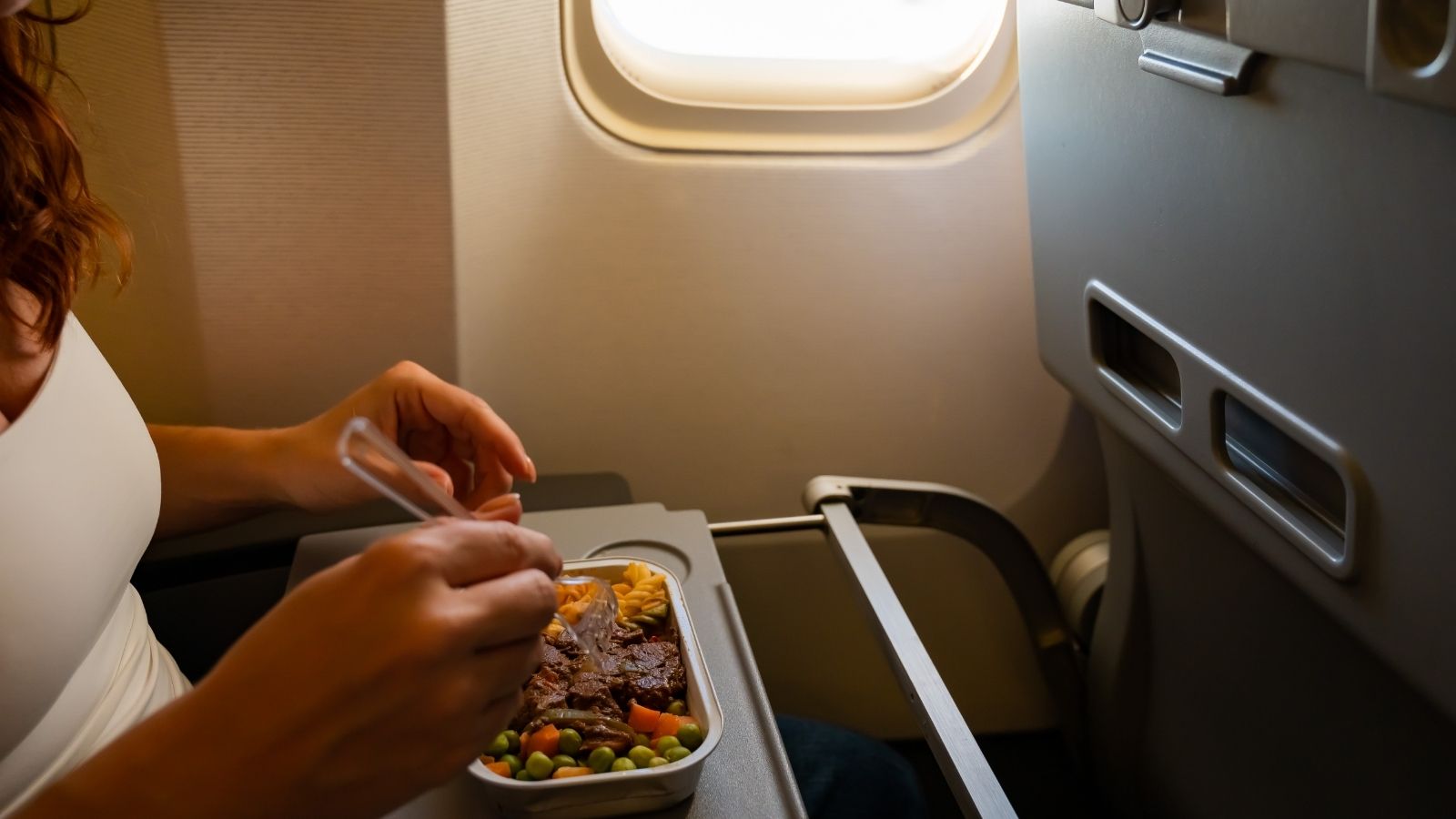
Heavy meals increase discomfort in cramped economy seats. Experienced travelers opt for lighter options, avoid excess salt, and eat smaller portions to prevent bloating. Timing meals strategically can also help with time-zone adjustment. Bringing a simple snack ensures you are not reliant on airline meal schedules alone.
Takeaway: Choose lighter meals to reduce discomfort and support better rest in a confined space.
11 Lake Towns Perfect for a Quiet Getaway Together

Lake towns have a way of shifting the tone of a trip the moment you arrive. Water softens the pace. Even busy days feel more measured when mornings start with a shoreline walk and evenings end with sunset views. For many couples, that rhythm is the reason lake destinations keep resurfacing in future travel plans.
Learn more here: 11 Lake Towns Perfect for a Quiet Getaway Together
9 American Towns Couples Choose When They Want Fewer Distractions

Not every trip needs packed schedules and constant activity. Many couples reach for quieter towns when they want space to think, reconnect, or simply step away from daily noise. The right setting can shift the focus from checking off attractions to actually spending time together.
Learn more here: 9 American Towns Couples Choose When They Want Fewer Distractions
