13 U.S. States Located on Fault Lines Scientists Continue to Monitor Closely
Earthquakes are not something most couples plan trips around, yet they shape far more of the country than many travelers realize. Some of the most popular places to live, visit, and retire sit directly on active fault lines that scientists continue to watch closely. For couples thinking about where to travel, relocate, or invest in long-term plans, this is not about panic. It is about awareness.
Many people assume seismic risk is limited to California. In reality, fault systems run through wide stretches of the United States, including states known for quiet suburbs, scenic coastlines, and growing cities. Small tremors often go unnoticed, while larger ones can disrupt travel, housing, and daily routines with little warning.
We have looked at where geologists and seismologists are paying the most attention today. This list focuses on states with known fault activity, ongoing monitoring, and a history that suggests continued movement is possible.
Whether you are planning a move, choosing a vacation spot, or simply want to understand the ground beneath your feet, these are the 13 U.S. states located on fault lines that scientists continue to monitor closely.

California

California’s fault network is dense, active, and closely tied to daily life in many regions. Major population centers sit near faults that move incrementally over time, which is why scientists track ground deformation, microquakes, and strain buildup continuously. Monitoring here is not about predicting exact timing. It is about understanding patterns that affect infrastructure, housing, and long-term planning. Coastal zones, mountain corridors, and inland valleys all carry different risks, requiring localized data rather than one statewide model.
Takeaway: Earthquake readiness in California depends on neighborhood-level awareness, not just statewide alerts.
Alaska

Alaska experiences more earthquakes than the rest of the country combined, driven by powerful tectonic plate interactions. Many events occur far from cities, but scientists closely watch southern and coastal areas where shaking can trigger landslides or tsunamis. Monitoring efforts here focus on depth, frequency, and offshore movement rather than surface damage alone. Because communities are widely spaced, communication systems and early warnings matter as much as raw seismic data.
Takeaway: In Alaska, earthquake monitoring is as much about distance and response time as magnitude.
Washington
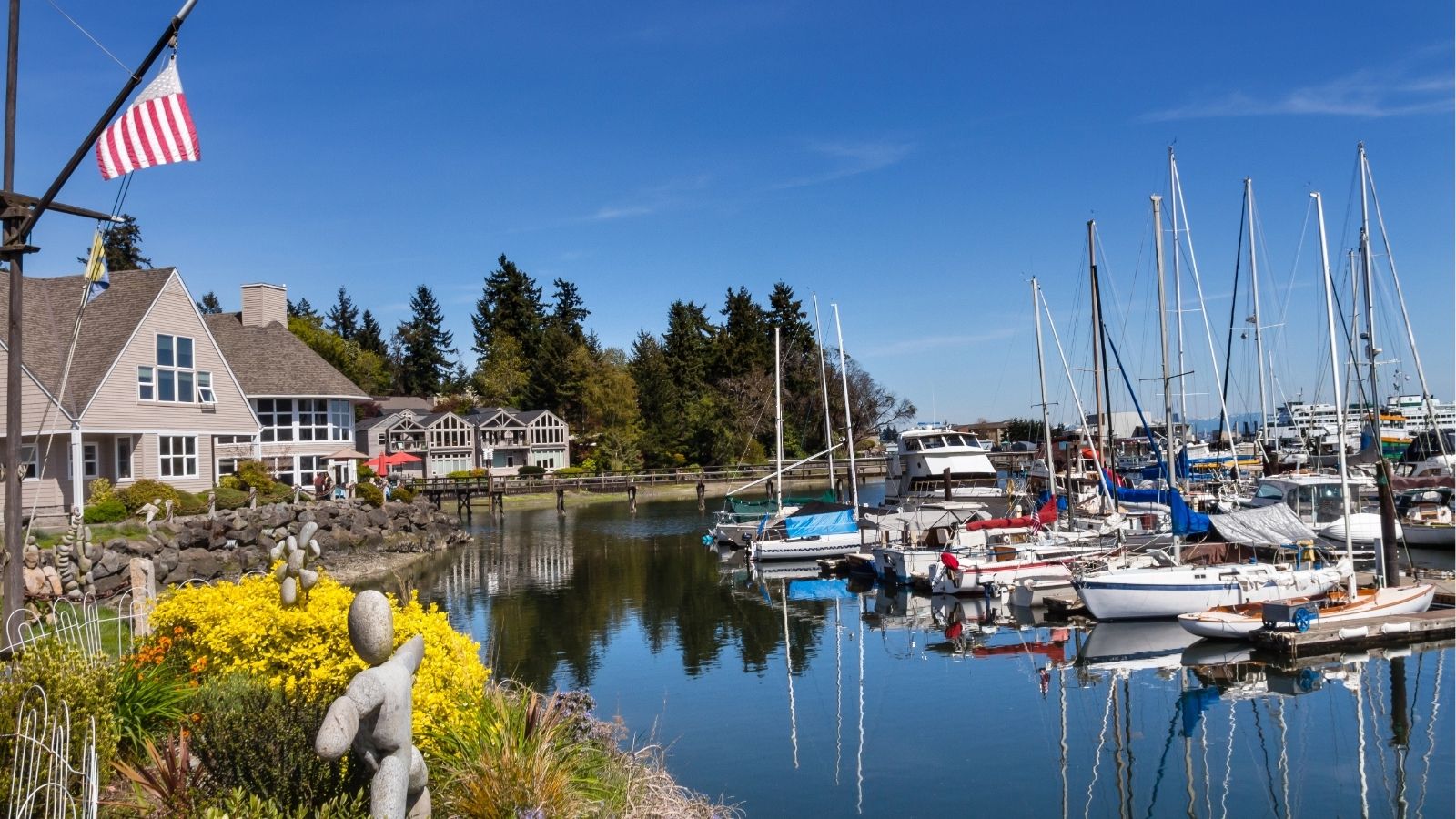
Washington’s primary concern is the Cascadia Subduction Zone, a massive offshore fault capable of producing infrequent but very strong earthquakes. The lack of recent major activity does not lower concern. Scientists track slow-slip events, seabed movement, and coastal elevation changes to understand long-term stress. Urban centers, ports, and transportation corridors all factor into monitoring priorities. Preparation here centers on what happens after shaking stops, not just during it.
Takeaway: Washington’s risk lies in rare events that demand long-range planning rather than short-term alerts.
Oregon

Oregon shares Cascadia risk with Washington, but its long coastline adds another layer of complexity. Scientists closely monitor offshore faults, coastal uplift, and tsunami modeling scenarios alongside inland seismic activity. Smaller crustal faults near population centers also receive attention, particularly where older infrastructure is common. The state’s monitoring strategy emphasizes coordination between seismic data and evacuation planning.
Takeaway: In Oregon, earthquake risk planning links inland shaking with coastal response timelines.
Nevada

Nevada ranks among the most seismically active states in the lower 48, even without a single dominant fault. Its landscape is shaped by crustal stretching, creating many active fault zones that generate frequent moderate earthquakes. Scientists track fault slip rates and ground motion near expanding metro areas where development continues to spread. Monitoring helps guide building standards and land use decisions rather than emergency alerts alone.
Takeaway: Nevada’s earthquake risk grows quietly alongside development, making planning as important as detection.
Idaho
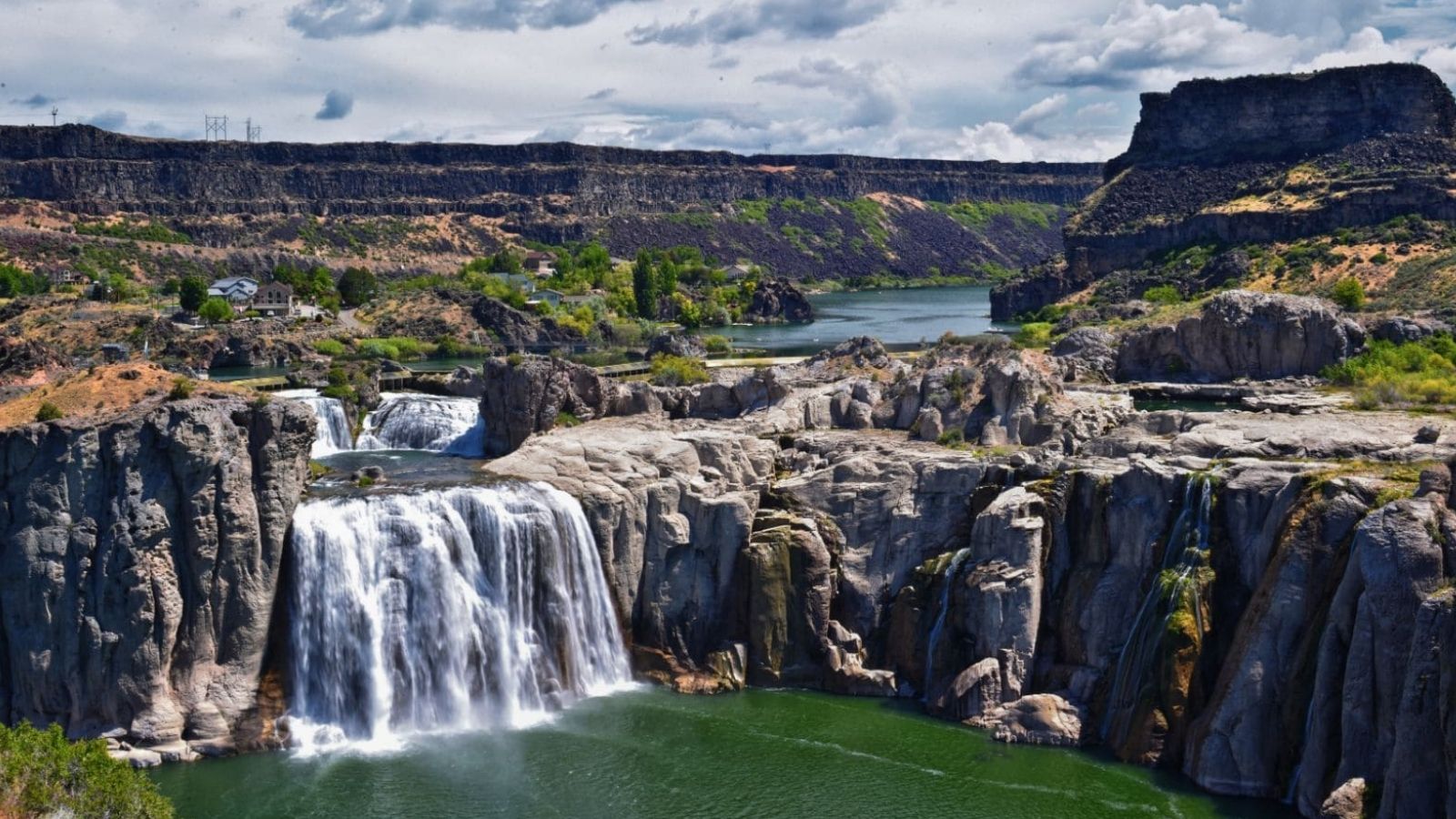
Idaho sits within the Intermountain Seismic Belt, a region marked by long, quiet periods followed by strong earthquakes. Many of the state’s faults run through rural or mountainous areas, which can make risk easier to overlook. Scientists monitor these zones closely because infrequent earthquakes can still cause significant ground movement when they occur. Data collection here focuses on fault reactivation and stress transfer between neighboring states. The goal is understanding long-term behavior rather than daily activity.
Takeaway: Idaho’s earthquake risk is defined by low frequency and high impact, not constant motion.
Montana

Montana has experienced some of the strongest inland earthquakes in U.S. history, reminding scientists that seismic risk is not limited to coastal states. Faults here are widely spaced but capable of producing large events. Monitoring focuses on crustal stress, historic rupture zones, and changes in seismic patterns over time. Many communities are small and spread out, which shifts attention toward infrastructure resilience rather than population density.
Takeaway: In Montana, rare earthquakes still shape how scientists assess long-term regional risk.
Wyoming
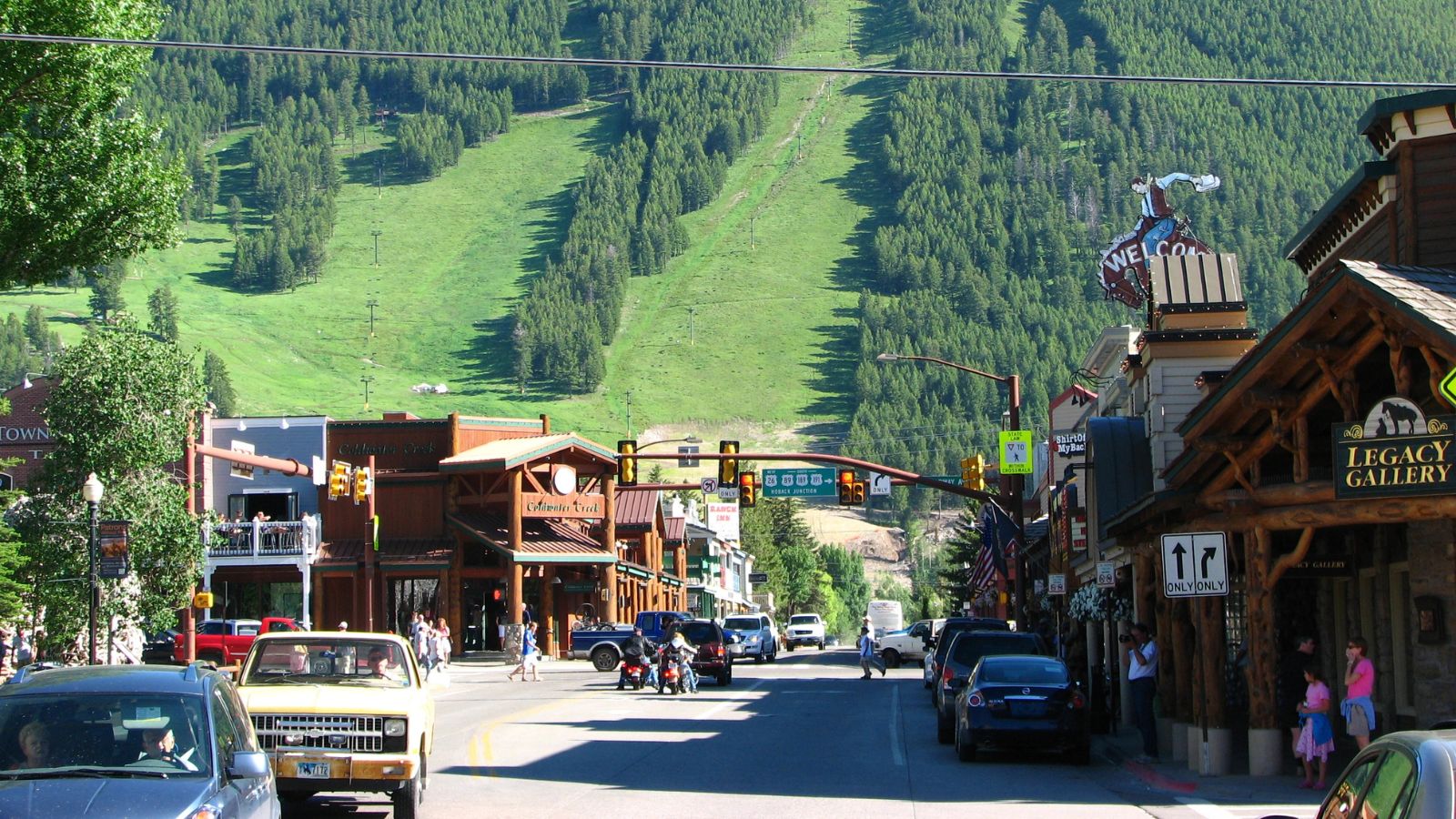
Wyoming’s seismic monitoring draws attention because of its proximity to the Yellowstone region. Earthquakes here are typically small, but their frequency and clustering matter. Scientists track seismic swarms, ground deformation, and fault movement to distinguish between tectonic stress and geothermal activity. The landscape’s geological complexity makes interpretation especially careful and deliberate. Monitoring is less about alarm and more about understanding how different systems interact beneath the surface.
Takeaway: Wyoming’s seismic risk is evaluated through patterns, not isolated events.
Missouri

Missouri lies at the center of the New Madrid Seismic Zone, an area known for powerful earthquakes that occurred far from plate boundaries. Scientists monitor subtle ground movement and small tremors to assess stress buildup in the region. Because seismic waves travel farther through central U.S. geology, even moderate earthquakes could affect large areas. Monitoring here supports emergency planning across multiple states, not just Missouri alone.
Takeaway: Missouri’s earthquake risk extends beyond its borders due to how seismic energy travels.
Utah

Utah’s seismic risk centers on the Wasatch Fault, which runs close to the state’s most populated corridor. Scientists monitor this fault closely because long periods of quiet can mask the buildup of strain. A major earthquake here could affect housing, transportation, and utilities across multiple cities at once. Research focuses on fault segmentation, ground deformation, and how shaking would move through valley soils. Planning efforts are tied closely to public infrastructure and growth patterns.
Takeaway: Utah’s earthquake risk is concentrated where population growth and fault lines overlap.
Arkansas

Eastern Arkansas lies within the New Madrid Seismic Zone, an area shaped by ancient faults that remain active beneath the surface. Earthquakes here are usually small, but scientists pay close attention to subtle changes in seismic behavior. Monitoring focuses on stress accumulation and how energy might release across connected fault systems. Because earthquakes in this region can be felt across several states, Arkansas plays a role in broader regional preparedness planning.
Takeaway: Arkansas’s seismic importance comes from fault behavior that affects a wide surrounding area.
Tennessee
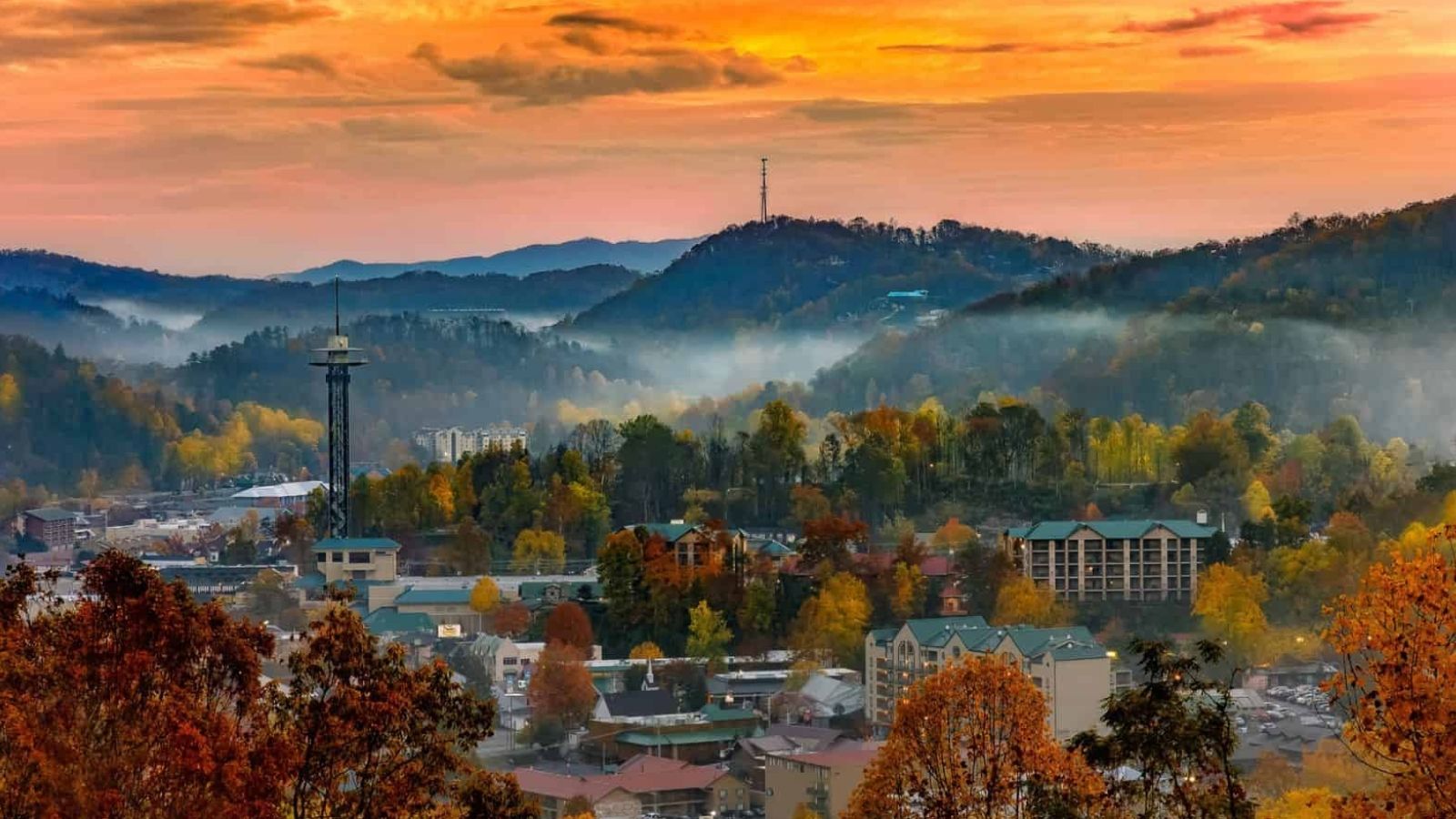
Western Tennessee shares the New Madrid fault system, placing Memphis and nearby infrastructure within a monitored seismic zone. Scientists track low-level activity and soil conditions that can amplify shaking during earthquakes. Older buildings, bridges, and river crossings are a major focus, as they face higher risk during prolonged ground motion. Monitoring here supports long-term mitigation rather than frequent alerts.
Takeaway: Tennessee’s earthquake planning prioritizes infrastructure resilience over short-term prediction.
South Carolina

South Carolina’s seismic monitoring centers on the Charleston area, where a major earthquake occurred in the late 1800s. Although earthquakes are infrequent today, scientists continue to track minor tremors and fault movement to understand long-term risk. Dense development and coastal geography increase the potential impact of future events. Monitoring here focuses on historical patterns and modern urban exposure.
Takeaway: South Carolina’s earthquake risk is shaped by history, not frequency.
11 Travel Scams You Should Watch Out For as a Romantic Couple

Nothing kills the romance of a couples getaway faster than getting scammed. Trust us, we’ve seen it happen, and it’s heartbreaking watching lovebirds lose money, time, and peace of mind to preventable cons. Here’s the truth: romantic couples are prime targets for travel scams. Scammers know you’re distracted by each other, riding high on vacation vibes, and more likely to let your guard down. They also know you’re probably splurging on special experiences, which means bigger paydays for them.
Learn more here: 11 Travel Scams You Should Watch Out For as a Romantic Couple
11 Cheap Countries Popular With Backpackers

Backpacking isn’t just for solo travelers and twenty-somethings anymore. More and more couples are discovering that backpacking together is one of the most romantic and adventurous ways to travel. And the best part? It doesn’t have to drain your savings. Want amazing experiences, cultural immersion, and unforgettable memories without the luxury resort price tag? You’re in the right place.
Learn more here: 11 Cheap Countries Popular With Backpackers
