5 Items That Can Get You Stopped at Airport Security
Airport security lines move quickly until they do not. Delays often happen because of everyday items that trigger additional screening. Many of these objects are common in carry-on bags and seem harmless at first glance. Understanding what raises red flags helps us move through checkpoints with confidence.
Security procedures are consistent in principle but strict in execution. Screening systems are designed to flag shapes, densities, and materials that require a closer look. When we know which items commonly cause pauses, we can pack more strategically and avoid unnecessary stress at the start of a trip.
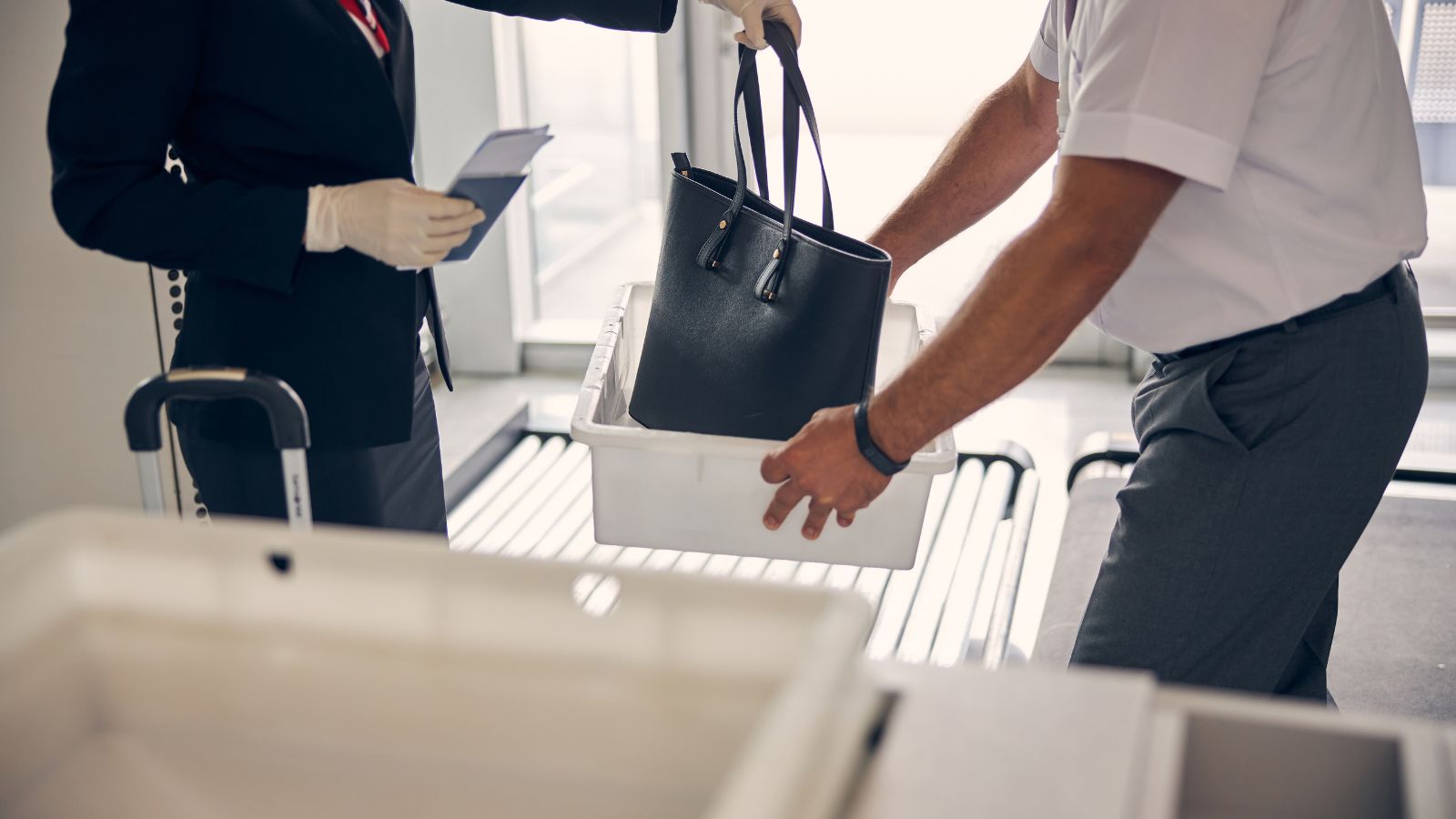
1. Oversized Liquids
Lithium batteries are essential for modern travel, but they are closely monitored for safety reasons. Fire risk concerns mean these items receive extra attention during screening.
The most frequent issue remains liquids that exceed the allowed limit. Containers larger than 3.4 ounces or 100 milliliters in carry-on luggage are typically prohibited under international security rules. The size of the container determines compliance, not the amount inside. Large toiletries, bottled drinks, and full-size sunscreen are common culprits. Placing approved liquids in a clear resealable bag reduces delays.
2. Portable Chargers and Loose Lithium Batteries

Power banks and spare lithium batteries are allowed in carry-on bags but generally prohibited in checked luggage. Bags containing loose batteries are often pulled aside due to fire safety regulations. Keeping chargers organized and easy to remove speeds up inspection. Damaged or unmarked batteries can draw additional scrutiny.
Power banks and spare lithium batteries are allowed in carry-on bags but generally prohibited in checked luggage. Bags containing loose batteries are often pulled aside due to fire safety regulations. Keeping chargers organized and easy to remove speeds up inspection. Damaged or unmarked batteries can draw additional scrutiny.
3. Sharp or Multi-Use Tools
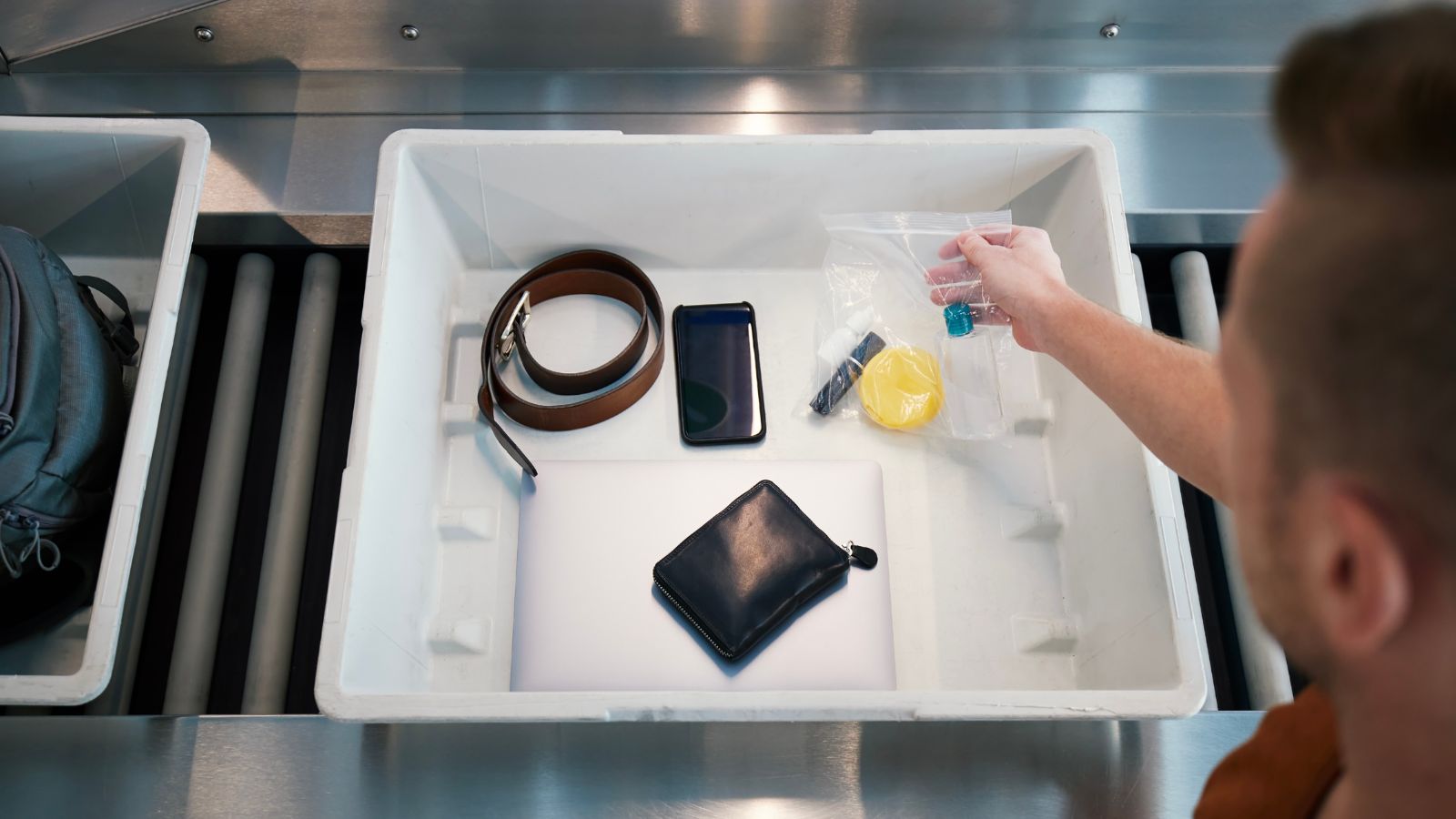
Everyday tools often go unnoticed during packing, especially in bags we use regularly. Security scanners, however, identify them immediately.
Pocket knives, scissors beyond the permitted blade length, and multi-tools frequently lead to confiscation. Even small grooming scissors can cause inspection if they exceed guidelines. These items are often forgotten in backpacks used for daily routines. Checking every compartment before departure prevents unnecessary loss.
4. Large Powders
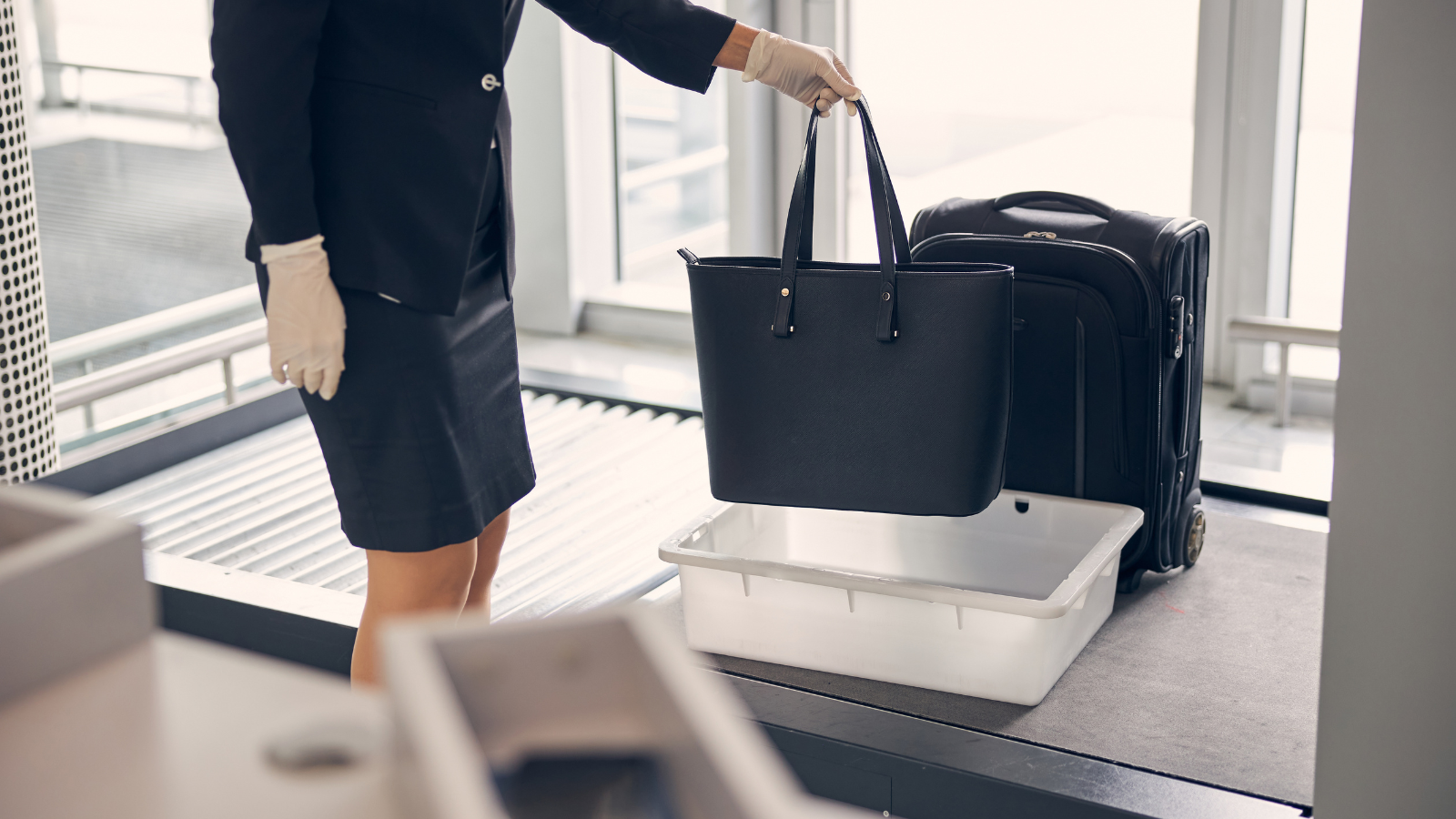
Powdered items can appear suspicious under screening equipment due to their density. As a result, they may require manual inspection.
In some countries, large quantities of powder substances such as protein powder, spices, or cosmetics may prompt extra screening. Officers may test or inspect containers to verify contents. While not always prohibited, they can slow the process. Keeping items sealed and clearly labeled helps minimize disruption.
5. Replica or Toy Weapons

Items that resemble weapons create immediate concern regardless of intent. Visual similarity alone is enough to trigger inspection.
Realistic toy guns, novelty items, or replica collectibles are typically not permitted in carry-on luggage. Even harmless souvenirs can create confusion and extended questioning. Avoid packing anything that resembles a weapon.
Why Preparation Matters

Airport security is designed for safety and efficiency. Most delays stem from overlooked details rather than serious violations. When we pack with intention and review current regulations before departure, the process becomes predictable and calm. A few minutes of preparation at home often saves far more time at the checkpoint and allows the journey to begin on a smoother note.
