9 Bucket List Trails Worth Traveling to Hike in 2026
Some trips revolve around cities or coastlines. Others are built around a single trail that draws travelers from around the world. For couples who enjoy hiking, planning a trip around a renowned route can shape the entire experience.
Bucket list trails tend to offer more than scenery alone. They combine dramatic landscapes, well-established paths, and a sense of progression that makes the journey feel meaningful from start to finish. Many also pass through villages, national parks, or cultural sites that add depth beyond the hike itself.
Preparation matters with destination hikes. Seasonal weather, permit systems, and trail conditions can determine whether a trip feels smooth or unnecessarily stressful. Choosing the right year and planning well in advance often makes the difference.
We have identified 9 bucket list trails worth traveling to hike in 2026. These routes stand out for their landscapes, accessibility, and reputation among experienced hikers, giving couples a reason to build an entire trip around the trail ahead.
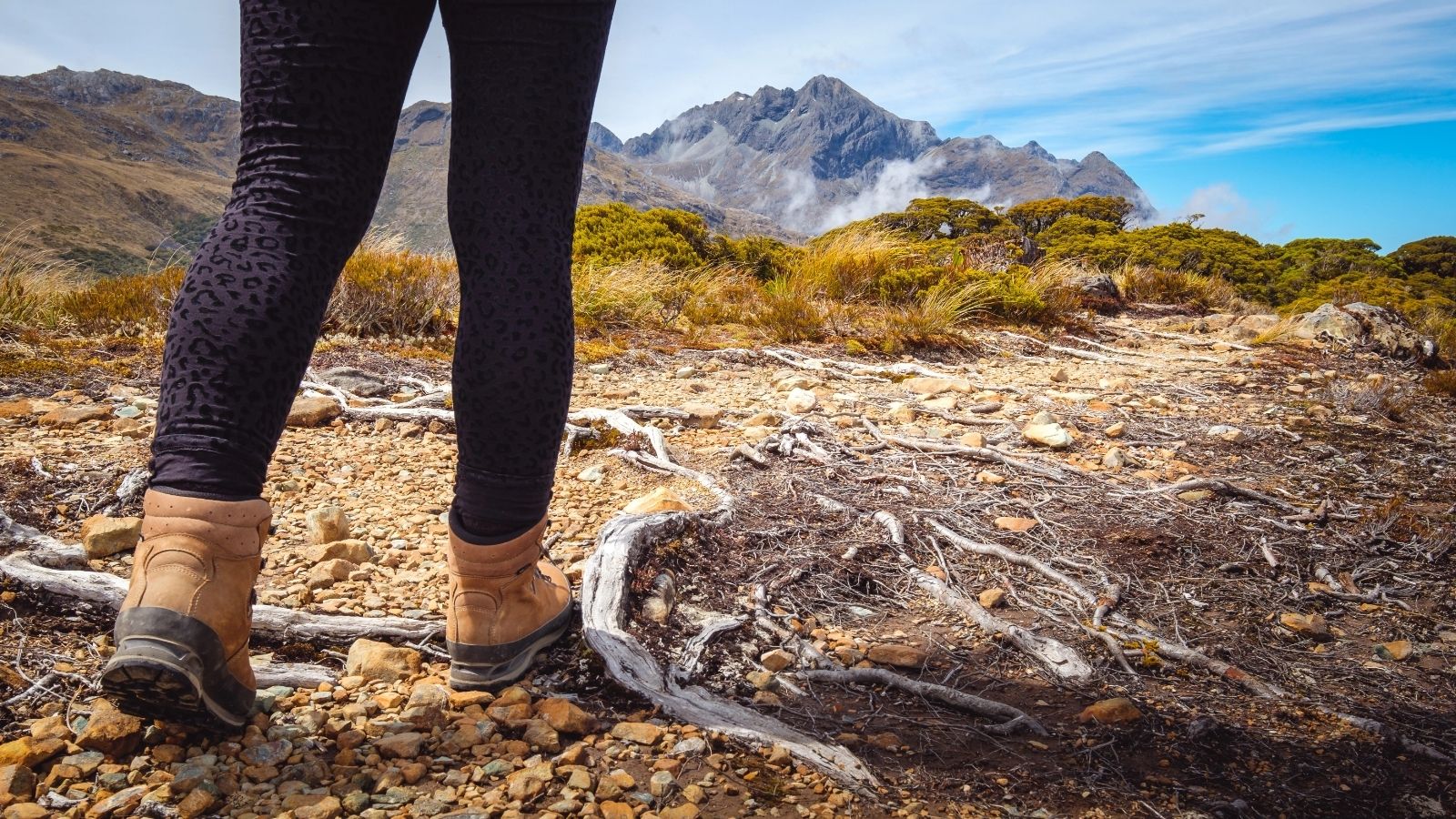
W Trek, Chile
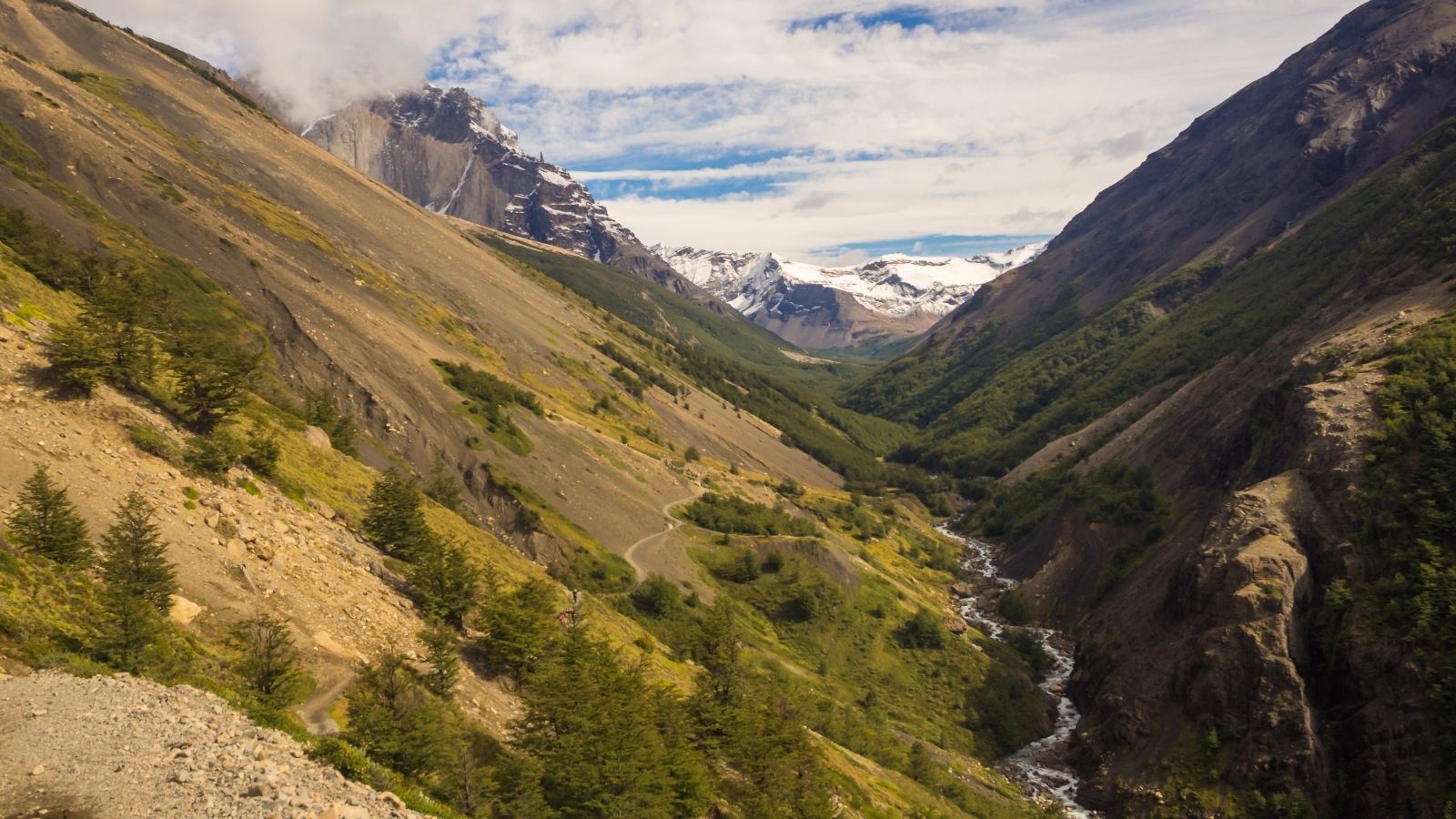
The W Trek inside Torres del Paine National Park remains one of South America’s most recognizable multi-day hikes. The route passes beneath granite towers, along bright turquoise lakes, and beside large glaciers. Trail infrastructure is well organized, which makes planning manageable compared with more remote expeditions. Lodges and camps sit at regular intervals, allowing hikers to adjust distance and pace each day. Weather changes quickly, but the variety of scenery keeps the route engaging throughout.
Takeaway: Reserve campsites or refugios well in advance to secure the best overnight stops.
Tour du Mont Blanc, France, Italy, and Switzerland
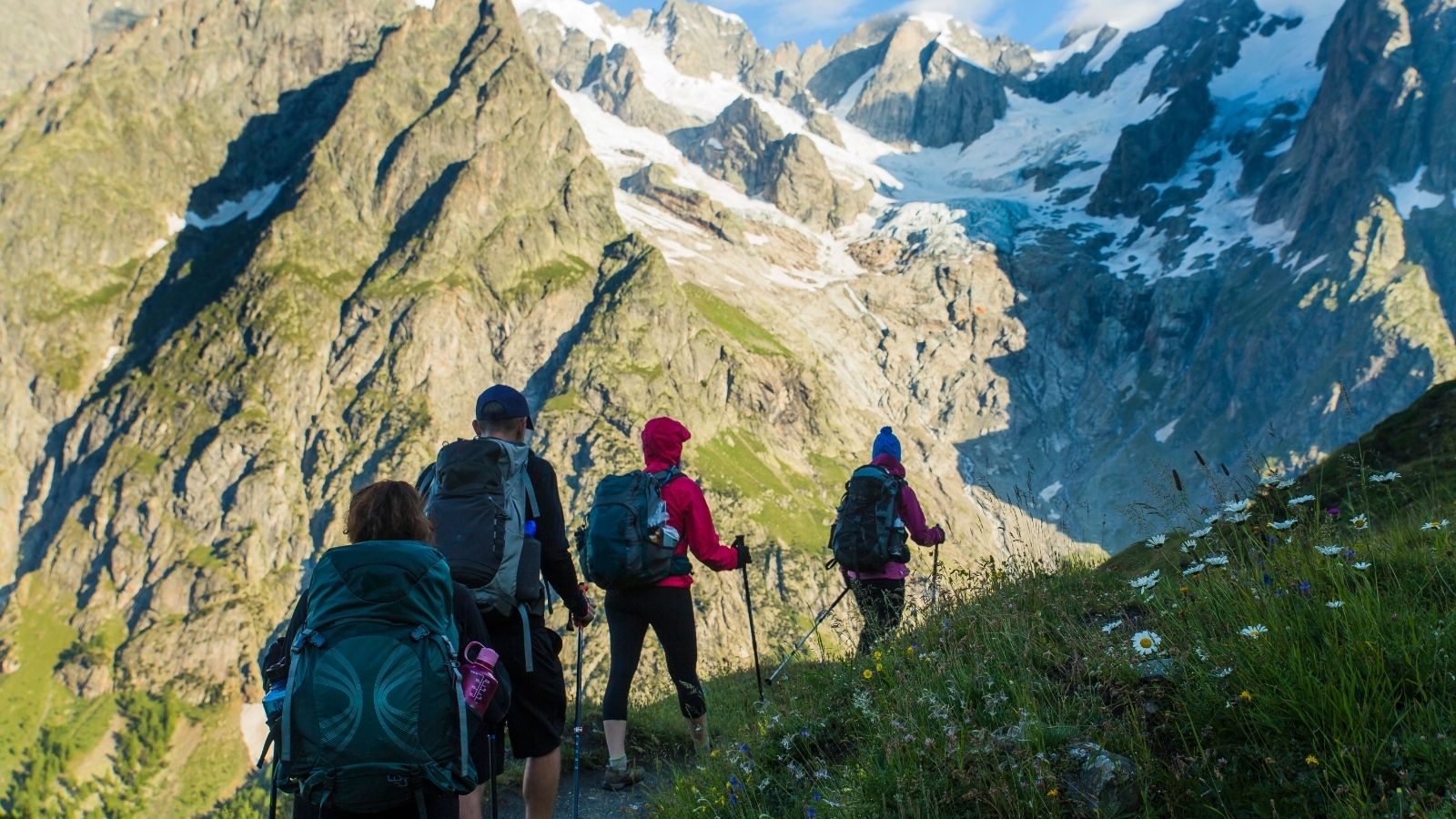
The Tour du Mont Blanc circles the highest mountain in Western Europe through three countries. Each stage introduces a different alpine landscape, from meadows and glacier views to small mountain villages. Refuges and guesthouses along the route make the trek accessible to hikers who prefer lighter packs. Cultural changes between regions add variety without complicating navigation. The trail is demanding but predictable, with strong infrastructure supporting long-distance hikers.
Takeaway: Plan moderate daily distances to balance mountain views with time in alpine villages.
Milford Track, New Zealand
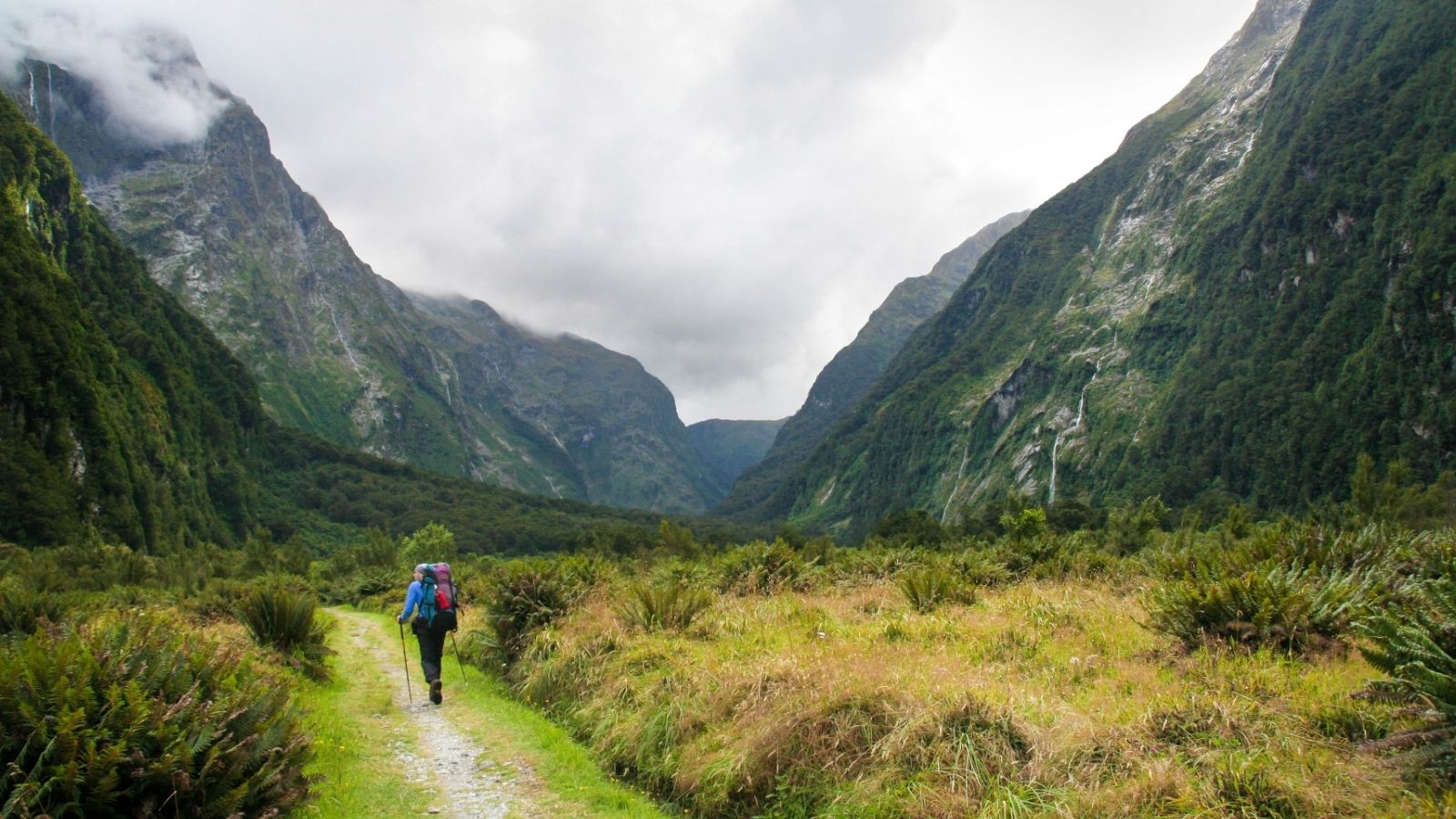
The Milford Track crosses Fiordland’s rainforest valleys and alpine passes within a carefully managed route system. Wooden walkways and well-maintained paths protect fragile terrain while keeping navigation straightforward. Waterfalls appear frequently, especially after rain, which is common in the region. The trail gradually climbs toward Mackinnon Pass before descending toward Milford Sound. Limited daily permits help maintain a quieter atmosphere.
Takeaway: Secure permits early and plan extra time to appreciate the changing landscapes.
Inca Trail, Peru
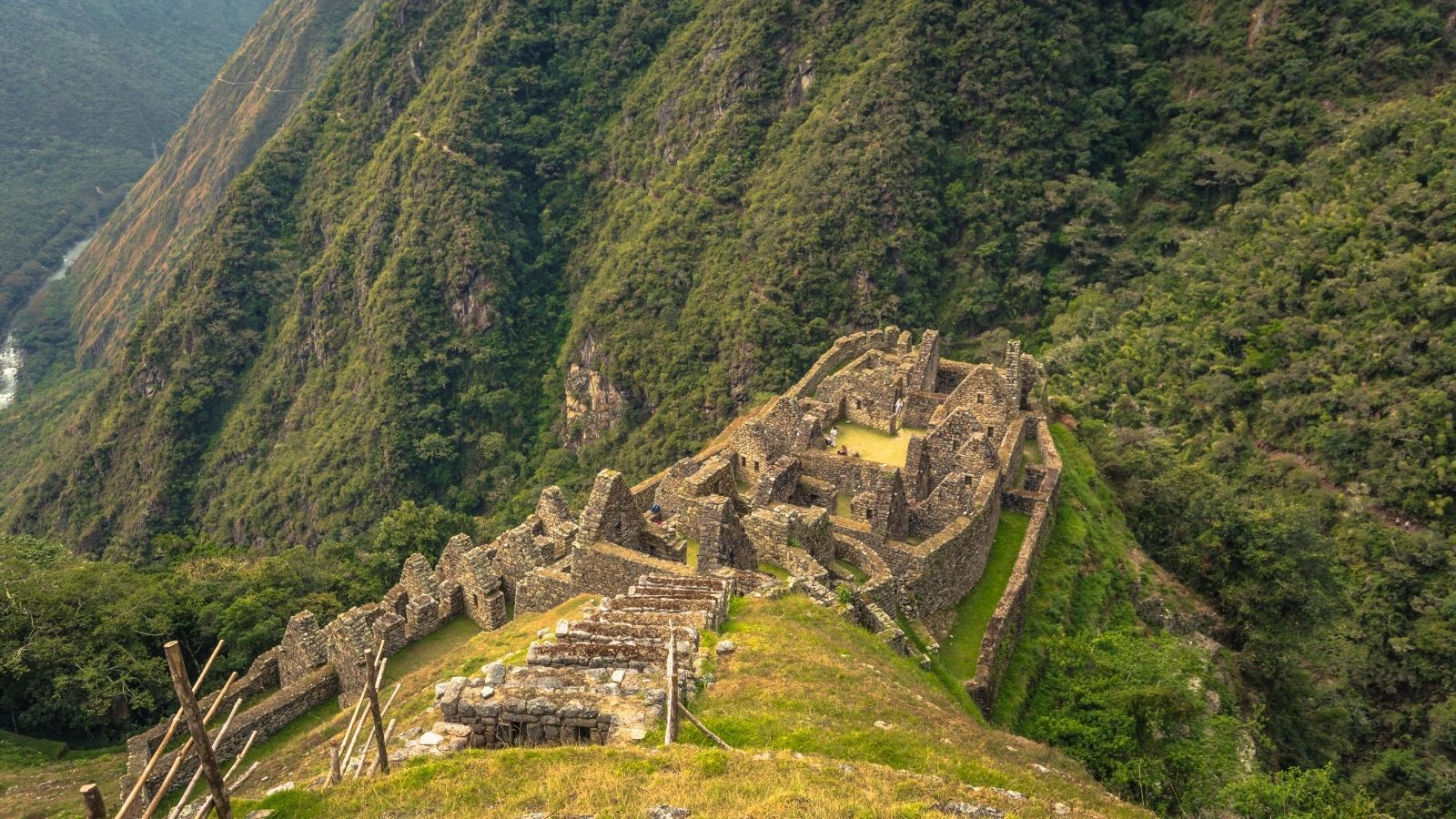
The Inca Trail combines hiking with archaeological discovery. Ancient stone pathways climb through cloud forests and high mountain passes before reaching the ruins of Machu Picchu. Several smaller archaeological sites appear along the trail, adding historical context to the journey. Permits regulate daily numbers, which helps preserve the route while keeping groups manageable. The final sunrise arrival at Machu Picchu remains one of the most memorable moments in trekking.
Takeaway: Book permits months ahead, especially during peak travel seasons.
Laugavegur Trail, Iceland
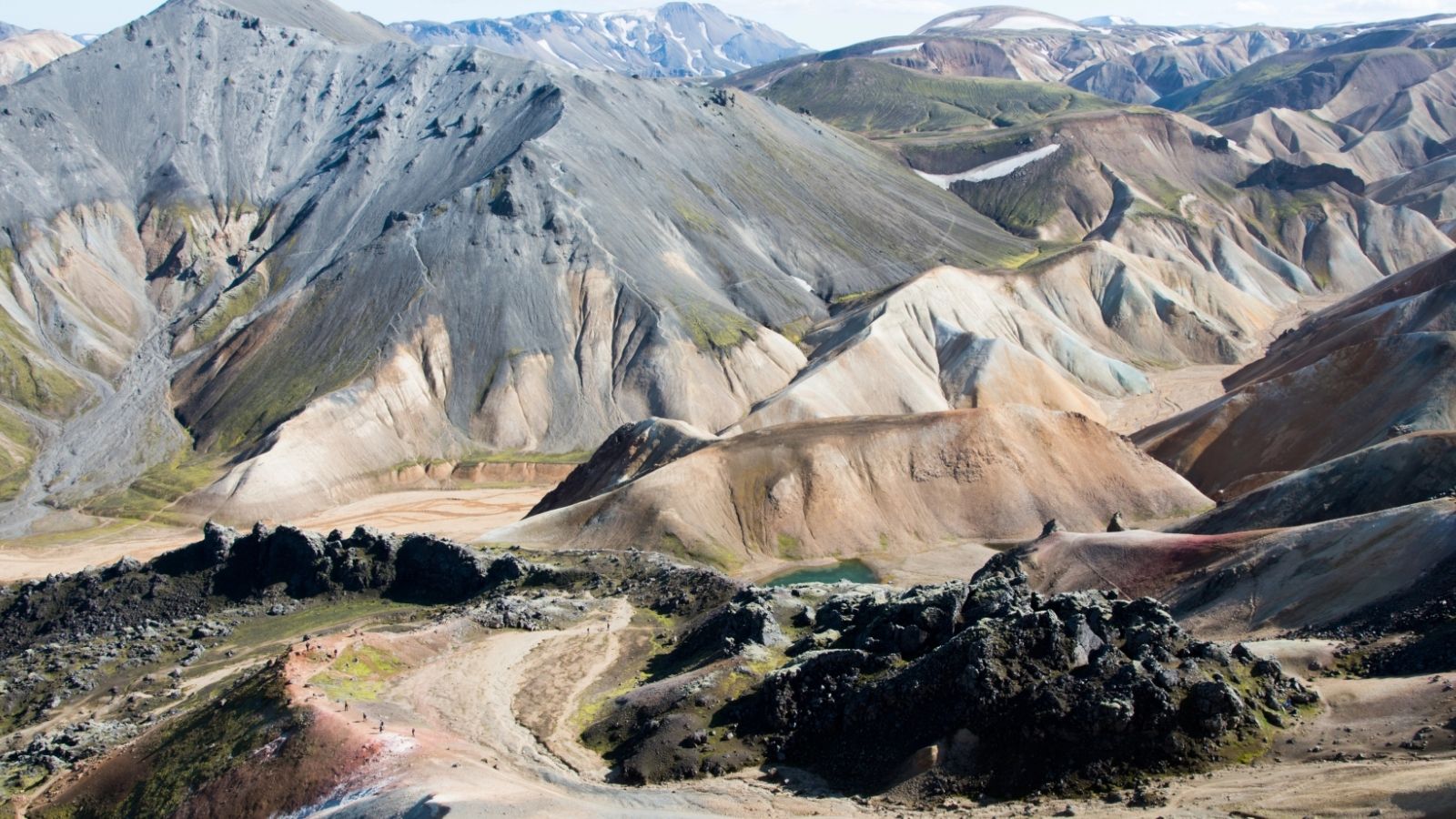
The Laugavegur Trail crosses some of Iceland’s most unusual landscapes. Colorful rhyolite mountains, geothermal valleys, black sand deserts, and glacial rivers appear along the route. Each day introduces terrain that looks dramatically different from the last. Mountain huts and campsites provide structured overnight points. Weather can shift quickly, making preparation important.
Takeaway: Pack layers and allow flexibility in your schedule for changing weather conditions.
Everest Base Camp Trek, Nepal
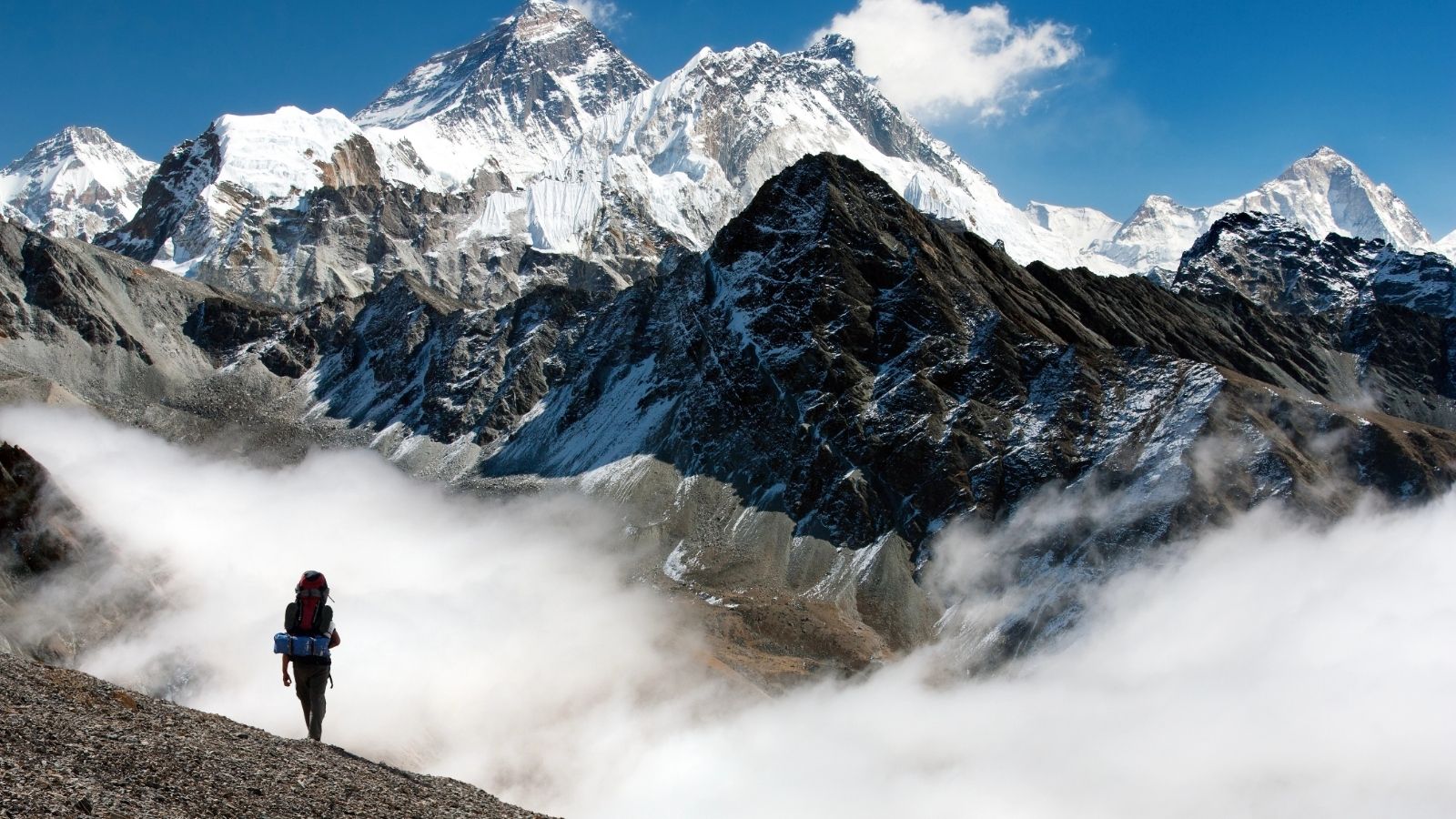
The Everest Base Camp Trek remains one of the most recognized mountain journeys in the world. The trail climbs gradually through Sherpa villages, suspension bridges, and alpine valleys before reaching the base of Mount Everest. Cultural encounters shape the experience as much as the scenery. Monasteries, prayer flags, and small lodges line the route, creating a steady rhythm between hiking and rest. Altitude becomes the primary challenge rather than technical terrain.
Takeaway: Build extra acclimatization days into your itinerary to adjust safely to altitude.
Sentiero Azzurro, Italy
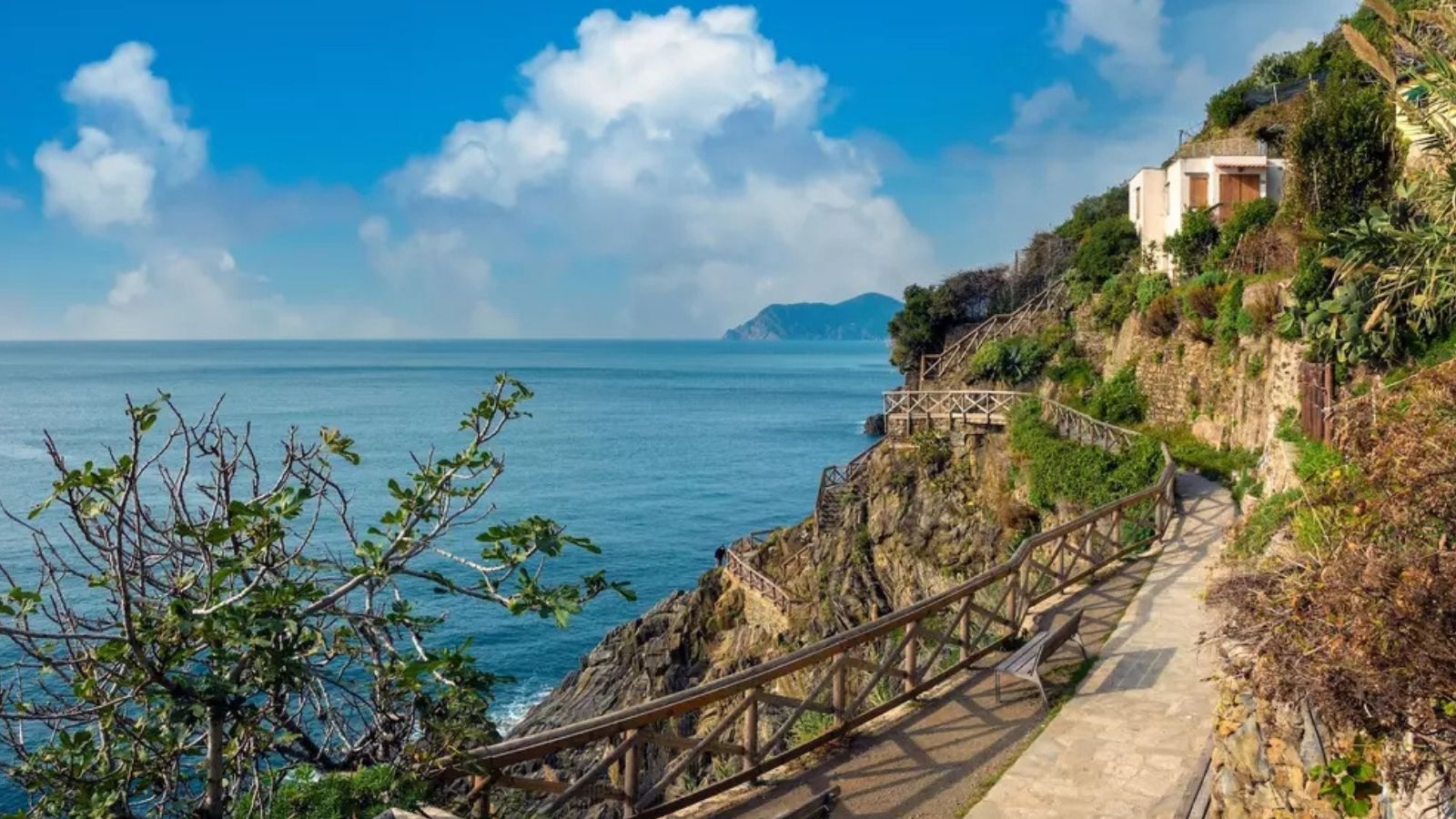
The Sentiero Azzurro connects the villages of Cinque Terre along terraces carved into steep coastal hillsides. Sections of the trail move between vineyards, stone stairways, and open sea views. Hikers pass directly through colorful towns where cafés and small harbors break up the journey. Distances are manageable, but elevation changes add challenge. The route combines cultural exploration with coastal scenery rather than remote wilderness.
Takeaway: Start early in the morning to enjoy quieter trails between villages.
West Coast Trail, Canada
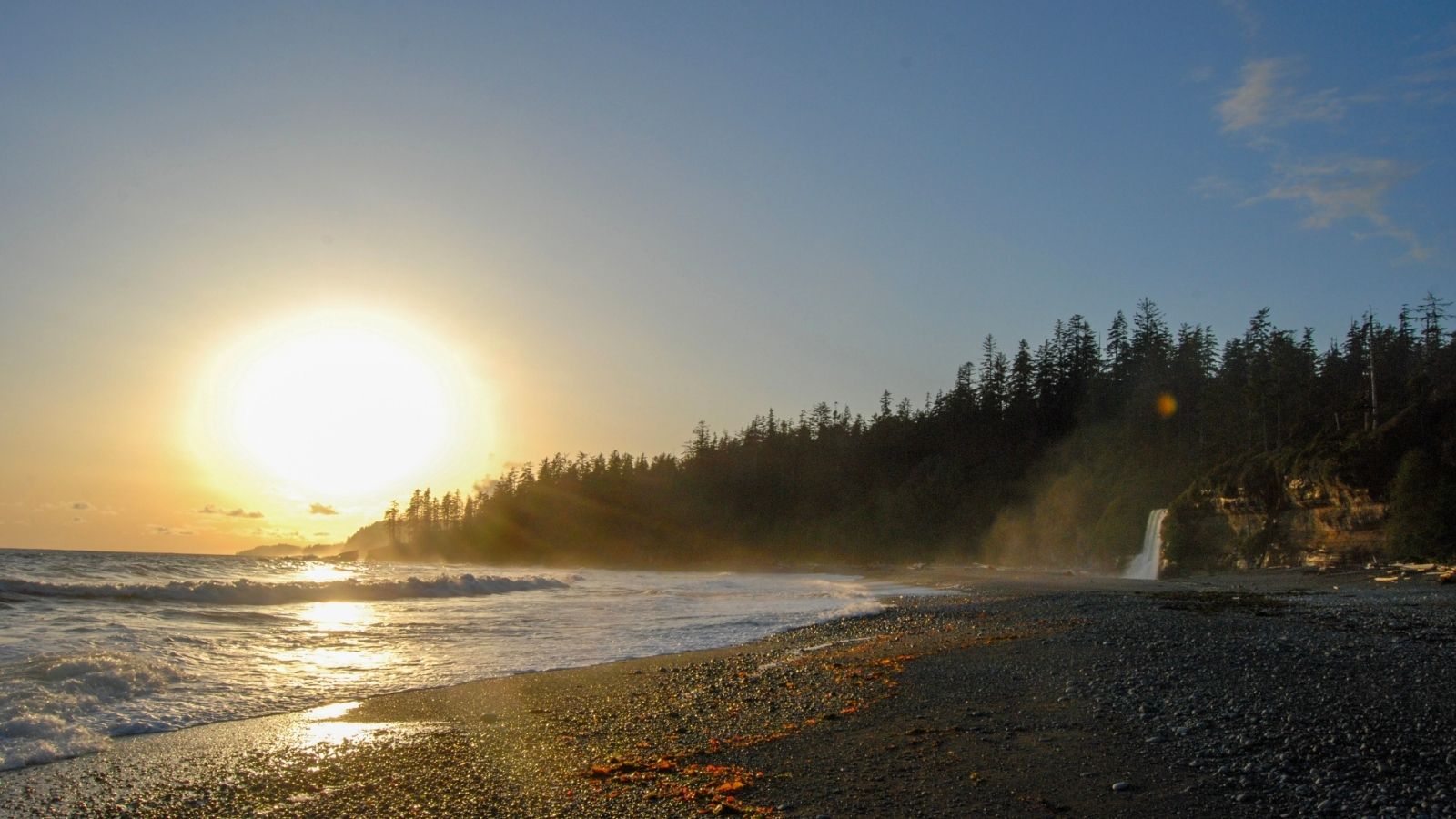
The West Coast Trail is known for its rugged character and coastal wilderness. Boardwalks, ladders, and suspension bridges help hikers navigate dense rainforest and rocky shoreline. Sections of the trail depend on tidal timing, which adds a planning element to each day. Beaches open into long stretches where hikers can walk beside the Pacific Ocean. Weather and terrain require preparation, but the route rewards persistence with dramatic coastal views.
Takeaway: Study tide charts carefully and plan daily distances around shoreline conditions.
Camino de Santiago, Spain
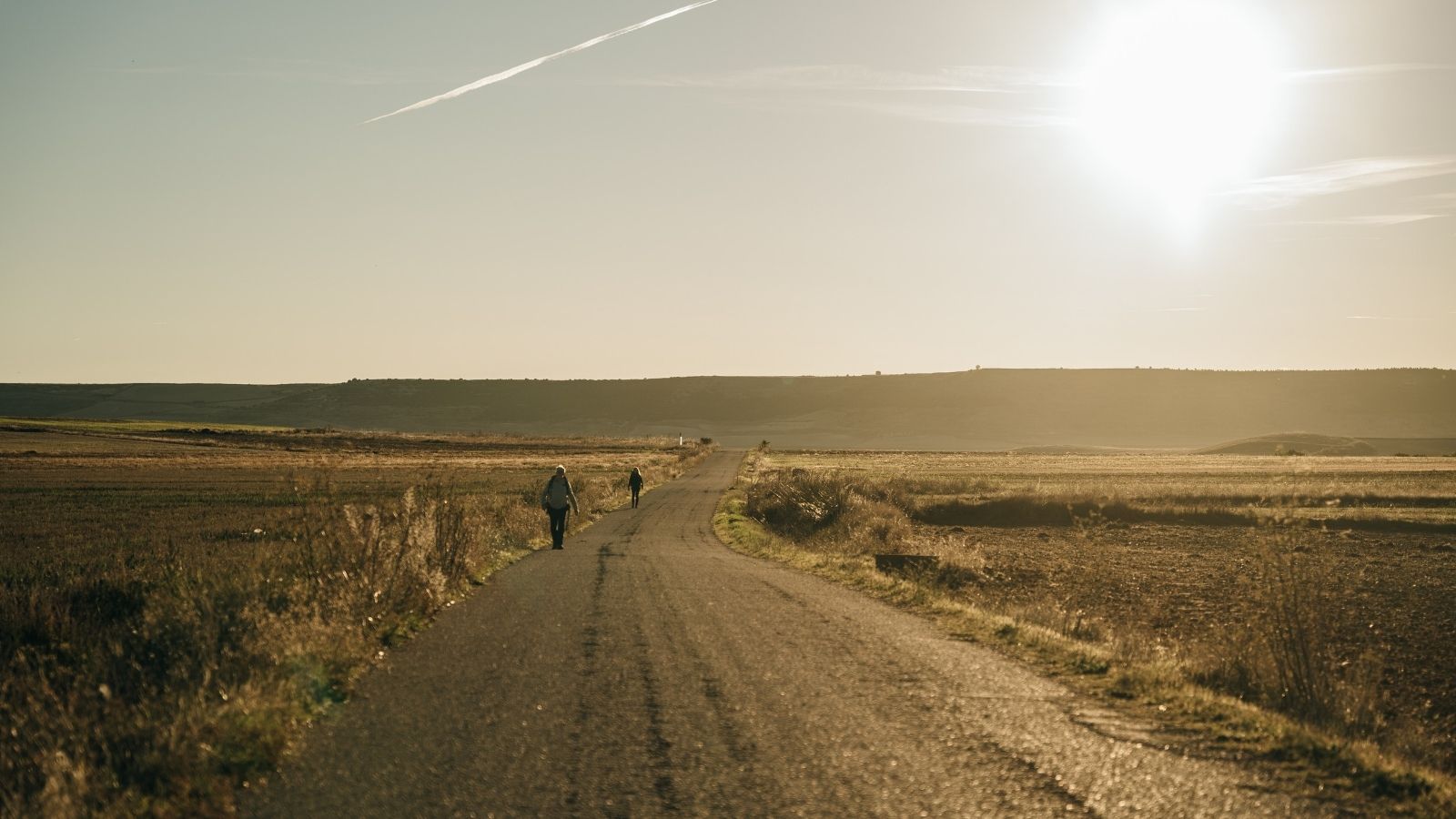
The Camino de Santiago offers a different style of long-distance hiking. Instead of dramatic mountain scenery, the trail passes through farmland, villages, and historic towns across northern Spain. The experience focuses on steady movement and reflection rather than physical difficulty. Pilgrim hostels and cafés appear frequently along the route, which keeps daily logistics simple. Many hikers walk sections of the trail over multiple days rather than completing the entire distance at once.
Takeaway: Plan moderate daily distances to leave time for rest and village exploration.
11 Destinations Where Tourist Taxes Add Up Fast

Tourist taxes are easy to underestimate when planning a trip. They often appear as small nightly charges or add-ons that feel insignificant at first glance. The reality is that in some destinations, these fees accumulate quickly, especially for couples staying multiple nights or moving between cities.
Learn more here: 11 Destinations Where Tourist Taxes Add Up Fast
9 Places Where Travel Fees Catch Americans Off Guard

Travel budgets often look solid until the extra charges start piling up. Many Americans plan carefully for flights and hotels, then get caught off guard by fees that appear only after arrival. These costs are rarely hidden. They are simply easy to overlook when focusing on the basics.
Learn more here: 9 Places Where Travel Fees Catch Americans Off Guard
