9 Budget Travel Traps and How to Dodge Them Globetrotting

Traveling on a budget doesn’t mean cutting corners. Instead, it means being smart with your money. But even the savviest travelers fall for common traps that drain time, cash, and patience. From deceptive deals to sneaky hidden costs, here are nine budget blunders to steer clear of, plus exactly how to outsmart them for a smoother journey.
Overpriced Airport Transport

That taxi from the airport might seem harmless, but it’s usually double or triple the cost of local alternatives. Many cities offer reliable airport trains or shuttle buses that take you to the center for a fraction of the price. Apps like Rome2Rio can help you compare routes before you land so you’re not negotiating with drivers after a long flight.
Cheap Flights with Costly Baggage

That $20 flight looks dreamy until you add baggage fees, seat selection, and airport taxes. Budget airlines are masters at unbundling costs. Always read the fine print on luggage and weigh your bag at home. Consider packing light with a carry-on only and using a travel scale to dodge surprise charges at the gate.
Currency Exchange at the Airport
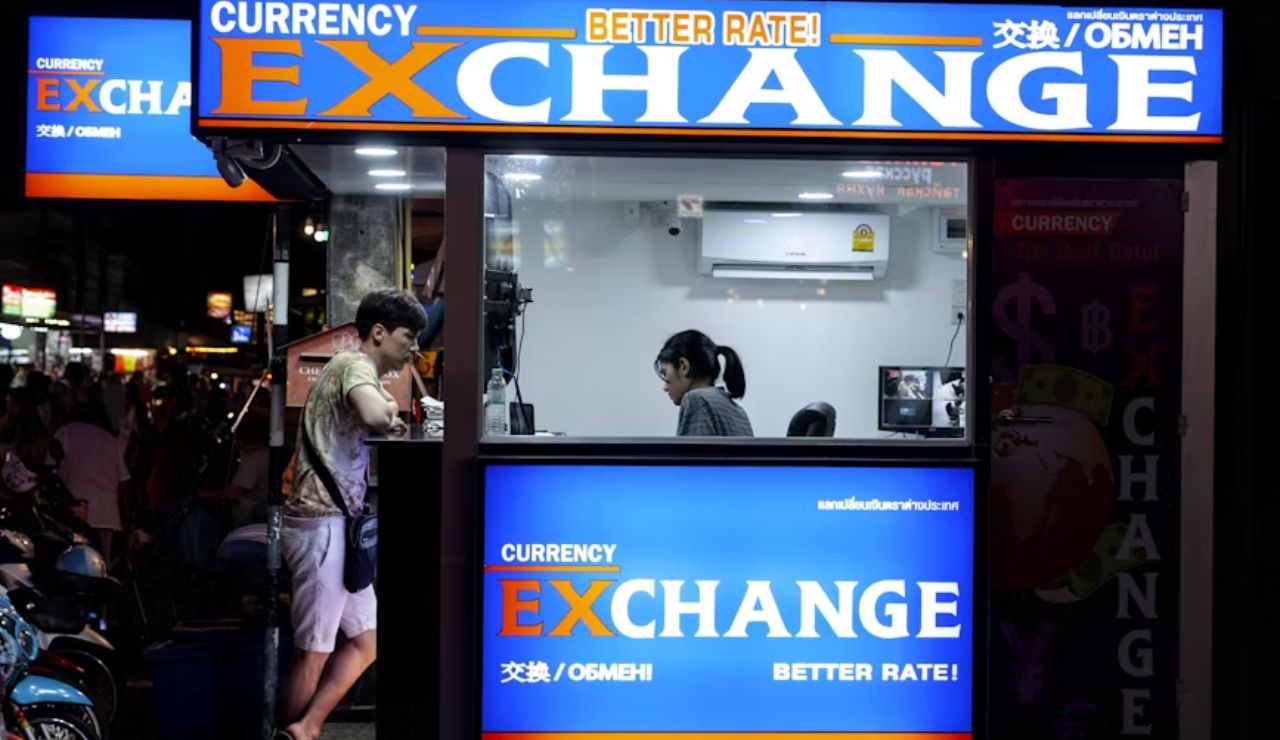
Airport currency counters prey on convenience and jet lag, offering some of the worst exchange rates around. Instead, withdraw cash at an ATM in town or use a card with no foreign transaction fees. A little planning before your trip can save you up to 10% on your first spend abroad.
Tourist Menus and “Local” Set Meals

That charming restaurant with laminated menus and flags outside may not be the authentic deal you think it is. Tourist menus often serve up smaller portions at higher prices. Ask a local or use apps like Google Reviews or The Fork to find where residents actually eat. You’ll save money and probably have a better meal.
“Unlimited” Travel Passes
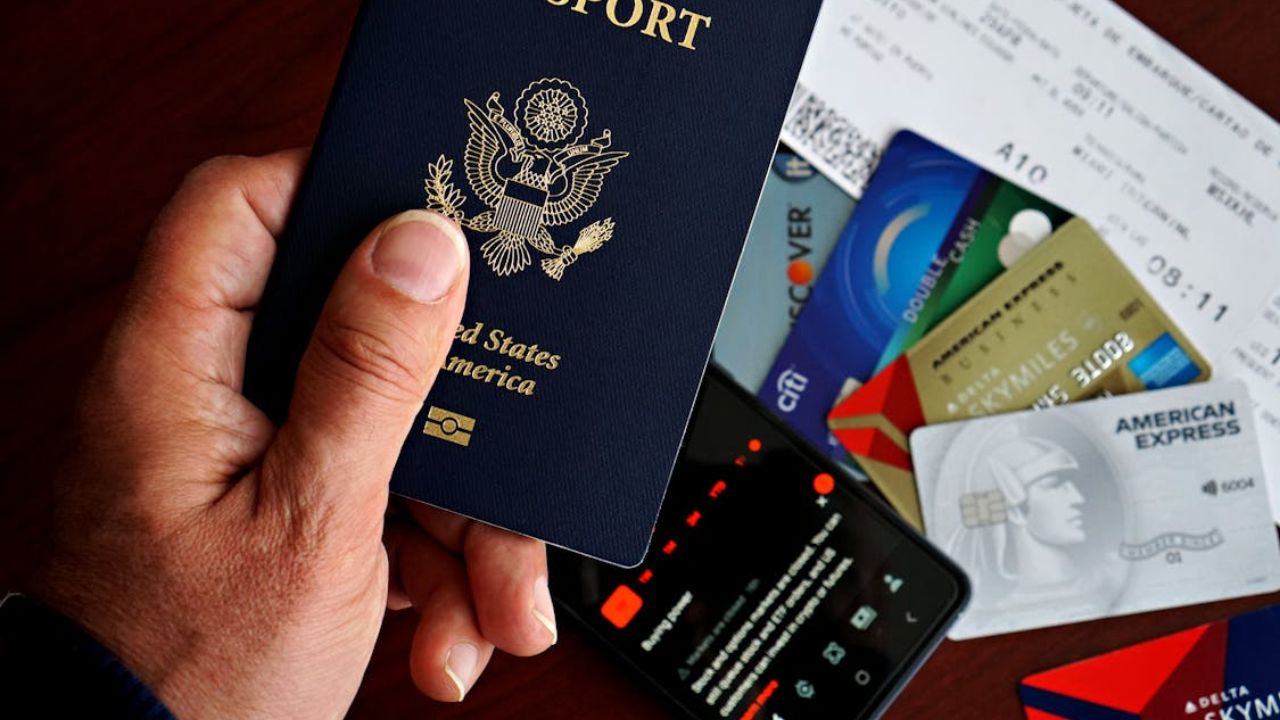
Multi-day transport passes or city cards sound like a steal – until you realize you’ll never use half the perks. Do the math first. If you’re only using public transport a couple of times a day or not visiting all the listed attractions, it’s cheaper to pay as you go. Don’t buy passes out of FOMO or pressure at the airport.
Too-Good-to-Be-True Hotel Deals

That budget hotel in the heart of the city? Read the reviews carefully. It might be near a noisy nightclub, come with shared bathrooms, or have hidden cleaning fees. Use aggregator sites to compare prices, but always check guest photos and fine print on cancellation, taxes, and check-in times before you hit “book.”
Not Getting a Local SIM or eSIM
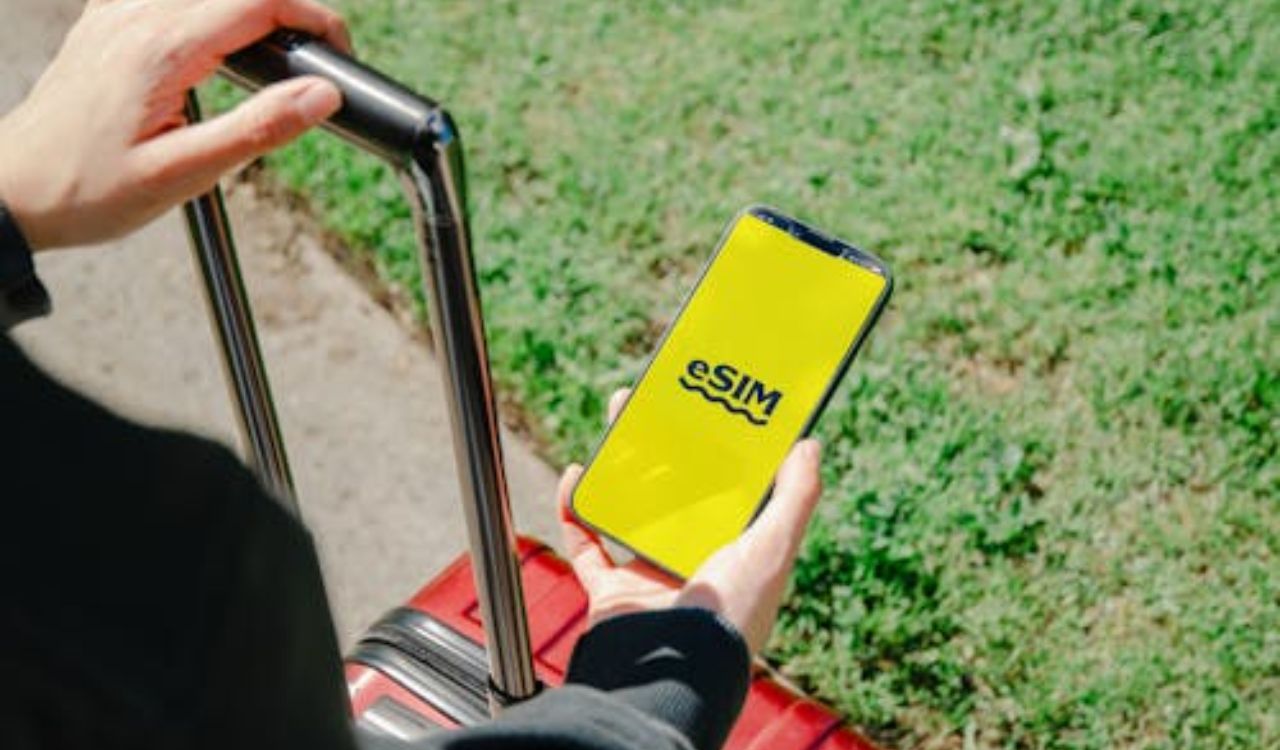
Roaming charges rack up fast when you’re relying on your home carrier abroad. Buying a local SIM or eSIM with data can cost under $10 and instantly gives you access to maps, translation, and rideshares. Skip the airport booths and pick one up at a grocery store or local kiosk for better rates.
Falling for Souvenir Scams

Mass-produced trinkets are often sold as handmade, especially near major attractions. These souvenirs usually cost more and break faster. If you’re buying local crafts, look for artisan collectives or workshops. You’ll support the local economy and take home something meaningful, not made in a factory across the globe.
Skipping Travel Insurance

When trying to save, insurance is the first thing people cut, and it’s a huge mistake. One lost bag, canceled flight, or sudden illness could cost you far more. Choose a travel insurance plan that matches your trip, especially for longer stays or international adventures. It’s peace of mind for just a few dollars a day.
