9 Countries Where First Impressions Can Be Misleading
First impressions carry weight in travel. The airport, the drive into the city, the first neighborhood you see can shape how a country feels within hours of arrival. For many couples, those early moments influence expectations before the trip has fully begun.
In some countries, the first impression does not tell the full story. A busy capital may feel overwhelming at first, while smaller cities or regional areas reveal a calmer, more layered experience. Industrial outskirts, heavy traffic, or language barriers can also create an initial sense of distance that fades once routines settle in.
For couples traveling together, patience during the first 24 hours often makes a noticeable difference. Allowing time to adjust, change neighborhoods, or explore beyond the obvious areas can shift perspective quickly.
We have identified 9 countries where first impressions can be misleading. These are places where the early view may not reflect the broader experience, and where giving a destination time to unfold often leads to a more balanced and rewarding trip.
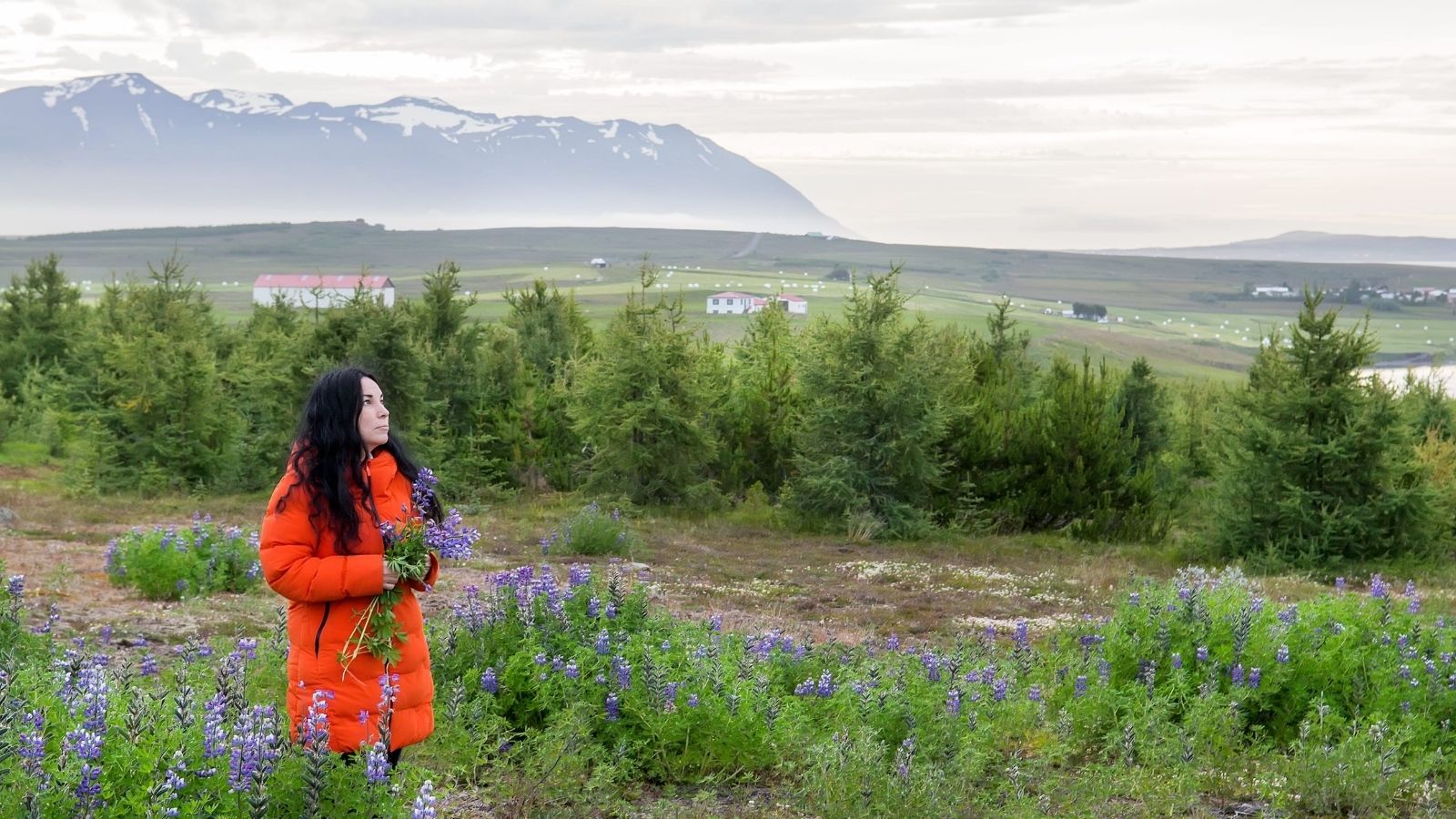
Japan
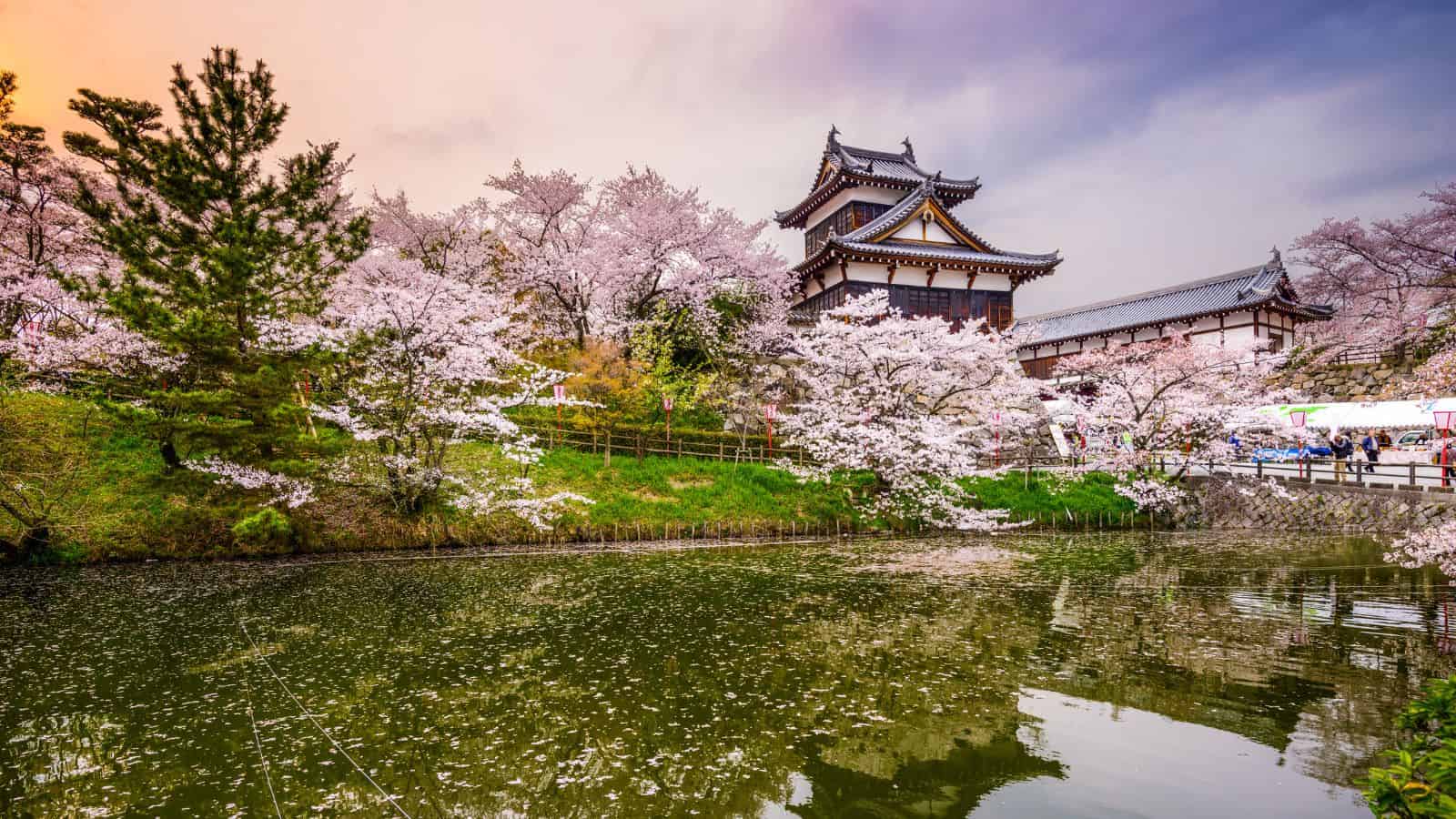
Japan can feel highly structured on arrival. Train stations move with precision, rules are clearly posted, and public spaces operate with quiet order. For first-time visitors, that formality may feel rigid. With time, the structure becomes reassuring. Transportation runs predictably, streets remain clean, and service is thoughtful without being intrusive. Neighborhood restaurants and smaller towns reveal warmth beneath the surface. The country rewards patience and observation.
Takeaway: Learn basic etiquette early, then relax into the predictability that makes travel smoother.
Mexico
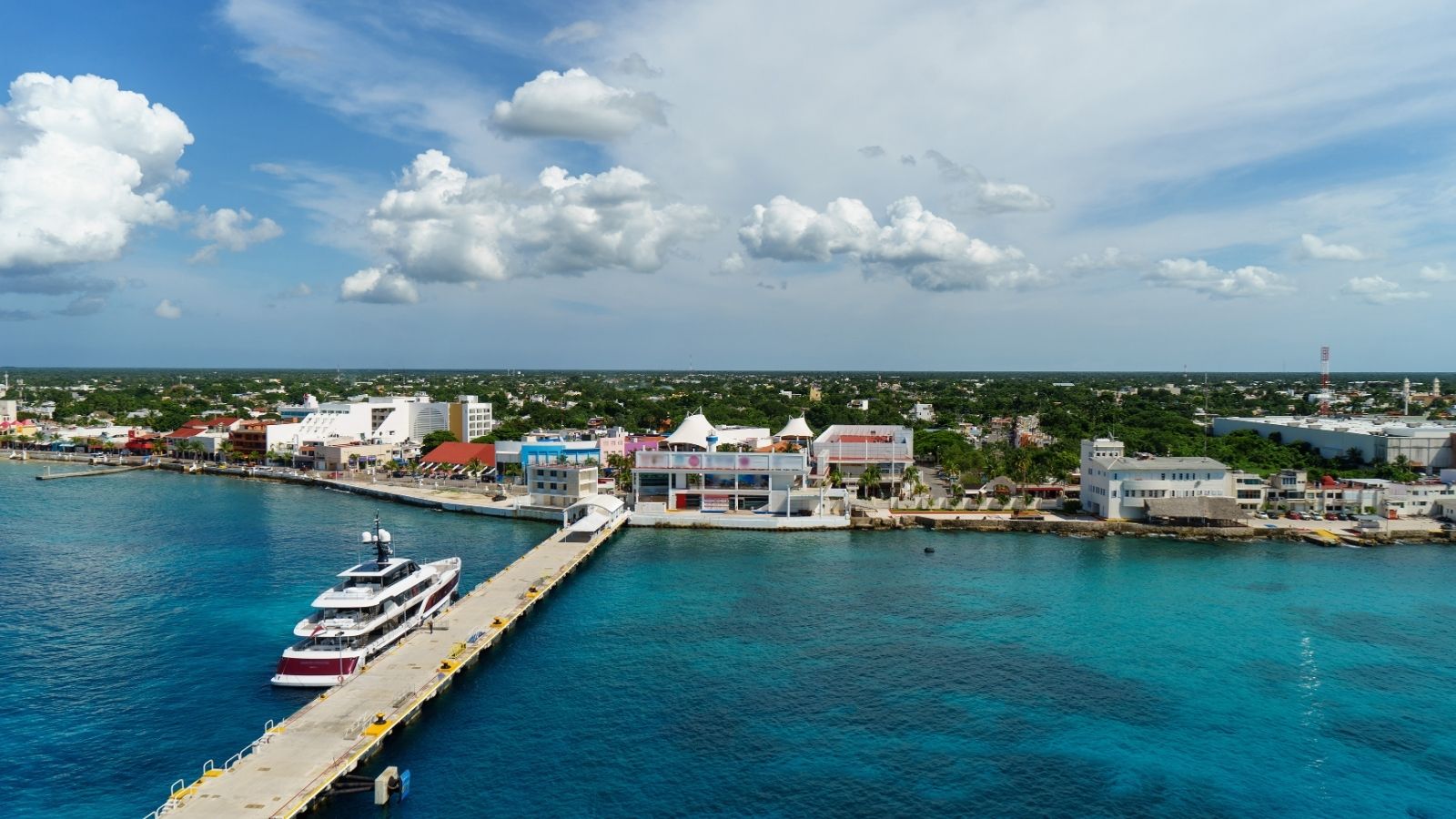
Mexico’s reputation abroad often centers on safety headlines or resort imagery. First impressions in major cities can feel busy and layered. Spending time beyond tourist corridors reveals strong neighborhood culture and daily routines that feel grounded. Regional food traditions and public squares anchor community life. The scale of the country also surprises many travelers. Each region feels distinct rather than uniform.
Takeaway: Base your plans in one neighborhood and allow time to observe daily rhythms before forming conclusions.
Morocco
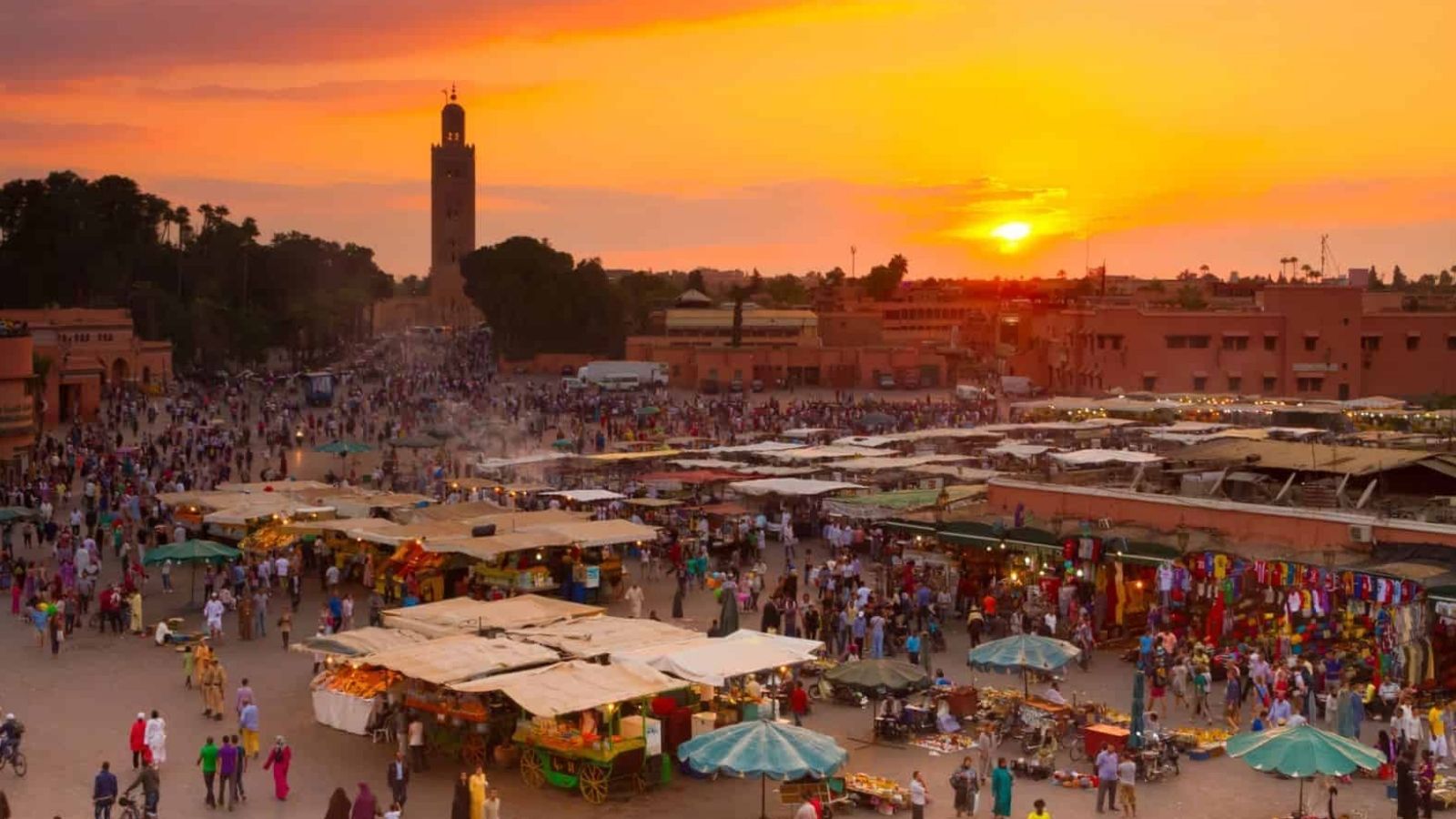
Arriving in Morocco can feel intense, especially within historic medinas. Narrow streets, active markets, and persistent vendors create sensory overload for new visitors. Once patterns become familiar, movement feels more manageable. Craftsmanship, architecture, and hospitality stand out beyond initial noise. Slower mornings and evenings offer a different pace from midday markets.
Takeaway: Plan structured quiet time outside the busiest hours to experience a steadier rhythm.
Iceland
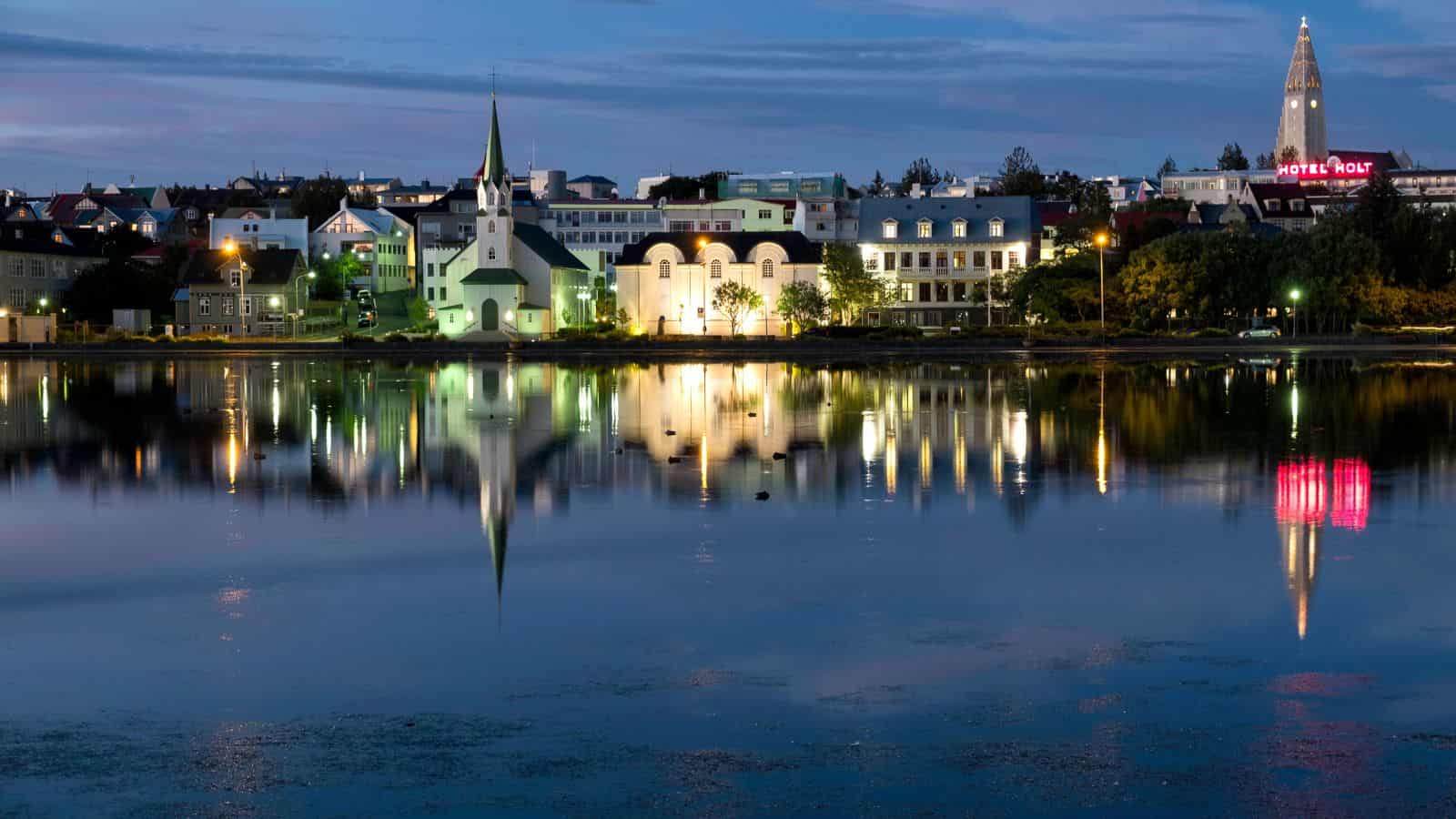
Iceland may seem minimal at first, particularly in smaller towns. Buildings are modest, and landscapes appear open rather than layered. As you travel further from urban centers, terrain shifts dramatically within short distances. Glaciers, waterfalls, and coastal cliffs create contrast that builds gradually rather than immediately. The country’s scale feels broader than first impressions suggest.
Takeaway: Leave city limits early and allow the landscape to unfold across multiple stops.
Singapore
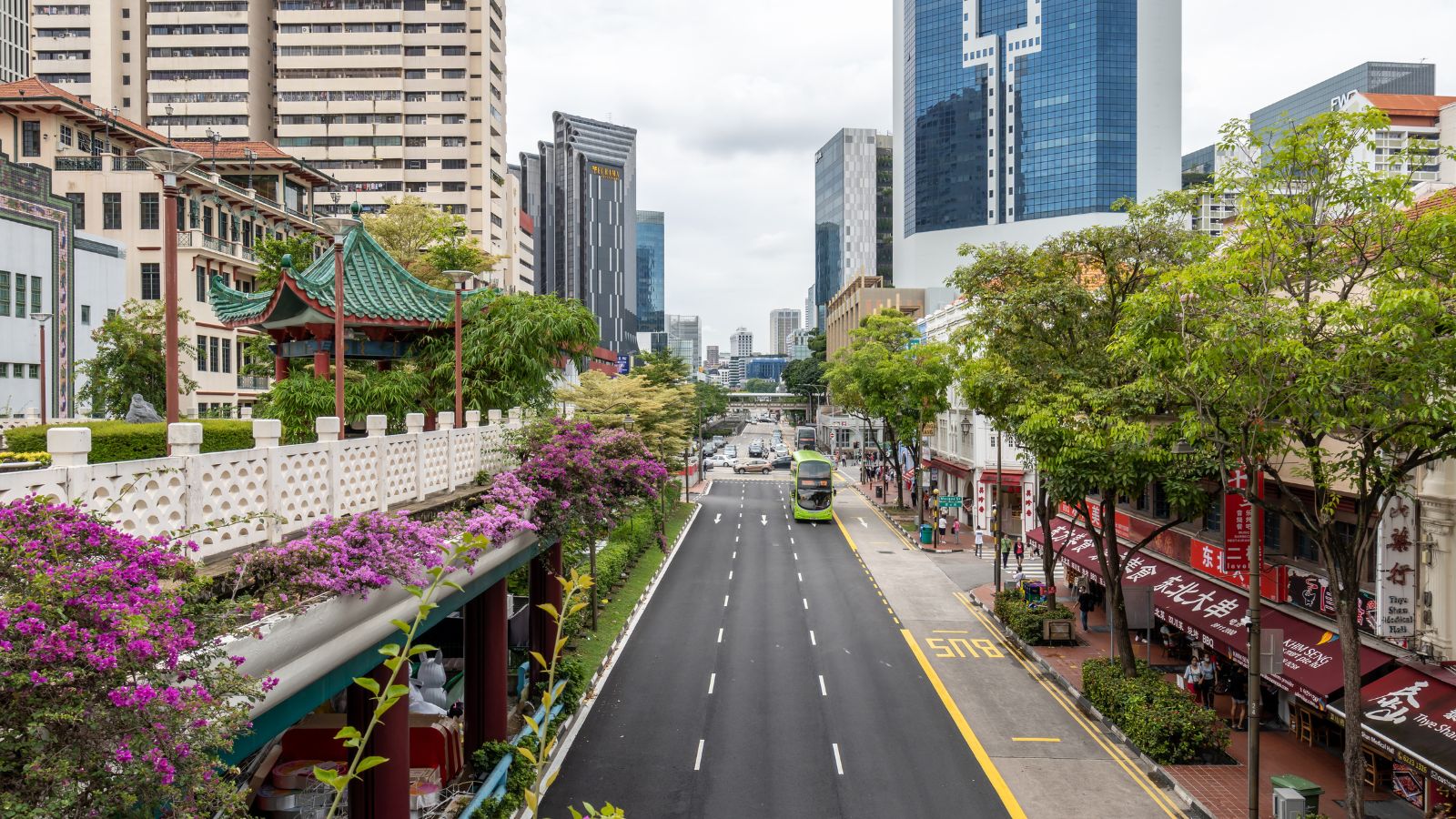
Singapore often feels highly regulated on arrival. Public spaces are orderly, signage is clear, and expectations are well defined. That structure can appear formal. Spending time in hawker centers and neighborhood districts reveals social warmth and strong food culture. Daily life balances efficiency with community interaction. The compact size also makes movement easy to understand quickly.
Takeaway: Spend your first evening in a neighborhood food center to see beyond the surface order.
India

India can feel overwhelming within the first few hours. Airports are busy, traffic moves constantly, and sound levels are higher than many travelers expect. The scale of cities such as Mumbai or Delhi adds to that intensity. With pacing and structure, patterns begin to emerge. Neighborhood life feels organized in its own way, and regional differences become clearer. Markets, temples, and local routines reveal consistency beneath surface movement.
Takeaway: Limit your first day to one district and build outward gradually.
Colombia
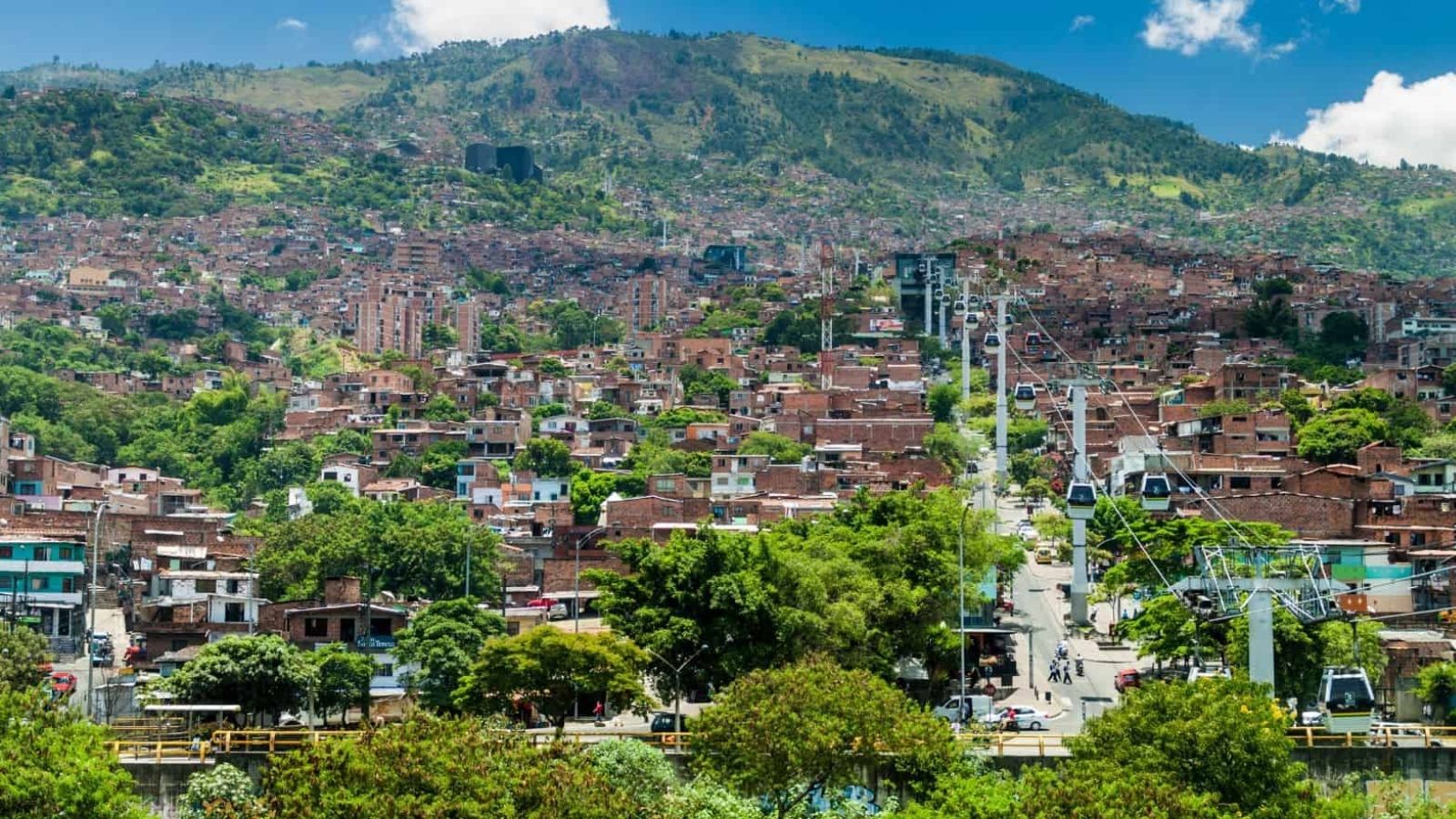
Colombia still carries outdated reputations for some travelers. On arrival, cities like Medellín may feel larger and more modern than expected. Public transit systems are organized, and neighborhoods often feel community-focused. As days pass, cultural pride, music, and regional food traditions stand out more than past narratives. The contrast between reputation and lived experience becomes clear.
Takeaway: Spend time in residential neighborhoods rather than only historic centers.
Germany
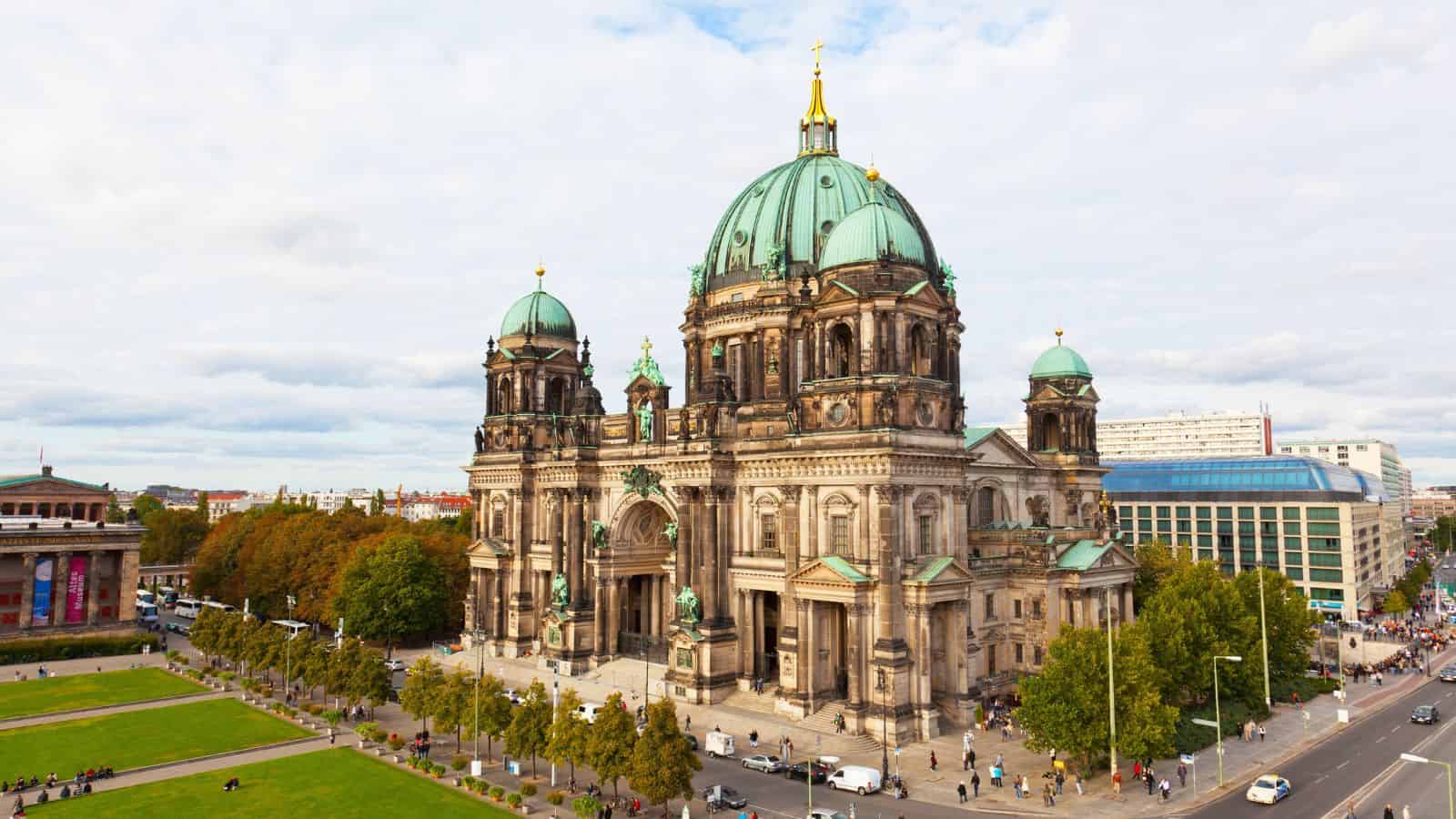
Germany can appear reserved during first interactions. Communication styles are direct, and social norms are clearly defined. For some travelers, that feels distant. With context, the clarity becomes efficient rather than cold. Transportation systems run predictably, and daily routines feel steady. Regional identity varies between cities such as Berlin and Munich, which reshapes early impressions quickly.
Takeaway: Observe local routines for a day before interpreting tone as unfriendly.
Vietnam
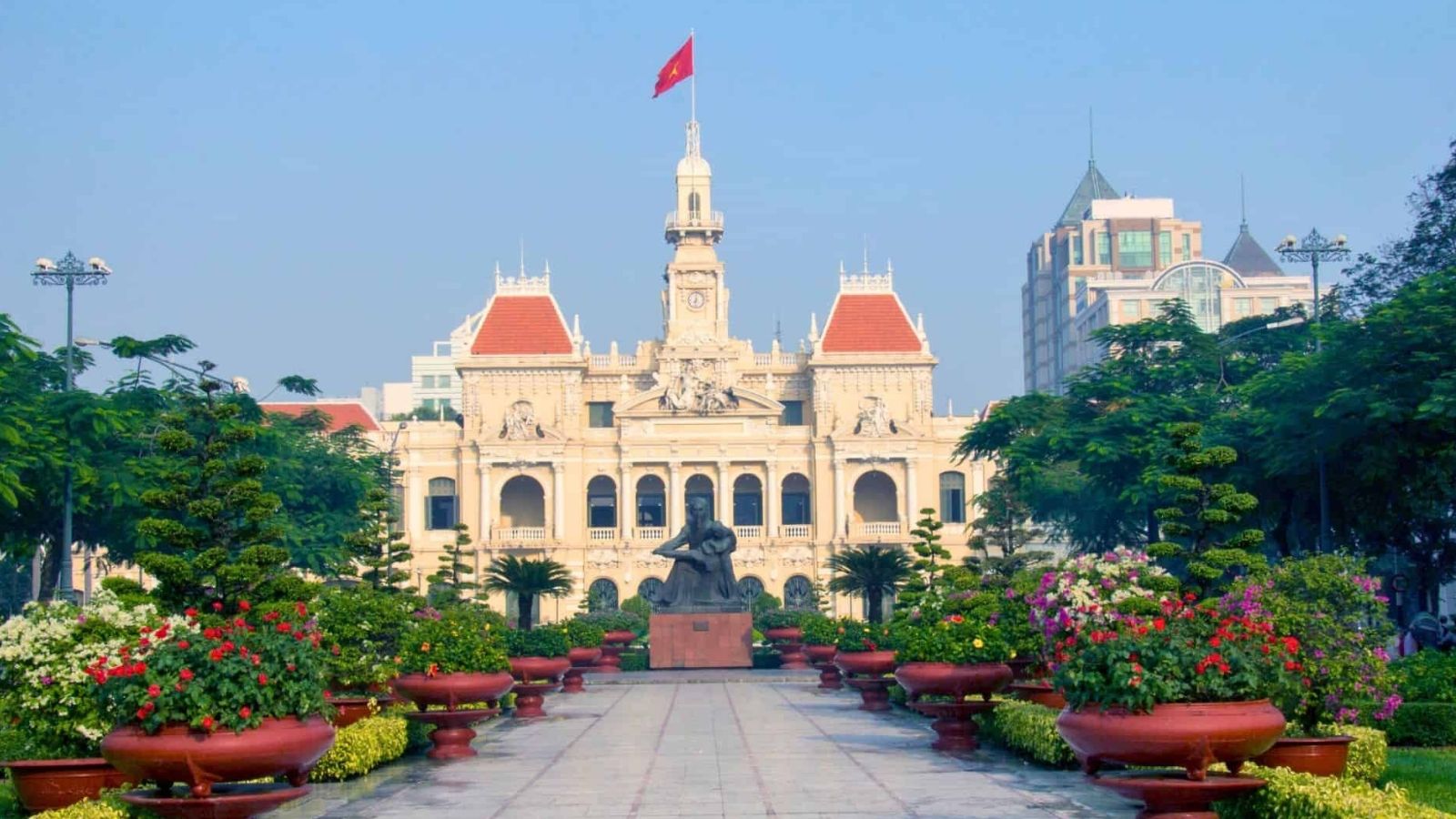
Vietnam’s urban streets, particularly in Hanoi or Ho Chi Minh City, can seem chaotic at first glance. Motorbikes move continuously, and sidewalks serve multiple purposes. After a short adjustment period, movement patterns feel structured and cooperative. Smaller towns and coastal regions introduce a calmer rhythm that contrasts with city intensity. Food culture and hospitality also become more apparent with time.
Takeaway: Allow one full day to adjust to traffic flow before judging the pace.
10 Countries That Get Work-Life Balance Right

Work life balance means different things to different couples. For some, it is shorter workweeks and generous vacation time. For others, it is reliable public services, manageable commutes, and a culture that respects time away from work. In certain countries, that balance is built into daily life rather than treated as a luxury.
Learn more here: 10 Countries That Get Work-Life Balance Right
10 U.S. States for People Who Love Walkable Cities

Walkability shapes how a trip or relocation feels day to day. For many couples, being able to step outside and reach restaurants, parks, shops, and transit without getting in a car changes everything. It affects pace, connection to a place, and even how much planning is required.
Learn more here: 10 U.S. States for People Who Love Walkable Cities
