9 Countries You Should Go To If You Love International Culture
For many couples, travel is not just about scenery. It is about stepping into places where daily life feels distinctly different from home. Language, food traditions, architecture, and social norms all shape that experience in ways that go beyond sightseeing.
Countries rich in international culture tend to reward curiosity. Museums and historic sites matter, but so do neighborhood markets, public festivals, and everyday routines. The most engaging destinations allow couples to observe, participate, and learn without feeling shut out or overwhelmed.
Planning for culturally immersive travel requires more intention. Understanding local customs, transportation systems, and regional differences helps avoid missteps and deepens the experience. When logistics are handled well, couples can focus on connection rather than constant adjustment.
We have identified 9 countries you should go to if you love international culture. These are places where tradition and modern life intersect visibly, offering meaningful opportunities to engage with history, art, and daily life in ways that feel authentic and lasting.
Morocco
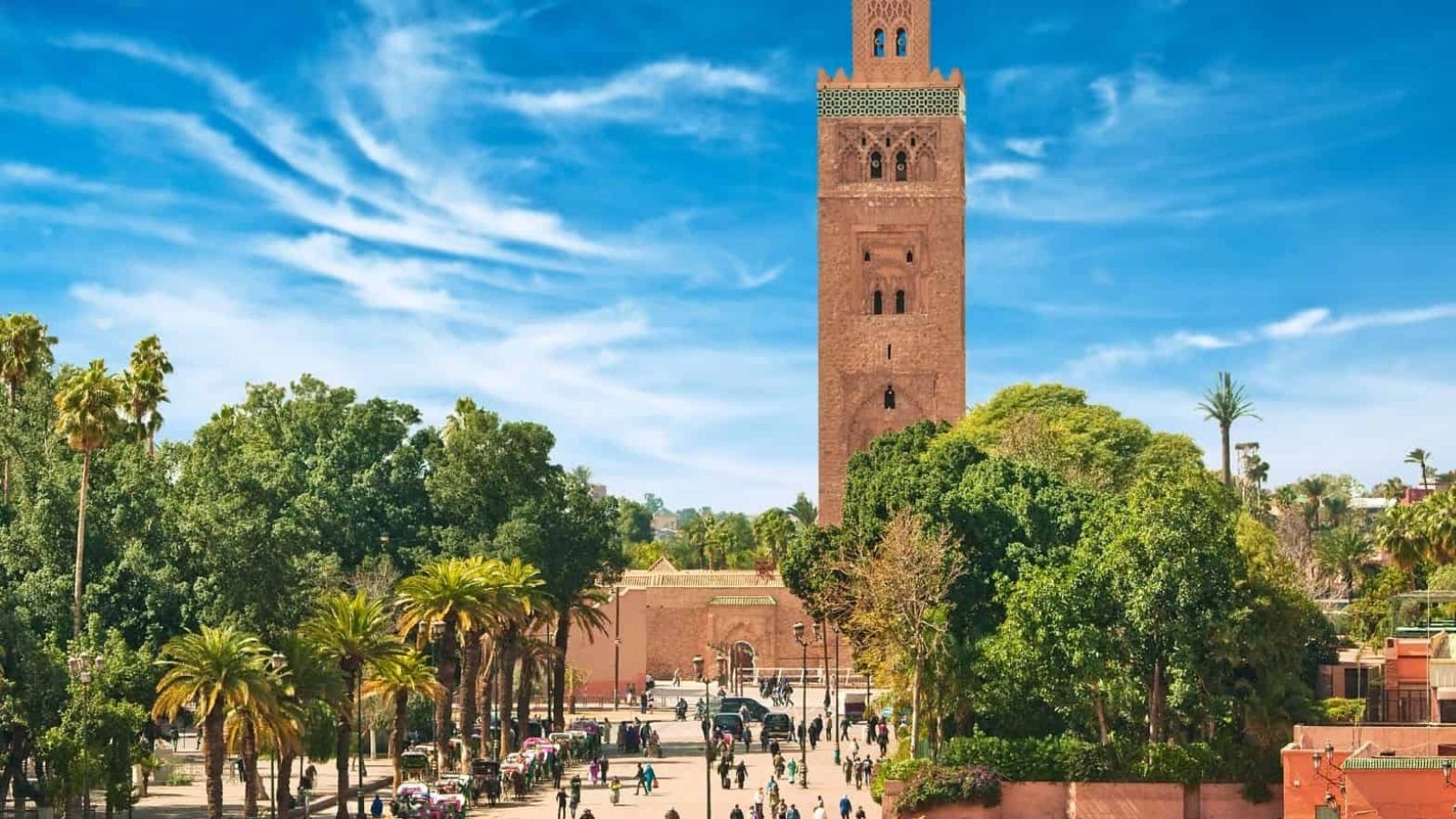
Morocco draws travelers who want culture to feel present in daily life. In cities like Marrakech and Fes, medinas operate as working neighborhoods rather than staged attractions. Markets move at a steady rhythm, and traditional craftsmanship remains visible in textiles, ceramics, and metalwork. Calls to prayer shape the soundscape throughout the day. Meals often center on shared dishes, reinforcing community structure. Travel requires patience, especially within older districts, but that slower pace deepens the experience.
Why go: Morocco places tradition, architecture, and daily ritual at the center of travel.
India
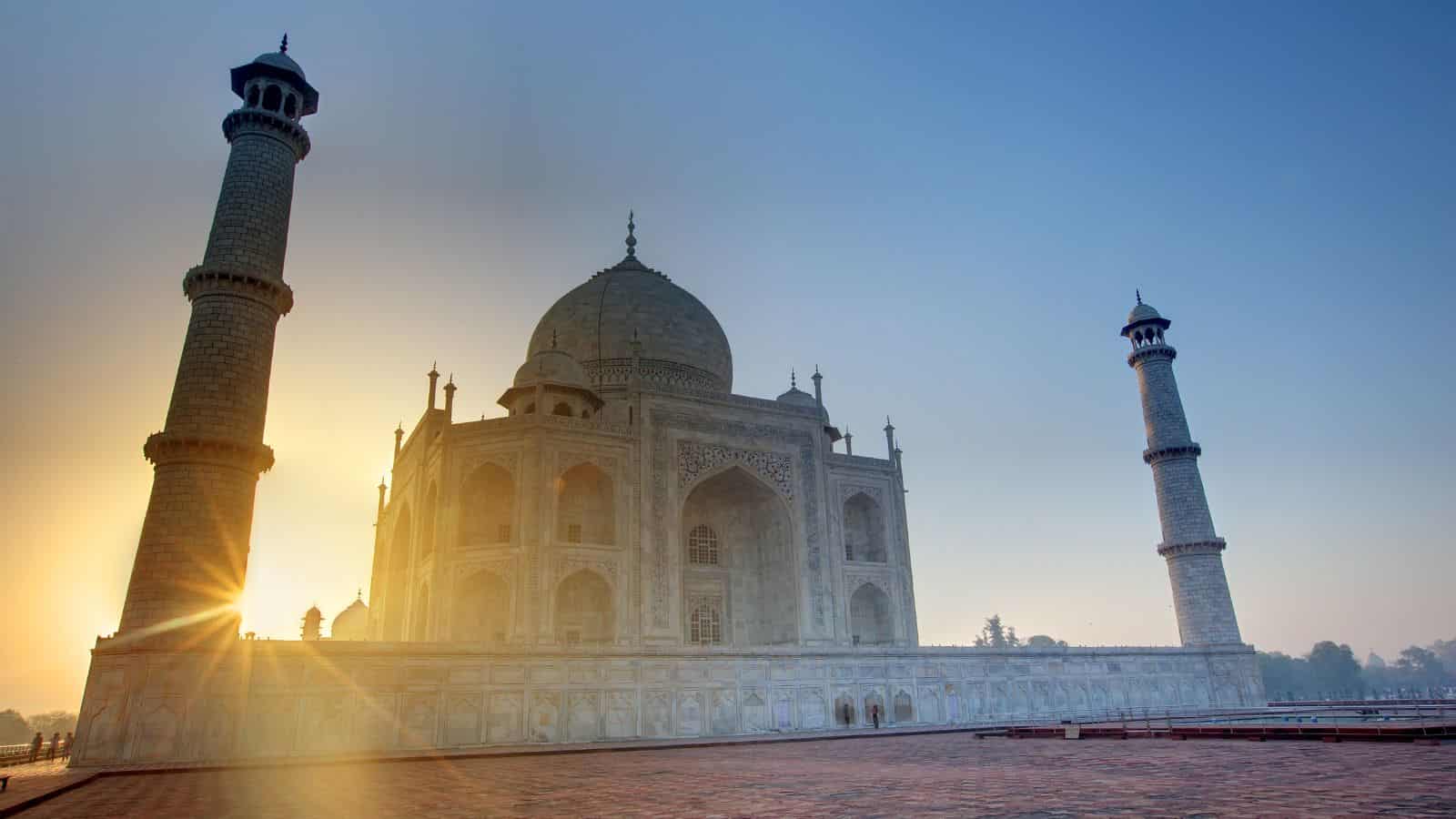
India offers layered cultural experiences that vary widely by region. Language, architecture, cuisine, and customs shift noticeably from north to south. Religious practice shapes daily life, visible in temples, mosques, and festivals throughout the year. Street scenes feel active and complex, requiring attention and flexibility from visitors. Transportation networks connect major cities efficiently, though pacing can differ from Western expectations.
Why go: India delivers deep regional identity and living traditions that feel distinct at every stop.
Japan
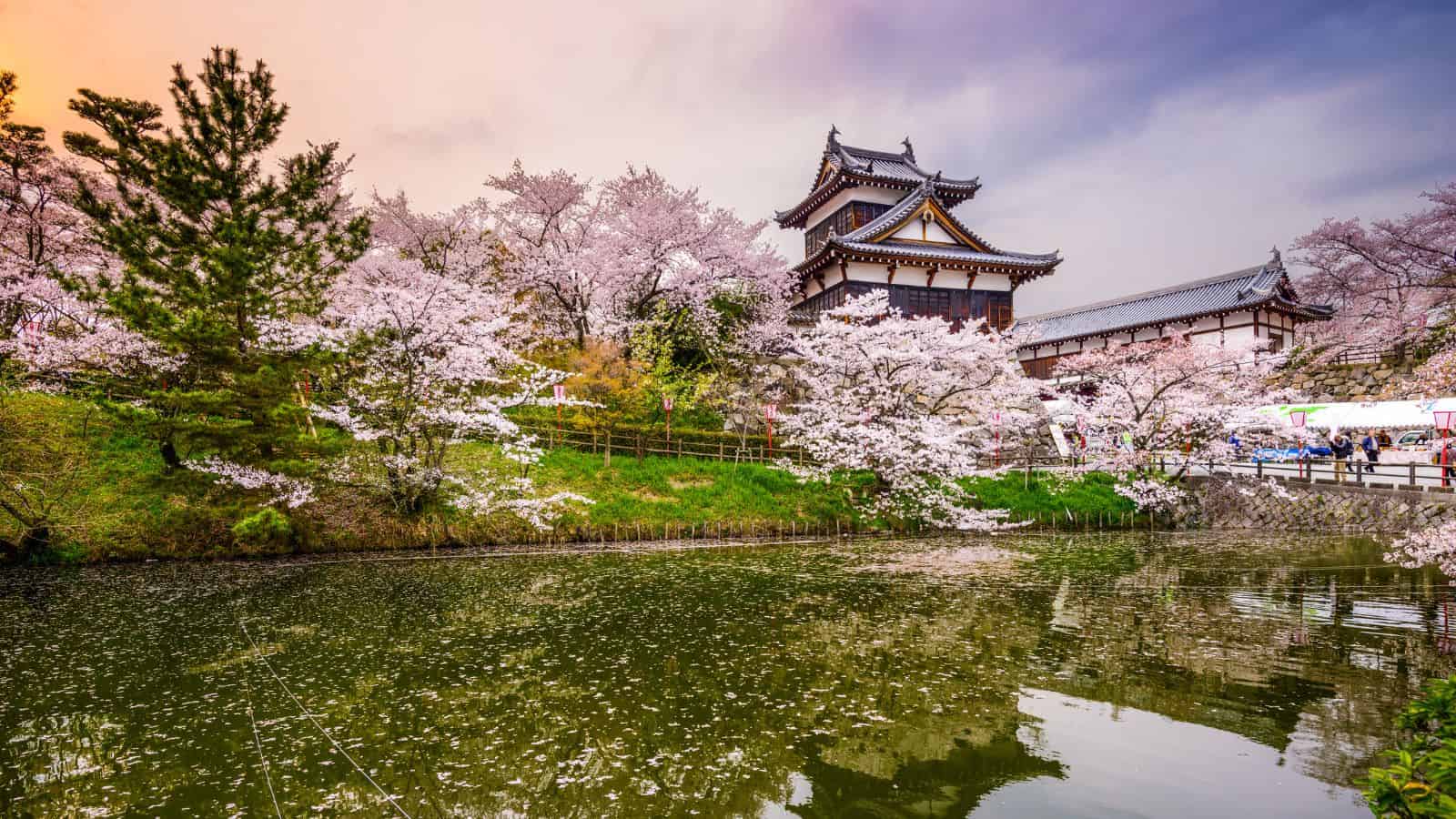
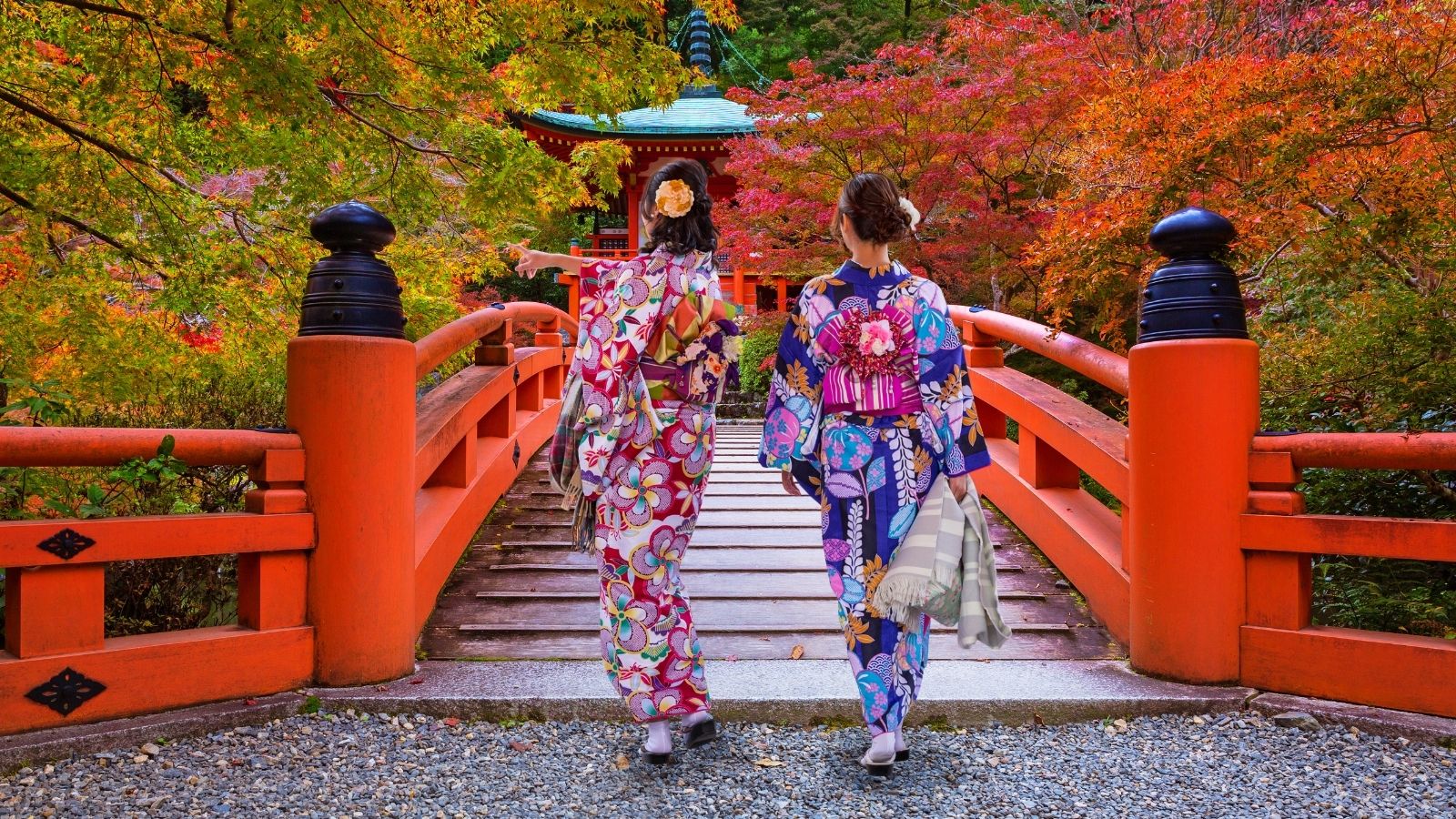
Japan balances long-standing tradition with modern structure. In Kyoto, historic districts preserve wooden architecture and tea culture, while Tokyo reflects contemporary urban life. Ritual and etiquette shape daily interactions, from dining customs to seasonal festivals. Public spaces remain orderly, which supports comfortable navigation for visitors. Cultural shifts across seasons, especially during cherry blossom and autumn foliage periods, add depth.
Why go: Japan offers cultural continuity paired with organized infrastructure that supports deeper exploration.
Mexico
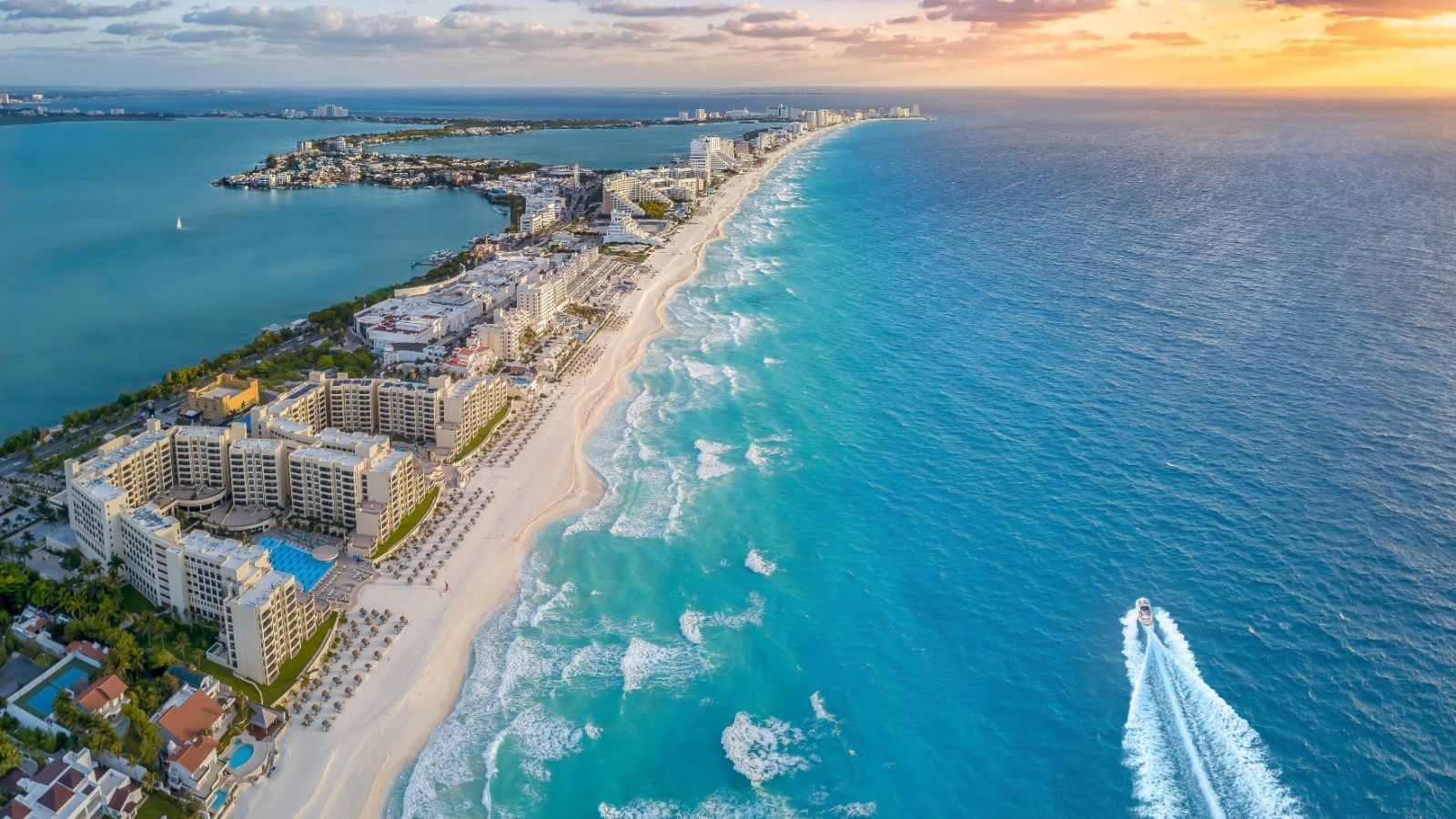
Mexico’s cultural identity reflects Indigenous, colonial, and modern influences layered together. Regional cuisines differ significantly, and local markets remain central gathering points. Festivals such as Día de los Muertos show how tradition remains active rather than preserved. Colonial cities maintain strong architectural character, while rural communities continue longstanding craft practices. Travel is straightforward in major destinations, and English is common in tourism zones.
Why go: Mexico presents strong regional variation and visible cultural continuity.
Turkey
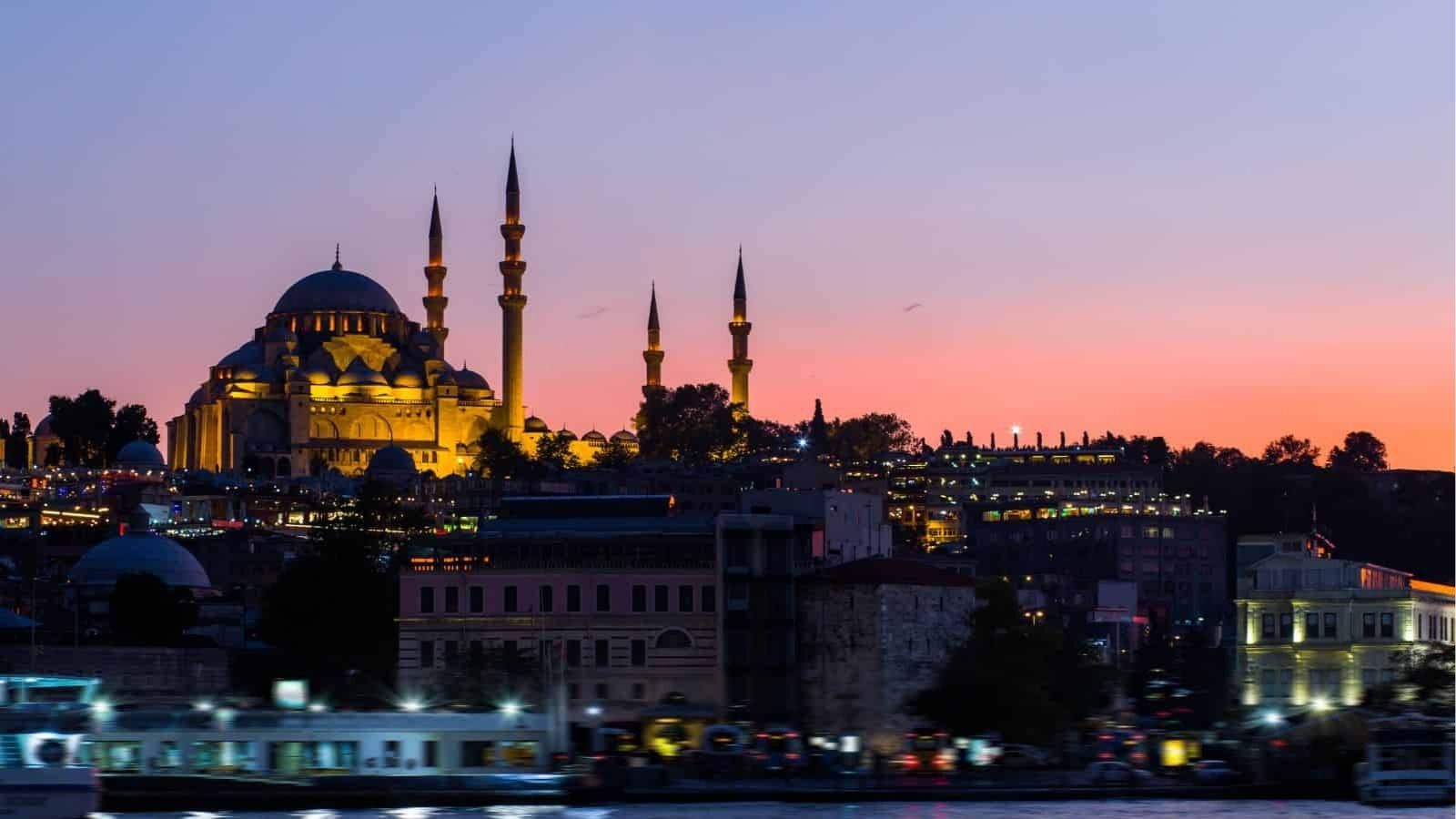
Turkey sits at the crossroads of Europe and Asia, which shapes its architecture, cuisine, and daily customs. In Istanbul, mosques, markets, and waterfront neighborhoods reflect centuries of exchange. Tea culture anchors daily routines, and meals often stretch into long social gatherings. Regional differences between coastal towns and inland cities remain noticeable. Transportation links make movement between regions manageable.
Why go: Turkey blends multiple historical influences into a culture that remains active and visible.
France
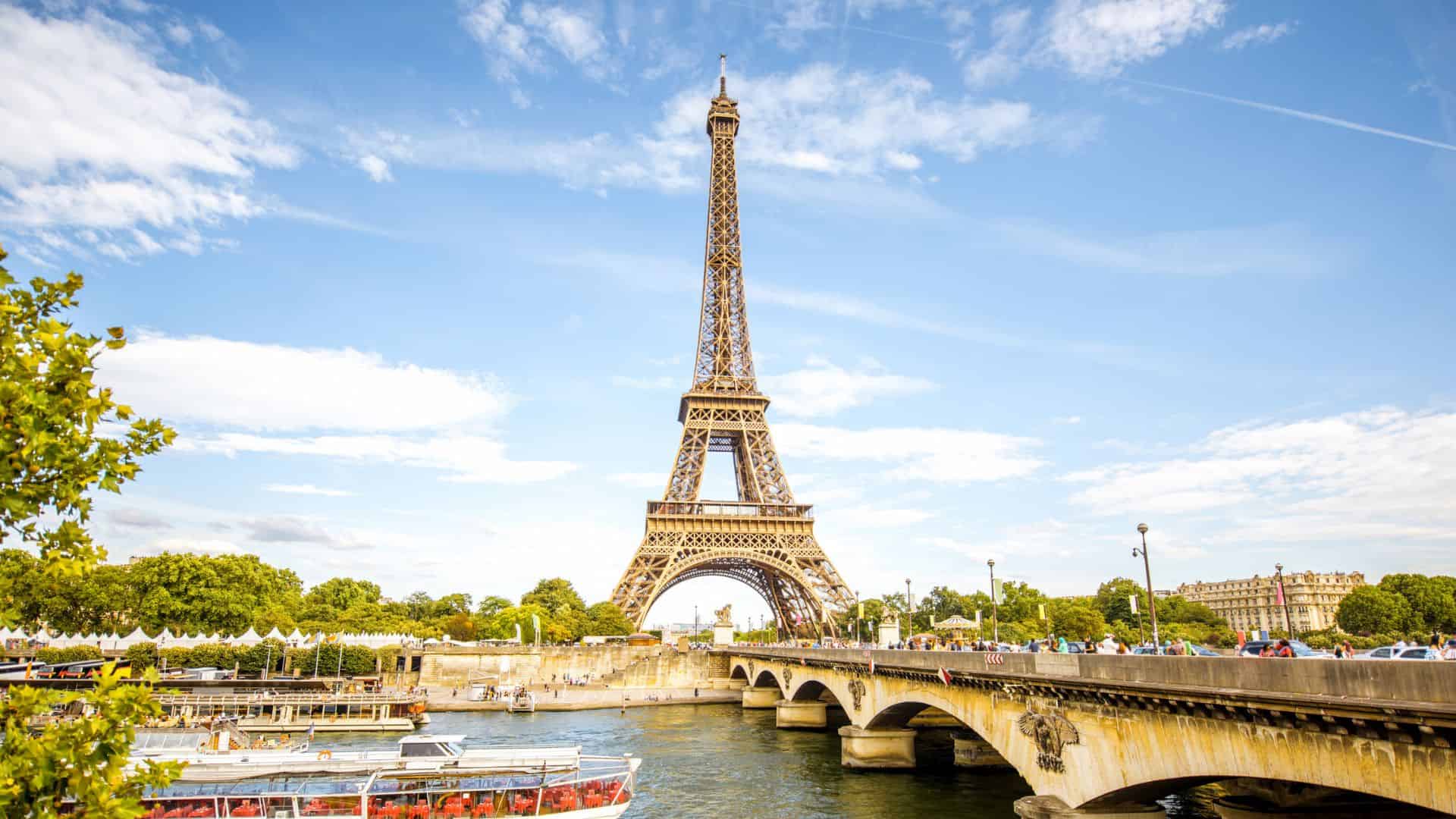
France presents culture through structure and daily ritual. In Paris and beyond, café life, market visits, and neighborhood routines shape the rhythm of each day. Regional differences remain strong, from Provence to Brittany, influencing food, language accents, and architecture. Museums and historic landmarks reflect long-standing artistic traditions, while small towns preserve local customs. Public transportation makes multi-region travel manageable without extensive planning. Visitors often find that everyday life feels intentional and rooted in place.
Why go: France offers layered regional identity expressed through food, art, and daily routine.
Brazil
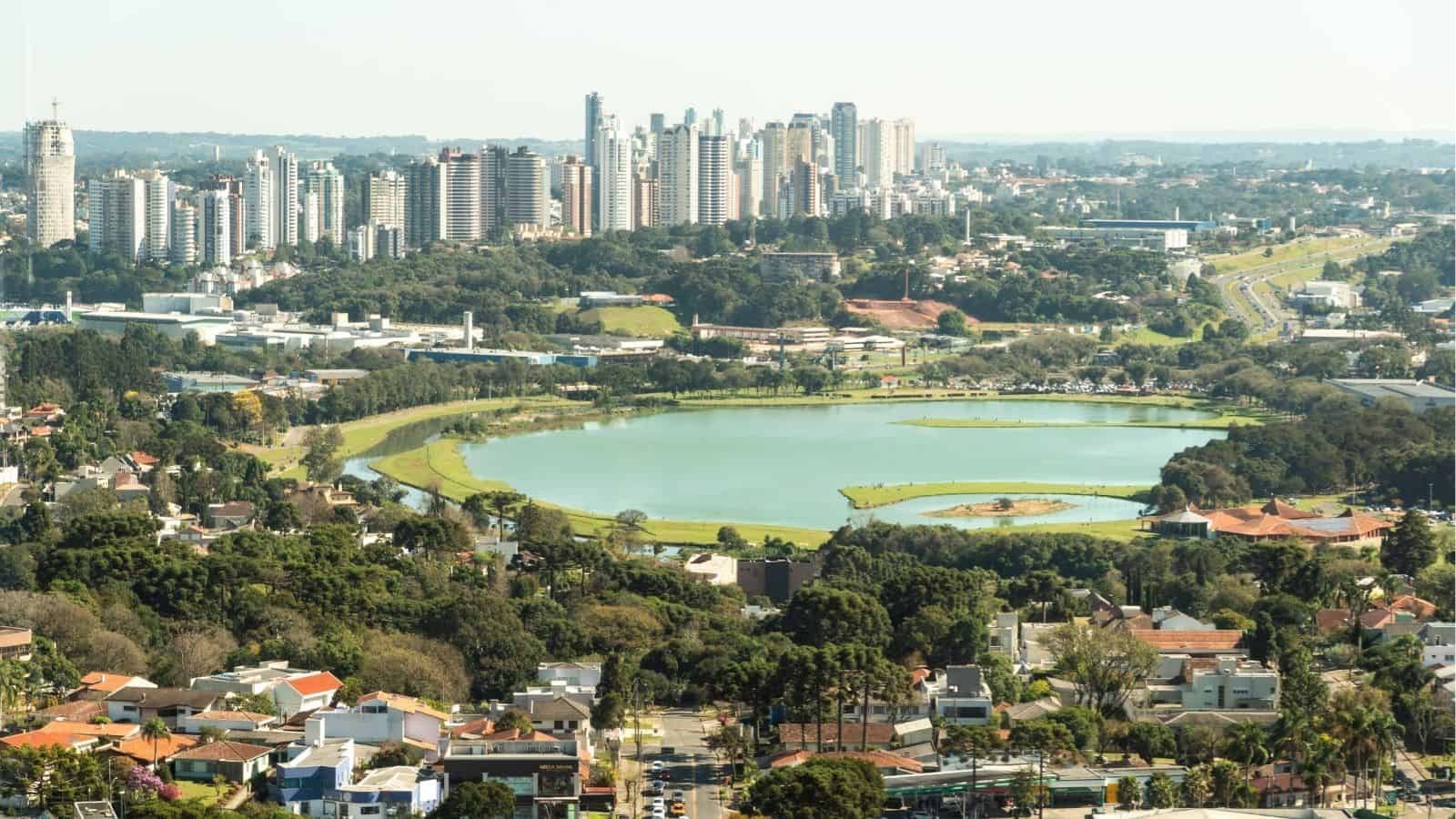
Brazil expresses culture through music, movement, and regional diversity. In cities like Salvador and Rio de Janeiro, African, Indigenous, and Portuguese influences blend visibly in architecture and daily customs. Street music and neighborhood gatherings shape public life. Regional cuisines vary widely, and festivals reflect strong local identity. Travel logistics can require planning due to size and distance between regions.
Why go: Brazil delivers vibrant cultural expression tied closely to history and place.
South Korea
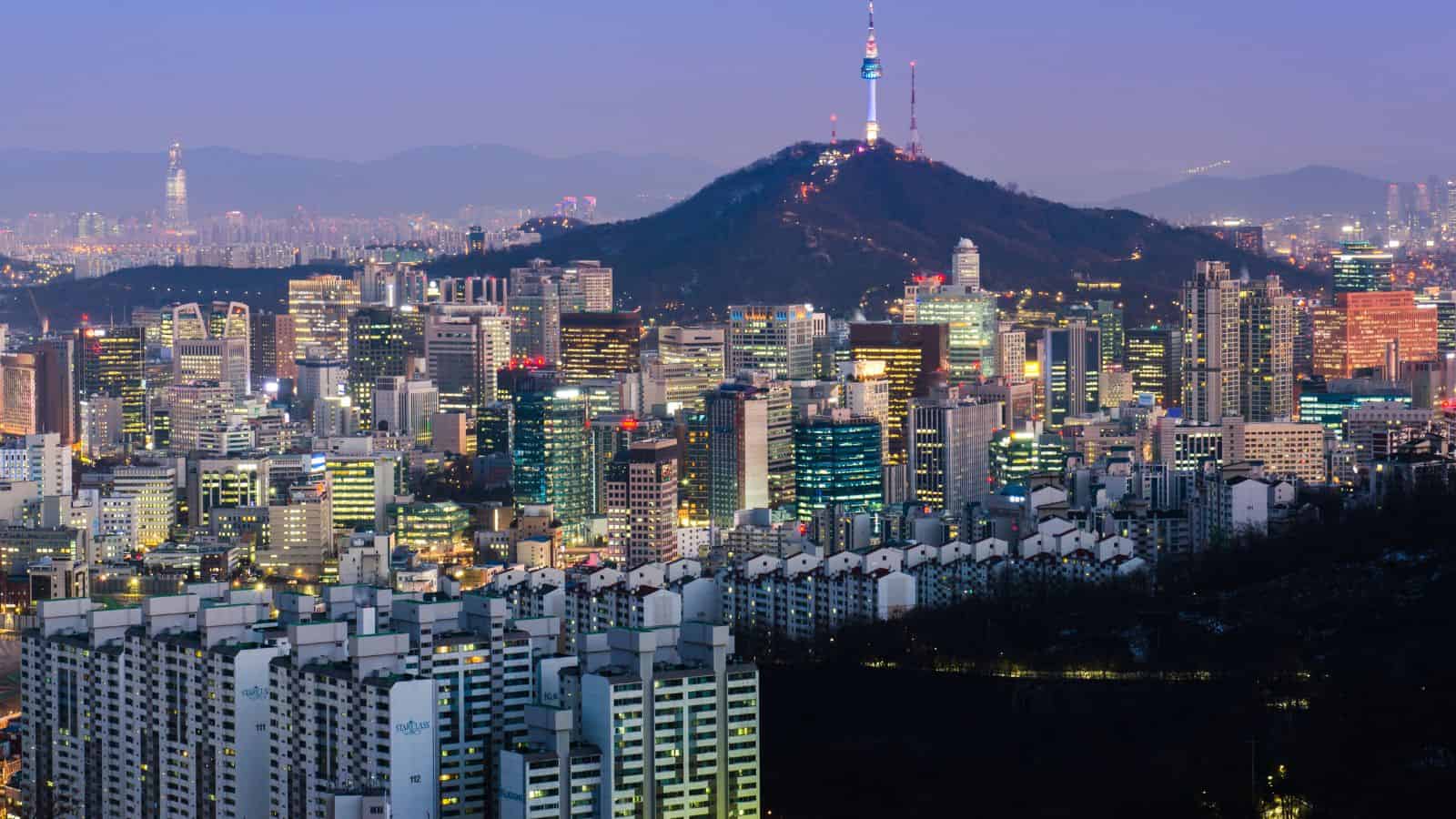
South Korea combines historical tradition with fast-moving urban culture. Palaces and historic districts sit alongside modern neighborhoods in cities like Seoul. Food culture remains central, with shared dining shaping social interaction. Seasonal festivals and traditional holidays remain active parts of public life. Public transportation is efficient and easy to navigate. Visitors can experience both preserved heritage and contemporary influence within short distances.
Why go: South Korea presents strong cultural continuity alongside modern structure.
Spain

Spain expresses culture through regional identity and social rhythm. Late dining hours, public plazas, and local festivals shape daily routines. Architectural styles shift noticeably between regions, from Andalusia to Catalonia. Food traditions remain deeply local, and regional languages add distinct character. High-speed rail makes multi-city exploration efficient. The pace of evenings encourages unhurried interaction rather than rigid schedules.
Why go: Spain blends strong regional traditions with everyday social life that feels open and active.
10 Least-Visited Countries That Might Be the Trip of Your Life

Tired of fighting crowds at the Eiffel Tower or elbowing through Santorini’s sunset chaos? We get it. Sometimes the world’s most famous destinations feel more exhausting than enchanting. Here’s the thing: some of the most extraordinary places on Earth are the ones almost nobody visits. We’re talking about countries where you’ll have ancient ruins practically to yourself, where locals are genuinely thrilled to meet you, and where your travel stories will actually be original.
Learn more here: 10 Least-Visited Countries That Might Be the Trip of Your Life
11 Cheap Countries Popular With Backpackers

Backpacking isn’t just for solo travelers and twenty-somethings anymore. More and more couples are discovering that backpacking together is one of the most romantic and adventurous ways to travel. And the best part? It doesn’t have to drain your savings. Want amazing experiences, cultural immersion, and unforgettable memories without the luxury resort price tag? You’re in the right place.
Learn more here: 11 Cheap Countries Popular With Backpackers
