9 In Flight Mistakes That Make Recovery Take Days
Recovery from a long flight does not always depend on distance alone. In many cases, it is shaped by choices made during the flight itself. Small in flight habits can extend fatigue, disrupt sleep patterns, and make the first days of a trip feel heavier than they need to be.
Common mistakes include poor hydration, relying too heavily on alcohol or caffeine, skipping movement, and ignoring time zone shifts until arrival. These decisions seem minor in the moment, especially on overnight flights. The effects often show up later as headaches, stiffness, digestive issues, or lingering exhaustion.
For couples, extended recovery can affect shared plans. When both partners feel drained, sightseeing slows and patience wears thin. That can influence the tone of a trip before it has properly begun.
We have identified 9 in flight mistakes that make recovery take days. Recognizing them early helps couples adjust routines before boarding, manage the flight more intentionally, and arrive with enough energy to begin their trip on steadier ground.
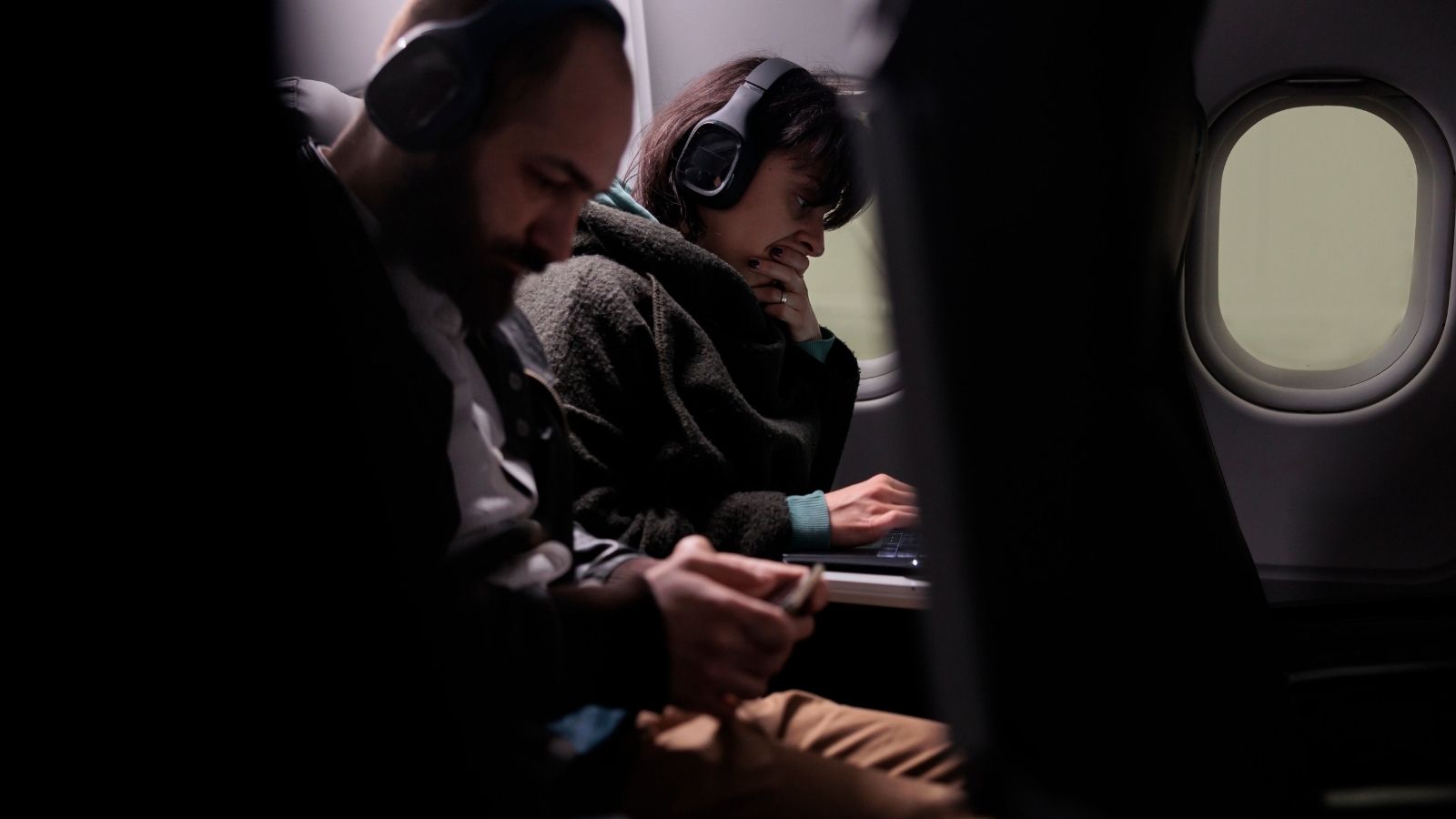
Drinking Too Much Alcohol
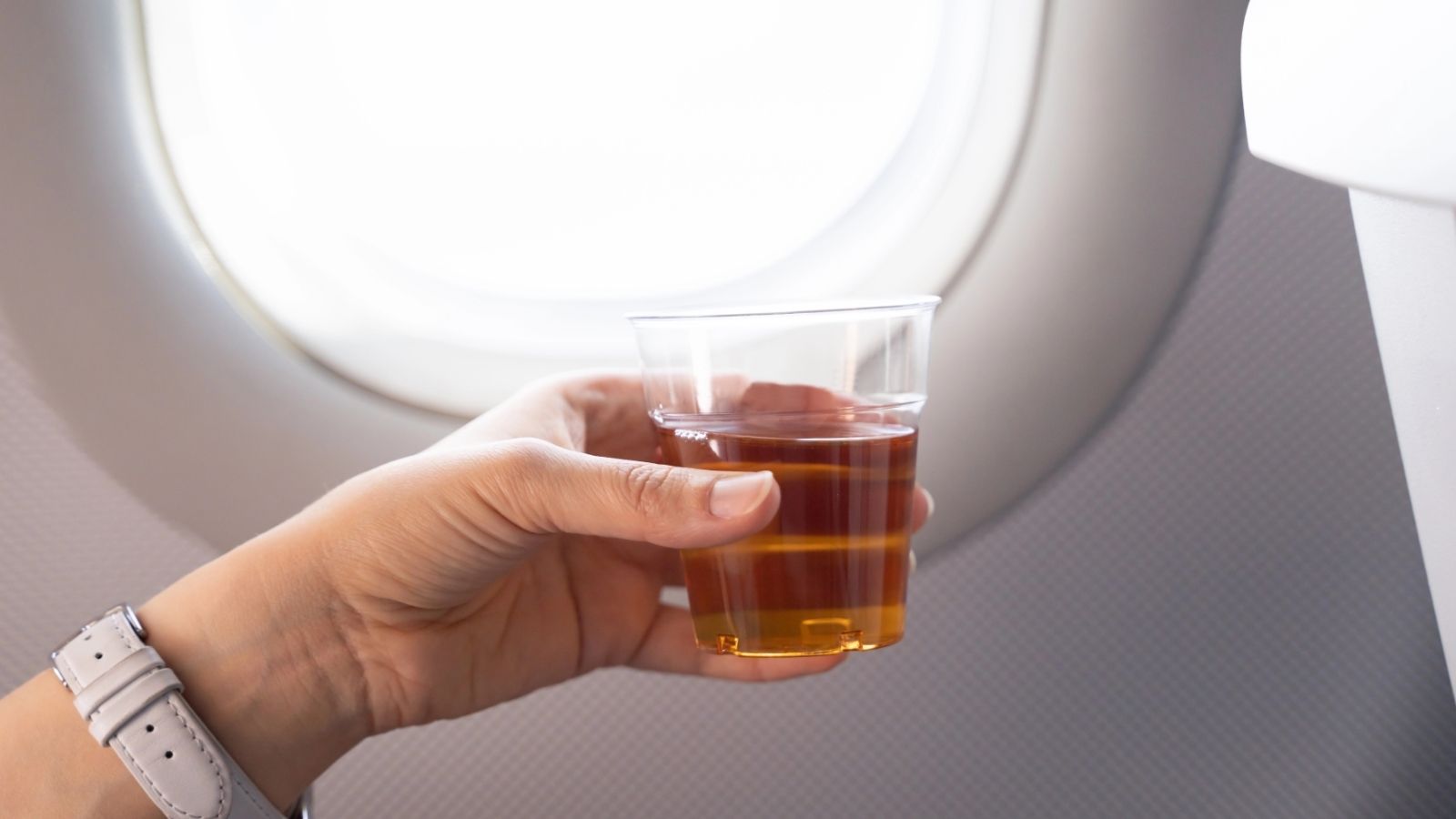
Alcohol feels more potent at altitude and compounds dehydration quickly. Even one or two drinks can disrupt sleep cycles, increase heart rate, and leave travelers groggy on arrival. Because cabin air is already dry, the effects are amplified during long-haul flights. What feels like relaxation in the moment often turns into headaches, sluggish thinking, and poor energy the next day. Alcohol also reduces sleep quality, even if you manage to rest.
Prevention: Limit or skip alcohol entirely on long flights and prioritize water throughout the journey.
Assuming You’ll “Catch Up on Sleep”
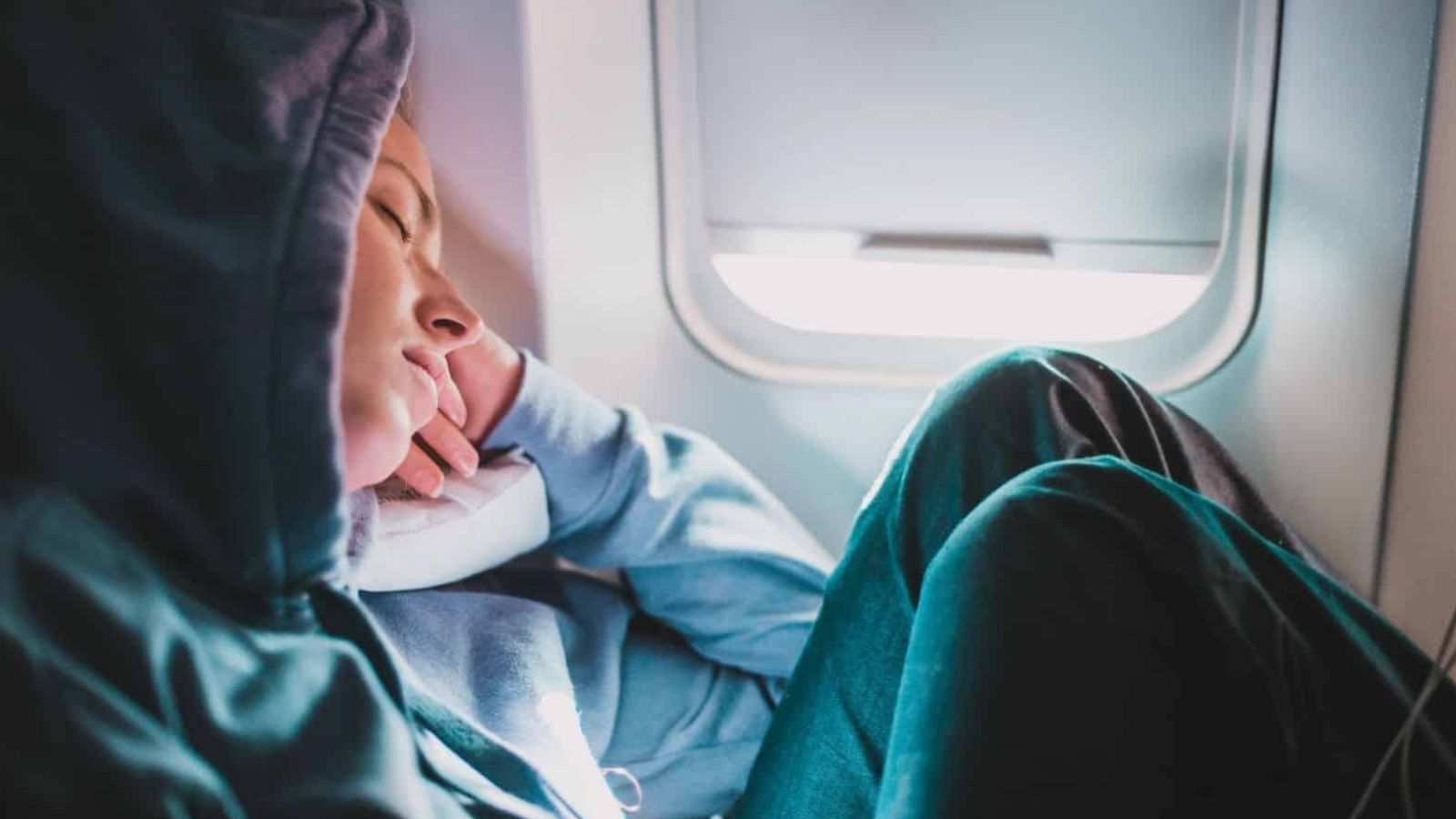
Many travelers board expecting to sleep deeply once airborne. In reality, economy seating, cabin noise, and interruptions make restorative sleep unlikely. Fragmented rest leaves the body more fatigued than expected, especially when crossing time zones. Arriving severely sleep deprived can extend jet lag and reduce focus for several days.
Prevention: Begin adjusting your sleep schedule before departure and treat in-flight sleep as supplemental rather than sufficient.
Ignoring Hydration

Cabin humidity levels are significantly lower than on the ground, accelerating fluid loss. Without consistent water intake, travelers may experience headaches, dry skin, irritability, and mental fog after landing. Relying solely on beverage carts usually results in inadequate hydration over long flights. The effects often feel worse the day after arrival.
Prevention: Bring a refillable bottle, sip water regularly, and limit caffeine and alcohol during the flight.
Eating Heavy, Salty Meals
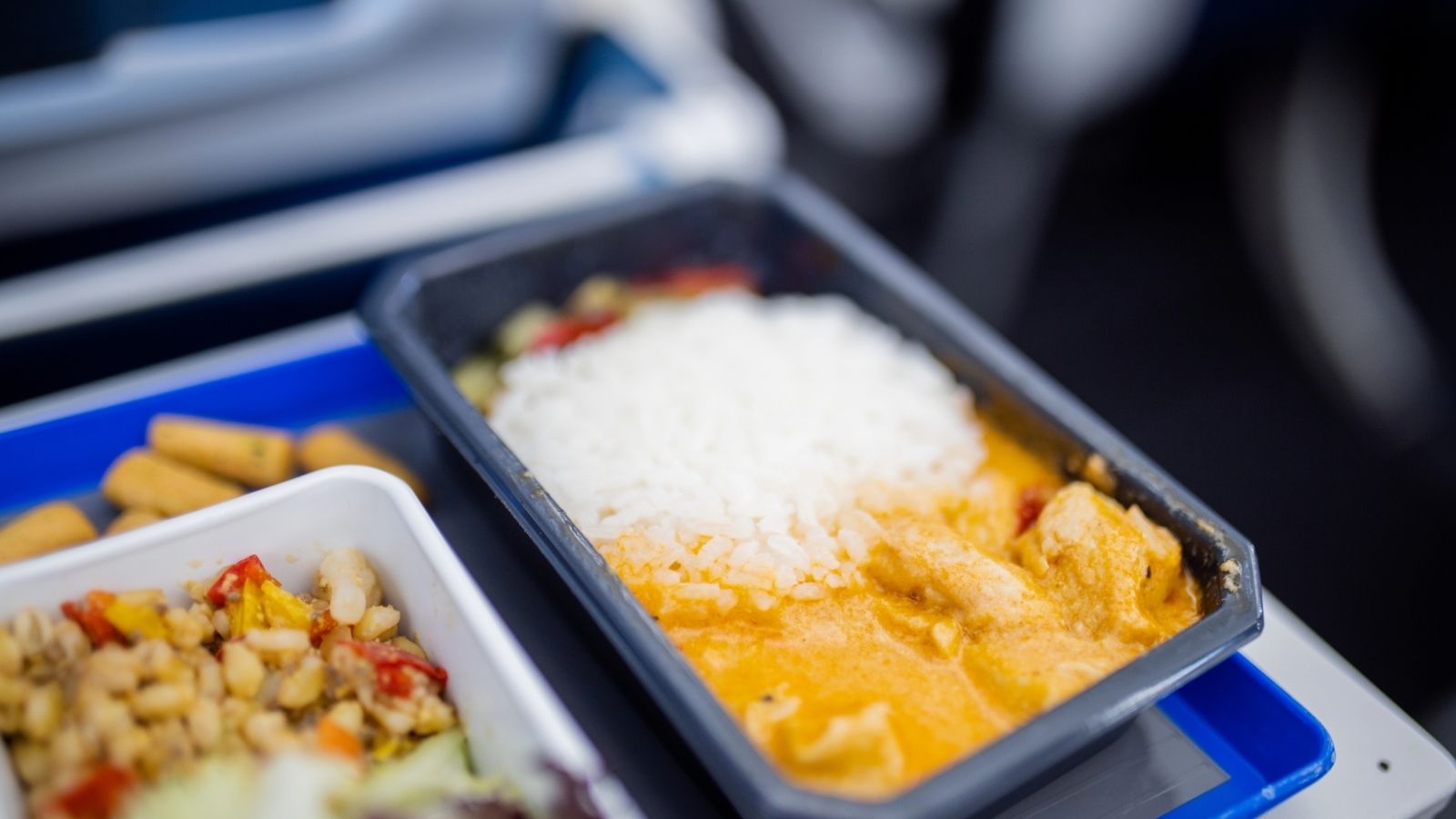
Large meals, especially those high in salt or processed ingredients, intensify bloating under cabin pressure. Reduced movement slows digestion, which can leave travelers feeling uncomfortable and sluggish after landing. Digestive discomfort often lingers into the first full day at the destination. Combined with dehydration, heavy meals can amplify fatigue.
Prevention: Choose lighter portions, avoid excess sodium, and walk briefly during the flight when possible.
Skipping Movement
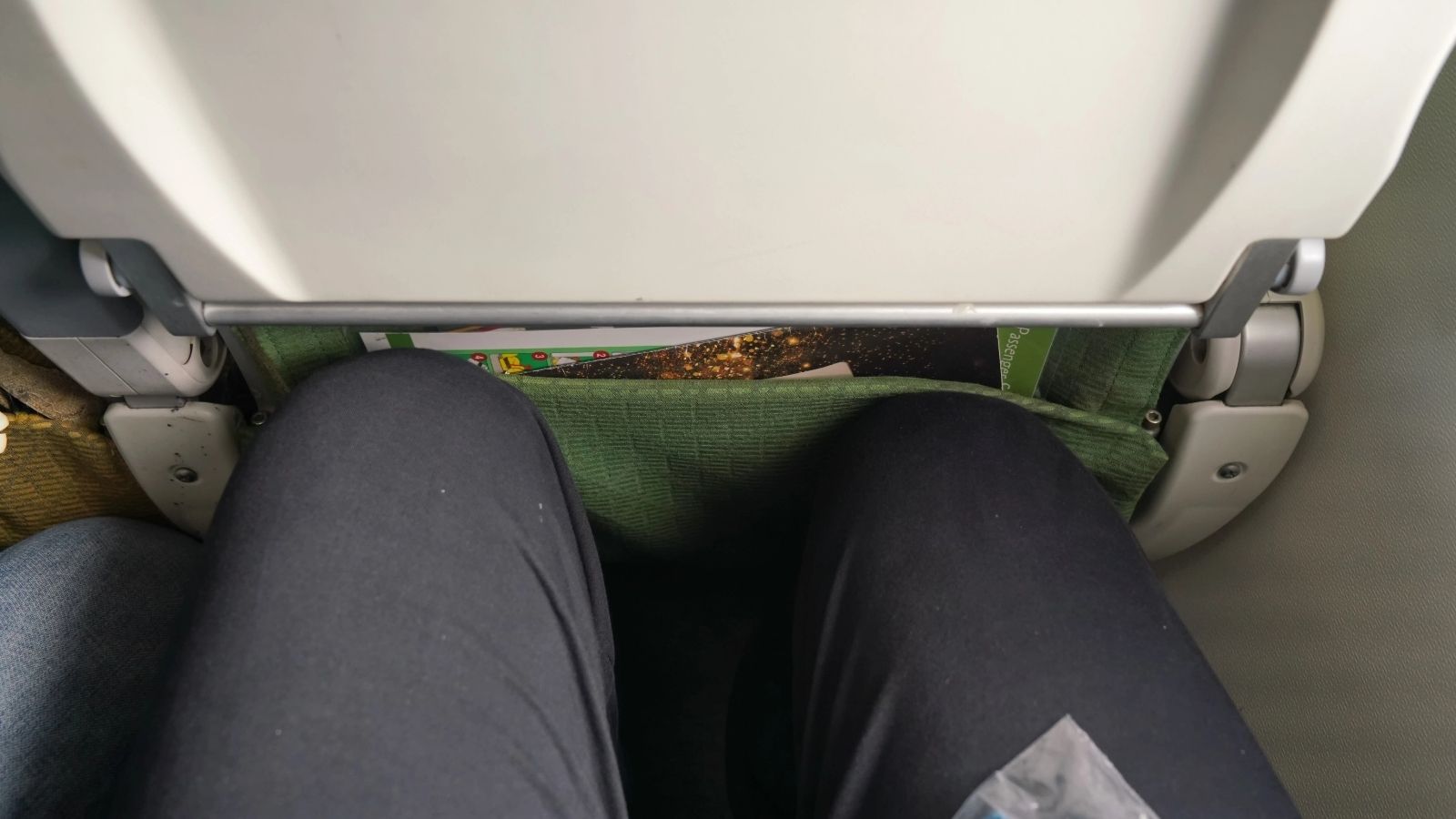
Remaining seated for extended periods contributes to muscle stiffness, swelling, and reduced circulation. Even healthy travelers notice tight hips, sore backs, and heavy legs after long-haul flights. When movement is skipped entirely, discomfort can carry into the first few days of a trip.
Prevention: Stand and walk periodically when safe, stretch calves and shoulders in your seat, and avoid staying motionless for hours at a time.
Using Bright Screens Until Landing
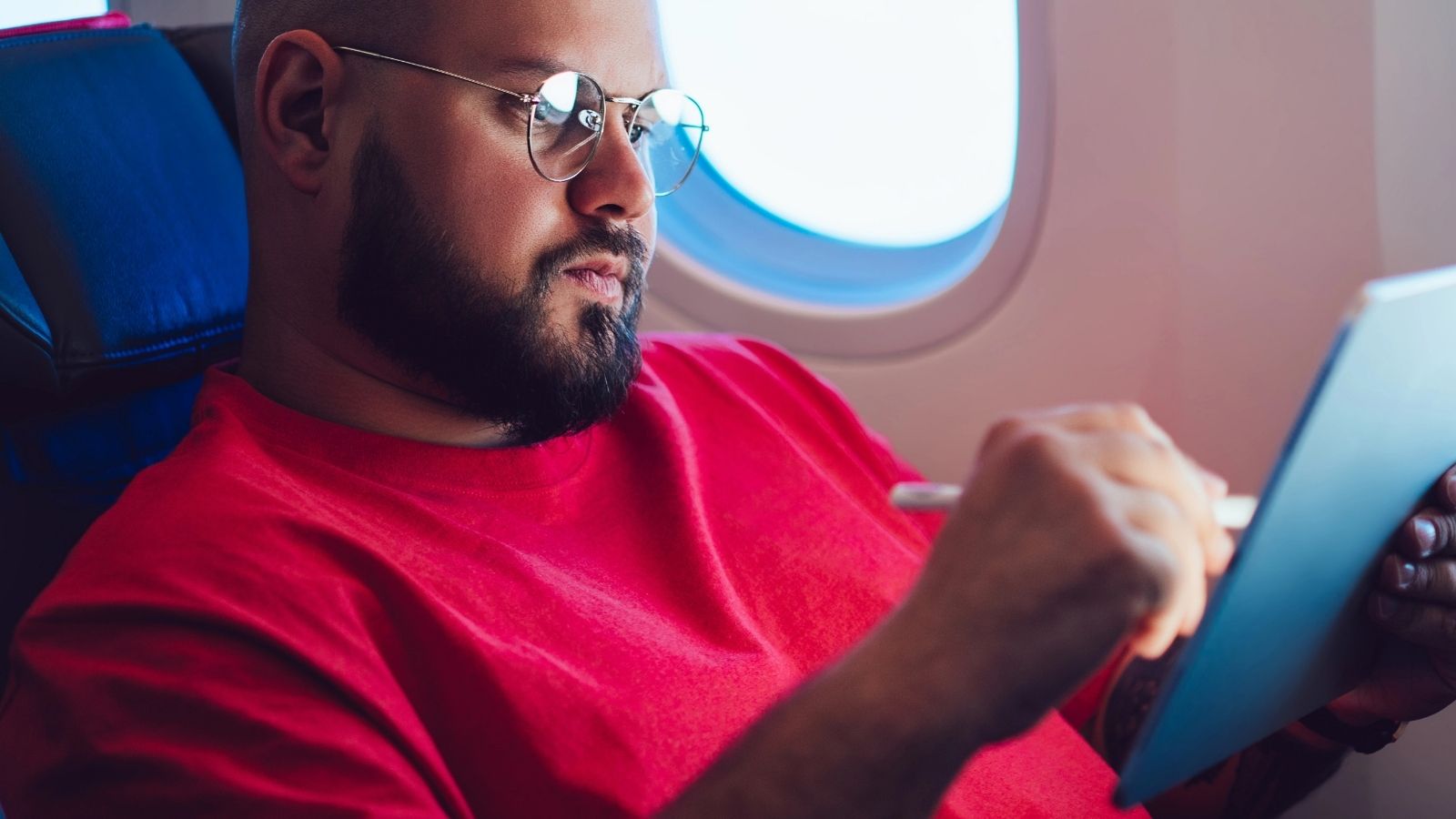
Continuous screen exposure, especially late in the flight, signals wakefulness to the brain at the wrong time. Blue light suppresses melatonin production, making it harder to sleep once you land. On overnight routes, watching movies until descent often leads to difficulty adjusting to local bedtime. Even if you feel alert mid-flight, the disruption compounds fatigue after arrival.
Prevention: Dim screens, use night mode, and stop device use at least an hour before your intended in-flight sleep window.
Wearing Tight or Restrictive Clothing

Constricting jeans, belts, or fitted layers reduce circulation during long periods of sitting. Cabin pressure changes can increase swelling in the abdomen and legs, making tight clothing uncomfortable after several hours. Restricted movement also discourages stretching. Discomfort may linger into the first day of travel.
Prevention: Choose loose, breathable layers that allow movement and support circulation throughout the flight.
Overloading the Arrival Day

Scheduling tours, meetings, or major activities immediately after landing leaves no margin for fatigue or delays. Long-haul travel reduces alertness and decision-making ability. Even simple logistics like navigating transportation can feel overwhelming. An overloaded first day often leads to exhaustion that spills into the following days.
Prevention: Keep the arrival day light, allow time for rest, and plan key activities for the next morning.
Ignoring Time Zone Strategy

Staying fully on your home schedule during the flight can delay adjustment to the destination’s time zone. Eating and sleeping at the wrong intervals confuses the body’s internal clock. Without a gradual shift, jet lag symptoms often last longer than necessary.
Prevention: Begin aligning meals and sleep with your destination time during the flight to shorten recovery.
11 Destinations Where Tourist Taxes Add Up Fast

Tourist taxes are easy to underestimate when planning a trip. They often appear as small nightly charges or add-ons that feel insignificant at first glance. The reality is that in some destinations, these fees accumulate quickly, especially for couples staying multiple nights or moving between cities.
Learn more here: 11 Destinations Where Tourist Taxes Add Up Fast
9 Places Where Travel Fees Catch Americans Off Guard

Travel budgets often look solid until the extra charges start piling up. Many Americans plan carefully for flights and hotels, then get caught off guard by fees that appear only after arrival. These costs are rarely hidden. They are simply easy to overlook when focusing on the basics.
Learn more here: 9 Places Where Travel Fees Catch Americans Off Guard
