9 Long-Haul Flight Risks Travelers Underestimate
Long-haul flights are often treated as something to endure rather than plan for. Many travelers focus on the destination and assume they will manage the journey as it comes. On flights that stretch across time zones and continents, that mindset can overlook real risks.
Extended time in a confined cabin affects hydration, circulation, sleep, and alertness. Jet lag is only one part of the equation. Dehydration, stiffness, fatigue-related mistakes, and even increased exposure to illness can shape how the first days of a trip unfold. These issues are easy to underestimate until they begin to interfere with plans.
For couples traveling together, long-haul strain can compound. When both partners arrive exhausted or uncomfortable, simple decisions become harder. That tension can influence the tone of early travel days more than expected.
We have identified 9 long-haul flight risks that travelers underestimate. Understanding them ahead of time allows couples to prepare thoughtfully, reduce preventable discomfort, and protect the energy they will need once they reach their destination.

Dehydration

Cabin humidity on long-haul flights is far lower than most indoor environments, which gradually pulls moisture from the body. Over ten or more hours, this can lead to headaches, dry skin, fatigue, and difficulty concentrating. Many travelers underestimate how much water they need, especially if they drink coffee, soda, or alcohol during the flight. Relying only on beverage service is rarely sufficient.
Prevention: Bring a refillable water bottle, drink consistently throughout the flight, and limit alcohol and caffeine to reduce compounding dehydration effects.
Circulation Problems
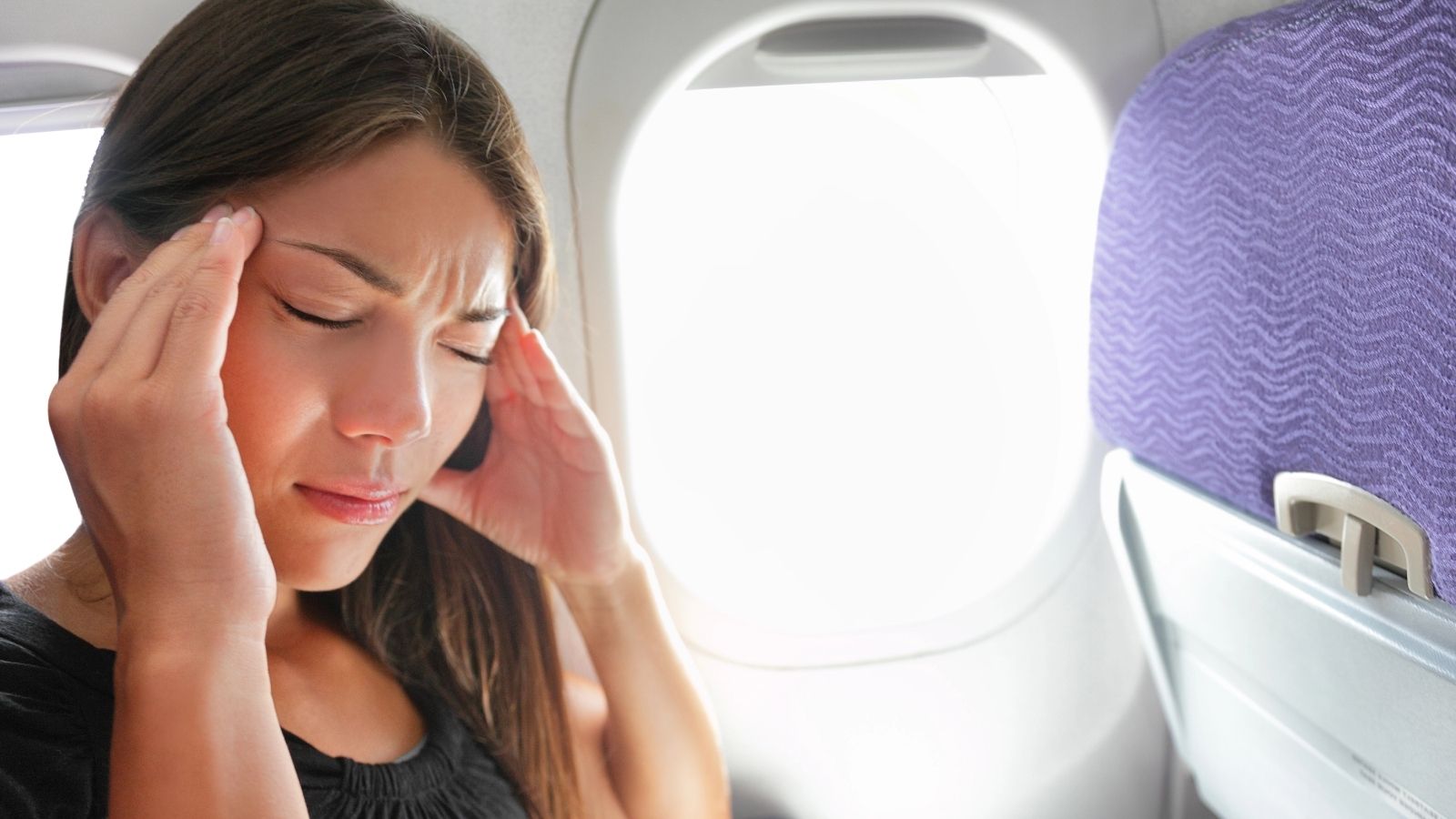
Sitting still for extended periods slows blood flow, especially in the legs and feet. Swelling, stiffness, and numbness are common after long flights. In rare cases, prolonged immobility increases the risk of deep vein thrombosis, particularly for travelers with additional risk factors. Even healthy travelers feel discomfort when movement is limited for many hours.
Prevention: Stand and walk periodically when safe, flex ankles and calves in your seat, and consider wearing compression socks on flights longer than four hours.
Jet Lag Disruption
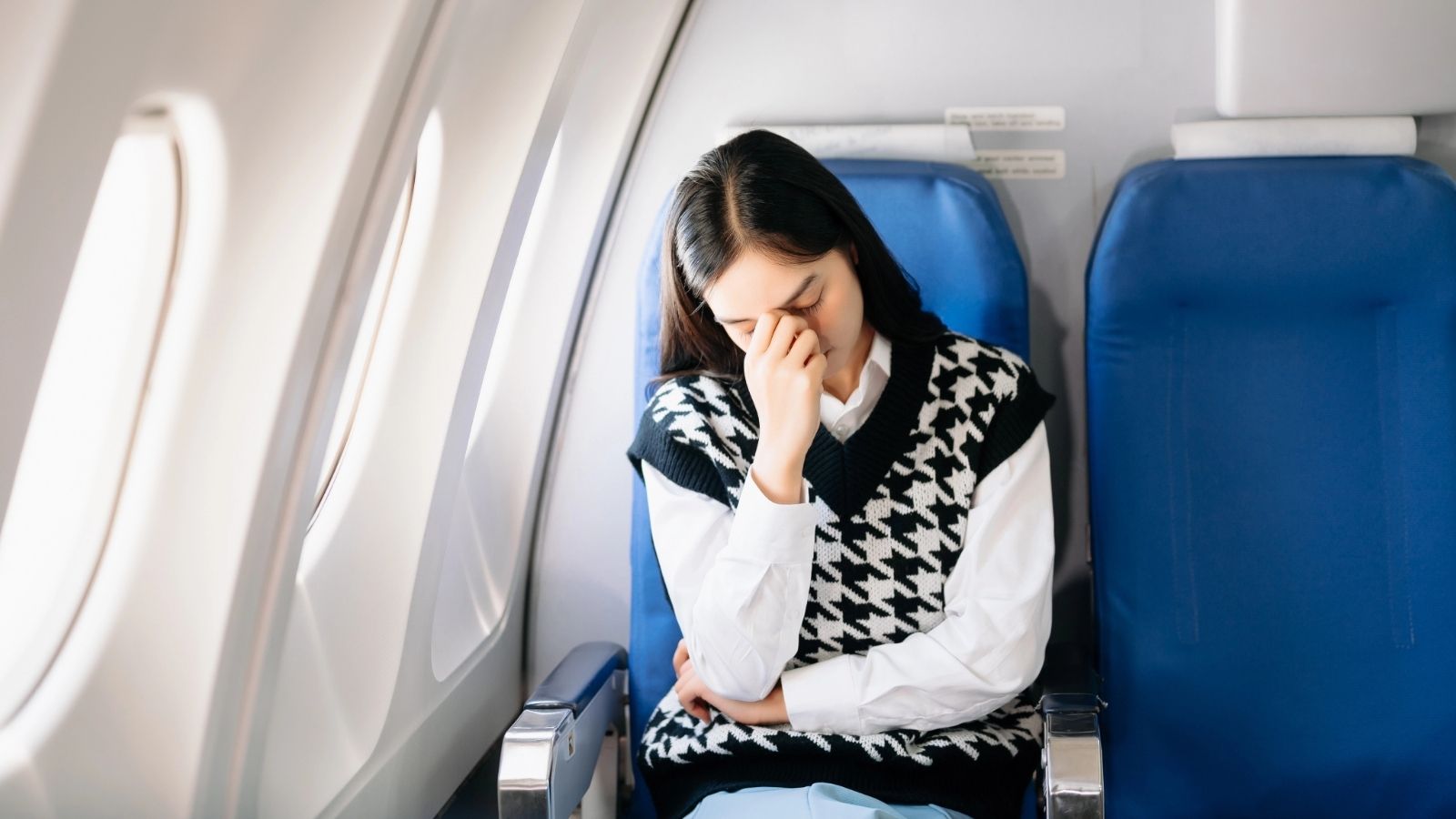
Crossing multiple time zones shifts the body’s internal clock, often more severely than travelers expect. Sleep cycles, hunger patterns, and mental clarity can remain misaligned for days. Arriving exhausted but unable to sleep at the local bedtime is common. The disruption often feels stronger after landing than during the flight itself.
Prevention: Adjust sleep gradually before departure, limit screen exposure during intended rest periods, and spend time outdoors in natural light upon arrival.
Sleep Deprivation
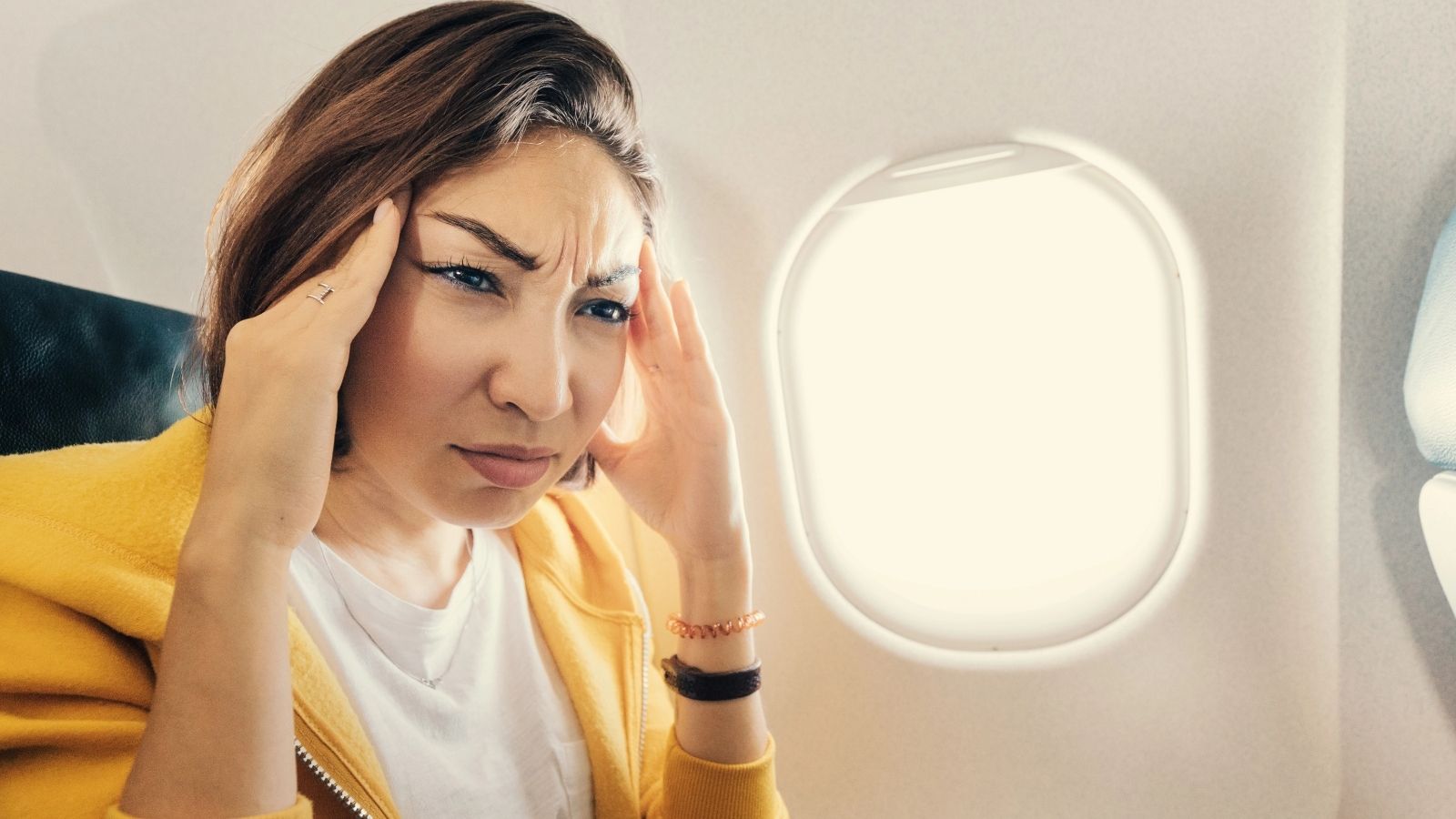
Even overnight flights rarely provide deep, restorative sleep. Interrupted rest, cabin noise, and upright seating reduce sleep quality significantly. Travelers who assume they will “sleep on the plane” often arrive more fatigued than planned, which affects the first day of travel. Poor rest can also increase irritability and reduce decision-making ability.
Prevention: Use an eye mask, earplugs or noise-canceling headphones, and set a clear sleep window rather than drifting in and out of light rest.
Immune System Strain
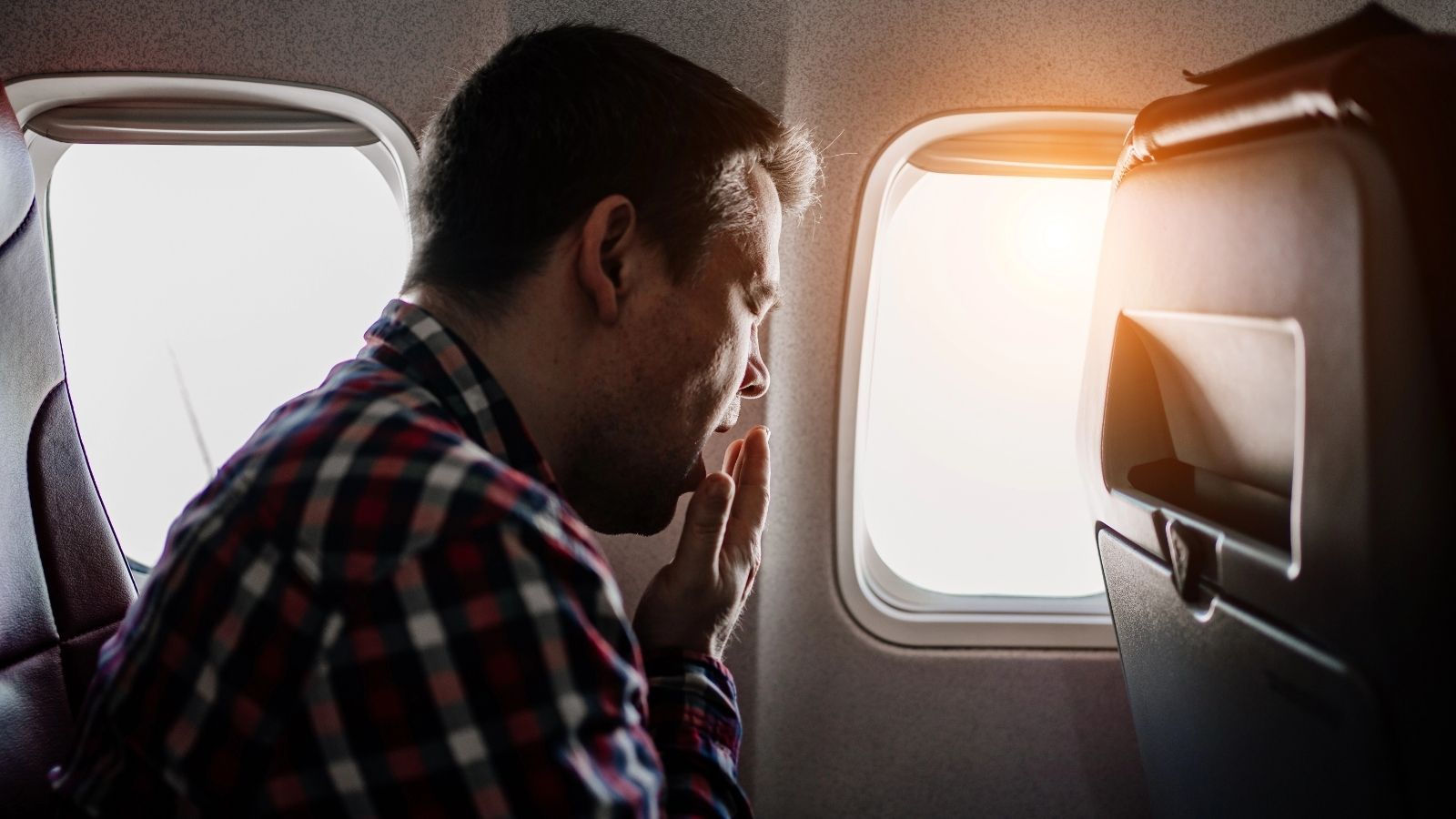
Long travel days combine stress, lack of sleep, crowded terminals, and exposure to shared air. Even without illness exposure, the physical strain of extended transit can weaken immune response temporarily. Many travelers report feeling run down or developing minor symptoms shortly after arrival. Hydration and rest often receive less attention than itinerary planning.
Prevention: Prioritize sleep before departure, hydrate consistently, wash hands frequently, and avoid starting trips already overtired.
Neck and Back Strain
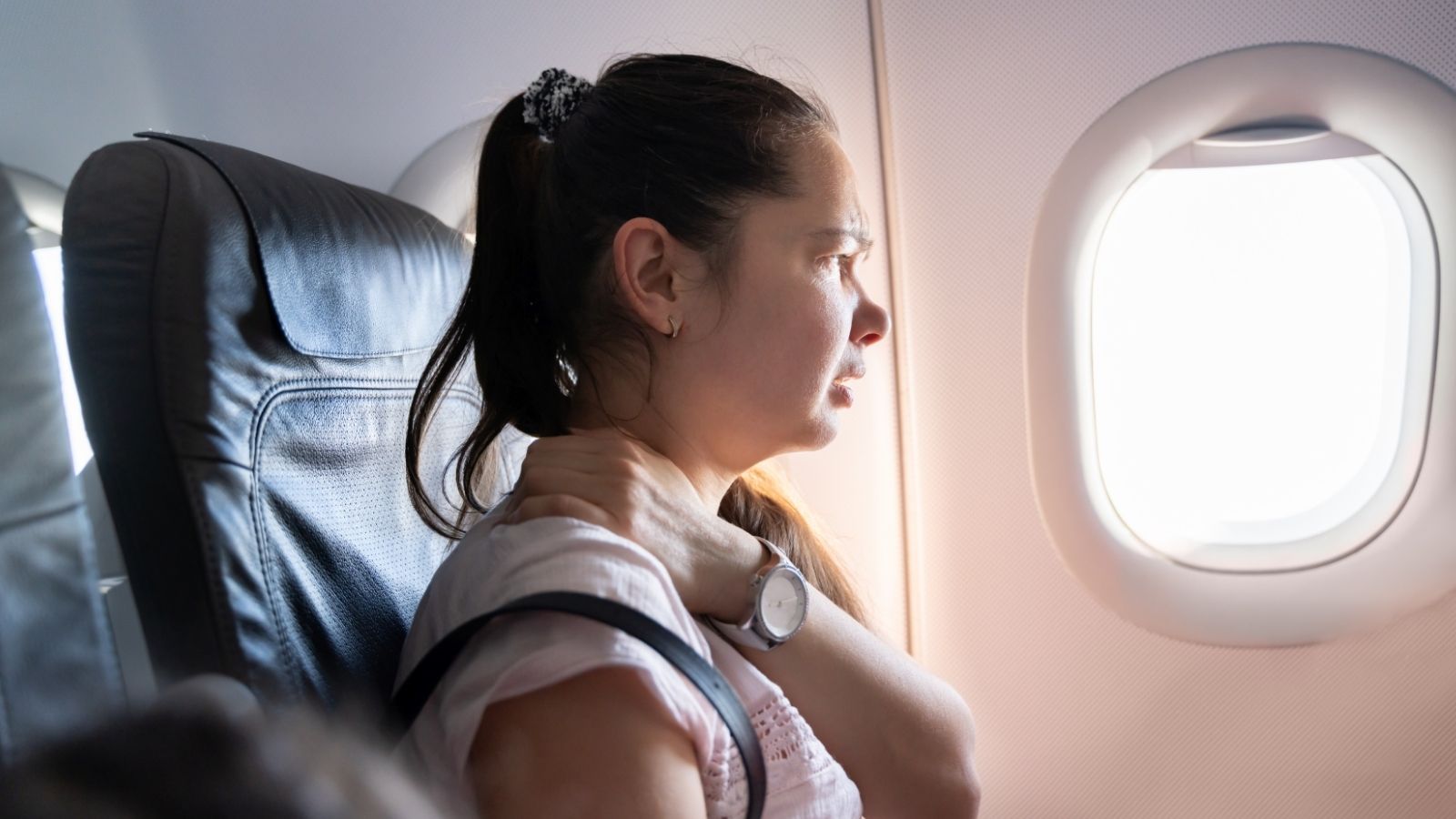
Economy seats provide limited lumbar support, and headrests rarely align with natural posture. Over many hours, small misalignments turn into neck stiffness and lower back pain that lingers after landing. Leaning forward to watch a screen or sleeping upright without support increases tension. Once discomfort sets in, it is harder to correct mid-flight.
Prevention: Use a small lumbar cushion or rolled sweater for lower back support, adjust the headrest if possible, and change positions periodically to prevent sustained strain.
Digestive Discomfort

Cabin pressure, reduced movement, and unfamiliar meal timing can all affect digestion. Bloating and mild stomach discomfort are common on long-haul flights, especially after heavy or salty meals. Dehydration can worsen these symptoms. Sitting upright for hours also slows digestive movement.
Prevention: Choose lighter meals, limit carbonated drinks, stay hydrated, and walk briefly when possible to encourage circulation and digestion.
Mild Altitude Effects
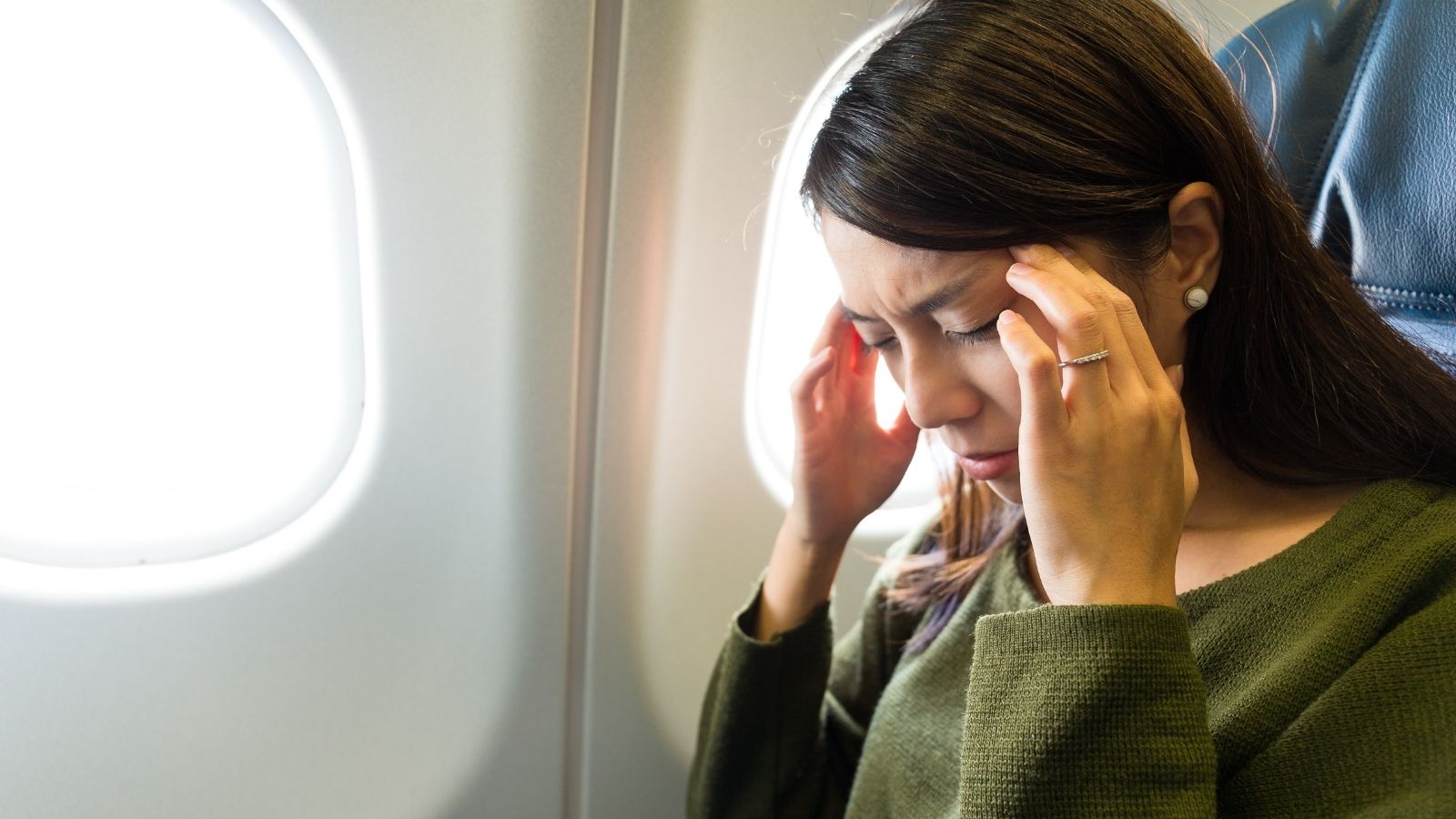
Aircraft cabins are pressurized but still simulate a higher altitude than sea level. Oxygen levels are slightly lower, which can increase fatigue, mild dizziness, or headaches in some travelers. Most people adapt without issue, but combined with dehydration and sleep loss, the effect feels stronger.
Prevention: Hydrate well, avoid excessive alcohol, and rest before departure to reduce cumulative strain from altitude and fatigue.
Decision Fatigue on Arrival
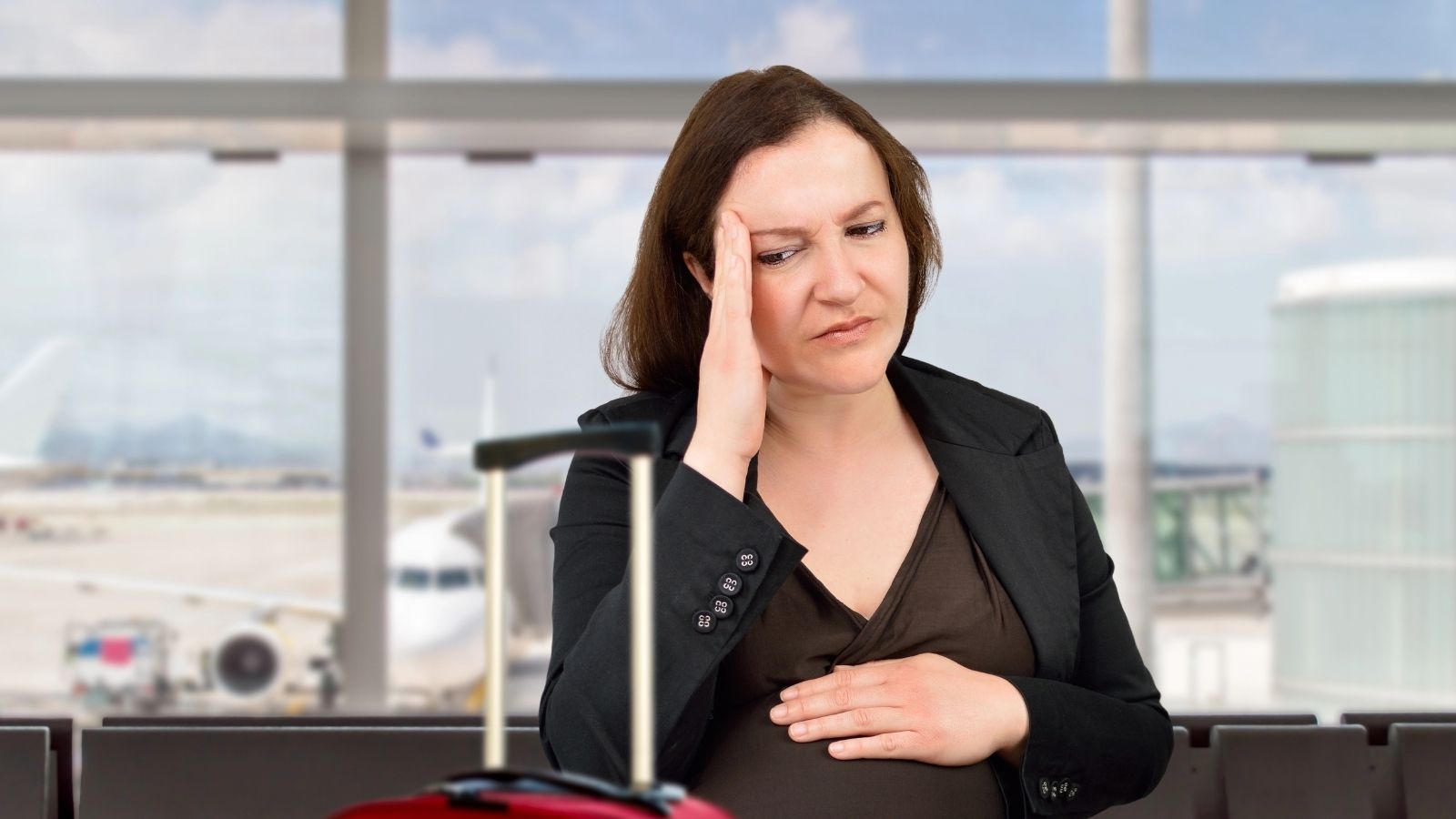
After 10 or more hours in transit, even simple tasks such as navigating public transport or checking into lodging require extra effort. Mental focus drops, and small delays feel more stressful than usual. Many travelers underestimate how exhausting arrival logistics can be after a long-haul flight.
Prevention: Pre-book airport transfers when possible, keep arrival instructions accessible, and avoid scheduling major activities on landing day.
11 Best Cities to Live in the U.S.

Choosing where to live is rarely about one factor. For many couples, the decision blends career options, cost of living, safety, lifestyle, and how daily life will actually feel once the move is complete. A city may look appealing on paper but function very differently in practice.
Learn more here: 11 Best Cities to Live in the U.S.
10 Countries Where Americans Must Register First Before Arriving

Many Americans are used to booking a flight first and sorting out paperwork later. That approach no longer works in several countries. A growing number now require advance registration, even for short tourist stays.
Learn more here: 10 Countries Where Americans Must Register First Before Arriving
