9 Most Expensive Places to Live In Around the World
Cost of living varies widely across the world, and in some cities, expenses rise far beyond what many couples expect. Housing, transportation, healthcare, and everyday essentials can combine to create financial pressure even for high earners. Understanding where costs are highest helps put global living comparisons into perspective.
The most expensive places are not defined by rent alone. Taxes, childcare, dining, and basic services all factor into what daily life actually costs. In many of these cities, strong job markets and high salaries partially offset expenses, but budgeting still requires careful planning and realistic expectations.
For couples considering relocation, extended stays, or international work opportunities, cost is more than a headline number. It affects lifestyle, housing size, savings potential, and long term financial goals. Knowing which cities consistently rank at the top helps narrow decisions before major commitments are made.
We have identified 9 of the most expensive places to live in around the world. These are cities where high demand, limited space, and global appeal combine to drive costs upward year after year.

Singapore
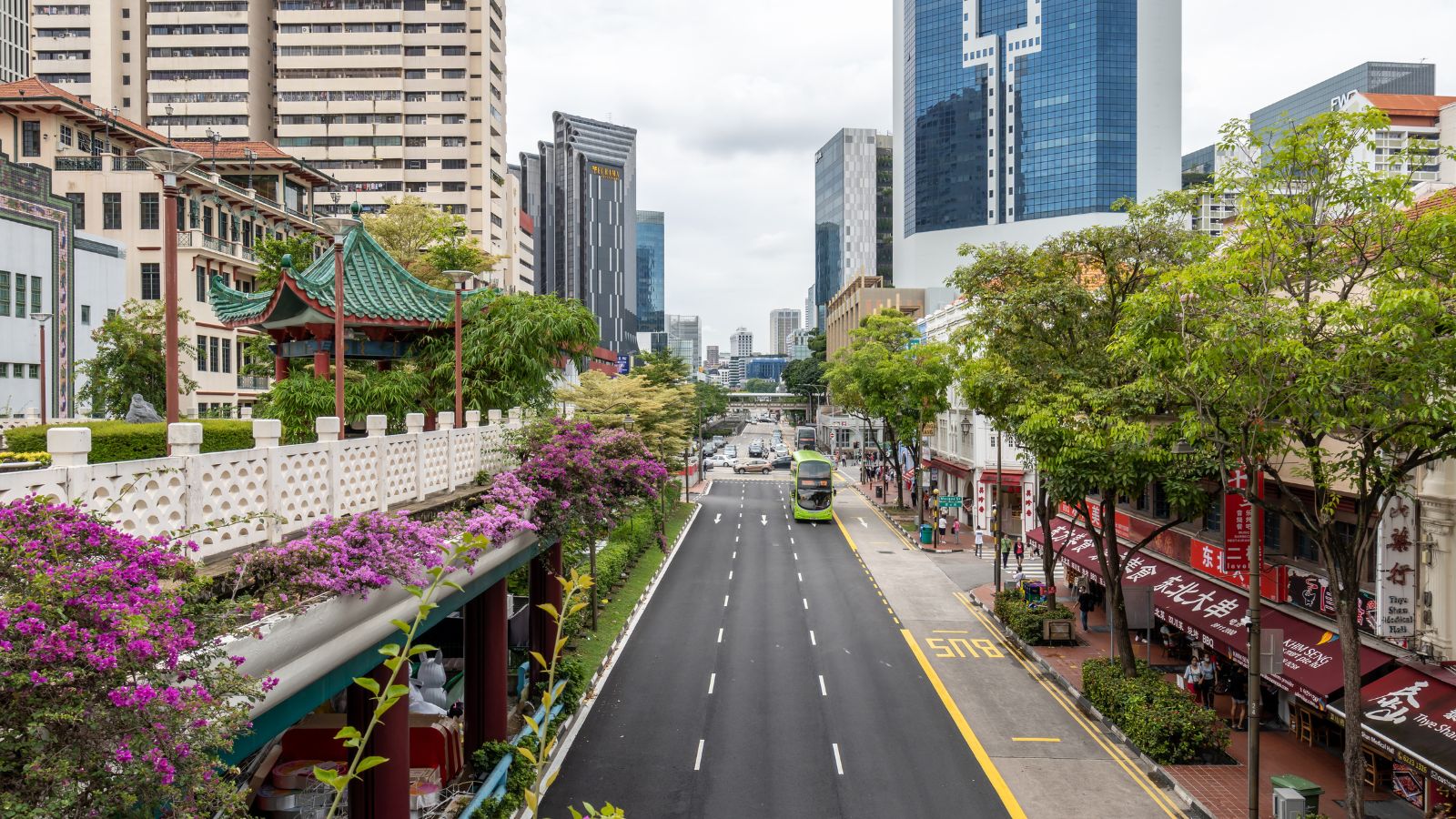
Singapore consistently ranks among the most expensive places to live due to high housing prices, vehicle ownership costs, and daily expenses. Residential property is limited by land constraints, which drives both rental and purchase prices upward. Car ownership requires costly permits, and imported goods often carry premium pricing. While public transportation is efficient and reliable, private living space comes at a premium. International schools, dining, and healthcare services also add to overall expenses.
Why it’s expensive: Limited land supply and strong demand push housing and lifestyle costs significantly higher.
Zurich, Switzerland
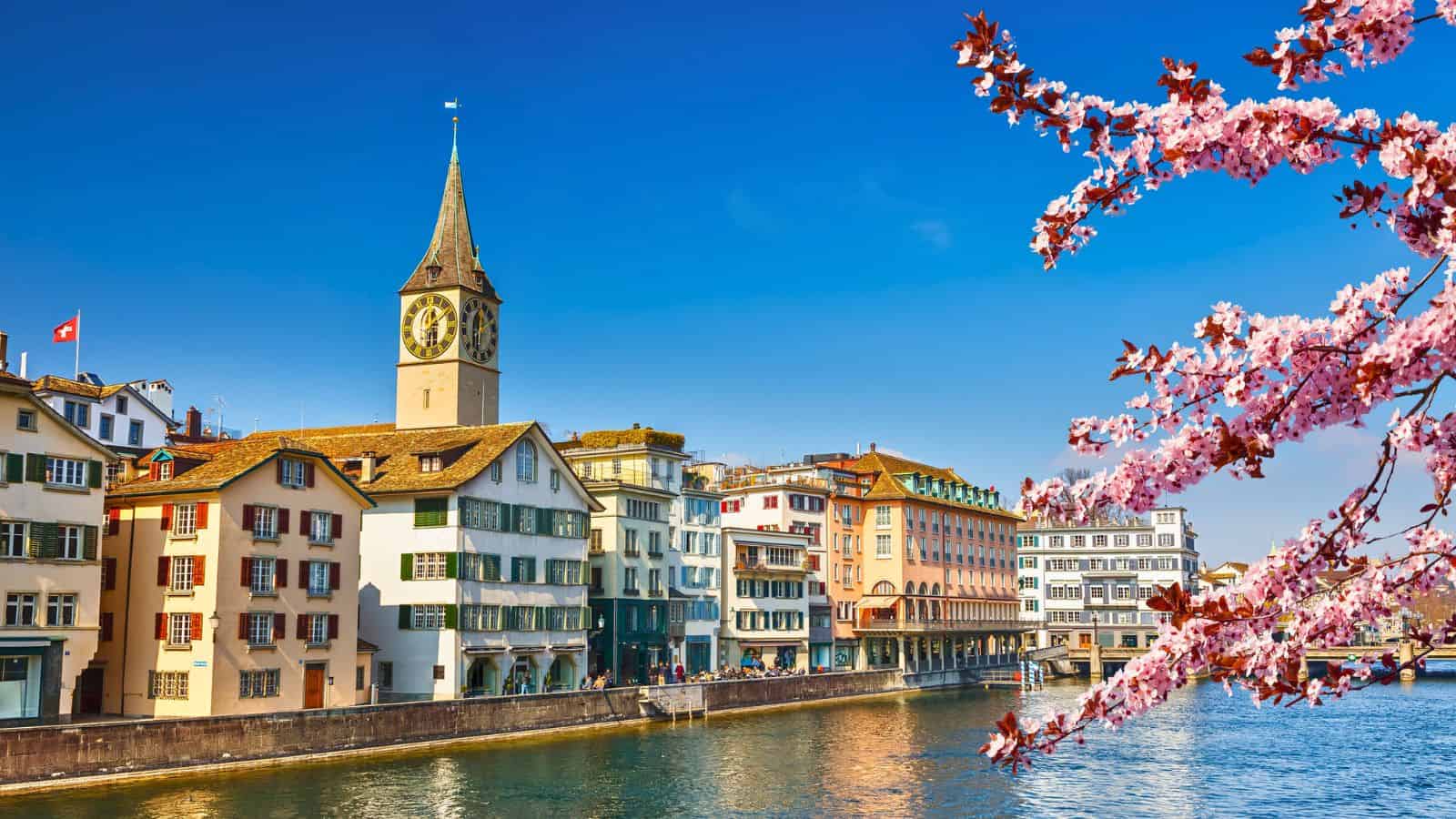
Zurich combines high salaries with equally high living costs. Rent and real estate prices remain elevated, especially near the city center and lakefront. Groceries, dining, and transportation cost more than in most European cities. While public services are reliable and infrastructure is efficient, everyday expenses add up quickly. Taxes vary by canton, but overall affordability remains challenging for newcomers.
Why it’s expensive: Strong wages and limited housing availability sustain elevated prices across daily life.
Hong Kong
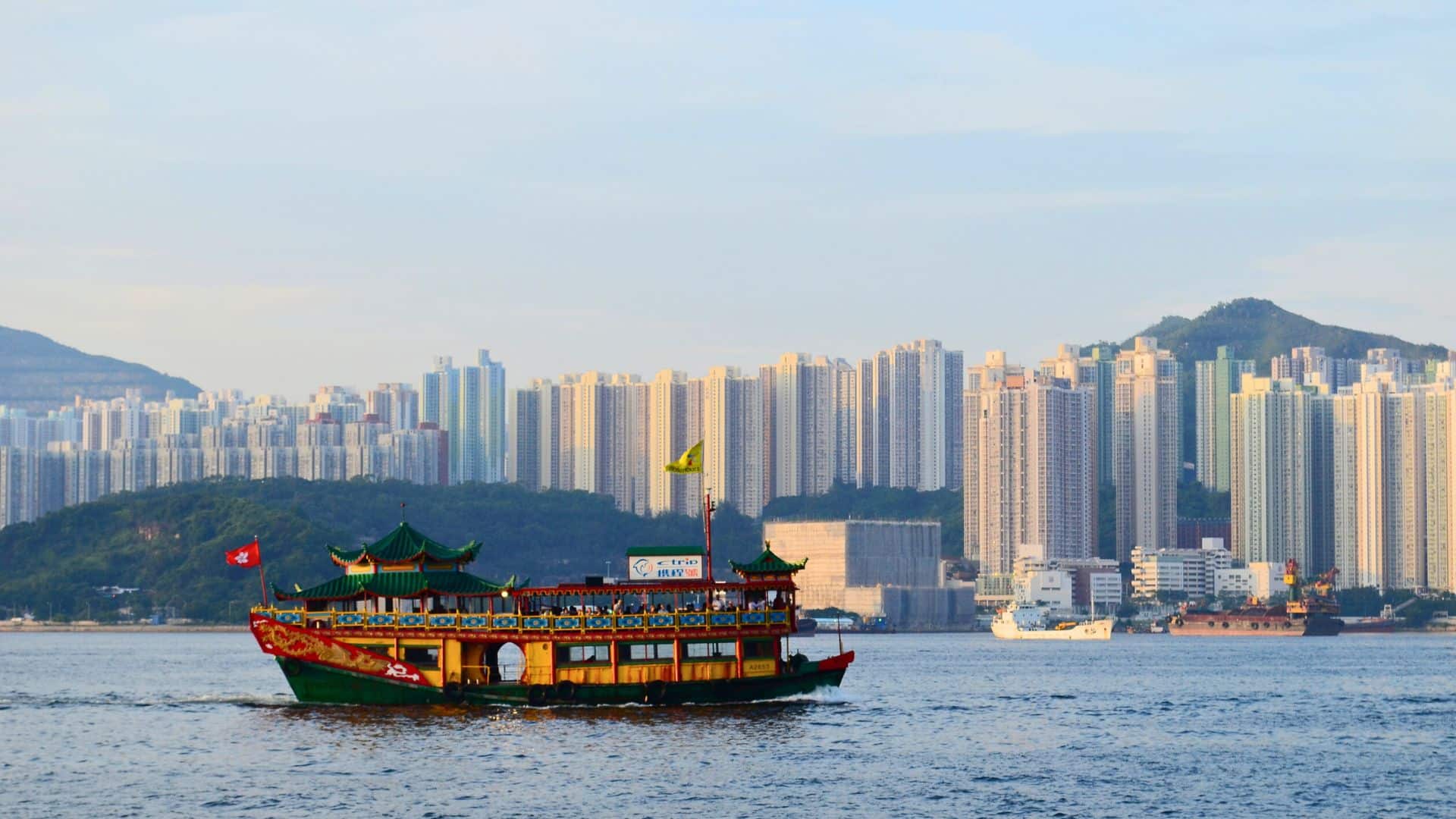
Hong Kong remains one of the most expensive housing markets globally. Limited land, high demand, and dense development contribute to extremely high rental and purchase prices. Apartments are often compact despite their cost. Dining, international schooling, and imported goods carry premium pricing. Public transportation is affordable and efficient, but overall lifestyle costs remain high.
Why it’s expensive: Severe housing constraints and global demand drive real estate to extreme levels.
Geneva, Switzerland
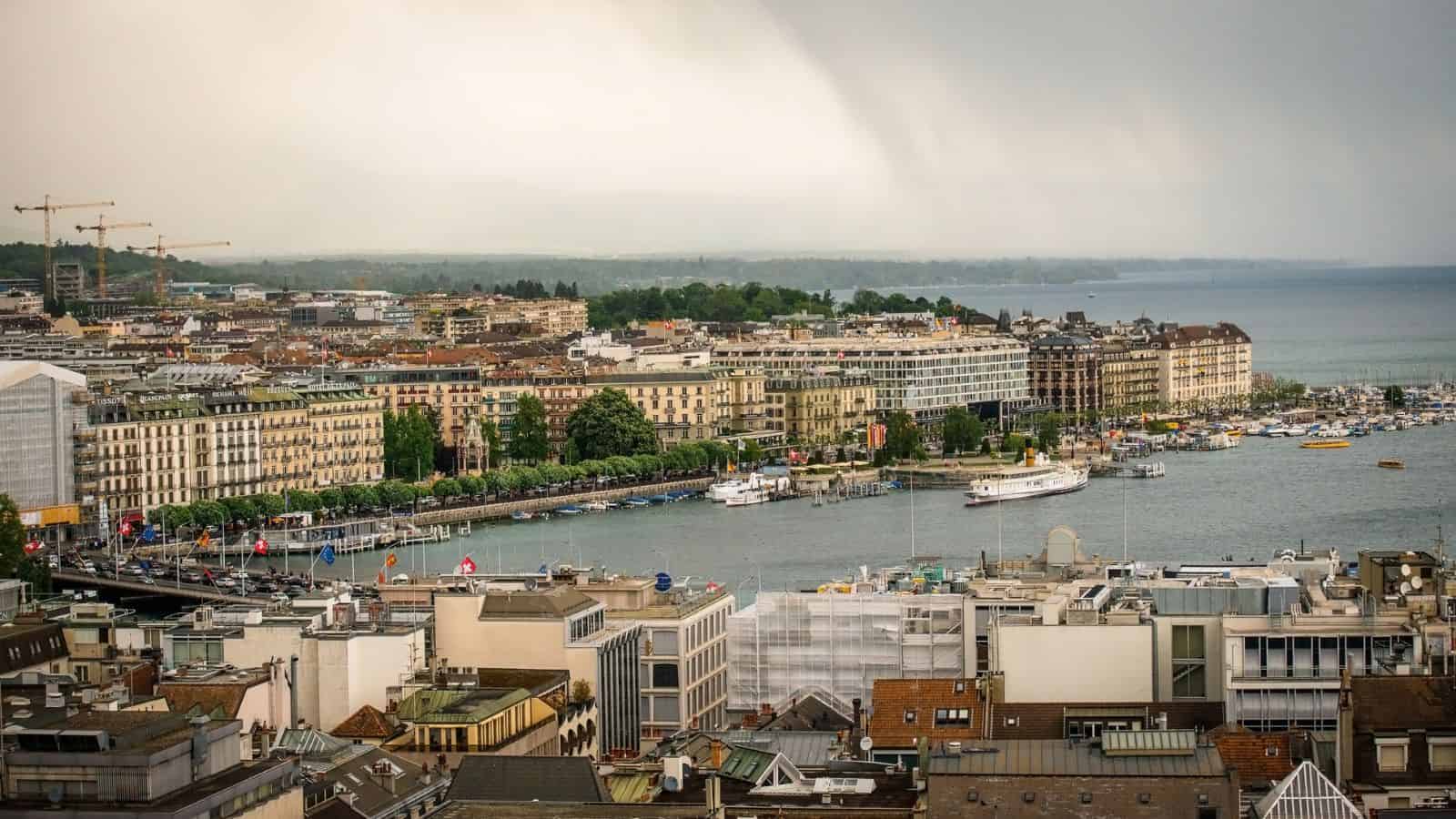
Geneva’s cost of living reflects its role as an international hub. Housing prices are elevated, and rental competition remains strong. Groceries, dining, healthcare, and transportation consistently rank above European averages. Proximity to international organizations supports high salaries, which sustain pricing pressure. Public services are reliable, but daily expenses remain significant for residents.
Why it’s expensive: International workforce demand keeps housing and everyday costs consistently high.
New York City, United States
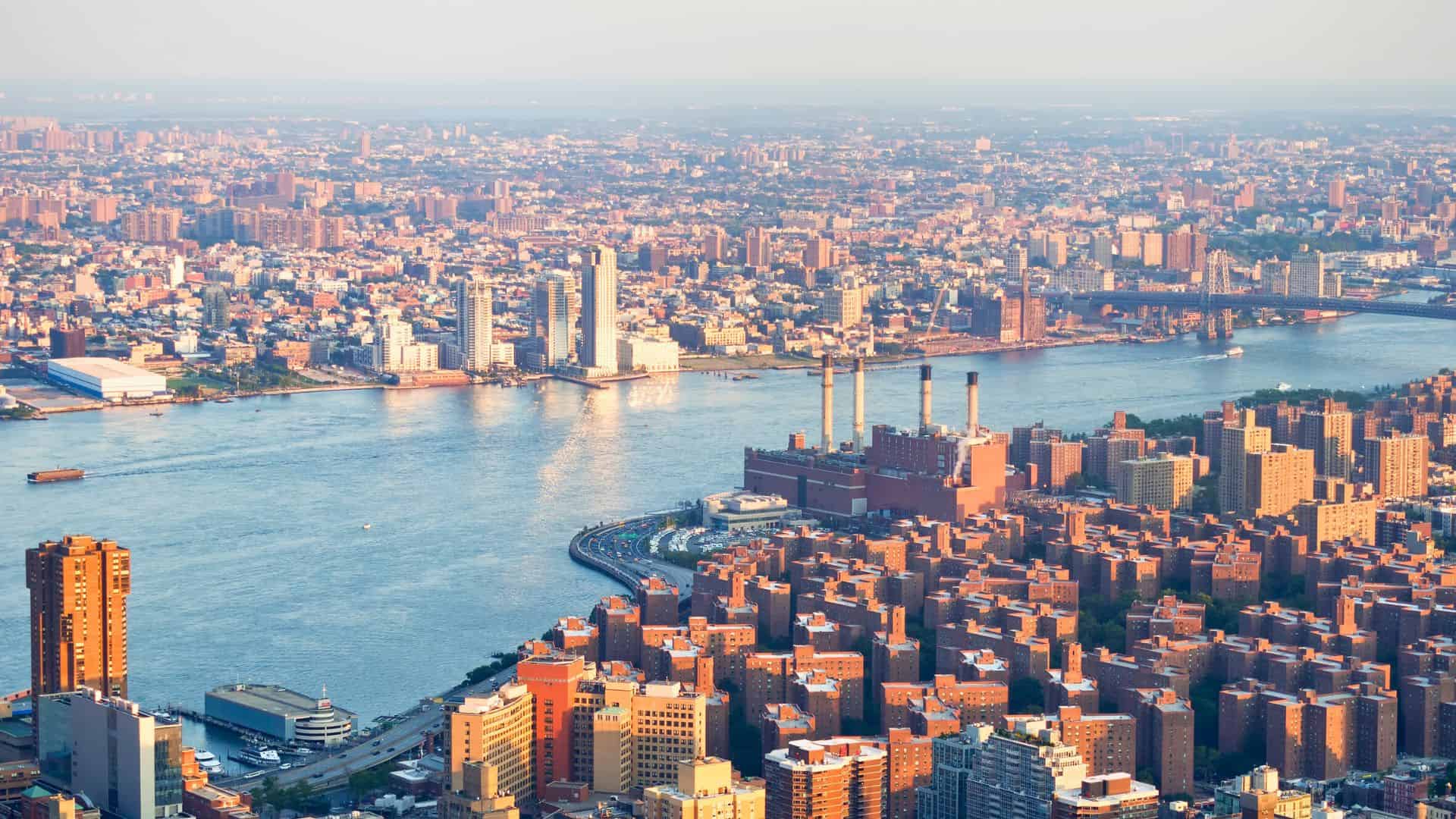
New York City’s expense is driven primarily by housing. Manhattan and desirable Brooklyn neighborhoods command some of the highest rents in the United States. Property taxes, utilities, and transportation costs add to monthly budgets. Dining and entertainment prices reflect strong demand and limited space. While salaries can be competitive, everyday expenses accumulate quickly.
Why it’s expensive: Housing demand combined with limited space keeps rent and ownership costs elevated.
London, United Kingdom
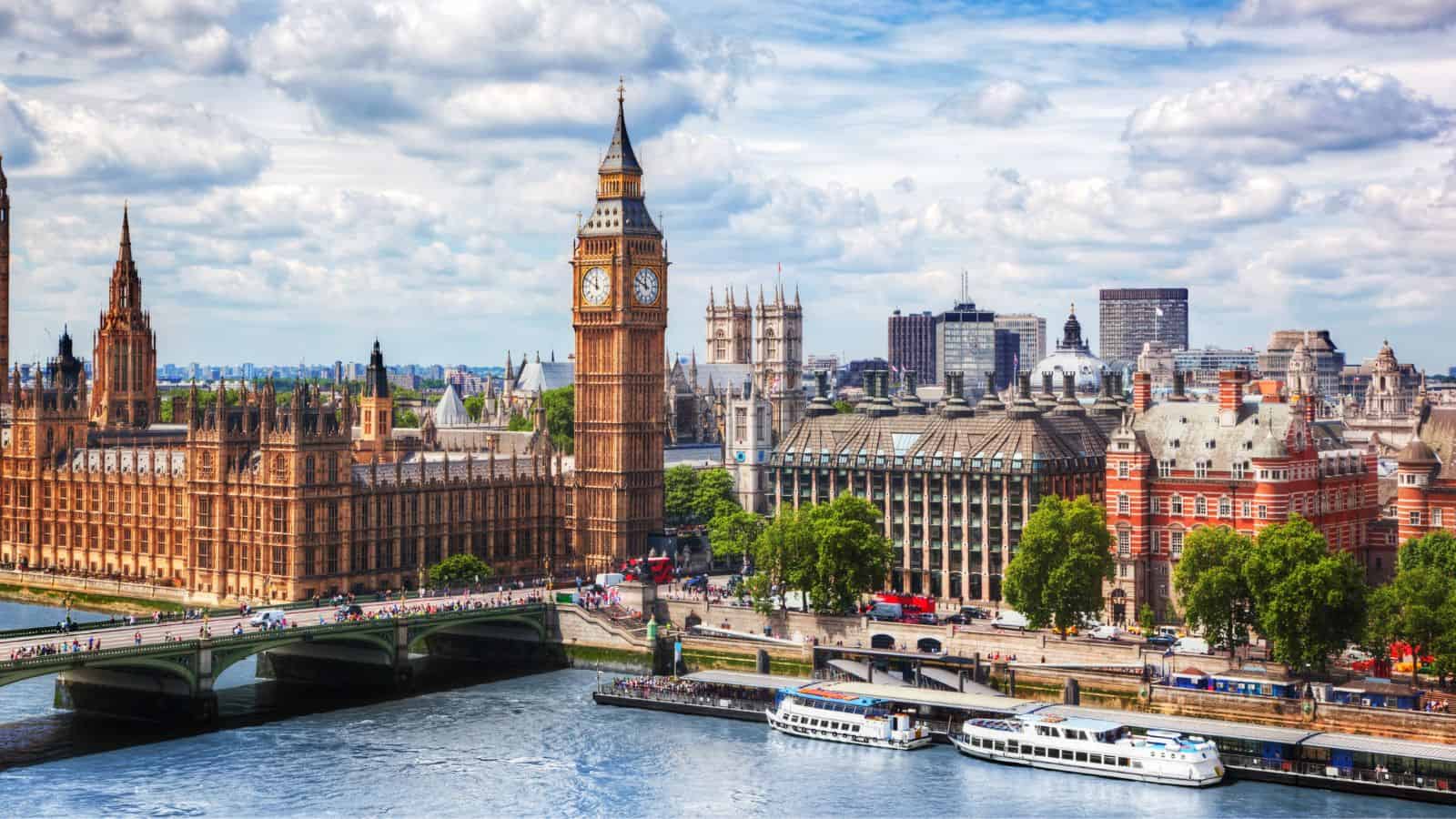
London’s cost of living is driven largely by housing. Central neighborhoods command high rents, and property prices remain elevated even farther from the city core. Transportation costs, dining, childcare, and private schooling add to monthly expenses. While salaries in finance, tech, and professional services can be strong, everyday spending remains high. Energy costs and council taxes also factor into overall budgets.
Why it’s expensive: Strong global demand and limited central housing supply sustain high living costs.
Monaco
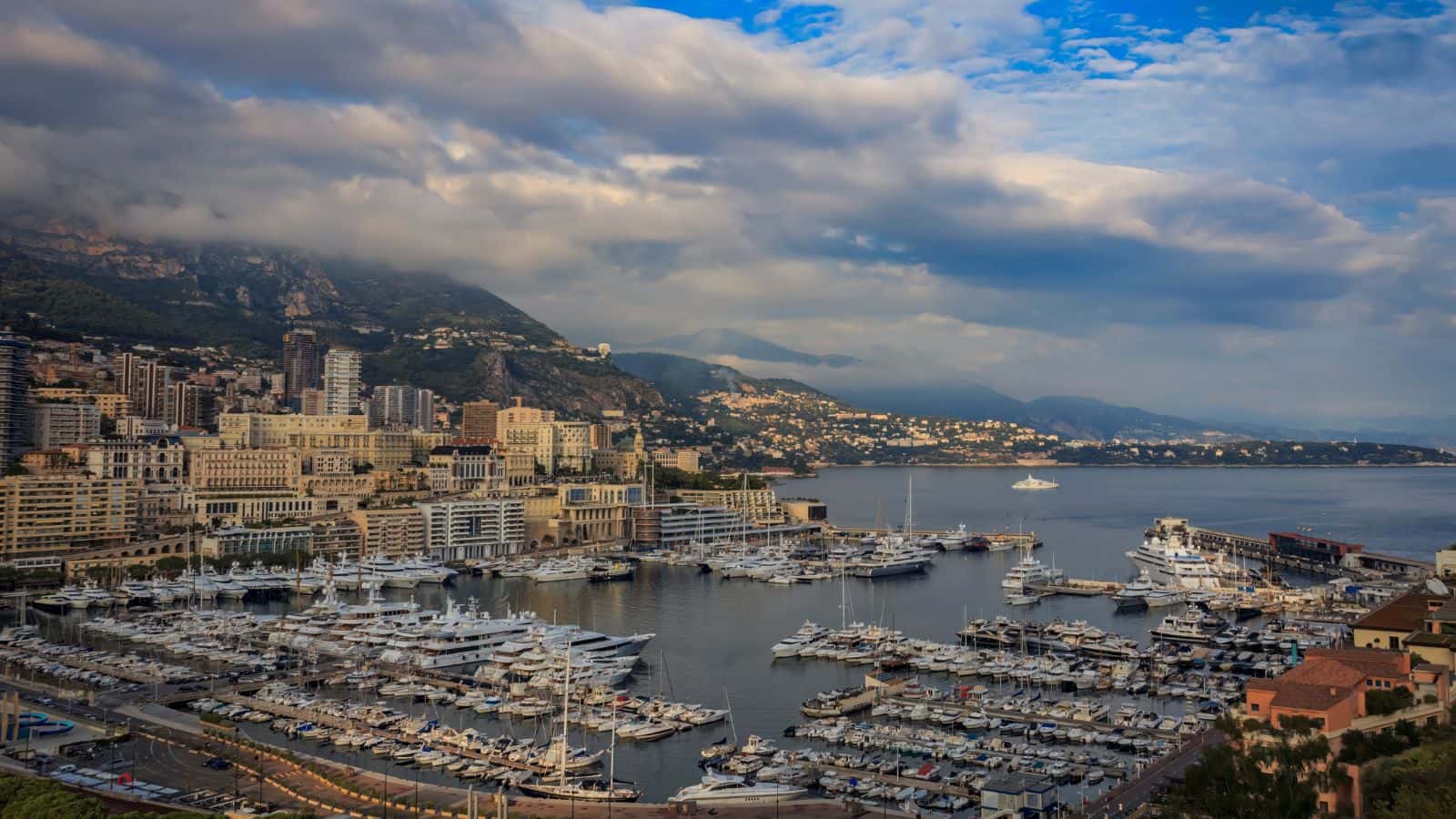
Monaco consistently ranks among the most expensive places to live due to extreme real estate pricing. Limited land and high demand from international residents drive property values to some of the highest levels globally. Luxury services, dining, and private amenities shape daily life. While income tax policies attract wealthy residents, housing and lifestyle costs remain significant. Space is scarce, and square footage comes at a premium.
Why it’s expensive: Limited territory and global wealth concentration push real estate to exceptional levels.
San Francisco, United States
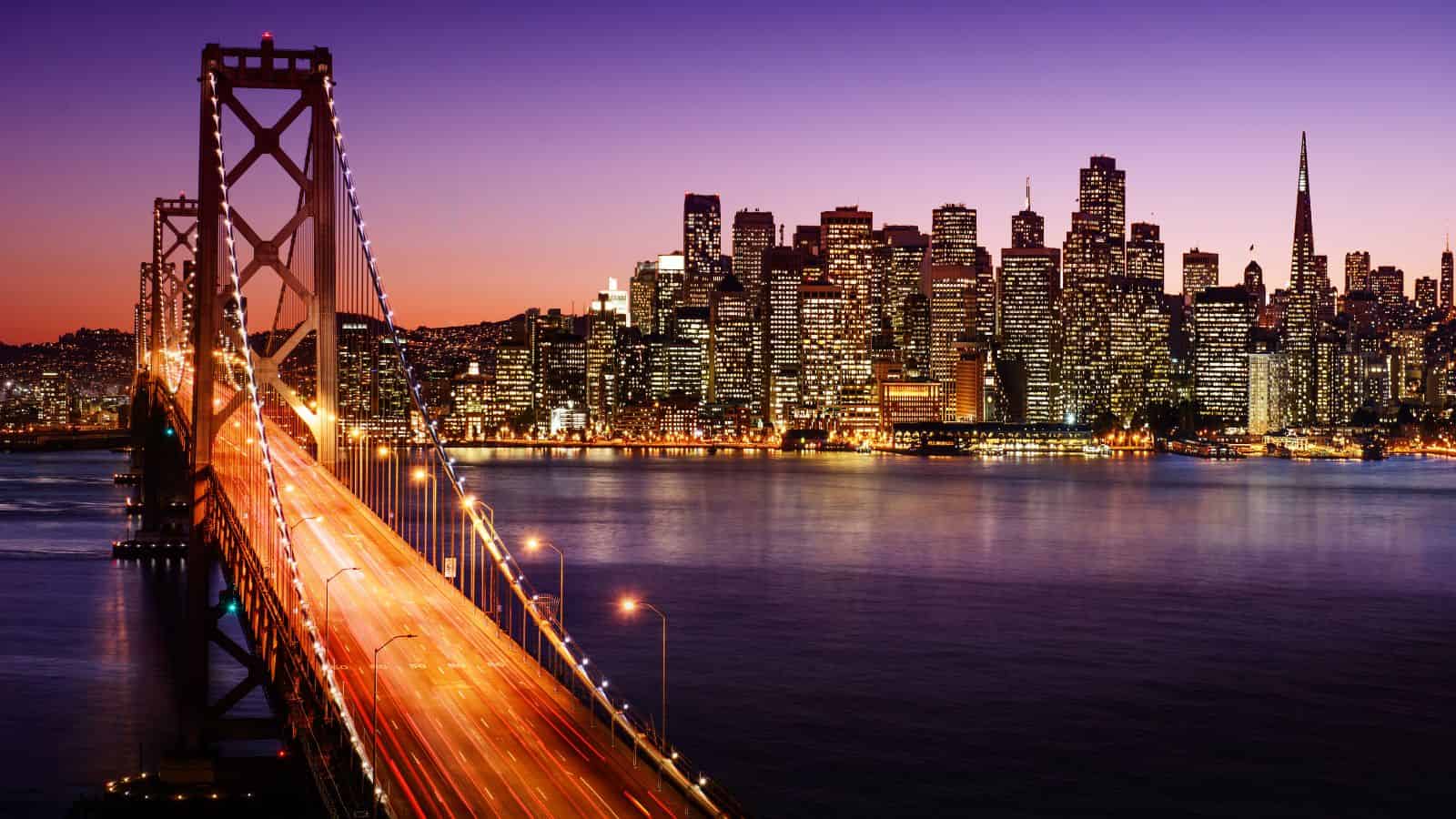
San Francisco’s expense is closely tied to its housing market. Rental prices and home values remain among the highest in the United States, particularly in established neighborhoods. Utilities, dining, and everyday services reflect elevated wage levels in the tech sector. Transportation costs can also add up, especially for commuters. While salaries in certain industries offset some pressure, overall affordability remains challenging.
Why it’s expensive: Strong tech-driven demand combined with limited housing supply keeps prices elevated.
Tokyo, Japan
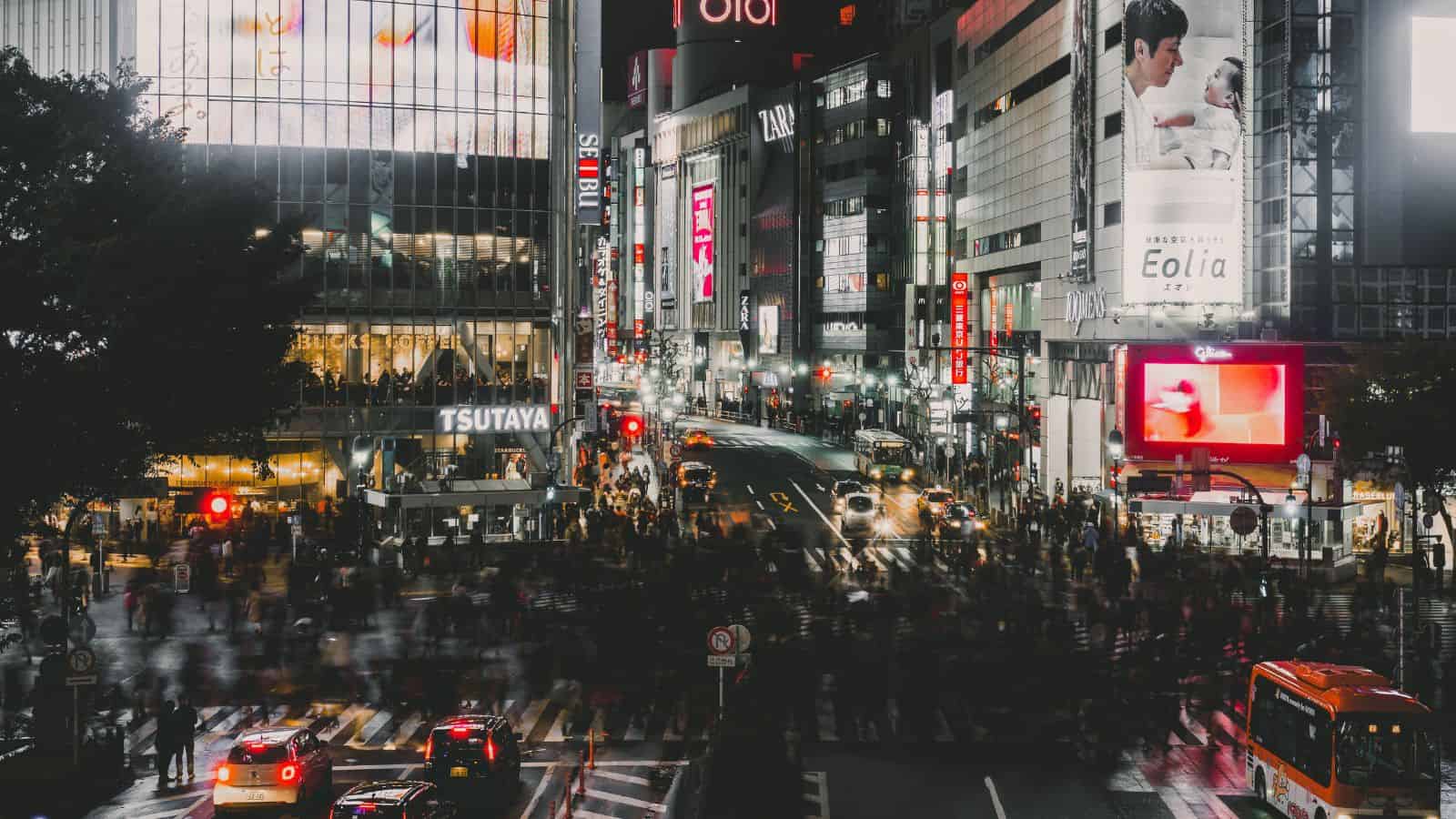
Tokyo’s overall cost varies by district, but central neighborhoods command high rents and property prices. While public transportation is efficient and relatively affordable, housing size often comes at a premium. Imported goods, international schooling, and dining in major districts increase monthly expenses. Daily convenience remains high, but central living requires strong income support.
Why it’s expensive: Dense urban demand and premium central districts drive higher housing and lifestyle costs.
11 Destinations Where Tourist Taxes Add Up Fast

Tourist taxes are easy to underestimate when planning a trip. They often appear as small nightly charges or add-ons that feel insignificant at first glance. The reality is that in some destinations, these fees accumulate quickly, especially for couples staying multiple nights or moving between cities.
Learn more here: 11 Destinations Where Tourist Taxes Add Up Fast
10 Countries Where Americans Must Register First Before Arriving

Many Americans are used to booking a flight first and sorting out paperwork later. That approach no longer works in several countries. A growing number now require advance registration, even for short tourist stays.
Learn more here: 10 Countries Where Americans Must Register First Before Arriving
