9 Places in Asia Where Photography Can Create Real Problems
Photography feels instinctive for many travelers. A phone comes out. A moment is captured. For couples traveling through Asia, that habit can sometimes create problems they did not anticipate.
In several destinations, taking photos is tied to cultural norms, religious practices, or local laws that are enforced more strictly than visitors expect. What seems harmless can lead to confrontations, fines, confiscated equipment, or uncomfortable interactions with authorities or locals. These situations often catch travelers off guard because the rules are not always obvious or clearly posted.
This is not about discouraging photography altogether. It is about understanding when and where caution matters. Knowing the boundaries ahead of time helps couples move through places with more confidence and respect, while avoiding situations that can derail a day or sour an otherwise meaningful experience.
We have identified 9 places in Asia where photography can create real problems. These are destinations where awareness and restraint matter most, and where a little preparation can prevent unnecessary stress while traveling together.
North Korea
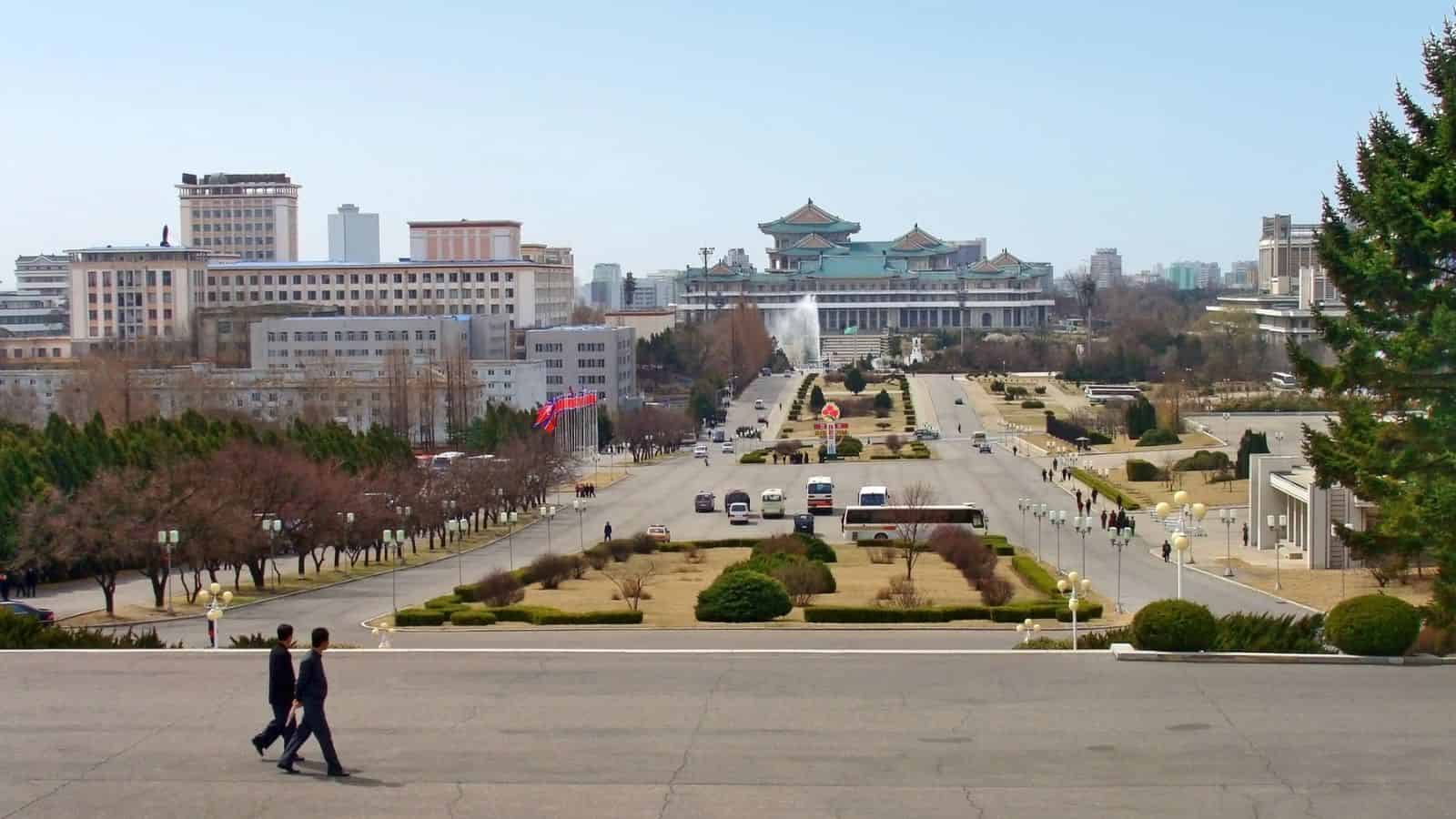
In North Korea, photography is tightly controlled and closely monitored. Travelers are typically accompanied by guides, and photographing unauthorized subjects can lead to serious consequences. Images of military personnel, construction sites, everyday poverty, or anything perceived as unflattering to the state are prohibited. Even cropping photos incorrectly can raise issues during checks. Cameras and phones may be reviewed before departure.
Takeaway: In North Korea, travelers should only photograph subjects explicitly approved by guides and never assume discretion is allowed.
Japan
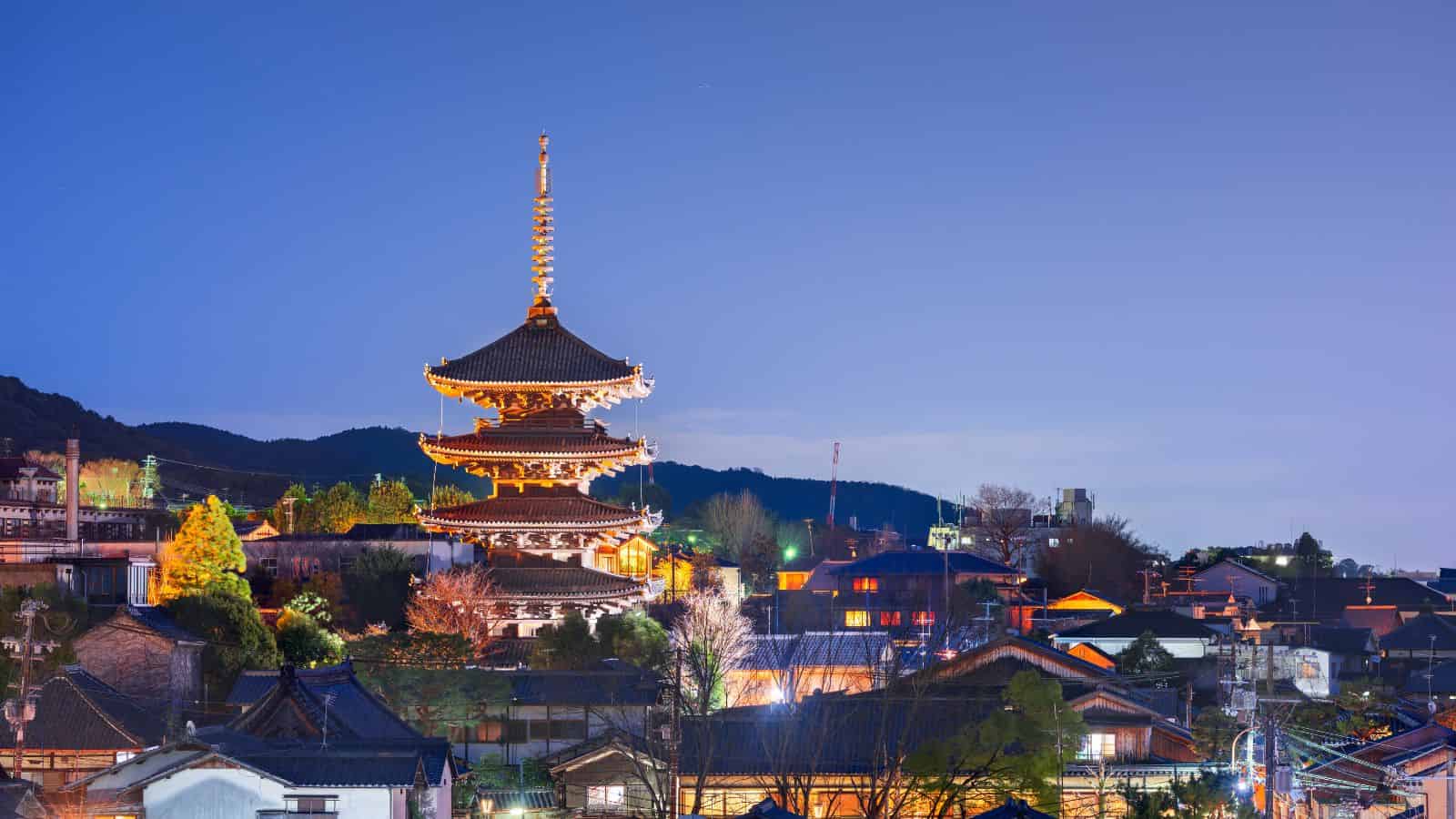
Japan enforces photography rules most strictly in temples, shrines, museums, and traditional neighborhoods. “No photography” signs are common and taken seriously. Photographing geisha, monks, or private residences without permission can lead to confrontation or fines. Some locations ban phone cameras entirely.
Takeaway: In Japan, travelers should treat posted photography rules as non-negotiable and ask permission before photographing people or sacred spaces.
Thailand
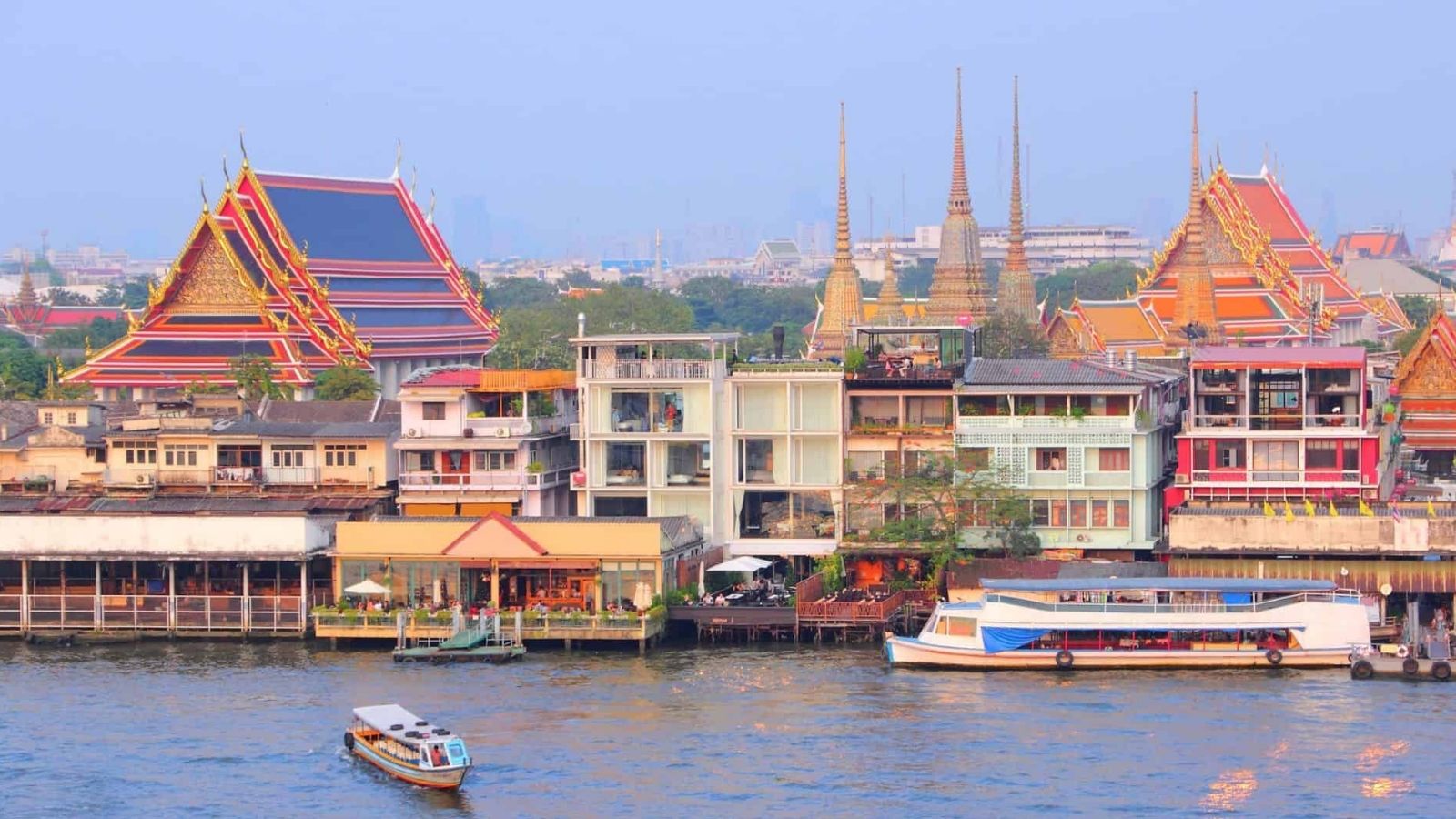
Thailand has strict laws protecting the monarchy, and photography that appears disrespectful can result in severe penalties. Photographing royal imagery, government buildings, or certain temple interiors is restricted. Even casual or humorous images taken near royal symbols can be misinterpreted. Enforcement is taken seriously, especially in Bangkok.
Takeaway: In Thailand, travelers should avoid photographing anything related to the monarchy unless clearly permitted.
India
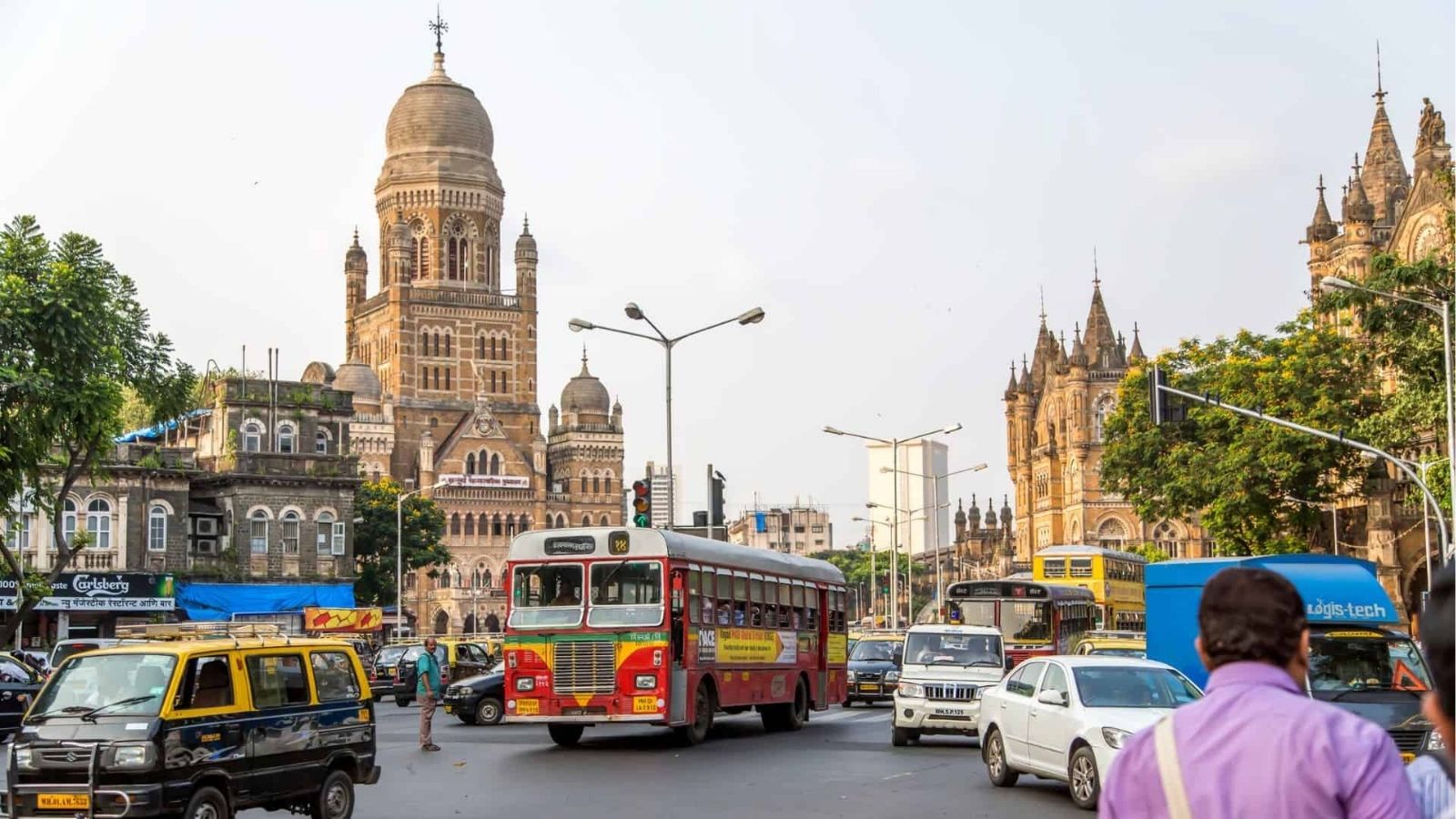
In India, photography restrictions vary widely by location. Military sites, border areas, and some government buildings prohibit photography entirely. Many temples ban photos inside, particularly of rituals or sacred icons. Violations may lead to confiscated cameras or questioning.
Takeaway: In India, travelers should look for posted signs and assume photography is restricted in religious and security-sensitive locations.
China
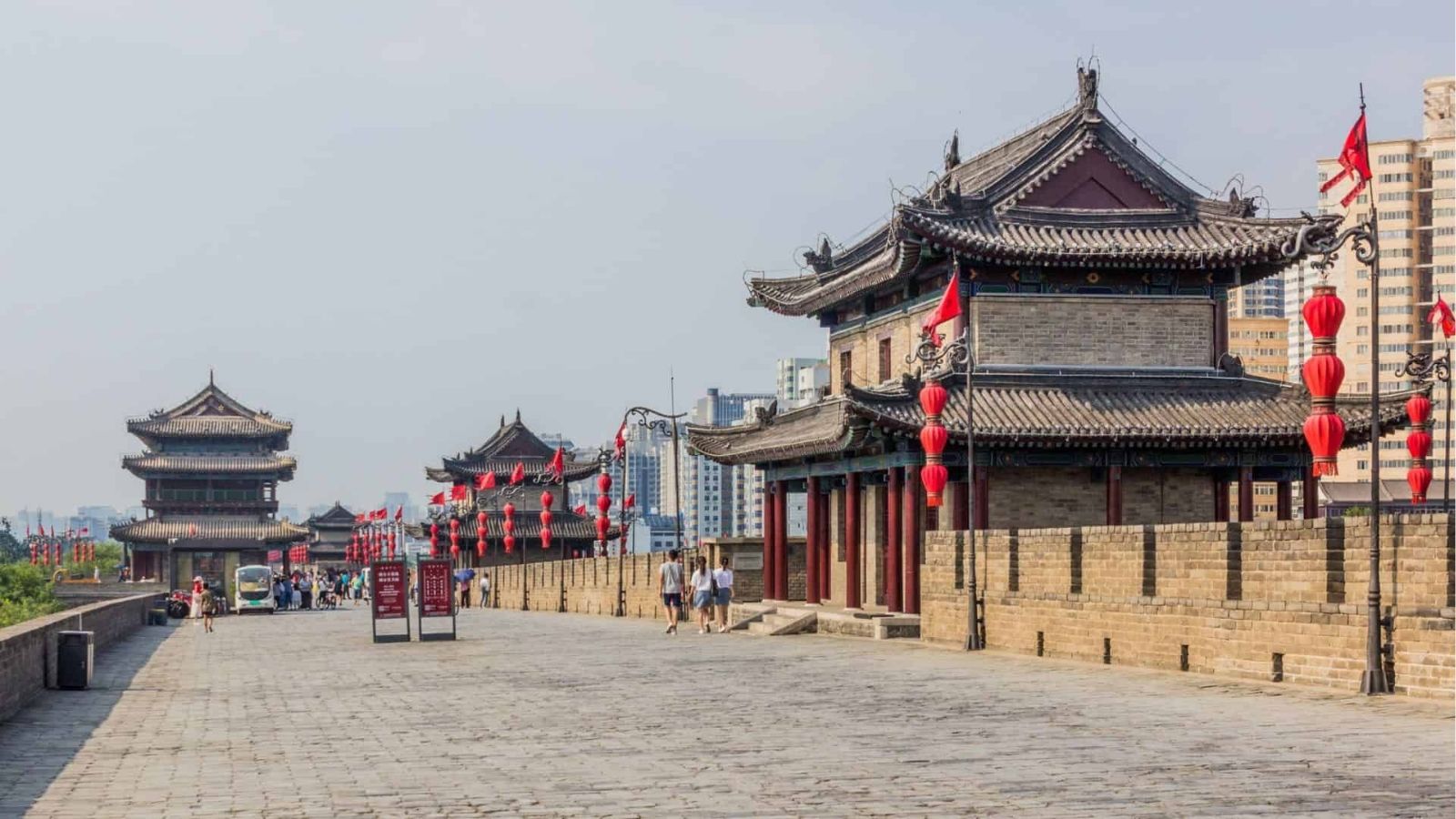
China restricts photography in military zones, transportation hubs, government buildings, and sensitive regions. Border areas and police activity are especially off-limits. Authorities may question travelers who photograph these subjects, and images can be deleted on the spot.
Takeaway: In China, travelers should avoid photographing anything involving security forces or infrastructure, even if it appears public.
South Korean DMZ
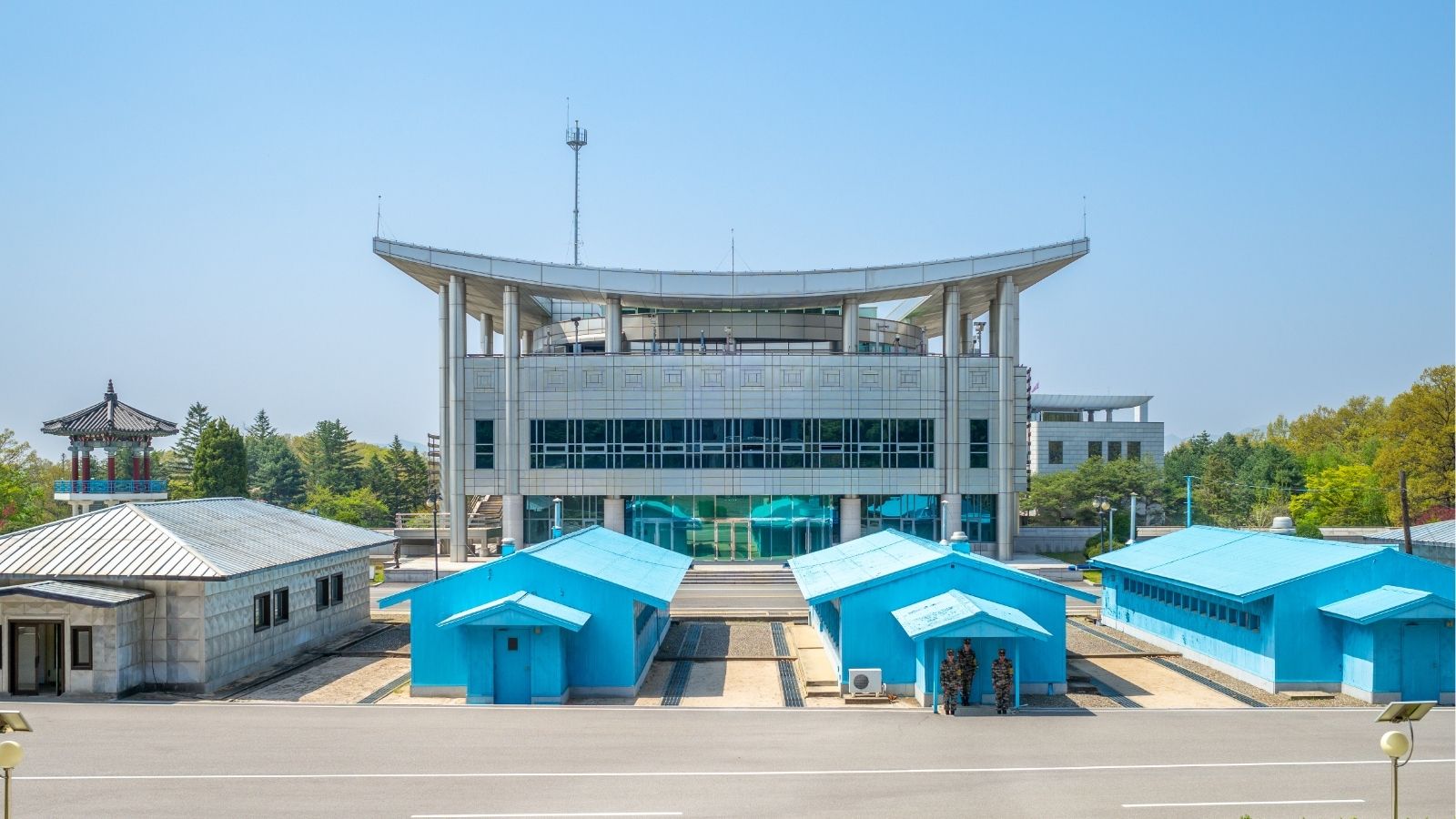
Photography at the South Korean DMZ is tightly regulated and limited to specific areas. Visitors are briefed on rules before arrival, and photographing soldiers, guard posts, surveillance equipment, or restricted zones is prohibited. Even within permitted viewpoints, angles and timing may be controlled. Violations can lead to immediate intervention by military personnel.
Takeaway: At the DMZ, travelers should follow instructions exactly and only take photos where and when permission is explicitly given.
Singapore
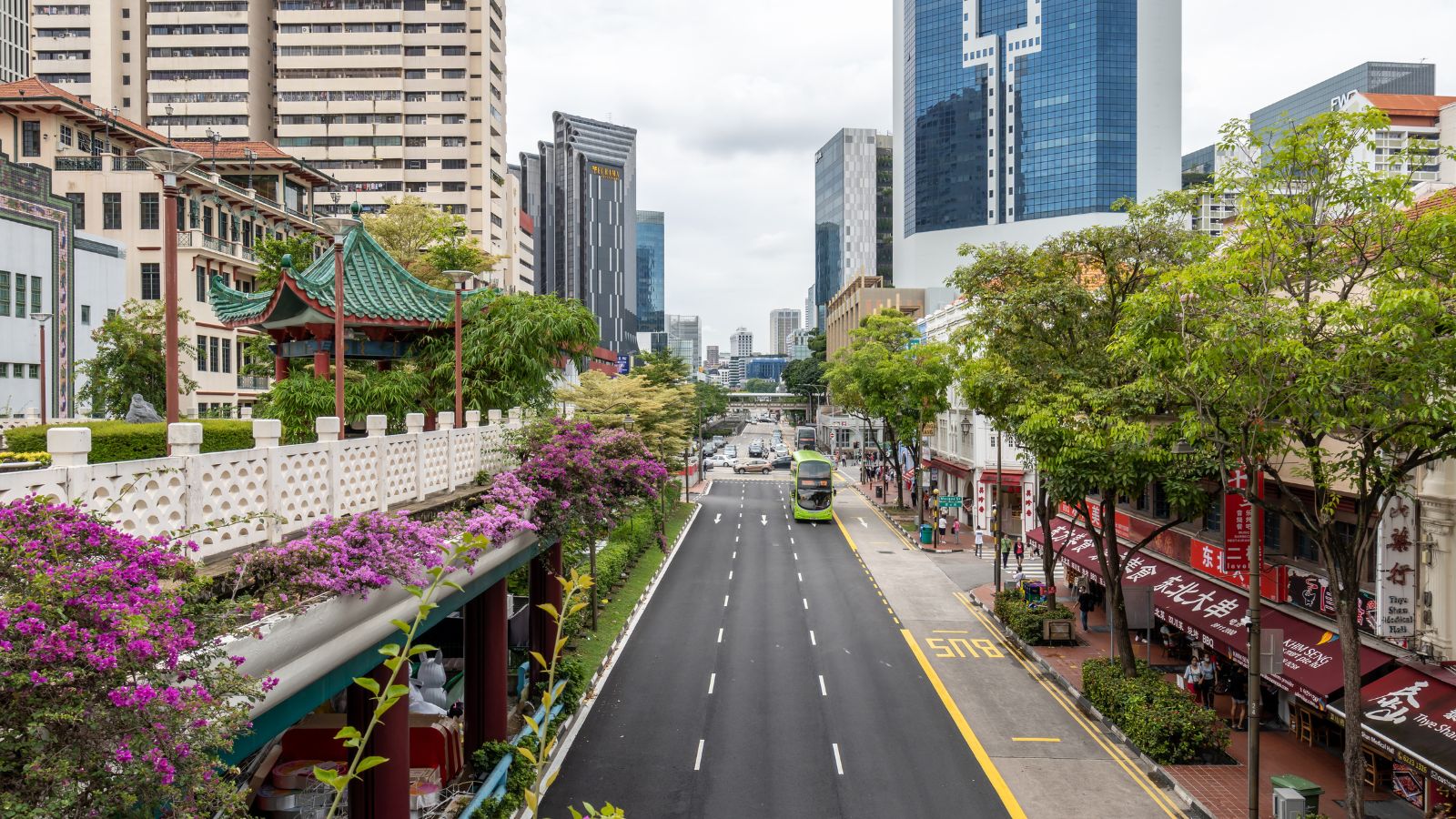
Singapore enforces strict rules around photography in transportation systems and security-sensitive areas. Taking photos or videos in MRT stations, near checkpoints, or of security operations can lead to questioning or fines. While public spaces are generally safe, enforcement is consistent and rules are clearly posted.
Takeaway: In Singapore, travelers should avoid photographing transport infrastructure or anything involving security, even casually.
United Arab Emirates
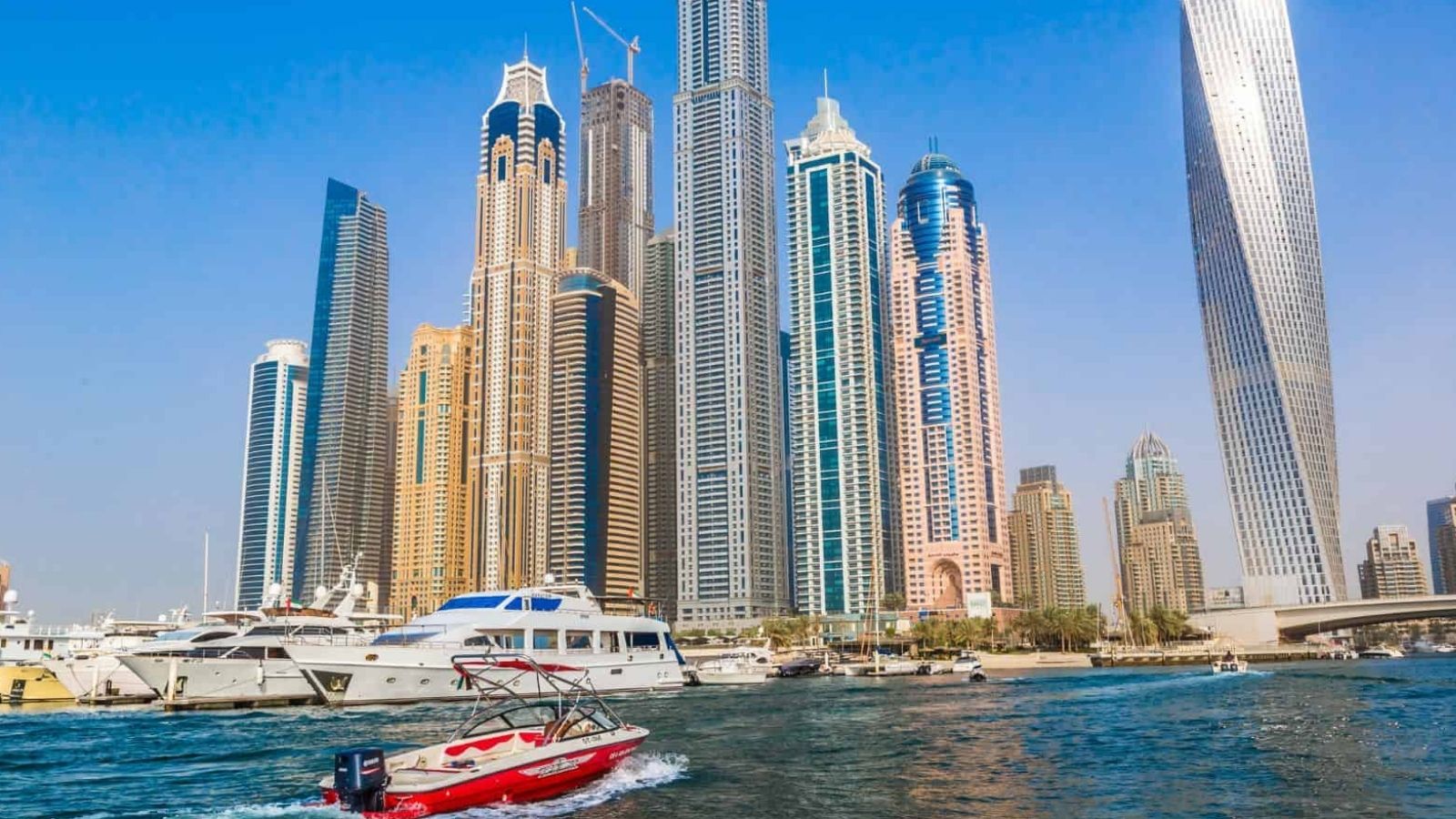
In the United Arab Emirates, photography laws prioritize privacy and security. Photographing government buildings, military sites, or individuals without consent can result in fines or legal trouble. Images shared online can also be scrutinized if they violate privacy laws.
Takeaway: In the UAE, travelers should ask permission before photographing people and avoid images of official buildings entirely.
Bhutan
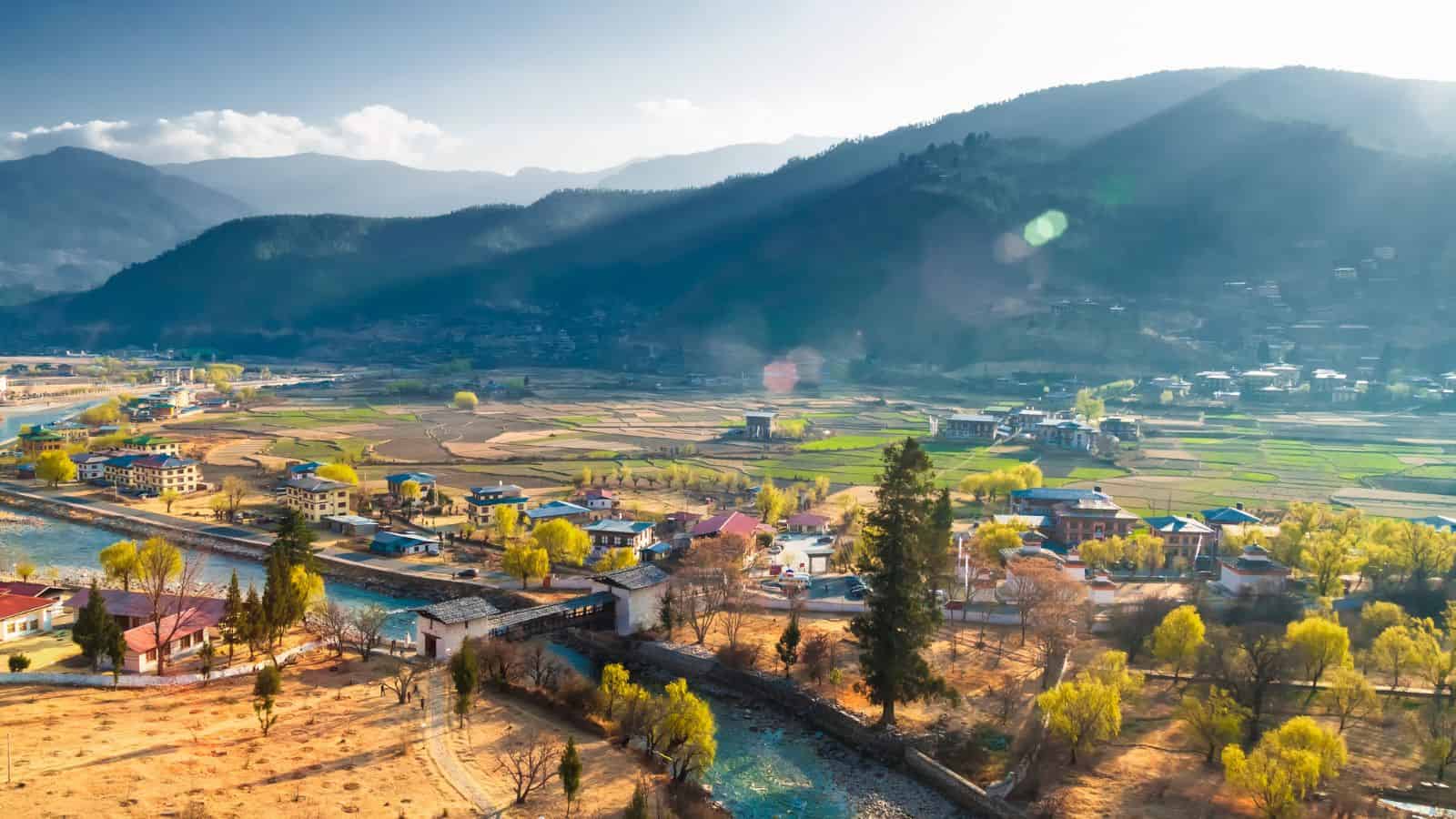
Bhutan restricts photography in monasteries, temples, and during religious ceremonies. Flash photography is often banned, and some sacred spaces prohibit cameras altogether. Enforcement is respectful but firm, with guides expected to manage compliance.
Takeaway: In Bhutan, travelers should assume photography is restricted in religious spaces unless guides clearly indicate otherwise.
10 U.S. Landmarks Your Teachers Somehow Never Mentioned

Some of the most interesting places in the U.S. never make it into textbooks or classroom lessons. While we all learned about the big-name landmarks, there are many sites with rich stories that somehow slipped through the cracks. These places are just as fascinating, and in some cases even more memorable, once you see them in person.
Learn more here: 10 U.S. Landmarks Your Teachers Somehow Never Mentioned
11 Lake Towns You and Your Partner Will Love
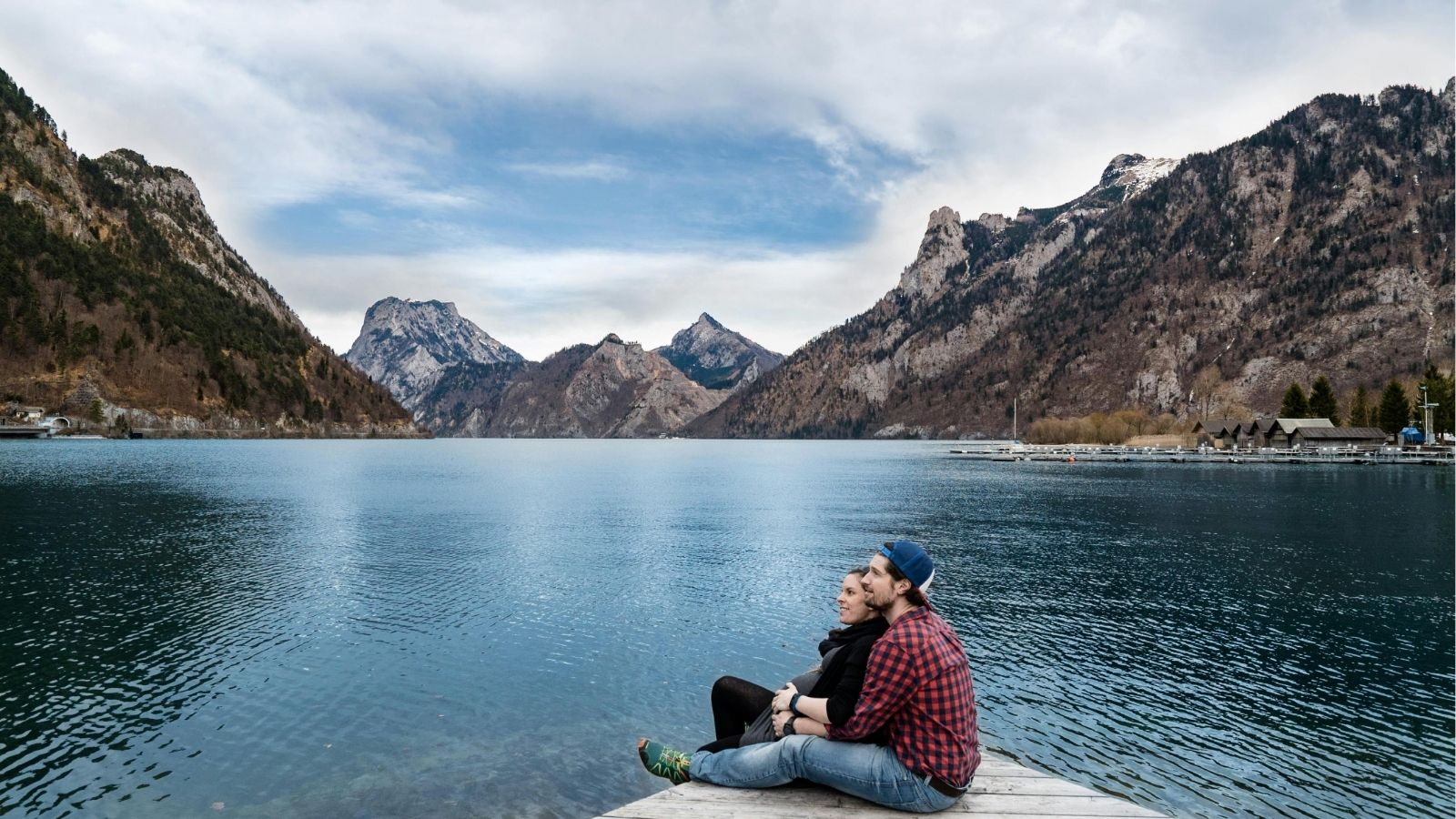
Lake towns have a way of slowing everything down, which is exactly why couples keep coming back to them. The water sets the pace. Mornings feel quieter. Even busy weekends feel calmer by the shore. We’ve seen how the right lake town can turn a short getaway into something that feels meaningful without trying too hard.
Learn more here: 11 Lake Towns You and Your Partner Will Love
