9 Things Couples Should Double-Check Before Traveling
A trip can look perfectly planned on paper until two personalities, two packing styles, and two expectations meet at the airport. We’ve learned the hard way that travel doesn’t magnify problems; it magnifies assumptions. The little things we ignore at home get louder when we’re tired, navigating security lines, or trying to figure out directions in a place neither of us knows well. Getting aligned before we leave saves us from solving avoidable tension mid-trip.
Before we finalize flights and move on, we make a point to double-check the practical details that actually shape the experience. We talk through luggage, budget comfort zones, daily pace, downtime, and who’s handling reservations, so nothing quietly defaults to one person. It may not feel romantic in the moment, but clarity keeps resentment from sneaking in later. When we’re clear upfront, we spend less time negotiating logistics and more time actually enjoying where we are.
That’s exactly why we double-check a few key details before every departure, and these are the 9 things couples should look at together before traveling.

Travel Documents and Copies
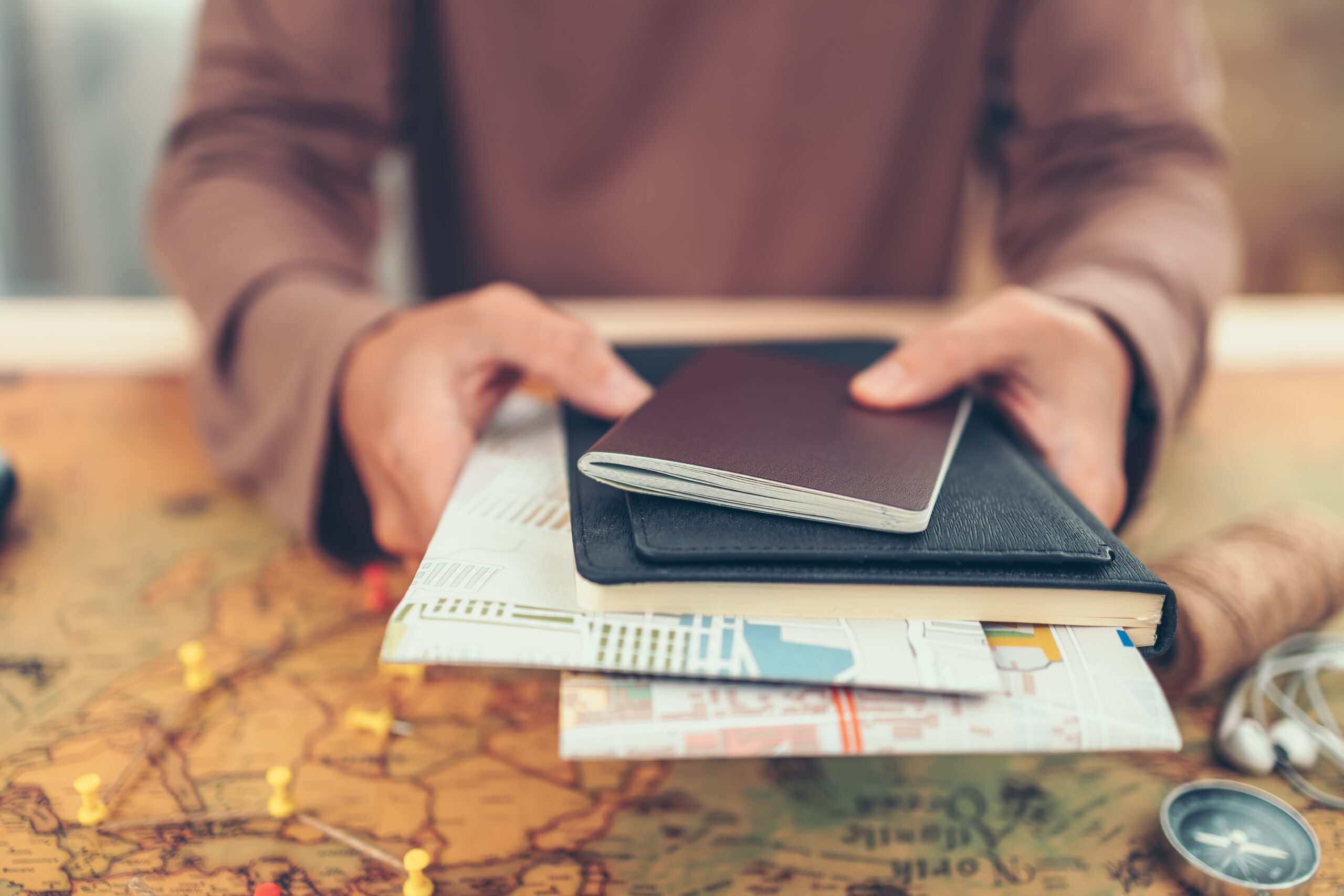
Travel stress often starts with a simple assumption that one person has everything covered. We’ve seen how quickly plans unravel when passports or boarding passes can’t be found. Even a short delay can create unnecessary tension. We encourage couples to treat documents as a shared responsibility. When both partners know where items are stored, check-ins and border controls feel routine instead of rushed.
A Shared Itinerary

Many couples begin a trip with different expectations. One prefers structure, the other enjoys spontaneity. Without clarity, small misunderstandings can surface early. We’ve noticed trips feel smoother when couples align on key plans before departure. Dates, reservations, and priorities don’t need to be rigid, just understood.
Comfortable Walking Shoes

Long days reveal what really matters. Shoes that look fine at home often lose their appeal after hours on unfamiliar streets. We’ve seen discomfort quietly shorten otherwise great days. We suggest packing footwear that has already proven itself. Comfort keeps energy steady and prevents minor aches from shaping the mood.
Essential Medications and Health Items

Travel has a way of amplifying small health issues. A mild headache or allergy can disrupt an entire afternoon if supplies aren’t available. We recommend bringing medications that are already familiar. Finding equivalents in a new place can be stressful and time-consuming.
Bringing Chargers and Adaptors
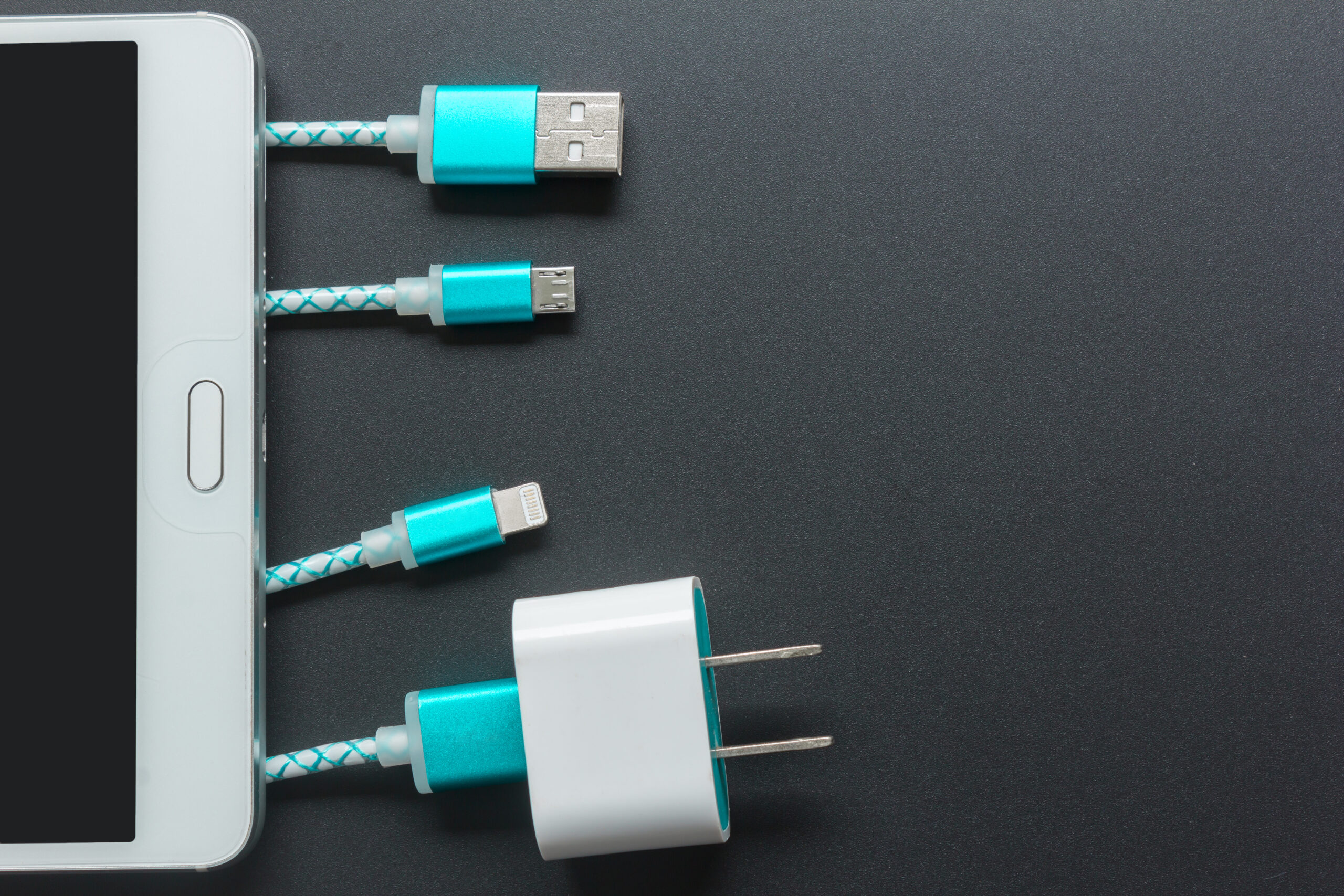
We’ve seen tension arise simply because one charger wasn’t enough. Sharing power shouldn’t become a daily negotiation. Bringing extra chargers and the right adapters keeps both partners independent and confident throughout the trip.
Local Payment Options

When payments work without effort, daily plans keep moving naturally and some places just don’t accept cards, and fees add up quietly. We encourage couples to carry a mix of payment options. Small purchases become easier, especially in local settings.
Weather Appropriate Clothing Layers

Weather surprises many travelers. Cool evenings, strong air-conditioning, or sudden changes can affect comfort quickly. We find light layers work better than heavy pieces. They adapt easily without overpacking.
Snacks and Reusable Water Bottles
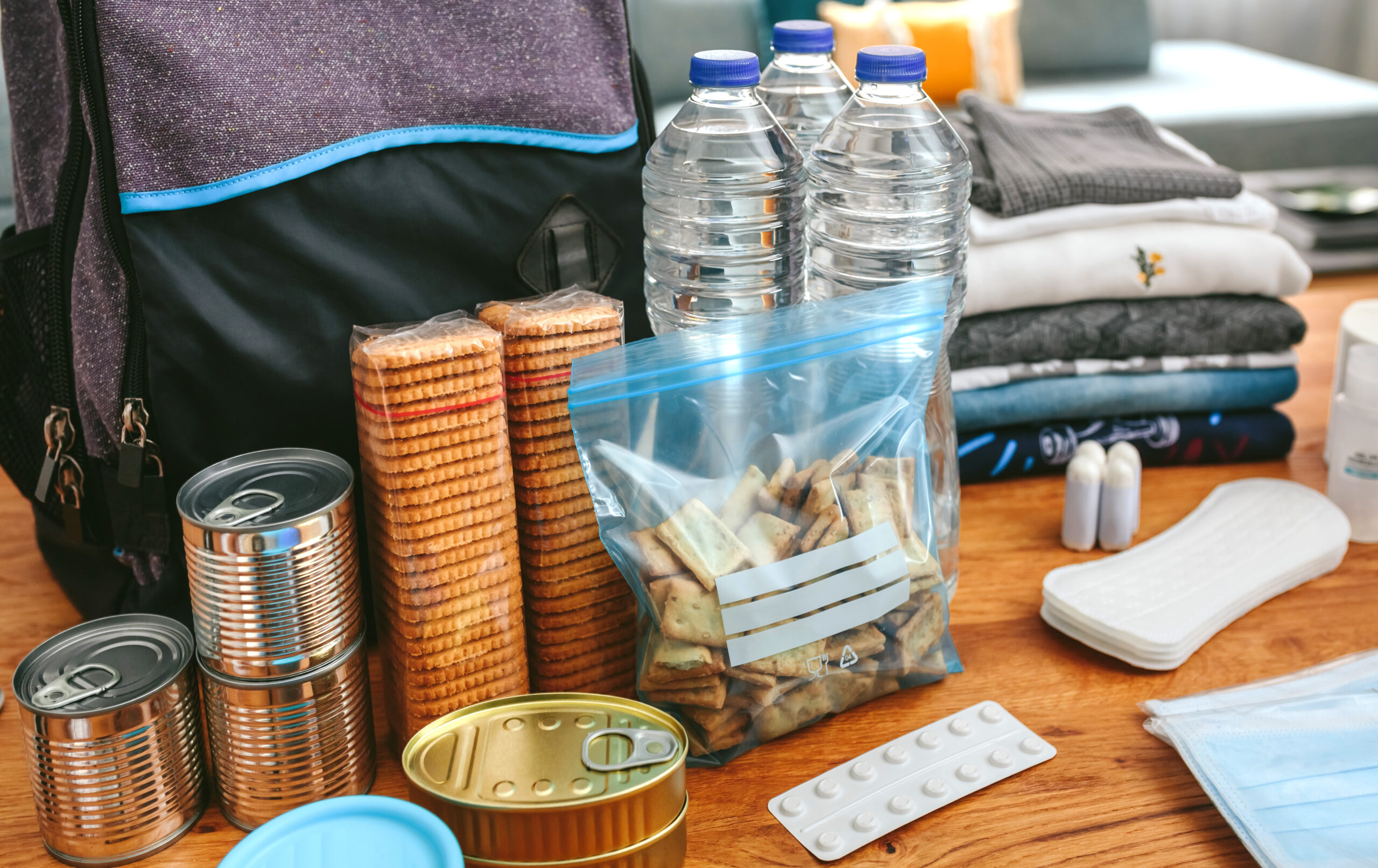
Delays often arrive without warning. Hunger and dehydration tend to show up quietly, then affect communication. We suggest carrying simple snacks and refillable bottles. These small items help stabilize energy levels during long travel days.
Patience and Communication

Travel magnifies everyday habits. Fatigue, unfamiliar settings, and delays can test even experienced couples. We encourage regular check-ins with each other. Small conversations prevent small frustrations from growing. We find this matters more than any item packed. When patience travels with you, the experience stays enjoyable.
Traveling as a couple isn’t just about the destination. It’s about how smoothly you move through the journey together. We’ve seen how small oversights quietly shape the entire experience, often more than major plans or reservations.
When essentials are shared, expectations are aligned, and comfort is considered, trips feel lighter. Conversations stay calm. Decisions feel easier. Even unexpected delays become manageable instead of disruptive.
