11 Flying Mistakes That Make Travel Days More Stressful
Flying days set the tone for the entire trip. When things go smoothly, travel feels exciting. When small mistakes pile up, stress takes over fast. We help couples plan flights that feel calmer and more manageable.
Many travel-day frustrations come from simple flying mistakes that are easy to overlook. These missteps can lead to delays, discomfort, and unnecessary tension before you even arrive.
From how you prepare to how you move through the airport and board the plane, small choices matter. Avoiding common mistakes helps you stay relaxed and focused on the trip ahead.
Here are 11 flying mistakes that make travel days more stressful, and how couples can avoid them and start their journey on the right note.
Arriving Too Early or Too Late
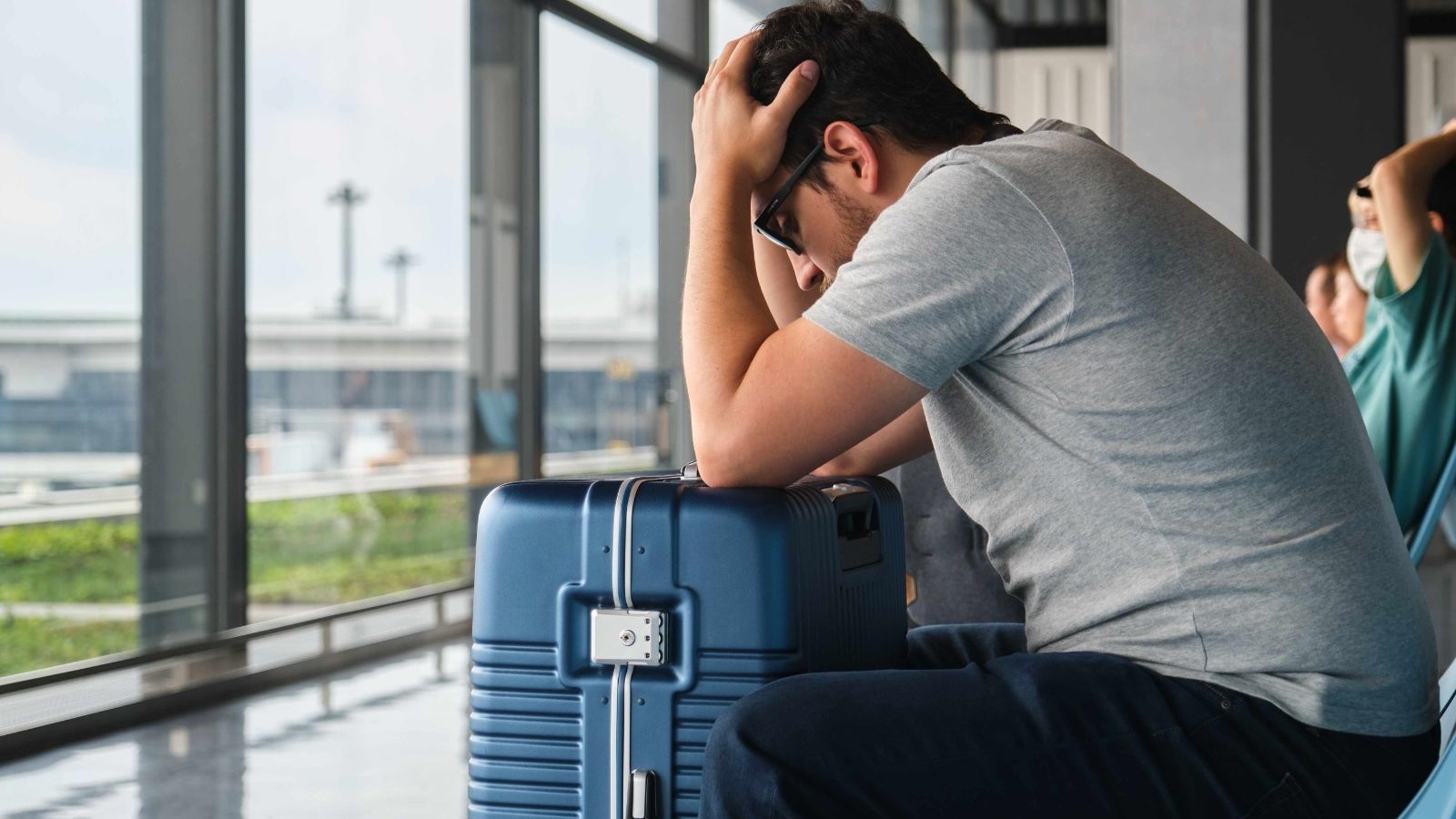
We see poor arrival timing create stress on both ends of the spectrum. Arriving too late triggers rushing, missed check-in windows, and anxiety through security. Arriving far too early leads to long stretches of waiting with no clear plan, which can feel draining before travel even begins. The goal is a balanced arrival that allows time for check-in, security, and a short buffer without hours of idle time. Couples benefit most when they plan arrival based on airport size, time of day, and airline requirements.
Why it matters: Timing sets the tone for the entire travel day.
Not Checking In Online

We find skipping online check-in adds unnecessary friction at the airport. Travelers often face longer lines, limited seat availability, and fewer options if something changes. Online check-in also surfaces issues early, like seat assignments or document checks, while solutions are easier to manage. Couples who check in ahead of time reduce decision-making stress and avoid last-minute scrambling at kiosks. It also ensures boarding passes are ready even if airport Wi-Fi is slow.
Why it matters: Early check-in prevents avoidable airport delays.
Overpacking Carry-Ons
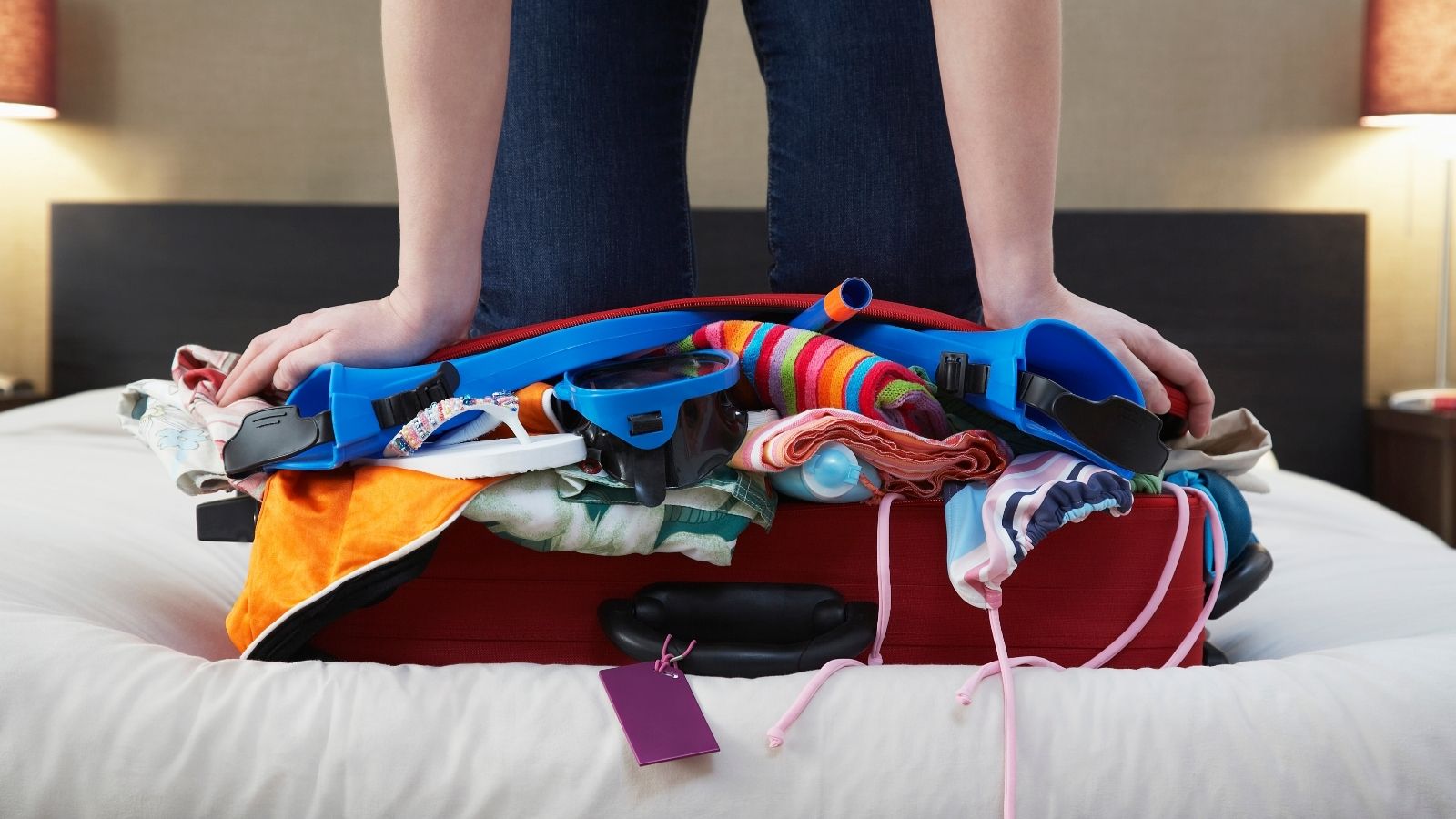
We see overpacked carry-ons cause stress at every stage of travel. Heavy or overstuffed bags slow security screening, struggle to fit overhead bins, and increase the chance of gate checks. Digging through crowded bags also makes boarding feel chaotic. Couples benefit from coordinating essentials and packing lighter rather than duplicating items. Smaller, organized carry-ons move faster and reduce physical strain.
Why it matters: Lighter bags mean smoother security and boarding.
Ignoring Airline Baggage Rules

We find travelers often assume baggage rules are standard across airlines. Size, weight, and carry-on limits vary widely, especially on budget carriers. Ignoring these details leads to surprise fees, forced gate checks, or repacking under pressure. Couples feel this stress more when each bag is charged separately. Checking baggage rules before packing avoids last-minute costs and frustration.
Why it matters: Rule surprises create delays and extra fees.
Choosing Tight Layovers

We see short layovers raise anxiety even when flights are on time. Small delays, long distances between gates, or slow deplaning can turn tight connections into missed flights. Couples traveling together feel this pressure more because coordination matters. Longer layovers allow breathing room for restrooms, food, and unexpected changes.
Why it matters: Extra buffer time protects against cascading delays.
Waiting Until the Airport to Choose Seats
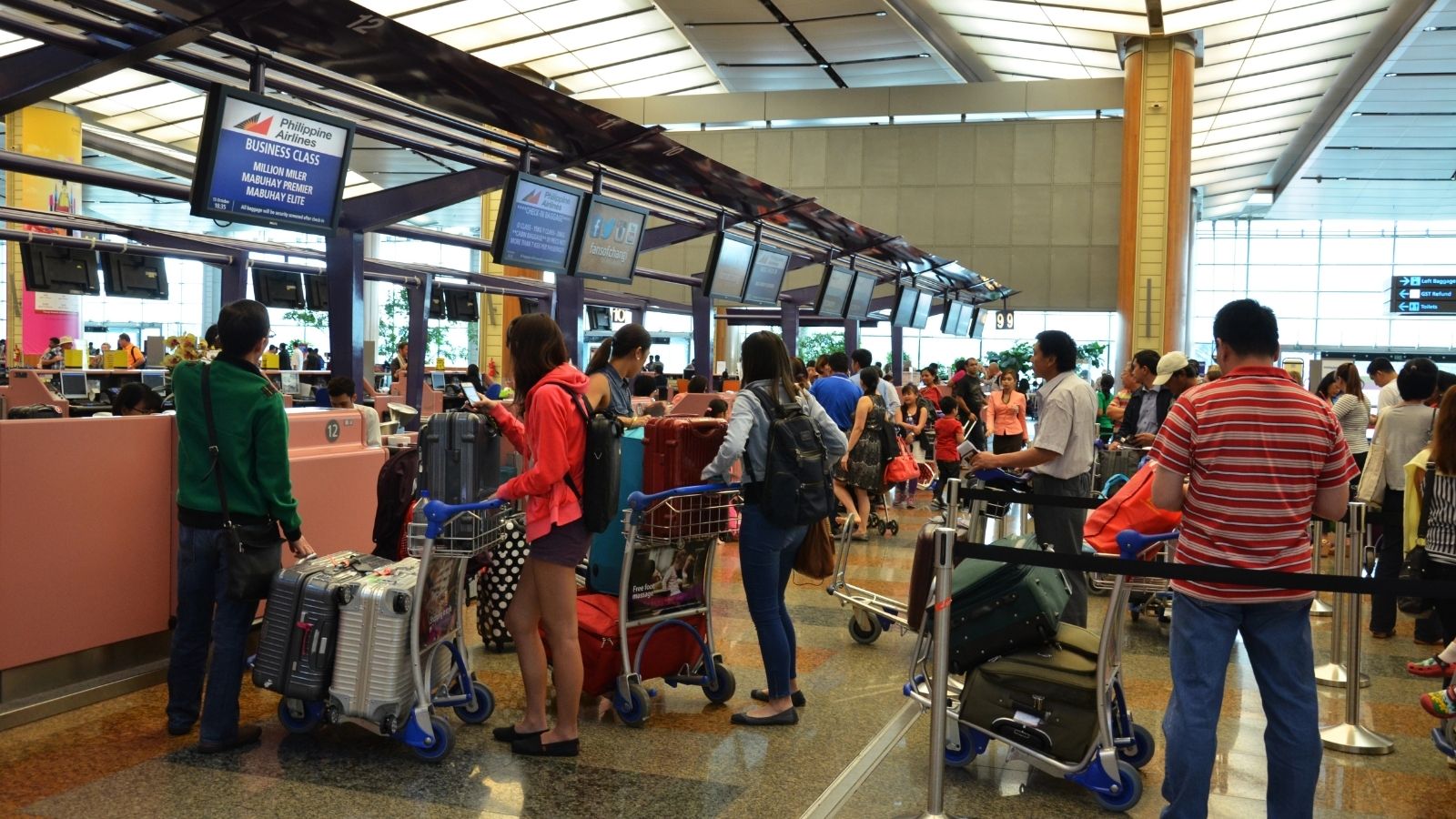
We see travelers delay seat selection hoping for free upgrades or better options later. This often backfires. By the time they arrive at the airport, only middle seats or split seating remain. Couples feel this stress most when they are separated unexpectedly. Choosing seats early gives control over comfort, proximity, and boarding position. Even paid seat selection can be worth it compared to hours of discomfort. Waiting removes choice and adds anxiety right before boarding.
Why it matters: Seat decisions made late often limit comfort and options.
Forgetting to Download Boarding Passes
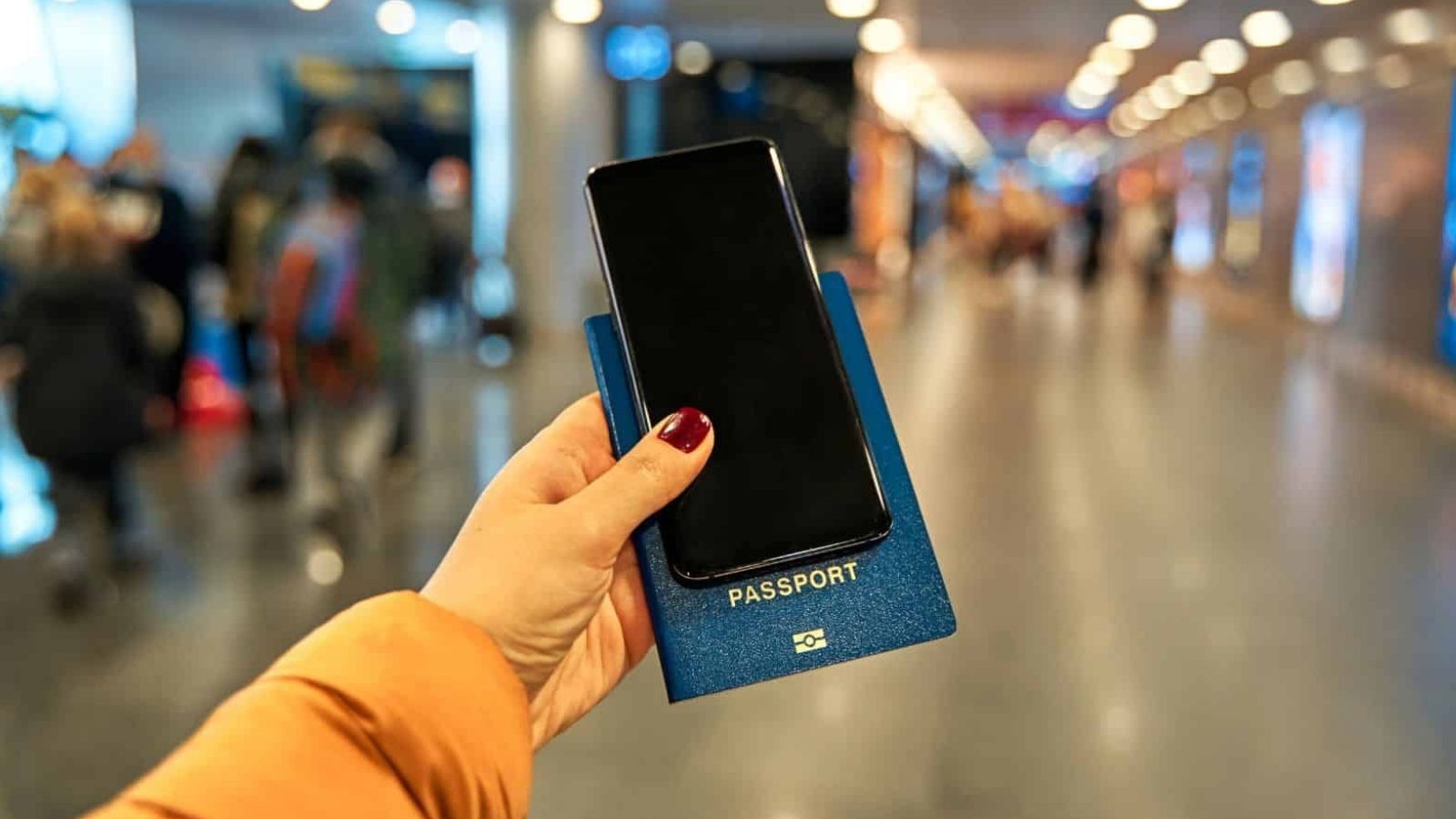
We find that many travelers rely on airport Wi-Fi to access boarding passes at the gate. When connections are slow or fail, stress rises quickly. Lines form, boarding announcements start, and scrambling begins. Downloading boarding passes ahead of time or saving screenshots prevents this entirely. Couples benefit from having both passes accessible on multiple devices.
Why it matters: Offline access prevents last-minute panic.
Not Preparing for Security Screening
We see security become stressful when travelers are unprepared. Digging for liquids, electronics, or documents slows lines and raises pressure. Shoes, belts, and jackets add friction if not planned for. Couples who prepare bags and clothing in advance move through faster and stay calmer. Knowing airport screening rules ahead of time reduces flustered moments.
Why it matters: Preparation keeps security moving smoothly.
Relying on Airport Food at Peak Times
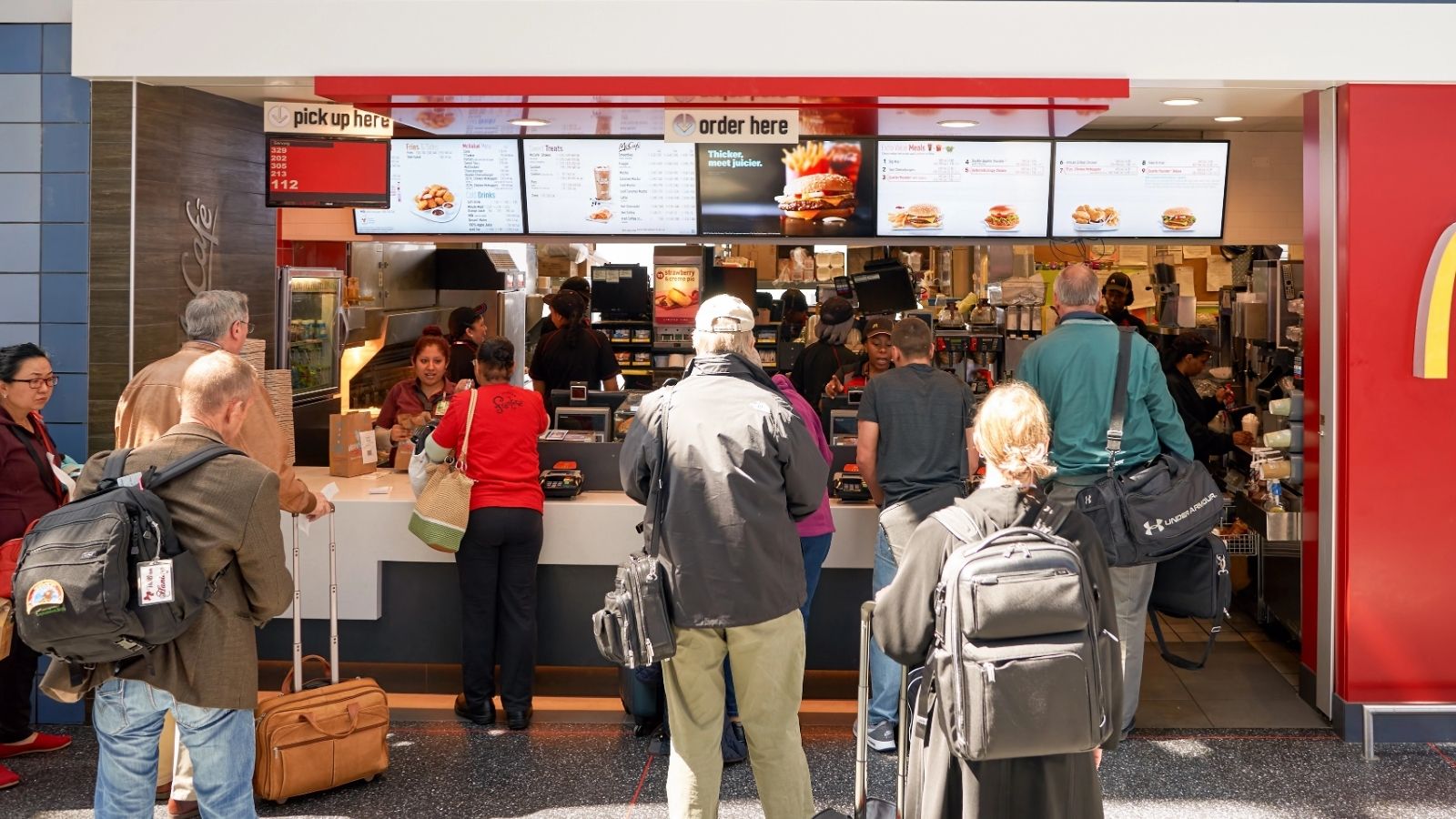
We find airport food lines grow longest right before major boarding waves, especially during early mornings, lunch hours, and evenings. Travelers who wait until the last minute often face long lines, sold-out items, or rushed service. This adds pressure just as boarding approaches and can lead to skipped meals or frantic eating. Couples feel this stress more when one person waits in line while the other watches the gate. Eating earlier, choosing less crowded spots, or packing snacks keeps options flexible. Even short delays at food counters can disrupt boarding plans.
Why it matters: Food delays add unnecessary time pressure when schedules are tight.
Ignoring Flight Notifications

We see travelers miss critical updates by not enabling airline notifications or checking apps regularly. Gate changes, boarding time shifts, and delays happen frequently and are not always announced clearly over loudspeakers. Missing these alerts leads to confusion, rushed movement through the terminal, and unnecessary stress. Couples benefit when both travelers track updates instead of relying on one phone or one person’s attention. Shared awareness prevents miscommunication and last-minute scrambling. Notifications provide real-time information that helps travelers stay ahead of changes instead of reacting under pressure.
Why it matters: Real-time updates prevent avoidable confusion and rushed decisions.
Not Planning Ground Transportation Ahead

We find an arrival stress spike when travelers land without a clear transportation plan. Ride-share wait times can surge, public transit may run infrequently late at night, and taxi lines often move slowly. After a long travel day, this uncertainty feels heavier. Couples arriving tired or late are especially affected. Planning transportation in advance, even loosely, provides reassurance and saves mental energy. Knowing whether to walk, ride, or transfer keeps the end of the trip calm instead of chaotic.
Why it matters: A clear exit plan helps travel days end smoothly, not stressfully.
12 Winter City Breaks That Won’t Break the Bank

Winter travel does not have to drain your savings, and many couples still want a getaway that feels exciting without the high-season price tag. We know the struggle of finding a city break that feels fresh, fun, and affordable at the same time. The good news is that plenty of cities across the U.S. and Canada stay lively during the colder months, and many of them offer fair prices once the holiday rush settles down.
Learn more here: 12 Winter City Breaks That Won’t Break the Bank
10 Enormous Airports So Large You Could Get Lost Inside
Airports are meant to move you efficiently from one place to another. But some are so massive they feel more like cities than travel hubs. Multiple terminals. Long walks. Trains and corridors that seem to stretch forever. These oversized airports serve millions of travelers each year and offer plenty of dining, shopping, and lounges. They also come with confusing layouts, long transfer times, and gates that feel impossibly far apart. Even well planned trips can feel stressful when you are racing a connection or navigating an unfamiliar terminal.
Learn more here: 10 Enormous Airports So Large You Could Get Lost Inside
