13 Michelin-Approved Food Destinations Worth Planning a Trip Around in 2026
Food-focused travel is becoming more intentional. Couples are no longer planning trips around a single reservation or chasing hype-heavy openings. Instead, many are choosing destinations where a strong food culture is built into daily life, not limited to one standout restaurant.
Michelin recognition plays a role here, but not in the way many people assume. Being Michelin-approved often signals consistency, regional character, and a dining scene that rewards time and curiosity. These are places where meals feel connected to local producers, traditions, and neighborhoods rather than staged for visitors.
Planning around food also changes how a trip unfolds. Days slow down. Neighborhoods matter more than landmarks. Evenings are less rushed because the meal itself becomes part of the experience, not something squeezed in between activities.
We have looked at where Michelin Guide recognition aligns with destinations that make sense for couples planning ahead. This list highlights 13 Michelin-approved food destinations worth planning a trip around in 2026, focusing on places where great meals are easy to build into a smart, well-paced itinerary.

Tokyo

Tokyo stands apart for the sheer range of Michelin-recognized dining woven into everyday neighborhoods. Sushi counters, ramen shops, yakitori specialists, and formal tasting rooms all operate at a consistently high level. Reservations matter for certain restaurants, but many recognized spots remain approachable and routine-driven. Meals fit easily into full sightseeing days rather than dictating them. The city rewards repeat visits, with each district offering its own food identity and rhythm.
Takeaway: Tokyo works best when meals are planned by neighborhood, allowing variety without overscheduling.
Paris

Paris offers Michelin dining that feels integrated rather than elevated above daily life. From long-established institutions to modern bistros, recognized kitchens exist across price ranges and neighborhoods. Many travelers are surprised by how accessible high-level technique feels outside formal settings. Meals unfold at a steady pace, supported by reliable markets and bakeries that reinforce food-focused routines.
Takeaway: Paris rewards travelers who balance one planned reservation with casual neighborhood meals in between.
San Sebastián
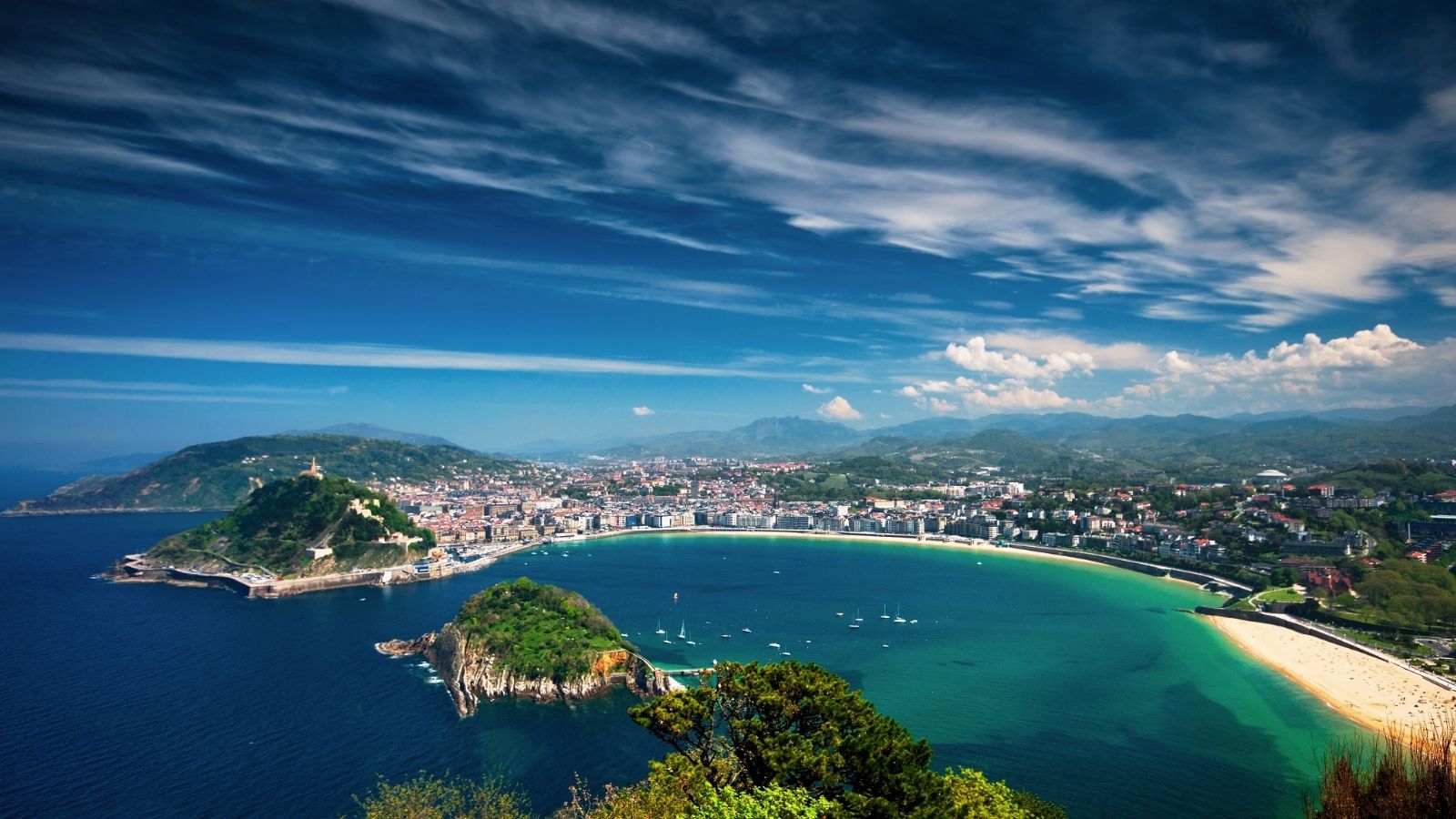
San Sebastián pairs Michelin-starred restaurants with a dense pintxos culture that keeps food central all day. The compact city allows travelers to move easily between casual bars and formal dining without changing neighborhoods. High-level technique coexists with informal pacing, making it possible to eat exceptionally well without rigid schedules. Reservations are important, but spontaneity still plays a role.
Takeaway: San Sebastián works best when fine dining anchors the trip and casual eating fills the spaces around it.
Bangkok
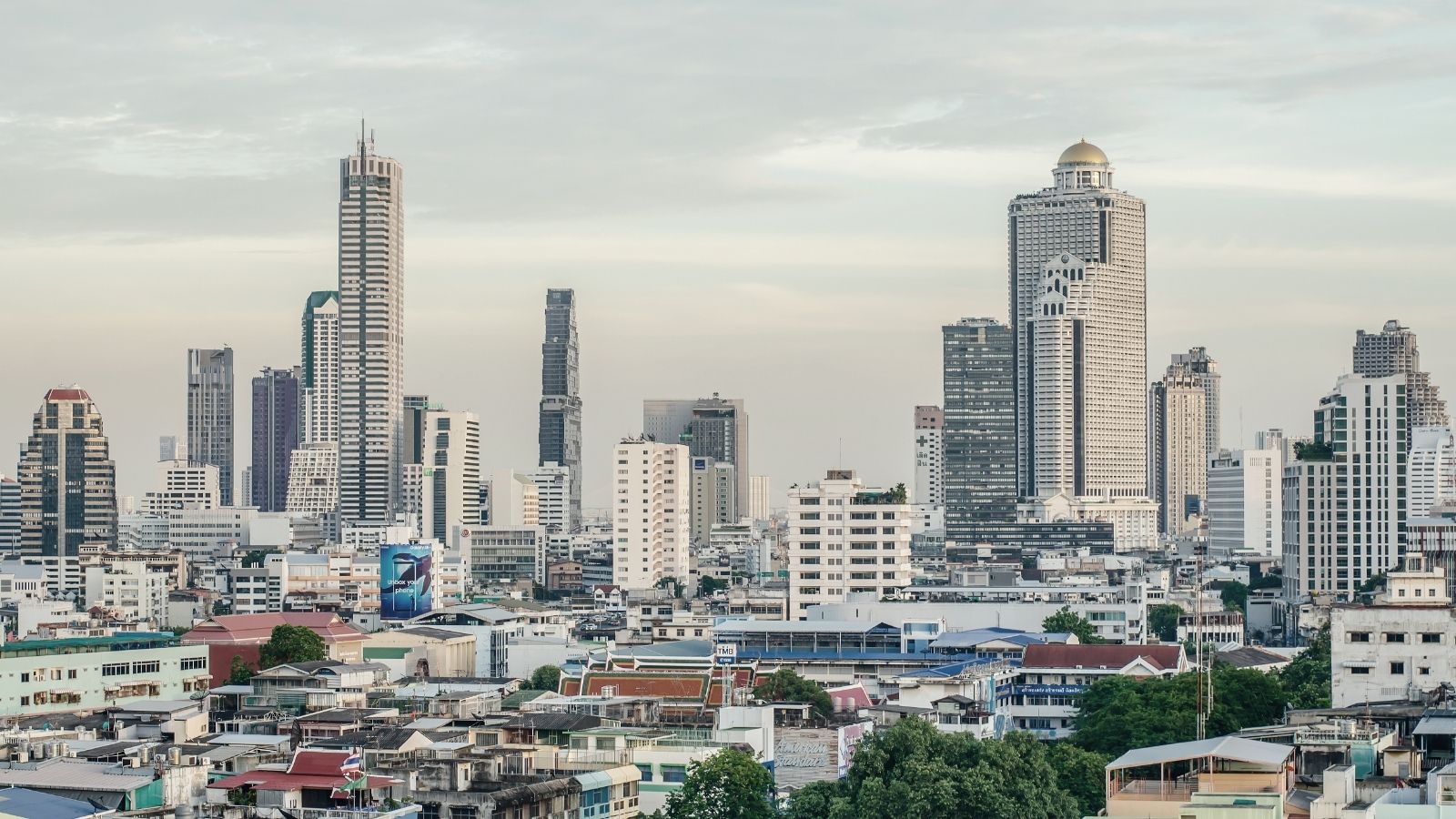
Bangkok’s Michelin recognition reflects the city’s range rather than hierarchy. Street-level vendors, traditional kitchens, and modern restaurants all earn attention for consistency and clarity. Meals are fast-moving and adaptable, fitting easily around sightseeing and transit. Dining rarely requires formality, even at higher levels.
Takeaway: Bangkok suits travelers who want recognized food experiences without fixed timelines or strict structure.
Barcelona
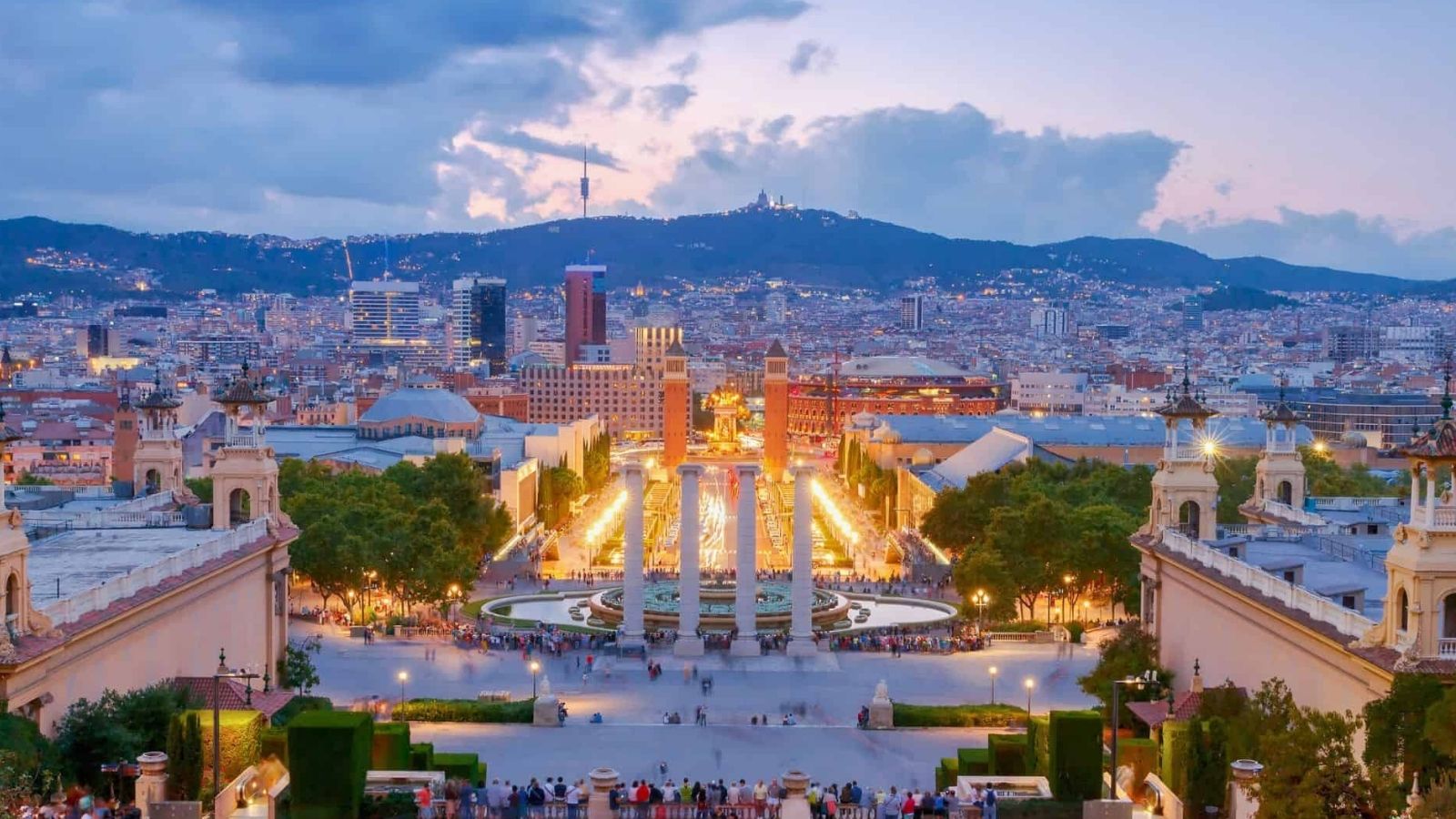
Barcelona’s Michelin scene is grounded in regional cooking and market-driven ingredients. Recognized restaurants sit alongside casual bars, bakeries, and seafood counters that shape daily eating habits. Meals often stretch over time, with lunch remaining central to the day. The city’s layout allows food plans to align naturally with walking routes and neighborhoods.
Takeaway: Barcelona works best when Michelin meals are paired with market visits and unstructured local eating.
Copenhagen
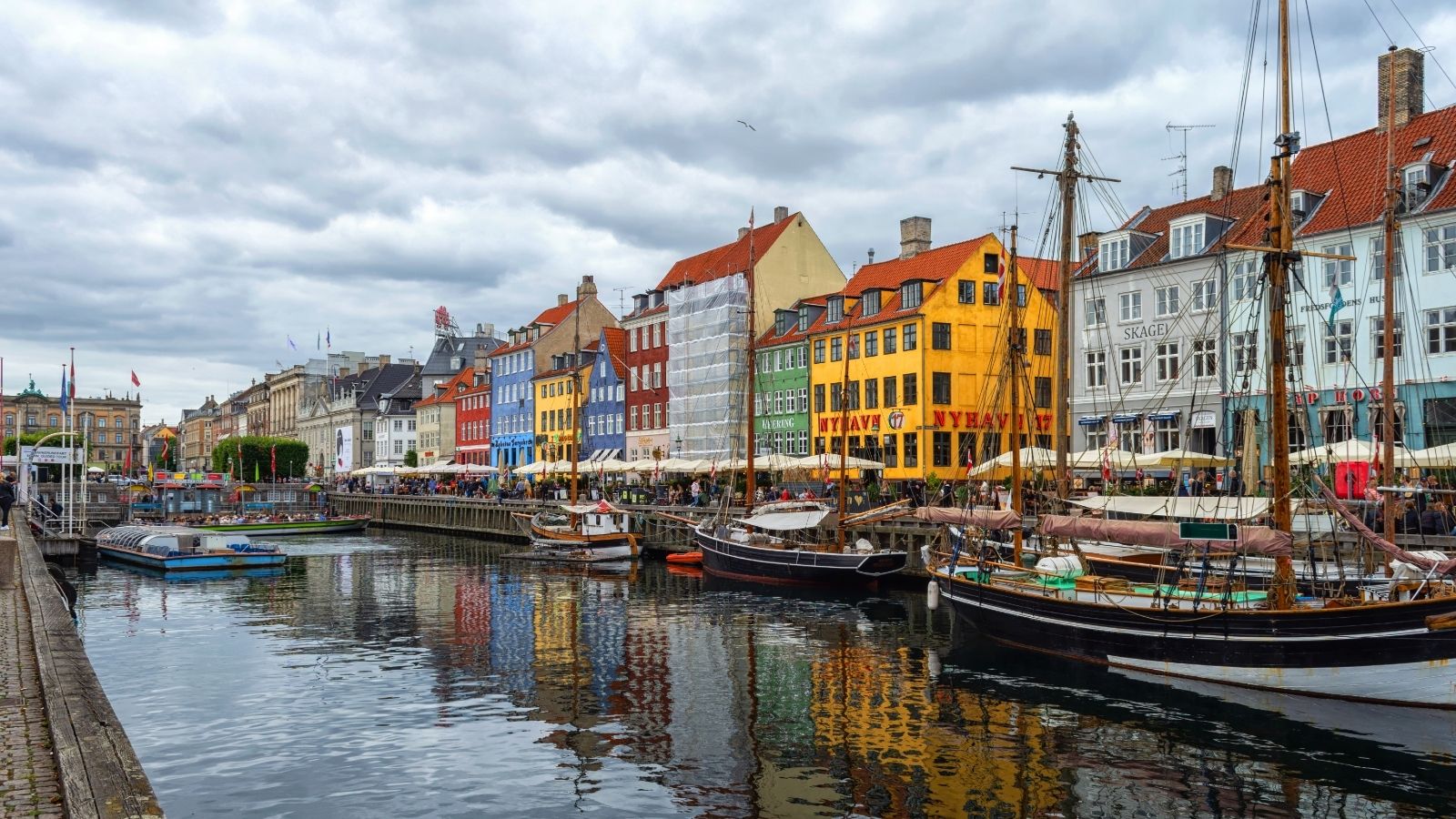
Copenhagen’s Michelin reputation is built on clarity, restraint, and close ties to seasonality. Dining here feels deliberate rather than indulgent, with menus shaped by local sourcing and precise technique. Many recognized restaurants are small and intimate, which makes reservations important but keeps experiences focused. Outside fine dining, bakeries and casual spots reinforce the same attention to quality. Food plans tend to shape the day’s rhythm, encouraging slower pacing and intention.
Takeaway: Copenhagen suits travelers who enjoy structured food planning and meals that reflect place and season.
Singapore
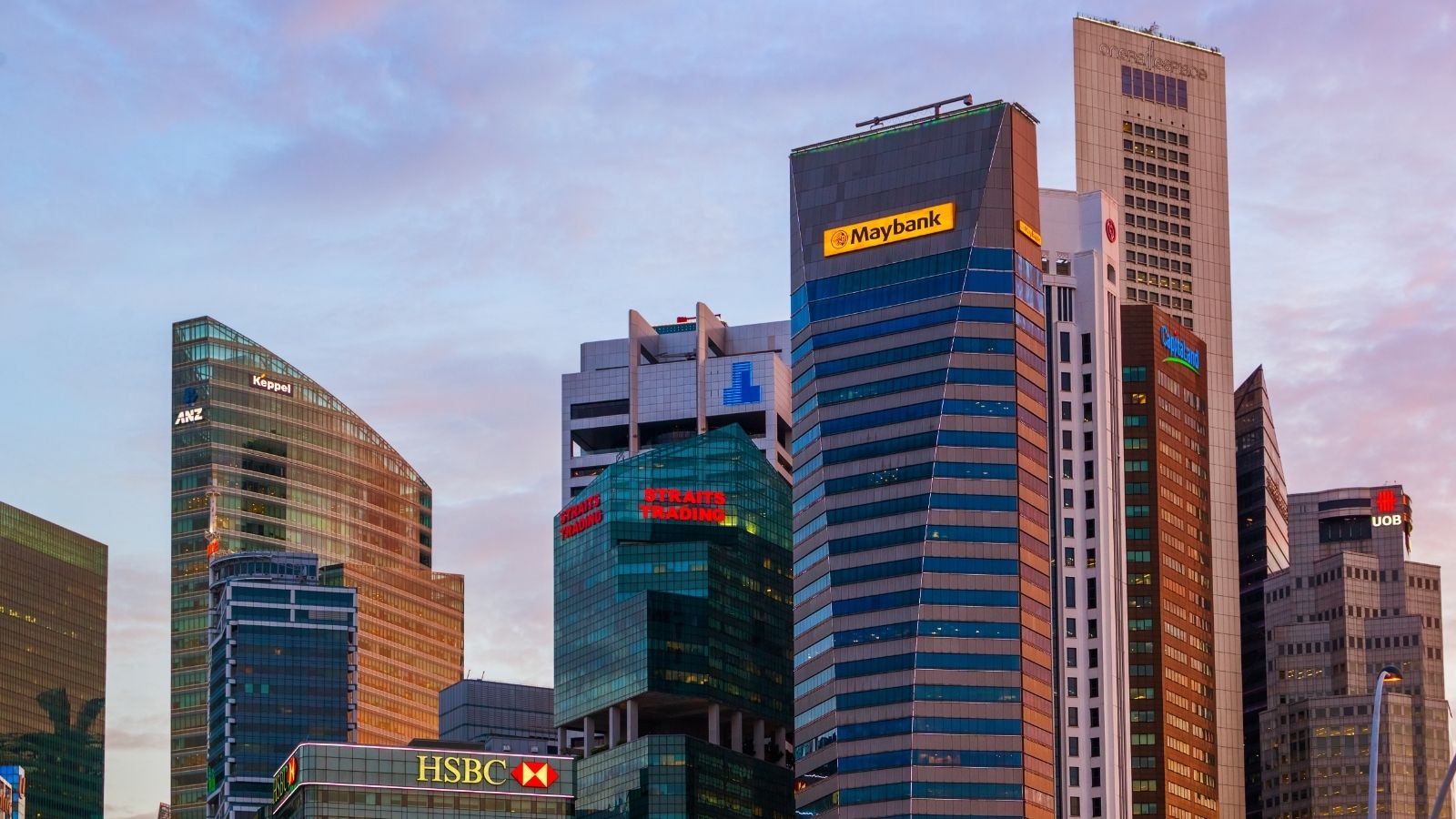
Singapore stands out for how seamlessly Michelin recognition spans fine dining and everyday eating. Hawker stalls, neighborhood shops, and formal restaurants all coexist within a compact, efficient city. Meals are quick, organized, and easy to fit between activities, with consistent quality across price points. The city’s transit system makes food-focused exploration simple and predictable.
Takeaway: Singapore works best for travelers who want Michelin-level eating integrated into fast, well-organized daily routines.
Lyon
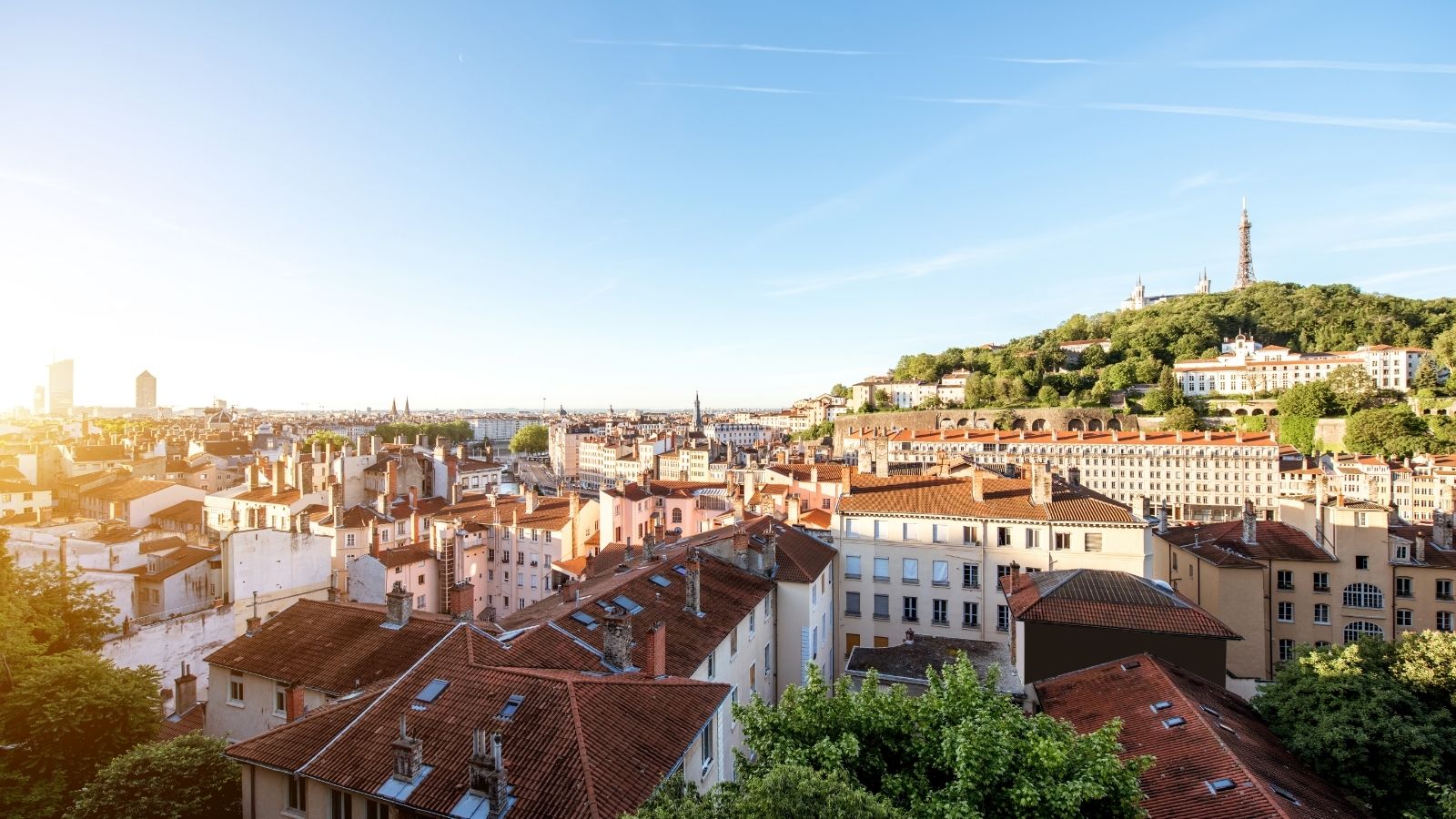
Lyon’s food identity is rooted in technique, tradition, and consistency rather than trend cycles. Michelin-recognized restaurants sit alongside bouchons and markets that define everyday eating. Meals emphasize structure and clarity, often following long-established formats. The city rewards travelers who slow down and eat in sequence rather than chasing novelty.
Takeaway: Lyon is ideal for travelers who value classic cooking, measured pacing, and deeply established food culture.
Mexico City

Mexico City’s Michelin recognition reflects its scale and regional diversity. High-end kitchens reinterpret traditional dishes, while markets and neighborhood restaurants ground daily eating in routine. The city’s size requires planning, but food experiences remain accessible and varied across districts. Meals often anchor the day, shaping how neighborhoods are explored.
Takeaway: Mexico City suits travelers who plan food by area and enjoy mixing formal meals with everyday local cooking.
Seoul
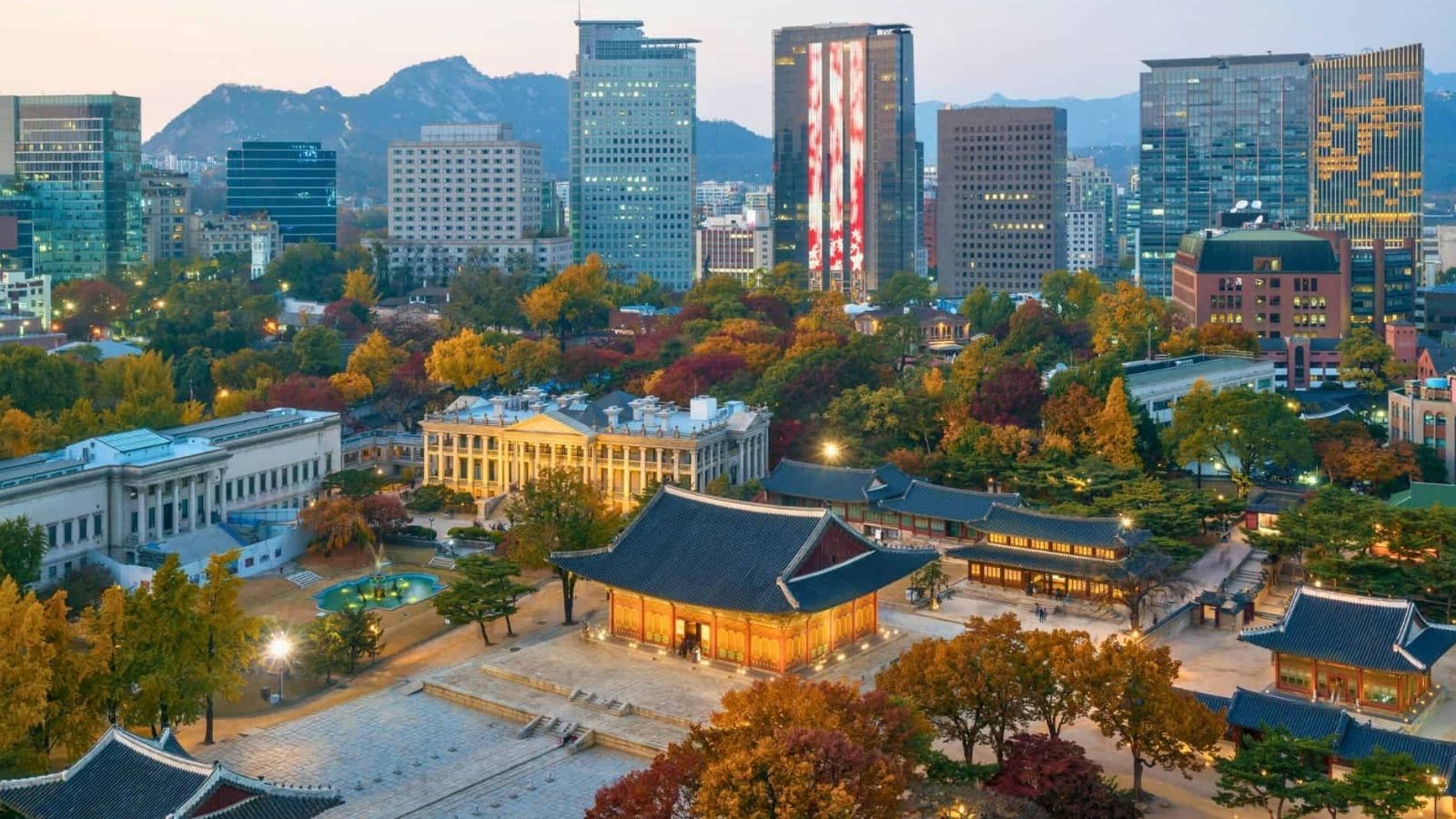
Seoul’s Michelin scene highlights the balance between preservation and refinement. Traditional formats such as hansik gain recognition alongside modern interpretations that remain rooted in technique. Dining often follows a structured flow, with meals tied closely to seasonality and sourcing. Neighborhoods play a strong role in shaping how and where people eat.
Takeaway: Seoul rewards travelers who approach food with curiosity and respect for established dining rhythms.
Bologna
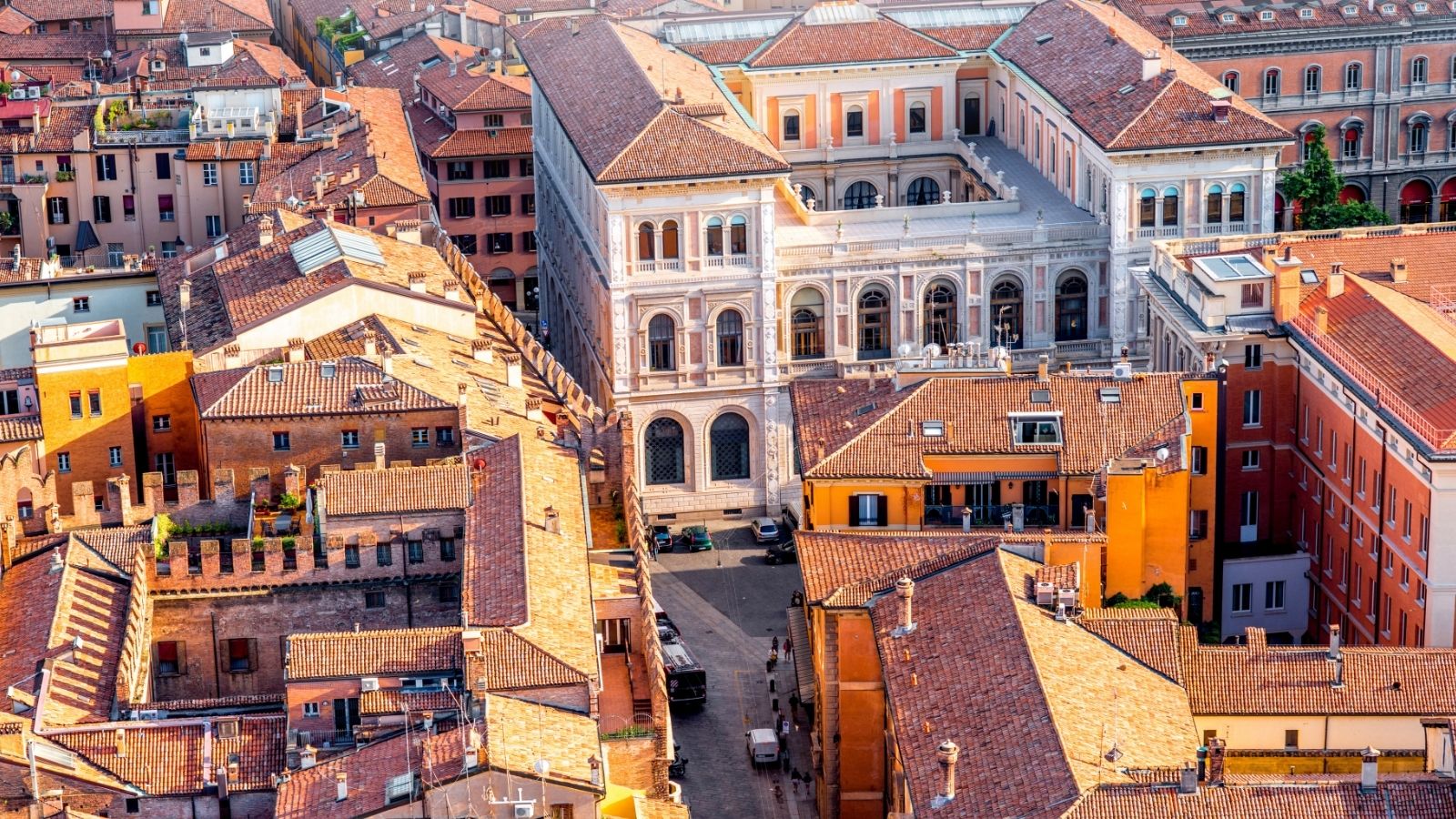
Bologna is a working food city where Michelin standards align with everyday cooking. Fresh pasta, cured meats, and regional techniques define daily meals, not special occasions. Recognized restaurants exist, but they feel connected to routine rather than spectacle. Eating here follows predictable rhythms shaped by markets and long lunches.
Takeaway: Bologna suits travelers who want exceptional food without formal structure or dining theatrics.
San Francisco

San Francisco’s Michelin recognition is driven by seasonality, sourcing, and technical clarity. Restaurants are spread across neighborhoods, encouraging food-focused exploration beyond a single district. Meals often reflect local agriculture and coastal access rather than trend-driven menus. Planning helps, but dining fits naturally into neighborhood-based travel.
Takeaway: San Francisco works best when meals are organized by area and paired with local exploration.
Osaka

Osaka’s Michelin depth extends well beyond formal dining. The city’s reputation as Japan’s kitchen is reflected in everyday food culture, where quality and repetition matter more than presentation. Recognized restaurants sit alongside casual counters that locals return to daily. Eating is constant, practical, and central to movement through the city.
Takeaway: Osaka rewards travelers who prioritize frequent, varied meals over single destination dining experiences.
10 U.S. Landmarks Your Teachers Somehow Never Mentioned

Some of the most interesting places in the U.S. never make it into textbooks or classroom lessons. While we all learned about the big-name landmarks, there are many sites with rich stories that somehow slipped through the cracks. These places are just as fascinating, and in some cases even more memorable, once you see them in person.
Learn more here: 10 U.S. Landmarks Your Teachers Somehow Never Mentioned
11 Lake Towns You and Your Partner Will Love

Lake towns have a way of slowing everything down, which is exactly why couples keep coming back to them. The water sets the pace. Mornings feel quieter. Even busy weekends feel calmer by the shore. We’ve seen how the right lake town can turn a short getaway into something that feels meaningful without trying too hard.
Learn more here: 11 Lake Towns You and Your Partner Will Love
