What Flight Attendants Recommend When Traveling With an Infant
Few words make passengers tense faster than traveling with a baby. Parents worry about crying. Fellow travelers brace themselves. Flight attendants, however, see these situations every day and they know what actually helps. Their recommendations are practical, calm, and designed to make the flight easier for everyone on board.
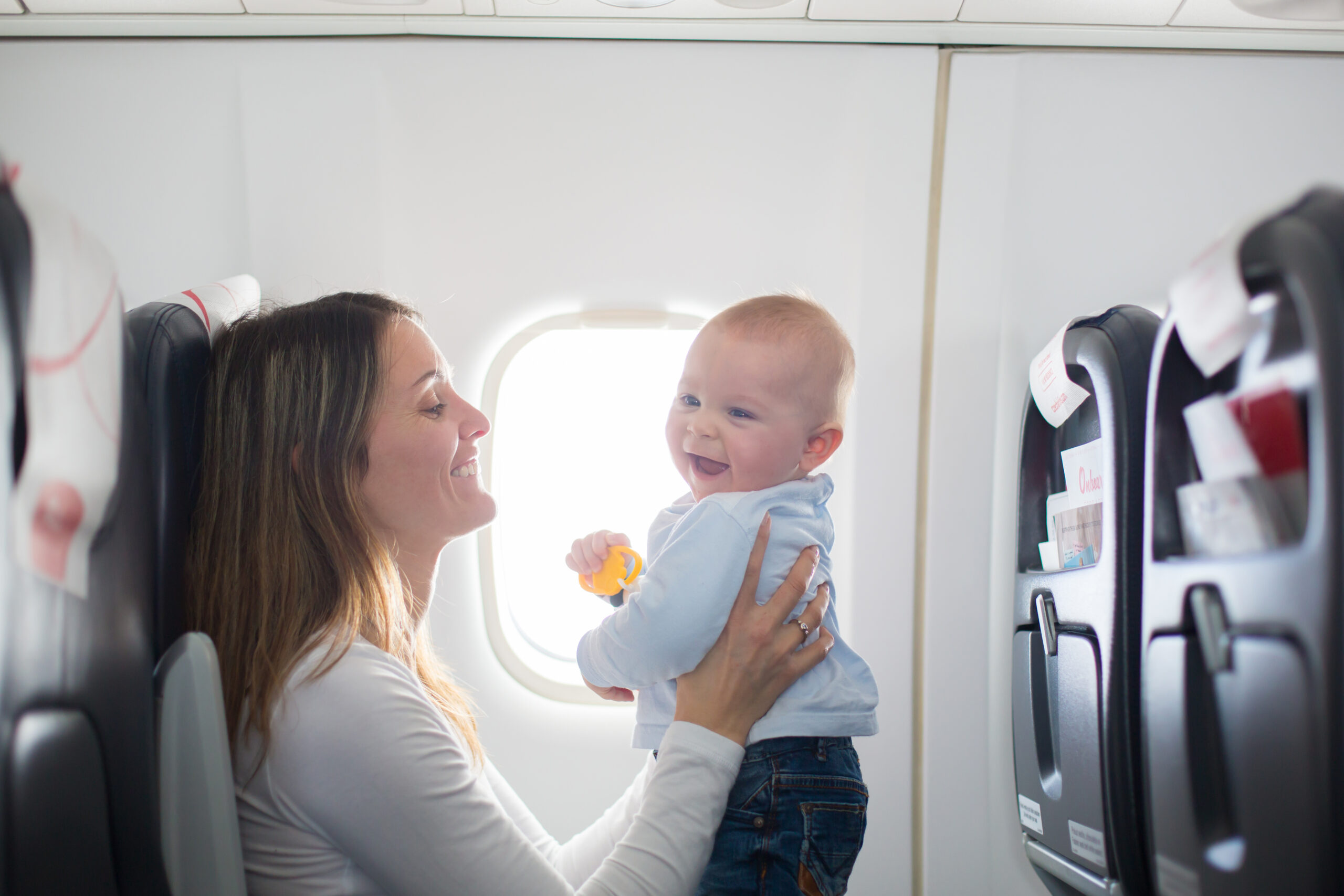
One of the strongest recommendations is to plan feeding around takeoff and landing. Changes in cabin pressure can be uncomfortable for babies’ ears. Sucking helps relieve that pressure. Nursing, bottle-feeding, or offering a pacifier during ascent and descent often keeps infants calmer and more comfortable.
Seat choice also matters more than many parents realize. Bulkhead seats offer extra space and may accommodate bassinets on some aircraft. However, these seats often have fixed armrests and limited under-seat storage. Flight attendants suggest checking aircraft details in advance and deciding which trade-offs matter most for your situation.
Packing thoughtfully is another key point. Bring more diapers, wipes, and formula than you think you will need. Delays happen. Flights reroute. A well-stocked carry-on reduces stress quickly. At the same time, attendants recommend keeping bags organized. When turbulence hits, searching for essentials becomes harder than expected.
Parents are often surprised to hear that boarding later can help. While early boarding sounds useful, it also means more time confined to a seat with a restless infant. If overhead space is not a concern, waiting until closer to departure may reduce fussiness.
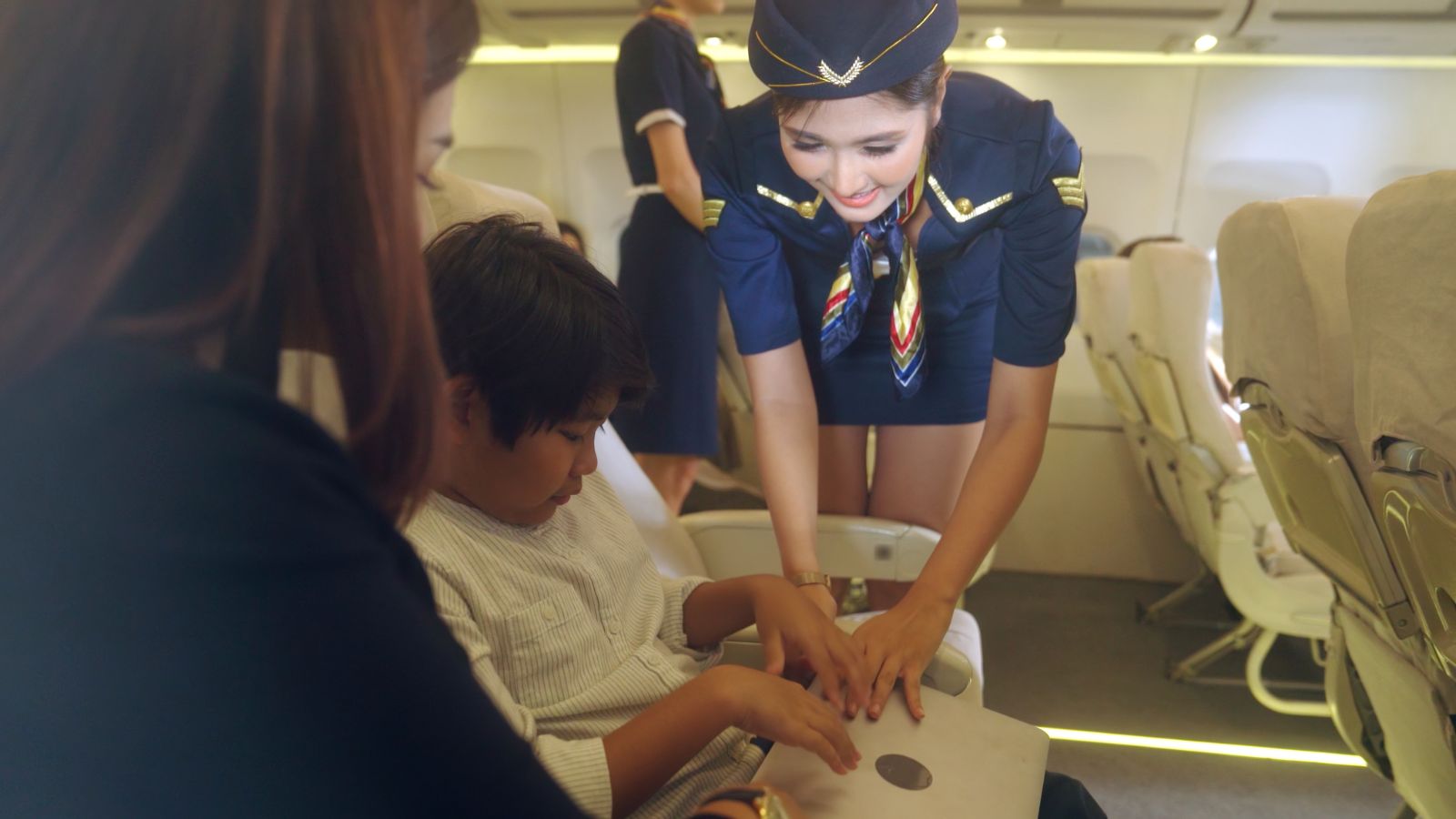
Flight attendants also encourage parents to accept help. Crew members can assist with hot water, warming bottles, or creating a bit of space when possible. Calm, prepared parents tend to set the tone for the cabin.
Above all, safety comes first. Infants should never be held during turbulence. Securing babies properly protects them during unexpected movement.
Flying with an infant is rarely perfect. But with preparation, flexibility, and a steady approach, it can be smooth enough, and that is what truly matters.
