How Travel Can Bring Couples Closer or Push Them Apart
Travel has a way of speeding things up. A few days away can reveal patterns that take months to notice at home. Couples often return from trips feeling either more connected or more aware of what isn’t working. That outcome is not accidental. Travel removes routine and replaces it with shared decisions, unfamiliar settings, and constant adjustment.
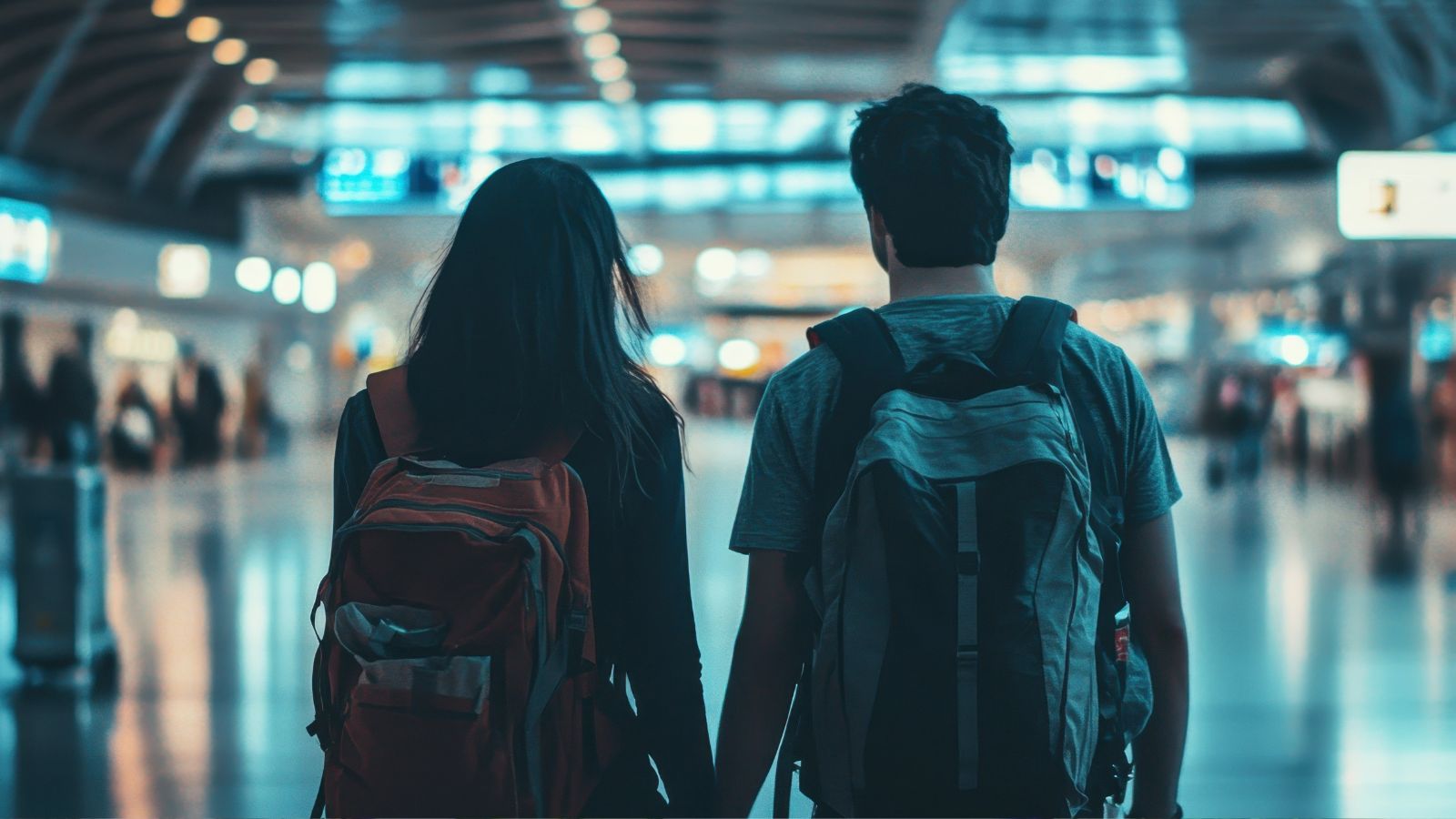
Away from home, couples must make choices together all day long. Where to go. When to eat. How much to do. These decisions expose communication styles quickly. Some couples discuss options calmly. Others struggle when preferences clash. Travel does not create these differences. It simply makes them visible.
Stress is another factor. Delays, crowds, and fatigue test patience in ways daily life rarely does. Couples learn how each partner reacts under pressure. Does one take charge while the other withdraws? Do small problems become shared challenges or personal frustrations? How couples handle these moments often determines whether the trip feels bonding or draining.
Travel also shifts roles. At home, responsibilities are familiar. On the road, they change. One partner may manage logistics while the other focuses on comfort or pacing. When this balance feels fair, trust grows. When it feels uneven, resentment can surface quickly.
At the same time, travel creates opportunities for closeness that everyday life does not. Distractions fade. Conversations lengthen. Shared experiences—good and bad—become common reference points. Couples who support each other through tired moments and unexpected changes often feel a deeper sense of partnership by the end of the trip.
Fatigue plays a quiet but important role. Long days, poor sleep, and constant stimulation wear people down. When couples ignore rest, irritability follows. When they adjust expectations together, tension eases. Many conflicts blamed on travel are actually signs of exhaustion.
Travel does not decide the strength of a relationship. It reveals it. Couples who communicate, adapt, and remain attentive tend to grow closer. Those who avoid compromise or struggle with stress may feel distance instead.

In the end, travel acts like a mirror. It reflects how couples handle change, pressure, and each other long after the bags are unpacked.
