The Hidden Challenges Couples Face in Smaller Hotel Rooms
We book the room, glance at the photos, and assume it will be fine. Then we step inside and immediately feel it—the space is tighter than expected. Nothing is technically wrong. The room is clean. The location is good. Yet for couples, smaller hotel rooms abroad reveal challenges that don’t show up on booking sites.
Space disappears quickly when two people share it. Luggage takes over the floor. Chairs turn into storage. Daily items compete for the same narrow surfaces. Without realizing it, we start adjusting our movements around each other. What feels like a small inconvenience on day one can quietly shape the mood of the stay.
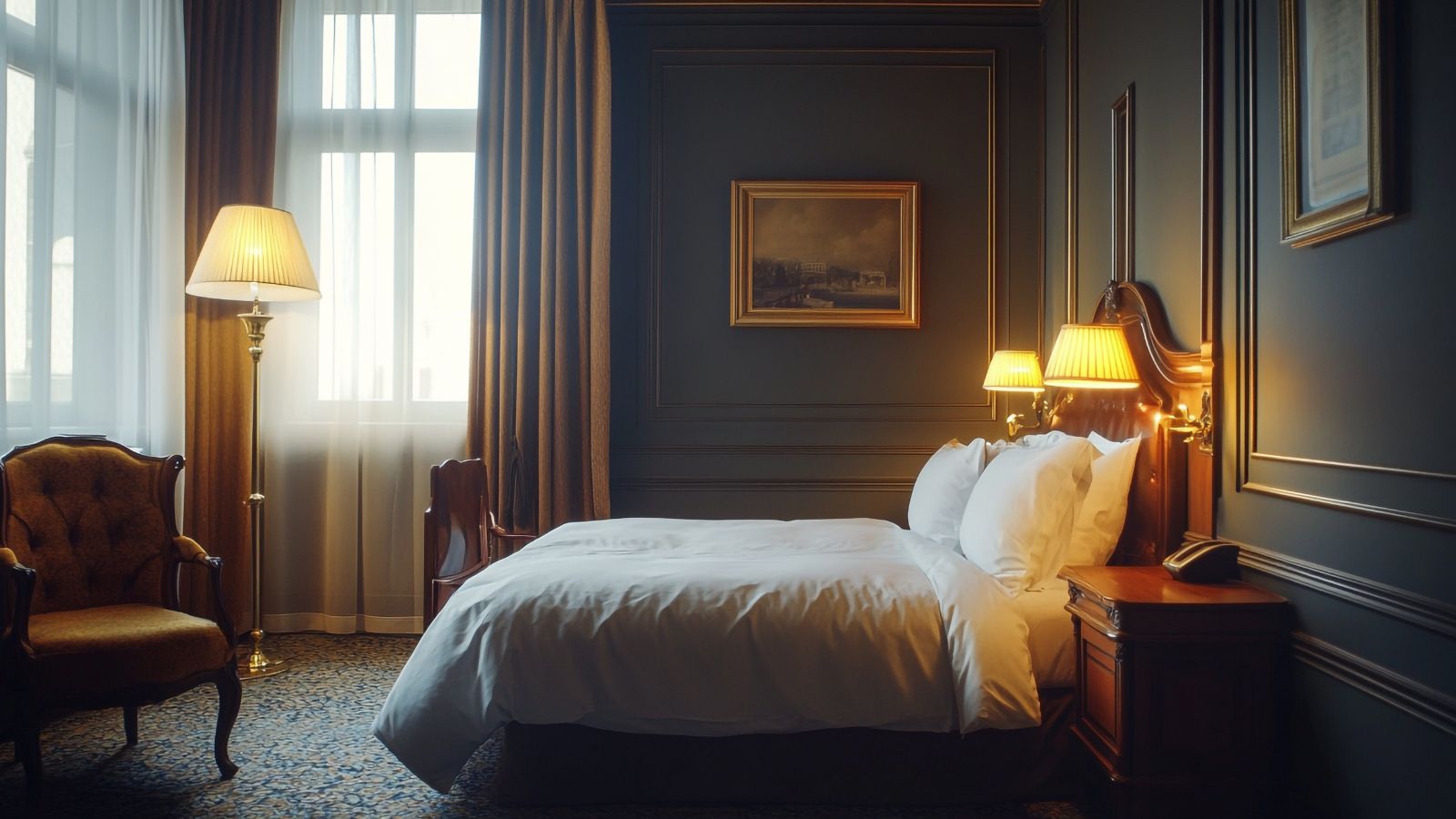
Personal routines become more visible in close quarters. Different sleep schedules, alarm habits, and temperature preferences are harder to ignore when there is nowhere else to go. A partner waking early affects the whole room. Late-night scrolling or movement carries easily, and rest suffers without clear communication.
Sound behaves differently in small rooms as well. Alarms, phone notifications, and even simple movements feel louder. Walls feel closer. Couples who don’t account for this often experience broken sleep, which affects energy, patience, and how the day unfolds.
Storage is another overlooked challenge. Many compact hotel rooms offer limited closet or drawer space, forcing couples to live out of suitcases. When belongings spread across shared areas, the room feels even smaller. Keeping things organized is not about neatness—it’s about maintaining calm.
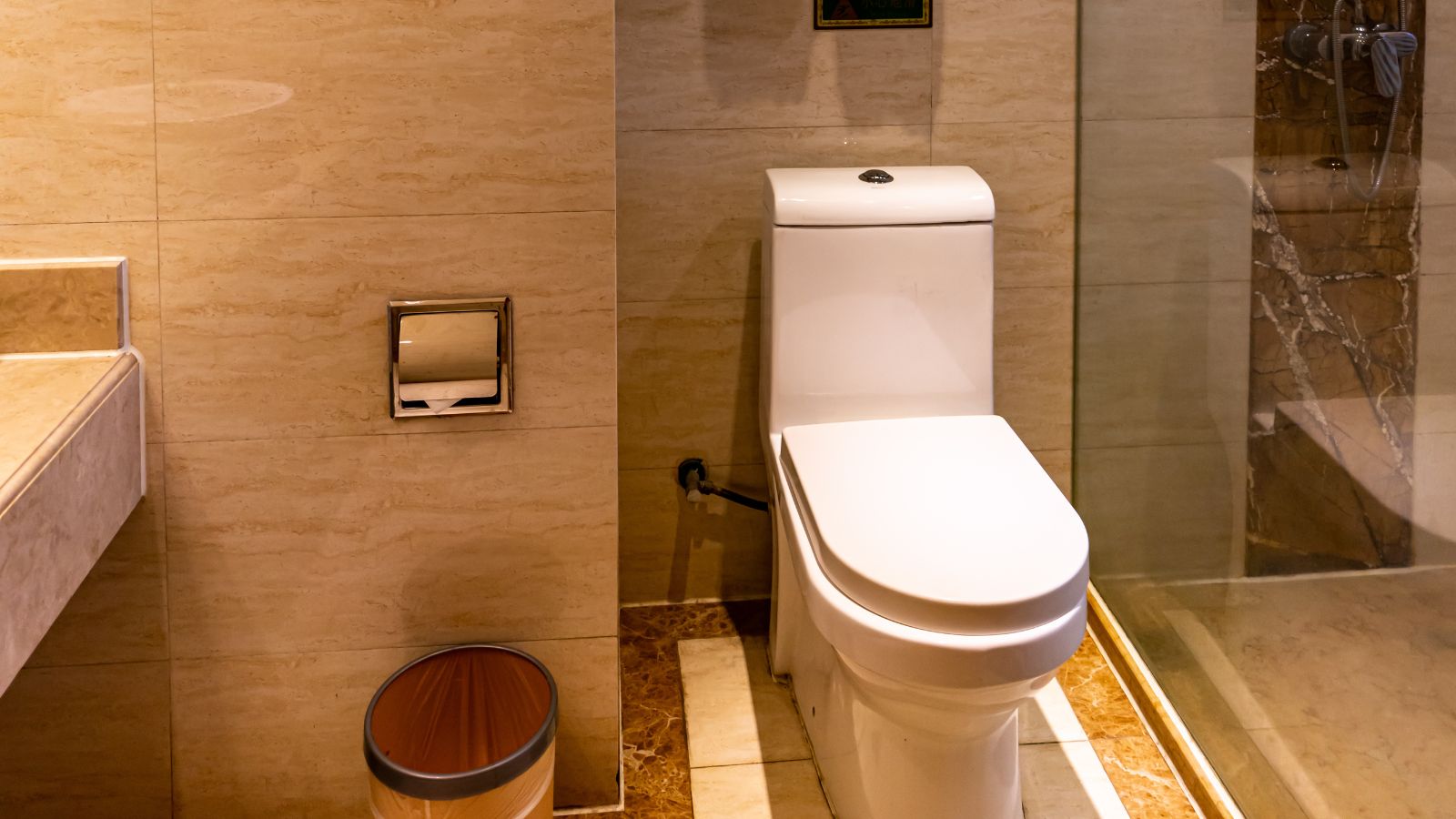
Bathrooms, often designed for efficiency, add their own pressure. Tight layouts and limited counter space make shared routines harder. Without simple agreements, mornings can feel rushed before the day even begins.
These challenges are rarely deal-breakers, but they are real. Smaller rooms are not a sign of poor quality. They reflect local design, space constraints, and city living. The issue is expecting them to function like larger hotel rooms at home.
When we recognize the limitations early, we adapt more easily. We communicate more. We move with intention. And we spend less time frustrated by the space and more time enjoying where we are.
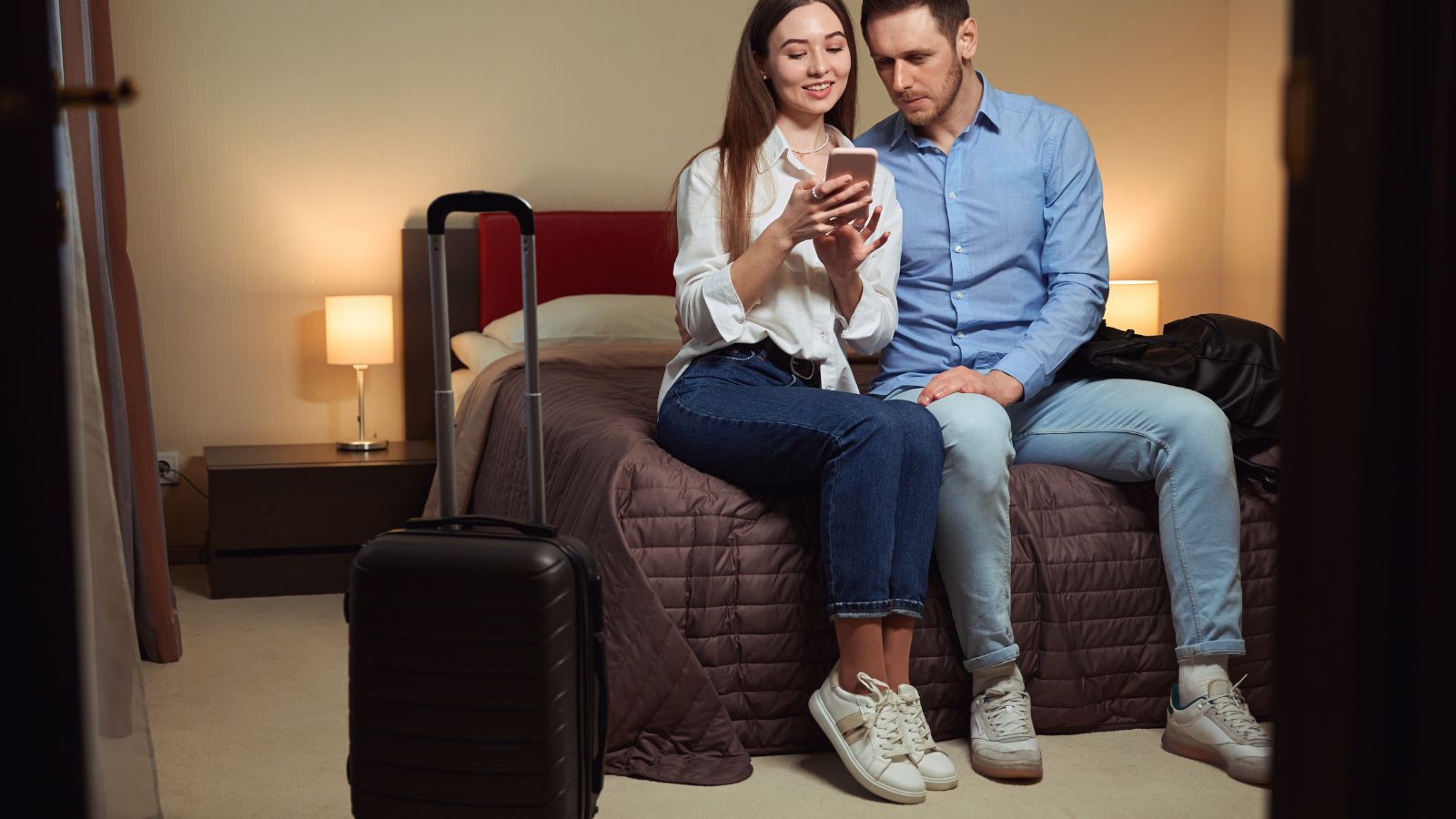
The hidden challenge isn’t the size of the room—it’s underestimating how much it shapes shared moments. When expectations align with reality, even the smallest room becomes part of the experience, not a problem within it.
