9 Countries Where Travel Moves at a Slower Pace
Not every trip needs to be packed with highlights to feel worthwhile. Many couples reach a point where rushing from one sight to the next feels more draining than rewarding. That is often when the idea of slower travel starts to matter.
In some countries, daily life naturally unfolds at an easier rhythm. Meals stretch longer. Shops close in the afternoon. Transportation encourages planning fewer stops rather than cramming in more. This pace makes it easier to stay present and actually enjoy time together instead of constantly checking the clock.
Slower travel does not mean less to see or do. It means experiences feel less compressed. Walks replace schedules. Conversations last longer. Days are shaped around comfort and curiosity rather than efficiency alone.
We have identified 9 countries where travel moves at a slower pace. These are places that support unhurried days and simple planning, making them especially appealing for couples who want a trip that feels balanced, calm, and grounded from start to finish.
Portugal
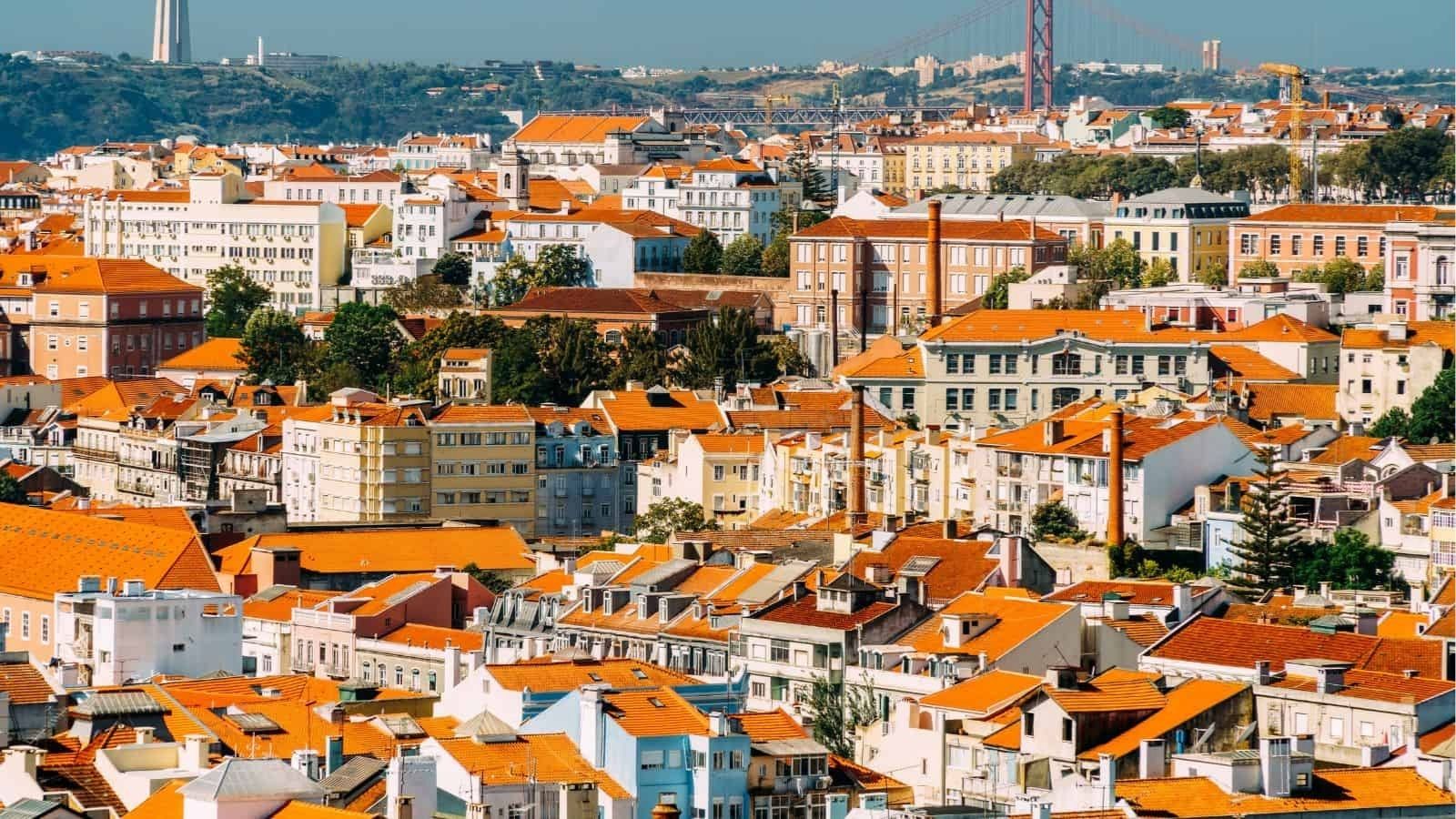
Portugal moves at a pace shaped by walkability and habit. Cities are compact, meals stretch naturally, and daily routines favor consistency over urgency. Travel days tend to be short, allowing time to settle rather than constantly relocate. Coastal towns and interior villages follow similar rhythms, with afternoons slowing noticeably. Visitors often remark on how easy it feels to fall into local patterns without effort.
Takeaway: Portugal feels most relaxed when itineraries limit daily movement and allow afternoons to unfold without fixed plans.
Slovenia
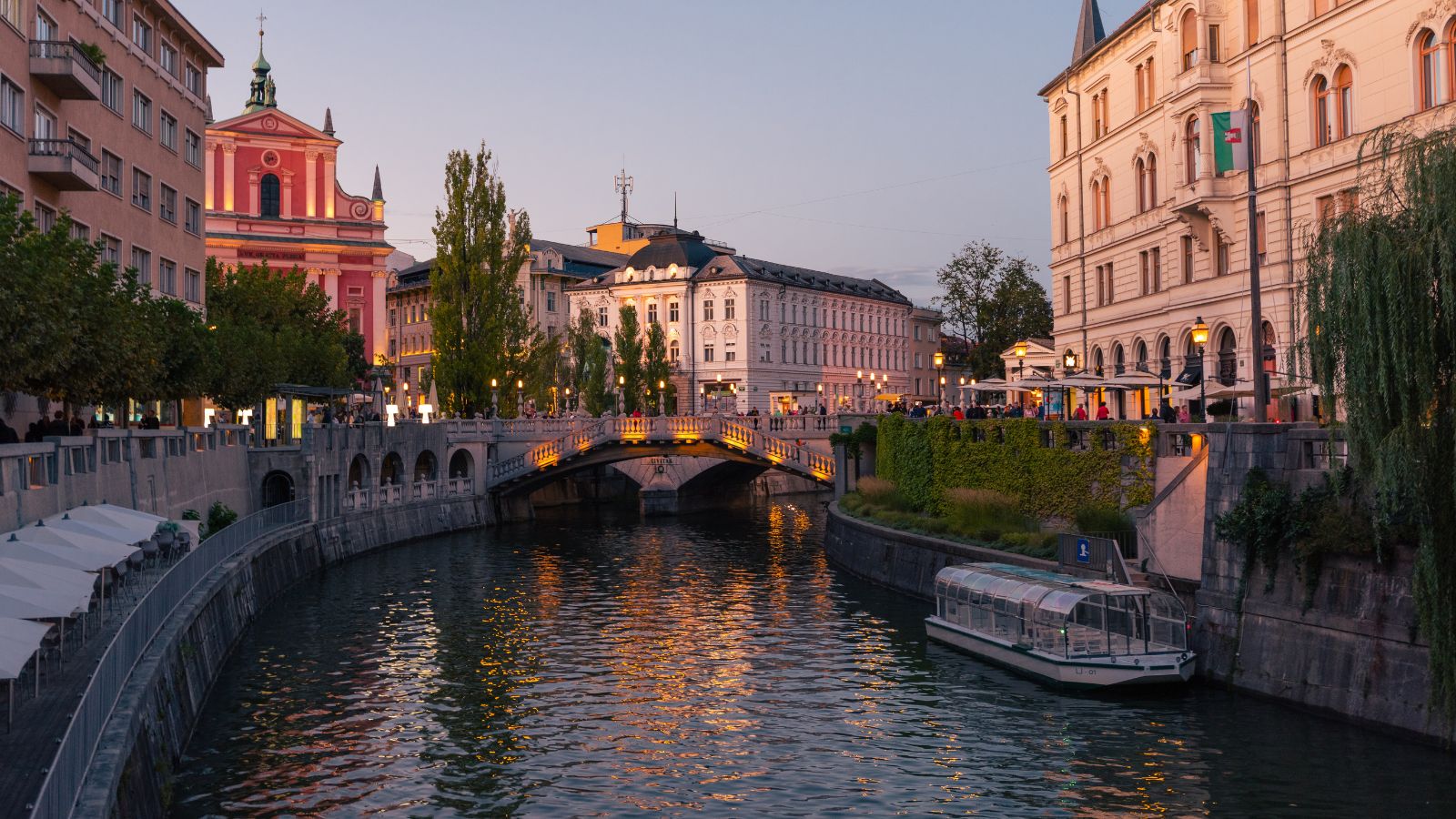
Slovenia’s small size and efficient connections keep travel calm and predictable. Distances between towns and natural areas are short, reducing the need for early starts or long transit days. Nature plays a central role, shaping schedules around light and weather rather than attractions. Even popular areas maintain a measured flow.
Takeaway: Slovenia rewards travelers who choose one base and explore outward instead of changing accommodations frequently.
New Zealand
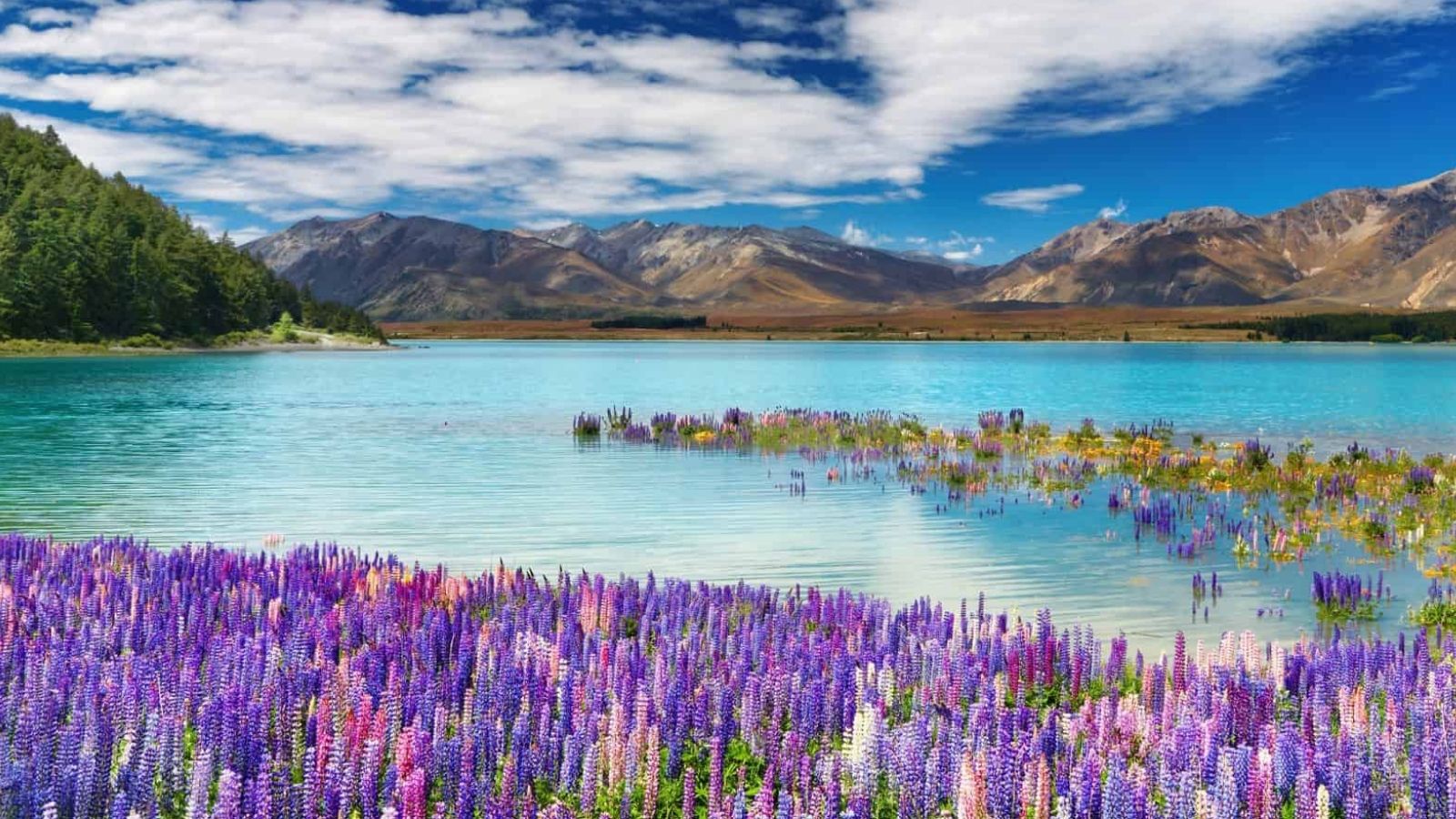
New Zealand encourages slow movement through geography. Roads wind through scenery that demands attention, making long drives feel intentional rather than rushed. Towns are spaced far enough apart to discourage quick stops, while landscapes invite pauses. The tone remains calm even in well-known areas.
Takeaway: New Zealand trips feel slower and richer when daily driving distances are kept modest.
Japan
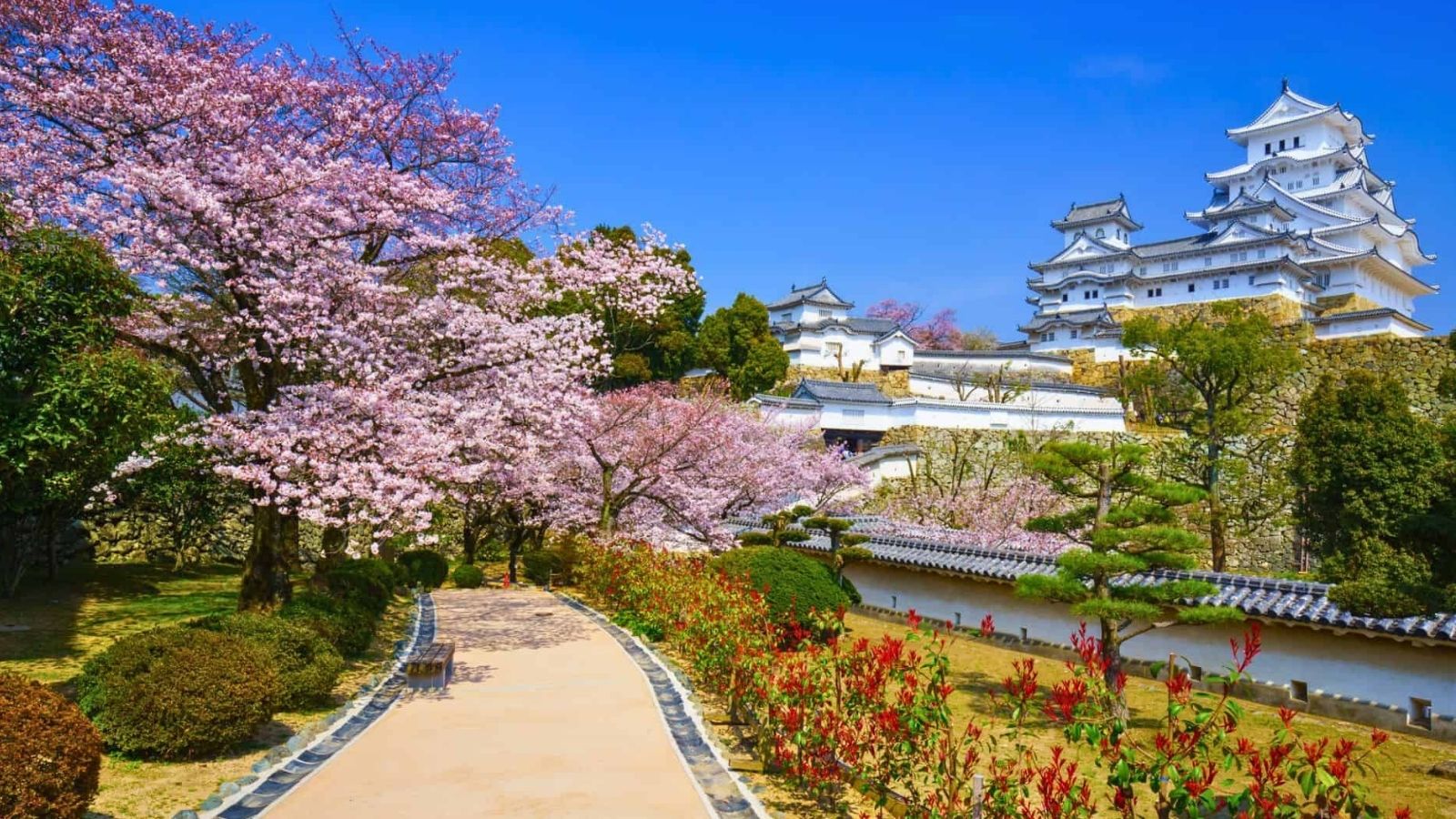
Japan’s pace is shaped by structure rather than haste. Trains run precisely, queues move quietly, and routines guide behavior without pressure. Even busy cities contain pockets of stillness, while rural areas emphasize repetition and habit. Travelers often notice how order creates calm rather than speed.
Takeaway: Japan feels less rushed when travelers trust systems and follow established rhythms instead of overplanning.
Italy
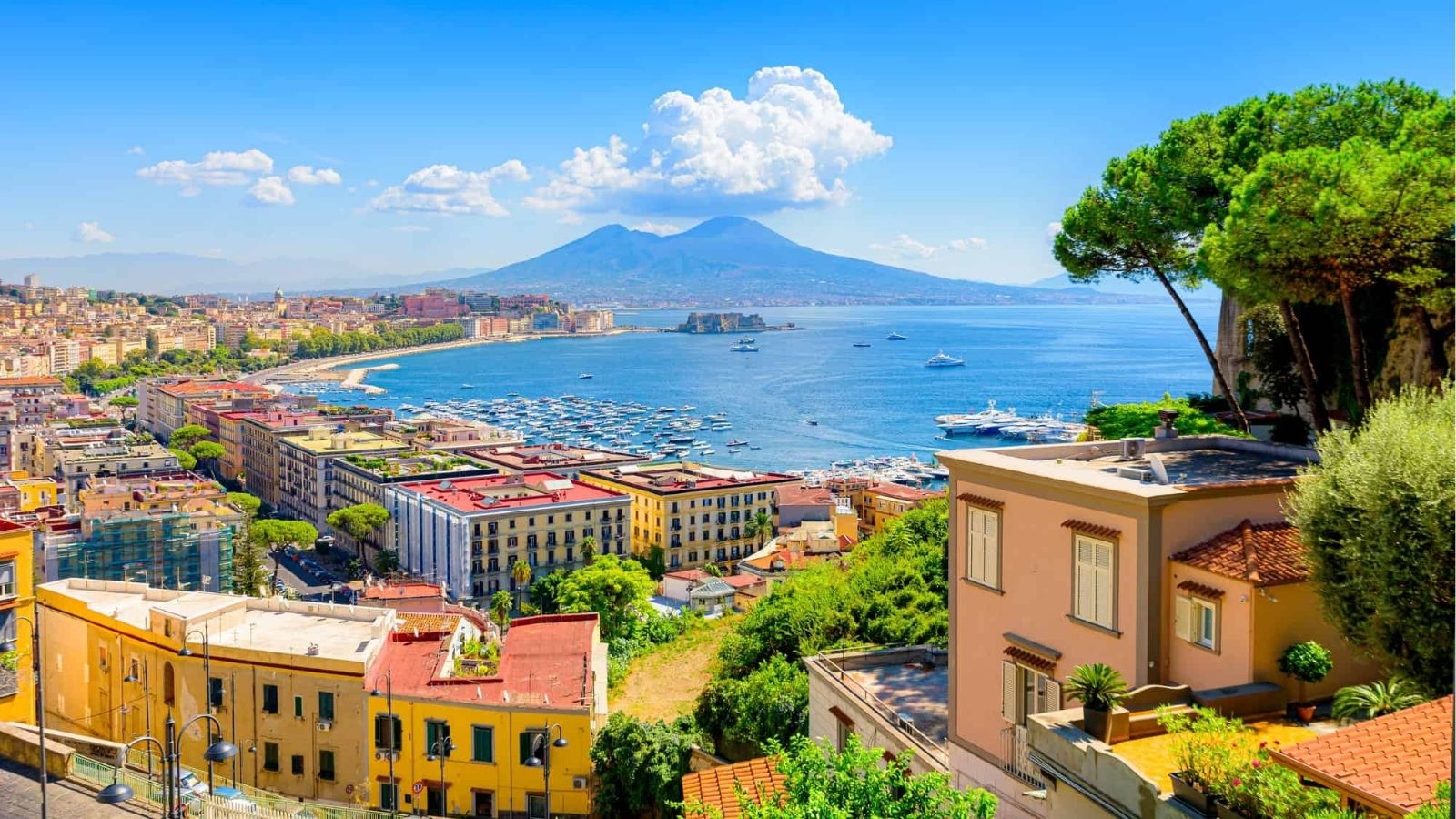
Italy slows travelers through ritual. Meals anchor the day, towns reveal themselves gradually, and regional differences encourage staying put rather than moving constantly. Even transportation feels secondary to daily routines. Visitors often find that time expands when schedules loosen.
Takeaway: Italy is best experienced by reducing daily goals and letting meals and local customs shape the day.
Ireland
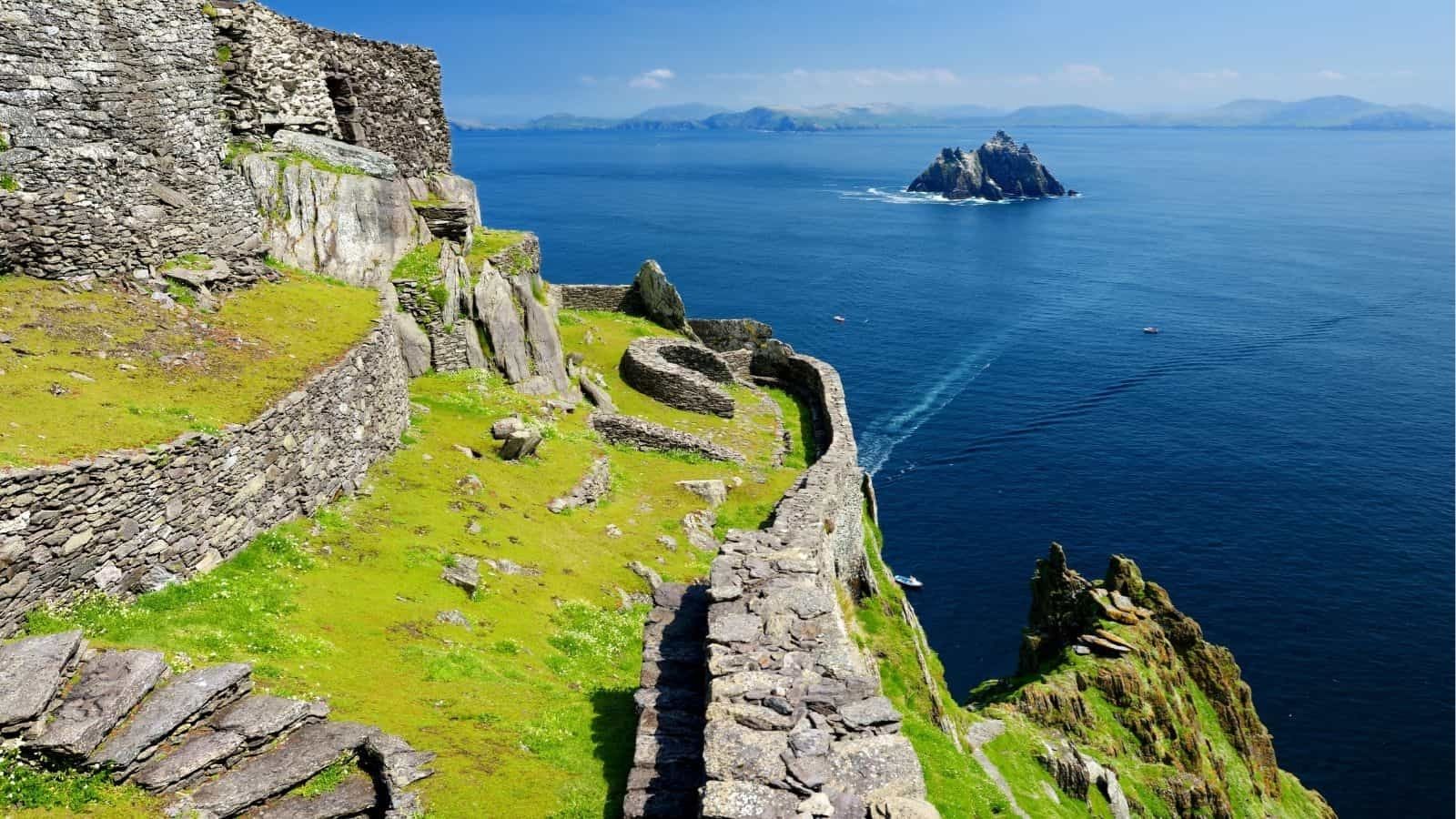
Ireland’s pace is shaped by weather, conversation, and short distances that invite lingering. Roads are narrow, views open unexpectedly, and progress often slows for practical reasons rather than intention. Towns feel lived-in, with cafés and pubs acting as social anchors throughout the day. Travelers often remember pauses between destinations as clearly as the sights themselves.
Takeaway: Ireland feels slower and richer when you allow extra time for drives and let weather and local rhythms set the schedule.
Laos
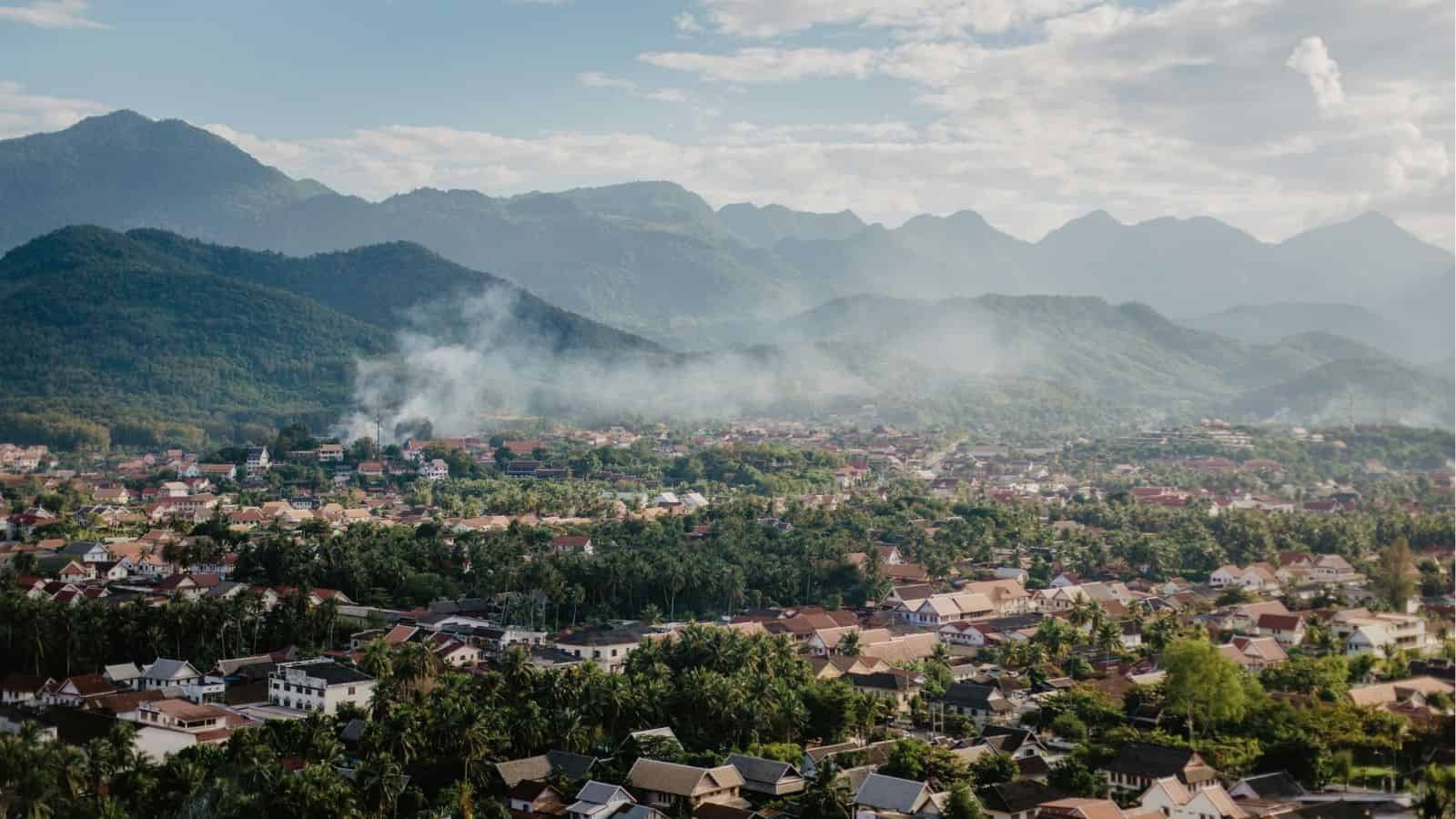
Laos moves at a river-based pace. Travel follows the Mekong, mornings start gently, and afternoons taper off early. Distances are not long, but transit takes time, which naturally limits overplanning. Towns are compact, routines are simple, and daily life unfolds without urgency.
Takeaway: Laos rewards travelers who plan fewer stops and accept transit time as part of the experience.
Uruguay
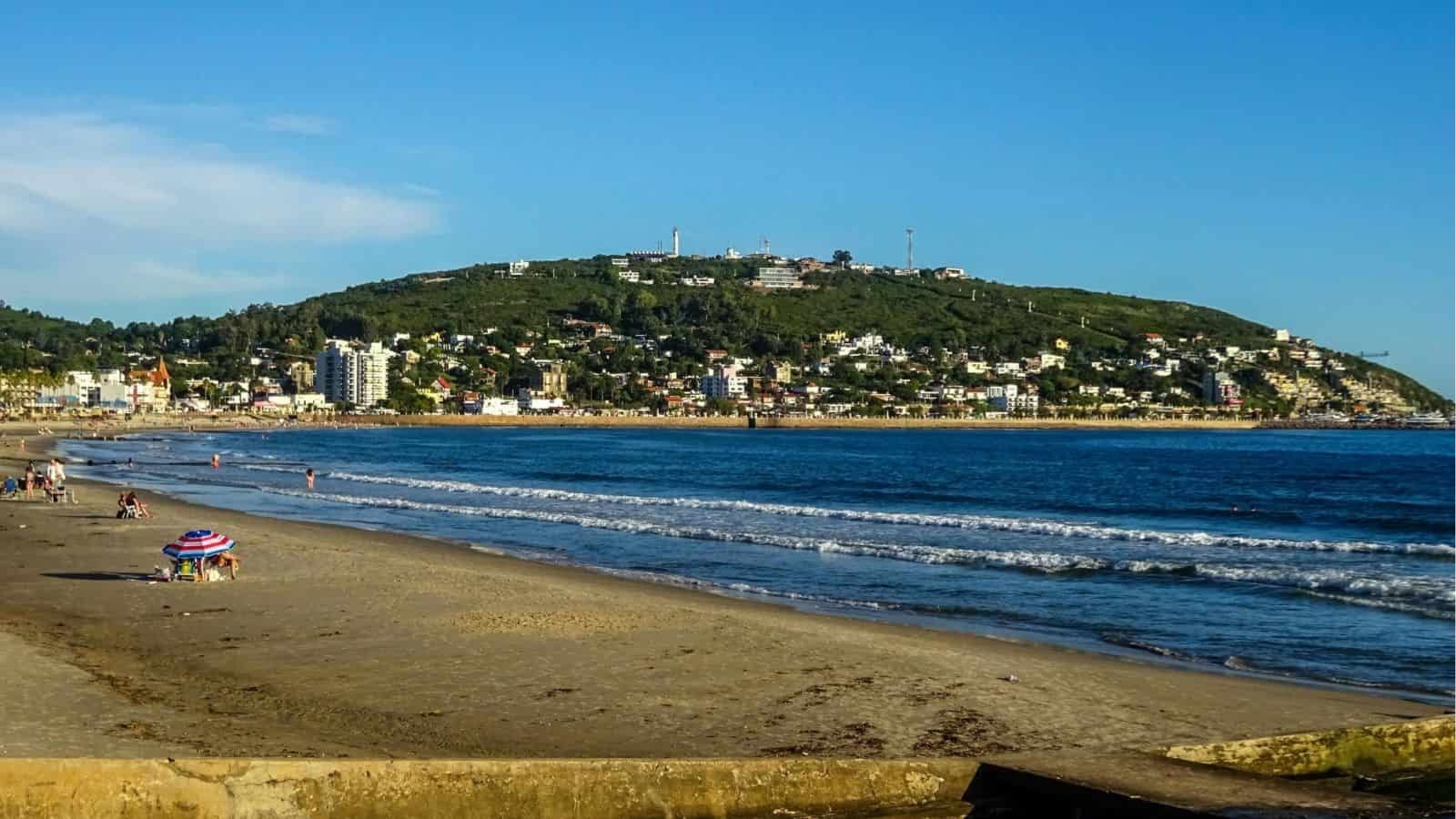
Uruguay’s calm comes from understatement. Cities are manageable, coastal routes are linear, and daily life emphasizes routine over spectacle. Cafés open early, afternoons slow down, and evenings stretch comfortably. Travel days rarely feel rushed, even when moving between regions.
Takeaway: Uruguay feels most relaxed when you stay longer in one place and let daily habits replace sightseeing checklists.
Greece
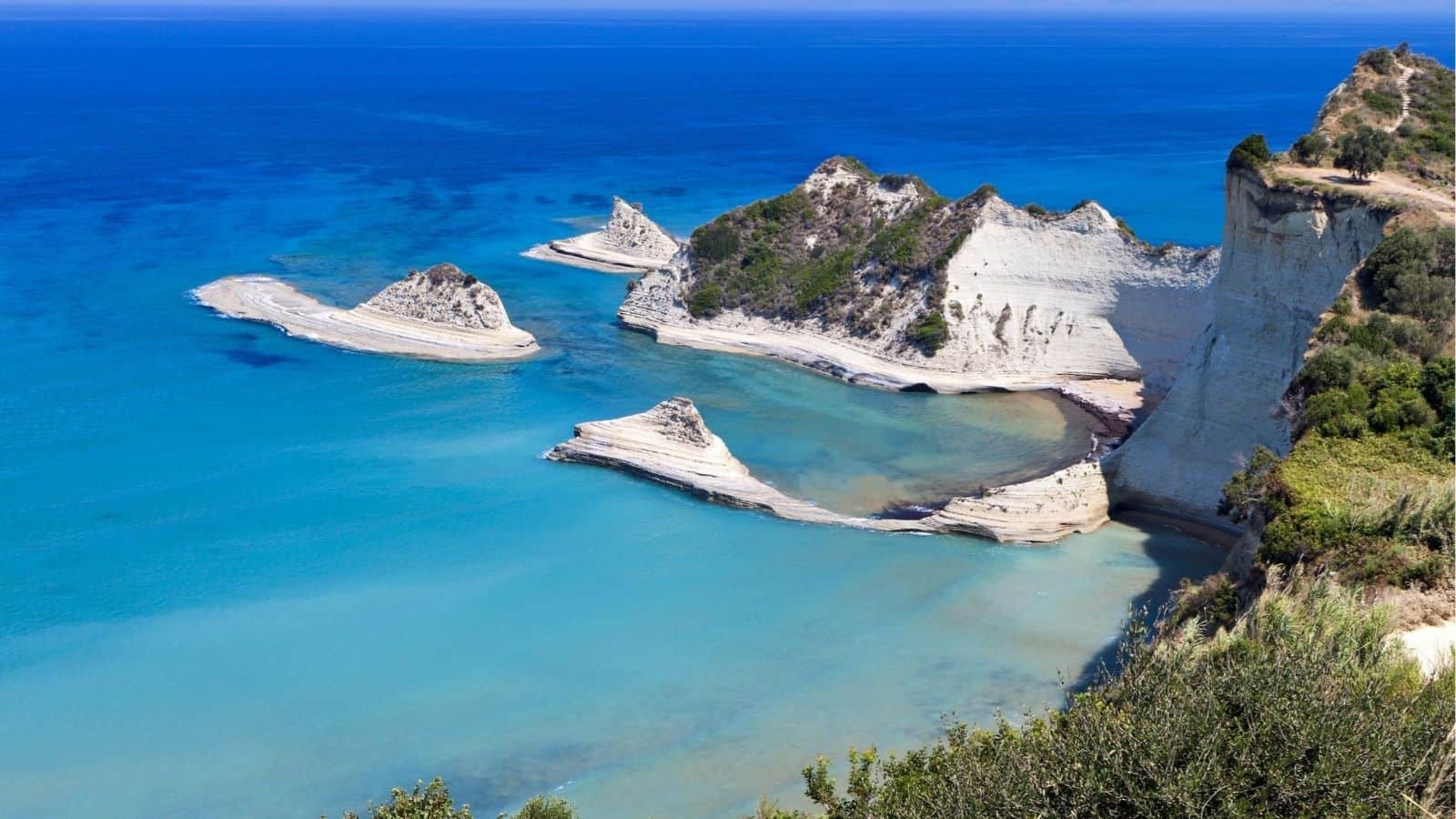
Greece slows travelers through geography. Ferries dictate timing, villages pause midday, and evenings arrive late. Island life emphasizes repetition rather than variety, with the same routes walked daily. Even well-known destinations settle into a steady rhythm once day visitors leave.
Takeaway: Greece is best experienced by choosing one island or region and committing to it instead of hopping frequently.
10 Off-the-Beaten-Path Destinations Travelers Are Eyeing for 2026

Many couples reach a point where familiar destinations start to feel predictable. The same cities, the same routes, and the same crowded sights can take the shine off a trip, even when the place itself is well loved. That is often when interest shifts toward destinations that feel quieter and less rehearsed. Off-the-beaten-path travel is not about going somewhere obscure for the sake of it. It is about choosing places that offer space, character, and a stronger sense of daily life without requiring extreme logistics or discomfort. These are destinations where crowds are lighter, prices tend to be more reasonable, and experiences feel less rushed.
Learn more here: 10 Off-the-Beaten-Path Destinations Travelers Are Eyeing for 2026
13 Michelin-Approved Food Destinations Worth Planning a Trip Around in 2026

Food-focused travel is becoming more intentional. Couples are no longer planning trips around a single reservation or chasing hype-heavy openings. Instead, many are choosing destinations where a strong food culture is built into daily life, not limited to one standout restaurant. Michelin recognition plays a role here, but not in the way many people assume. Being Michelin-approved often signals consistency, regional character, and a dining scene that rewards time and curiosity. These are places where meals feel connected to local producers, traditions, and neighborhoods rather than staged for visitors.
Learn more here: 13 Michelin-Approved Food Destinations Worth Planning a Trip Around in 2026
