11 Countries Americans Visit Once and Keep Talking About
Some trips stay in conversation long after the bags are unpacked. Couples bring them up at dinners, recommend them in passing, and measure future plans against how those days felt. These are not always the most famous destinations. They are places that leave a strong, lasting impression after just one visit.
What tends to make a country memorable is not a single attraction. It is how smoothly everything works together. The pace, the people, the food, and the sense of welcome all matter. When travel feels intuitive and days unfold without friction, couples notice and remember it.
Often, these destinations surprise first-time visitors. Expectations are exceeded quietly rather than dramatically. There is a sense of ease that lingers, making the experience feel complete even after a relatively short stay.
We looked at where Americans consistently say one trip was enough to leave a lasting mark. This list highlights 11 countries Americans visit once and keep talking about, based on atmosphere, accessibility, and how well they support meaningful travel experiences for couples.

Italy
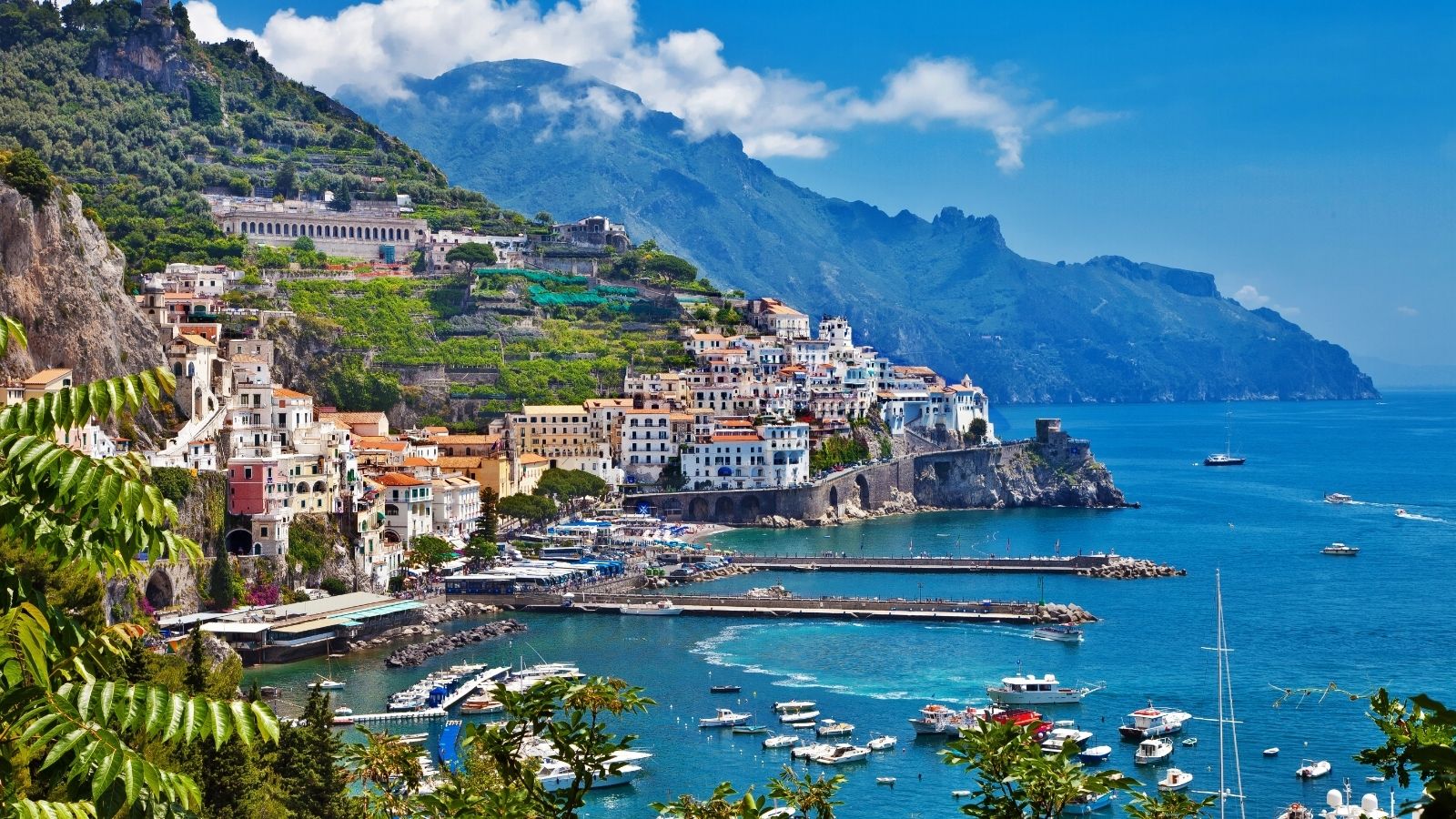
Italy stays with travelers because everyday life feels layered rather than staged. Meals stretch naturally, towns reveal themselves slowly, and history is woven into ordinary routines. Even short trips feel full without feeling rushed. Moving between regions changes food, language patterns, and pacing enough to feel like multiple trips in one. Many Americans leave already planning a return, often to a smaller town rather than a major city.
Takeaway: Italy rewards repeat visits when trips focus on fewer places and longer stays instead of packed itineraries.
Japan
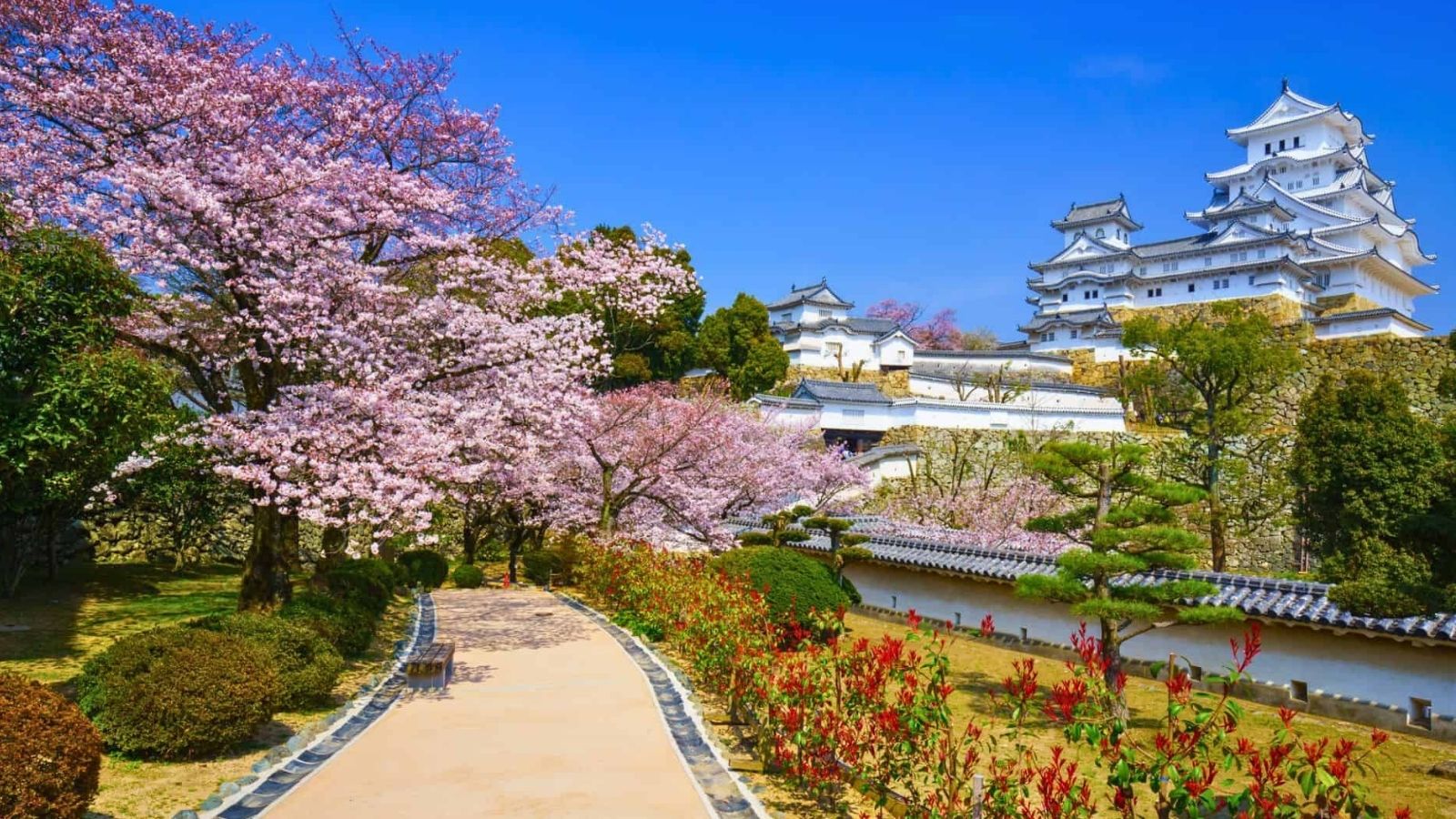
Japan leaves a strong impression through structure and care in daily life. Transportation works seamlessly, cities feel orderly, and interactions are marked by quiet courtesy. At the same time, traditions remain visible and active, not preserved behind glass. Travelers often talk about how easy it feels to move through the country despite cultural differences.
Takeaway: Japan works best when travelers trust systems and allow routines to guide each day rather than overplanning.
Ireland
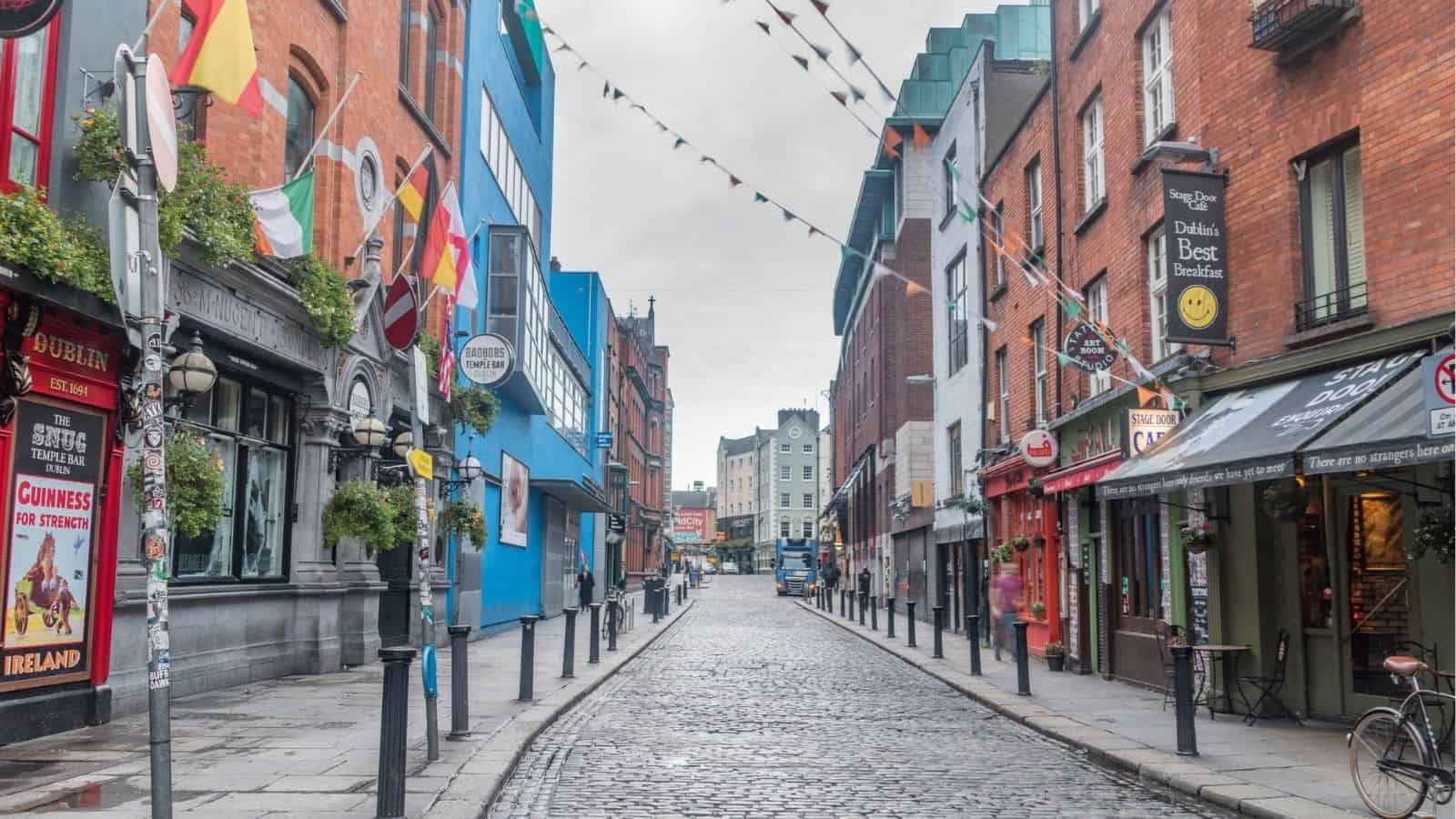
Ireland lingers because of its conversational culture and sense of place. Small towns feel connected rather than isolated, and landscapes shape daily rhythms. Travelers often remember moments between destinations just as clearly as landmarks. Even short drives feel meaningful.
Takeaway: Ireland is most memorable when itineraries leave room for pauses, weather changes, and unplanned stops.
New Zealand
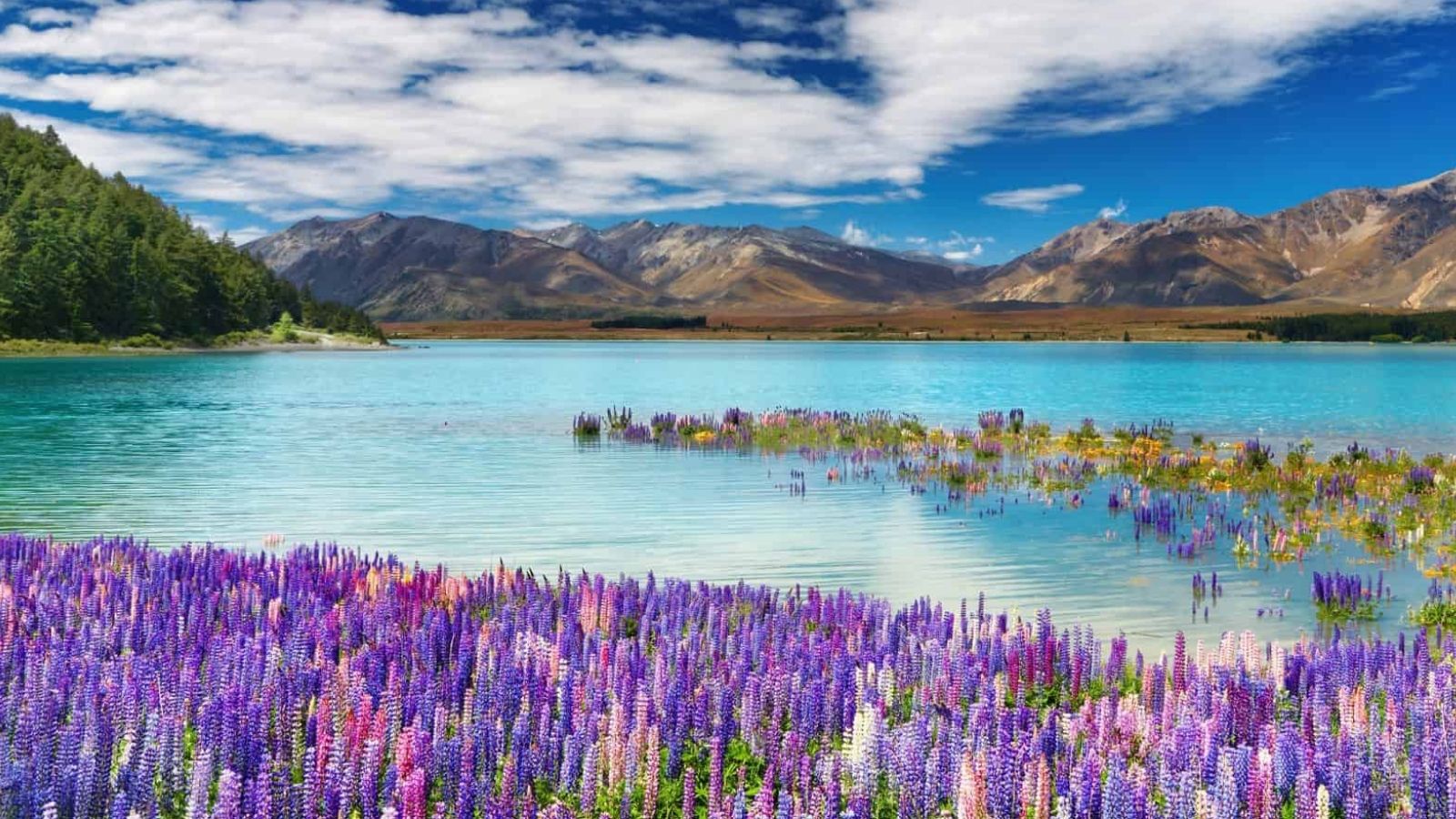
New Zealand stands out for how accessible its landscapes feel. Mountains, coastlines, and lakes are reached without complex logistics, and distances encourage steady travel rather than rushing. The country’s calm tone shapes the experience as much as the scenery.
Takeaway: New Zealand trips feel richer when travelers limit driving days and stay longer in fewer regions.
Iceland
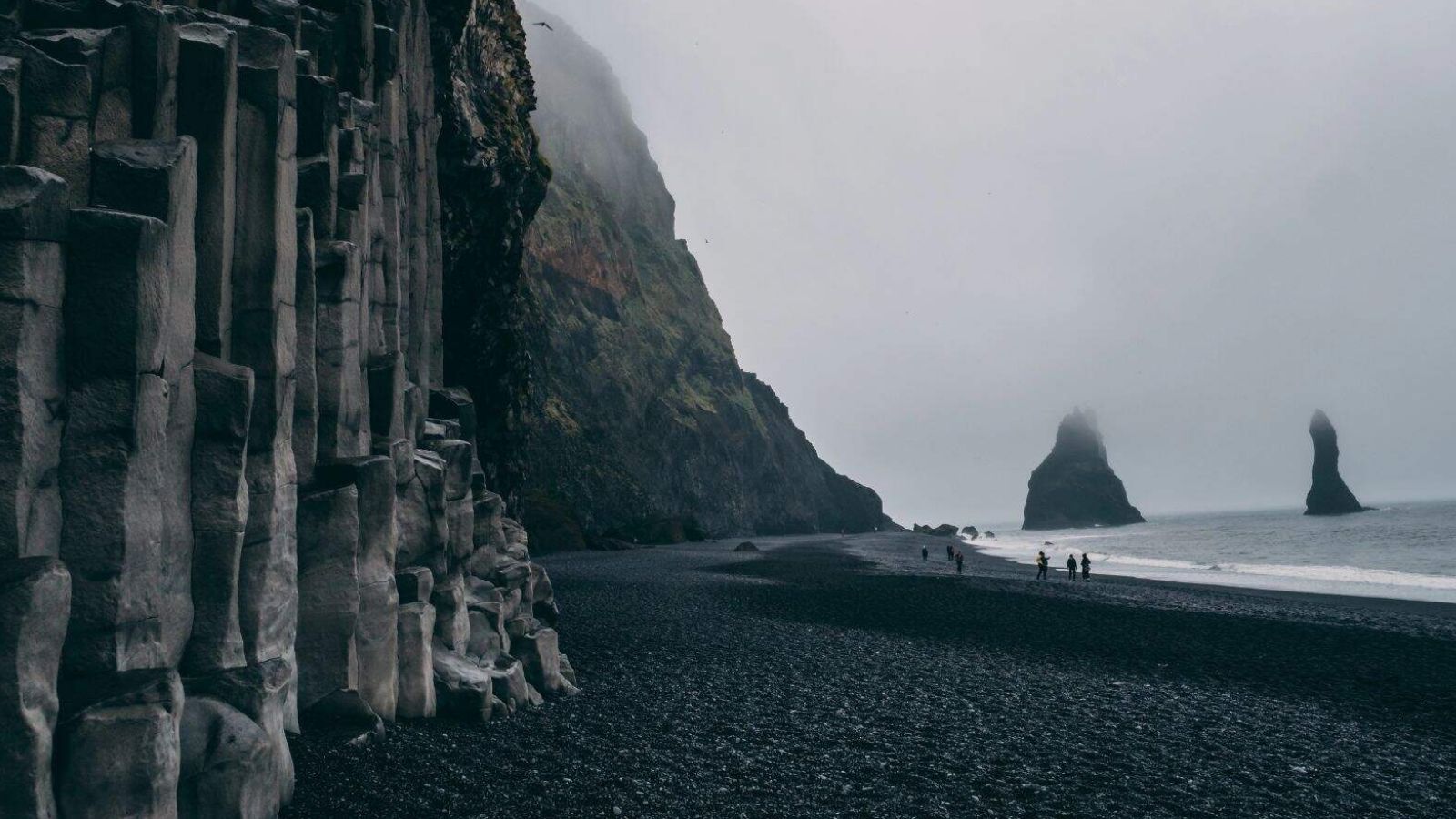
Iceland stays in memory because the environment sets the schedule. Weather, light, and road conditions shape each day, creating a sense of responsiveness rather than control. Travelers often talk about how the landscape feels present at all times.
Takeaway: Iceland works best when plans stay flexible and expectations shift with conditions instead of fixed routes.
Portugal
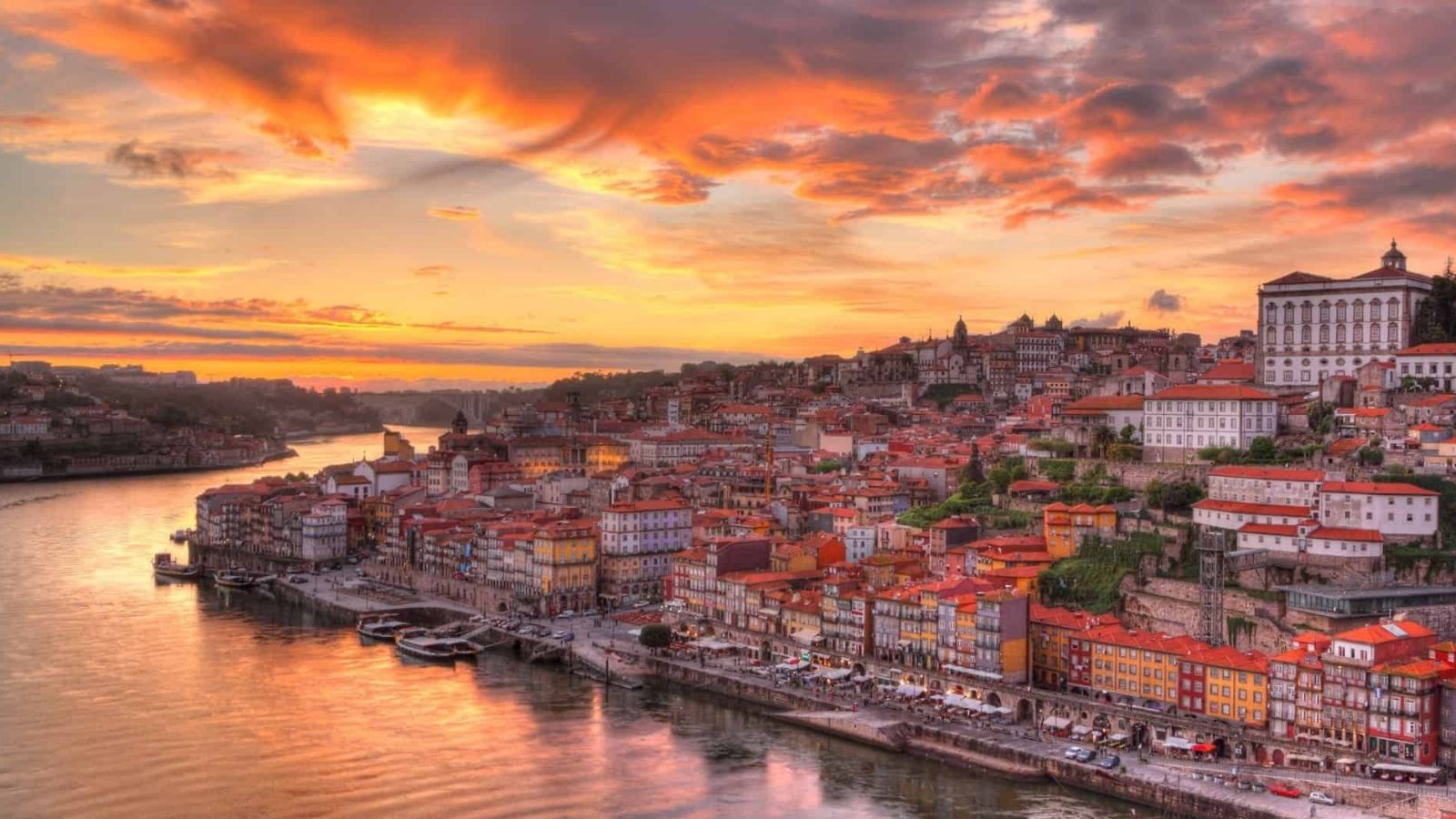
Portugal tends to linger because it feels approachable without feeling small. Cities are walkable, coastal towns are compact, and daily routines unfold at a steady pace. Meals are unhurried, prices feel reasonable, and travel days rarely feel stressful. Many Americans talk about how easy it is to settle into a rhythm quickly, even on a first visit.
Takeaway: Portugal works best when days stay loosely structured, with time built in for wandering rather than point-to-point sightseeing.
Vietnam

Vietnam leaves a strong impression through its street-level energy and regional variety. Daily life happens in the open, from food stalls to markets to evening walks. Travel between regions brings clear shifts in landscape, pace, and flavor. Visitors often talk about how quickly the country feels immersive without being overwhelming.
Takeaway: Vietnam is most rewarding when trips slow down enough to experience one region at a time instead of constant movement.
Scotland
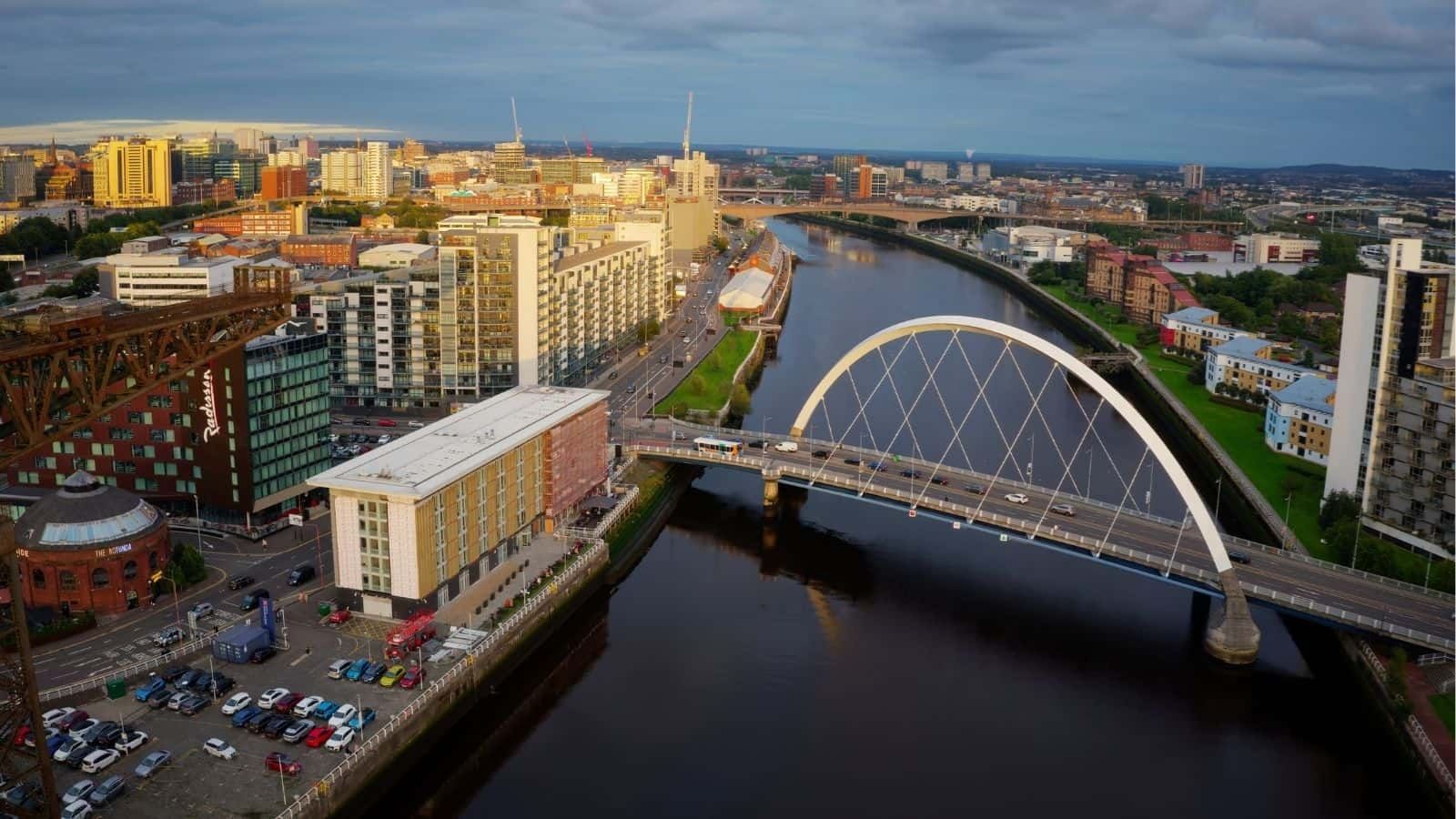
Scotland stays with travelers because of its quiet intensity. Landscapes feel expansive, towns feel grounded, and history is present without being performative. Weather and light shape each day, encouraging reflection rather than schedules. Many Americans recall the feeling of space as clearly as specific sights.
Takeaway: Scotland feels most meaningful when itineraries leave room for weather changes and unplanned stops.
Peru
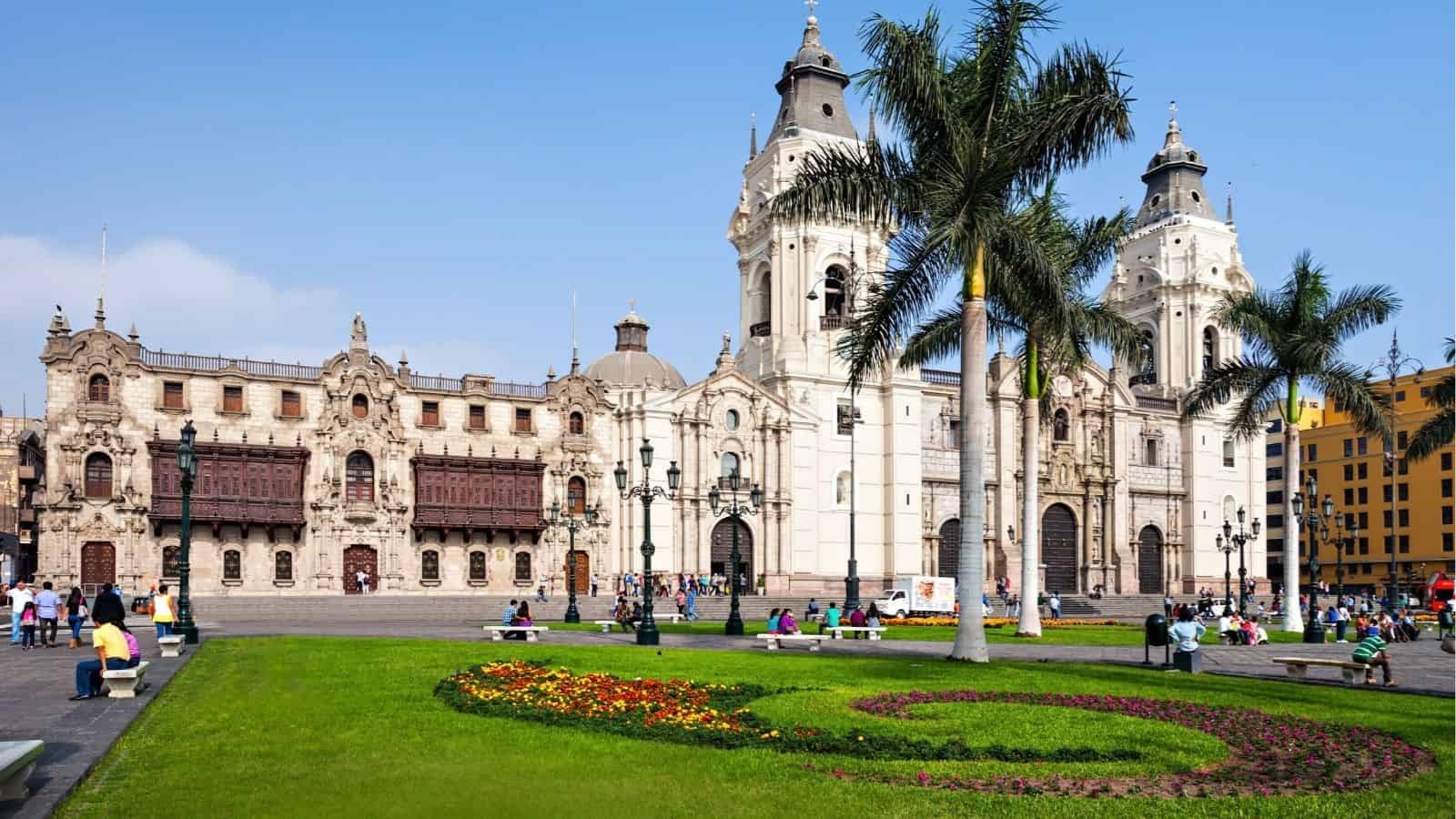
Peru often becomes a reference point for travelers because culture, landscape, and daily life feel closely connected. Movement between coast, mountains, and valleys changes the experience quickly. Visitors talk about how depth replaces spectacle over time, especially outside major highlights.
Takeaway: Peru rewards travelers who balance headline sites with smaller towns and slower transitions.
Thailand
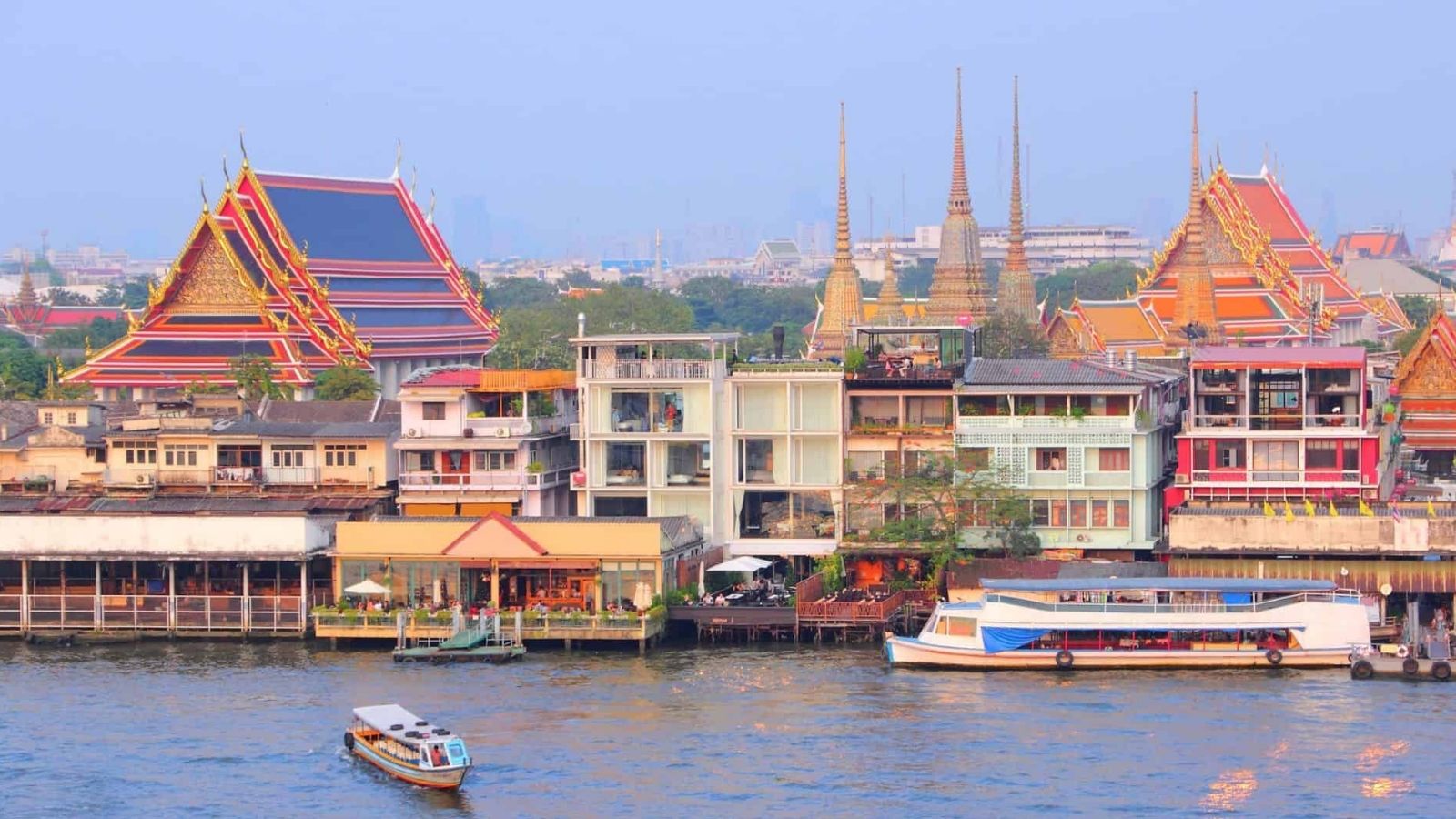
Thailand tends to surprise first-time visitors with its balance. Infrastructure makes travel manageable, while daily life remains visible and active. Cities, islands, and rural areas offer distinct rhythms without complicated logistics. Many Americans talk about how comfortable the country feels despite cultural differences.
Takeaway: Thailand works best when travelers choose fewer destinations and allow time to settle into each place.
South Africa
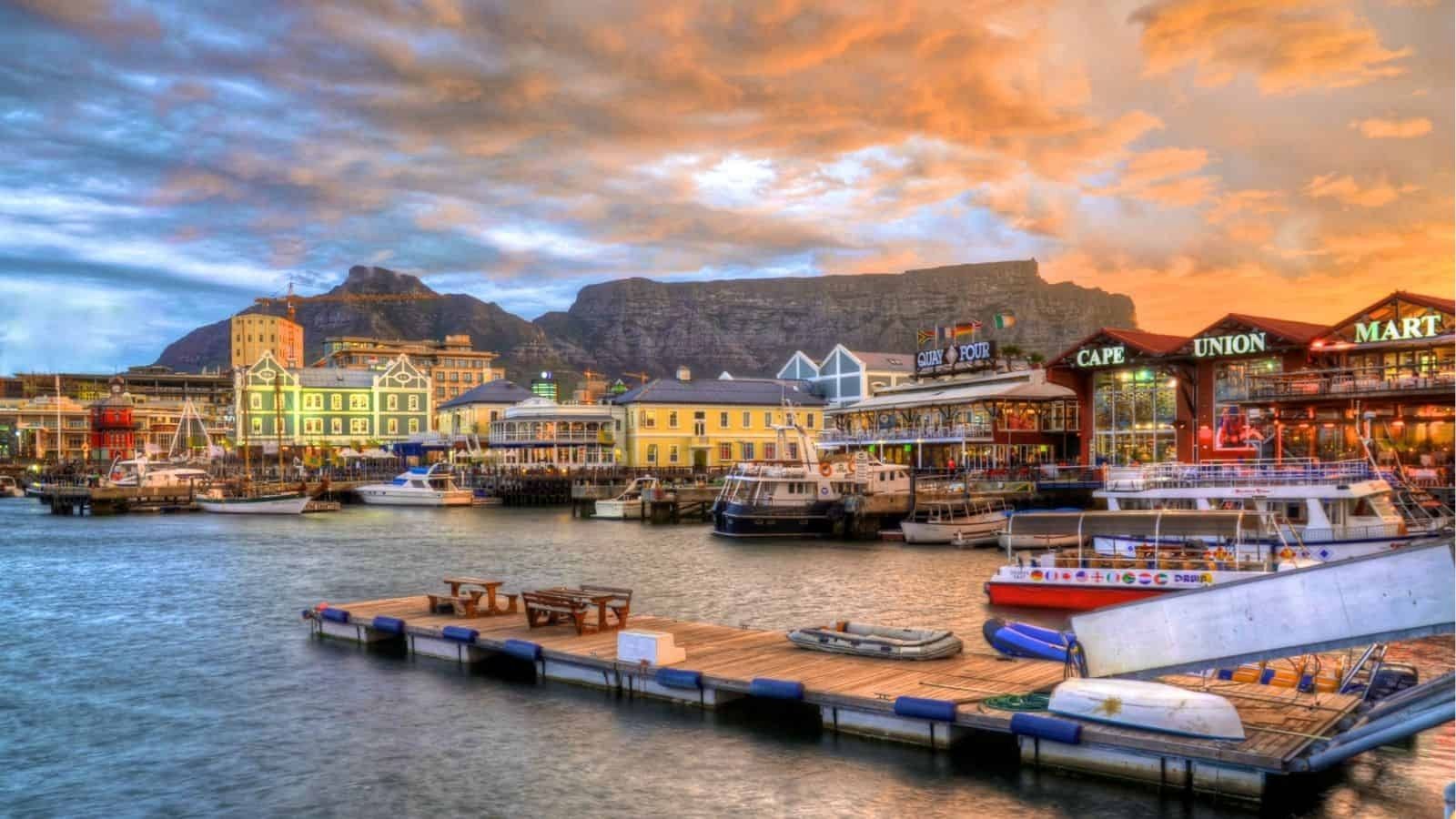
South Africa stays top of mind because variety comes without constant relocation. Cities, coastline, wine regions, and wildlife areas connect smoothly, allowing contrast within a single trip. Travelers often mention how the country reshapes expectations of distance and scale.
Takeaway: South Africa feels most cohesive when trips focus on one or two regions instead of trying to cover everything.
13 Places Travelers Skip Even Though They’re Near Famous Destinations

Many couples plan trips around famous cities, landmarks, or national icons, then build everything else around those anchors. What often gets missed are nearby places that sit just outside the spotlight. These towns, neighborhoods, and regions are frequently passed over, even though they are close enough to visit with little extra effort. The assumption is that if a place were worth seeing, it would already be well known. In reality, proximity to fame can work against a destination. Travelers stay focused on tight itineraries, day tours, or headline sights and never look beyond them. That can mean missing quieter streets, better meals, and a pace that feels easier to manage.
Learn more here:: 13 Places Travelers Skip Even Though They’re Near Famous Destinations
10 Things American Tourists Wear That Locals Spot Instantly When Traveling

Clothing may seem like a small detail when planning a trip, but it often shapes how travelers are perceived long before they speak. In many destinations, locals can spot American tourists almost instantly based on what they wear. It is rarely intentional, and it is not about style in a fashionable sense. It is about context. What feels practical or normal at home can stand out abroad. Athletic wear in historic centers, certain logo-heavy pieces, or footwear choices meant for convenience can quietly signal that someone is visiting rather than living there. For couples trying to blend in, avoid attention, or simply feel more comfortable in their surroundings, these details matter more than expected.
Learn more here: 10 Things American Tourists Wear That Locals Spot Instantly When Traveling
