Flight Crews Often Know How a Flight Will Feel Before Takeoff
The flight has not taken off yet, but the outcome is already taking shape. In the first few minutes of boarding, flight crews can often sense whether a flight will feel calm or chaotic. Those early moments quietly set the tone for everything that follows.
What we notice first is how passengers move through the boarding process. Travelers who pay attention to announcements, follow cues, and move with purpose help the cabin settle quickly. The aisle clears. Noise stays low. When passengers appear rushed or distracted, small delays pile up. Seats take longer to find. Bags slow everyone behind them.
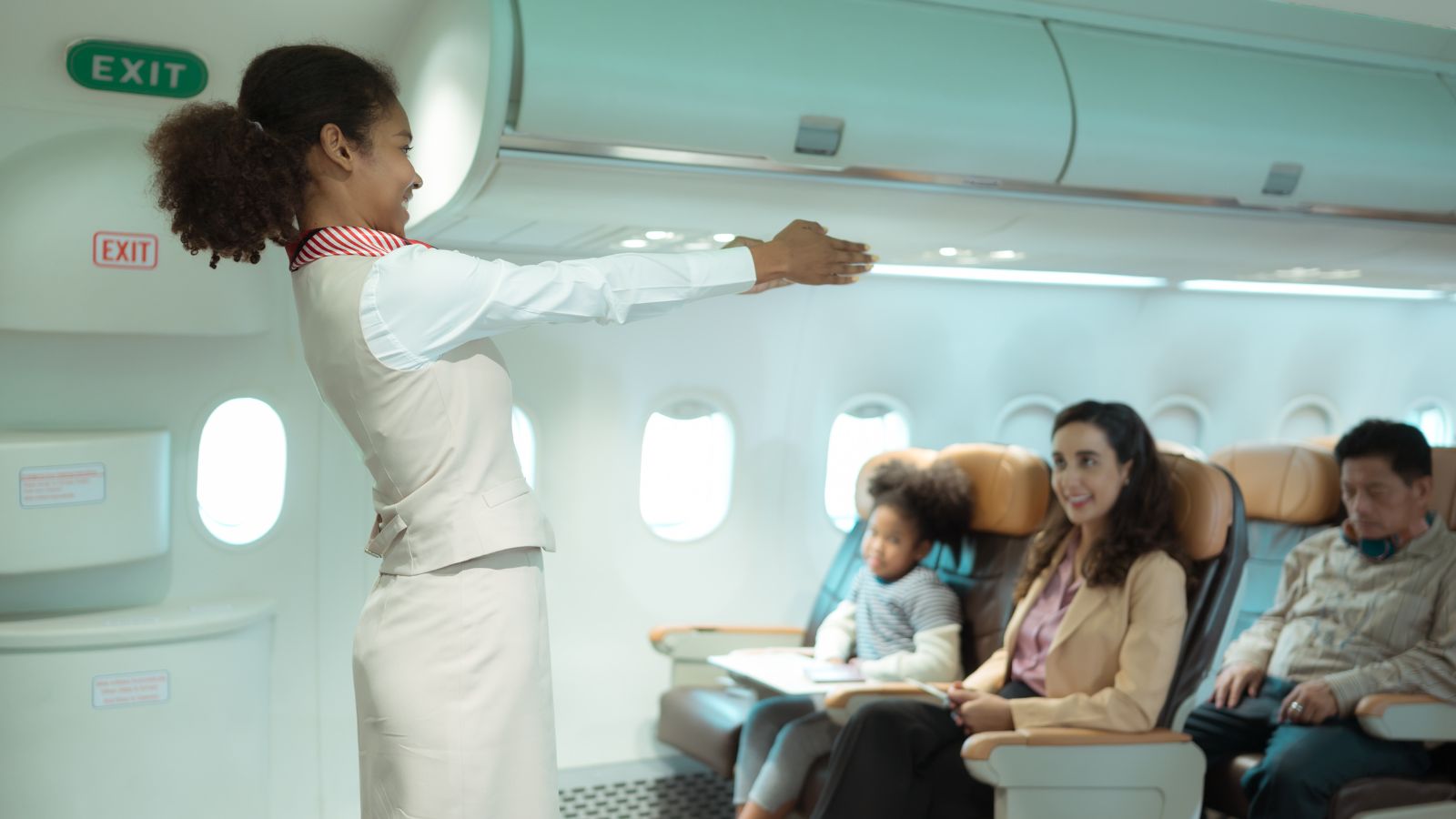
Shared space during boarding tells us a lot. Aisles are narrow. Overhead bins fill fast. Passengers who wait their turn and stow items efficiently reduce congestion. Those simple choices keep the cabin from feeling tense before the doors even close.
Body language reinforces the pattern. We see who arrives relaxed and who already looks strained. Early signs of impatience or fatigue often predict how the rest of the flight will feel. A tense start rarely improves once the aircraft is airborne.
Preparation plays a role as well. Passengers who have essentials ready settle once and stay seated. Those who repeatedly stand, search bags, or rearrange belongings extend the disruption during a critical phase of the flight. The more movement early on, the longer it takes for the cabin to calm.
Interactions matter, too, but only as they affect the overall flow. Calm communication helps boarding move smoothly. Visible frustration tends to spread. Before takeoff, the cabin behaves as one shared space, not individual rows.
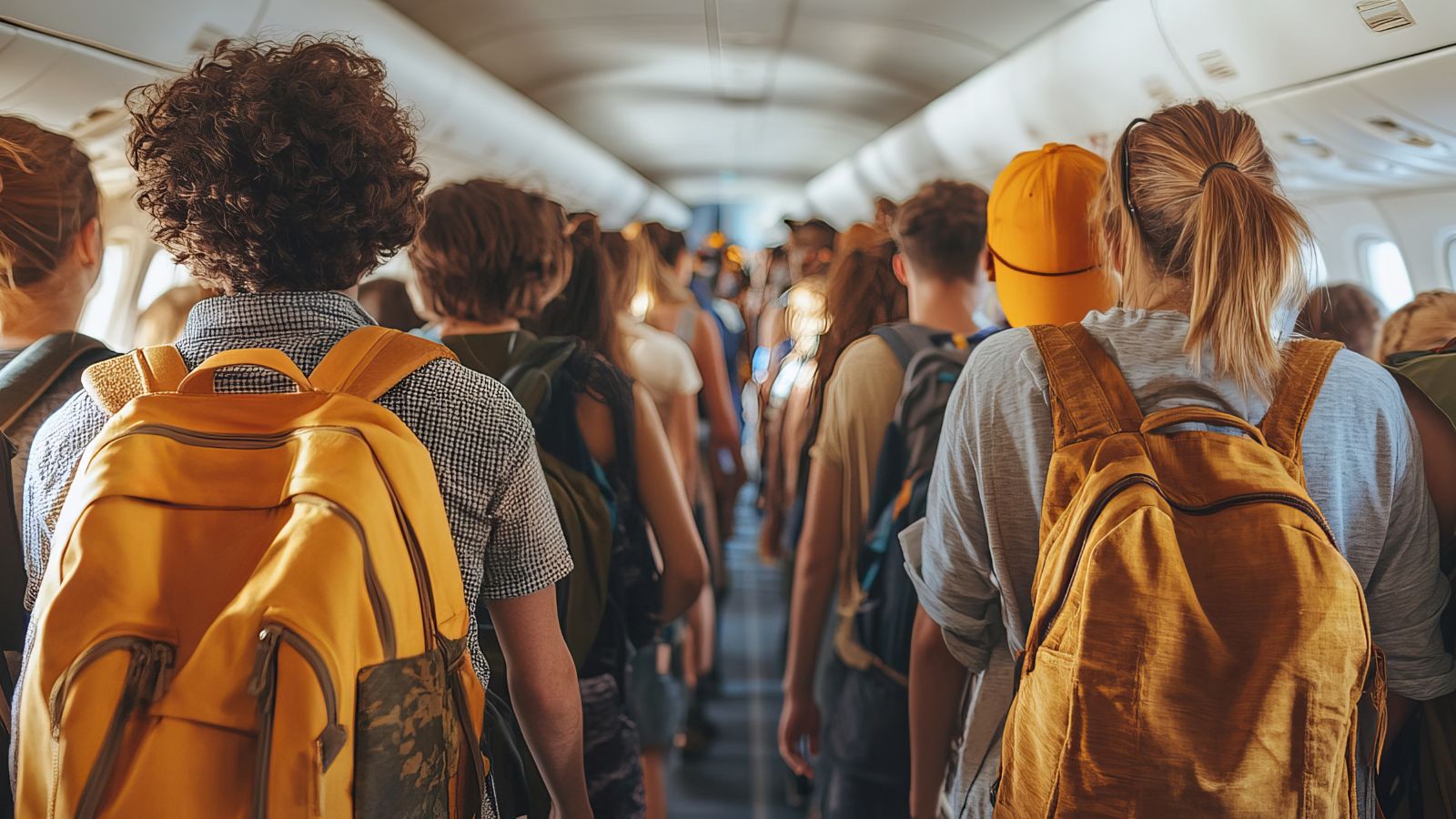
Experience often shows itself in timing. Seasoned travelers move without urgency. They understand waiting is part of flying. That steady approach helps the entire cabin settle faster.
So what can passengers do? Treat boarding as part of the flight, not a pause before it. Pay attention. Move deliberately. Prepare essentials in advance. Settle once seated. These small decisions reduce disruption and help the cabin find its rhythm sooner.
A smoother flight often begins before takeoff. When boarding starts calmly, the rest of the journey usually follows.
