Short Flights Leave No Room for a Bad Seat Choice
Short flights look easy on paper. An hour in the air. A quick hop. Barely enough time to open a book. That assumption is exactly why seat choice matters more on short flights than on long ones. When time is limited, discomfort has nowhere to hide.
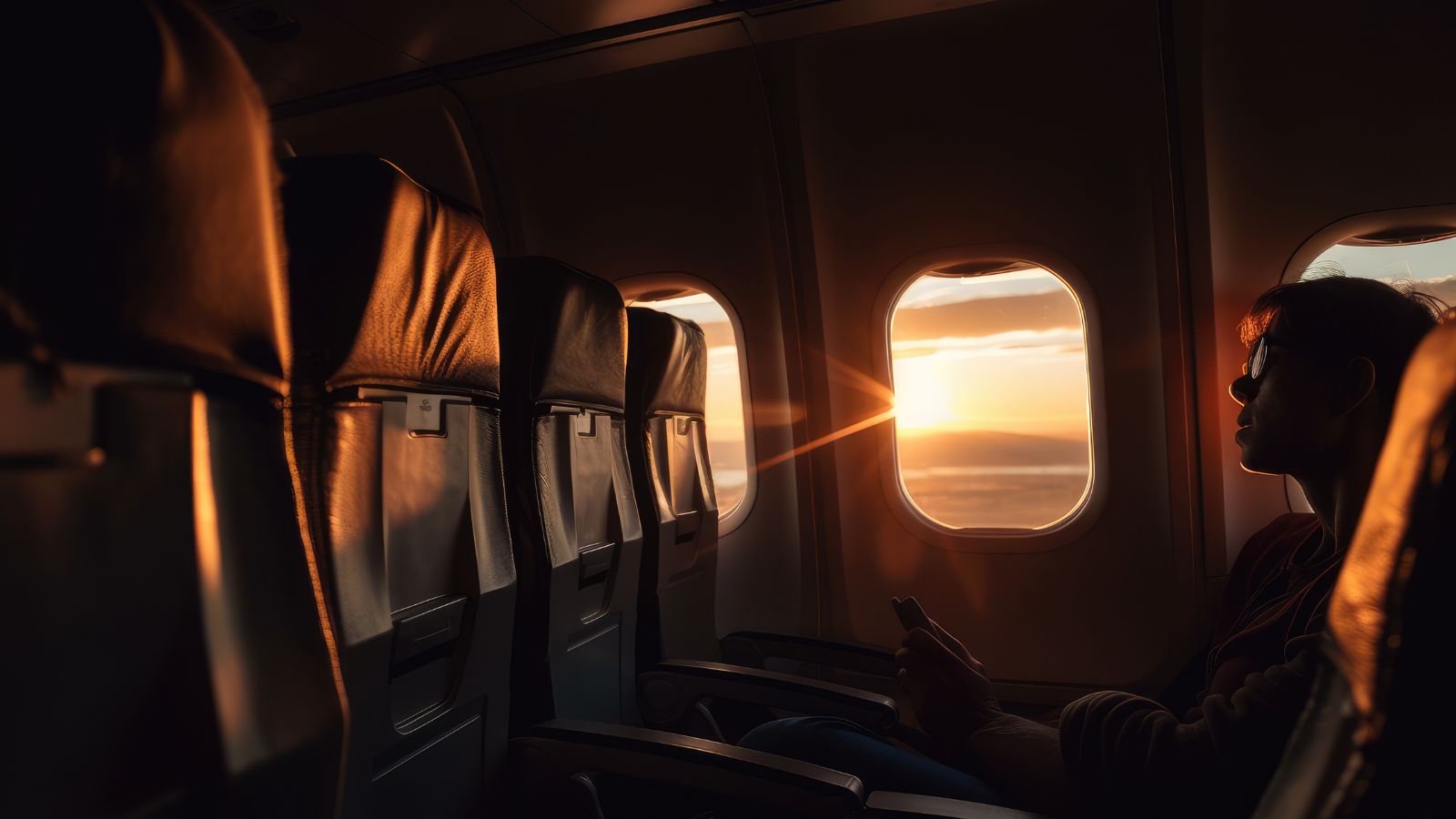
On longer flights, passengers adjust. They settle in. They stand up. They sleep. On short flights, every minute is concentrated. If the seat feels cramped, noisy, or disruptive, the entire journey feels off. There is no stretch of “later” when things improve. What you choose is what you live with from start to finish.
We see this most clearly with aisle and middle seats. On short flights, boarding and deplaning take up a larger portion of the total travel time. A seat near the aisle can mean constant interruptions as passengers pass, stand, or reach overhead. A middle seat, even briefly, magnifies discomfort when personal space is already limited. On a longer flight, these annoyances fade into the background. On a short one, they define the experience.

Noise and movement also matter more. Seats near galleys, lavatories, or exit rows experience more foot traffic. On a long flight, passengers mentally tune this out. On a short flight, the repeated movement feels nonstop. The cabin never quite settles before descent begins.
Legroom plays a similar role. On long flights, passengers anticipate discomfort and prepare for it. On short flights, expectations are higher. When knees press against the seat ahead or recline is restricted, irritation rises faster because travelers assumed comfort would not be an issue.
Even window seats behave differently on short routes. There is less time to enjoy the view, but more time spent leaning, adjusting, and managing light. A window can feel grounding or restrictive, depending on the aircraft and seat alignment. The impact is immediate.
This is why we encourage travelers to treat short flights with the same intention as long ones, if not more. Seat maps matter. Aircraft type matters. Proximity to high-traffic areas matters. Small details carry more weight when the journey is compressed.
A short flight does not forgive a poor choice. It magnifies it. When every minute counts, comfort becomes the experience, not a bonus.
Choosing well means arriving calmer, not just sooner. And on short flights, that difference is felt from the moment you sit down to the moment you stand up again.
