The One Driving Habit That Starts the Most Couples’ Road Trip Fights
We imagine road trips as easy bonding time, music playing, scenery changing, conversations flowing. Yet many couples find themselves arguing just hours into the drive. According to travel experts and relationship counselors, one driving habit consistently triggers the most tension on road trips rushing the drive instead of letting it unfold.

This habit shows up in different ways.
We push to beat traffic at all costs, refuse to stop when one person needs a break, or obsess over arrival times instead of how the journey feels. What starts as staying on schedule quickly becomes pressure inside a small, shared space. On long drives, pressure has nowhere to escape.
Rushing changes how we behave behind the wheel. Driving becomes sharper and less patient. Missed exits feel personal. Slower cars feel like obstacles instead of fellow travelers. Even small delays like construction zones, rest stops, weather can trigger irritation. When one partner feels pushed and the other feels unheard, conflict follows fast.
Experts note that road trips magnify emotional cues. We are sitting close, often tired, and unable to physically step away. When one person prioritizes speed over comfort, the message received is not we need to stay on time, but your needs slow us down. That perception, even when unintended, creates resentment.
The irony is that rushing rarely saves much time. Studies on highway driving show that aggressive pacing often gains only minutes over long distances, while increasing stress for everyone in the car. What it does change is the emotional tone of the trip. The drive becomes something to survive rather than enjoy.
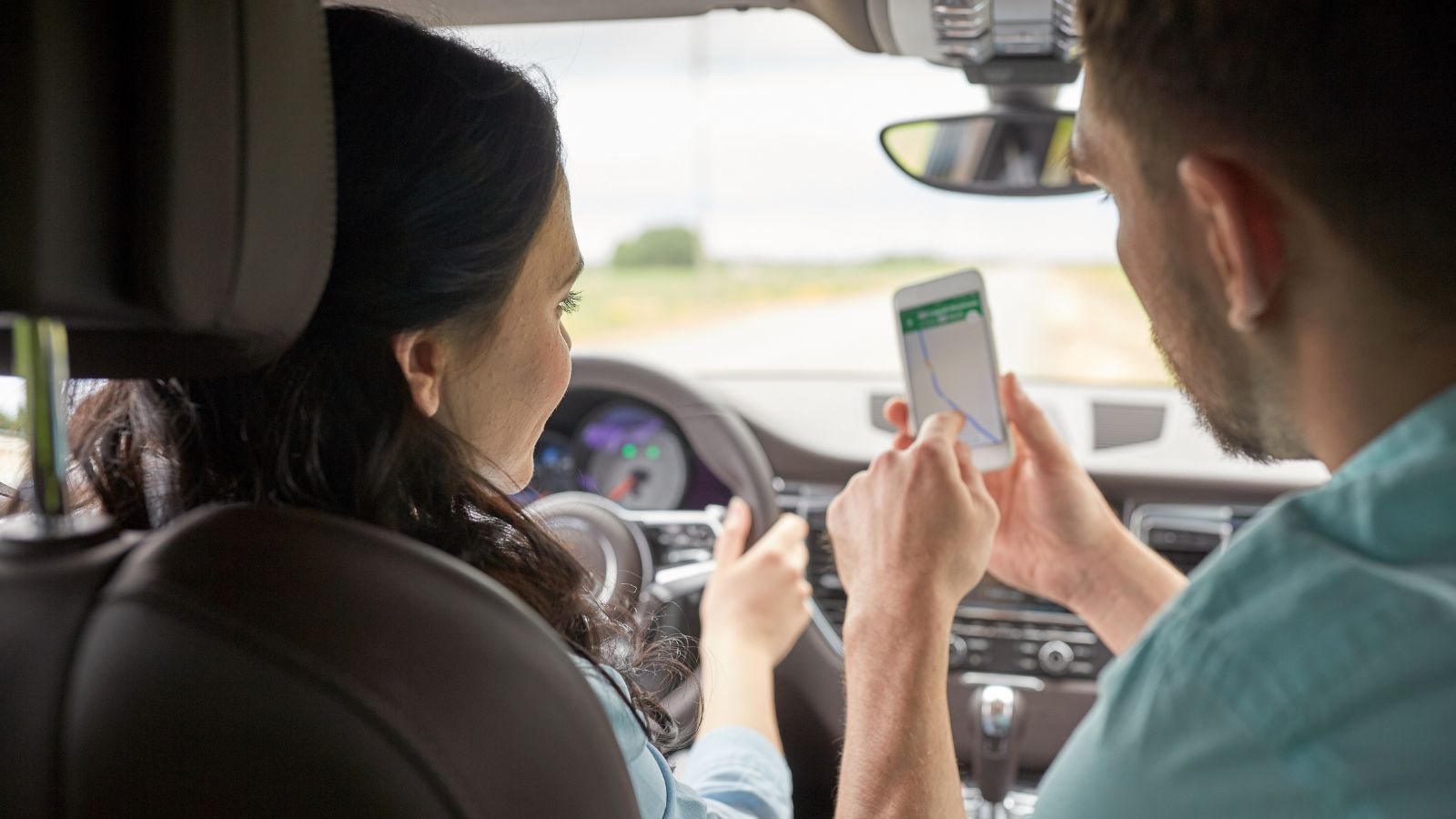
Couples who report smoother road trips tend to share one mindset, the drive is part of the vacation, not an obstacle to it. They plan realistic daily distances, agree on flexible arrival windows, and treat stops as features, not failures. A coffee break, a scenic overlook, or a stretch stop can reset energy and mood far more effectively than pushing through exhaustion.
When we slow the pace, communication improves. Decisions feel collaborative instead of forced. The car becomes a shared space again, not a countdown clock on wheels.
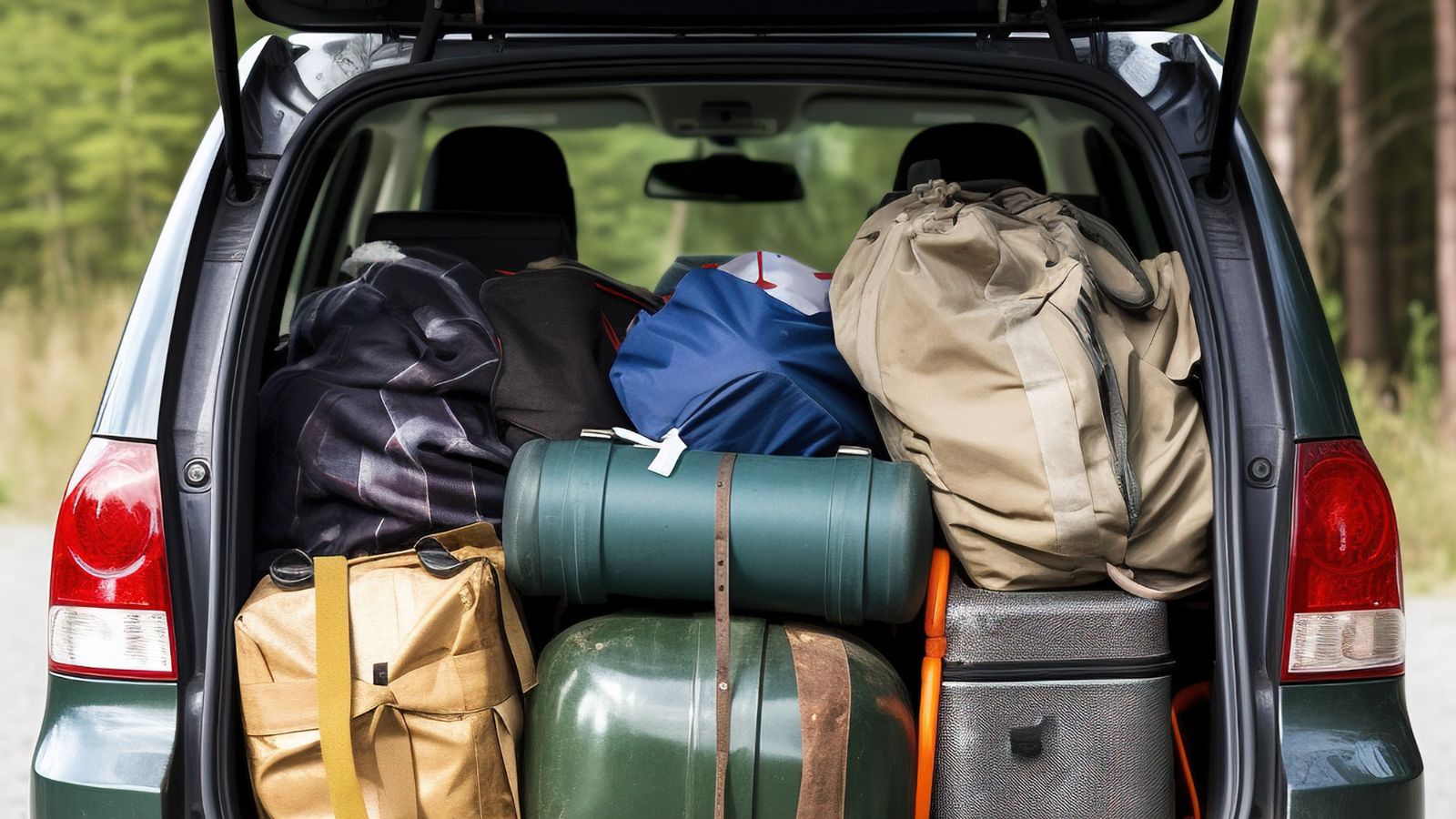
Road trips do not fall apart because of one wrong turn. They fall apart when the journey itself becomes a source of stress. By letting go of the urge to rush, we remove the single habit most likely to turn a romantic drive into a fight and give ourselves room to enjoy the road together.
