Experts Warn Some Social Media Posts Can Get Travelers in Trouble Overseas
Sharing travel moments online feels almost automatic. A photo at the airport, a joke about a long security line, or a comment about local politics can seem harmless when posted for friends back home. But in some countries, what we share on social media can carry legal or cultural consequences that many travelers do not anticipate.

The key issue is that online speech is not treated the same everywhere. Laws governing criticism of governments, public institutions, or cultural norms vary widely. Posts that might be seen as casual opinions in one country can be interpreted as offensive, disrespectful, or even illegal in another.
This can include political commentary, even if it feels indirect or humorous. Sharing or reposting content that criticizes local leadership, policies, or public figures may violate local laws. Some countries have strict rules about online speech, including penalties for content considered defamatory or harmful to national reputation.
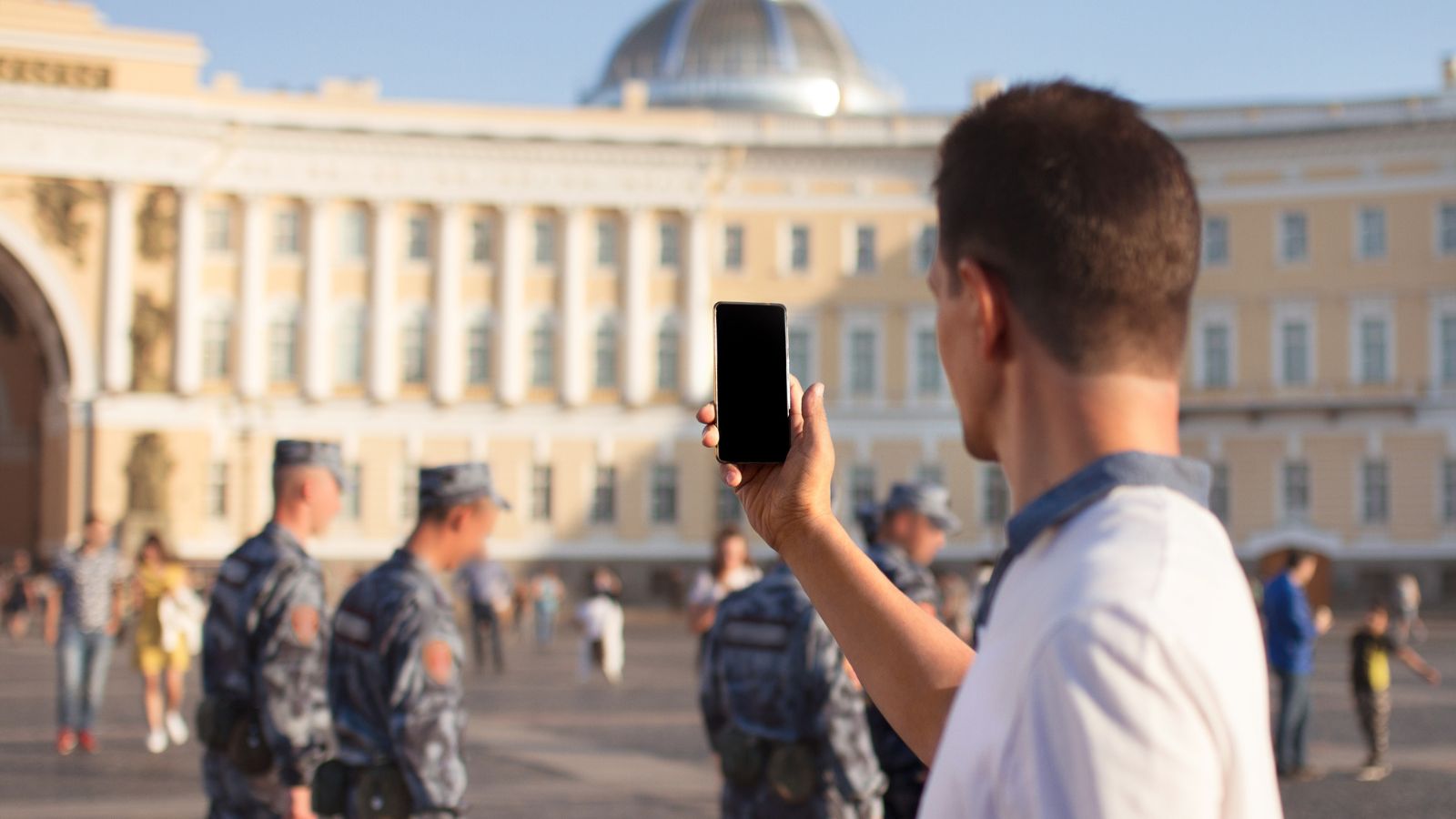
Photos can also create problems. Taking pictures near government buildings, airports, military sites, or certain infrastructure may be restricted. Posting those images publicly can draw attention in ways travelers did not intend. What feels like a normal travel snapshot can be viewed as sensitive content.
Cultural and religious sensitivities matter, too. Posts that mock local customs, dress, or traditions even as jokes can be taken seriously. Social media amplifies these messages beyond a private circle, making them more visible to authorities or local communities.
Another factor is permanence. Even deleted posts may already have been seen or shared. Border officials in some places have the authority to review public social media content, especially if a traveler is flagged for other reasons. A post made months earlier at home can resurface during international travel.
This does not mean we must avoid sharing travel experiences altogether. It does mean being mindful that we are guests in another country, both offline and online. Pausing before posting, avoiding political commentary about the destination, and steering clear of sensitive locations in photos can reduce risk.

Travel connects us to new places, but social media follows us across borders. Understanding that our online presence is still subject to local laws and cultural expectations helps ensure that a simple post does not turn into an unexpected legal or travel problem abroad.
