Service in France Can Feel Rude to Tourists, But Usually Isn’t
Many of us arrive in France expecting warm smiles, quick check-ins, and constant attention at restaurants and hotels. Instead, we sometimes encounter service that feels distant, slow, or overly direct. It is easy to mistake this for rudeness. In reality, the difference often comes down to contrasting ideas about what good service looks like.

The key idea is that in France, professional service is usually built on respect and independence, not friendliness or speed. Staff are expected to treat customers as capable adults who do not need constant hovering. That can feel unfamiliar to visitors from places where service is defined by cheerfulness and frequent check-ins.
In restaurants, for example, servers typically give diners space. They may not refill water unasked, check in every few minutes, or rush to bring the bill. This is not neglect. Meals are seen as private time for conversation and enjoyment, and interrupting too often would be considered intrusive. When we want something more bread, the check, or another drink we are expected to ask.
Greetings also matter. In shops, cafés, and hotels, saying bonjour before asking a question is a basic courtesy. Skipping this step and going straight to a request can come across as abrupt. When staff respond coolly, it may be a reaction to what feels like a missing social cue rather than intentional unfriendliness.

Directness can be another surprise. French service workers may be efficient and to the point, especially during busy periods. They are doing their job professionally, not performing warmth as part of the role. To locals, this is normal and respectful. To visitors expecting enthusiastic engagement, it can feel cold.
Tipping culture also plays a part. Service charges are often included, so staff are not relying on tips in the same way as in some other countries. The relationship between customer and server is less transactional and more formal, which shapes how interactions unfold.
When we interpret French service through our own expectations, we may label it rude too quickly. But when we understand that the goal is to provide competent service while preserving everyone’s personal space, the experience makes more sense.
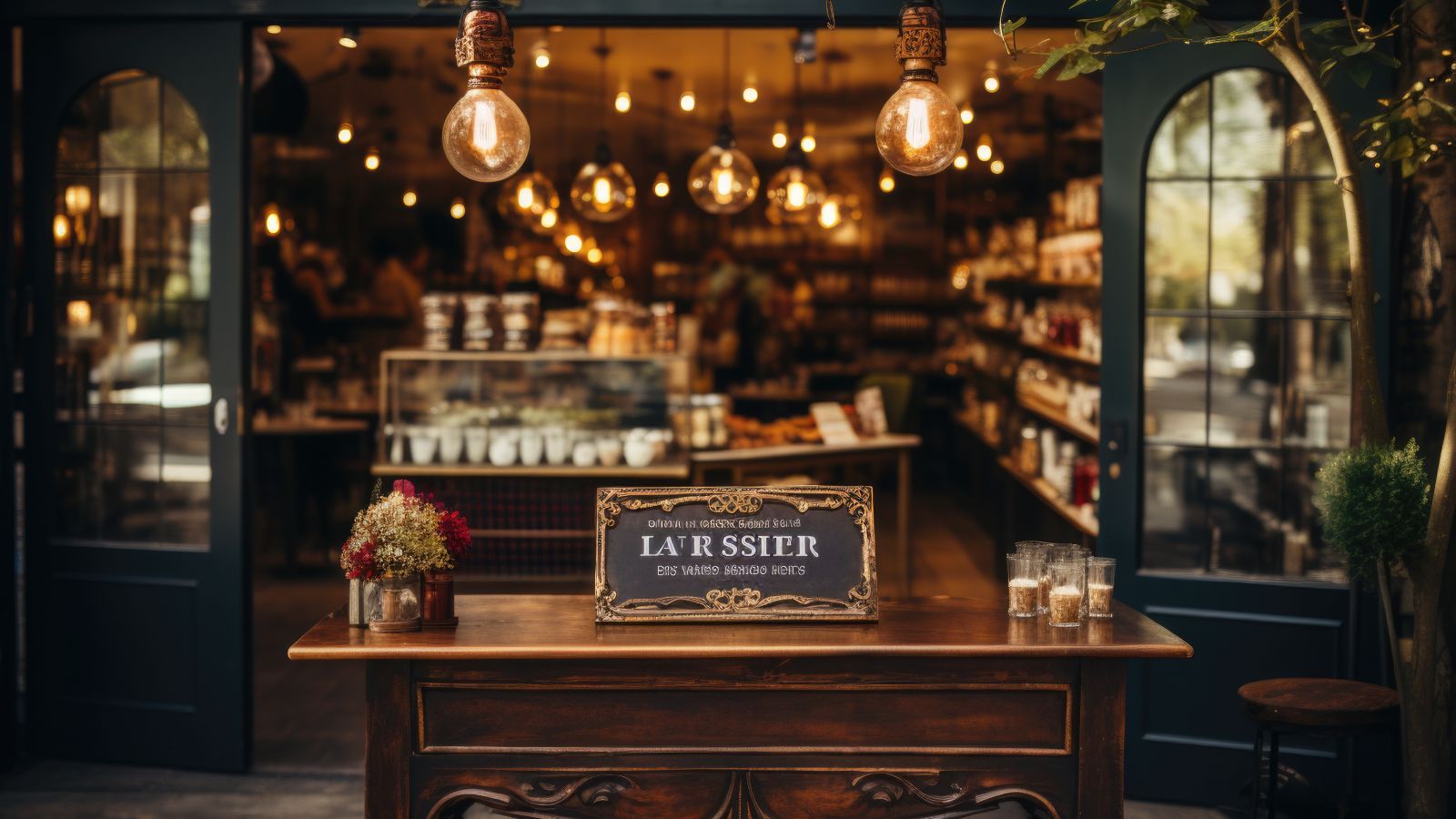
Service in France is not usually unfriendly. It simply follows a different social script one built on courtesy, distance, and mutual respect rather than constant attentiveness.
