This Common Travel Mistake Can Be Risky in Australia’s Outdoors
Australia’s landscapes look wide open and inviting. Beaches stretch for miles, trails lead into dramatic bushland, and national parks promise space and freedom. That sense of openness can make the outdoors feel approachable even casual. But one common travel mistake turns that relaxed mindset into real risk, underestimating distance and conditions.
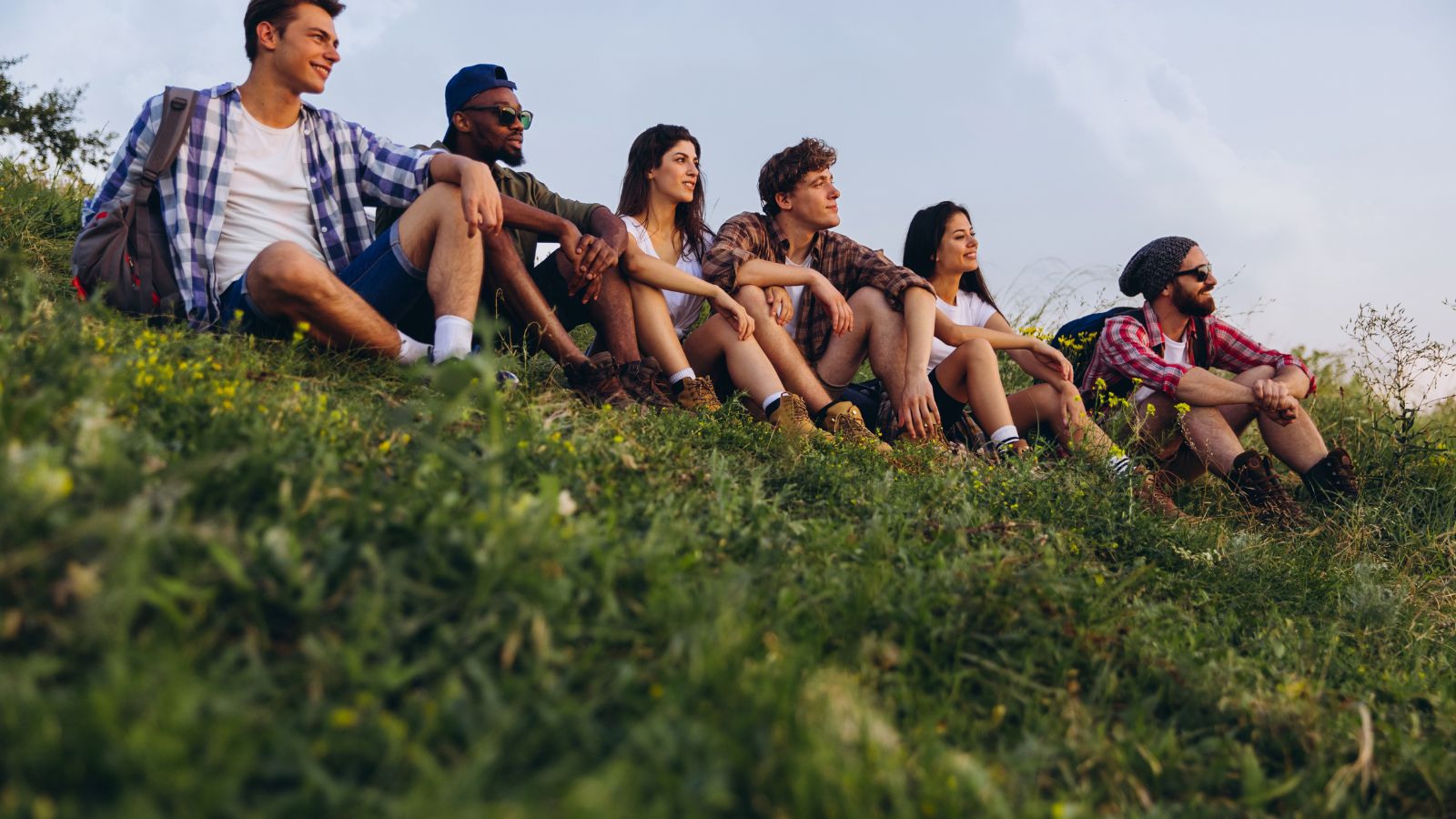
The key issue is scale. In many parts of Australia, distances that look short on a map can translate into long, exposed walks under intense sun, with little shade or water. Trails in places like the Blue Mountains in New South Wales or the Flinders Ranges in South Australia can feel manageable at the start, then become exhausting once heat, elevation, and terrain take their toll.
We often assume we can just walk a bit farther or turn back easily if needed. In remote or semi-remote areas, that flexibility is not always realistic. Mobile phone coverage can be limited, trail markers may be sparse, and weather can shift quickly. What begins as a short hike can turn into hours of effort without reliable access to help.
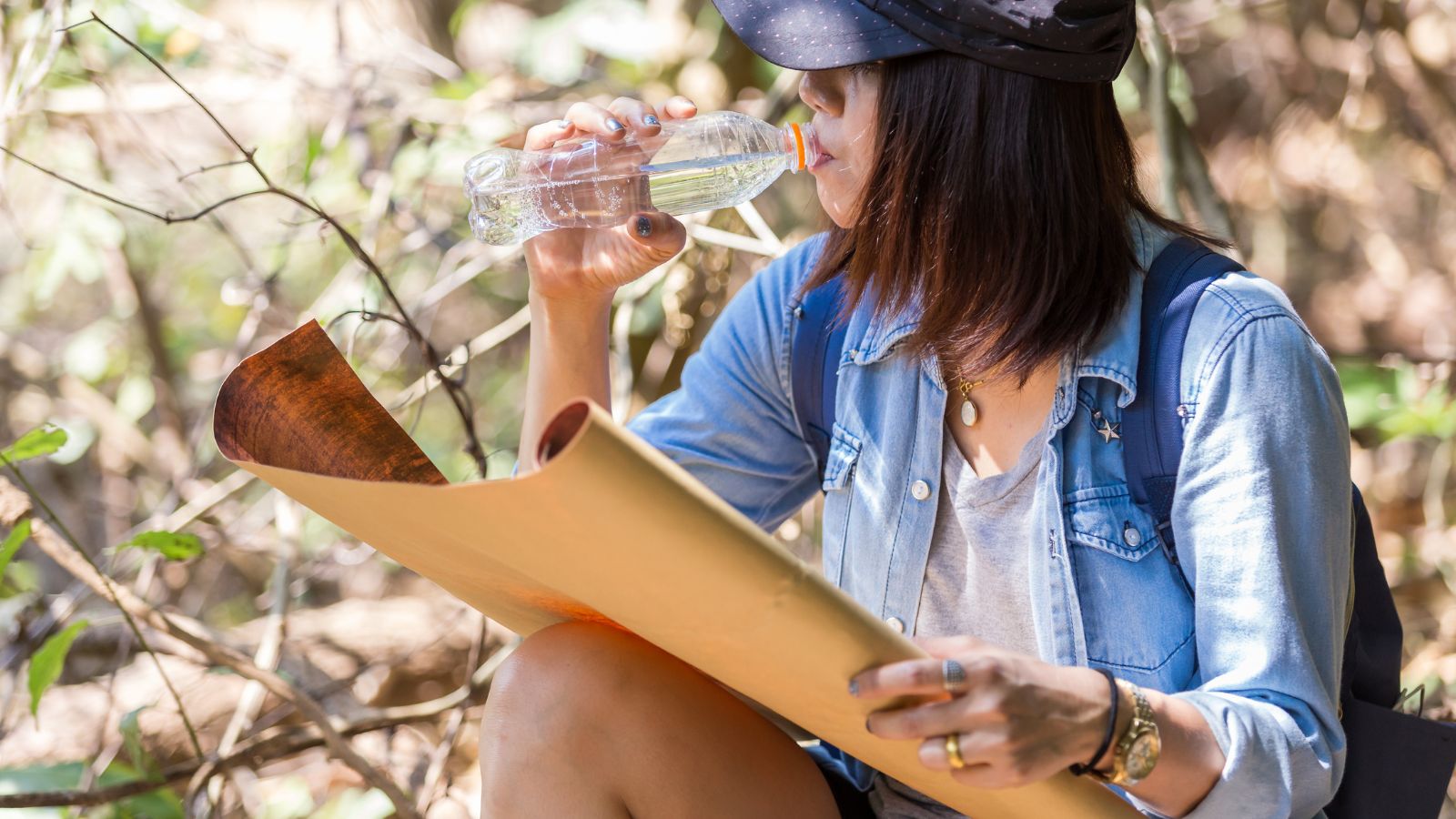
Heat and dehydration are major concerns. Australia’s sun can be much stronger than visitors expect, even on mild-looking days. Without enough water, a hat, and sun protection, fatigue sets in quickly. Dizziness, confusion, and poor decision-making can follow exactly when clear judgment is most needed.
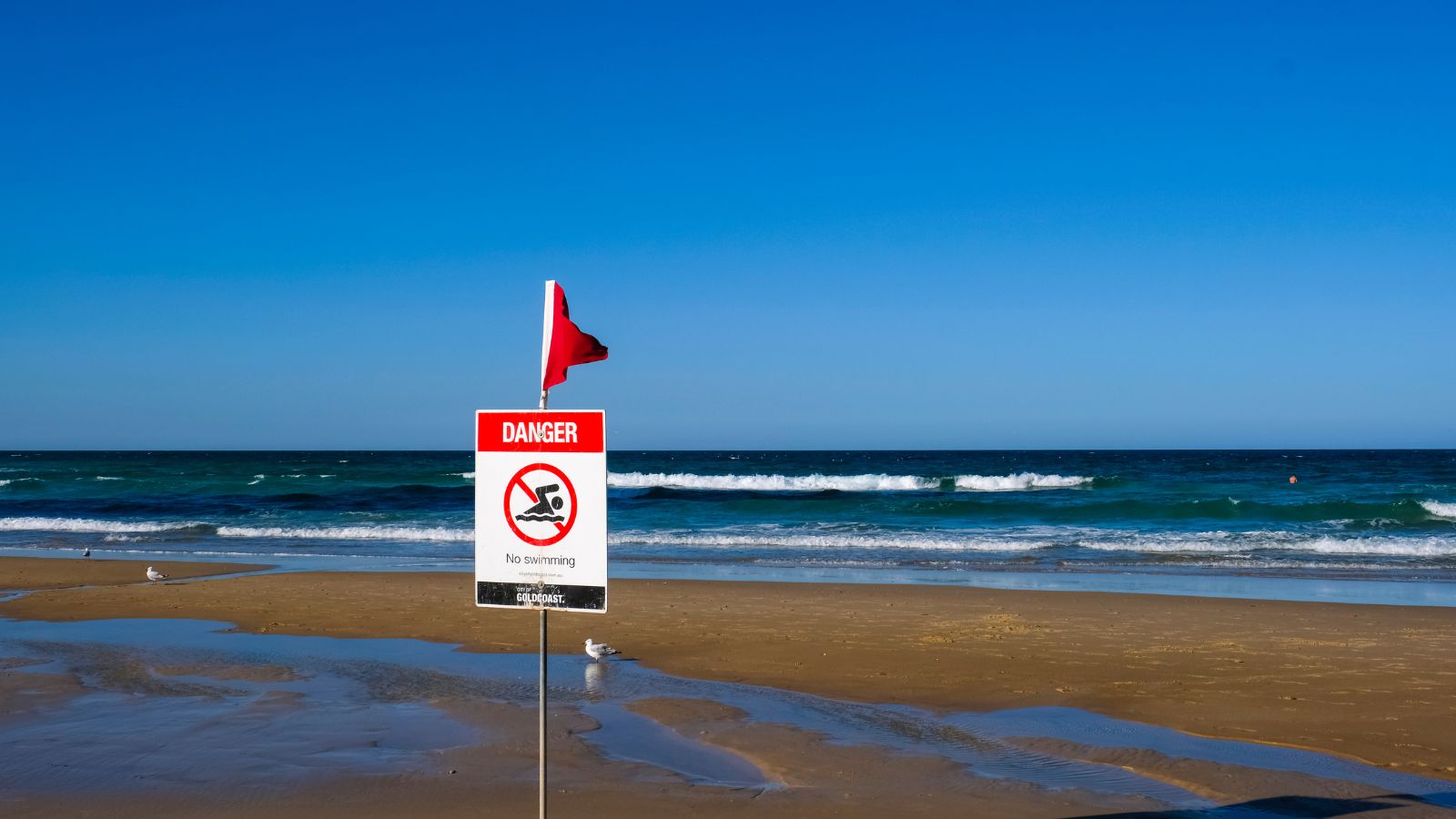
The ocean presents a similar challenge. Beaches along the east coast, including parts of Queensland and New South Wales, are known for strong rip currents. Calm-looking water can hide powerful flows that pull swimmers away from shore. Ignoring warning signs or swimming outside patrolled areas is a frequent mistake among visitors unfamiliar with local conditions.
None of this means travelers should avoid Australia’s outdoors. These places are part of what makes the country extraordinary. But they require preparation and respect. Checking distances carefully, carrying more water than we think we need, watching weather forecasts, and following local safety advice make a significant difference.
The common mistake is not carelessness, but misplaced confidence. Australia’s landscapes are beautiful, but they are also vast and demanding. Recognizing that scale and planning accordingly helps us enjoy the outdoors safely instead of learning hard lessons too late.
