Some Traditional Korean Dishes Can Take Time for Visitors to Appreciate
South Korea’s food scene has earned global attention, and for good reason. From sizzling barbecue to comforting bowls of soup and colorful side dishes, meals there are often as memorable as the sights. Many of us arrive excited to try authentic Korean cuisine, expecting bold flavors and something a little different from what we’re used to at home. But food experts and seasoned visitors alike point out that some traditional dishes can take a bit of adjustment at first especially when it comes to fermentation.
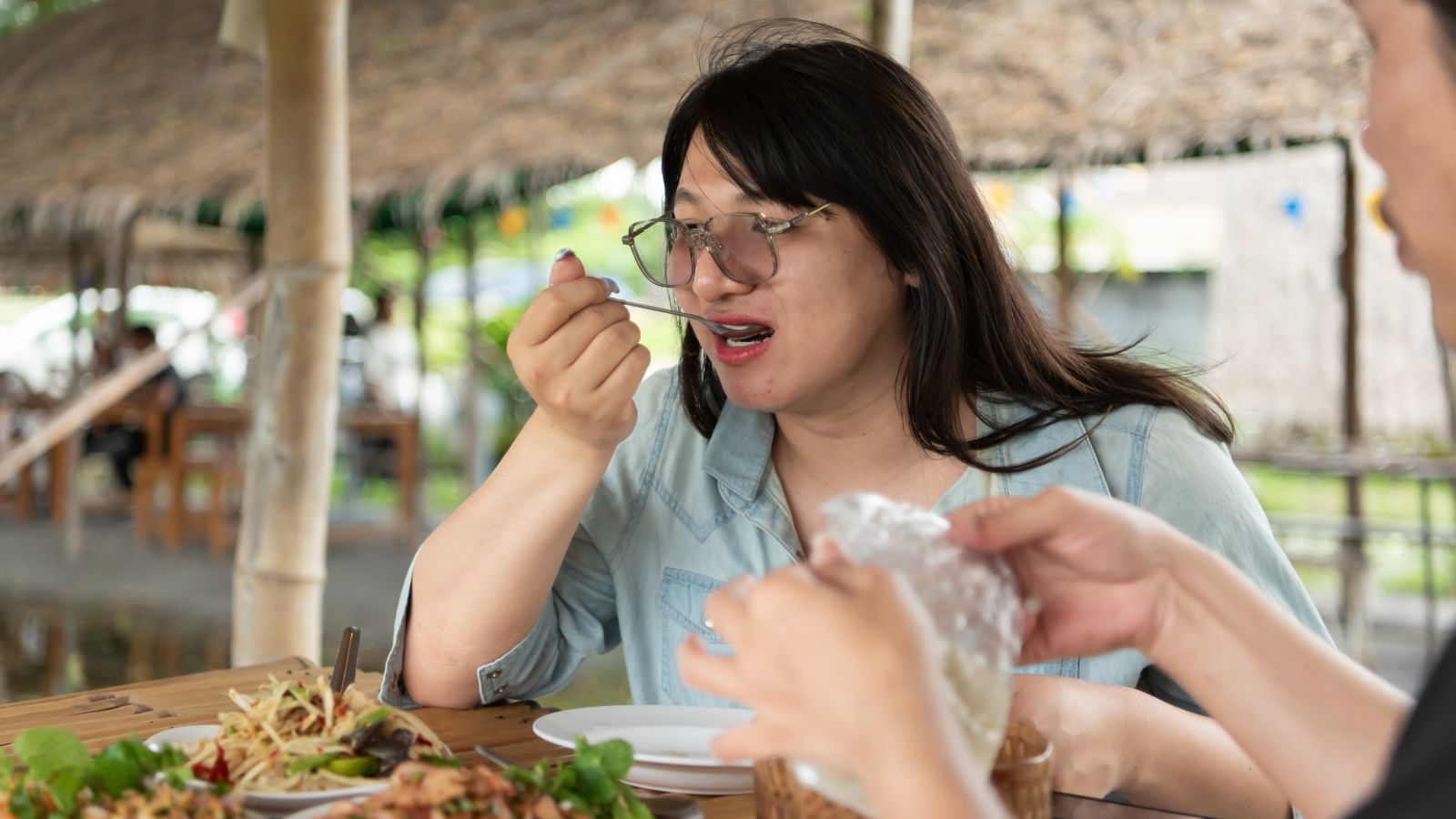
Fermented flavors play a central role in Korean cooking. Ingredients like kimchi, doenjang (soybean paste), and fermented seafood sauces have been part of everyday meals for generations. These foods are valued not just for taste, but for history, preservation methods, and even health benefits. Still, if we didn’t grow up with these flavors, the first bite can be surprising.
Kimchi is often the introduction. While many of us are familiar with the spicy cabbage version served in Korean restaurants abroad, in Korea there are hundreds of varieties. Some are extra sour from long fermentation, others are intensely garlicky, and some include seafood-based seasonings that add a deep, briny note. For newcomers, that strong aroma and tangy bite can be more powerful than expected.
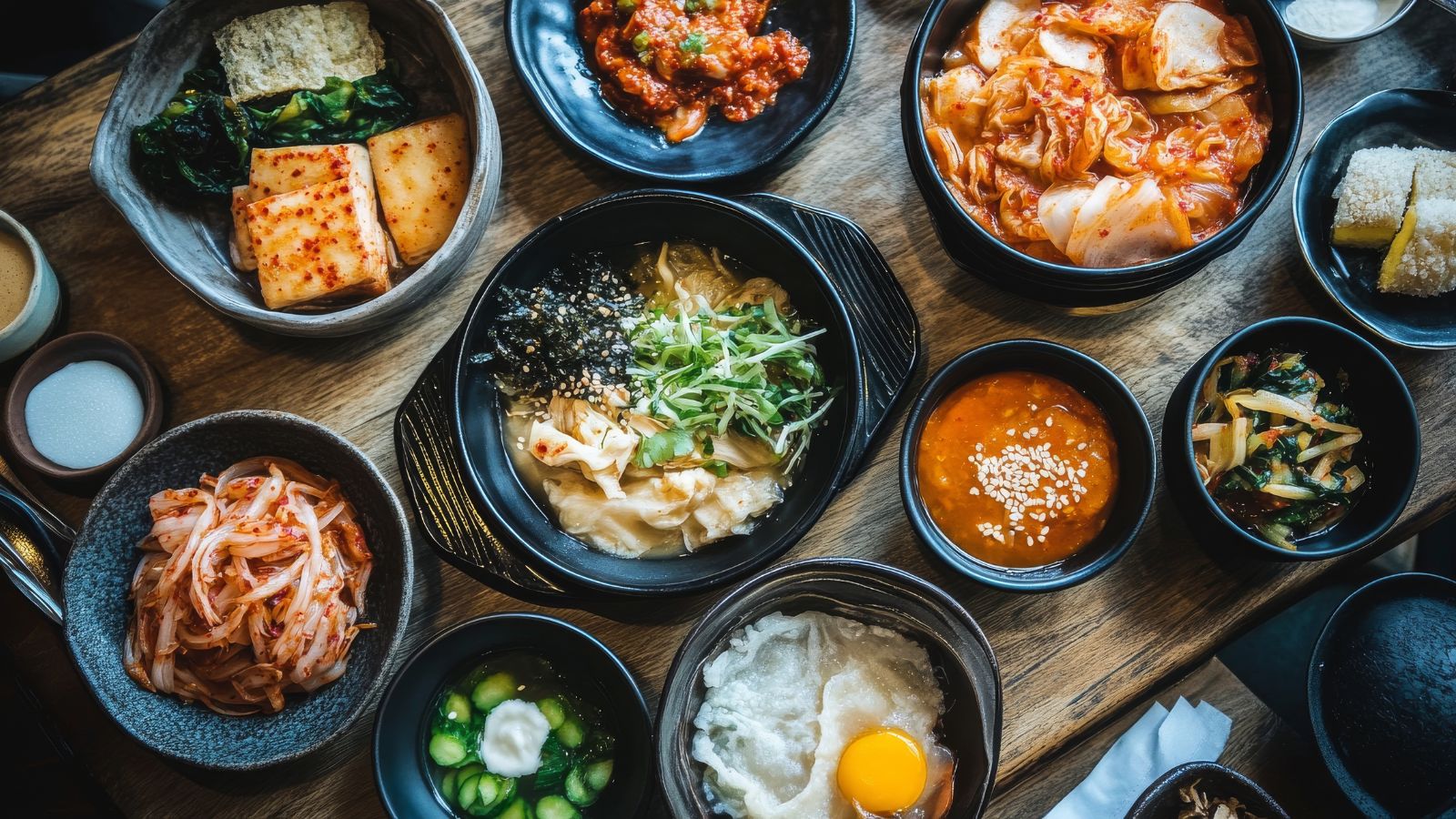
The same goes for dishes built around fermented soybean paste, such as doenjang jjigae, a hearty stew. Its rich, earthy flavor is comforting to locals but can taste unusually strong to first-time visitors. It’s not that the food is too much, it’s that our palates may simply need time to recognize and appreciate those layers of flavor.
Understanding this can change the way we experience meals. Instead of assuming we won’t like something after one bite, we can see it as part of learning about a different food culture. Many travelers find that dishes they were unsure about on day one become favorites by the end of the trip.
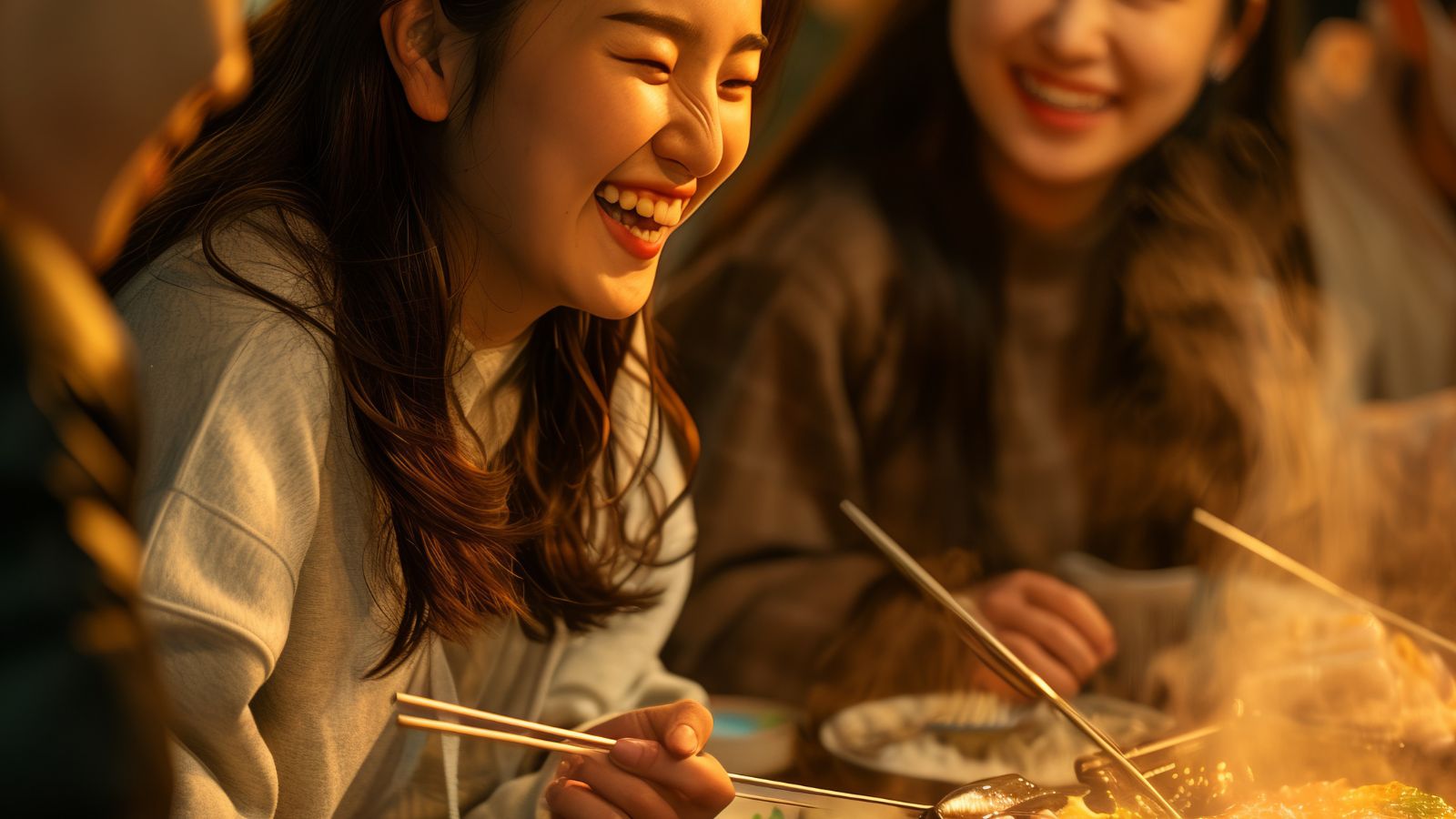
Before we go, we think it helps to approach traditional Korean food with curiosity rather than expectations based on familiar tastes. We recommend trying small portions first and asking locals or servers for guidance on what to pair together. When we give ourselves time to adjust, those once-unfamiliar flavors often become some of the most memorable parts of the journey.
