11 UNESCO World Heritage Sites Every Traveler Should See at Least Once
Some places carry significance that goes beyond scenery or popularity. They represent shared history, cultural achievement, or landscapes shaped over centuries. Visiting them is not just about seeing something impressive. It is about understanding why it matters.
UNESCO World Heritage Sites are designated for their cultural or natural importance, and that recognition often shapes how they are preserved and experienced. These sites tend to be well-protected, thoughtfully managed, and deeply tied to the identity of the surrounding places. For couples, that often translates into visits that feel meaningful without requiring constant explanation or context.
Planning a trip around sites like these can also simplify decision-making. They offer a clear sense of purpose and help anchor itineraries around places that reward time and attention rather than rushed sightseeing. Many are woven into everyday life, making them easier to experience at a comfortable pace.
We have focused on sites recognized by UNESCO that consistently stand out for first-time visitors. This list highlights 11 UNESCO World Heritage Sites every traveler should see at least once, chosen for their significance, accessibility, and lasting impact on the travel experience.
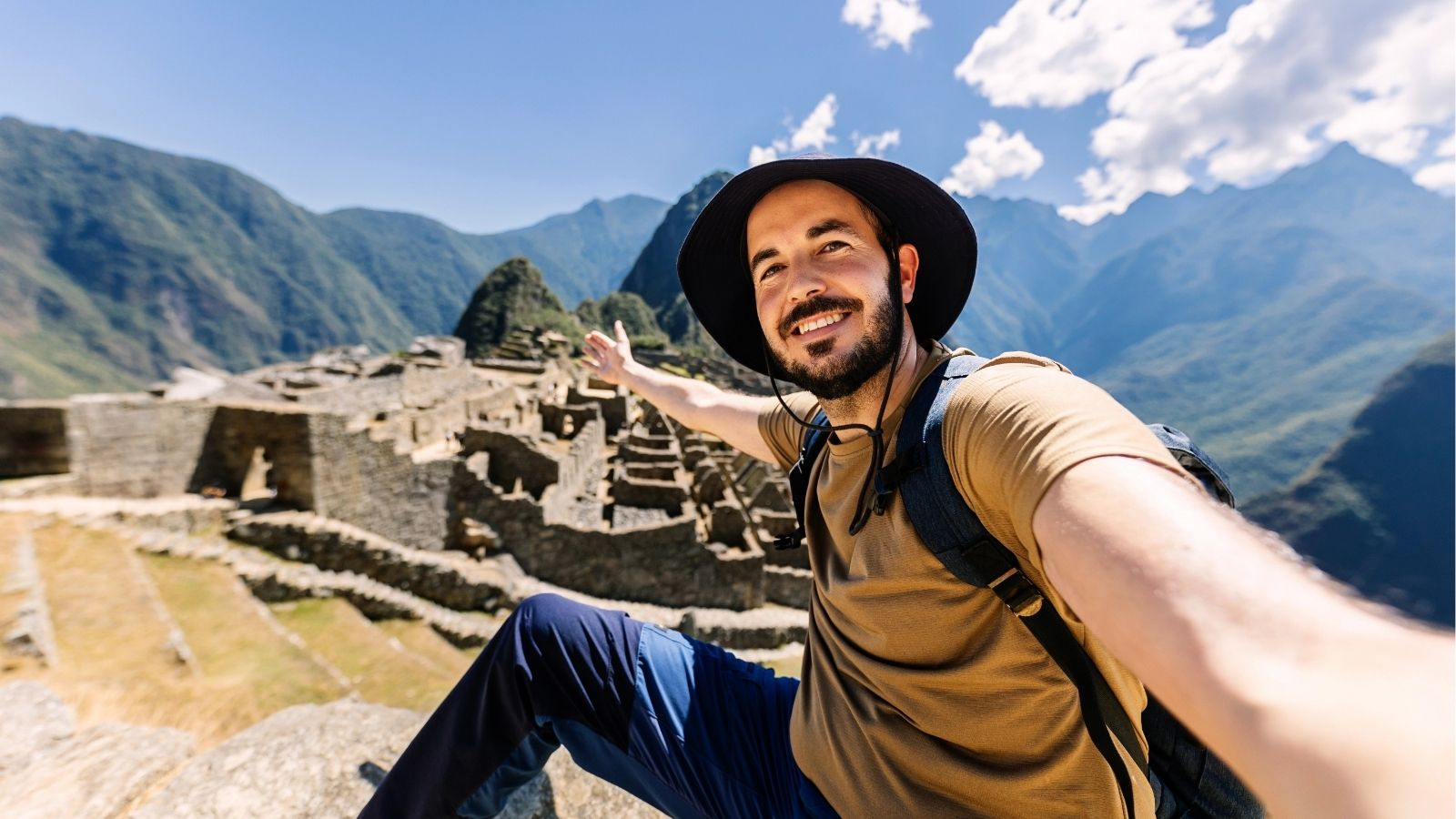
Machu Picchu
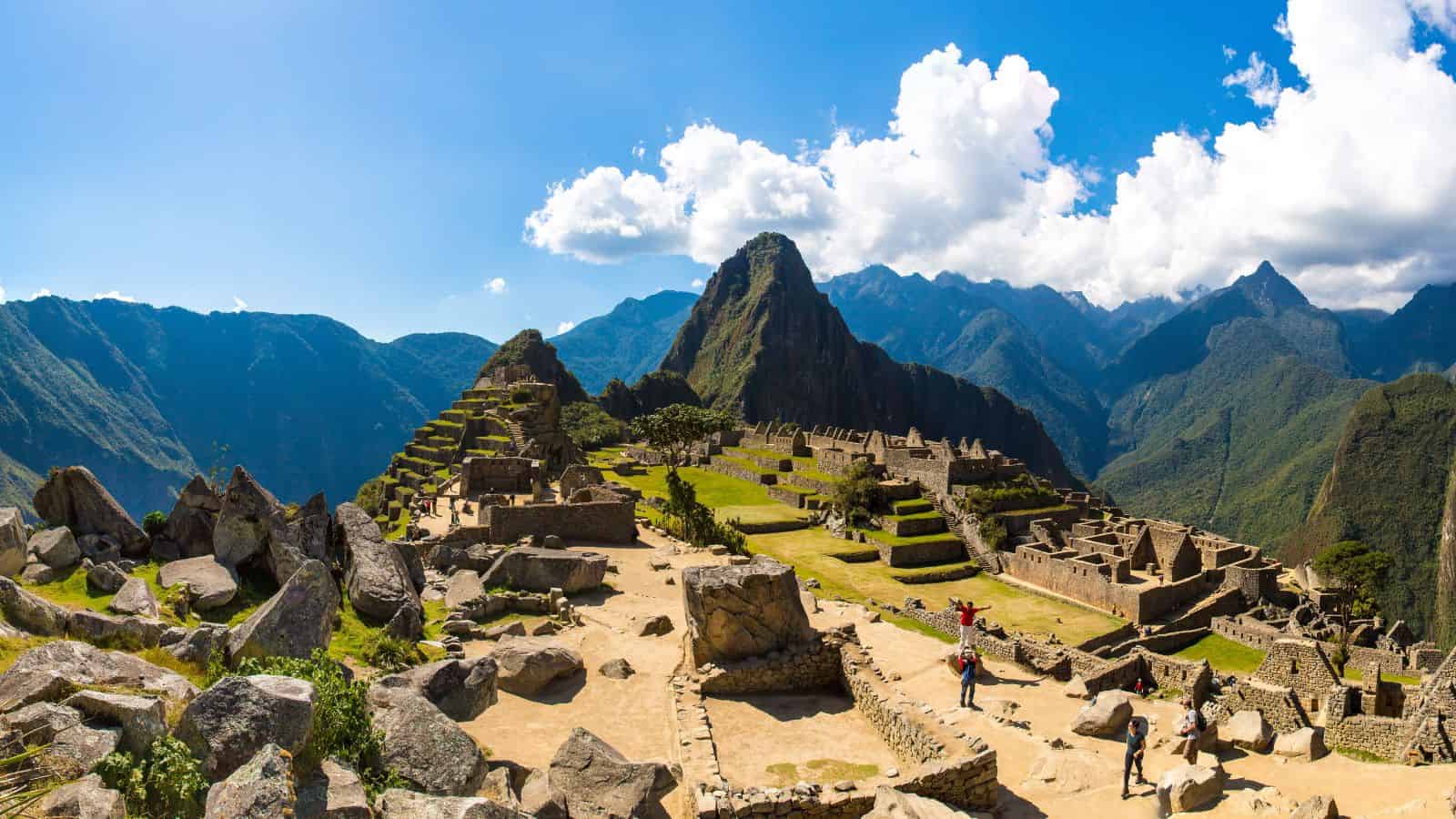
Machu Picchu sits high above the Sacred Valley, where scale and setting shape the experience as much as the ruins themselves. Stone terraces, temples, and pathways reveal a complex understanding of landscape rather than a single monument. Movement is controlled through timed entry and designated routes, which keeps foot traffic manageable but requires planning. Weather shifts quickly, changing visibility and mood throughout the day.
Takeaway: Machu Picchu is most rewarding when tickets, transport, and entry times are secured well in advance to reduce stress on arrival.
Great Wall
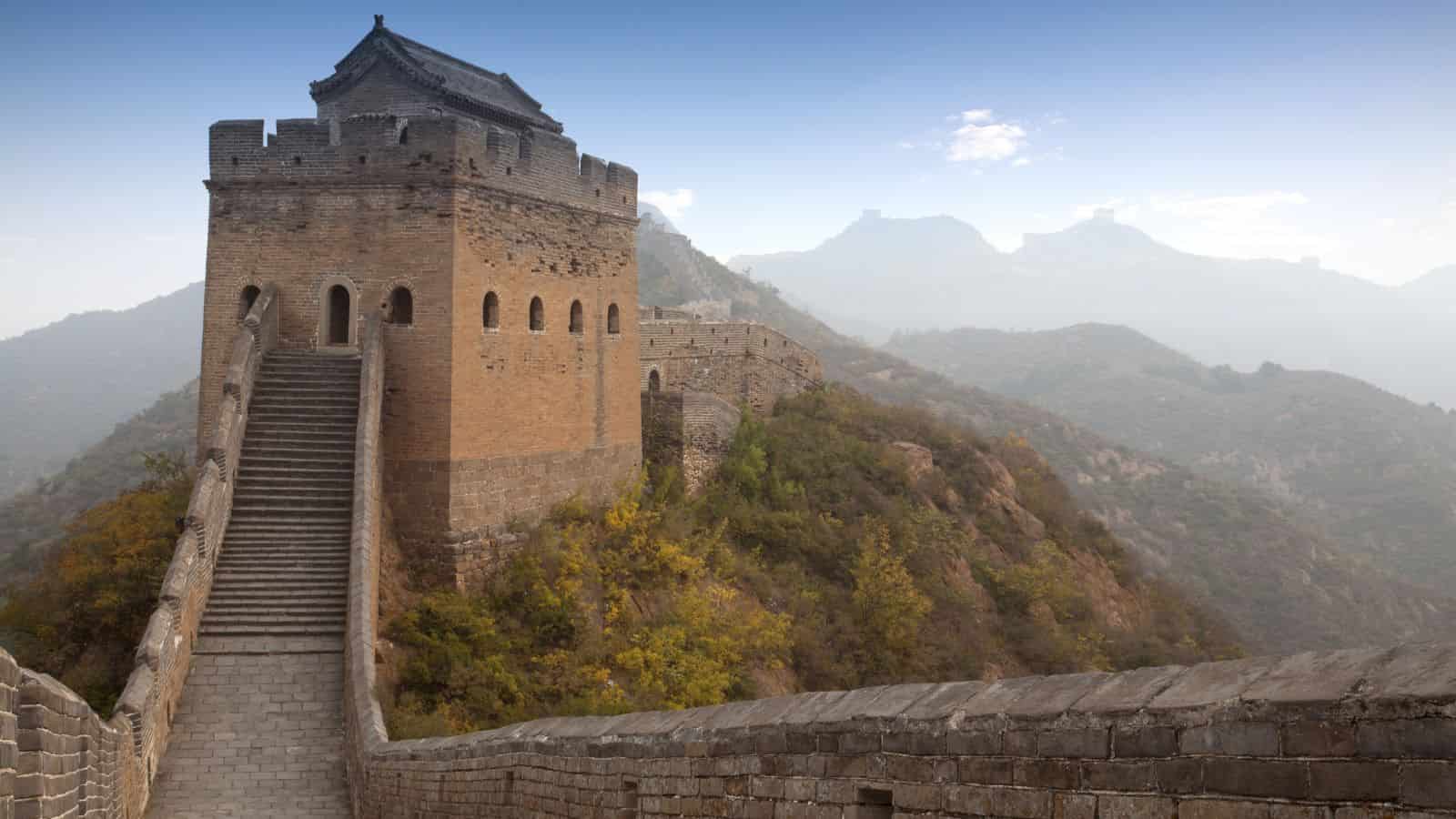
The Great Wall is not one site but a series of stretches that cross varied terrain. Some sections feel restored and structured, while others remain rugged and remote. Walking along it reveals how geography dictated construction choices and defensive strategy. Crowds vary dramatically by location and time of day.
Takeaway: The Great Wall is best experienced by choosing a specific section that matches your pace and comfort level rather than defaulting to the busiest access point.
Taj Mahal
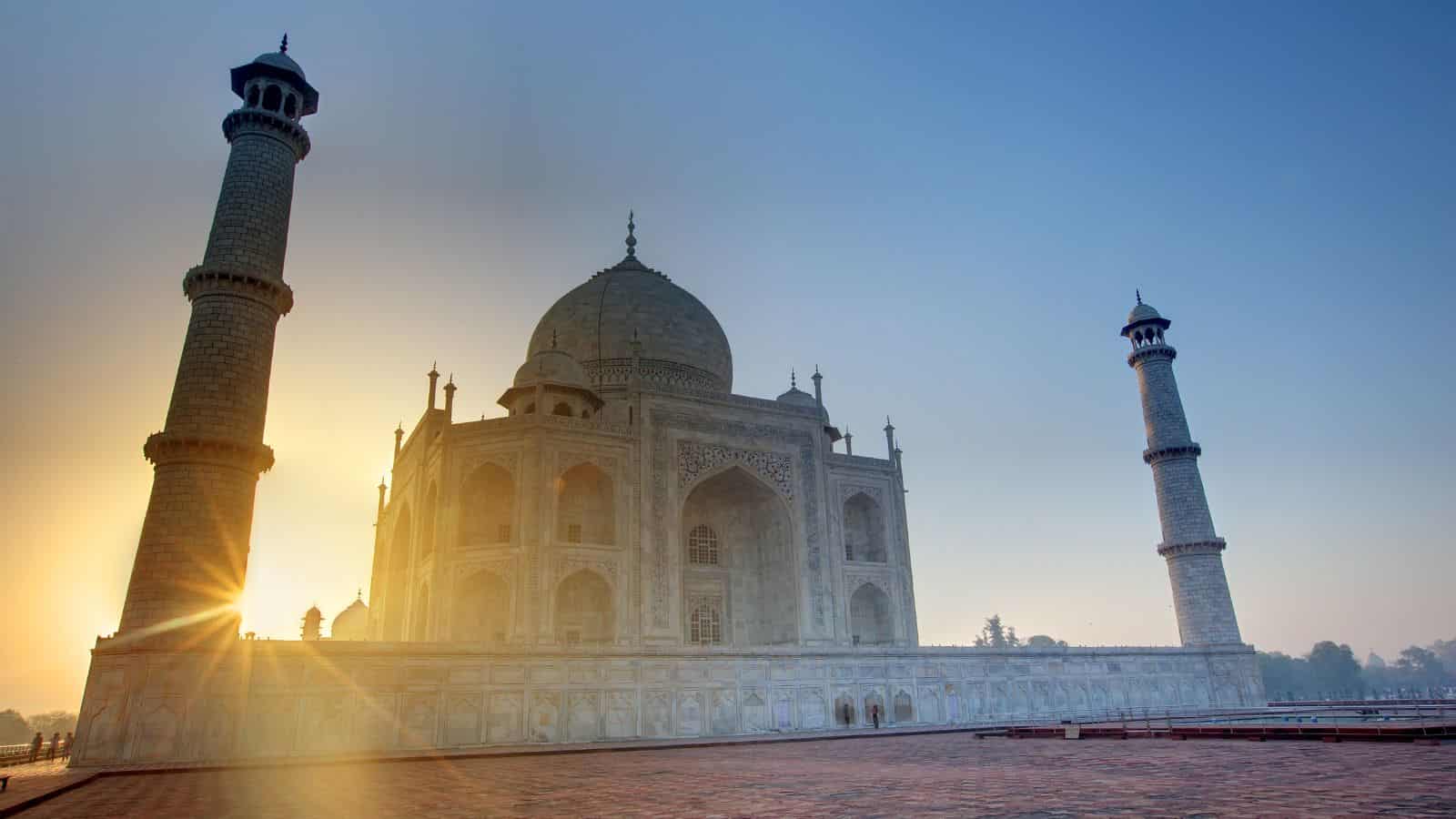
The Taj Mahal is defined by symmetry and restraint. Its marble surfaces change tone with light, making timing as important as proximity. Entry is carefully regulated, and security is strict, which shapes how long visitors can linger. The surrounding gardens and approach paths are part of the design, not an afterthought.
Takeaway: The Taj Mahal feels most complete when visited early in the day, before heat and crowds compress the experience.
Petra
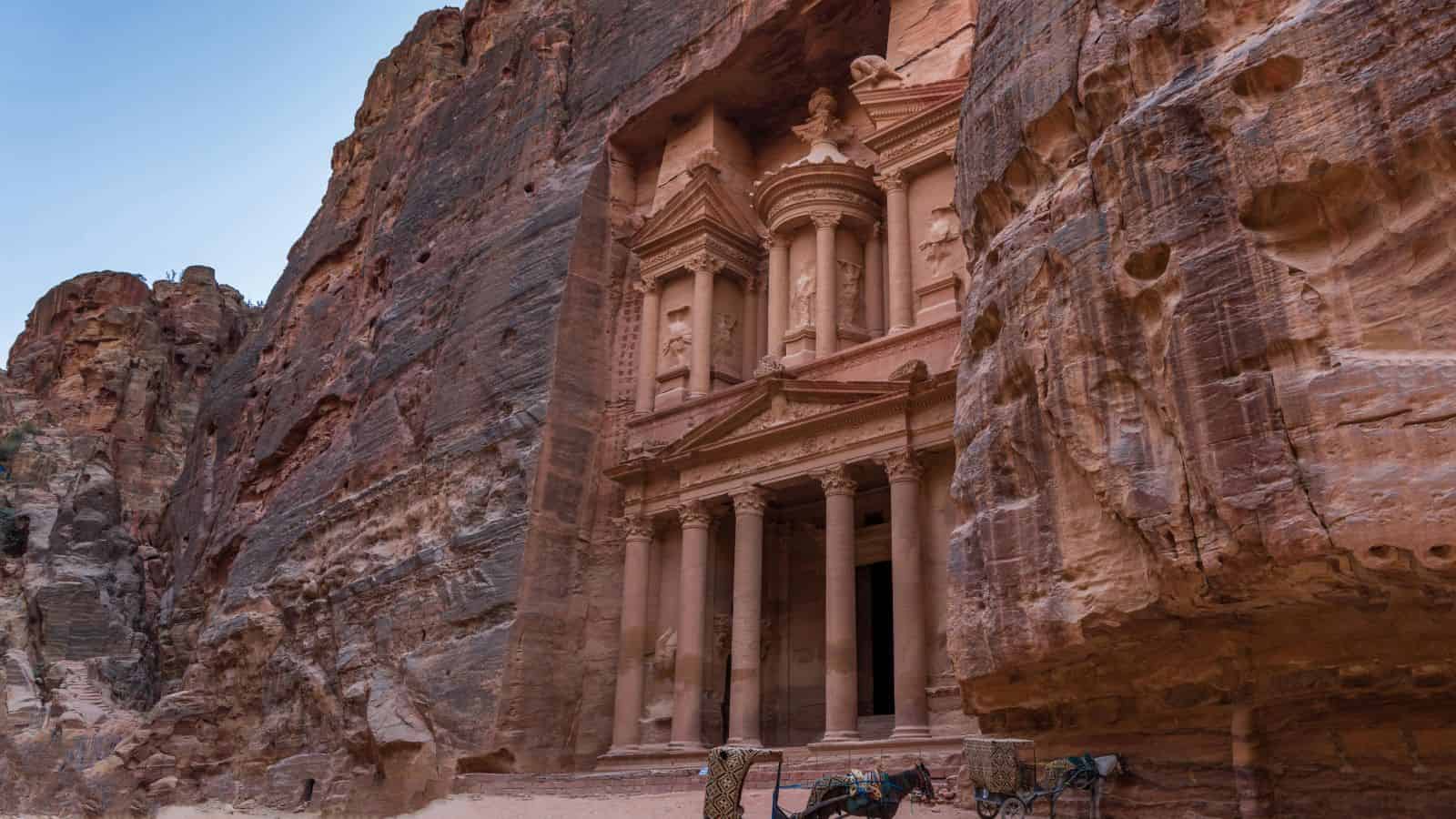
Petra reveals itself gradually, beginning with a long approach through a narrow canyon. The famous Treasury is only one element of a vast site that includes tombs, stairways, and open plateaus. Distances are significant, and uneven terrain demands steady pacing.
Takeaway: Petra requires realistic time planning, with full days allocated to explore beyond the main viewpoint.
Angkor
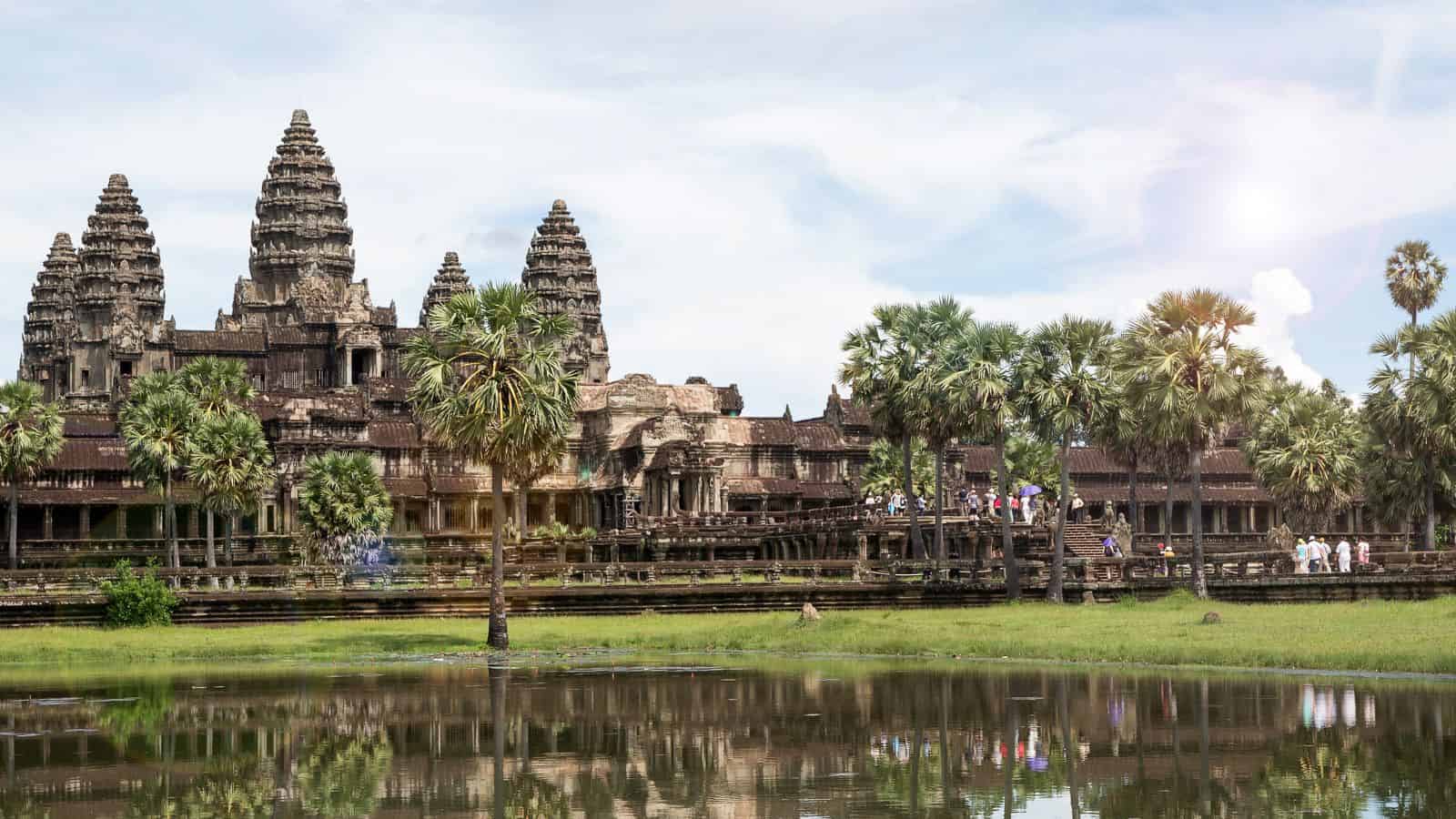
Angkor is a sprawling network of temples rather than a single landmark. Scale is its defining feature, with ruins spread across forested land and connected by long paths. Light and heat shape the experience, and distances between temples add up quickly.
Takeaway: Angkor is best approached with a loose route plan that limits daily stops and accounts for heat and travel time between sites.
Acropolis
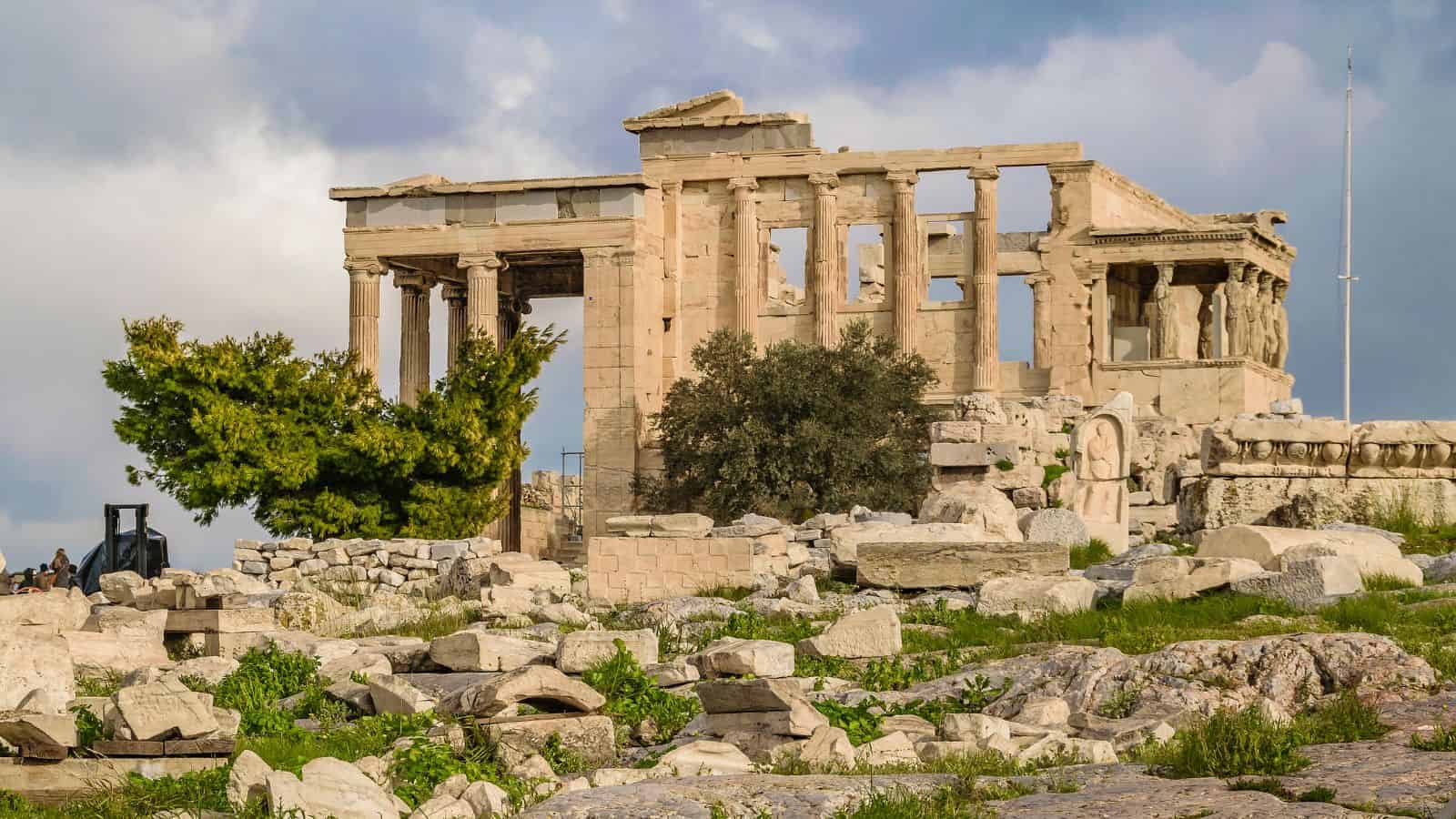
The Acropolis rises above modern Athens, making its presence unavoidable and defining the city’s visual center. The Parthenon and surrounding structures reflect careful planning, proportion, and long-term durability rather than ornament alone. Paths are exposed, and conditions change quickly with heat and wind. Crowds concentrate mid-day, compressing movement through key areas.
Takeaway: The Acropolis is best experienced early or late in the day, when light and crowd levels allow space to observe detail and setting.
Galápagos Islands

The Galápagos Islands operate as a protected system rather than a single destination. Wildlife encounters happen at close range, governed by strict rules that limit access and group size. Movement between islands is structured, and daily schedules follow conservation priorities. The experience is immersive but tightly managed.
Takeaway: Galápagos travel requires advance planning and acceptance of fixed itineraries designed around environmental protection.
Serengeti National Park
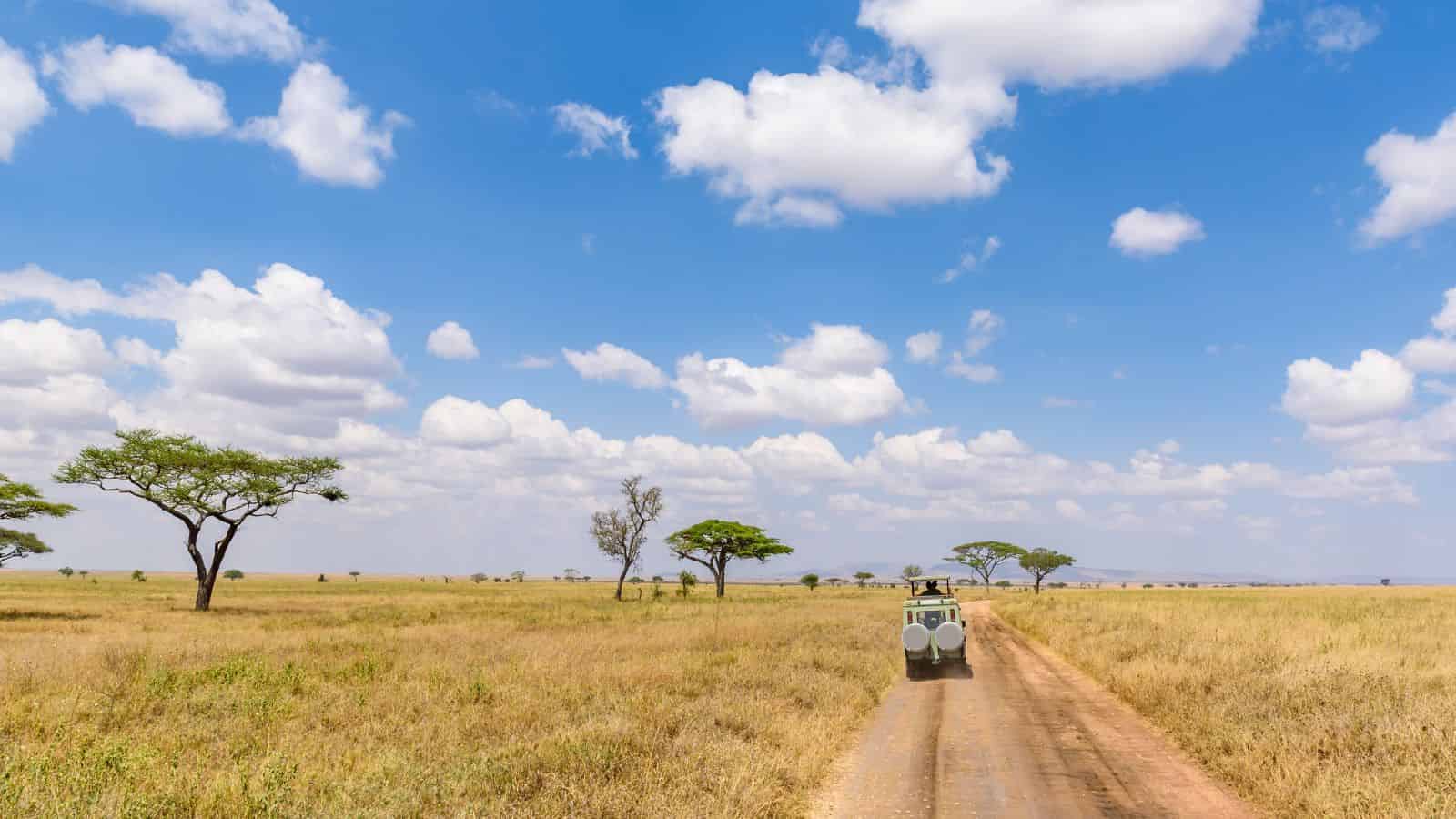
The Serengeti’s scale reshapes expectations. Open plains extend in every direction, and wildlife movement dictates timing more than visitor schedules. Seasonal changes affect visibility and density, especially during migration periods. Distances are long, and daily drives require patience.
Takeaway: The Serengeti is most meaningful when visits align with seasonal patterns and allow unstructured time for observation.
Rapa Nui
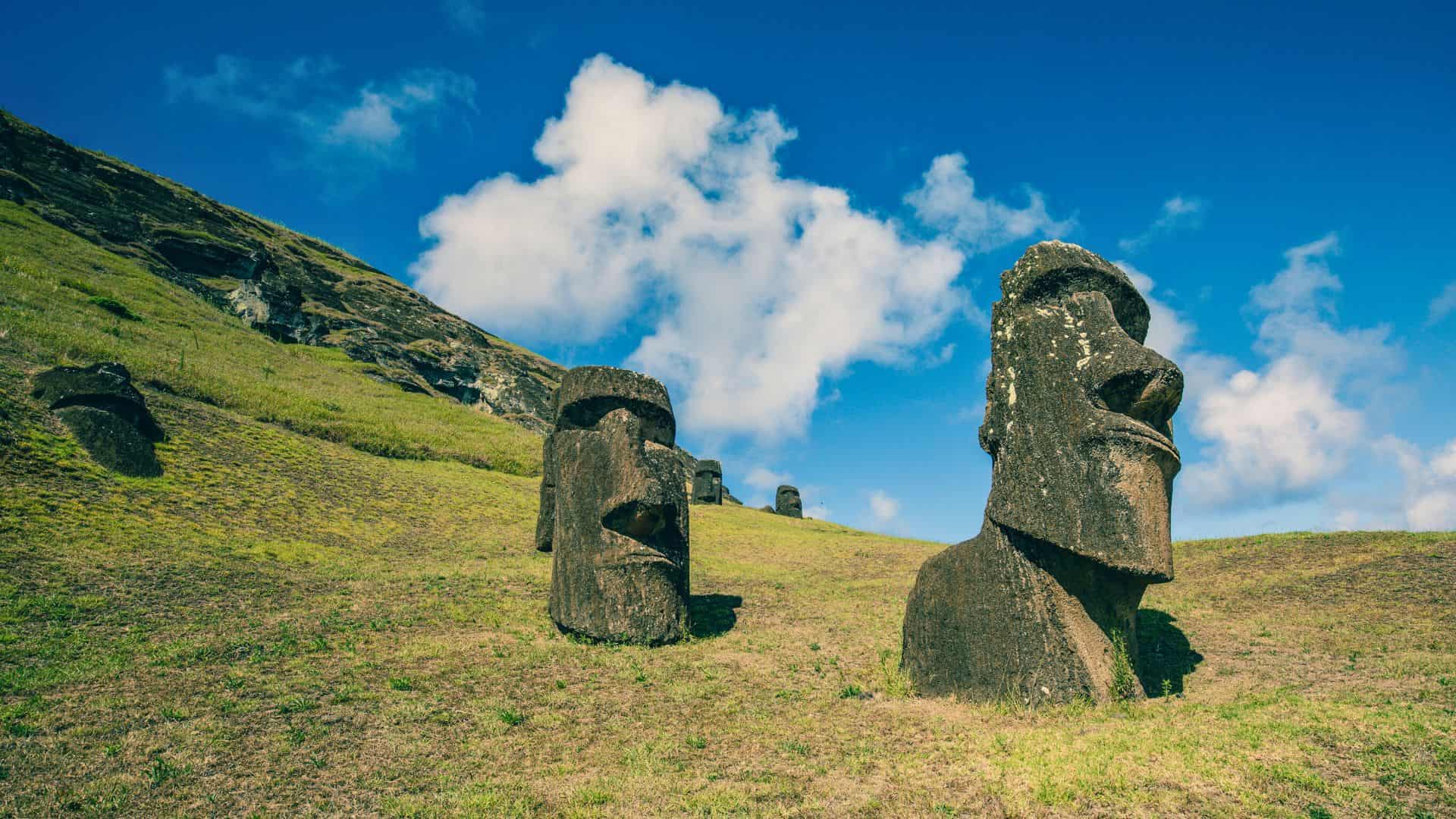
Rapa Nui’s impact comes from isolation and repetition. The moai statues appear across the landscape, reinforcing a sense of continuity rather than spectacle. Access is controlled, and movement follows set paths to protect fragile sites. Wind and light shape how the island feels hour to hour.
Takeaway: Rapa Nui is best experienced slowly, with time allowed to revisit sites under different conditions rather than rushing between them.
Historic Centre of Rome
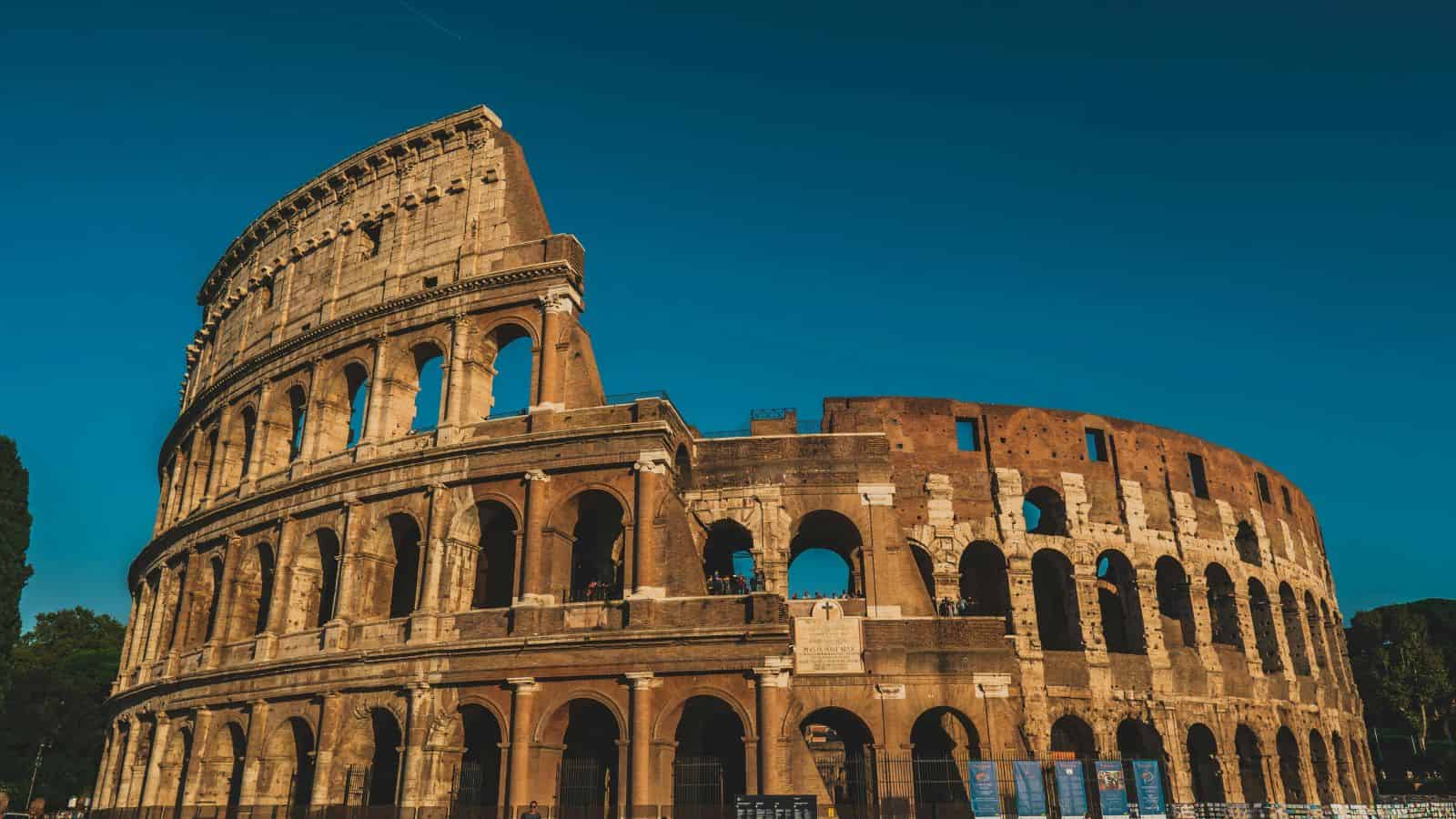
Rome’s historic center layers multiple eras into daily life. Ancient structures sit beside active streets, making history unavoidable rather than staged. Movement is dense, and major landmarks draw constant crowds, but quieter routes exist between them.
Takeaway: Rome’s historic core feels more coherent when explored on foot with flexible routing that avoids peak congestion.
Mont-Saint-Michel

Mont-Saint-Michel shifts character throughout the day as tides and visitor flow change access. The approach, rising village, and abbey form a single sequence rather than separate attractions. Narrow streets compress movement, especially during peak hours.
Takeaway: Mont-Saint-Michel is most rewarding when timed around tides and early or late access to avoid crowd compression.
10 Least-Visited Countries That Might Be the Trip of Your Life

Tired of fighting crowds at the Eiffel Tower or elbowing through Santorini’s sunset chaos? We get it. Sometimes the world’s most famous destinations feel more exhausting than enchanting. Here’s the thing: some of the most extraordinary places on Earth are the ones almost nobody visits. We’re talking about countries where you’ll have ancient ruins practically to yourself, where locals are genuinely thrilled to meet you, and where your travel stories will actually be original.
Learn more here: 10 Least-Visited Countries That Might Be the Trip of Your Life
11 Cheap Countries Popular With Backpackers

Backpacking isn’t just for solo travelers and twenty-somethings anymore. More and more couples are discovering that backpacking together is one of the most romantic and adventurous ways to travel. And the best part? It doesn’t have to drain your savings. Want amazing experiences, cultural immersion, and unforgettable memories without the luxury resort price tag? You’re in the right place.
Learn more here: 11 Cheap Countries Popular With Backpackers
