How Regional Cooking Styles Change From City to City
Travelers often talk about a country’s cuisine as if it were one unified style. But once we start moving between cities, that idea quickly falls apart. Regional cooking can change dramatically from one place to another, sometimes within just a few hours of travel. These differences are one of the clearest ways food reflects geography, history, and local life.
One of the biggest influences is what’s available locally. Coastal cities tend to build their cuisine around seafood, while inland cities rely more on meats, grains, or preserved foods. Even when dishes share the same name, ingredients and preparation methods can shift depending on what grows or arrives nearby. A stew in one city may feel hearty and rich, while its version elsewhere is lighter and more aromatic.
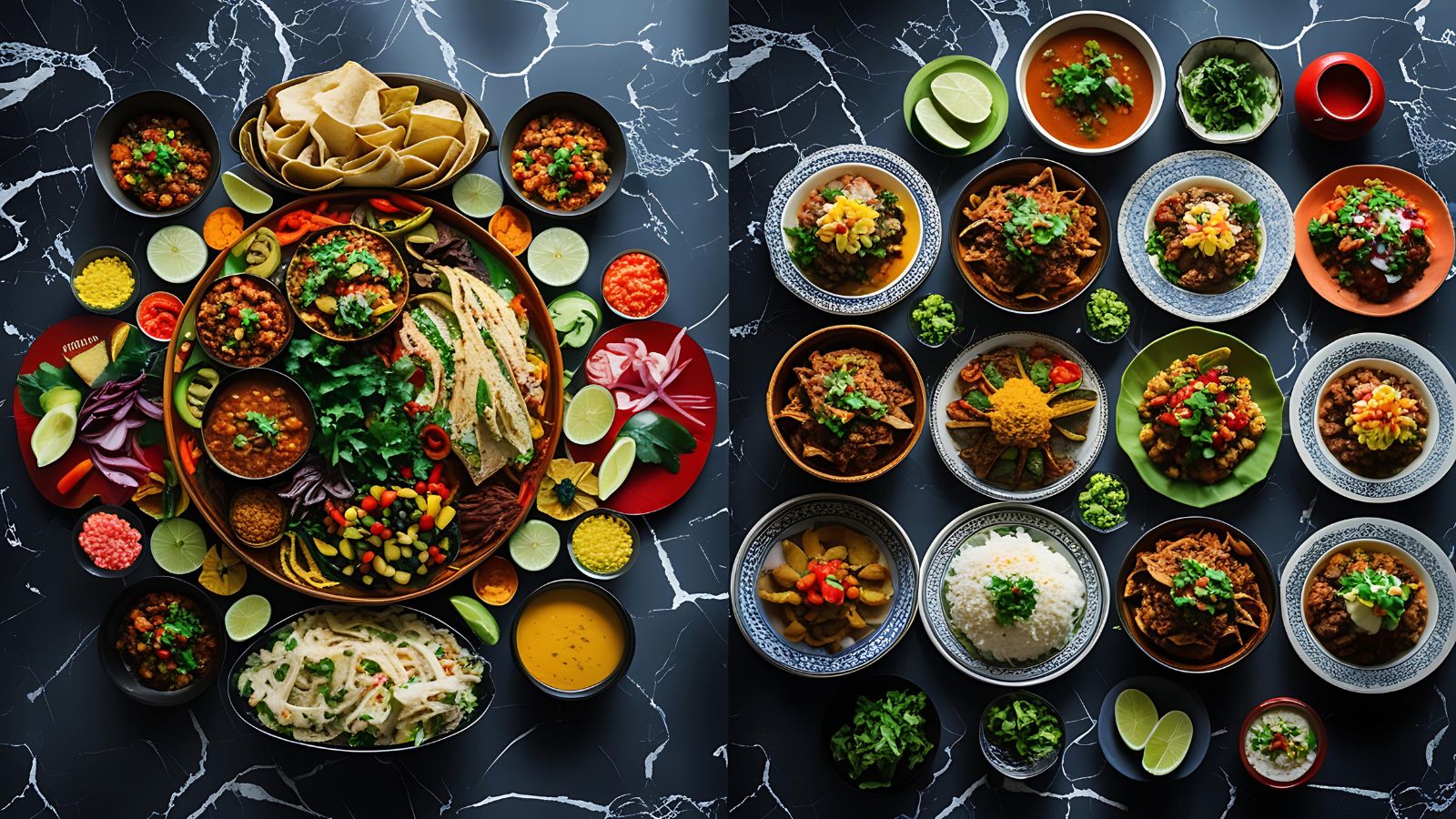
History also plays a role. Cities shaped by trade routes, migration, or colonial influence often carry those layers into their food. Spices, cooking techniques, and even eating customs can differ based on who passed through or stayed. These influences don’t always announce themselves clearly, but they show up in flavor combinations that feel distinct from city to city.
Climate matters too. Hotter regions often favor lighter dishes, fresh herbs, and quicker cooking methods, while colder cities lean toward slow-cooked meals and warming flavors. The same country can feel like two different food worlds depending on temperature and season. Travelers may notice meals becoming heavier or simpler as they move north or inland.
Urban culture adds another layer. Large cities often adapt traditional dishes for speed and convenience, creating street-food versions that differ from what’s cooked at home. Smaller cities may preserve older methods, keeping flavors closer to tradition. Neither approach is more authentic, they simply reflect how people live and eat in that place.
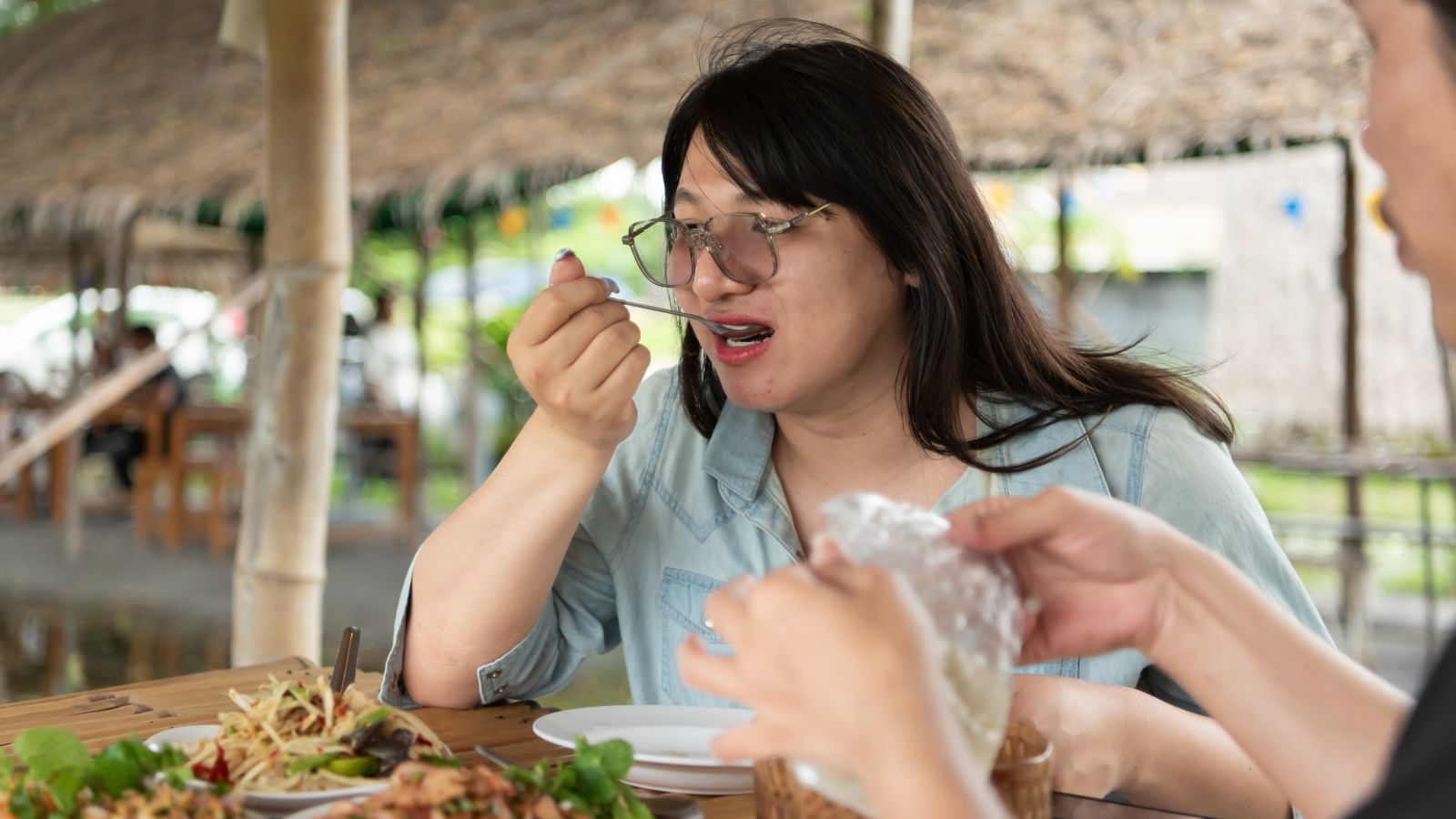
What surprises many travelers is how quickly their expectations need to adjust. Liking a dish in one city doesn’t guarantee enjoying it elsewhere. But that variation is part of the experience. Each city tells its own story through food, even within the same national cuisine.
We think understanding regional cooking styles helps travelers appreciate meals for what they are, rather than what they expected. Instead of searching for a familiar taste, noticing how and why flavors change adds depth to the journey. Food becomes more than nourishment, it becomes a map, guiding travelers from city to city through taste.
