Food Safety Matters More When You’re Away From Home
Food is one of the joys of travel, but it’s also an area where small choices can have outsized consequences. Many travelers discover that habits that feel optional at home matter much more on the road. Food safety while traveling isn’t about fear, it’s about understanding how unfamiliar environments change everyday risks.
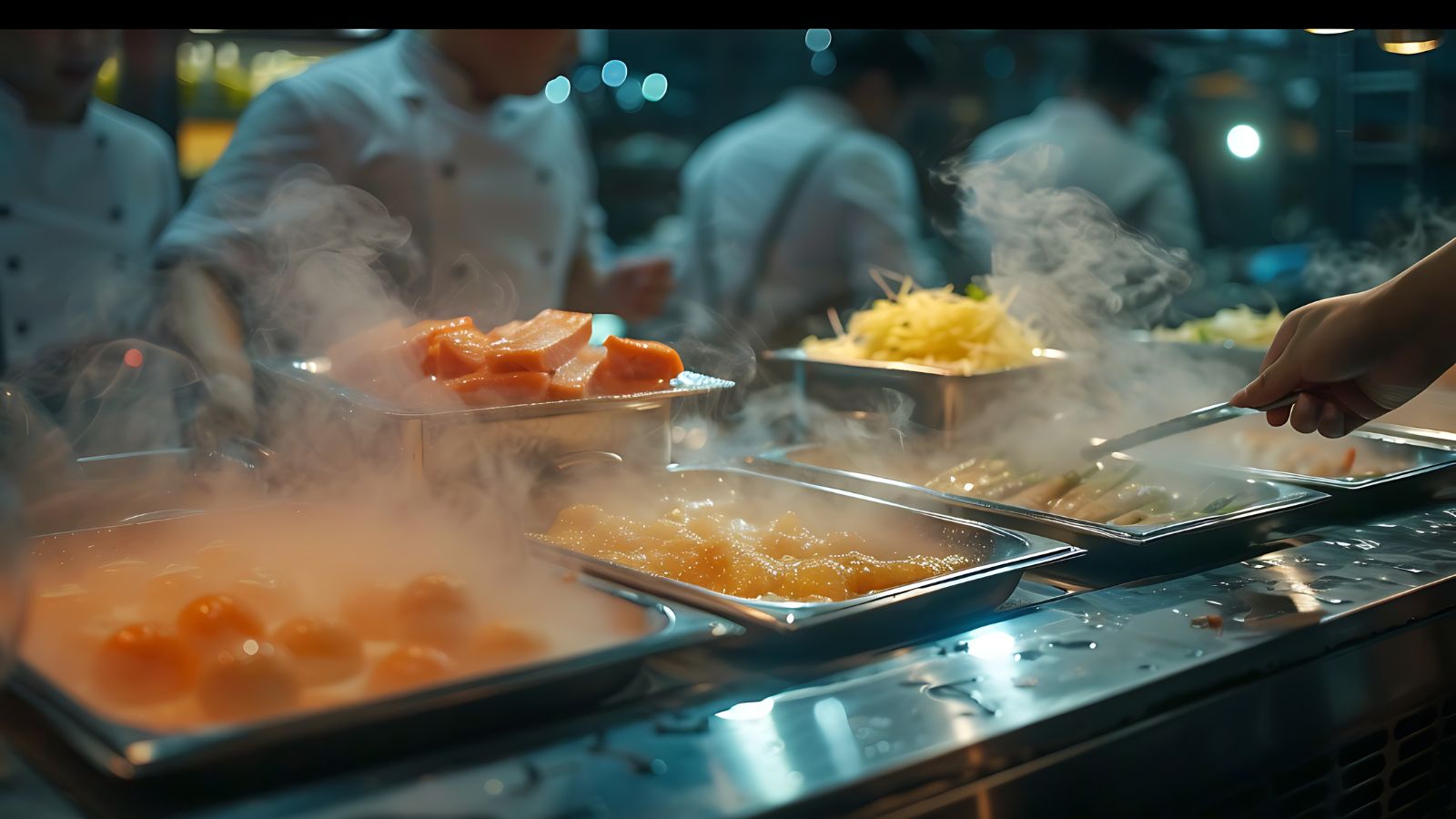
One of the most important habits is paying attention to food handling, not just food type. Where and how food is prepared matters as much as what’s on the plate. Busy places with high turnover tend to be safer because ingredients move quickly and food is less likely to sit out. A quiet restaurant isn’t automatically risky, but slow-moving kitchens deserve a closer look.

Water is another key factor. In some destinations, tap water isn’t treated the same way travelers may be used to. That affects more than drinking water. Ice, washed produce, and even brushing teeth can introduce problems if travelers aren’t cautious. Many experienced travelers default to bottled or treated water until they’re confident about local standards.
Temperature also plays a role. Foods meant to be eaten hot should arrive hot. Lukewarm meals, especially meats or seafood, can signal that food has been sitting out. Similarly, foods that should be cold need proper refrigeration. Trusting temperature cues is one of the simplest ways to avoid issues.
Hand hygiene becomes more important when routines change. Travelers touch more surfaces, use public transportation, and eat on the go. Washing hands before meals or using sanitizer isn’t about being overly careful, it’s about reducing exposure in unfamiliar settings.
Raw foods deserve extra consideration. Salads, unpeeled fruits, and uncooked items can be perfectly safe in some places and problematic in others. This doesn’t mean avoiding them entirely, but choosing them carefully and understanding local practices.
What often surprises travelers is that food safety isn’t uniform even within one country. Standards can vary between cities, regions, and establishments. Paying attention to patterns rather than assuming consistency helps travelers adapt.
We think the goal of food safety habits isn’t restriction, it’s freedom. When travelers make a few mindful choices, they’re more likely to enjoy local food without worry. Staying healthy keeps the focus where it belongs, on the experience, not on recovering from something that could have been avoided.
