Tipping Customs That Vary Widely by Country
Tipping feels straightforward until we travel. What seems like a polite habit at home can quickly become confusing, awkward, or even inappropriate abroad. The challenge isn’t generosity, it’s understanding that tipping carries very different meanings depending on where we are. Travelers often learn this the hard way, usually at the end of an otherwise great meal.
In the United States, tipping is built into the service system. Servers rely on it, and not tipping sends a clear message of dissatisfaction. But this model isn’t universal. In many countries, service staff are paid a stable wage, and tips are seen as a bonus, not an expectation. Applying U.S.-style tipping everywhere can lead to misunderstandings or unnecessary spending.
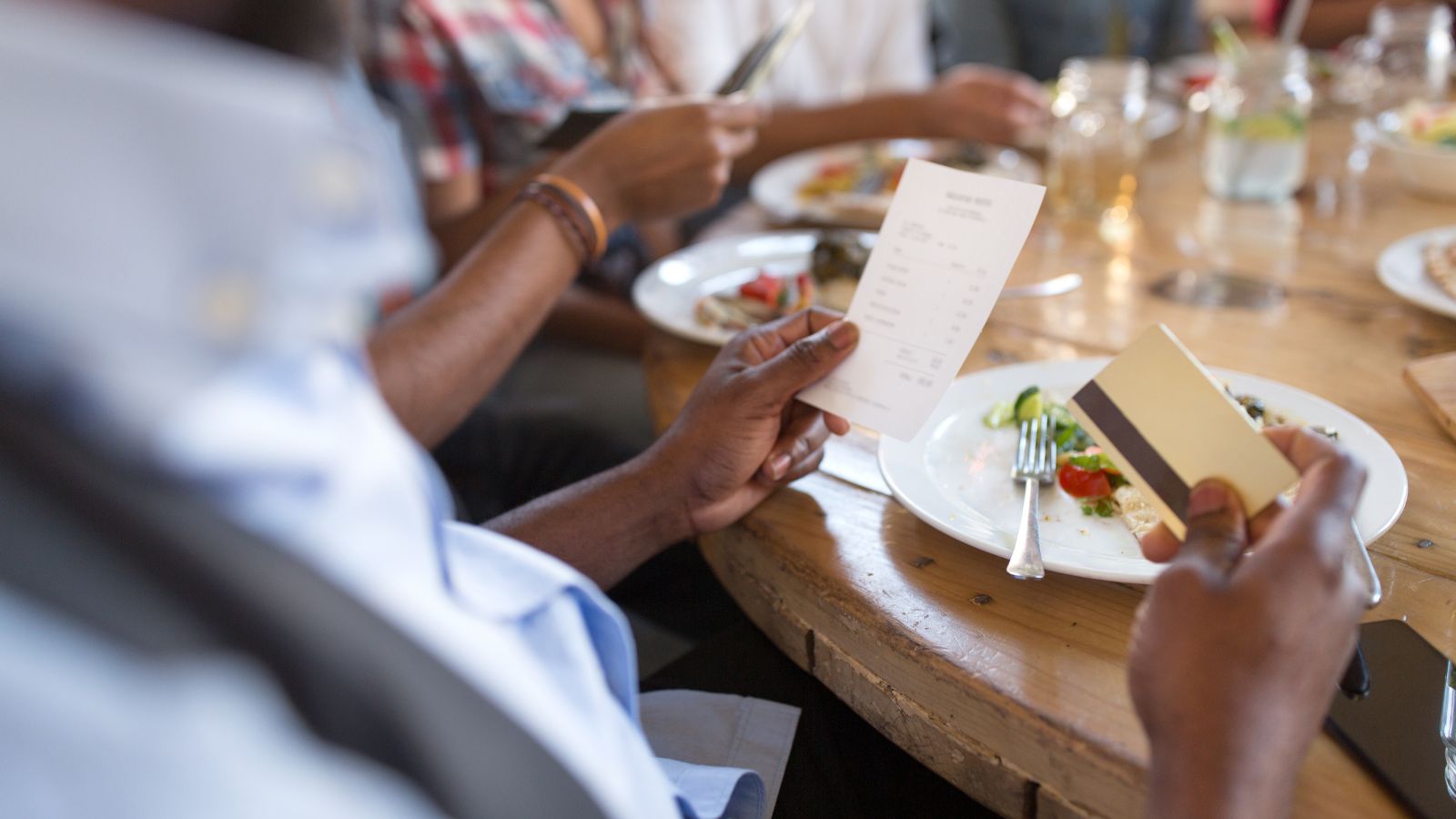
In parts of Europe, for example, service charges are often included in the bill. Leaving extra money may be appreciated, but it’s usually modest and discretionary. Rounding up or leaving small change is common, while large percentage-based tips can feel excessive. Travelers who don’t check the bill closely may end up tipping twice without realizing it.
Elsewhere, tipping can be remembered as an insult rather than a kindness. In countries like Japan and South Korea, good service is considered a professional standard, not something to be rewarded with extra cash. Attempting to tip may create discomfort for staff who see it as questioning their integrity or fairness. What we intend as gratitude can feel misplaced.
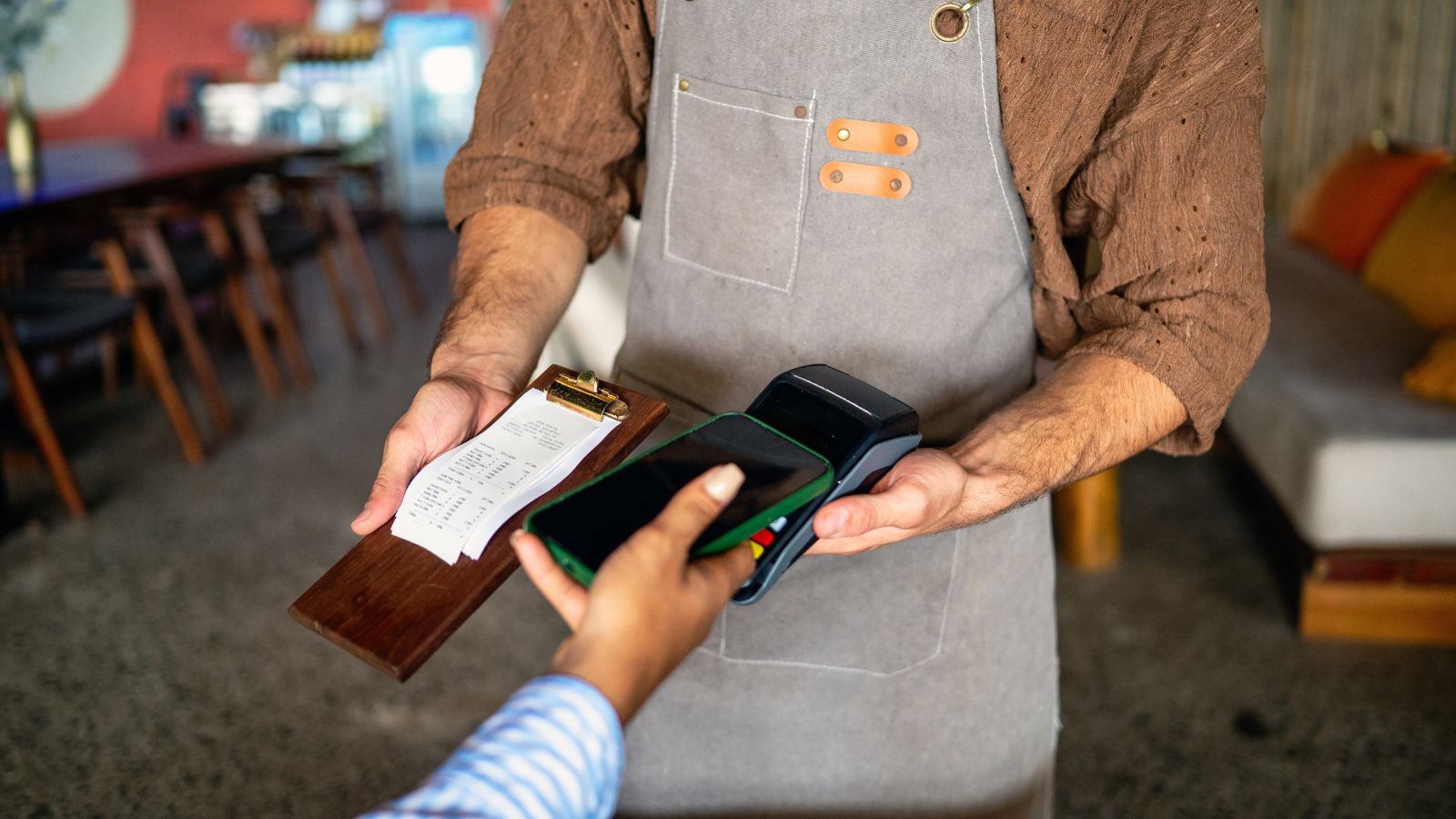
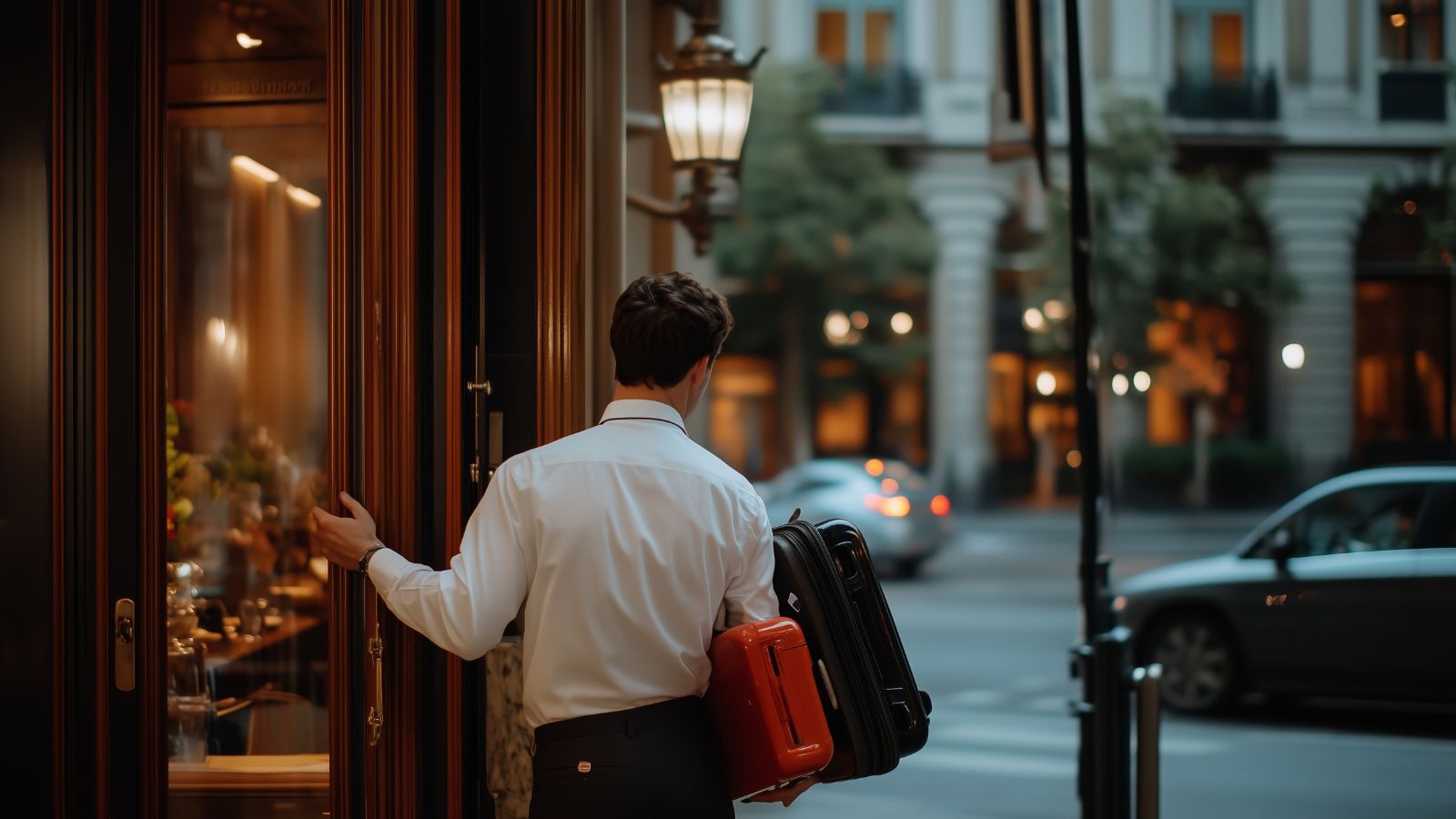
There are also destinations where tipping exists, but only in very specific contexts. Hotel porters, tour guides, or drivers may expect tips, while restaurant staff do not. This inconsistency trips up travelers who assume one rule applies everywhere within a country.
What makes tipping customs especially tricky is that they rarely come with clear guidance. Signs are uncommon, and staff won’t usually correct us. We’re left to interpret social cues while trying not to offend or stand out. In busy tourist areas, staff may accept tips simply because travelers offer them not because they’re required.
We think tipping matters because it sits at the intersection of money and respect. It’s not just about paying more; it’s about understanding how service is valued locally. Taking a few minutes to learn tipping norms before a trip can prevent awkward moments and help us interact more confidently.
When expectations match local customs, the end of a meal feels as smooth as the beginning. And that small moment placing the bill down, saying thank you, and walking away becomes one less thing travelers have to second-guess on the road.
