Hotel Features That Become Non-Negotiable for Older Travelers
When we travel more, our priorities tend to shift. What once felt like a nice bonus at a hotel can slowly turn into something we actively look for and quietly avoid if it’s missing. For many older travelers, this change isn’t about luxury. It’s about comfort that allows us to enjoy the trip rather than recover from it.
One feature stands out: easy, reliable access throughout the hotel.
As we get older, long walks from the lobby, confusing layouts, or frequent stair use can take a toll faster than expected. A hotel might look charming online, but once we’re navigating long corridors or hauling bags up short flights of stairs, the appeal fades. Elevators that are easy to find, rooms located close to main areas, and clear signage stop being conveniences and start feeling essential.

Room layout matters more than many travelers expect. Spacious walkways, beds that are easy to get in and out of, and seating that offers real support make a noticeable difference after full sightseeing days. Low beds, soft couches, or cramped bathrooms can quietly add strain, even if everything looks stylish in photos. Comfort becomes practical, not picky.
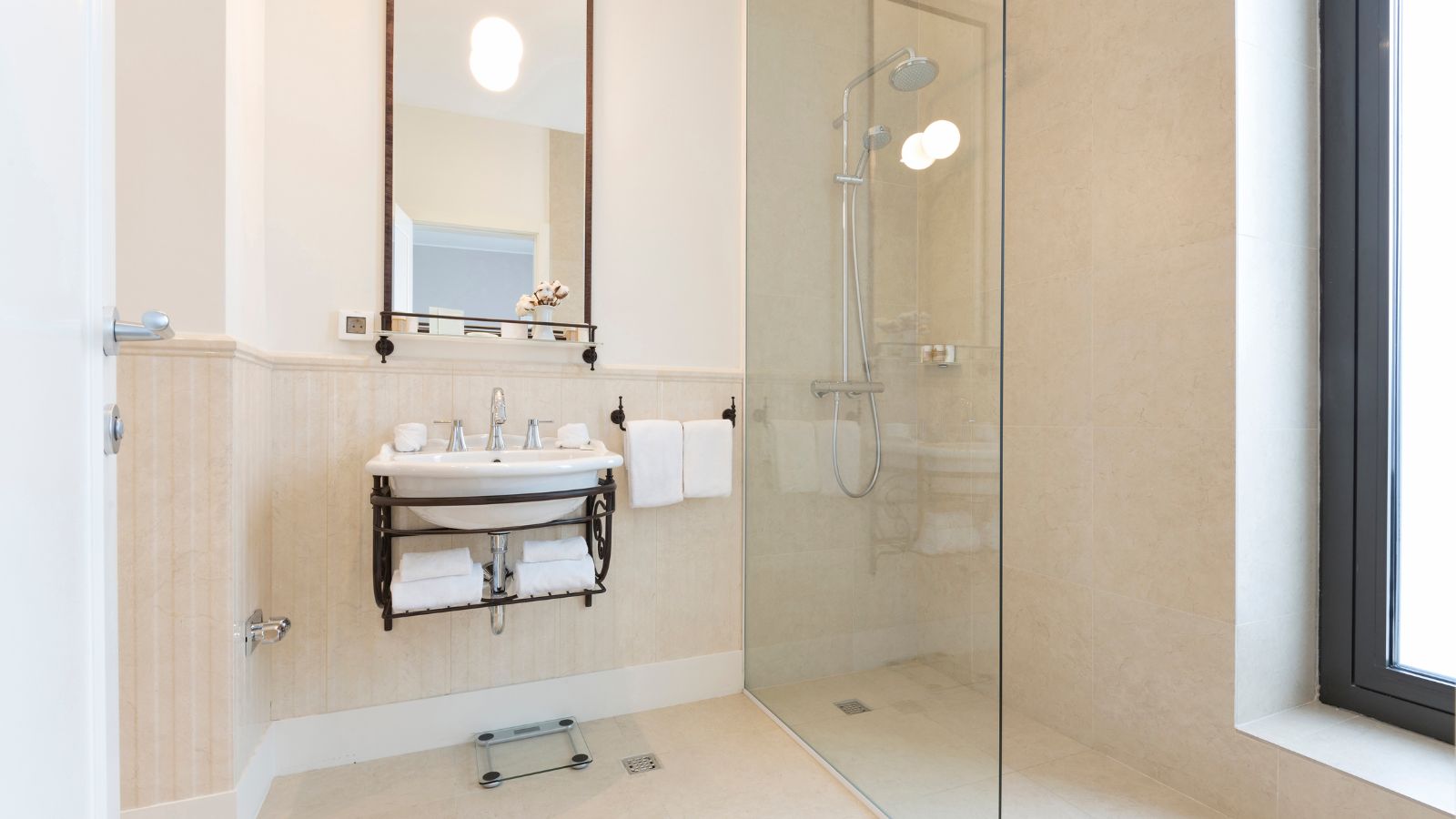
Bathrooms, in particular, often separate a good stay from a stressful one. Walk-in showers, sturdy grab bars, non-slip floors, and good lighting reduce the mental effort of moving around the room. We may not think about these features when booking, but we notice immediately when they’re missing. Feeling steady and secure in the room sets the tone for the entire stay.
Location also becomes harder to compromise on. Being close to public transportation, dining, or main attractions can matter more than saving a little money. Long uphill walks or poorly connected neighborhoods can drain energy quickly. Hotels that reduce daily commuting effort often make trips feel longer and more enjoyable, even if the stay itself is shorter.
Quiet is another feature many older travelers begin to value deeply. Thin walls, late-night bar noise, or early morning hallway traffic can affect sleep more than expected. A good night’s rest isn’t a luxury, it’s what makes the next day possible. Properties that manage noise well often stand out long after the trip ends.

Over time, many of us stop chasing trendy amenities and start choosing hotels that support how we actually move, rest, and recover. These non-negotiable features don’t make travel less adventurous. They make it sustainable.
When a hotel works with us instead of against us, we spend less time adjusting and more time enjoying where we are. And that, more than anything, is what keeps travel feeling rewarding at any age.
