Colonial Williamsburg Proves America’s Past Still Walks Its Streets
In many historic towns, we look at old buildings and imagine what life might have been like. In Colonial Williamsburg, Virginia, imagination gets a little help. Here, the 18th century doesn’t sit quietly behind glass but it moves, speaks, and quite literally walks the streets alongside us.
Colonial Williamsburg is a living-history museum spanning more than 300 acres, where restored and reconstructed buildings line Duke of Gloucester Street much as they did in the 1700s. Costumed interpreters portray everyone from tradespeople and soldiers to political figures, creating an atmosphere that feels less like a static exhibit and more like a functioning colonial capital.
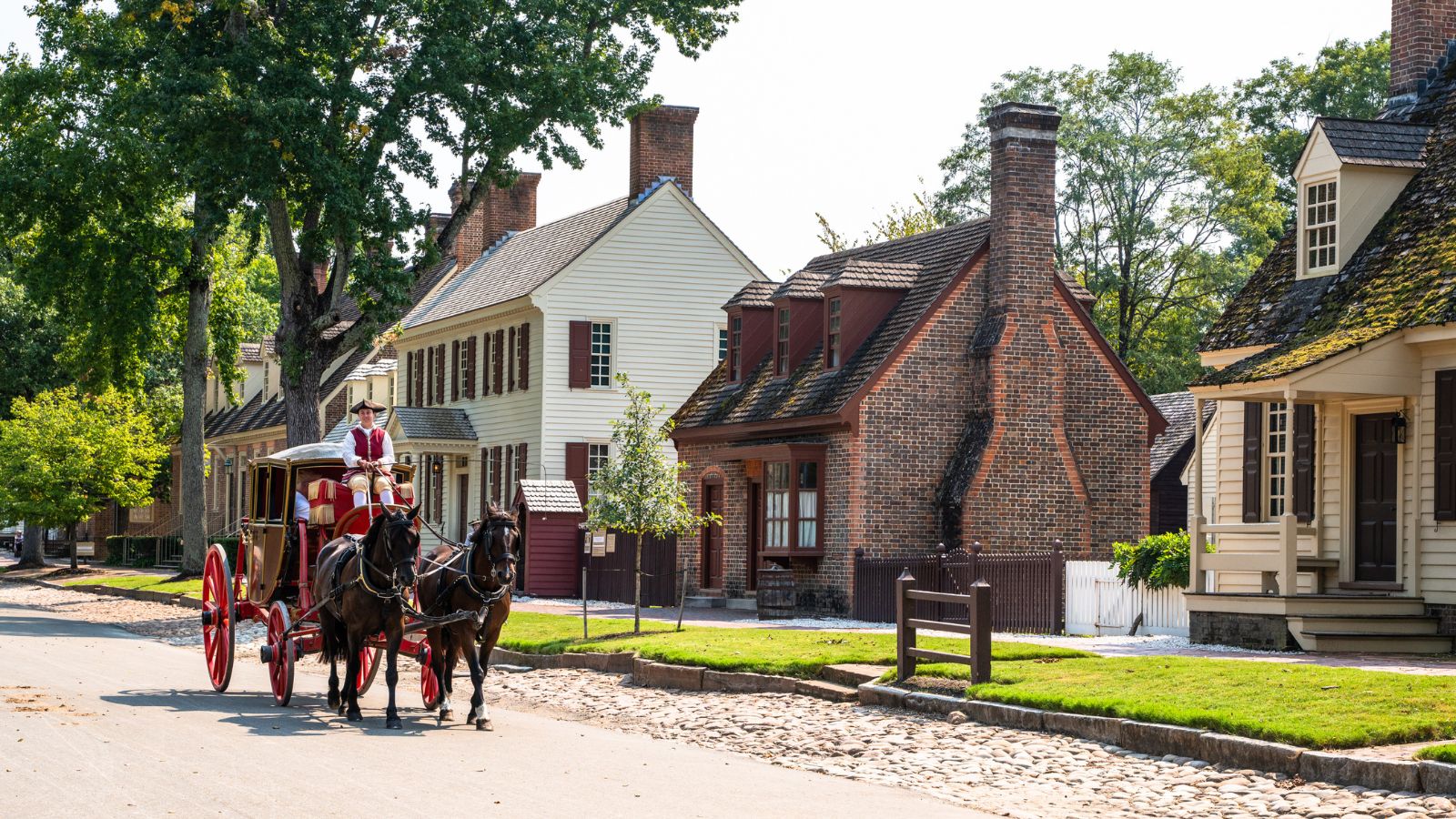
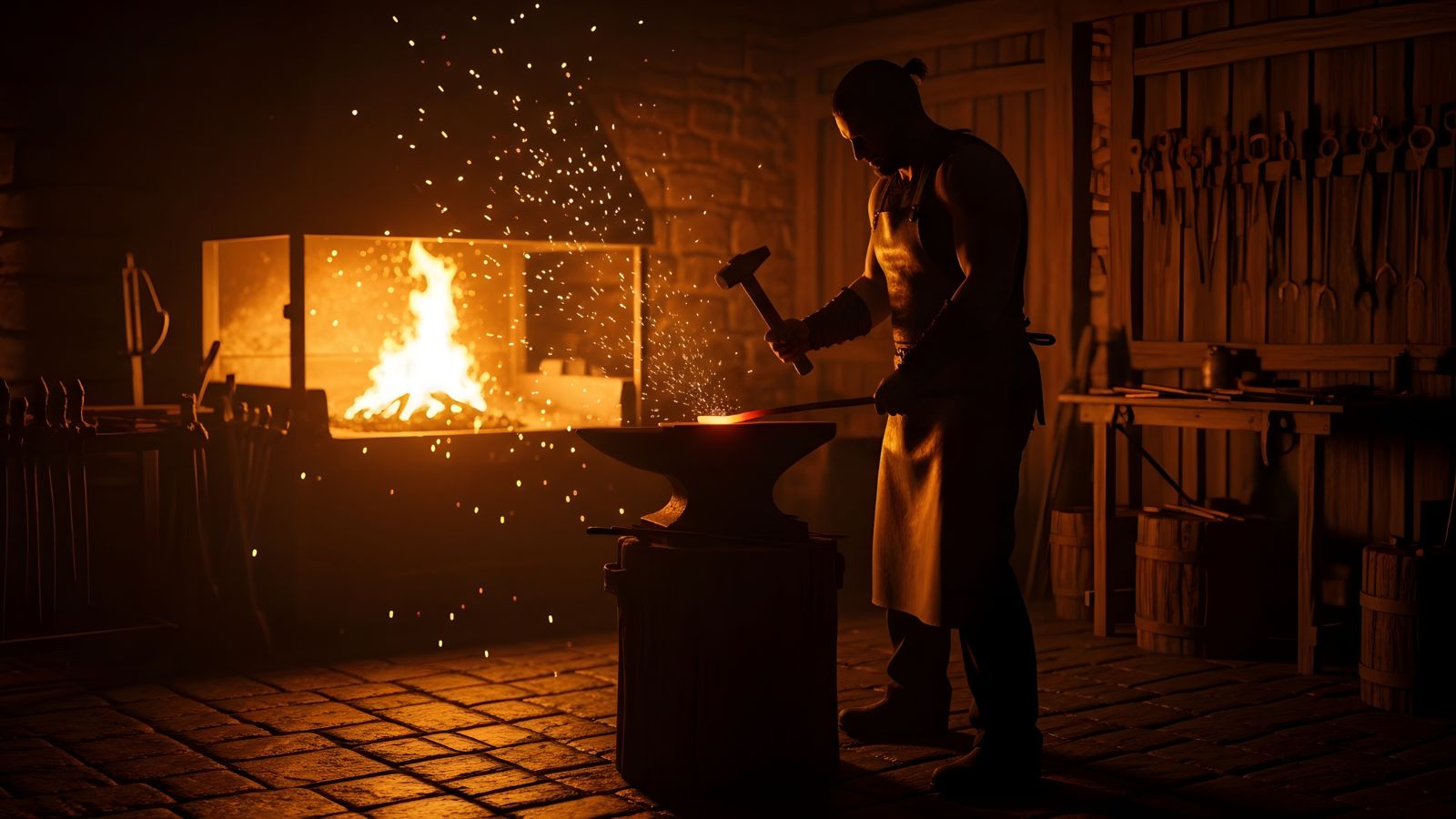
We might pass a blacksmith hammering iron tools, step inside a print shop producing pamphlets, or overhear a debate about independence outside the Capitol building. These aren’t staged performances in a single theater, they’re woven into the daily rhythm of the streets. The effect is immersive without feeling theatrical.
The Governor’s Palace, the Raleigh Tavern, and the colonial courthouse are carefully maintained to reflect their Revolutionary-era appearance. But what makes the experience memorable is the human interaction. We can ask questions, challenge perspectives, and engage in conversations grounded in documented history. That immediacy makes complex events feel more tangible.
At the same time, Colonial Williamsburg has expanded its storytelling to include narratives that were once overlooked. Exhibits and programs now address the lives of enslaved people, Indigenous communities, and women whose contributions shaped colonial society. That broader lens gives the streets greater depth and context.
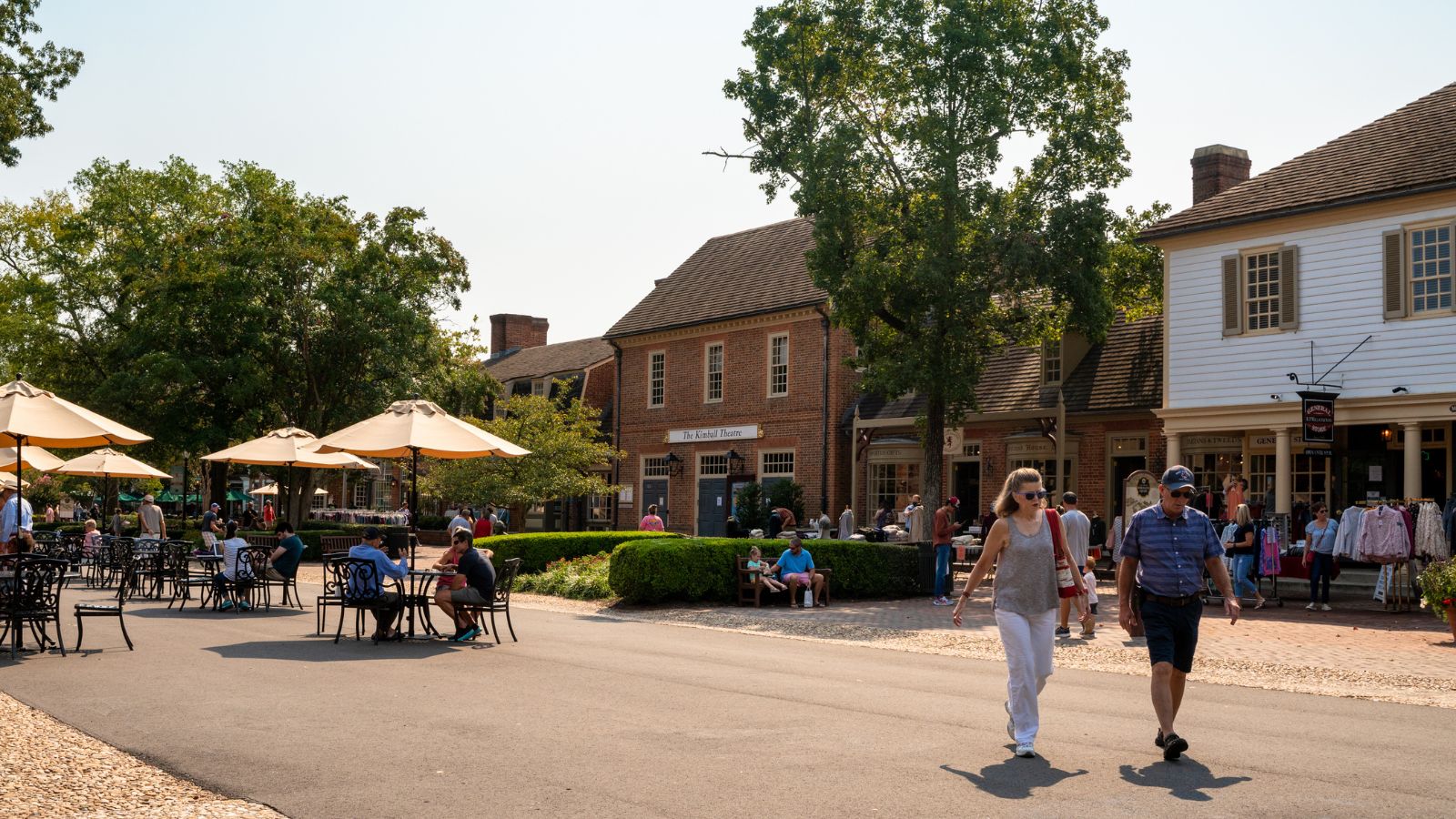
Because much of the area is pedestrian-friendly, walking becomes part of the experience. The absence of modern cars in the Historic Area helps maintain the illusion that we’ve stepped back in time. The pace slows naturally, allowing details, the wooden shutters, brick pathways, and candlelit interiors to stand out.
Colonial Williamsburg works because it doesn’t ask us to simply observe history. It invites us to move through it. And in doing so, it proves that America’s past doesn’t just sit in textbook, it still walks its streets.
